
Reviewed · FULL-DAY TOURS IN POKHARA
Entire Day Pokhara Complete Tour
Pokhara packs a lot into one ride. This private tour takes you from Sarangkot’s Himalayan sunrise to Phewa Tal, sacred caves, museums, river gorges, hilltop temples, and the Tibetan Refugee Camp, all with an air-conditioned car and a licensed guide. I like the wide range of sights and the freedom of touring with only your own group. I also like that guide Gobinda checks that the day is going well, rather than simply rushing you from stop to stop.
The main concern is time. Eleven stops, a sunrise, a sunset, and several museums or temples are a lot for a tour advertised at six to seven hours. Cloud can also spoil the Sarangkot sunrise, as it did on one reported outing. At $114.53 per person, this makes the most sense for a small group that values private transport and wants a broad first look at Pokhara.
In This Review
- Five useful things to know before booking
- Why this private Pokhara tour is useful
- Sarangkot starts the day above Pokhara
- Phewa Tal and the Barahi Temple
- Devi’s Fall and Gupteswar Gupha
- Two museums explain Nepal beyond the scenery
- The Seti River reveals Pokhara’s unusual geology
- World Peace Stupa is the day’s big viewpoint
- Bindhyabasini Temple and Tibetan culture
- What the vehicle and private format change
- Who will get the most from this tour
- Should you book the Entire Day Pokhara Complete Tour?
- FAQ
- How long does the Entire Day Pokhara Complete Tour last?
- Is the tour private?
- Is hotel pickup available?
- What type of vehicle is used?
- Is a guide included?
- Are entrance fees included?
- Is food included?
- Can most people participate?
- What is the cancellation policy?
Five useful things to know before booking
- Sunrise and sunset are both part of the plan: Sarangkot begins the day with mountain views, while the World Peace Stupa offers an evening view over Phewa Lake.
- You get a private vehicle: Only your group participates, with an air-conditioned car and a licensed guide.
- The route covers many sides of Pokhara: You see nature, Hindu and Buddhist sites, museums, river scenery, and Tibetan culture.
- The schedule is tightly packed: Individual stops range from 15 to 60 minutes, so this is a sightseeing sampler rather than a slow visit.
- Food is not included: You pay separately for all meals and drinks during the day.
- The guide can shape the experience: Gobinda received specific praise for checking whether the tour was meeting expectations.
Why this private Pokhara tour is useful
Pokhara is easy to enjoy slowly, but its sights are spread across different parts of the city and surrounding hills. Sarangkot sits above the valley, Phewa Tal anchors the center, the waterfalls and caves are to the south, and the museums and river viewpoints fill in the story of the region. Reaching all of them independently would require arranging several rides and keeping track of opening times and directions.
This tour solves that problem with one vehicle and one guide. You are not joining a large group, so the pace can be more personal. If you want to spend a little longer at the International Mountain Museum or move quickly through a place that does not hold your interest, a private outing gives you a better chance of doing so. Still, the published schedule leaves little spare time, so ask the operator how the sunrise and sunset timing will work on your date.
The price is $114.53 per person. That is not a bargain for one person, but it becomes easier to justify when shared by a small group. You are paying for private transport, an air-conditioned vehicle, guide service, and the convenience of linking eleven sights in one day. All fees and taxes are included, while food and drinks are not.
More Full-Day Tours in Pokhara
- Full-Day Tibetan Cultural Tour to Tibetan Settlements Pokhara
★ 5.0 · 184 reviews - Pokhara: Full-Day Sharing Bus Tour on 7 Iconic Destination
★ 4.1 · 179 reviews - Pokhara: Full-Day Private Tour on 7 Iconic Destination
★ 4.8 · 108 reviews
Sarangkot starts the day above Pokhara
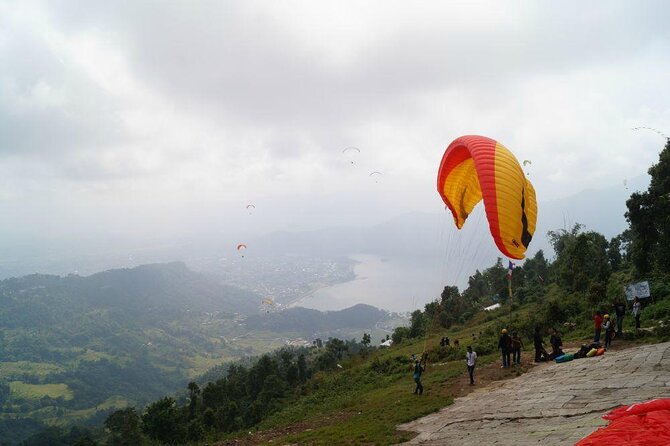
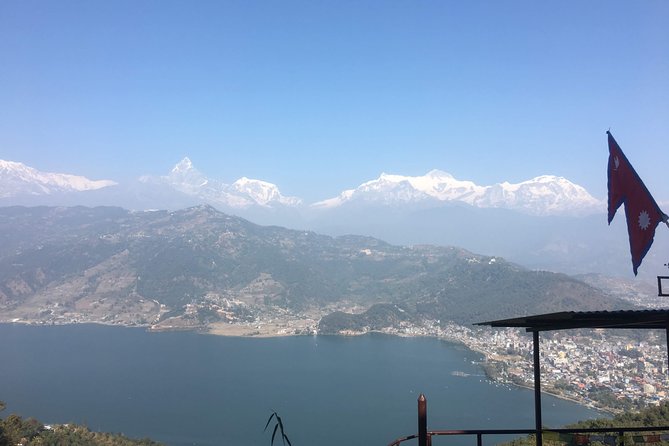
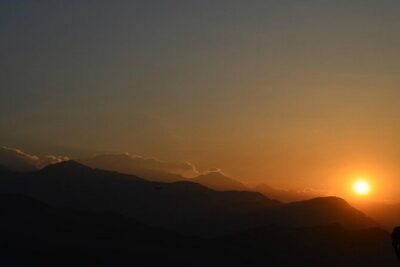
The first stop is Sarangkot, scheduled for about one hour. The aim is an early view of the sun rising over the Annapurna Himalayan range, with Pokhara spread below. On a clear morning, this is the visual highlight of the tour and a strong reason to accept the early start.
Mountain weather is the wildcard. Cloud can block the sunrise completely, even when the viewpoint itself is worthwhile. One outing lost the sunrise to cloudy conditions, so you should treat the view as a possibility, not a promise. The tour does not offer a replacement activity if the mountains disappear.
The one-hour visit is enough for a look and photographs, but not for a long stay. If sunrise is your main goal, confirm the pickup time and ask how much flexibility the guide allows. The tour’s mention of both sunrise and sunset also makes the day sound longer than the stated six to seven hours. That point deserves clarification before you pay.
Phewa Tal and the Barahi Temple
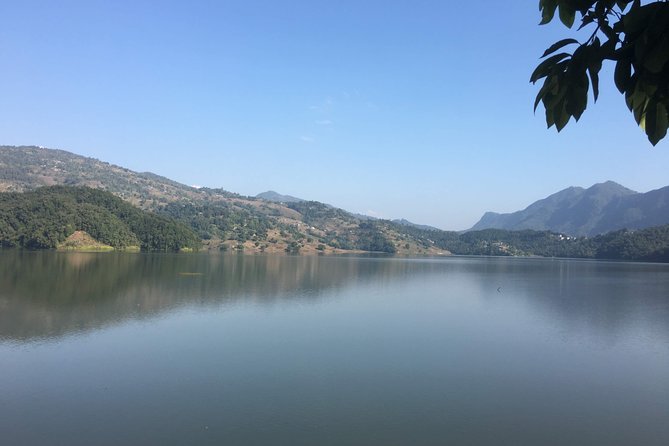
After Sarangkot, the route heads to Phewa Tal, Pokhara’s famous lake. The visit lasts about 30 minutes and includes the Barahi Temple and the lake’s outer area. This is a short introduction rather than a full lake outing.
Barahi Temple is set on an island in Phewa Lake and is one of Pokhara’s best-known religious sites. The schedule gives you time to see the temple area and take in the lake, but it does not list a boat ride. Do not assume that boating is part of the price.
This stop adds a useful change of pace after the mountain viewpoint. Sarangkot gives you a high view of Pokhara, while Phewa Tal places you at the center of its daily setting. With only half an hour, you will need to keep moving.
Devi’s Fall and Gupteswar Gupha
The next two stops show how water and rock shape this part of Pokhara. Devi’s Fall receives about 25 minutes. The water runs into an underground cave network beneath the city, making this more than a simple roadside waterfall stop.
The supplied description calls it Devis Lake in one place, but the attraction is generally presented as Devi’s Fall. The important point for your visit is the unusual underground flow. With less than half an hour, expect a quick look rather than a long walk around the site.
Gupteswar Gupha, the nearby cave, gets about 30 minutes. Inside, you can see naturally formed rock stalagmites and an ancient Shiva temple. During the fall, the route may allow you to go farther into the cave and see the waterfall from inside as it continues toward the river.
This is one of the tour’s more distinctive pairings. First you see the water vanish, then you enter the cave system connected with it. The cave visit may feel cramped or uneven, so wear practical shoes if you have a choice. The information provided does not specify cave access conditions or whether every section is open on every date, so ask your guide when you arrive.
A few more trips worth weighing up before you book
- Pokhara: Sarangkot Sunrise with Half or Full-Day City Tour
★ 4.8 · 100 reviews - The Best of Pokhara: Full-Day Private Tour with Sarangkot Sunrise
★ 5.0 · 66 reviews - Pokhara: Sarangkot Sunrise And Private Full-Day Tour
★ 4.8 · 32 reviews - Full Day Car Drive to Explore Places of Interest of Pokhara
★ 5.0 · 17 reviews
Two museums explain Nepal beyond the scenery
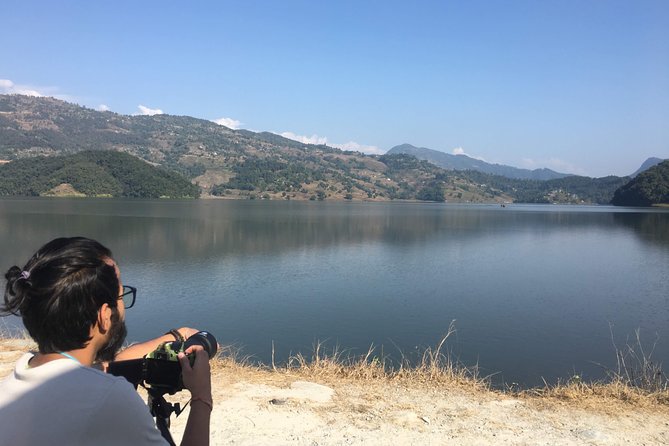
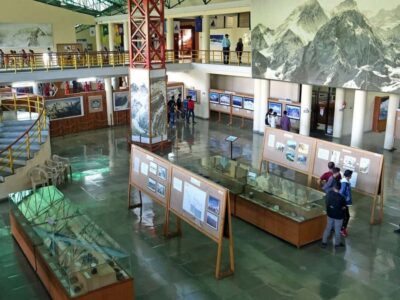
The International Mountain Museum receives 30 minutes. I see this as one of the most valuable stops for anyone who wants more than photographs of the Himalayas. The museum covers the mountains, the people connected with them, and the way the Himalayas have inspired millions around the world.
Half an hour is enough for a focused visit, but not for every display. If mountain culture and Himalayan exploration interest you, this may be the place where you wish the schedule had more room. Gobinda’s care and the museum were singled out as highlights on one outing, which gives this stop added weight in judging the tour’s value.
The Gorkha Museum follows with about 20 minutes. It focuses on the brave Gorkhas and their worldwide reputation for courage. This offers a different angle from the mountain museum, moving from peaks and communities to military service and Nepal’s international identity.
Twenty minutes is brief. You will get the central idea, but you may need to move quickly through the displays. Together, the two museums give the day useful context. They help you understand people and institutions connected with Nepal, rather than treating Pokhara as scenery alone.
The Seti River reveals Pokhara’s unusual geology
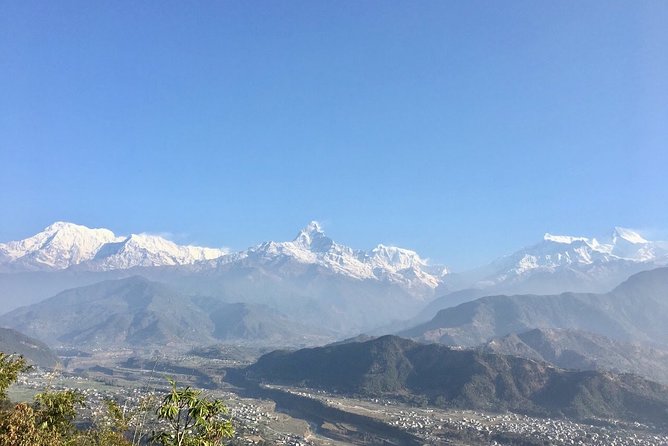
The itinerary includes two Seti River stops. The Seti River Gorge takes about 15 minutes and shows how the river cuts through the city and helped form the area around Pokhara. This is a short viewpoint visit, best treated as a quick lesson in local geology.
The second stop, Seti Gandaki, lasts about 20 minutes and offers a view from a high hanging bridge. Hanging bridges are common in Nepal, and this stop gives you a chance to see one while looking down toward the river.
These stops are close in subject but not identical in feel. The gorge explains the force of the river, while the bridge provides a more direct view from above. If heights make you uneasy, the schedule does not say whether you must cross the bridge, so check with the guide. The short timings also mean you should not expect a long riverside walk.
World Peace Stupa is the day’s big viewpoint
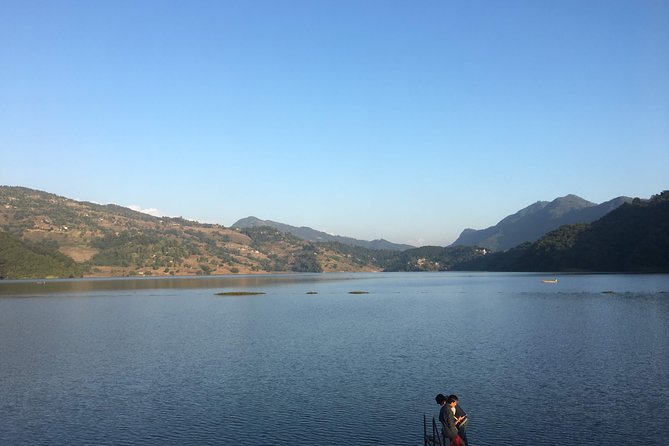
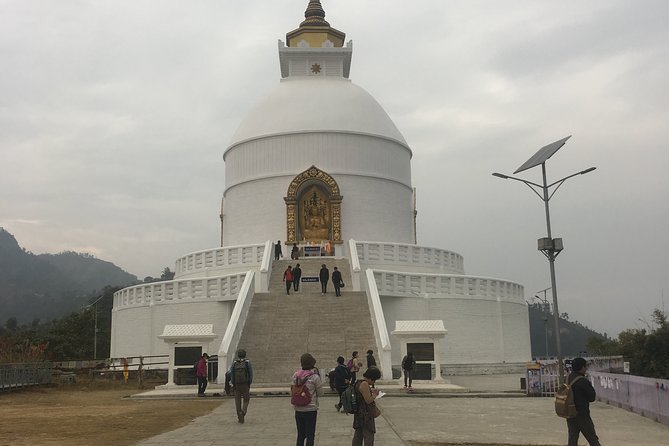
The access road to the World Peace Stupa is scheduled for 45 minutes, with no admission fee listed. From the Peace Pagoda, you can see Pokhara Valley and Phewa Lake, then take in the setting sun from a Buddhist site dedicated to peace.
This is the other major panorama after Sarangkot. The morning viewpoint looks toward the Annapurna range, while the stupa gives you a broad view across the valley and lake. If the weather blocks one of those views, the other may still work, but conditions are never guaranteed.
The wording of the schedule suggests a sunset visit, yet the overall duration is only six to seven hours. Depending on the season and starting time, fitting both ends of the day into one outing may be difficult. I would ask for a clear timeline before booking, especially if sunset at the stupa matters to you.
Bindhyabasini Temple and Tibetan culture
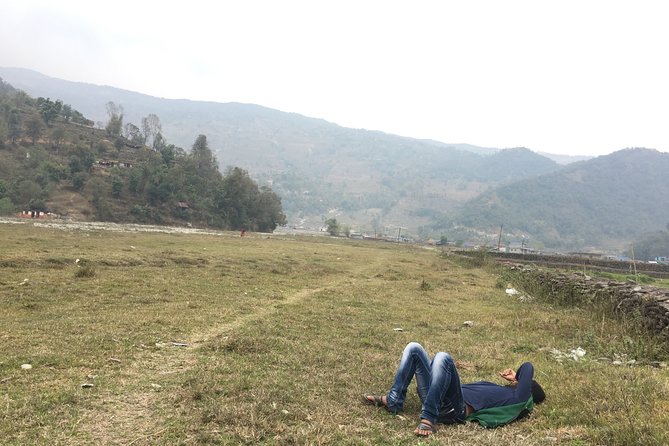
Bindhyabasini is a hilltop temple dedicated to the sacred feminine in Hindu culture. The visit lasts about 20 minutes and gives you a chance to observe customs and religious rituals. This is a cultural stop, not simply another photo point, so dress and behave respectfully around worshippers.
The short visit means you will receive an introduction rather than a long period for observation. Your licensed guide should be useful here, especially when explaining what you are seeing without interrupting religious activity. The tour description does not promise a formal ceremony or special access, so expect to observe the temple as it functions that day.
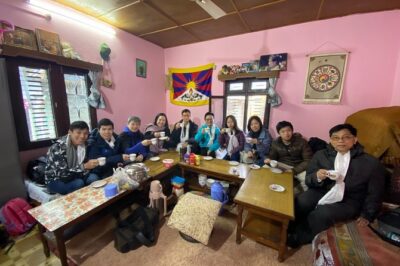
The Tibetan Refugee Camp receives about 30 minutes. It introduces the culture of Tibetan people who were exiled from their country and established a community in Pokhara. This is an important human element in a day otherwise filled with views, monuments, and museums.
The stop is short, but it broadens your understanding of Pokhara’s population and cultural mix. I would approach it with patience and respect. The provided details do not specify demonstrations, shopping, or workshop visits, so do not book this expecting a particular activity beyond experiencing the community and its culture.
What the vehicle and private format change
An air-conditioned vehicle matters in a packed day. You can move between hill viewpoints, city sights, caves, and museums without arranging separate transport. It also gives your group a private place to regroup between stops.
Because only your group participates, you avoid waiting for a bus full of strangers. That can make a difference when you have only 15 or 20 minutes at a stop. The guide can also check whether you are satisfied, a practical strength shown by Gobinda’s attentive approach.
Private does not mean unlimited time. The driver still has to cover a large route, and the stated duration remains six to seven hours. If you want long museum visits, a relaxed meal, or extended time at Phewa Tal, this plan may feel hurried. If you want to see the city’s major sights in one organized sweep, the format is much better suited.
Who will get the most from this tour
I would recommend this tour to you if you have limited time in Pokhara and want a broad orientation. It works especially well for a small group that prefers a private car, wants guide explanations, and does not want to plan separate rides to eleven locations.
It also suits people who want a mix of experiences: mountain views, a lake, a waterfall, caves, museums, Hindu and Buddhist sites, river scenery, and Tibetan culture. That range is the tour’s strongest quality.
I would be more cautious if your priority is a calm pace. The schedule allows only 15 minutes at the gorge and 20 minutes at the Gorkha Museum, while the two sunrise and sunset goals may stretch the day beyond the stated duration. It is also not the best choice if food stops are important, since all meals and drinks are extra and no meal is included.
Most travelers can participate, service animals are allowed, and the tour is near public transportation. Confirmation arrives when you book. The cancellation terms are straightforward: you receive a full refund if you cancel at least 24 hours before the local start time, but cancellations or changes inside that window are not accepted for a refund.
Should you book the Entire Day Pokhara Complete Tour?
Book it if you want maximum sightseeing in a private vehicle and accept a brisk pace. The International Mountain Museum, Sarangkot, Phewa Tal, and the Peace Stupa give the day strong variety, while the caves, temples, river views, Gorkha Museum, and Tibetan Refugee Camp add useful local context.
Before booking, confirm the exact timing for Sarangkot sunrise and World Peace Stupa sunset. Also ask how your group can use the private format if a museum or temple deserves extra time. For a small group, $114.53 per person can be fair because transport, guide service, taxes, and fees are covered. For one person, the price is harder to defend.
If you want an efficient first look at Pokhara, I would book it. If you want slow lake time, a full museum visit, or a leisurely meal, choose a shorter and more focused outing instead.
FAQ
How long does the Entire Day Pokhara Complete Tour last?
The tour lasts approximately six to seven hours.
Is the tour private?
Yes. Only your group participates in the tour.
Is hotel pickup available?
Pickup is offered, although the supplied information does not specify the exact pickup area or time.
What type of vehicle is used?
The tour includes an air-conditioned vehicle.
Is a guide included?
Yes. The experience includes a licensed guide who provides information about Nepalese history and culture.
Are entrance fees included?
All fees and taxes are included. The World Peace Stupa and Bindhyabasini stops are specifically listed with no admission fee.
Is food included?
No. All food and drinks are paid for separately.
Can most people participate?
Yes. Most travelers can participate, and service animals are allowed.
What is the cancellation policy?
You can cancel at least 24 hours before the local start time for a full refund. Cancellations or changes made less than 24 hours before the start time are not refunded or accepted.
Just added around Pokhara
- Double Dare: Tandem Bungee Adventure★ 4.3 · 3 reviews
- Exhilarating Pokhara-Kathmandu Bus Journey Experience★ 3.5 · 3 reviews
- 3 Day Australian Camp Dhampus Ghandruk Easy Trek in Pokhara★ 3.5 · 3 reviews
- Paragliding in Pokhara★ 5.0 · 3 reviews
- Seti George and Thrilling Suspension Bridge Tour at Pokhara★ 4.5 · 3 reviews
- Overnight Dhampus Australian Camp Easy Hiking from Pokhara★ 5.0 · 3 reviews
- Full Day Entire Pokhara Tour by Car with Guide★ 4.5 · 3 reviews
- 5 Days Mardi Himal Trek.★ 5.0 · 3 reviews
Full-Day Tours in Pokhara, compared.
Full-Day Tibetan Cultural Tour to Tibetan Settlements Pokhara
Read our review →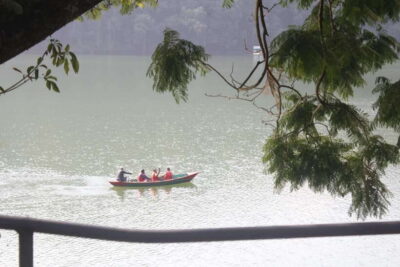
Full-Day Sharing Bus Tour on 7 Iconic Destination
Read our review →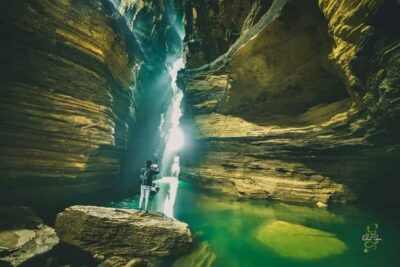
Sarangkot Sunrise with Half or Full-Day City Tour
Read our review →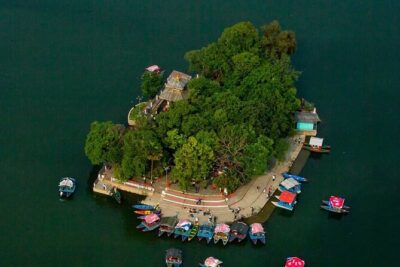
The Best of Pokhara: Full-Day Private Tour with Sarangkot Sunrise
Read our review →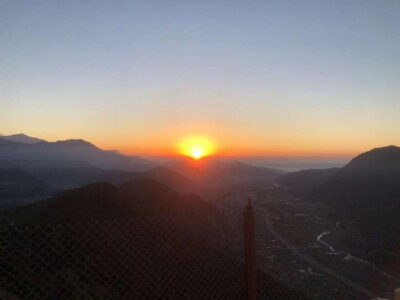
Full Day Car Drive to Explore Places of Interest of Pokhara
Read our review →
Browse the lists this tour appears in