
Reviewed · HISTORICAL TOURS
Full Day Tibetan Cultural Tour
Tibetan life adds another layer to Pokhara. This eight-hour cultural day takes you beyond the lakeside streets to refugee settlements, monasteries, a carpet workshop, and local homes. I especially like the access to monks and Tibetan families, plus the chance to speak with a Tibetan doctor rather than simply look at buildings. The main consideration is that this is a learning-focused tour, not a fast sightseeing trip.
Guide Thupten Gyatso is central to the experience. He is a Tibetan native with a clear connection to the culture he presents, and his English is praised as easy to understand. I also like the small group limit of eight people, though the day includes walking, extended conversations, and several food stops, so it may feel long if you prefer a relaxed half-day outing.
In This Review
- Key reasons this day is different
- Why this Pokhara tour is worth your day
- Starting from Lakeside and heading to Tashiling
- Carpets, photographs, and the story of exile
- Tibetan medicine and the pulse-reading consultation
- Lunch with momos and thenthuk
- Pema Ts’al Sakya Monastic Institute
- Afternoon prayer and the sound of the monastery
- Hemja Tibetan Refugee Camp and the final tea
- The guide makes the difference
- Who will enjoy this, and who may not
- Practical value at $82 per person
- Should you book the Tibetan Cultural Tour?
- FAQ
- How long is the Tibetan Cultural Tour?
- Where does pickup take place?
- Which Tibetan settlements does the tour visit?
- Is lunch included?
- What food can I try?
- Will I meet a Tibetan doctor?
- Can I speak with a Buddhist monk?
- Can I attend a monastery prayer ceremony?
- Is the tour suitable for wheelchair users?
- How many people can join the group?
- What language is the tour conducted in?
- Can I cancel the booking?
Key reasons this day is different
- Afternoon prayer with monks: Hear chanting and traditional instruments inside a monastery, then speak directly with a young monk about study and daily life.
- Two Tibetan settlements: Visit Tashiling and Hemja to see how Tibetan communities have maintained their language, identity, and Buddhist customs in Nepal.
- A working carpet tradition: Watch handmade Tibetan carpets being produced and compare the work with finished pieces in a showroom.
- Tibetan medicine in person: Meet a Tibetan doctor, ask questions, and receive a consultation that includes pulse reading.
- Food with cultural context: Try momos, thenthuk, salted butter tea, tsampa, and Tibetan bread while Thupten explains how they fit into everyday life.
- A personal guide: Thupten Gyatso brings his own Tibetan background to the day, which gives the tour more meaning than a standard city excursion.
Why this Pokhara tour is worth your day
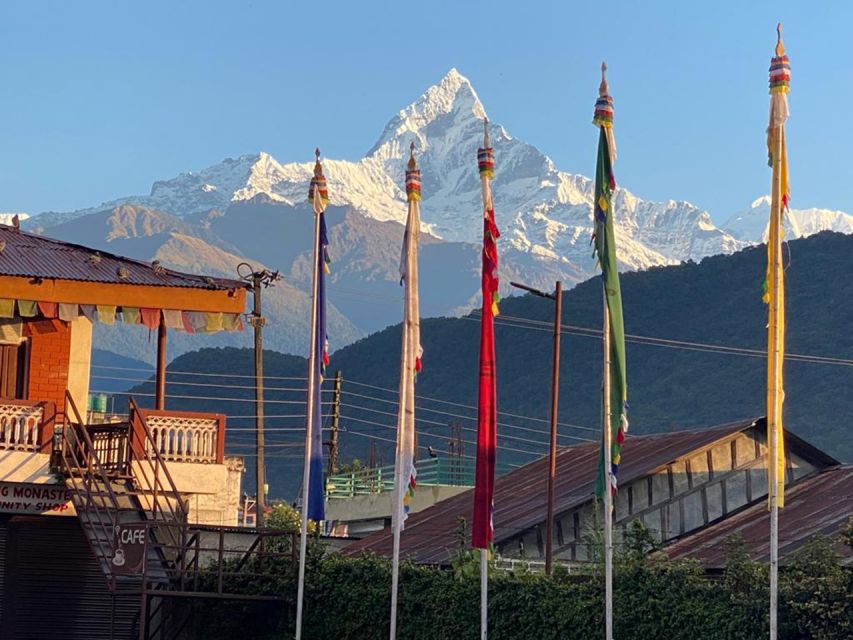
Pokhara is usually a place for mountain views, boating, and trekking plans. This tour gives you a different way to understand the people who live around the valley. You are not only looking at Buddhist symbols or entering a monastery for a photograph. You are given explanations, time for questions, and contact with people connected to Tibetan religious and family life.
The tour costs $82 per person. That is not the cheapest way to spend a day around Pokhara, but the price includes a private cultural guide, pickup and return around the Lakeside area, food, drinks, monastery visits, the carpet workshop and showroom, a photo gallery, a Tibetan medical consultation, and access to a local family home. I see the strongest value in the personal conversations. A standard sightseeing trip can show you a stupa. This one explains why the symbols matter and how they fit into daily routines.
The small group size, limited to eight people, also matters. You can ask questions without competing with a busload of people, and conversations with a monk or doctor have a better chance of feeling natural. I would choose this for a curious visitor who wants context and human contact, not for someone trying to tick off as many Pokhara sights as possible.
More Full-Day Tours in Pokhara
- Full-Day Tibetan Cultural Tour to Tibetan Settlements Pokhara
★ 5.0 · 184 reviews - Pokhara: Full-Day Sharing Bus Tour on 7 Iconic Destination
★ 4.1 · 179 reviews - Pokhara: Full-Day Private Tour on 7 Iconic Destination
★ 4.8 · 108 reviews
Starting from Lakeside and heading to Tashiling
Pickup is available around Pokhara’s Lakeside area, the most convenient base for many visitors. If your hotel is outside Lakeside, an extra transportation charge applies, based on its location. Confirm that cost before booking so the final price is clear.
The first major stop is Tashiling Tibetan settlement, where you spend about four hours. This is the longest portion of the day, and it combines walking, sightseeing, food, conversation, and several cultural visits. You can expect scenic views during the drive, but the purpose here is to understand the settlement rather than rush through it.
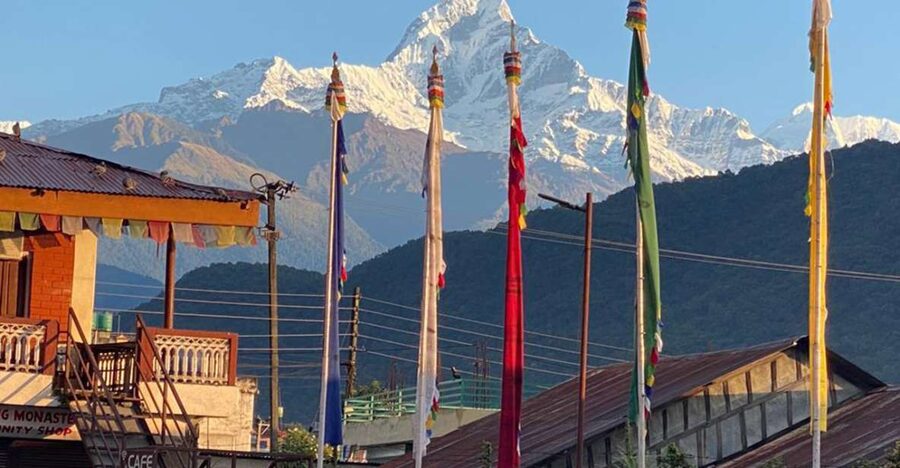
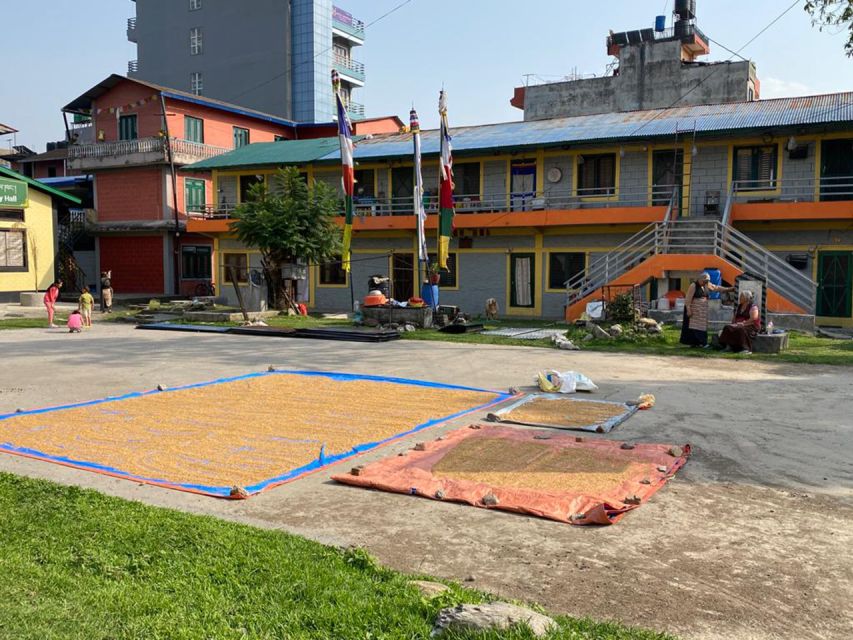
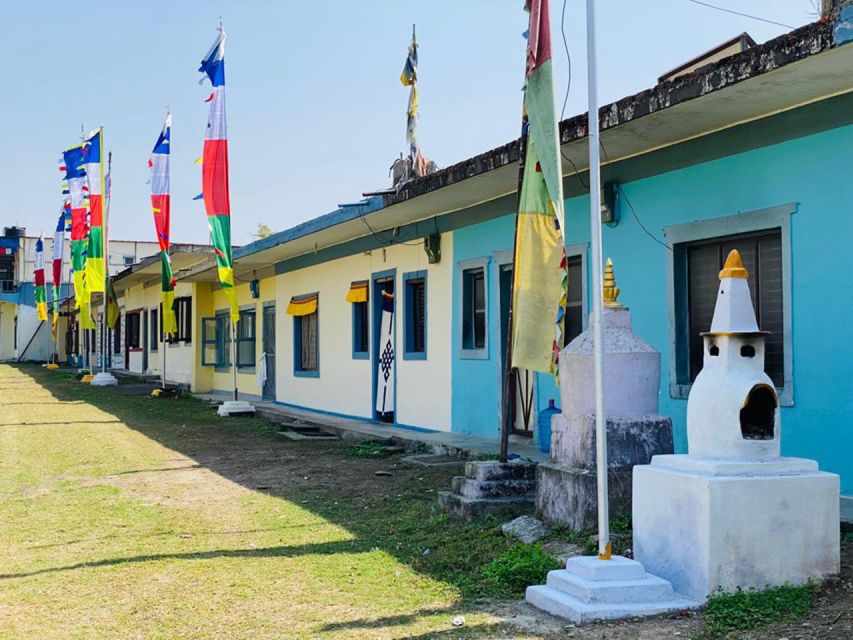
Tashiling helps explain how Tibetan people have preserved their language, Buddhist traditions, and sense of identity after settling in Nepal. Thupten’s role is especially important at this point. He can connect the visible details, such as prayer flags, prayer wheels, stupas, and monastery buildings, with their meaning in daily life.
I like that Buddhist symbols are treated as more than decoration. You learn how prayer wheels are used, why prayer flags carry prayers into the air, and what stupas represent. You should still follow the usual monastery manners: listen carefully, dress respectfully, and ask before taking photographs of people or ceremonies.
Carpets, photographs, and the story of exile
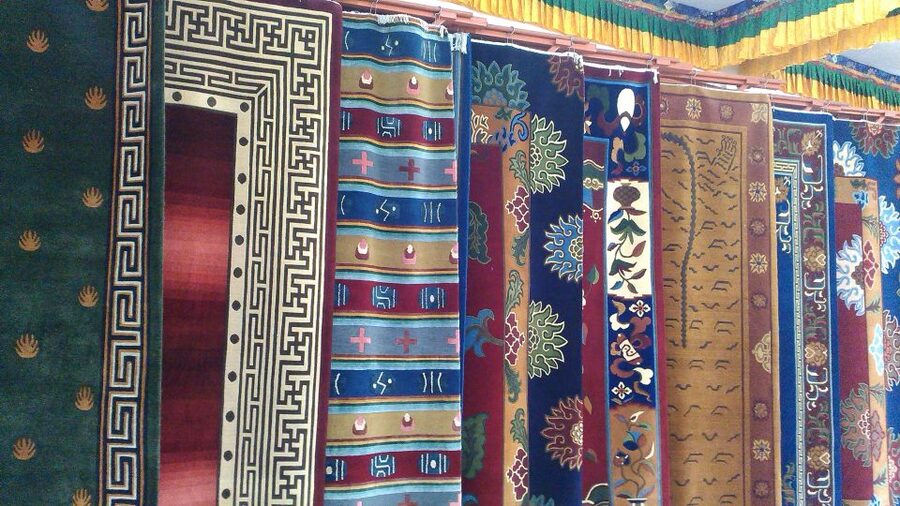
The carpet workshop gives the morning a practical focus. You see how Tibetan carpets are made by hand, with Thupten explaining the process step by step. A showroom follows, allowing you to look at finished carpets with different colors and designs.
This is a useful stop even if you have no plan to buy anything. Handmade carpet work takes patience, and seeing the process helps you understand what you are looking at in the showroom. You can browse without treating the visit as a sales contest, though anyone interested in Tibetan craft may find a purchase tempting.
The photo gallery adds a more serious side to the visit. It presents the early Tibetan refugee settlements in the 1960s and the Dalai Lama’s journey in exile in India. This part gives the day its political and personal context. You see that the settlement is not simply a cultural display for visitors. It is also part of a continuing story of displacement, adaptation, and keeping a community together.
The tour information does not promise a formal museum with a large collection, so keep your expectations sensible. Think of the gallery as a focused introduction that supports the conversations and visits around it.
Tibetan medicine and the pulse-reading consultation
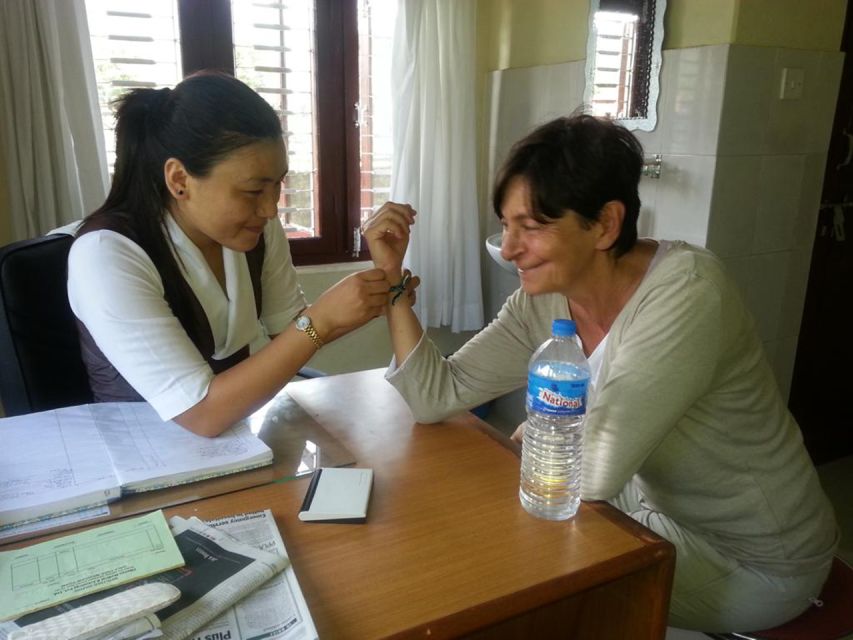
One of the more unusual stops is a Tibetan medical center. You meet a Tibetan doctor and learn about the medical system, diagnosis, and treatments. The consultation, including pulse reading, is included in the tour price.
This can be fascinating if you are interested in traditional medicine and different ways of understanding the body. You have time to ask questions, and the consultation gives the discussion a personal angle. One visitor described the doctor’s explanation and pulse reading as a memorable part of the day.
It is important to treat this as cultural education, not a replacement for modern medical care. Medicines are not included in the tour and can be purchased separately if you want them. If you have a serious health concern, use qualified medical services and treat this appointment as an introduction to Tibetan practice.
More History Tours in Pokhara
- Afternoon Tibetan Cultural Tour to Tibetan Settlements Pokhara
★ 5.0 · 106 reviews - Morning Tibetan cultural tour to Tibetan settlements Pokhara
★ 5.0 · 66 reviews - Afternoon Tibetan cultural tour
★ 5.0 · 41 reviews - Half Day Tibetan Cultural tour Pokhara
★ 5.0 · 36 reviews
Lunch with momos and thenthuk
Food is not an afterthought here. Lunch is served at a Tibetan restaurant, with vegetarian and non-vegetarian choices. Typical dishes include momos, the familiar dumplings found across the Himalayas, and thenthuk, a filling soup made with freshly kneaded dough, meat, and vegetables.
Thenthuk is especially suited to a full day of walking and conversation. It is warm, substantial, and easy to understand as everyday comfort food rather than restaurant decoration. Thupten explains the dishes and the place of food in Tibetan life, which makes the meal more useful than simply ordering an unfamiliar item from a menu.
Tea and coffee are included, along with mineral water and fresh juice. Later, at a family home, you taste salted butter tea, tsampa, and Tibetan bread with honey, butter, and peanut butter. Tsampa is roasted barley flour, and preparing it gives you a hands-on way to connect the ingredients with ordinary household life.
Salted butter tea can surprise anyone used to sweet tea. I would approach it with curiosity rather than expecting a familiar flavor. The family visit is one of the most personal parts of the day, but it is also worth remembering that you are entering someone’s home as part of a planned cultural experience. Listen, ask politely, and let the exchange develop at a comfortable pace.
Pema Ts’al Sakya Monastic Institute
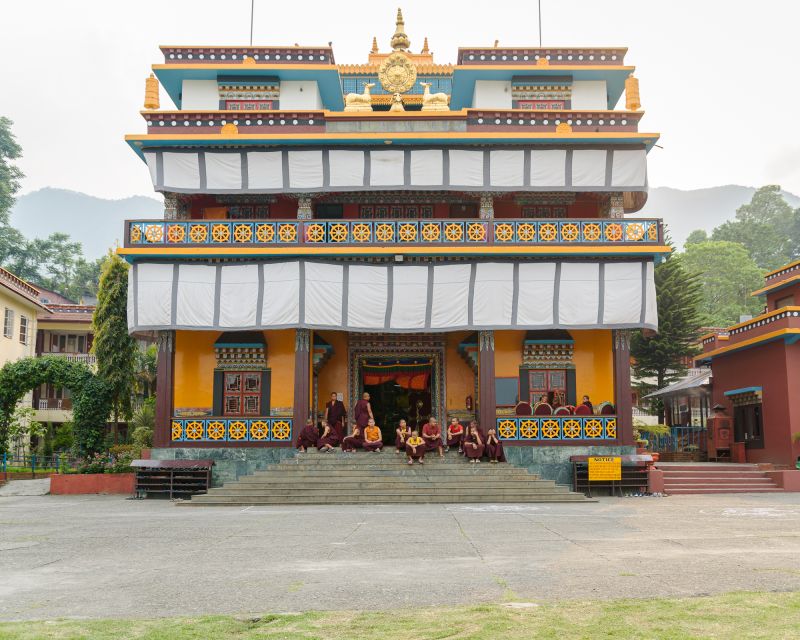
The next listed stop is Pema Ts’al Sakya Monastic Institute, with about an hour for photographs, a guided visit, and sightseeing. This stop adds a formal monastic setting to the settlement experience.
The institute helps you see how Buddhist education is carried forward among younger generations. The day is not limited to architecture. You learn about monks’ studies, daily activities, and life inside the monastery. A conversation with a young Buddhist monk allows you to ask direct questions, which is often more revealing than reading an information panel.
The one-hour timing keeps this portion focused. You will not have unlimited time to wander, so stay close to the guide and use the opportunity to ask the questions that interest you most. If you want a long period for quiet photography, this may feel brief. If you prefer a clear explanation and a chance to talk, the timing works well.
Afternoon prayer and the sound of the monastery
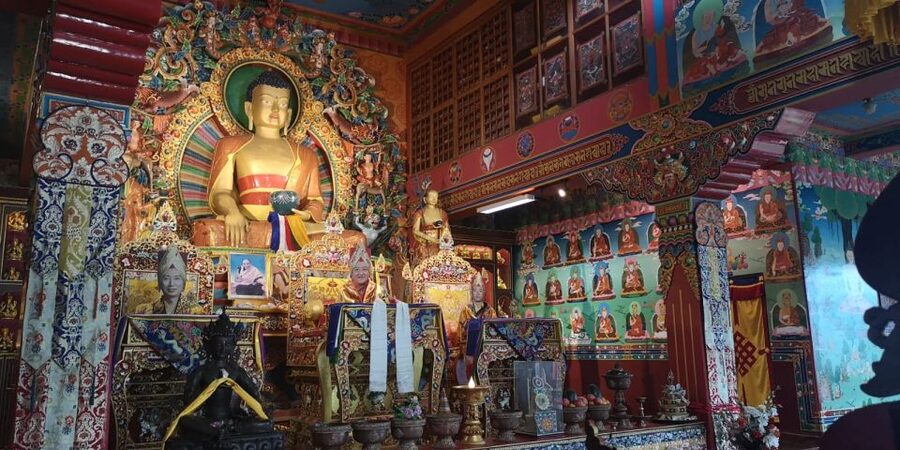
The prayer ceremony is one of the day’s most powerful moments. At a monastery, you attend afternoon group prayer with the monks and hear the chanting along with different ceremonial instruments. The sound, rhythm, and shared focus create an experience that is hard to understand from a photograph.
You should enter this part as an observer, not as a performance audience. The ceremony is a real religious practice, and respectful silence matters. Follow Thupten’s instructions about where to sit, when photographs are appropriate, and how to move around the room.
The conversation with a monk gives the ceremony a human connection. You can ask about monastic lifestyle, studies, and daily activities, and the monk is described as approachable and willing to answer questions. This combination of ritual and conversation is a major strength. You first see the practice, then hear about the life behind it.
Hemja Tibetan Refugee Camp and the final tea
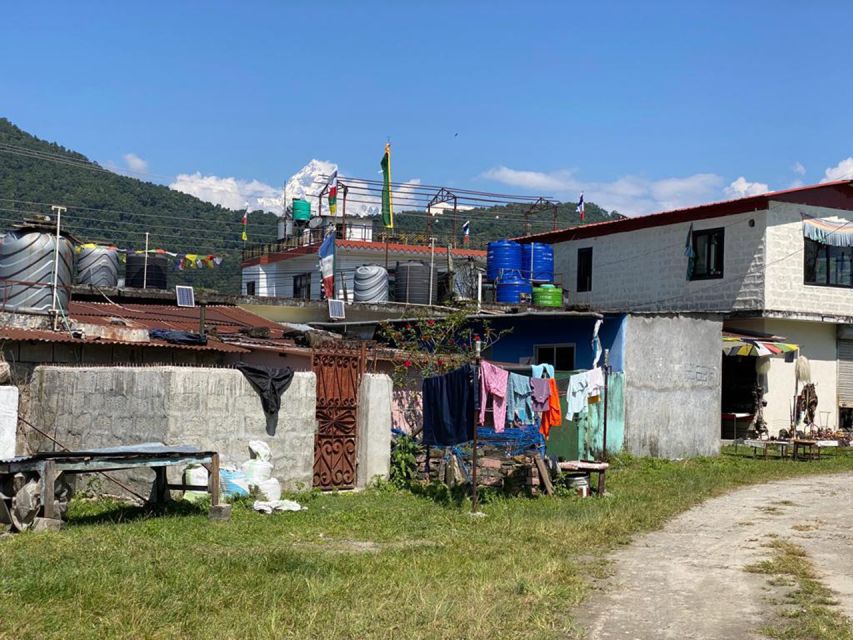
The final major stop is the Tibetan Refugee Camp at Hemja, which takes about two and a half hours. The visit includes a guided walk, tea, brunch or snacks, local food tasting, photographs, and time to see another Tibetan settlement near Pokhara Valley.
Visiting two settlements is important because it keeps the day from presenting one community as the whole Tibetan experience in Nepal. Tashiling and Hemja give you two settings for considering how people have built homes, religious institutions, work, and cultural continuity in Nepal.
At Hemja, the local family tea is the gentle finish the schedule needs. Salted butter tea, tsampa, and Tibetan bread make the meal a small cultural lesson. You may also have honey, butter, and peanut butter with the bread. This is a good time to ask about food, family routines, and life in the settlement, while Thupten helps translate the details into a wider picture.
The schedule is full. Tashiling is allotted four hours, Pema Ts’al about one hour, and Hemja about two and a half hours, before returning to Lakeside. Add the driving time and you have a complete eight-hour day. I would not book this on the same day as another major excursion.
The guide makes the difference
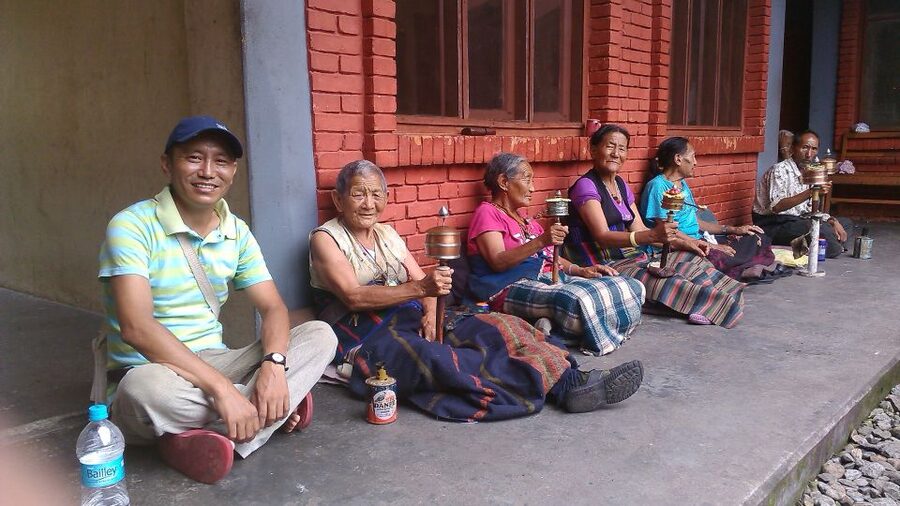
Thupten Gyatso receives the strongest praise connected with this experience. His advantage is not only that he speaks English well. He is Tibetan, has a personal connection to the region, and works to preserve and explain his heritage.
That background helps when the tour moves between religion, refugee history, food, medicine, and craft. These subjects could feel disconnected in less capable hands. Here, they form a picture of how culture survives through language, religious practice, work, food, and family life.
I would still encourage you to bring your own questions. Ask about the symbols you see, the purpose of monastic study, the history shown in the gallery, and the differences between traditional medicine and modern healthcare. The tour is designed for conversation, and you will get more from it if you take part rather than simply follow along.
Who will enjoy this, and who may not
I recommend this tour most strongly if you:
- Want to learn about Tibetan culture, religion, and refugee life in Nepal
- Enjoy talking with local people and asking questions
- Are interested in Buddhist practice and monastic life
- Like food experiences with explanation and context
- Want a small group rather than a large sightseeing coach
- Have a full day available in Pokhara
You may want something else if your main goal is mountain scenery, shopping, or a short cultural visit. The tour includes scenic drives and views, but it is not built around famous viewpoints. It also requires walking and does not suit wheelchair users. Children under two cannot join.
The day may be less comfortable for someone who prefers a private itinerary with no fixed schedule. It moves through several locations and includes religious visits, meals, a medical consultation, and a family stop. That variety is the strength, but it also makes the program busy.
Practical value at $82 per person
At $82, this is a mid-priced full-day activity in Pokhara. I judge the value by what is included: Lakeside pickup and drop-off, an English-speaking guide, two Tibetan settlements, food, drinks, a doctor consultation, monastery access, a carpet workshop, a showroom, a photo gallery, and a family visit.
The cultural access is the key point. You are not paying only for transport between sights. You are paying for a guide who can explain the meaning of what you see and arrange conversations that would be difficult to organize independently.
Free cancellation up to 24 hours before the start gives you some flexibility, and you can reserve now and pay later. Check availability for the starting time, and ask about the extra pickup fee if your hotel is outside Lakeside.
Should you book the Tibetan Cultural Tour?
I would book this if you want a thoughtful day centered on Tibetan people and traditions near Pokhara. The strongest parts are the conversation with monks, the prayer ceremony, the Tibetan doctor, the handmade carpets, and the family tea. Those experiences give the day substance.
I would skip it if you only have a few hours in Pokhara or want a scenic outing with minimal talking. For the right person, though, the $82 price buys something more lasting than a list of stops: a clearer understanding of how Tibetan communities have maintained their identity in Nepal. Thupten Gyatso’s guidance is a major reason to choose this particular tour.
FAQ
How long is the Tibetan Cultural Tour?
The tour lasts eight hours, including visits, food stops, guided walks, and return transportation to Lakeside.
Where does pickup take place?
Pickup and drop-off are provided around Pokhara’s Lakeside area. An additional transportation fee applies if your hotel is outside Lakeside.
Which Tibetan settlements does the tour visit?
The tour visits Tashiling Tibetan settlement and the Tibetan Refugee Camp at Hemja.
Is lunch included?
Yes. Lunch at a local Tibetan restaurant is included, with vegetarian and non-vegetarian options.
What food can I try?
You may try Tibetan momos, thenthuk, salted butter tea, tsampa, and Tibetan bread served with honey, butter, and peanut butter.
Will I meet a Tibetan doctor?
Yes. A consultation with a Tibetan doctor is included, including pulse reading. Medicines are not included and can be purchased separately.
Can I speak with a Buddhist monk?
Yes. You can converse with a young Buddhist monk about monastic life, studies, and daily activities.
Can I attend a monastery prayer ceremony?
Yes. The schedule includes afternoon group prayer chanting with monks and traditional ceremonial instruments.
Is the tour suitable for wheelchair users?
No. The experience is not suitable for wheelchair users.
How many people can join the group?
The group is limited to eight participants, making it a small-group experience.
What language is the tour conducted in?
The live tour guide speaks English.
Can I cancel the booking?
You can cancel up to 24 hours in advance for a full refund. You can also reserve now and pay later.
More Full-Day
- Pokhara: Sarangkot Sunrise with Half or Full-Day City Tour
★ 4.8 · 100 reviews - The Best of Pokhara: Full-Day Private Tour with Sarangkot Sunrise
★ 5.0 · 66 reviews - Pokhara: Sarangkot Sunrise And Private Full-Day Tour
★ 4.8 · 32 reviews - Full Day Car Drive to Explore Places of Interest of Pokhara
★ 5.0 · 17 reviews
More Tibetan Settlement Visits
- Morning Half Day Tibetan cultural tour to Tibetan Settlements
★ 5.0 · 26 reviews - Pokhara: Private Half-Day Tour and Tibetan Culture Tour
★ 3.8 · 14 reviews - Sarangkot Sunrise with a half day Tibetan cultural tour
★ 5.0 · 13 reviews - Half day Tibetan cultural tour
★ 5.0 · 4 reviews
Just added around Pokhara
- Double Dare: Tandem Bungee Adventure★ 4.3 · 3 reviews
- Exhilarating Pokhara-Kathmandu Bus Journey Experience★ 3.5 · 3 reviews
- 3 Day Australian Camp Dhampus Ghandruk Easy Trek in Pokhara★ 3.5 · 3 reviews
- Paragliding in Pokhara★ 5.0 · 3 reviews
- Seti George and Thrilling Suspension Bridge Tour at Pokhara★ 4.5 · 3 reviews
- Overnight Dhampus Australian Camp Easy Hiking from Pokhara★ 5.0 · 3 reviews
- Full Day Entire Pokhara Tour by Car with Guide★ 4.5 · 3 reviews
- 5 Days Mardi Himal Trek.★ 5.0 · 3 reviews
Historical Tours, compared.

Private Kathmandu Sightseeing Tour | UNESCO World Heritage sites
Read our review →
Full-Day Tibetan Cultural Tour to Tibetan Settlements Pokhara
Read our review →
Kathmandu Private Sightseeing Tour | UNESCO World Heritage Sites
Read our review →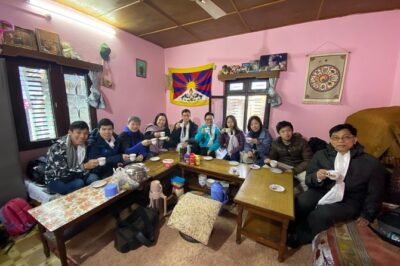
Afternoon Tibetan Cultural Tour to Tibetan Settlements Pokhara
Read our review →
Full Day Private Top 4 UNESCO Heritage Tour W/Lunch.
Read our review →
Nagarkot Sunrise & Bhaktapur UNESCO Heritage Private Tour
Read our review →Browse the lists this tour appears in