
Reviewed · TICKETS
Pokhara to Kathmandu Premium Sofa Bus Ticket
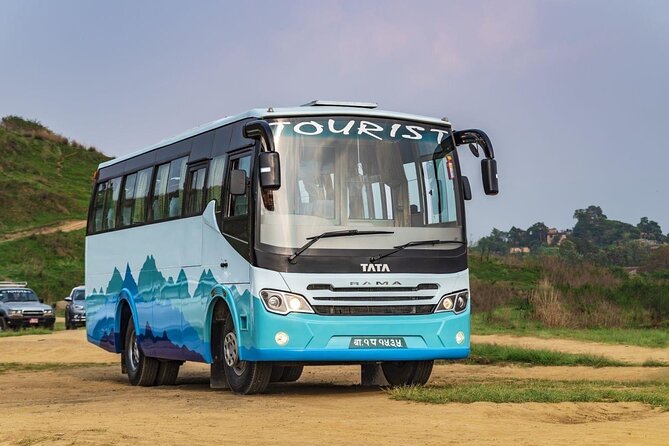
The road tells Nepal’s story. This $11 premium sofa bus links Pokhara and Kathmandu while following river valleys, passing changing mountain scenery, and stopping for breakfast and lunch. I like the low price and the reclining seats, which make a long highway ride easier.
I also like the limited schedule of just three main stops, including riverside meal breaks at Jamune and Kurintar. The main concern is reliability. The journey can take six hours when traffic behaves, but highway problems can stretch it to seven or eight hours, and several passengers reported bus changes, late departures, seat confusion, and poor communication.
In This Review
- Key Points Before You Book
- What the Pokhara to Kathmandu Route Is Really Like
- A 6:45 am Start in Pokhara
- Reclining Seats, Bottled Water, and the Comfort Question
- Jamune, the Short Breakfast Stop
- Kurintar, Lunch Beside the River
- River Views and Highway Realities
- The Serious Service Concerns
- Is $11 a Good Deal?
- Who Should Choose This Bus?
- Booking Tips for a Smoother Ride
- Final Verdict: Book It If You Can Stay Flexible
- FAQ
- What time does the bus leave Pokhara?
- How long does the journey take?
- Are meals included in the ticket?
- Is bottled water provided?
- How many people can ride on each bus?
- Can children and service animals use the bus?
Key Points Before You Book
- A 6:45 am departure gives you a full day on the road, but you should arrive ready to wait if operations run late.
- Jamune breakfast stop: about 20 minutes, with food and a riverbank setting.
- Kurintar lunch stop: about 30 minutes, again near the river, with time to eat or look around.
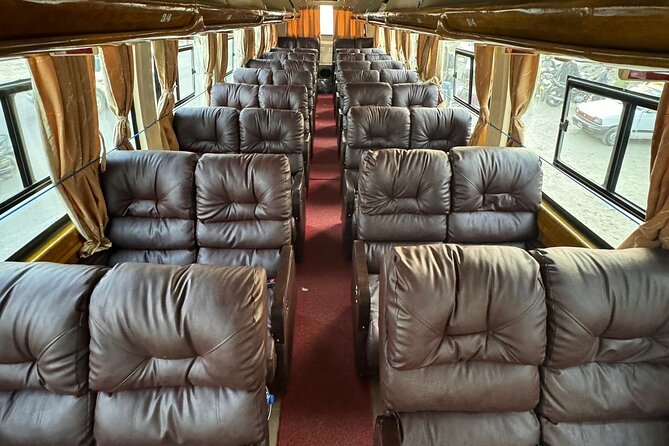
- Reclining sofa seats are intended to make the highway ride more comfortable than a basic local bus.
- Small group size: each bus carries no more than 30 people, at least in the stated arrangement.
- Value comes with trade-offs: bottled water and a tourist-bus format are useful, but the service has a mixed record for punctuality, seating, and vehicle consistency.
What the Pokhara to Kathmandu Route Is Really Like
This is not a sightseeing tour with a guide and planned attractions. It is a practical road transfer that gives you a moving view of central Nepal. You travel from Pokhara toward Kathmandu on a busy highway, following sections of river and passing through changing scenery along the way.
The road itself is part of the experience. You might see rafters on the river, especially near sections used for river trips. You also get a sense of how much Nepal depends on this road connection. Buses, trucks, construction, roadside food stops, and traffic all share the same route.
The advertised journey is roughly six to seven hours, while the detailed schedule allows seven to eight hours. I would plan around the longer figure. If the road is clear, you could arrive in about six hours. If construction, traffic, or an accident slows the highway, your arrival may move well into the afternoon.
That difference matters. Do not schedule a tight flight, trek departure, or important meeting immediately after the bus. The road between Pokhara and Kathmandu is useful, but it is not a clockwork railway.
A few more trips worth weighing up before you book
- ZipFlyer Nepal – The World’s Steepest Zip-line
★ 5.0 · 608 reviews - Bungee Pokhara by HighGround Adventures
★ 5.0 · 366 reviews - From Pokhara: Sarangkot Sunrise Himalayas Tour
★ 4.7 · 218 reviews
A 6:45 am Start in Pokhara
The stated departure time is 6:45 am. That early start has one clear advantage: you make progress before the day becomes too far along, and you keep the rest of the day available after reaching Kathmandu.
I would arrive early and keep your phone ready for updates. A serious issue raised by passengers was the gap between the stated time and the actual departure. One person reported arriving at 6:45 am and still seeing the bus being prepared later in the morning. Another account described a last-minute bus change.
Those reports do not prove every departure will be late, but they give you useful planning advice. Keep breakfast light before boarding, carry a little patience, and avoid arranging a nonrefundable evening connection based on the earliest possible arrival.
The bus is limited to a maximum of 30 people, according to the supplied details. That is smaller than a fully packed local bus and should make boarding less frantic. Still, seat allocation appears to be one area where expectations need care. One passenger reported being asked to share two seats with another adult and a child, despite arriving early for a window place.
If having a particular seat matters to you, confirm the arrangement before the bus leaves. A mobile ticket is provided, so keep it accessible on your phone. A backup screenshot is sensible, especially if your connection becomes unreliable.
Reclining Seats, Bottled Water, and the Comfort Question
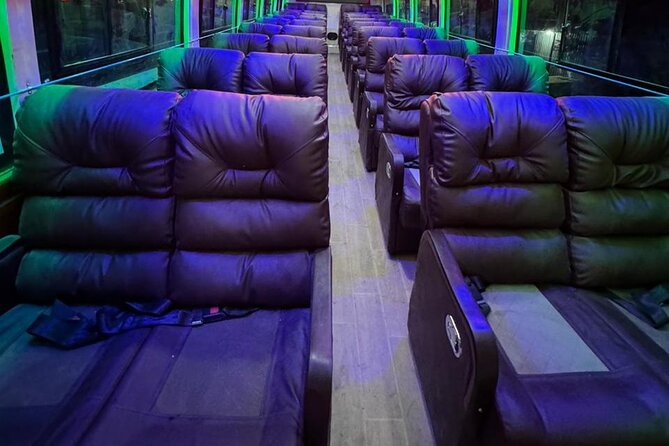
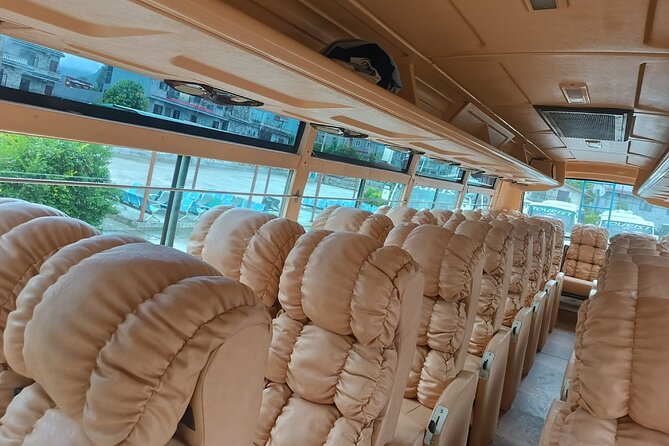
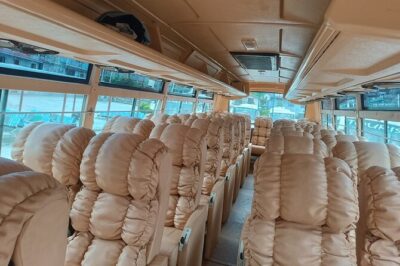
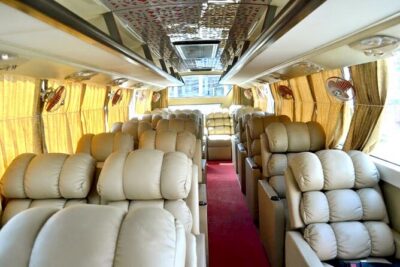
The main reason to pay for the premium sofa version is the seat. Reclining seats can make a major difference on a six to eight-hour Nepali highway ride. You can rest your back, settle in for a nap, and watch the scenery without being fixed upright for the whole trip.
Bottled water is included. That is a small feature, but it saves you from immediately searching for a shop after boarding. I would still carry extra water if you normally drink a lot, since the inclusion is described as one bottle rather than an unlimited supply.
The word premium should not be treated as a guarantee that the vehicle will match promotional photographs. Several serious complaints focused on seats that did not resemble the advertised pictures. Another passenger described a seating problem involving three people using two seats.
That is the biggest comfort warning here. The bus may offer genuinely comfortable reclining seats, but the actual vehicle can change. If you need extra legroom, a reliable window seat, or a specific sofa-style layout, ask for confirmation at the departure point rather than relying only on the vehicle image.
The bus is open to people aged 6 to 75. Most people in that range should be able to participate, and service animals are allowed. The supplied information also says the bus is near public transportation, which may help you reach the meeting point in Pokhara.
Jamune, the Short Breakfast Stop
The first planned break is in the Jamune area. It lasts about 20 minutes and is intended for breakfast. The stop is described as hygienic and located beside a river, so you get more than a quick roadside meal.
Twenty minutes is enough for a simple breakfast, but not for a leisurely restaurant visit. You should order quickly, keep an eye on the bus, and avoid wandering far from the stop. The riverbank view gives the break some character, especially after the early start from Pokhara.
This is also a good reason not to board with an empty stomach. If you need a slow meal, have dietary restrictions, or prefer a particular type of food, bring something from Pokhara. The stop offers food, but the schedule is fixed and brief.
The river setting is the pleasant surprise. You are not stopping at a major attraction, yet the water and roadside setting provide a welcome pause from the bus. If the journey is running late, however, the timing of this stop may feel rushed.
A different sort of day from Pokhara:
- ATV Adventure Tour in Pokhara, Nepal
★ 5.0 · 194 reviews - Full-Day Tibetan Cultural Tour to Tibetan Settlements Pokhara
★ 5.0 · 184 reviews - Pokhara: Full-Day Sharing Bus Tour on 7 Iconic Destination
★ 4.1 · 179 reviews - Poon hill Trek 3 days
★ 5.0 · 176 reviews
Kurintar, Lunch Beside the River
The lunch stop is in the Kurintar area and lasts about 30 minutes. Compared with the breakfast break, this gives you more time to eat and take a short look around.
Again, the food is described as hygienic, and the riverbank setting is part of the appeal. You can use the break to stretch, eat, and reset before the final part of the road. I would not plan a separate excursion here. Thirty minutes is a practical meal break, not a full visit to the surrounding area.
The instruction to take your own break is important. This is not a guided stop with someone leading you from table to table. You need to manage your own time and return to the bus promptly.
The bus does not stop for local passengers waving from the highway. That is useful to know because it means the route has a more fixed tourist-bus schedule than an ordinary public bus. You should not expect extra roadside stops for shopping, local pickups, or spontaneous sightseeing.
River Views and Highway Realities
The route offers changing scenery between the two cities, with stretches along the river and possible views of rafters. The scenery is one of the strongest reasons to choose the bus instead of treating the journey as a simple transfer.
At the same time, you are viewing Nepal through a bus window, not taking a dedicated scenic excursion. Traffic, dust, construction, and road delays are part of the experience. Highway accidents can cause long waits, and road work has also been cited as a reason for slower service.
This is where expectations matter. If you want a comfortable way to see some of the country between Pokhara and Kathmandu, the bus works at a modest price. If you need a perfectly timed, smooth ride, the route itself may frustrate you regardless of the operator.
I would choose a window seat when possible, but I would not build the whole trip around getting one. Seating arrangements can change, and the final vehicle may not be the same style shown in photographs.
The Serious Service Concerns
The overall score is 3.8 from 19 ratings, which suggests a mixed experience rather than a clear success or failure. Positive feedback praises the friendly atmosphere and travel-friendly service. One particularly favorable account described the trip as excellent, with the only suggestion being fewer stops.
That praise fits the best version of this journey. The sofa seating is comfortable, the route is scenic, and the price is hard to ignore. Three planned stops also keep the schedule from becoming a constant series of roadside interruptions.
The negative reports are more serious and deserve direct attention. Complaints included late departure, a bus swap, seats that did not match the photos, passengers being moved from expected seats, and a drop-off point that did not match what had been promised.
One account also alleged that a driver drank alcohol during stops and appeared intoxicated later in the trip. The operator replied that safety and guest satisfaction are priorities and that alcohol use is against company policy. Since this is an allegation rather than a confirmed finding, I would not present it as established fact. Still, it is a safety concern you should take seriously.
If anything feels unsafe, speak up immediately and document the issue. Your comfort matters, but safe driving matters more. The operator has apologized for some problems and said staff changes were being made, yet the service record remains uneven.
Is $11 a Good Deal?
At $11 per person, this is an economical way to connect Pokhara and Kathmandu. The price includes the bus ticket, reclining-seat format, and bottled water. You also get two planned meal breaks rather than being left to manage the entire ride without stops.
That price is particularly good for a visitor who wants a direct transfer and does not need luxury transport. You avoid the cost of a private car while getting a more organized experience than a basic local bus. The river views come as part of the route at no extra charge.
The value drops if the bus is late, changed, overcrowded, or sent to a different drop-off point. A cheap ticket is not a bargain if it causes you to miss a flight or lose a paid hotel night. You need to measure the low fare against the cost of flexibility.
I would call it good value for an open-ended schedule. I would be more cautious if your itinerary is tightly planned or if comfort and seat certainty matter more than price.
Who Should Choose This Bus?
I think this service suits you if you want an affordable connection, enjoy watching the countryside from a window, and can accept a flexible arrival time. The early start, reclining seats, water, and meal stops make the long ride manageable when the operation goes as planned.
It can also suit families with children aged 6 and older, provided everyone is comfortable with a long highway journey and the possibility of delays. Service animals are allowed, and most people can participate according to the supplied information.
You may want another option if you need a guaranteed vehicle type, a confirmed seat arrangement, strict punctuality, or a precisely promised drop-off location. The complaints about those points are too specific to ignore.
The maximum group size of 30 sounds reasonable, but it does not remove the need to confirm seating at departure. Small capacity helps, yet the actual bus and staff are what determine the ride.
Booking Tips for a Smoother Ride
Arrive before 6:45 am, with your mobile ticket charged and easy to display. Bring a backup screenshot, extra water, snacks, and something warm for the bus, since the supplied information confirms only bottled water and meal stops.
Keep your luggage and valuables close during the two breaks. The Jamune stop is about 20 minutes, while Kurintar is about 30 minutes. Return early rather than assuming the driver will wait.
Ask where the bus will finish in Kathmandu before departure. A mismatch in the final drop-off was one of the specific complaints, so this simple question can prevent confusion when you arrive.
Finally, treat the ticket as final. The cancellation policy says the experience is nonrefundable and cannot be changed for any reason. Only book once your dates and route are firm.
Final Verdict: Book It If You Can Stay Flexible
I would book this bus for a budget-minded ride from Pokhara to Kathmandu, especially when I wanted river views, reclining seats, and a direct daytime connection for just $11. The breakfast and lunch stops add welcome structure, and the scenic road makes the transfer more interesting than a flight.
I would not book it for a tight schedule or if I needed premium seating exactly as shown in the photographs. The mixed score, reports of delayed departures and bus changes, and the serious safety allegation mean you should choose this with realistic expectations.
The best approach is simple: confirm the departure and drop-off details, arrive early, keep your day open, and judge the low price against your need for certainty. If flexibility matters more than polish, this can be a useful Nepal road journey. If certainty matters more, spend more for an option with stronger operational guarantees.
FAQ
What time does the bus leave Pokhara?
The stated start time is 6:45 am.
How long does the journey take?
The journey is expected to take about six to seven hours, though the detailed information also gives seven to eight hours. Highway traffic, construction, and accidents can make it longer.
Are meals included in the ticket?
Meals are not listed as included. The bus stops for breakfast in the Jamune area for about 20 minutes and lunch in the Kurintar area for about 30 minutes. You arrange and pay for your own food.
Is bottled water provided?
Yes. Bottled water is provided on the bus.
How many people can ride on each bus?
The maximum stated capacity is 30 travelers per bus.
Can children and service animals use the bus?
Ages 6 to 75 are allowed, and service animals are permitted. Most travelers can participate according to the supplied information.
Just added around Pokhara
- Double Dare: Tandem Bungee Adventure★ 4.3 · 3 reviews
- Exhilarating Pokhara-Kathmandu Bus Journey Experience★ 3.5 · 3 reviews
- 3 Day Australian Camp Dhampus Ghandruk Easy Trek in Pokhara★ 3.5 · 3 reviews
- Paragliding in Pokhara★ 5.0 · 3 reviews
- Seti George and Thrilling Suspension Bridge Tour at Pokhara★ 4.5 · 3 reviews
- Overnight Dhampus Australian Camp Easy Hiking from Pokhara★ 5.0 · 3 reviews
- Full Day Entire Pokhara Tour by Car with Guide★ 4.5 · 3 reviews
- 5 Days Mardi Himal Trek.★ 5.0 · 3 reviews
Tickets, compared.
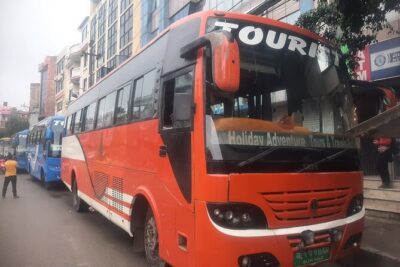
Kathmandu to Pokhara Tourist Bus Tickets reservation
Read our review →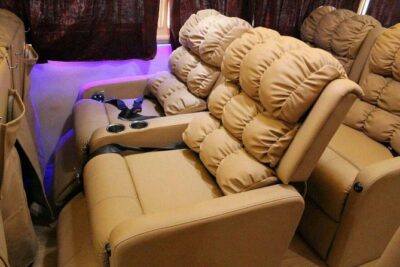
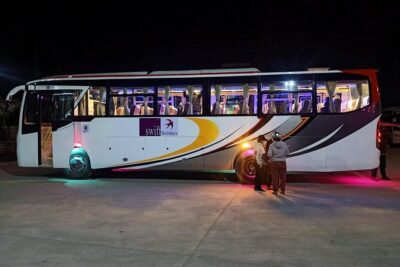
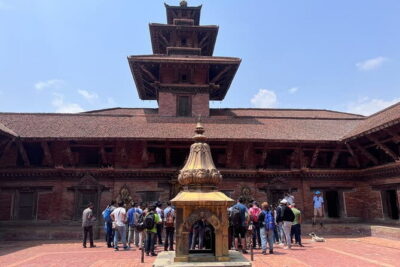
Kathmandu to Pokhara Luxury Bus Ticket – Easy & Reliable Booking
Read our review →
Tourist Bus Tickets: Kathmandu to Chitwan or Chitwan to KTM
Read our review →
Tourist Bus Tickets: Kathmandu to Pokhara or Pokhara to KTM
Read our review →Browse the lists this tour appears in