Reviewed · VIP
Kathmandu to Pokhara VIP Sofa Bus Ticket
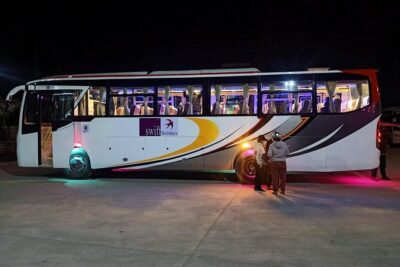
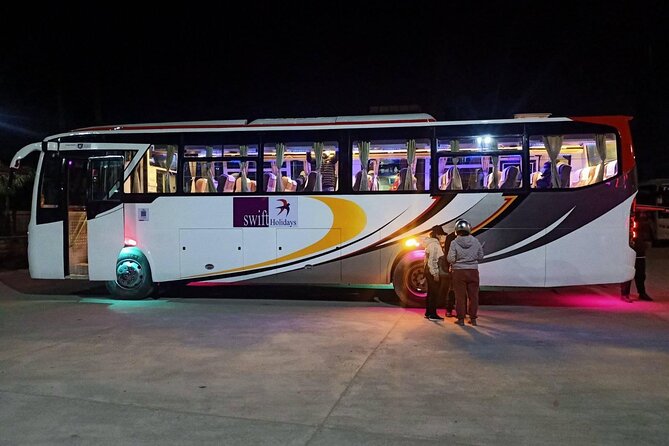
The road to Pokhara is part of the adventure. This bus links Kathmandu and Pokhara along the scenic Prithvi Highway, offering reclining sofa seats and a far easier ride than a basic local bus. I like the generous baggage allowance and the low $12 price, which makes this a sensible choice for many visitors. The main caution is consistency: one very poor report described a dirty bus without working recliners, so the vehicle you receive matters.
The trip lasts about six to seven hours, though road and weather conditions can stretch that time. I also like the USB charging ports, bottled water, air-conditioning, and scheduled breaks. Still, the meal stop has drawn criticism, and the bus may not suit you if you need a guaranteed premium coach rather than a budget service marketed as VIP.
In This Review
- Key points to know before booking
- Why this bus route makes sense for Nepal
- Choosing between the morning and evening departures
- What the 210-kilometer Prithvi Highway feels like
- Inside the VIP sofa bus
- Three planned breaks and the food question
- Baggage allowance and useful onboard details
- Safety, insurance, and the driver question
- Is $12 good value?
- Who should book this bus?
- Final call: a practical way to reach Pokhara
- FAQ
- How long does the Kathmandu to Pokhara bus ride take?
- Where does the morning bus leave from?
- Where does the evening bus leave from?
- What time does the bus arrive in Pokhara?
- Where does the bus drop passengers in Pokhara?
- How much luggage can each passenger bring?
- Are meals included on the bus?
Key points to know before booking
- Two daily departure patterns: Morning buses leave Sorhakhutte at 7:00 AM, while the evening service boards at Balaju from 7:00 PM and leaves at 7:30 PM.
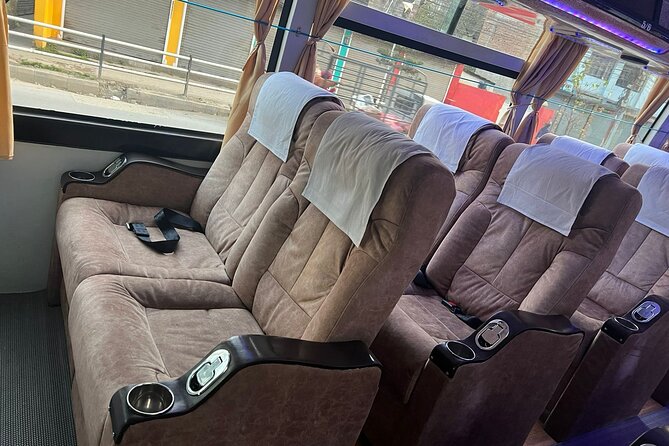
- Comfort-focused seating: Push-back sofa seats include adjustable recline, USB charging, cup holders, and noise-reduction design.
- Useful baggage allowance: Two large bags per passenger are accepted without extra fees, up to 30 kilograms per person.
- Scenic seven-hour route: The 210-kilometer Prithvi Highway offers changing views between Kathmandu and Pokhara.
- Small group size: The coach is limited to a maximum of 31 passengers, though the actual bus may vary.
- Strong but imperfect record: The service carries a 4.7 rating from 19 ratings, with 95 percent recommending it.
Why this bus route makes sense for Nepal
Kathmandu and Pokhara are Nepal’s two main bases for sightseeing and outdoor activities. Flying is faster, but the bus lets you save money while seeing the country between the two cities. At roughly $12 per person, this service costs little compared with private transport, and you avoid arranging a separate vehicle for your luggage.
The distance is only about 210 kilometers, yet the journey takes around seven hours. That tells you something important about road travel in Nepal. You are not paying for speed here. You are paying for a direct connection, a reserved seat, baggage handling, and a chance to watch the country pass by.
I would treat the published time as an estimate, not a promise. Road conditions and weather can affect the schedule. If you have a flight, trek departure, or fixed appointment immediately after arrival, leave plenty of extra time.
The bus arrives at Pokhara Tourist Bus Park, close to Lakeside. The final walk to some hotels can take about five minutes, though the exact distance depends on where you stay. That arrival point is useful because Lakeside is the main base for Pokhara’s hotels, restaurants, sightseeing, and adventure bookings.
A few more trips worth weighing up before you book
- Everest Base Camp Trek – 14 Days
★ 5.0 · 1,499 reviews - Private Kathmandu Sightseeing Tour | UNESCO World Heritage sites
★ 5.0 · 756 reviews - Everest Base Camp Helicopter Tour landing at Everest View Hotel
★ 5.0 · 668 reviews
Choosing between the morning and evening departures
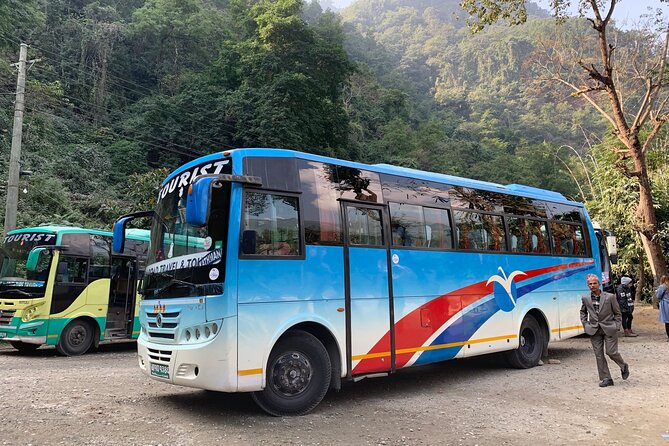
The morning service leaves Kathmandu at 7:00 AM from the Sorhakhutte Tourist Bus Stop. It is scheduled to reach Pokhara at about 3:00 PM. This option gives you daylight for much of the route and lets you arrive in time to settle into your hotel and walk around Lakeside.
You should confirm the precise boarding location before setting out. Sorhakhutte is named as the morning departure point, while the evening service uses a different place. Arriving early is wise, since bus stations can be busy and the vehicle may need time to load baggage.
The evening service uses Rajdhani Furniture at Balaju, Kathmandu 32811. Boarding begins at 7:00 PM, and the bus starts at 7:30 PM. It reaches Pokhara around 5:00 AM. This schedule can save you a night in a hotel and gives you a full day in Pokhara, but it comes with a major tradeoff: you arrive very early and may need to wait before checking into your room.
The overnight option is also less useful if you want to enjoy the road scenery. Pick the morning bus for views and a normal arrival. Pick the evening bus if saving time and accommodation matters more than sightseeing from the window.
What the 210-kilometer Prithvi Highway feels like
The Prithvi Highway is the heart of the journey. The route connects Kathmandu with Pokhara through Nepal’s central hills, and the changing views are a large part of the appeal. You will spend most of the day watching towns, hills, river corridors, and roadside life pass by from your seat.
The scenery is best appreciated from a window seat, so a specific-seat request may be worth making. Bedanidhi from Himalayan Travel Leaders received special praise for accommodating a requested seat and for sending timely, helpful communication before departure. Seat requests are not described as guaranteed, but asking early is sensible.
The road itself can be tiring. Six or seven hours in a bus is still six or seven hours, even with a reclining seat. The vehicle’s suspension, traffic, road repairs, and weather all affect how smooth the trip feels. I would bring a light layer, earphones, and something small to eat, since meals and snacks are not included.
This is not a sightseeing coach with a guide explaining every viewpoint. It is transport with scenery. That is a good distinction to keep in mind when deciding if the price is right for you.
Inside the VIP sofa bus
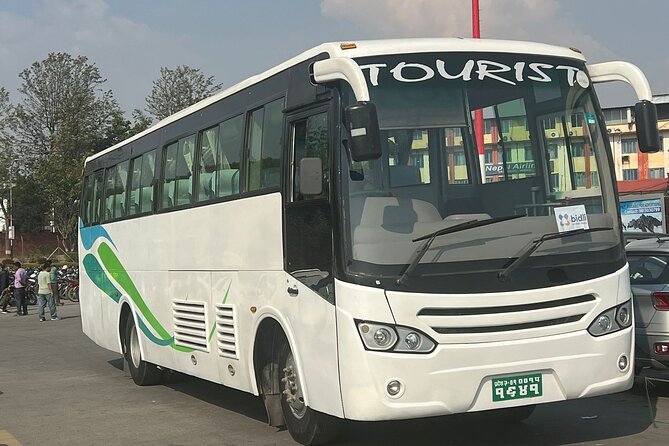
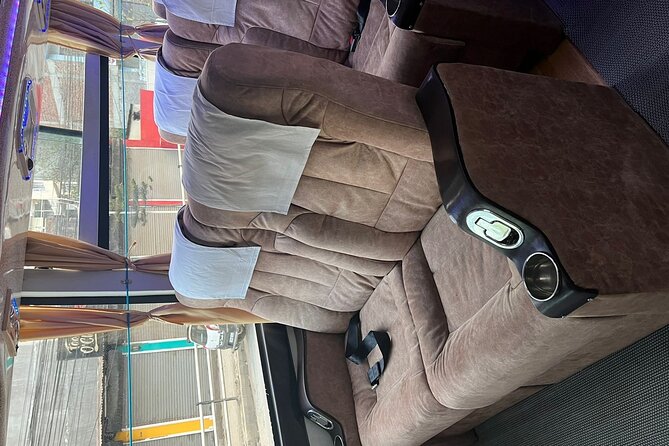
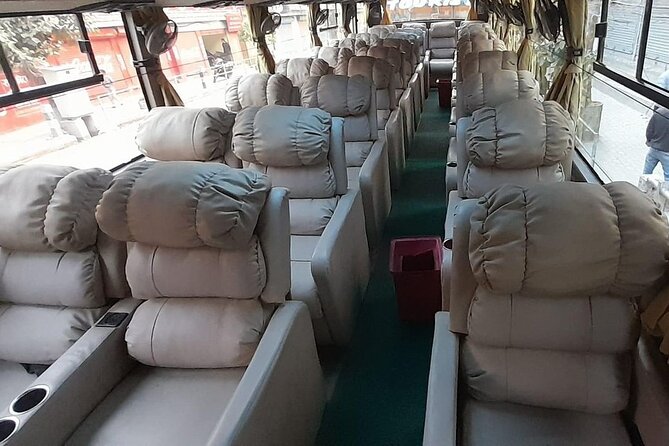
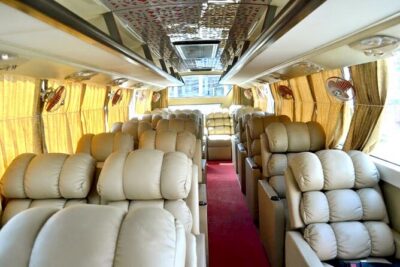
The main comfort feature is the spacious push-back sofa seat. You can adjust the angle for a more relaxed position, which matters on a long road trip. The seats are designed to reduce external noise, and each passenger has a USB charging port and cup holder.
Air-conditioning is included, and bottled water is provided. These are modest details, but they make a real difference when you are sitting on the road for most of a day. One passenger found the seats very comfortable but noted that the air-conditioning was slow to start in the afternoon. That is a useful warning for warm weather: keep water close and avoid packing your cooling plan around the bus alone.
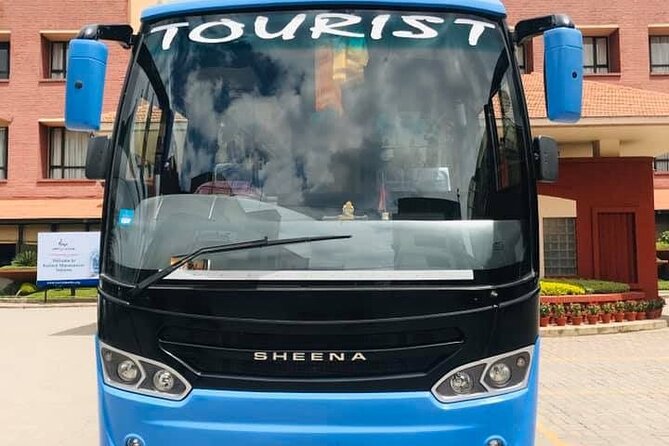
The coach is described as an Eco or VIP luxury tourist bus, with professional drivers and onboard staff. Safe driving received strong praise, as did punctuality. One five-star account specifically highlighted timely operation and good driving, while another praised the communication from Bedanidhi and the warm welcome on arrival.
At the same time, the service record is not spotless. A one-star report described a filthy bus and claimed the seats did not recline. That conflicts sharply with the stated features and with the positive comments about comfort. I would not ignore that complaint. Bus quality can vary by vehicle, day, or operating conditions, so confirm the service details shortly before departure if comfort is essential.
A different sort of day from Kathmandu:
- Half day cooking class in Thamel kathmandu
★ 5.0 · 607 reviews - Everest Base Camp Trekking
★ 5.0 · 485 reviews - Nagarkot Sunrise View and Day Hiking from Kathmandu
★ 5.0 · 471 reviews - Kathmandu: Full Day 7 UNESCO Tour with Lunch – Private/Group
★ 5.0 · 415 reviews
Three planned breaks and the food question
The journey includes three scheduled stops for refreshments and restroom breaks. These breaks give you a chance to stretch, use facilities, and buy food or drinks. They also prevent the long ride from becoming one unbroken block of sitting.
Meals and snacks are not included. You should carry something you know you will enjoy, especially if you have dietary needs or prefer to eat at a particular time. One passenger disliked the chosen meal stop and felt it was a poor place to eat. The same person found lunch scheduled as early as 10:30 AM, which did not suit their appetite.
That detail is practical. You do not have to treat the stop as your main meal. Bring breakfast for the road, pack a simple lunch, or use the break for tea and a restroom visit instead. Soft drinks and other refreshments are also not included, so budget a small amount for purchases.
The stops are functional rather than a formal food tour. They break up the ride, but I would not book this bus for culinary experiences along the route.
Baggage allowance and useful onboard details
The baggage policy is one of the better parts of this deal. Each passenger can bring up to 30 kilograms, and there is no fee for two large bags per person. That is helpful if you are carrying trekking gear, several days of clothing, or luggage for a longer Nepal trip.
You should still keep valuables, medication, passports, electronics, and anything needed during the ride in a smaller personal bag. The large-bag allowance covers capacity, not instant access. Your main luggage may be stored away during the journey.
USB charging is included for each passenger, but I would still start the trip with your phone charged. A charging port is useful for maps, messages, and hotel coordination, yet road travel can be unpredictable. Your cup holder also gives you a safer place for a drink than the floor or seat edge.
The bus has a maximum capacity of 31 passengers. That is a fairly small group for a tourist coach and should feel less crowded than a large public bus. Still, the exact atmosphere depends on the vehicle and how full it is on your departure date.
Safety, insurance, and the driver question
The service includes accidental insurance of up to NPR 500,000 per passenger. That adds a layer of protection, but you should still check the terms and understand what the coverage includes. It is not a replacement for your own travel insurance.
Experienced drivers and onboard staff are listed among the service features. Good driving received direct praise, and that is especially important on a long hill route. The journey includes changing road conditions, so a careful driver matters more than a glossy vehicle interior.
The overnight arrival is described as a smoother travel experience with added safety. Even so, arriving at about 5:00 AM means you should plan your first hour in Pokhara. Your hotel may not be ready for check-in, and you may prefer to arrange a place to rest or confirm that your accommodation can receive you early.
Service animals are allowed, and the activity is described as suitable for most people. No detailed accessibility information is provided, so you should ask directly if you need help with boarding, seat dimensions, or luggage handling.
Is $12 good value?
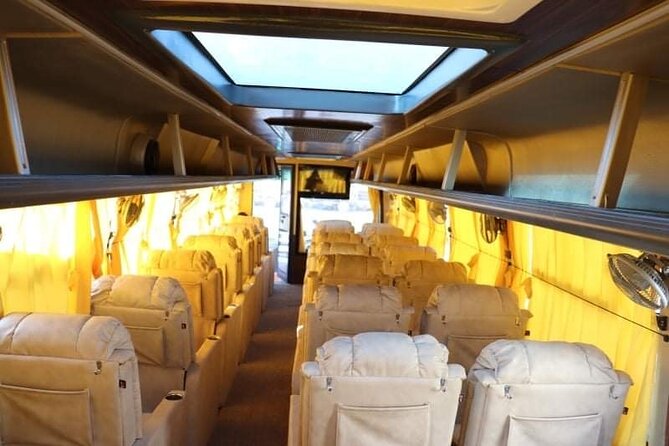
At $12, this is inexpensive for a direct Kathmandu to Pokhara journey with air-conditioning, reserved-style seating, water, charging ports, and two large bags included. If the bus matches the advertised condition, the package offers good value.
The price is especially appealing for backpackers, couples, and families who would otherwise pay much more for private transport. It also saves you from negotiating a taxi or arranging a driver for a full day.
Value depends on your expectations. You are not buying a luxury hotel on wheels. You are buying a relatively comfortable long-distance bus at a low fare. The strong rating of 4.7 from 19 ratings and 95 percent recommendation suggest that most bookings go well, but the poor cleanliness report shows why you should keep expectations realistic.
The included insurance, baggage allowance, and direct arrival near Lakeside improve the deal. The lack of included meals is easy to manage, but the disputed vehicle quality is the one issue that could change the value quickly. A comfortable reclining seat is a bargain. A dirty bus without the promised recline is not.
Who should book this bus?
I would recommend it to you if you want a low-cost direct ride and care about luggage space, charging, and a more relaxed seat than a basic coach. It fits travelers heading to Pokhara for sightseeing, cultural activities, or adventure trips who do not need a private vehicle.
The morning service is best for you if you want to see the route and arrive in the afternoon. The evening bus suits you if you would rather sleep during the ride and gain more usable time in Pokhara.
I would think twice if you have severe motion sensitivity, a strict schedule, or high expectations for polished luxury. The six to seven-hour estimate can change, and the meal stop may not suit your preferences. If you choose it, carry your own food, arrive early, request a preferred seat in advance, and confirm the departure location for your service.
Booking confirmation is provided at the time of purchase. Free cancellation is available if you cancel at least 24 hours before the scheduled start. Cancellations inside that window are not refunded, and changes are not accepted within 24 hours.
Final call: a practical way to reach Pokhara
I would book this bus for the price, baggage allowance, direct Lakeside-area arrival, and well-liked communication from Bedanidhi. The reclining seat, USB port, water, and three breaks make a long road day easier.
I would book with one qualification: treat the VIP label as an aim, not an absolute guarantee. Confirm your pickup point, ask about your requested seat, and pack food for yourself. If you want affordable, straightforward transport with some comfort, this is a sensible choice. If a spotless coach and guaranteed premium seating are non-negotiable, private transport or another confirmed vehicle may be safer for your expectations.
FAQ
How long does the Kathmandu to Pokhara bus ride take?
The journey takes approximately six to seven hours. The route covers about 210 kilometers, but road and weather conditions can affect the actual duration.
Where does the morning bus leave from?
The morning bus leaves from Sorhakhutte Tourist Bus Stop in Kathmandu at 7:00 AM.
Where does the evening bus leave from?
The evening service uses Rajdhani Furniture in Balaju, Kathmandu 32811. Boarding starts at 7:00 PM, and the bus departs at 7:30 PM.
What time does the bus arrive in Pokhara?
The morning service is scheduled to arrive at about 3:00 PM. The evening service arrives around 5:00 AM.
Where does the bus drop passengers in Pokhara?
The bus drops passengers at Tourist Bus Park in Pokhara, near Lakeside. The walk from the bus park to some hotels may take about five minutes.
How much luggage can each passenger bring?
Each passenger can bring up to 30 kilograms. Two large bags per passenger are accepted without additional fees.
Are meals included on the bus?
No. Meals and snacks are not included. Bottled water is provided, and the bus makes three scheduled stops for refreshments and restroom breaks.
Just added around Kathmandu
- Private Shopping Tour in Kathmandu★ 5.0 · 3 reviews
- Nagarkot Sunrise With 7 UNESCO World Heritage Private Tour★ 5.0 · 3 reviews
- Kathmandu: Nightlife and Pub Crawl Tour★ 5.0 · 3 reviews
- Mount Everest Scenic Flight 50 Minutes★ 5.0 · 3 reviews
- Momo Cooking Class -The Art Of Making MoMo with Home Chef★ 5.0 · 3 reviews
- Kathmandu: Nagarkot, Bhaktapur, Doleswor & Sanga Statue Tour★ 5.0 · 3 reviews
- Makalu Base Camp Trek★ 5.0 · 3 reviews
- Kathmandu: Momo Making Class with a Local Chef★ 5.0 · 3 reviews
VIP, compared.
Luxury Chitwan Jungle Safari Package (2Nights/3Days) Resort
Read our review →
Nepal in Luxury: Kathmandu, Chitwan & Pokhara Escape – 8 Days
Read our review →
Best of Nepal Luxury Adventure Tour Package – 9 Days
Read our review →
Kathmandu to Pokhara Luxury Bus Ticket – Easy & Reliable Booking
Read our review →