
Reviewed · GHOREPANI POON HILL TREKS
From Pokhara: 4-Day Annapurna and Poon Hill Himalayan Trek
Poon Hill earns the early wake-up. This four-day route gives you a compact taste of the Annapurna region, combining Himalayan views, forest paths, mountain villages, and a hot-spring stop without requiring a long expedition. I especially like the sunrise walk to Poon Hill and the chance to finish the trek with a bath at Jhinu’s natural hot springs.
I also like the route’s cultural side. The overnight stops in Ghorepani, Tadapani, and Ghandruk turn the trek into more than a viewpoint hunt, with time in traditional Gurung settlements and tea houses. The main drawback is that mountain roads and weather can disrupt the plan. A landslide previously forced a change to the starting point and removed part of the planned route, so you should confirm current conditions before setting out.
In This Review
- Key Points Before You Book
- What You Actually Get for $287
- Day One: From Pokhara to Ulleri and Up to Ghorepani
- Day Two: The Poon Hill Sunrise and the Walk to Tadapani
- Day Three: Tadapani, Jhinu, and Ghandruk
- Day Four: Down to Nayapul and Back to Pokhara
- Tea Houses, Food, and Daily Comfort
- The Biggest Practical Risk: Route Changes
- Who Will Enjoy This Four-Day Trek?
- Should You Book the Poon Hill Trek?
- FAQ
- How long is the Annapurna and Poon Hill trek?
- Where does the trek begin?
- What is the main highlight of the trek?
- Is food included in the price?
- Where do you sleep during the trek?
- Is transport included?
- What documents should you bring?
- Is the trek suitable for everyone?
Key Points Before You Book
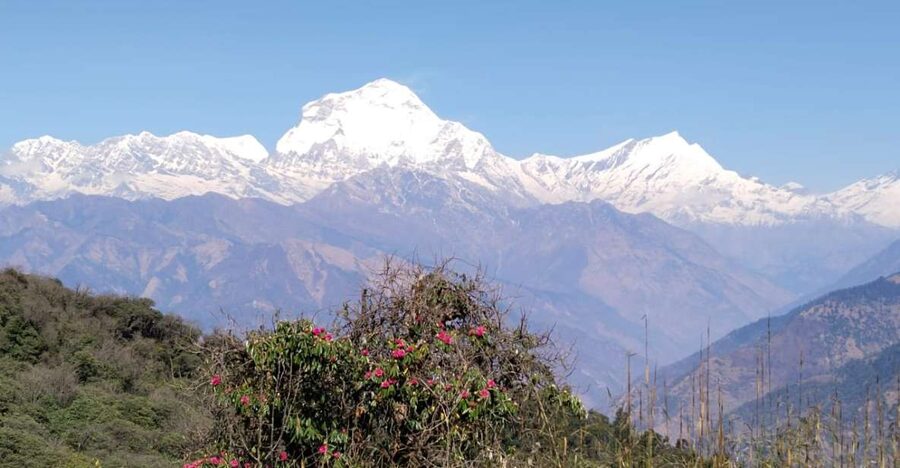
- Poon Hill sunrise: Expect an early, roughly one-hour uphill walk from Ghorepani for wide views of the Annapurna Range.
- Four active trekking days: The stated walking times range from five to seven hours per day, with no purely easy day built into the schedule.
- Jhinu hot springs: Day three includes a stop at natural hot water springs described as therapeutic.
- Gurung villages: Ghandruk offers a close look at Gurung architecture and mountain settlement life.
- Useful inclusions: A private car or jeep, permits, tea house accommodation, and an English-speaking licensed guide are covered.
- Food costs extra: Meals and drinks are not included, so keep money available for purchases during the trek.
What You Actually Get for $287
At $287 per person, this trek offers a useful bundle for anyone who wants the main Poon Hill experience arranged from Pokhara. Hotel pickup and drop-off in a private car or jeep, permits, accommodation, and guide expenses are included. That removes several jobs you would otherwise need to handle yourself.
The price does not cover food or drinks. This matters because you will spend four days on foot, and meals become a regular part of your budget. The package keeps the headline price clear, but you should plan extra money for eating and drinking at the tea houses and guest houses.
I see the strongest value in the transport and guide support. Reaching the trailhead from Pokhara is part of the practical challenge, and having a vehicle arranged helps keep the first morning simple. A licensed English-speaking guide can also help with the route, permits, pacing, and communication at overnight stops.
The experience has a 4.7 rating from three published bookings, including a five-star account that praised the Himalayan scenery, exceptional sunrise, and guide Gobinda’s kindness. Another four-star account gave credit to guide Muku and the quick communication from the local provider, but also pointed out that itinerary changes after a landslide were not explained well enough.
That is a fair picture of the value. The scenery and basic organization can be excellent, but you should not expect a fixed, road-proof schedule in the Himalayas. The price makes sense if you value convenience and a guide more than absolute control over each stop.
More Ghorepani and Poon Hill Treks:
- Poon hill Trek 3 days
★ 5.0 · 176 reviews - Pokhara: 4-Day Ghorepani, Poonhill & Ghandruk Mountain Trek
★ 5.0 · 132 reviews - Ghorepani – Poon Hill Trek 3N-4D
★ 5.0 · 125 reviews
Day One: From Pokhara to Ulleri and Up to Ghorepani
Your guide is scheduled to collect you from your hotel early in the morning. After breakfast, you travel toward Ulleri by private car or jeep, then begin walking uphill toward Ghorepani. The stated trekking time is about five hours.
This first day quickly shows what kind of trip you have chosen. You are not simply being driven to a viewpoint and returned to Pokhara. The route enters the lower Himalayan forests and climbs toward a mountain settlement, so your legs begin work right away.
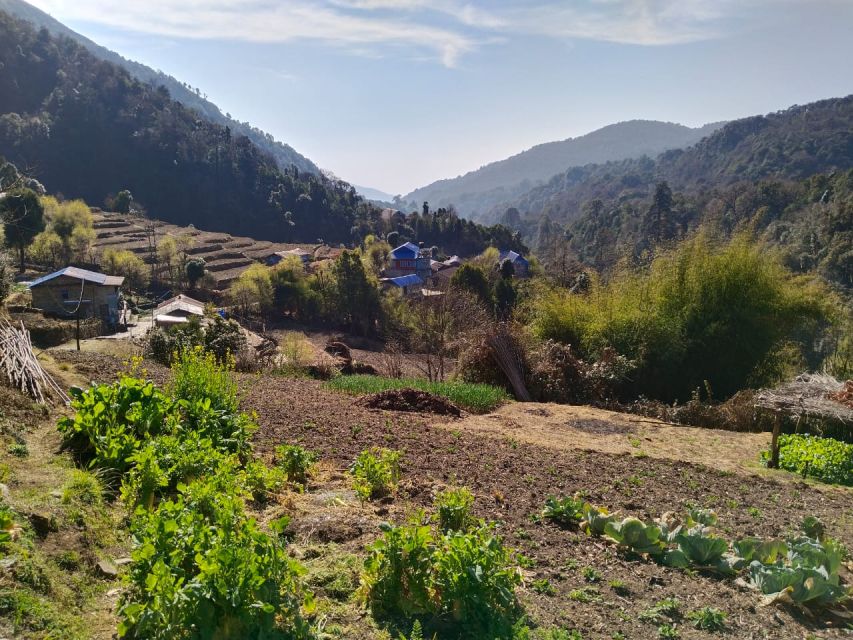
The forest section is one of the quieter pleasures of the route. The appeal is not only the distant peaks. You get a slower look at the lower Himalayan environment, with a trail that links villages and tea houses rather than major city sights.
Ghorepani is your first overnight stop in a tea house. Tea house accommodation is practical rather than fancy. It gives you a place to sleep along the route and keeps the trek tied to local settlements. Since accommodation is included but food is not, ask your guide about meal timing and prices when you arrive.
The Ulleri road approach deserves special attention. A previous landslide damaged the mountain road, forcing the starting point farther down than planned and costing one full day of the intended program. Natural events can change access quickly in this region. I would contact the provider shortly before departure and ask exactly where the vehicle will stop and whether every planned section remains open.
Day Two: The Poon Hill Sunrise and the Walk to Tadapani
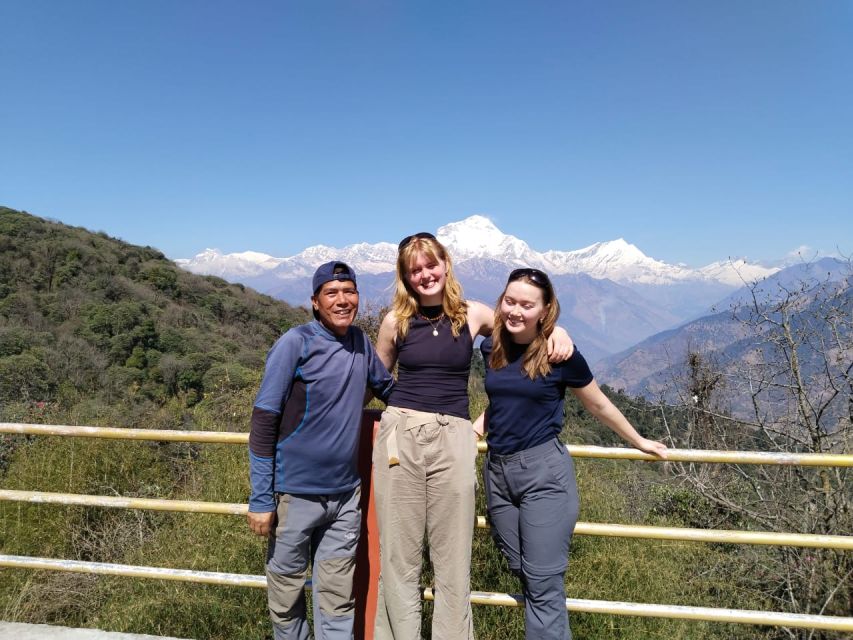
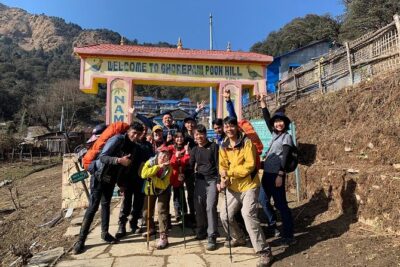
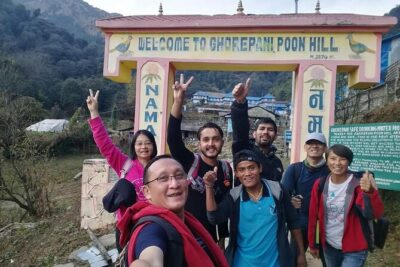
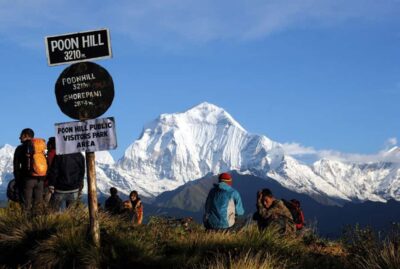
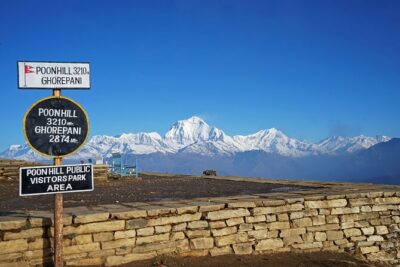
Day two begins before sunrise. From Ghorepani, you walk for about an hour to Poon Hill, the central prize of this route. The goal is a broad morning view of the Annapurna Range, and this is the part that received the strongest praise in the available feedback.
The early start is not optional if sunrise is your reason for booking. You will be walking uphill in the dark or near-dark hours, so bring a light and wear shoes with a firm grip. The information provided does not specify equipment rental, so plan to bring your own basic trekking gear.
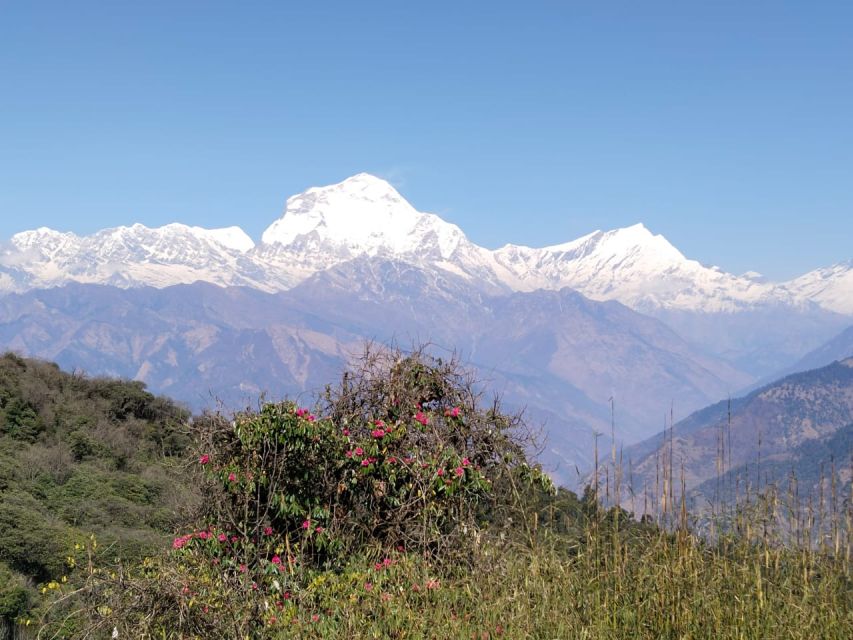
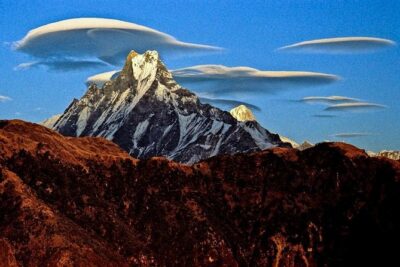
At the top, the reward is the full Himalayan panorama described in the itinerary. Weather controls how much you see. On a clear morning, the sunrise can be the high point of the trek. One person who had a disrupted schedule still considered the experience worthwhile because the Poon Hill sunrise was the main reason for going.
After Poon Hill, you return to Ghorepani for breakfast. Then the trail continues toward Tadapani, with about six hours of trekking listed for the day. That makes this a demanding morning. You are not finished after reaching the viewpoint, because you must descend, eat, and continue to the next overnight stop.
Tadapani provides a second mountain base for the night. The route here shifts the emphasis from a single famous viewpoint to the pleasure of moving through Himalayan forest and between settlements. If you prefer short walks with long pauses, this schedule may feel rushed. If you want a compact trek with substantial walking each day, the pace fits better.
Weather is worth watching closely. One past participant felt the guide could have checked forecasts more carefully rather than relying on luck. That does not mean poor weather is avoidable, but you can help yourself by asking about the morning forecast and the likely visibility before setting out for Poon Hill.
Day Three: Tadapani, Jhinu, and Ghandruk
Day three covers roughly six to seven hours of trekking, making it the longest stated day. The route heads toward Jhinu, where you can bathe in natural hot springs. After this stop, you continue to Ghandruk.
The hot springs are a welcome change after several hours on foot. The water is described as therapeutic, though you should treat that as a traditional benefit rather than a medical promise. The real value is simple: Jhinu gives you a chance to rest your muscles in warm natural water before continuing.
The stop also breaks up the day. You are not walking from breakfast to dinner without a pause. Still, the schedule remains active because the route continues onward to Ghandruk after the bath. Bring a swimsuit, towel, and a way to carry wet clothing, even though those items are not specifically listed among the required supplies.
Ghandruk is one of the most interesting stops for people who want more than mountain photographs. It is a Gurung village, and the itinerary highlights its architecture and the way Gurung communities have adapted to life in the highlands. That cultural detail gives the trek a human scale.
I would treat Ghandruk as a place to slow down and look carefully. Notice the building styles, village layout, and relationship between homes and the mountain setting. The experience does not promise a formal cultural demonstration, so the value comes from walking through a real settlement with a guide who can provide context.
The six-to-seven-hour day can be tiring. The hot springs may help, but they do not remove the need for steady fitness. This is not suitable for people with mobility impairments, and it is not recommended for pregnant women. Anyone with normal walking ability should still prepare for several consecutive days on uneven uphill and downhill trails.
More Treks and Hikes:
- Trekking in Annapurna/Langtang/Everest/Upper Mustang regions
★ 5.0 · 161 reviews - Pokhara: Annapurna Foothills Day Hike with Transfers
★ 5.0 · 100 reviews - Kathmandu/Pokhara: 5-Day Annapurna Base Camp (ABC) Trek
★ 4.9 · 72 reviews - From Pokhara: 3-Day Ghorepani Poon Hill Trek with Guide
★ 4.9 · 68 reviews
Day Four: Down to Nayapul and Back to Pokhara
The final day heads downhill to Nayapul. From there, a vehicle takes you back to Pokhara and drops you at your hotel.
The stated plan does not give a walking time for this final descent, so ask your guide for a current estimate. Downhill trekking can sound easy, but long descents can be hard on knees and ankles. Keep your walking poles handy if you use them, and avoid assuming the final day will feel effortless.
Returning by vehicle makes the ending straightforward. You do not need to arrange a separate transfer from Nayapul, which is one of the practical strengths of booking the route as a package. The tour ends at your Pokhara hotel, making it easy to continue with a rest day or another activity.
Because road access can be affected by landslides, allow some flexibility in your Pokhara plans after the trek. The provided schedule says you will be dropped off on day four, but mountain transport does not always follow a city timetable. Ask about road conditions before the descent.
Tea Houses, Food, and Daily Comfort
Accommodation is in tea houses or guest houses. These are functional overnight stops designed for trekkers, not luxury hotels. The package includes the room but not food and drinks, so you should consider the $287 price as the cost of transport, permits, guide support, and lodging rather than a full-board rate.
You will want a small daypack with water, rain protection, warm layers, personal medication, and snacks. The official requirement specifically says to bring your passport, though a copy is accepted. You must provide passport details at least 24 hours before departure so the necessary permits can be prepared.
The experience is conducted in English, and the guide is a licensed English speaker. Guide quality matters a great deal on a trek like this. Gobinda was praised for being kind and helpful, while Muku was described as a good guide during a trip affected by route problems. At the same time, the weather-checking criticism is useful. A good guide should help you make sensible choices about timing and conditions, not only lead you along the path.
The Biggest Practical Risk: Route Changes
The main concern is not the scenery. It is communication when conditions change.
A landslide previously damaged the mountain road and forced a later starting point. This caused a lost day and the removal of one planned point of interest. The natural event itself was outside the provider’s control, but the change should have been explained clearly before or during the trip.
You should ask three direct questions before departure:
- Where exactly will the vehicle leave you?
- Does the current route still include every listed stop?
- What happens if road or weather conditions force another change?
Those questions do not guarantee perfect conditions, but they reduce surprises. I would also avoid booking a flight, train, or other fixed connection immediately after the planned return to Pokhara.
The free cancellation policy allows cancellation up to 24 hours in advance for a full refund, and the reserve-now, pay-later option keeps money out of the booking until closer to departure. Those terms are useful when conditions or plans are uncertain. Still, check the current booking conditions at the time you reserve.
Who Will Enjoy This Four-Day Trek?
I would recommend this route to you if you want a short Himalayan trek with a clear goal. Poon Hill provides a strong focal point, while Jhinu and Ghandruk keep the trip from feeling like a simple out-and-back viewpoint walk.
It suits people who are comfortable walking for five to seven hours a day and who can manage uphill and downhill trails. You do not need to sign up for a much longer Annapurna route to see impressive peaks, forest paths, and mountain villages, but you do need to accept four active days.
I would be more cautious if you need a gentle pace, have limited mobility, or require a precise schedule. The daily distances are substantial, food is extra, and road damage can change the plan. Pregnant women and people with mobility impairments are specifically advised not to take this activity.
It also suits you if you prefer organized transport and a local guide. The private pickup and return remove some of the fiddly work around reaching the trail. If you are an experienced trekker who wants total control over route, lodging, and timing, arranging the journey independently may give you more freedom.
Should You Book the Poon Hill Trek?
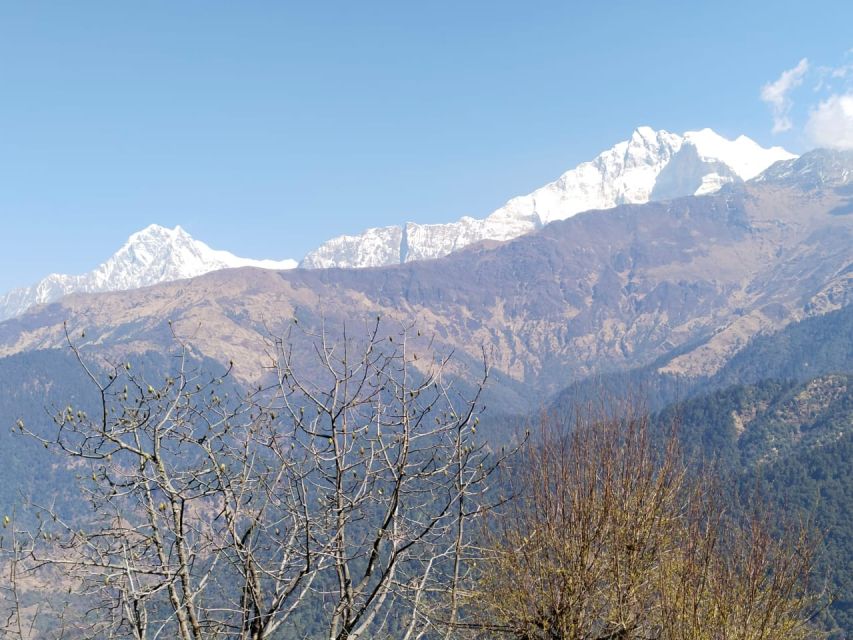
Book it if the Poon Hill sunrise is your priority and you want a compact route from Pokhara that also includes Gurung villages, forests, and Jhinu’s hot springs. The price is reasonable for the permits, guide, tea house accommodation, and private transport, but remember to budget separately for food and drinks.
Before paying, confirm the current road access from Pokhara, the exact starting point, and whether all four days remain available after any landslide damage. I would also ask how the guide handles weather decisions. If you accept some mountain unpredictability and prepare for long walking days, this is a worthwhile introduction to the Annapurna region. If you need a fixed itinerary with no surprises, choose a more flexible arrangement or allow extra days around it.
FAQ
How long is the Annapurna and Poon Hill trek?
The activity lasts four days. Listed trekking times are about five hours on day one, six hours on day two, six to seven hours on day three, and an unspecified walking time on day four.
Where does the trek begin?
You are picked up at your hotel in Pokhara and driven toward Ulleri. From Ulleri, you begin the uphill walk toward Ghorepani.
What is the main highlight of the trek?
The main highlight is the early morning walk to Poon Hill for sunrise and views of the Annapurna Range.
Is food included in the price?
No. Food and drinks are available for purchase but are not included in the $287 price.
Where do you sleep during the trek?
Accommodation is provided in tea houses or guest houses in Ghorepani, Tadapani, and Ghandruk.
Is transport included?
Yes. Hotel pickup and drop-off in a private car or jeep are included. The return drive begins from Nayapul on the final day.
What documents should you bring?
You should bring your passport. A copy is accepted, and you must provide your passport details at least 24 hours before departure so permits can be arranged.
Is the trek suitable for everyone?
No. It is not suitable for pregnant women or people with mobility impairments. The schedule also requires several days of walking, including days of five to seven hours.
More 4-Day Experiences
- Pokhara: 4-Day Mardi Himal Trek
★ 4.9 · 59 reviews - 4-Day Private Poon Hill Trekking Tour
★ 5.0 · 58 reviews - Pokhara: 4-Day Private Trek Tour
★ 4.9 · 43 reviews - From Pokhara: 4-Day Mardi Himal Base Camp Trek
★ 4.9 · 31 reviews
Just added around Pokhara
- Double Dare: Tandem Bungee Adventure★ 4.3 · 3 reviews
- Exhilarating Pokhara-Kathmandu Bus Journey Experience★ 3.5 · 3 reviews
- 3 Day Australian Camp Dhampus Ghandruk Easy Trek in Pokhara★ 3.5 · 3 reviews
- Paragliding in Pokhara★ 5.0 · 3 reviews
- Seti George and Thrilling Suspension Bridge Tour at Pokhara★ 4.5 · 3 reviews
- Overnight Dhampus Australian Camp Easy Hiking from Pokhara★ 5.0 · 3 reviews
- Full Day Entire Pokhara Tour by Car with Guide★ 4.5 · 3 reviews
- 5 Days Mardi Himal Trek.★ 5.0 · 3 reviews
Ghorepani Poon Hill Treks, compared.
4-Day Ghorepani, Poonhill & Ghandruk Mountain Trek
Read our review →
Browse the lists this tour appears in