
Reviewed · GHOREPANI POON HILL TREKS
Pokhara: 4-Day Ghorepani, Poonhill & Ghandruk Mountain Trek
Sunrise here is worth the early alarm. This four-day route links Pokhara with Ulleri, Ghorepani, Poon Hill, and Ghandruk, giving you mountain views, village life, and rhododendron forests without committing to a much longer Himalayan trek. I especially like the private group format and the careful transport arrangements, while the chance to walk with guides such as Jeet Bahadur Nepali, Santosh, Chandra, Tanka, or Bala adds real local insight.
I also like the balance of scenery and culture. You get Annapurna and Dhaulagiri views from Poon Hill, then spend time in a Gurung village rather than simply turning around at a viewpoint. The main consideration is physical effort: four days is manageable for many beginners, but the steep stone steps around Ulleri and the seven-hour third day can still leave you pleasantly, or seriously, tired.
The advertised price is $181 per person, a fair package price if your chosen option includes meals. It covers permits, transport, a guide, tea-house lodging, trekking sticks, sleeping bags when needed, and luggage storage in Pokhara. You still need to budget for insurance, personal snacks and drinks, and possibly a porter.
In This Review
- The five details that shape this trek
- Why this short Annapurna route works so well
- Day 1: Naya Pul to Ulleri and the first hard climb
- Day 2: Rhododendron forest on the way to Ghorepani
- Day 3: Poon Hill sunrise, Tadapani, and Ghandruk
- Day 4: Ghandruk to Naya Pul and back to Pokhara
- Tea houses, food, and nighttime comfort
- What the $181 price really buys you
- Guides are the strongest part of the experience
- What to pack for four days in the mountains
- Who should book this trek?
- Should you book the Ghorepani and Poon Hill trek?
- FAQ
- How long is the Ghorepani, Poon Hill, and Ghandruk trek?
- What is included in the $181 price?
- Is a porter included?
- Do I need travel insurance?
- What languages do the guides speak?
- Where can pickup and drop-off take place?
The five details that shape this trek
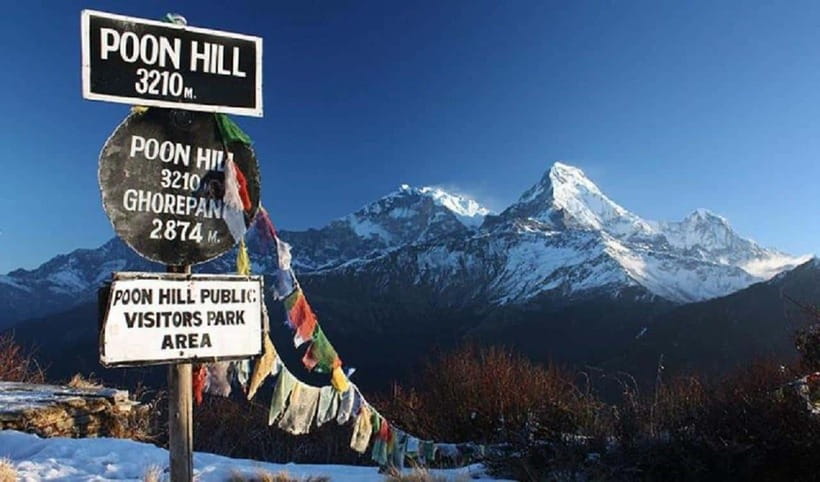
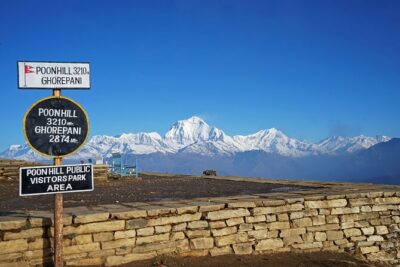
- Poon Hill sunrise reaches about 3,210 meters, with early views toward the Annapurna and Dhaulagiri ranges.
- The first day ends at Ulleri, after roughly five hours of walking and a steep start from Naya Pul.
- Ghorepani is reached through rhododendron woodland, with Nangethati used as a lunch stop.
- Ghandruk adds a cultural finish, with Gurung traditions, village views, and a slower final evening.
- Private guiding makes the pace adjustable, useful for mixed fitness levels and first-time trekkers.
- Simple tea houses are part of the deal, with clean rooms, food, and sometimes hot showers, but cold nights are normal.
Why this short Annapurna route works so well
The Poon Hill circuit is a smart introduction to trekking in Nepal. It gives you a proper multi-day walk, sleeping in mountain lodges and moving between villages, but it does not require the length or altitude commitment of major routes deeper in the Annapurna region.
I like that the trek has several different rewards. The mountain panorama is the obvious one, but the route also takes you through Magar and Gurung communities, forest trails, waterfalls, valleys, and small settlements. You are not simply hiking to one lookout and returning to Pokhara by lunch.
The trip is private, so your guide can adjust the pace. That matters if one person in your party walks quickly and another needs frequent rests. Several guides received especially warm praise for keeping everyone comfortable, explaining local customs and mountain geography, and helping when someone felt unwell. Jeet Bahadur Nepali was often singled out for his humor and care, while Santosh, Chandra, Tanka, Bala, and Purushottam were also repeatedly appreciated for their patience and organization.
That said, a private group does not make the trail flat. You should have a reasonable level of fitness and be comfortable walking for several hours on uneven paths. The route is described as suitable for beginners, but beginners should not confuse that with effortless.
More Ghorepani and Poon Hill Treks:
- Poon hill Trek 3 days
★ 5.0 · 176 reviews - Ghorepani – Poon Hill Trek 3N-4D
★ 5.0 · 125 reviews - From Pokhara: 3-Day Ghorepani Poon Hill Trek with Guide
★ 4.9 · 68 reviews
Day 1: Naya Pul to Ulleri and the first hard climb
Your morning starts with pickup from a Pokhara Lakeside or Sarangkot hotel, the airport, or one of the listed resorts. The drive to Naya Pul takes about an hour by bus or coach. This transfer is useful because it removes a layer of planning, although road conditions and departure timing can affect the morning.
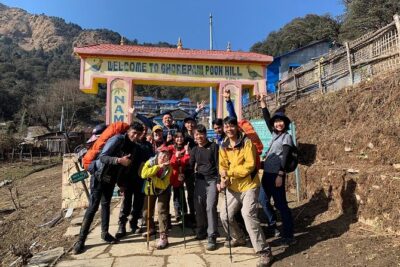
Naya Pul is the formal start of the walk. You have a short break for photographs and final preparation before setting off toward Ulleri. The walk takes about five hours and passes through countryside with mountain views, local homes, and changing vegetation.
Ulleri is associated with the Magar community, and the overnight stop gives your guide a chance to explain local life rather than treating the village as a bed for the night. The first day is also where you learn what the trail demands. The route includes a substantial uphill section, and the stone steps near Ulleri can feel long if you have just arrived from lower ground.
Take this morning slowly. A guide such as Jeet, Tanka, or Bala can help set a realistic pace, and that is more valuable than trying to prove something in the first two hours. You will have time for photos, a sunset if the weather cooperates, dinner, and a night in a simple lodge.
The rooms are basic, not hotel rooms. Reports of clean accommodation and good views are encouraging, but you should still expect mountain lodging rather than city comfort. Nights can be cold, especially in late autumn and winter, so a sleeping bag is worth carrying or requesting from the operator.
Day 2: Rhododendron forest on the way to Ghorepani
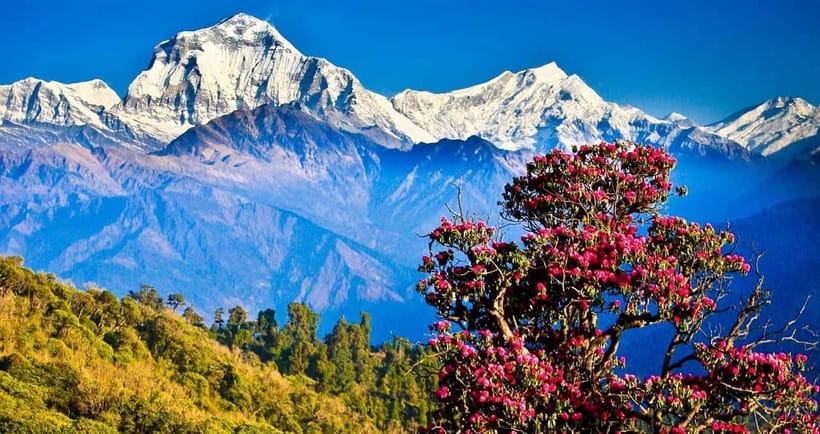
After breakfast, you walk toward Ghorepani for roughly four to five hours. This is one of the prettiest sections, with rhododendron forest and smaller villages along the route. In season, the flowers add color to the trail, while the woodland provides a welcome change from exposed steps.
Nangethati is the planned lunch stop. Having a named place for lunch helps break up the day, though you should carry water and small snacks because hunger rarely follows the printed schedule perfectly. Personal snacks and drinks are not included in the base package.
You might see Himalayan wildlife, including monkeys, though wildlife sightings are not guaranteed. The forest is valuable even without an animal encounter. It gives you shade, birdsong, and a sense of moving through a living mountain environment rather than walking along a road.
Ghorepani is the second overnight stop and an important staging point for Poon Hill. The village is known for its mountain views and position on popular routes through the Annapurna area. Your guide should explain the next morning’s timing, since Poon Hill sunrise requires an early departure.
The lodges offer simple rooms and a range of food. Meals are included only depending on the option selected, so check that detail before booking. Food reports are consistently positive, with dal bhat, local dishes, and familiar trekking meals providing welcome fuel after the walk. Some lodges have hot showers, but do not treat that as guaranteed at every stop.
Day 3: Poon Hill sunrise, Tadapani, and Ghandruk
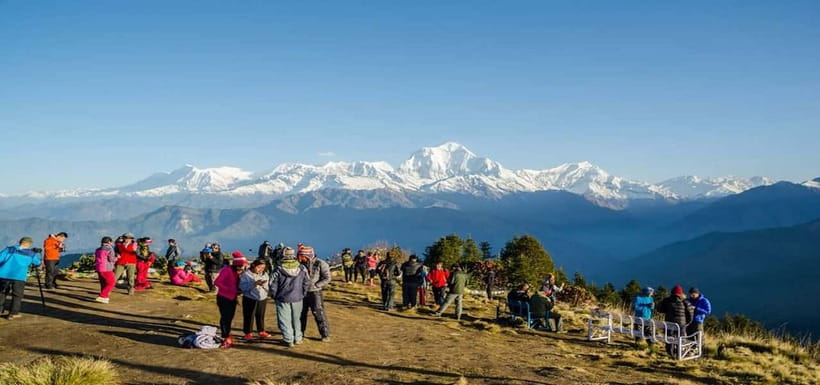
This is the central day of the trek. You rise early and walk for about an hour to Poon Hill. The climb is short in distance but feels sharper because it takes place before breakfast and often in the cold.
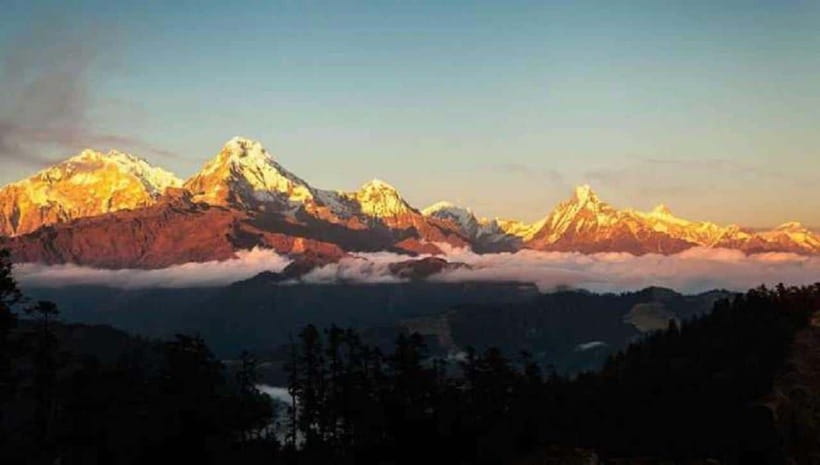
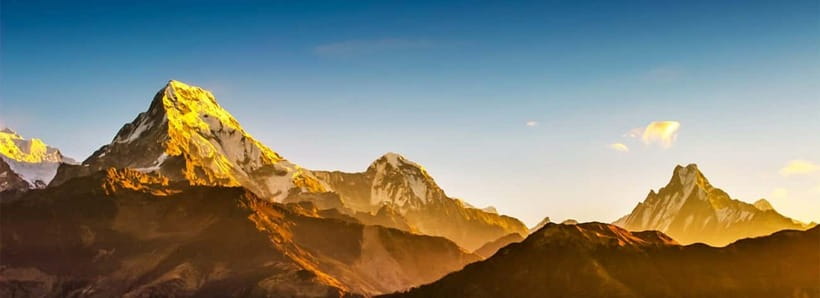
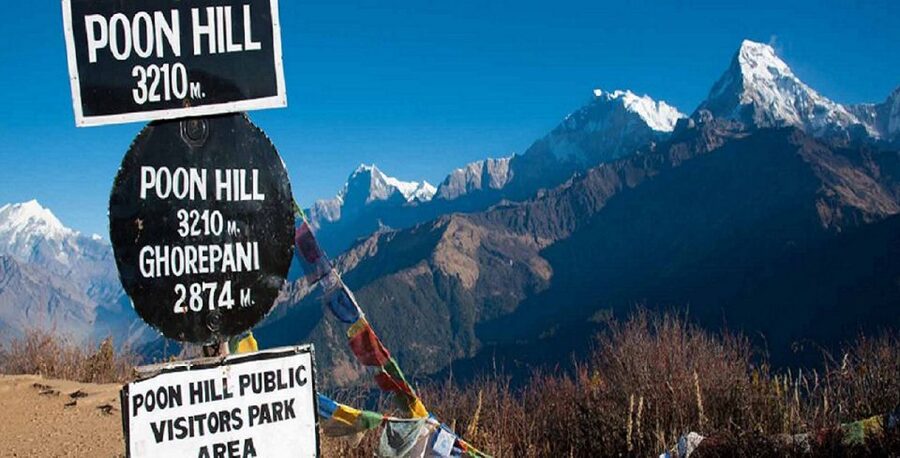
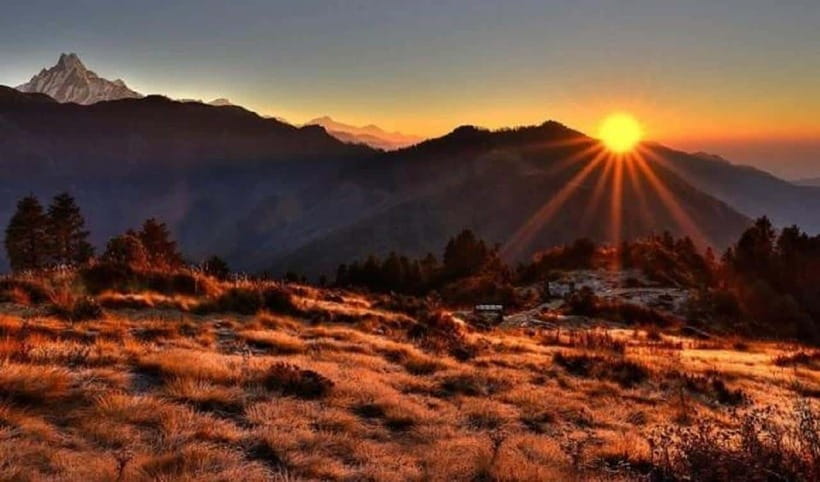
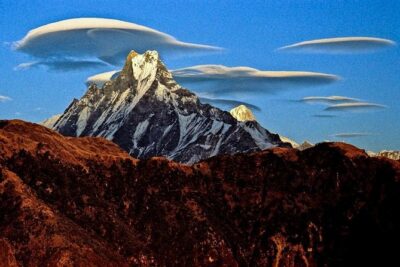
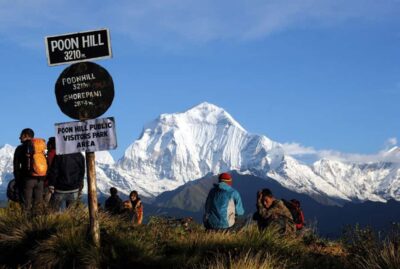
At around 3,210 meters, Poon Hill gives you a broad view of the Annapurna and Dhaulagiri ranges. The sunrise is the reason many people choose this trek. On a clear morning, the first light turns the snow peaks gold, and the scene changes minute by minute. You should bring warm clothing, a hat, gloves if you have them, and a camera with a charged battery.
Weather is the great variable. Clear mornings can produce spectacular views, but cloud or poor visibility can hide the peaks. The trek remains worthwhile in unsettled weather because of the villages and forest, but you should keep your expectations sensible. No guide can order the clouds away.
After the sunrise, you return to the lodge for breakfast before walking toward Ghandruk. The full day is listed at around seven hours, including the Poon Hill climb, so this is the longest and most demanding day. Tadapani provides a scenic pause and lunch stop before the trail continues to Ghandruk.
Pace matters here. Guides have adjusted the walk for mixed fitness levels and made extra room for rest when someone was unwell. That is one of the strongest reasons to choose a guided trip instead of trying to manage every detail yourself. Still, you should tell the guide early if your knees, breathing, or energy are struggling.
Ghandruk gives the trek a satisfying cultural finish. It is a Gurung village with old traditions, mountain views, and a more settled feel than the forest stops. Your afternoon and evening are spent among village paths and local homes rather than in a remote high-altitude camp.
You should not expect a staged cultural performance. The value is in walking through a living community, eating local food, and having your guide explain the people and places around you. That makes Ghandruk more meaningful than a quick photo stop.
More Treks and Hikes:
- Trekking in Annapurna/Langtang/Everest/Upper Mustang regions
★ 5.0 · 161 reviews - Pokhara: Annapurna Foothills Day Hike with Transfers
★ 5.0 · 100 reviews - Kathmandu/Pokhara: 5-Day Annapurna Base Camp (ABC) Trek
★ 4.9 · 72 reviews - Pokhara: 4-Day Mardi Himal Trek
★ 4.9 · 59 reviews
Day 4: Ghandruk to Naya Pul and back to Pokhara
The final day begins with a traditional Gurung breakfast, followed by a descent to Naya Pul. The walk takes about four hours, though downhill walking can be harder on tired knees than the distance suggests.
The route gives you one last chance to enjoy the villages, forest, and mountain views at a slower pace. Your vehicle meets you at Naya Pul for the roughly one-hour drive back to Pokhara.
This arrangement is practical. You do not need to retrace the entire route on foot, and the company handles the return transfer to your hotel or another listed drop-off point. You can also leave extra luggage in Pokhara during the trek, which means you only carry what you need for four days.
Tea houses, food, and nighttime comfort
Accommodation is in simple tea houses or lodges. This is part of the appeal, but you need to understand the standard. The rooms are basic and can be cold at night, while shared facilities may be more modest than you are used to at home.
Several people found the rooms clean and more comfortable than expected, with good views and occasional hot showers. Wood fires in the evening were another welcome feature. Conditions vary by lodge and season, so pack for cold rather than assuming blankets will solve everything.
Food along the route includes meals if you choose the meal-inclusive package. Reports point to tasty, filling meals and helpful guidance from the guides about what to order. Dal bhat is a practical choice because it is filling and commonly available, but you can also find other local and familiar dishes.
The package does not cover personal snacks and drinks. Bring cash for these extras. You should also bring a water bottle and plan for the fact that mountain prices can differ from Pokhara prices, although the exact costs are not provided here.
What the $181 price really buys you
At $181 per person, this is good value for a four-day private trek if the package you select includes meals. The price covers the pieces that can become expensive or confusing when arranged separately: round-trip transport, permits, guide costs, accommodation, trekking gear, and luggage storage.
The permit requirement is worth noting. You must provide a passport copy at least one day before departure so the company can obtain the necessary Nepal government permits. Bring your original passport or another accepted form of identification as well.
A porter is not included. If you want one, the stated rate is $20 per day. That can make a major difference on the uphill sections, especially if you are carrying camera gear, winter clothing, or a large pack.
Travel insurance is mandatory and should include trekking cover appropriate to your plans. Emergency rescue services are available if needed, but they are not included in the price. Check your policy before setting out rather than discovering exclusions at altitude.
The operator also provides trekking sticks, sleeping bags as needed, a first aid kit, and luggage storage in Pokhara. These small practical details improve the value, especially if this is your first Himalayan trek and you do not own specialist equipment.
Guides are the strongest part of the experience
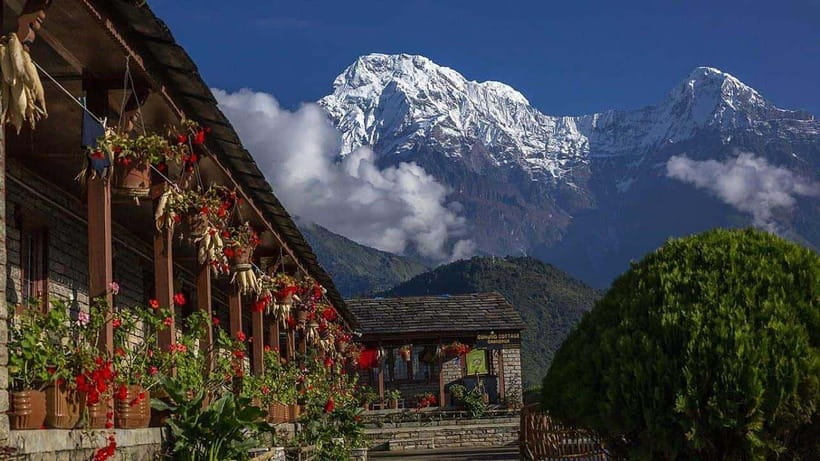
The guide can shape this trek more than the scenery does. The mountains are spectacular, but a good guide controls the pace, finds suitable lodging, explains the route, helps with meals, and notices when you are struggling.
The experience uses English, Hindi, and Nepali-speaking guides. Names associated with especially strong service include Jeet Bahadur Nepali, Santosh, Chandra, Tanka, Bala, Purushottam, Anil, Krishna, Raju, Bishnu Giri, and Golman. Jeet was praised for being cheerful and funny, Santosh for patience and care, Chandra for finding good food stops, and Tanka for handling mixed fitness levels well.
You may be able to request a particular guide, but the information does not promise that any named guide will be available. Ask at booking if you have a strong preference, especially if language or pace is important to you.
The private format also helps solo participants and pairs. One solo trekker described receiving steady support from Chandra, while couples and groups appreciated guides who kept everyone together without forcing the fastest person’s pace.
What to pack for four days in the mountains
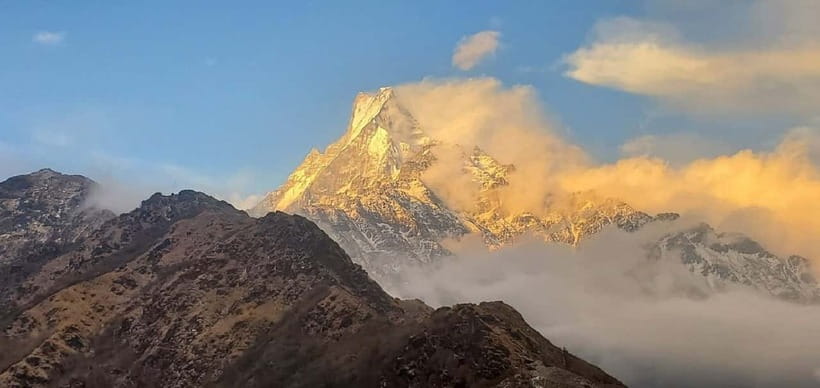
Keep your pack light, but do not skimp on warmth. The supplied guidance recommends:
- Passport or identification
- Warm clothing
- Hiking shoes
- Comfortable walking clothes
- Sun hat
- Camera
- Travel insurance details
- Sleeping bag
- Cash
I would place warm layers near the top of that list. Nights can be cold, particularly around late November and December. Comfortable shoes matter because the trail includes long uphill and downhill sections, uneven surfaces, and stone steps.
A sleeping bag is listed among the recommended items and may be supplied when needed. Even when lodges provide blankets, having your own warm layer gives you more control over nighttime comfort.
Who should book this trek?
I would recommend it to first-time trekkers who want a real Nepal walking experience in a compact four-day schedule. You get mountain views, two major village stops, lodge nights, local food, and a guide without taking on a long expedition.
It also suits couples, families with a reasonable fitness level, and small private groups with different walking speeds. The guide can adjust rest breaks and daily pacing, which is useful when not everyone arrives with the same level of fitness.
You should think twice if you dislike cold rooms, early starts, steep steps, or basic accommodation. The trek is often described as manageable for beginners, but the third day is long and the first climb can be tiring. Anyone with health concerns should assess their fitness carefully before booking.
Free cancellation up to 24 hours before the start and reserve-now, pay-later terms add useful flexibility. Pickup is available from Pokhara Lakeside, Sarangkot, Pokhara International Airport, and the listed hotels and resorts. Confirm your pickup time after booking, and have your passport copy ready at least one day before departure.
Should you book the Ghorepani and Poon Hill trek?
Yes, if you want a compact introduction to Nepal’s mountain trails and value having the practical details handled for you. The strongest reasons are the Poon Hill sunrise, the Gurung village stay in Ghandruk, flexible private guiding, and a price that includes permits, transport, lodging, and guide expenses.
I would book the meal-inclusive option if the difference is reasonable, bring warm clothes and cash, and request a guide known for a patient pace if possible. Add a porter if you do not want to carry your own gear.
Skip it only if you need luxury accommodation or want a relaxed holiday with little physical effort. For everyone else, this is a well-balanced four-day route: short enough to fit into a Pokhara visit, but substantial enough to feel like you have truly walked into the Himalayas.
FAQ
How long is the Ghorepani, Poon Hill, and Ghandruk trek?
The trek lasts four days, with three nights in mountain tea houses or lodges.
What is included in the $181 price?
The package includes round-trip transport, accommodation in simple tea houses or lodges, a certified guide, required permits and fees, guide expenses, trekking sticks, sleeping bags when needed, luggage storage in Pokhara, and a first aid kit. Meals depend on the option selected.
Is a porter included?
No. A porter can be arranged for $20 per day if needed.
Do I need travel insurance?
Yes. Travel insurance is mandatory. Emergency rescue services are available if needed but are not included in the listed price.
What languages do the guides speak?
Guiding is available in English, Hindi, and Nepali.
Where can pickup and drop-off take place?
Pickup and drop-off are available from Pokhara Lakeside, the Sarangkot area, Pokhara International Airport, and the listed hotels and resorts in Pokhara. The exact time is confirmed after booking.
More 4-Day Experiences
- 4-Day Private Poon Hill Trekking Tour
★ 5.0 · 58 reviews - Pokhara: 4-Day Private Trek Tour
★ 4.9 · 43 reviews - From Pokhara: 4-Day Mardi Himal Base Camp Trek
★ 4.9 · 31 reviews - Poon Hill Trek from Pokhara 4 Days
★ 5.0 · 27 reviews
Just added around Pokhara
- Double Dare: Tandem Bungee Adventure★ 4.3 · 3 reviews
- Exhilarating Pokhara-Kathmandu Bus Journey Experience★ 3.5 · 3 reviews
- 3 Day Australian Camp Dhampus Ghandruk Easy Trek in Pokhara★ 3.5 · 3 reviews
- Paragliding in Pokhara★ 5.0 · 3 reviews
- Seti George and Thrilling Suspension Bridge Tour at Pokhara★ 4.5 · 3 reviews
- Overnight Dhampus Australian Camp Easy Hiking from Pokhara★ 5.0 · 3 reviews
- Full Day Entire Pokhara Tour by Car with Guide★ 4.5 · 3 reviews
- 5 Days Mardi Himal Trek.★ 5.0 · 3 reviews
Ghorepani Poon Hill Treks, compared.
Browse the lists this tour appears in