
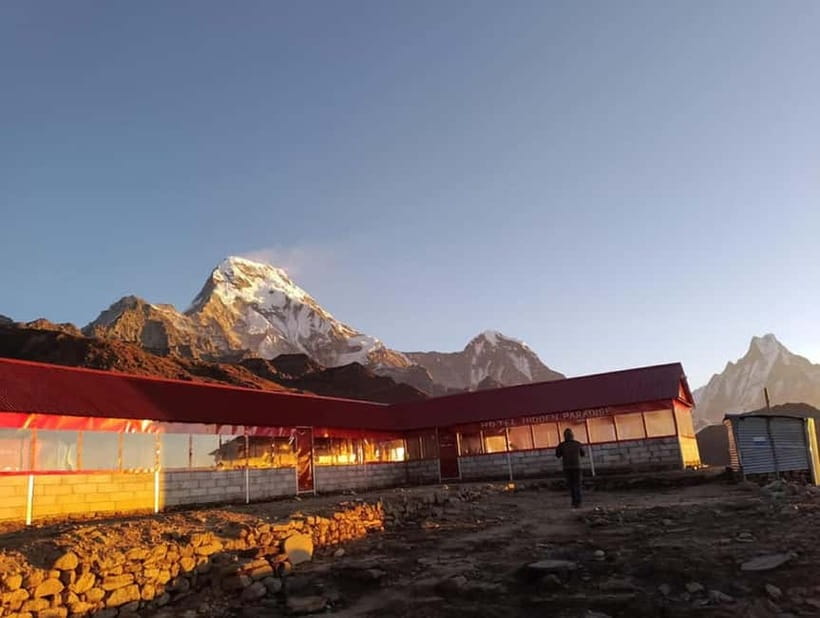
Reviewed · GHOREPANI POON HILL TREKS
Pokhara: 3-Day Ghorephani and Poon Hill Private Trek
Mountain sunrise, village paths, and a lot of stairs. This short trek packs Annapurna and Dhaulagiri views into three busy days, with a night in Ulleri, another in Ghorepani, and an early climb to Poon Hill at 3,210 meters. I like the private format, which lets your guide adjust the pace, meal stops, and daily plan to suit your group.
I also like the strong local feel. You walk through Gurung villages, sleep in simple family-run teahouses, eat dishes such as dal bhat, and travel by road between Pokhara and the trail. Guides including Santosh, Laxman, Jeet, Chandra, and Tanka have been praised for patience, humor, and practical help. The catch is clear: this is harder than the phrase beginner trek suggests, especially on day one, when long stair sections make your legs work.
In This Review
- The essential facts at a glance
- Why this three-day route works
- Day one: Pokhara, Nayapul, Tikhedhunga, and Ulleri
- Day two: Ulleri to Ghorepani through rhododendron country
- Day three: Poon Hill sunrise and the long return
- The views, villages, and Gurung culture
- Accommodation, food, and porter support
- What the $126 price really covers
- Fitness, weather, and packing advice
- Who should book this trek?
- Should you book the Ghorepani and Poon Hill trek?
- FAQ
- How long is the Ghorepani and Poon Hill trek?
- Where does the trek begin?
- What altitude does Poon Hill reach?
- Is the trek suitable for beginners?
- What languages can the guide speak?
- Are meals included in the price?
- What accommodation is provided?
- Is transportation from Pokhara included?
- What documents are needed before the trek?
The essential facts at a glance
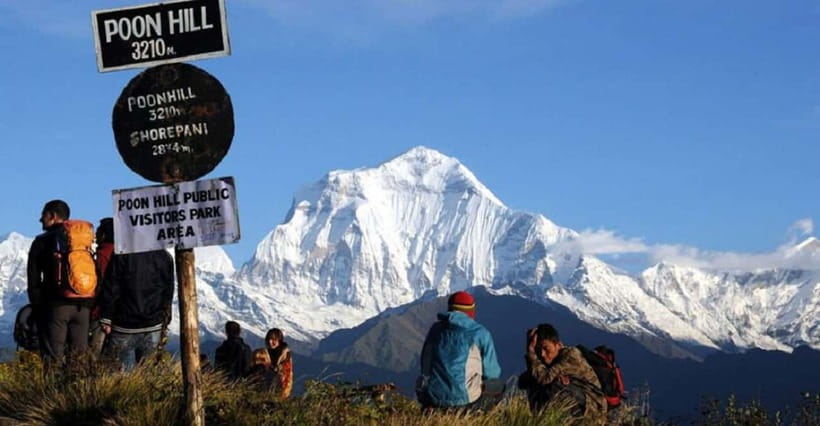
- Poon Hill sunrise at 3,210 meters: An early uphill walk from Ghorepani leads to one of Nepal’s best-known mountain viewpoints.
- Two nights in mountain teahouses: Expect basic but welcoming accommodation, good meals, mountain views, and colder rooms at higher elevation.
- A demanding first day: The route from Nayapul through Tikhedhunga to Ulleri includes many steep steps.
- A private group with local support: English, Hindi, and Nepali-speaking guides lead the walk, while porters can handle luggage when included in your chosen arrangement.
- A compact Annapurna experience: The trek suits a tight Pokhara schedule, but adding a fourth day would make the walking less rushed.
- $126 per person: The price covers core transport, permits, guide and porter costs, gear, and taxes, with meals included if you select that option.
Why this three-day route works
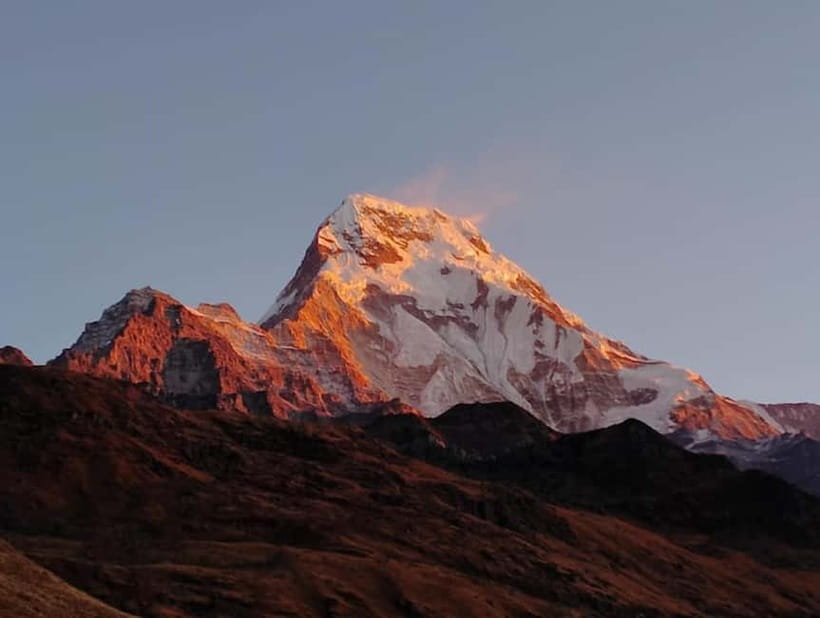
The appeal is simple: you get a real Himalayan walking experience without committing to a week or more on the trail. From Pokhara, the route climbs through rural settlements and forest before reaching Ghorepani, then finishes with the sunrise walk to Poon Hill.
You will not spend days wandering at a gentle pace. This is a condensed program, and the return to Pokhara on day three makes for a long finish. Still, if you have only a few days in western Nepal, the route gives you mountain scenery, village life, and a high viewpoint in one efficient package.
The private setup is especially useful if your group has mixed fitness levels. Guides such as Santosh have slowed down for tired walkers, arranged chairs during breaks, helped with hot water refills, and adapted plans when someone felt unwell. Laxman also received praise for helping with food, fruit, and a knee problem on the return journey.
That personal attention matters here. The trail is easy to follow in broad terms, but your guide takes care of practical jobs that can wear you down: finding a suitable teahouse, organizing meals, checking the route, and helping you judge when to stop.
More Ghorepani and Poon Hill Treks:
- Poon hill Trek 3 days
★ 5.0 · 176 reviews - Pokhara: 4-Day Ghorepani, Poonhill & Ghandruk Mountain Trek
★ 5.0 · 132 reviews - Ghorepani – Poon Hill Trek 3N-4D
★ 5.0 · 125 reviews
Day one: Pokhara, Nayapul, Tikhedhunga, and Ulleri
Pickup is available throughout Pokhara Valley, including Lakeside hotels, Sarangkot, Fish Tail Lodge, Hotel Barahi, Temple Tree Resort, Hotel Middle Path, and Pokhara International Airport. You should wait at the main entrance about 10 minutes before pickup and look for the company vehicle or a guide holding your name.
The drive from Pokhara to Nayapul takes about one to one and a half hours. The road section includes a stop around Pokhara Baglung Bus Park, then continues toward the trailhead. The transport is described as bus or coach, and the local-bus element is part of the experience rather than a luxury transfer.
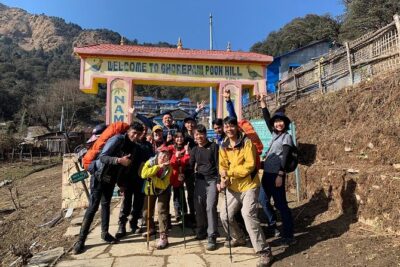
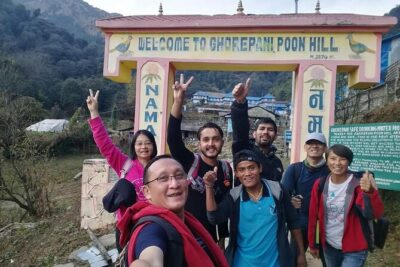
At Nayapul, you begin walking at about 1,070 meters. There is a short stop for photographs, route orientation, and views before the trail continues toward Tikhedhunga. This first section takes roughly three to three and a half hours, depending on your pace and breaks.
Tikhedhunga is a useful pause point before the serious climbing begins. From there, the path rises toward Ulleri, gaining height to about 2,070 meters over another two to two and a half hours.
This is where the trek earns its reputation for steep steps. Several people who considered themselves reasonably active still found day one tough, particularly the long stair sections. If you do not regularly hike uphill, you should train with stairs or sustained climbs before arriving in Nepal.
Ulleri is your first overnight stop. The accommodation is standard mountain lodging, not a resort, but it is generally described as clean, welcoming, and well chosen. Rooms can be cold, especially in winter, so pack a warm layer, gloves, a hat, and use the sleeping bag provided if needed.
Day two: Ulleri to Ghorepani through rhododendron country
Day two covers the climb from Ulleri to Ghorepani, at approximately 2,860 meters. Allow five to six hours for the walk.
The route passes through rhododendron forest, with changing views toward the Annapurna and Dhaulagiri ranges. In the right season, the forest adds strong color to the walk. You may also notice Himalayan plants, birds, and other small signs of mountain wildlife, though no particular animal sightings are guaranteed.
This day is still uphill, but many people find it more manageable than day one because the route feels less dominated by the first major staircase. You gain another 790 meters, so you should not treat it as an easy stroll.
Ghorepani is the practical heart of the trek. It is a mountain settlement with teahouses, dining rooms, and a steady flow of walkers preparing for the early morning climb. Your guide will arrange the overnight stay and help organize dinner and breakfast.
Food is one of the pleasant surprises on this route. Dal bhat is a dependable choice, and several guides have been praised for steering groups toward good meal stops. The lodges are simple but often comfortable, with some offering hot showers and indoor heating areas or chimneys. Hot water and showers should not be assumed at every stop, so ask your guide what is available.
At this altitude, temperatures can drop sharply. Even if Pokhara feels warm when you leave, Ghorepani may require several layers at night. A waterproof bag also helps protect clothing and electronics if rain or damp conditions arrive.
Day three: Poon Hill sunrise and the long return
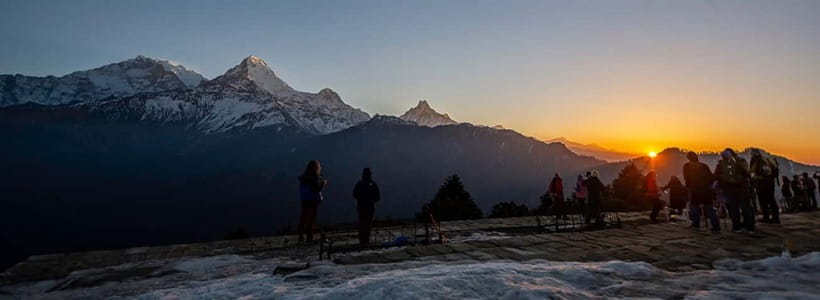
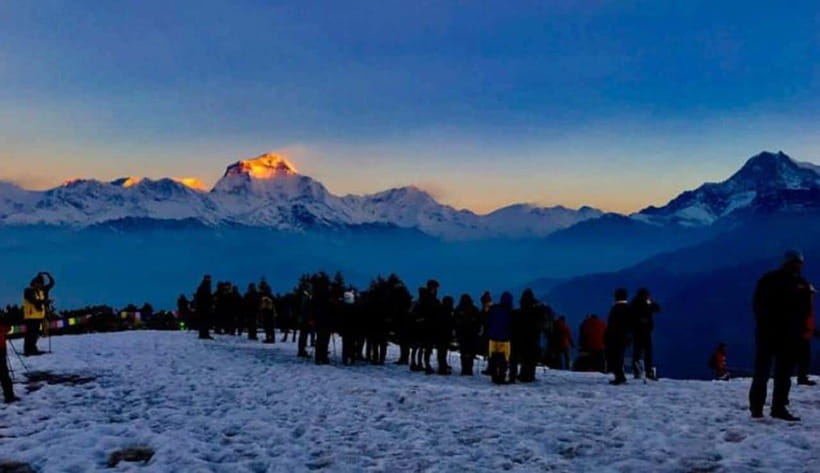
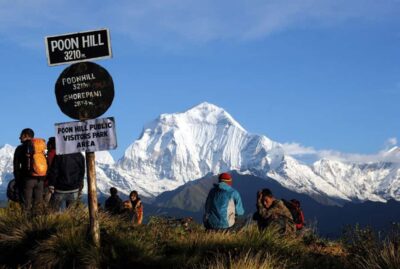
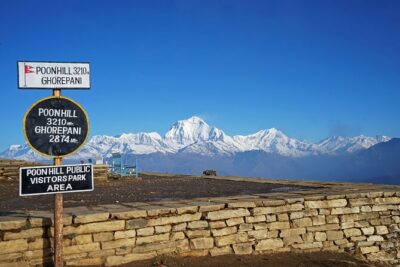
The day begins before breakfast. From Ghorepani, you walk uphill to Poon Hill, reaching about 3,210 meters. The stated walking time is two to three hours, although the exact duration depends on your pace, the darkness, and how long you stop for photographs.
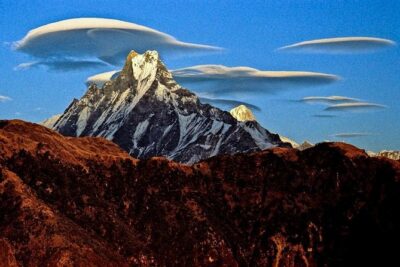
The reward is the sunrise viewpoint. As morning light reaches the peaks, you may see the Annapurna and Dhaulagiri ranges, along with Nilgiri and Machhapuchhre when conditions are clear. The appeal is not just the height of the viewpoint. It is the changing light, which can turn the mountains from dark silhouettes into bright, sharply defined peaks.
Weather is the deciding factor. Clear mornings can produce exceptional views, while fog and haze may hide much of the range. One person had a memorable trip despite poor visibility on other days, while others were fortunate to see a completely open panorama. You should enjoy the forest, villages, and mountain air as part of the trek, not treat the sunrise as a guaranteed photograph.
After Poon Hill, you return to Ghorepani for breakfast. Then comes the long descent to Nayapul, estimated at five to six hours in the main schedule and around seven hours in the more detailed route description. Either way, this is a full walking day.
Downhill walking can be easier on your lungs but harder on knees. If you have previous knee trouble, tell your guide before starting. A past group received help arranging transport from a closer point when a knee became painful, but you should not depend on cutting the route short unless your guide and transport arrangements allow it.
From Nayapul, the road journey back to Pokhara takes about one to one and a half hours. Drop-off is available at many of the same areas used for pickup, including Lakeside, Sarangkot, major hotels, and the airport.
More Treks and Hikes:
- Trekking in Annapurna/Langtang/Everest/Upper Mustang regions
★ 5.0 · 161 reviews - Pokhara: Annapurna Foothills Day Hike with Transfers
★ 5.0 · 100 reviews - Kathmandu/Pokhara: 5-Day Annapurna Base Camp (ABC) Trek
★ 4.9 · 72 reviews - From Pokhara: 3-Day Ghorepani Poon Hill Trek with Guide
★ 4.9 · 68 reviews
The views, villages, and Gurung culture
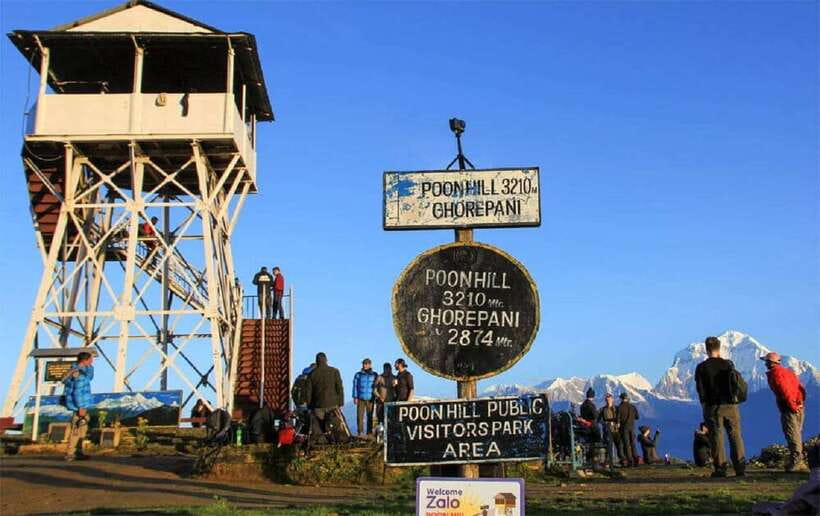
The mountain scenery is the headline, but the route is more than a sequence of viewpoints. You pass through settlements where the teahouses, village stops, and trail traffic give you a sense of daily life in the Annapurna region.
Ghandruk is highlighted as a cultural point of interest, although the supplied three-day schedule does not clearly place an overnight or extended stop there. You should confirm with Snow Peak Tours and Travels if visiting Ghandruk is essential to your plans, since the core route described runs through Nayapul, Tikhedhunga, Ulleri, Ghorepani, and Poon Hill.
The local connection often comes through the guide. Dhanapati shared stories about Nepal and the Diwali festival, while another guide arranged an unplanned stop to watch volleyball during a local festival. These moments are valuable because they are not just mountain scenery. They give you a little contact with the communities along the trail.
The guide may also teach you Nepali words, explain local customs, or point out plants and views. Chandra was praised for combining conversation and quiet time, a good balance when you want company but also want to listen to the forest.
Accommodation, food, and porter support
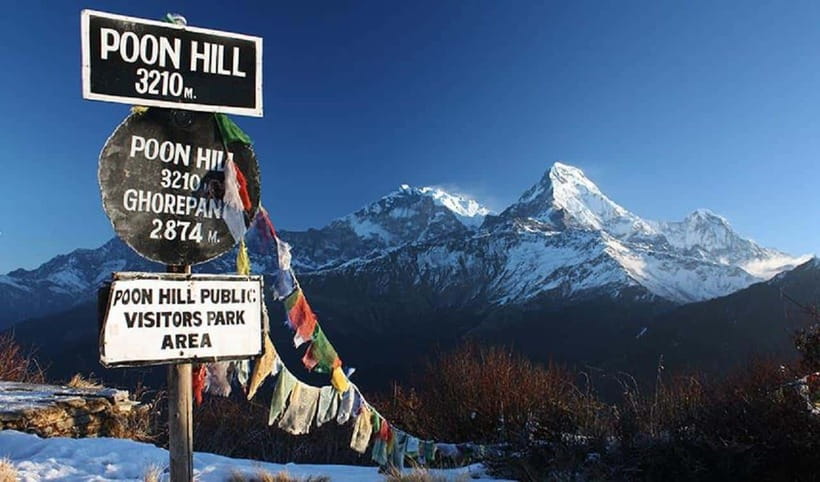
The package includes private accommodation in standard lodging. In practice, you should expect small mountain guesthouses and teahouses rather than hotels with full facilities.
The rooms are generally described as clean and welcoming. Some have good views, and some provide hot showers. The important limitation is warmth. Winter nights can be cold indoors, so bring thermal clothing and make full use of the sleeping bag, gloves, and beanie recommended for the trip.
Meals are included only if you select the meal option. Confirm this at booking, because food costs can otherwise become a personal expense. Dal bhat, tea, and other lodge meals are part of the normal mountain routine, and guides can help you order.
The package includes guide and porter expenses, including their food, accommodation, insurance, wages, transport, and equipment. It also includes a duffel bag and luggage storage in Pokhara. Ask in advance how much luggage the porter arrangement covers, and keep valuables and essentials with you.
Trekking sticks and sleeping bags are available as needed, but one person noted that walking sticks may need to be requested before departure. Do not wait until the first steep staircase. Ask the operator to confirm your gear before leaving Pokhara.
What the $126 price really covers
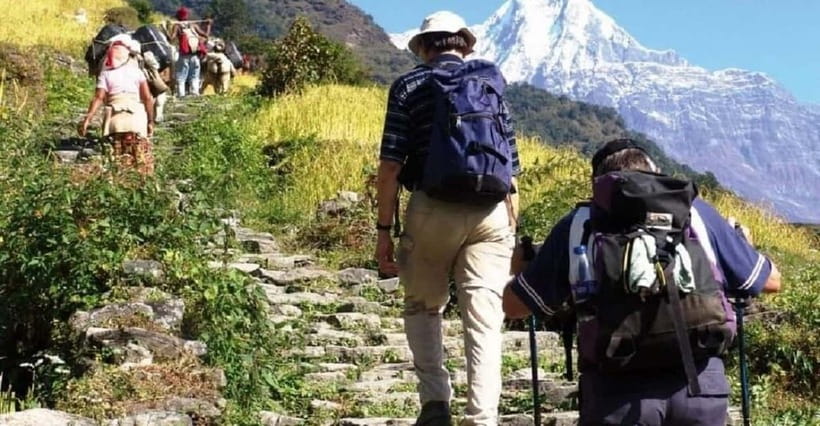
At $126 per person, this is strong value if the listed inclusions match your selected option. You are paying for round-trip transport between Pokhara and the trail, required permits, a private guide, porter-related costs, accommodation, government and local taxes, first-aid supplies, a duffel bag, and trekking gear as needed.
Meals are the main point to clarify. They are included if you choose that option, so the final price may depend on the package selected. Personal expenses are excluded, which can include items such as extra drinks, snacks, souvenirs, or services not covered by the arrangement.
The price also buys convenience. Your guide handles permit preparation, teahouse arrangements, food stops, route decisions, and transport coordination. For a first Himalayan trek, that can be worth more than saving a little money with an independent plan.
The private format gives you flexibility, but it does not remove the physical demands. If you want a slower schedule, ask about spreading the walk over four days. Several people felt the three-day version was manageable, while others strongly preferred more time because of the steps and long final descent.
Fitness, weather, and packing advice
You should be in good health and have a reasonable level of fitness. This is not a technical climbing trip, but the elevation gain, repeated steps, and long downhill finish can be demanding.
I would prepare with regular uphill walks and stair sessions. Comfortable hiking shoes are essential, and hiking pants are more useful than casual trousers once the path becomes steep or wet.
Pack for quick changes in temperature:
- Warm clothing, including gloves and a beanie
- Hiking shoes and hiking pants
- A waterproof bag or rain protection
- A passport or accepted copy for permit processing
- Personal essentials for cold nights
- Travel insurance documents
Rain and sun can arrive in the same day, particularly during the shoulder seasons. September conditions were described as changeable, with strong sun followed by rain. A towel and waterproof layer can be useful when the forecast is uncertain.
You must provide a passport copy at least one day before the trek so the required Nepal government permits can be arranged. Travel insurance is mandatory, and emergency rescue services are available if required.
Who should book this trek?
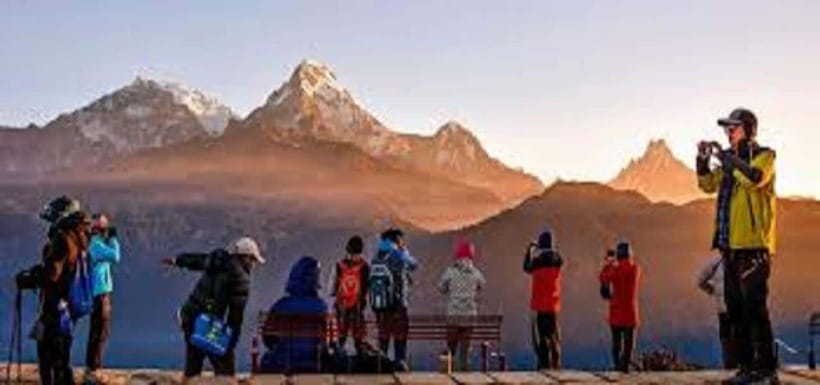
I would recommend it to you if you have limited time in Pokhara, want a private guide, and are comfortable with a serious walking challenge. It is also a good first taste of Nepal trekking if you accept that short does not mean easy.
It suits people who value local teahouses, mountain meals, village scenery, and personal guide support more than polished accommodation. It also works well for couples, families with suitable fitness, and small private groups that want to stop when needed.
I would hesitate if you dislike steep stairs, have current knee trouble, or want long afternoons with little exertion. In that case, request a four-day version or choose a gentler activity around Pokhara.
Should you book the Ghorepani and Poon Hill trek?
Yes, if you want a compact Himalayan adventure and can handle the pace. The strongest parts are the Poon Hill sunrise, the broad mountain views, the simple but comfortable teahouses, and the guides who repeatedly help with food, pacing, safety, and small practical problems.
Before paying, confirm whether meals are included, ask for walking sticks if you want them, and discuss your fitness and any knee concerns with the operator. If your schedule allows one extra day, that may improve the experience considerably.
For a three-day plan, $126 is a sensible price for the support and permits included. You will work for the views, especially on day one, but the combination of mountain light, village paths, rhododendron forest, and a well-supported private group makes this one of the better short treks from Pokhara.
FAQ
How long is the Ghorepani and Poon Hill trek?
The experience lasts three days and includes two nights in mountain accommodation.
Where does the trek begin?
The walking route begins at Nayapul, reached by road from Pokhara in about one to one and a half hours.
What altitude does Poon Hill reach?
Poon Hill reaches approximately 3,210 meters, or 10,531 feet.
Is the trek suitable for beginners?
It can introduce you to trekking in Nepal, but it is physically demanding. The many stairs on day one and the long final descent require reasonable fitness.
What languages can the guide speak?
Guides are available in English, Hindi, and Nepali.
Are meals included in the price?
Meals are included if you select the meal option. Personal expenses are not included.
What accommodation is provided?
The package includes private accommodation in standard mountain lodging. The teahouses are generally simple, clean, and welcoming, but higher areas can be cold.
Is transportation from Pokhara included?
Round-trip transportation between your hotel, Pokhara International Airport, and the trek starting point is included. Pickup and drop-off are available at listed locations throughout Pokhara Valley.
What documents are needed before the trek?
You need to provide a passport copy at least one day before departure so the required permits can be arranged. A passport or accepted copy should also be brought with you.
More 3-Day Experiences
- 3-Day Poon Hill Trek from Pokhara.
★ 5.0 · 45 reviews - From Kathmandu/Pokhara: Private 3-Day Chitwan Safari Tour
★ 4.7 · 34 reviews - From Pokhara: Budget 2 Night 3 days Poon hill trek
★ 5.0 · 20 reviews - 3 Days 2 Nights Poon Hill Trekking
★ 5.0 · 17 reviews
Just added around Pokhara
- Double Dare: Tandem Bungee Adventure★ 4.3 · 3 reviews
- Exhilarating Pokhara-Kathmandu Bus Journey Experience★ 3.5 · 3 reviews
- 3 Day Australian Camp Dhampus Ghandruk Easy Trek in Pokhara★ 3.5 · 3 reviews
- Paragliding in Pokhara★ 5.0 · 3 reviews
- Seti George and Thrilling Suspension Bridge Tour at Pokhara★ 4.5 · 3 reviews
- Overnight Dhampus Australian Camp Easy Hiking from Pokhara★ 5.0 · 3 reviews
- Full Day Entire Pokhara Tour by Car with Guide★ 4.5 · 3 reviews
- 5 Days Mardi Himal Trek.★ 5.0 · 3 reviews
Ghorepani Poon Hill Treks, compared.
4-Day Ghorepani, Poonhill & Ghandruk Mountain Trek
Read our review →
Browse the lists this tour appears in