
Reviewed · PRIVATE
Private Tour Local Culture and The View of Mohare Danda
The quiet trails are the real reward. This five-day private trek from Pokhara takes you through village farmland, community-run lodges, rhododendron forests, and broad views of the Dhaulagiri, Annapurna, and Manaslu ranges. I especially like the direct support for local communities and the chance to sleep and eat in places connected to the villages around the route.
I also like that the price includes private transport, a licensed guide, porters, hot showers, and 13 meals. Guides Chitra and Lukesh are praised for their warmth, care, and ability to solve problems on the trail. The main caution is simple: this is still a mountain trek, not a gentle sightseeing tour. You need moderate physical fitness, and weather can affect the schedule.
In This Review
- Key points at a glance
- Why Mohare Danda feels different from the main routes
- Day 1: From Pokhara to the Kali Gandaki and Banskharka
- Day 2: Dhaulagiri views and local handicrafts
- Day 3: Sunrise over Annapurna, Dhaulagiri, and Manaslu
- Day 4: Kali Daha Lake and rhododendron trails
- Day 5: Returning through the Kali Gandaki region
- What the $315 price really covers
- Food, comfort, and practical limits
- How the guides shape the experience
- Who should book this five-day trek
- FAQ
- How long does the Mohare Danda experience last?
- What is included in the $315 price?
- Is this a private tour?
- Do I need to be physically fit?
- Is the Pun Magar Traditional Cultural Program included?
- What happens if bad weather cancels the trip?
- Should you book it?
Key points at a glance
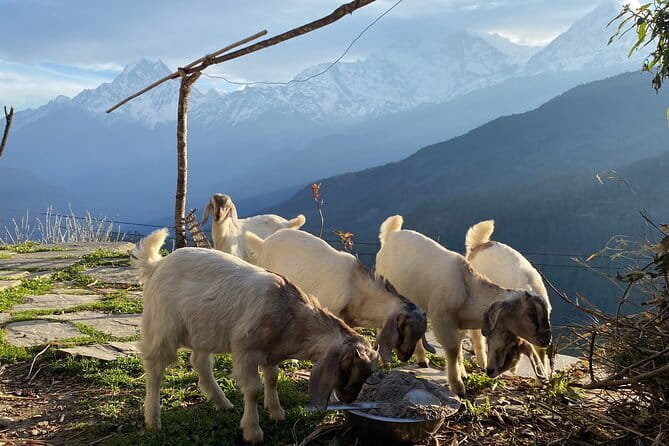
- Community-run lodges: Money from accommodation goes toward local education, health, and infrastructure projects.
- Five days from Pokhara: The route combines road transport, village walking, mountain viewpoints, and a return along the Kali Gandaki area.
- Three major Himalayan ranges: On clear mornings, you may see Dhaulagiri, Annapurna, and Manaslu from the high ridges.
- Private and personal: Only your own group takes part, with a local guide and porters carrying luggage between stops.
- Included meals and comforts: Breakfast, lunch, dinner, tea or coffee, and hot showers are included.
- Moderate fitness required: Rain, hail, steep paths, and the long descent from Mohare Danda can make the trek demanding.
Why Mohare Danda feels different from the main routes
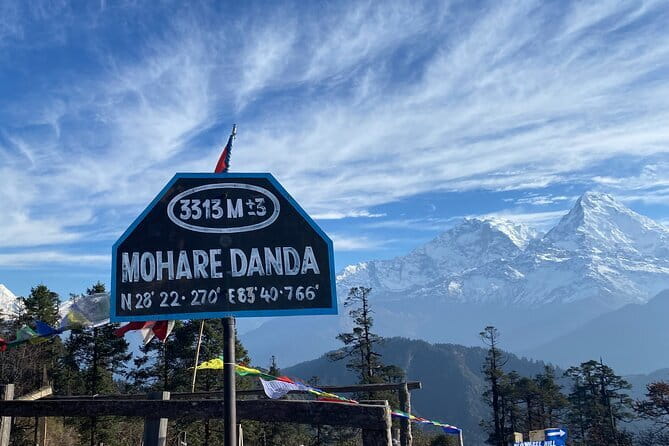
Mohare Danda is appealing because the purpose of the trip reaches beyond mountain scenery. The route uses lodges operated by local communities, helping direct trekking income toward schools, health care, roads, and other village needs. That gives your spending a clear local purpose rather than sending it all through a large outside operation.
You also get a closer look at daily life. On the first day, the trail passes Brahman settlements and cultivated land around Mallaj before reaching Banskharka. You are not simply moving from one famous viewpoint to another. You are walking through places where farming and village connections remain part of the day-to-day rhythm.
The route is described as off the beaten path, which is both its charm and its warning label. You should expect fewer polished tourist facilities than on Nepal’s most established trekking circuits. In return, you get a quieter setting and more contact with the communities that make the area what it is.
The trip is private, so your pace and questions can receive more attention than they would on a large group departure. Chitra and Lukesh are the named guides associated with the experience, and their care is a major part of its appeal. They have been praised for helping with problems quickly, keeping groups safe during heavy rain and hail, and making introductions along the way feel natural.
A few more trips worth weighing up before you book
- ZipFlyer Nepal – The World’s Steepest Zip-line
★ 5.0 · 608 reviews - Bungee Pokhara by HighGround Adventures
★ 5.0 · 366 reviews - From Pokhara: Sarangkot Sunrise Himalayas Tour
★ 4.7 · 218 reviews
Day 1: From Pokhara to the Kali Gandaki and Banskharka
The first day begins with private road transport from Pokhara toward Beni. The drive follows the beautiful Kali Gandaki River, an important geographic and religious feature of the region. The river is considered sacred in both Hindu and Buddhist beliefs, and its banks are used for religious ceremonies and purification rituals.
After lunch in Beni, you begin walking toward Banskharka village. The listed walking time is about five hours, so you should treat this as a proper trekking day rather than a short warm-up. Good shoes and a sensible pace matter from the start.
The route passes Mallaj, where you can see Brahman settlements and farmland. This is a useful introduction to the cultural side of the trip. Instead of reaching the mountains through a string of resort-style stops, you begin by seeing how communities use the land.
As you approach Banskharka, the setting becomes more rural and quiet. The appeal here is not a single grand monument. It is the gradual change from city roads to river valleys, cultivated slopes, and village paths.
Day 2: Dhaulagiri views and local handicrafts
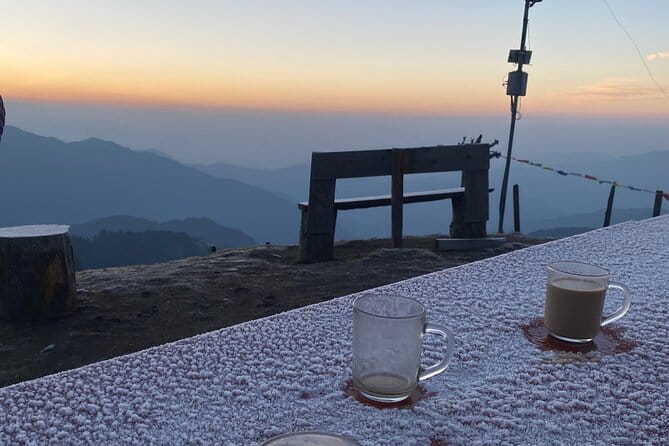
The second day brings one of the trip’s strongest visual rewards: a meal outdoors with views of the Dhaulagiri range. Dhaulagiri is the world’s seventh-highest mountain, and a clear view gives this day real drama.
The route also offers a look at traditional houses and farmland. These details are easy to rush past, but they are central to understanding why a community-run trek matters. The lodges, fields, homes, and craft work are connected to the local economy that the trip aims to support.
You can buy handmade Lokta paper and related handicrafts as souvenirs. Lokta paper is a useful purchase because it is tied to Nepalese craft traditions and is light enough to carry on a trek. It also gives you a more meaningful keepsake than a generic gift-shop item.
The walking time is around five hours. You should still allow room for stops, meals, weather changes, and uneven ground. The views may be the headline, but the slower pace lets you notice village life and speak with people along the route.
Day 3: Sunrise over Annapurna, Dhaulagiri, and Manaslu
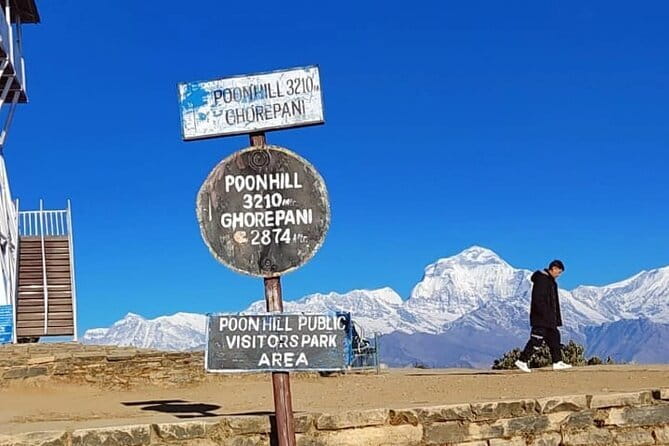
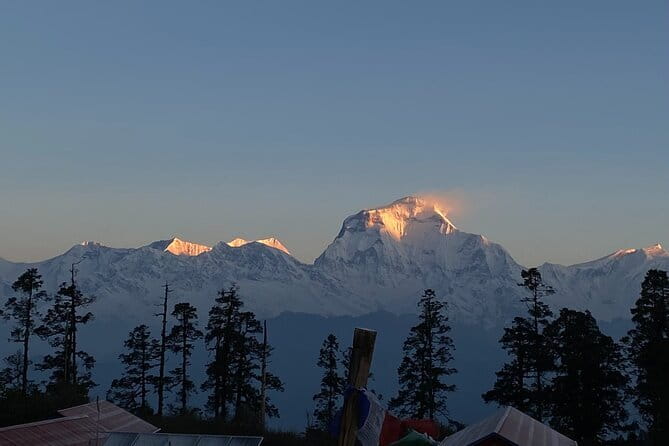
Day three is built around high mountain views. The morning can bring the Annapurna, Dhaulagiri, and Manaslu ranges into view as the light changes across the peaks. Sunrise conditions are never guaranteed, so keep your expectations flexible, but this is clearly one of the key reasons to choose the route.
The scale is impressive. Manaslu rises to 8,163 metres and is the world’s eighth-highest mountain. Seeing it in the same general panorama as Annapurna and Dhaulagiri gives the day an unusual sense of width. You are not looking at one isolated summit, but several major Himalayan ranges.
A cozy dining area with a firewood chimney provides a welcome place to warm up. Free internet is also available at this point, a practical touch if you need to contact family or check arrangements. Do not expect every section of the trek to offer the same connection, but having access here can be useful.
The stated duration for this day is about seven hours. Several mountain-view stops are listed, so your exact time on foot and at viewpoints may depend on the guide, weather, and route conditions. Ask about the day’s walking plan before setting out, especially if you are new to multi-day trekking.
This is also the point where the benefits of a private guide become clear. Chitra and Lukesh have been praised for their friendly manner and careful handling of difficult conditions. Their support is especially valuable when rain or hail turns a scenic path into a slippery one.
A different sort of day from Pokhara:
- ATV Adventure Tour in Pokhara, Nepal
★ 5.0 · 194 reviews - Full-Day Tibetan Cultural Tour to Tibetan Settlements Pokhara
★ 5.0 · 184 reviews - Pokhara: Full-Day Sharing Bus Tour on 7 Iconic Destination
★ 4.1 · 179 reviews - Poon hill Trek 3 days
★ 5.0 · 176 reviews
Day 4: Kali Daha Lake and rhododendron trails
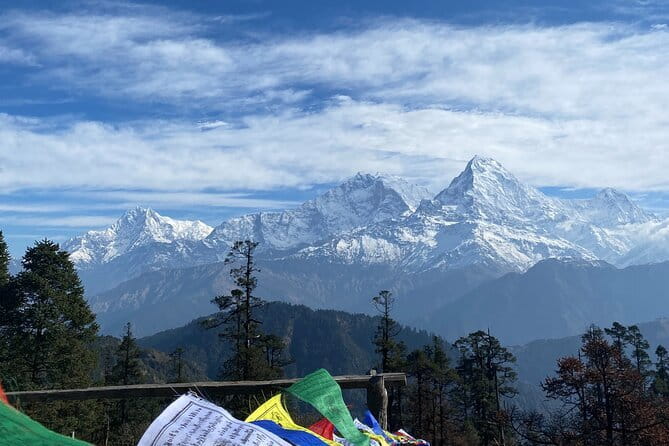
Kali Daha Lake is one of the more peaceful stops on the route. Its surface can reflect the Annapurna peaks, particularly around sunrise when the light is softer. The appeal depends heavily on clear weather, but a calm lake with Himalayan peaks behind it offers a different mood from the open mountain ridges.
The day also includes trails lined with rhododendron bushes. Rhododendrons have a special place in Nepali culture, and the flowers add color to the walking route when they are in bloom. Timing matters, and the information provided does not guarantee a particular flowering season, so think of the woodland setting as the dependable feature and the blossoms as a possible bonus.
Another remarkable point is the Kali Gandaki gorge. The river separates two of the world’s ten highest mountains, and the vertical distance from Dhaulagiri’s summit to the riverbed is about 5.5 kilometres. It is considered the deepest gorge in the world by that measure.
That fact gives the route a useful geographic frame. You are not simply crossing attractive hills. You are moving through a major natural divide shaped by a sacred river and some of the highest peaks on Earth.
The listed duration is about seven hours, making this another full trekking day. The path may feel especially demanding if wet. One useful lesson from the trip’s past experience is that flexibility matters: when the descent from Mohare Danda proved too arduous for one group, the guide arranged vehicles to take them down, reducing the risk of injury and saving time. That kind of help can be important, but you should not assume road transport will always be available.
Day 5: Returning through the Kali Gandaki region
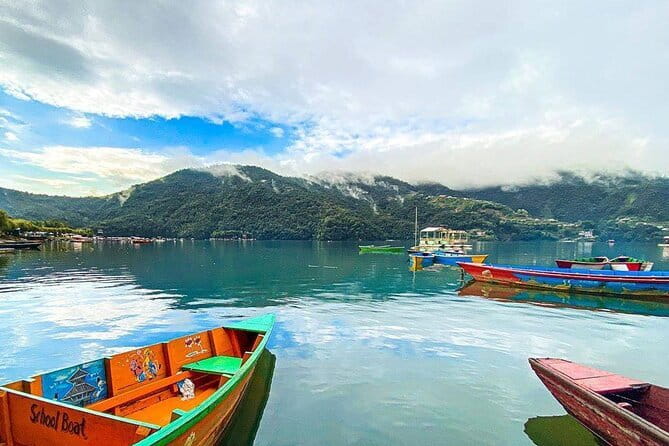
The final day continues through the Kali Gandaki area, with about seven hours listed for the day. The river remains more than scenery. Its religious meaning is important to both Hindu and Buddhist communities, and people often visit its banks for rituals and spiritual cleansing.
By this point, you will have seen the route from several angles: river valley, farmland, village trail, high ridge, lake, and mountain viewpoint. The return is therefore not just a transfer back toward Pokhara. It completes the connection between the region’s geography and its communities.
You should plan for a tired finish. Five days of walking, particularly with several days listed at five to seven hours, can add up. The private vehicle is helpful for transfers, and the porters carry luggage between destinations, but you still need to carry your personal day pack and manage your own energy.
What the $315 price really covers
At $315, the value depends on how much of the included support you would otherwise need to arrange yourself. This is not just a guide and a mountain walk. The price includes private transportation in an air-conditioned vehicle, a licensed or certified in-person guide, local professional porters, four breakfasts, five lunches, four dinners, tea or coffee, and hot showers.
Those inclusions matter on a five-day trek. Porters mean you do not need to carry all your luggage over the route. Meals reduce the need to budget separately at each lodge, and hot showers are a welcome comfort after long walking days.
The private format also affects value. Only your group participates, so you are not placed into a large mixed party with an unknown pace. Group discounts are available, which may make the price more attractive if you are traveling with friends or family.
The price does not include wine, alcohol, or soft drinks. A Pun Magar Traditional Cultural Program costs an additional $48 in total if your group requests it. That fee is worth noting before you book, since cultural performances can otherwise look like part of the standard package.
I would compare the $315 price with the cost of arranging a private vehicle, guide, porter support, meals, and accommodation assistance separately. The community focus adds another layer of value because your stay helps support local services rather than only covering commercial overhead.
Food, comfort, and practical limits
Breakfast, lunch, and dinner are included on the listed schedule, along with tea and coffee. Dietary requirements can be provided when booking, which is important on a multi-day trek. You should state your needs early rather than waiting until you reach the mountains.
Hot showers are included, but you should still expect simple mountain accommodation rather than city-hotel facilities. Community lodges are part of the experience. Their value lies in local ownership and a warm place to eat and sleep, not luxury finishes.
The firewood-heated dining area mentioned for the mountain-view section is exactly the sort of comfort that matters after a cold morning. Free internet is available at one stop, though the information does not promise continuous service throughout the trek.
The route requires moderate physical fitness. The walking times, uneven mountain paths, rain, hail, and steep descents are enough to rule it out for anyone seeking a purely relaxed break. You do not need to be an elite athlete based on the information provided, but you should be comfortable walking for several hours on consecutive days.
How the guides shape the experience
Chitra and Lukesh receive the strongest praise connected with this experience. Their value is not limited to knowing the route. They are described as kind, attentive, and able to connect with people in the communities along the way.
That personal connection can change a trek from a march between lodges into a more social experience. You may hear local stories, learn about village life, and feel more comfortable asking questions about customs and daily work.
Safety is another major point. Chitra is praised for resolving problems when they appeared, and the guides are credited with keeping groups secure during heavy rain and hail. The decision to arrange vehicles for a difficult descent also shows why a local team can be useful when conditions or energy levels change.
No guide can control Himalayan weather. What you can reasonably expect is practical help, local judgment, and an effort to adjust when conditions make the original plan unwise.
Who should book this five-day trek
I would recommend this experience to you if you want mountain scenery with a strong local connection. It suits people who care about where their money goes and who prefer community lodges to a highly commercial trekking setup.
It is also a good fit for a private group that values flexibility. Families with active older children, friends traveling together, and first-time Nepal trekkers may appreciate having Chitra, Lukesh, or another local guide focused on their group rather than a large party.
You should think twice if your main goal is luxury, predictable weather, or very short walks. The route is quieter and more local, but that also means conditions can be basic and the walking days can be tiring.
The trek requires good weather, and poor conditions can lead to a different date or a full refund. A minimum number of participants may also be required for the experience to operate, even though each departure is private. You can cancel for a full refund up to 24 hours before the start time, while cancellations or changes made within 24 hours are not refunded or accepted.
FAQ
How long does the Mohare Danda experience last?
The experience lasts approximately five days. The listed walking days range from about five to seven hours.
What is included in the $315 price?
The price includes private transportation, an air-conditioned vehicle, a licensed or certified guide, local professional porters, breakfast on four days, lunch on five days, dinner on four days, tea or coffee, and hot showers.
Is this a private tour?
Yes. Only your own group participates in the activity.
Do I need to be physically fit?
Yes. A moderate level of physical fitness is required because the experience includes several trekking days, with walking times of roughly five to seven hours.
Is the Pun Magar Traditional Cultural Program included?
No. It costs an additional $48 in total if your group requests the program.
What happens if bad weather cancels the trip?
If poor weather causes cancellation, you will be offered a different date or a full refund. The experience also requires a minimum number of participants, and a cancellation for that reason can result in a different date, another experience, or a full refund.
Should you book it?
Book this trek if you want Dhaulagiri, Annapurna, and Manaslu views paired with village life and community-run lodges. The included transport, meals, porters, guide, and hot showers make the $315 price worth serious consideration, particularly for a private group.
Skip it if you want a soft adventure with little walking. Mohare Danda rewards patience, steady legs, and an open attitude toward changing mountain conditions. For the right kind of trekker, that is exactly what makes the five days worthwhile.
Just added around Pokhara
- Double Dare: Tandem Bungee Adventure★ 4.3 · 3 reviews
- Exhilarating Pokhara-Kathmandu Bus Journey Experience★ 3.5 · 3 reviews
- 3 Day Australian Camp Dhampus Ghandruk Easy Trek in Pokhara★ 3.5 · 3 reviews
- Paragliding in Pokhara★ 5.0 · 3 reviews
- Seti George and Thrilling Suspension Bridge Tour at Pokhara★ 4.5 · 3 reviews
- Overnight Dhampus Australian Camp Easy Hiking from Pokhara★ 5.0 · 3 reviews
- Full Day Entire Pokhara Tour by Car with Guide★ 4.5 · 3 reviews
- 5 Days Mardi Himal Trek.★ 5.0 · 3 reviews
Private, compared.

Private Kathmandu Sightseeing Tour | UNESCO World Heritage sites
Read our review →
Full Day 7 UNESCO Tour with Lunch – Private/Group
Read our review →
Private Bhaktapur and Nagarkot Day Tour From Kathmandu
Read our review →
Full Day Top 4 UNESCO Tour with Lunch – Private/Group
Read our review →Full-Day 7 UNESCO Tour with Lunch – Private/Group
Read our review →
Browse the lists this tour appears in