
Reviewed · CITY TOURS IN KATHMANDU
Kathmandu: Private City Guided Tour
Four sacred sites, one busy Kathmandu day. This private six-hour outing gives you a useful first look at the valley, from the hilltop prayer flags of Swayambhunath to the solemn Bagmati River at Pashupatinath. I especially like the private car and flexible route, since your guide can adjust the pace and pickup location to suit your group.
I also like the human side of the experience. Guides such as Kapil, Saru, Bhim, Shanti, and Raj have been praised for clear explanations, patience, and an easy willingness to answer questions about Hinduism, Buddhism, architecture, and daily life. The main drawback is time: four major sites in six hours is a brisk plan, and Kathmandu traffic can turn a short drive into a long one.
In This Review
- Key points at a glance
- Why this tour works well on a first day
- Swayambhunath, the hilltop Monkey Temple
- Boudhanath and lunch with a view
- Pashupatinath and the Bagmati River
- Patan Durbar Square and Newari architecture
- The guide makes the difference
- Getting around Kathmandu by private car
- What the tour does not include
- Who should book this Kathmandu tour?
- Should you book it?
- FAQ
- How long does the Kathmandu private city tour last?
- What monuments are included?
- Is hotel pickup included?
- Is this a private group tour?
- What languages can the guide speak?
- Are monument entry fees included?
- Are meals and drinks included?
- What kind of vehicle is used?
- Is the tour suitable for wheelchair users?
- Can I cancel the booking?
Key points at a glance
- Four major cultural sites in six hours: Swayambhunath, Boudhanath, Pashupatinath, and Patan Durbar Square form a strong introduction to Kathmandu Valley.
- Private transport keeps the day flexible: Choose a sedan, SUV, or minivan, with hotel pickup and drop-off available in Kathmandu, Thamel, Lazimpat, Naya Bazaar, Boudhha, Lalitpur, and Ekantakuna.
- The guides are the main strength: Kapil Pandey, Saru, Bhim, Shanti, Raj, and other guides are praised for storytelling, cultural context, and adjusting the schedule.
- Budget more than the advertised price: The tour costs $40 per person, then add monument fees of about $22 per person, plus any food or drinks.
- Expect a sensory cultural day: Prayer wheels, incense, monkeys, temple bells, Buddhist ritual, Hindu cremation ceremonies, and busy city streets all form part of the experience.
- The helicopter claim needs clarification: A reference to a helicopter stop at Everest View Hotel does not fit this six-hour Kathmandu city itinerary, so confirm it before booking if that feature matters to you.
Why this tour works well on a first day
Kathmandu can feel confusing at first. The roads are crowded, the major monuments are spread across the valley, and each religious site follows its own customs. A private guide gives you a practical framework before you try exploring on your own.
For $40 per person, you get a private vehicle, hotel pickup and drop-off, and an English-speaking guide. Hindi and Nepali guiding are also available. Once you add the listed monument fees of approximately NPR 2,700, or about $22, the realistic base cost is around $62 per person before lunch and drinks.
That is fair value for a solo visitor or a small group that wants transport and explanations in one package. For two or more people, the private format becomes more attractive because you are not paying for a large group coach. If you have two full days in Kathmandu, you could visit these places independently and spend longer at each one. If you have only a day, or you want cultural context without sorting out every taxi, this tour earns its price.
The biggest practical issue is traffic. Drives that look short on a map can take 30 minutes or more. The route may cover a lot, but the six-hour clock includes driving, parking, ticket purchases, and walking between sights.
More City Tours in Kathmandu
- Private Kathmandu Sightseeing Tour | UNESCO World Heritage sites
★ 5.0 · 756 reviews - Kathmandu Private Sightseeing Tour | UNESCO World Heritage Sites
★ 5.0 · 109 reviews - Kathmandu: Private Patan and Bhaktapur Sightseeing Tour
★ 4.7 · 64 reviews
Swayambhunath, the hilltop Monkey Temple
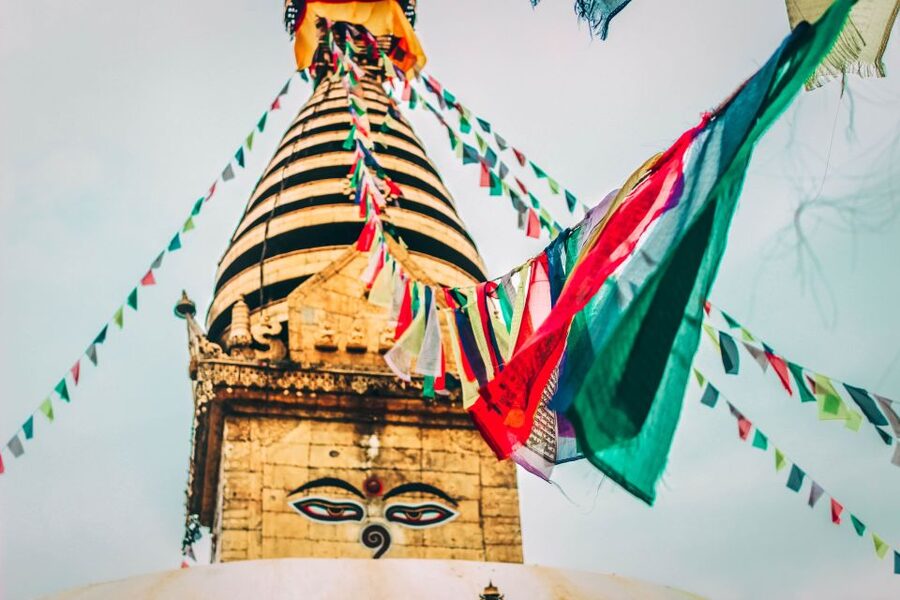
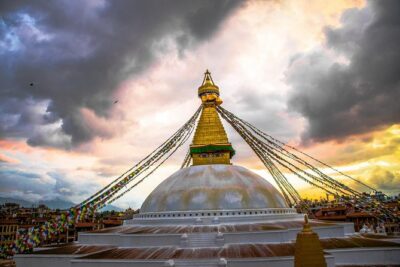
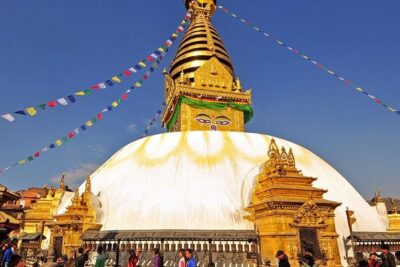
Swayambhunath is usually the most dramatic opening stop. The stupa sits on a hillock about 77 meters above the surrounding ground and is traditionally described as 2,500 years old. From the top, you get a broad view across Kathmandu Valley when the air is clear.
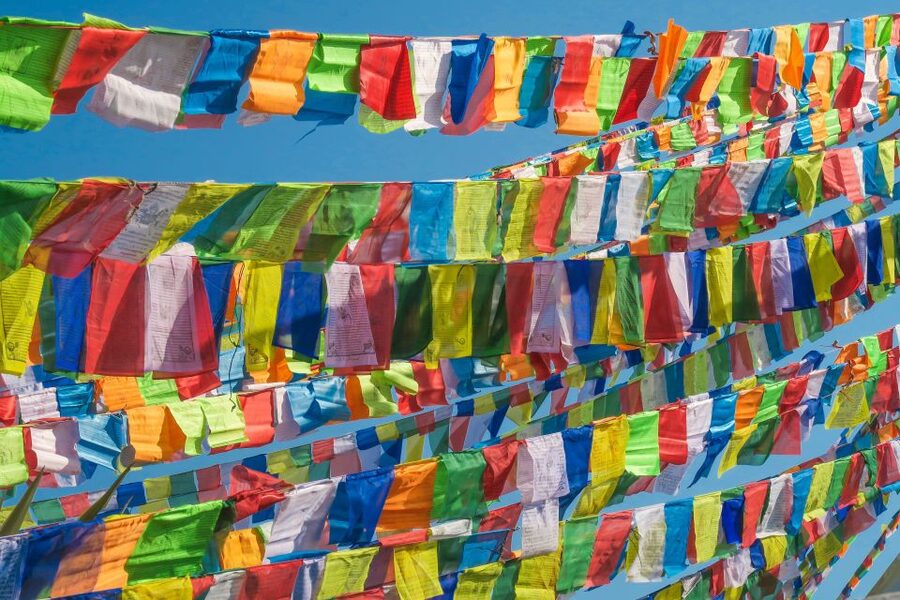
The white dome and golden spire are familiar Nepal images, but the painted Buddha eyes give the monument its particular character. The eyes look in the four cardinal directions and represent awareness and watchfulness. Your guide can help explain how Buddhist symbols fit together instead of leaving you to guess at the meaning of each detail.
The site is Buddhist, yet the complex also includes Hindu worship. The temple of Haratima is important to both traditions, and two Buddhist monasteries add to the religious life of the hill. The Manjushree Temple and Anandakuti Bihar are within a short walk of the main area.
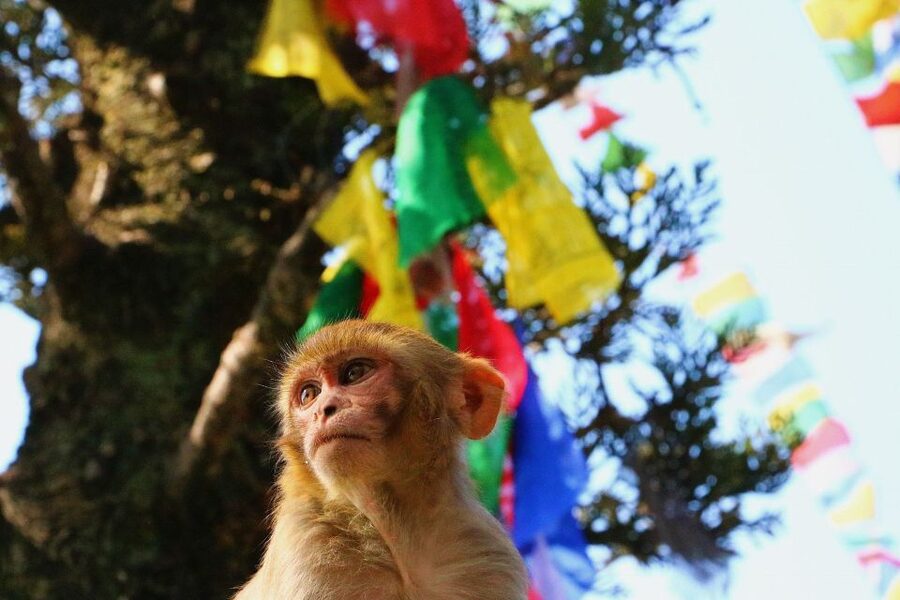
The nickname Monkey Temple is not decorative marketing. Monkeys are part of the setting, so keep food and loose items secure. Comfortable shoes matter here, particularly if your route involves steps or uneven walking surfaces.
Swayambhunath is a fine place to ask your guide about the relationship between Buddhism and Hinduism in Nepal. That theme returns throughout the day, and the tour works best when you treat the monuments as living places of worship, not just old buildings.
Boudhanath and lunch with a view
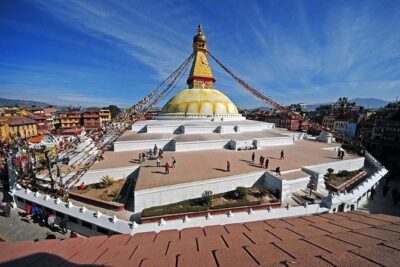
Boudhanath, also called Bouddhanath, lies about six kilometers east of central Kathmandu. The huge white stupa is traditionally dated to the fifth century and is one of the largest Buddhist stupas in the world.
The monument is ringed by monasteries, Buddhist shops, prayer wheels, and lamas. Tibetan Buddhists visit in large numbers, especially during the winter pilgrimage season. Walking around the stupa gives you a chance to observe devotional practice at close range, but you should follow the local flow and walk in the customary direction around the monument.
This is often the easiest place to slow down. Swayambhunath gives you a hilltop view and Pashupatinath carries a serious religious atmosphere. Boudhanath offers time to watch people circle the stupa, turn prayer wheels, light lamps, and meet friends at nearby cafés.
Food can fit nicely here. Lunch and drinks are not part of the $40 price, but rooftop restaurants near Boudhanath can provide a view of the stupa. Local food tastings have also been part of some guided outings, including savory and sweet dishes. Ask clearly what is included before ordering, and carry cash for any meal or snack.
Do not expect a quiet museum visit. The area is active, commercial, and crowded at times. That is part of its appeal, though you may prefer a longer independent visit if you want time for photography or a relaxed meal.
Pashupatinath and the Bagmati River
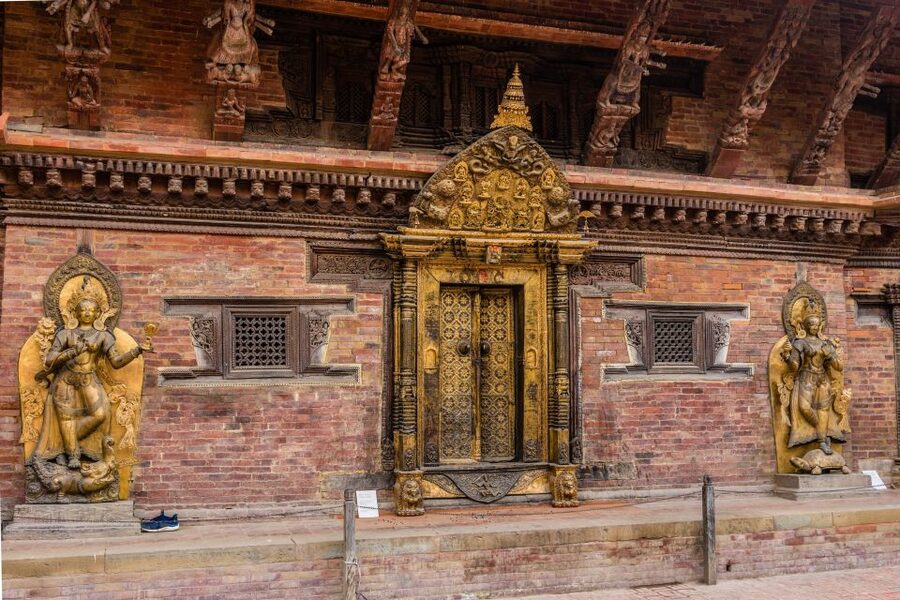
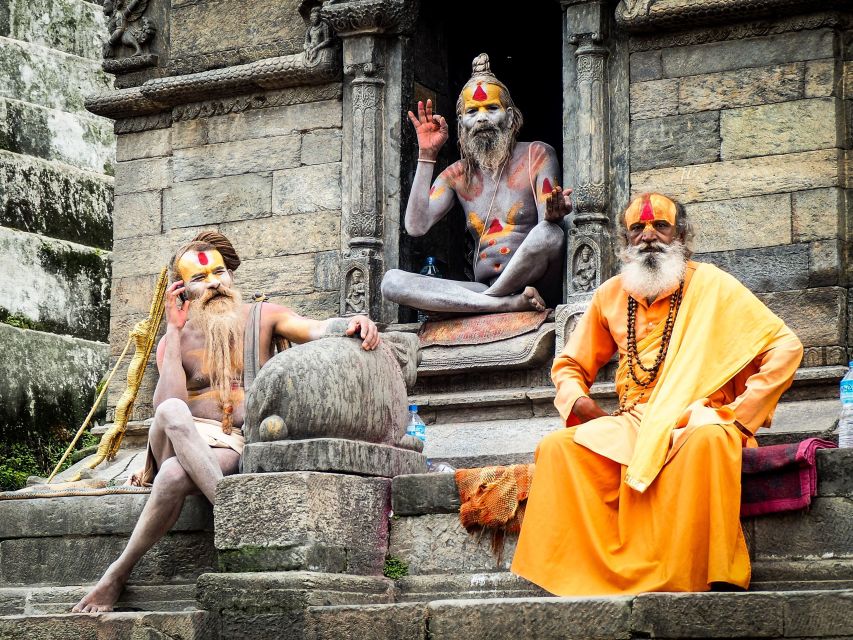
Pashupatinath is dedicated to Lord Shiva and sits beside the Bagmati River, about five kilometers east of Kathmandu. The main temple has two golden roofs and four silver doors, and it is one of Nepal’s most important Hindu pilgrimage sites.
The riverbanks are also used for Hindu cremation rituals. This can be a powerful and solemn part of the day, but it requires respect. Keep your voice low, follow your guide’s instructions, and do not treat the ceremony as a casual photo opportunity.
The atmosphere here can be smoky. One guide supplied masks when needed, and bringing your own face covering is sensible. You may also encounter strong smells, uneven paths, and crowds around the river.
Religious access is not the same for everyone. Some temple areas restrict entry based on religion, so you may need to appreciate parts of the complex from outside. A good guide will explain what you are seeing without pushing you into a space where you do not belong.
Pashupatinath is the stop that most clearly shows why a guided visit helps. Without context, the river, shrines, cremation platforms, and pilgrims can feel difficult to understand. With a guide, you can ask direct questions about Hindu practice and the role of Shiva while remaining respectful.
A few more trips worth weighing up before you book
- Everest Base Camp Trek – 14 Days
★ 5.0 · 1,499 reviews - Everest Base Camp Helicopter Tour landing at Everest View Hotel
★ 5.0 · 668 reviews - Half day cooking class in Thamel kathmandu
★ 5.0 · 607 reviews - Everest Base Camp Trekking
★ 5.0 · 485 reviews
Patan Durbar Square and Newari architecture
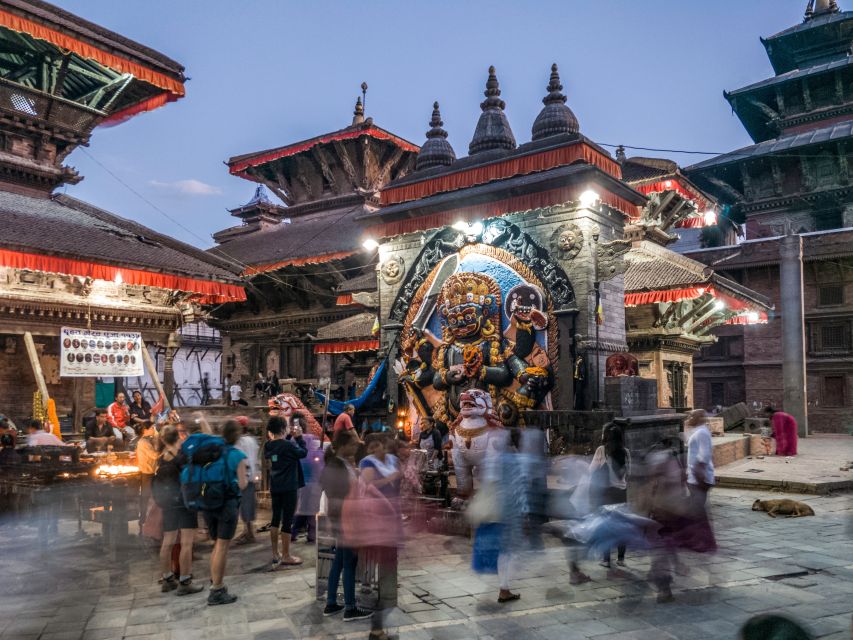
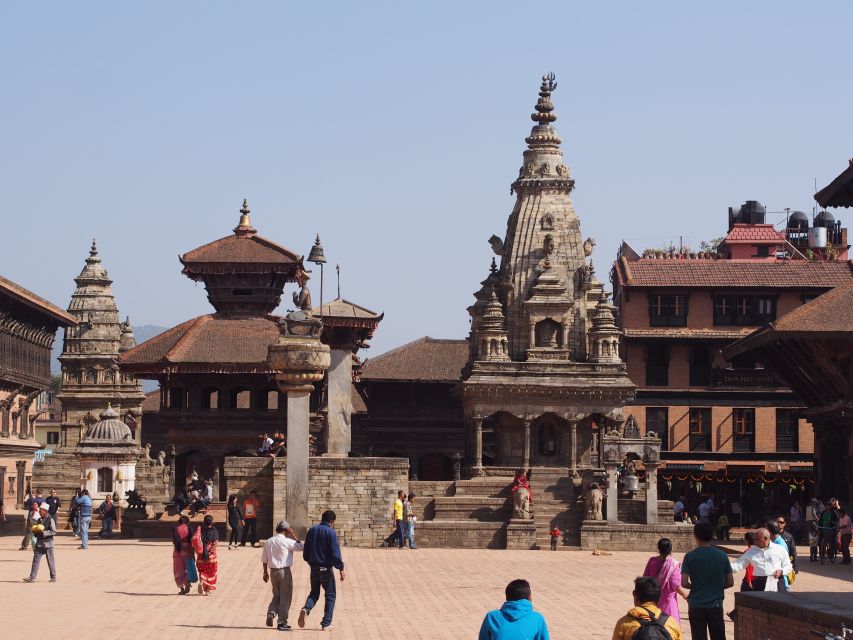
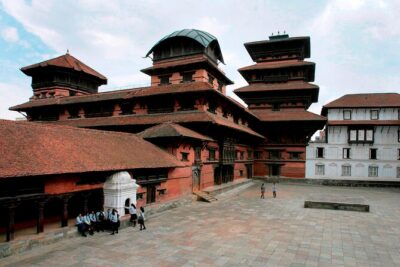
Patan Durbar Square is in Lalitpur, the historic city often treated as part of greater Kathmandu. It was home to the former Patan royal family and is known for its Newari design, carved brick and timber details, courtyards, temples, and palace buildings.
The Krishna Temple is one of the square’s best-known structures. Its 21 golden pinnacles give it a distinctive profile, while Rudra Varna Mahavihar offers a Buddhist counterpoint with local treasures inside. Mul Chowk, the central courtyard, helps you see how palace life and religious life once connected.
This stop rewards a slower pace. Look up at the rooflines, then down at the carved doorways and metalwork. The square is not only a photo stop. It is a place where the artistic traditions of the Kathmandu Valley become visible in small details.
Patan is also the stop most likely to suffer from a six-hour schedule. You could spend half a day here alone, particularly if you want to study the courtyards and nearby streets. One useful feature of a private tour is that you can ask to shorten or skip a stop. A previous itinerary was adjusted to leave out Patan, and the day still took close to six hours.
That flexibility is valuable, but decide before the morning whether you want all four monuments or a deeper visit to three. Trying to give every site equal time can leave you with impressions rather than understanding.
The guide makes the difference
The strongest part of this experience is not the vehicle. It is the person walking beside you.
Kapil Pandey is praised for his explanations of religion, architecture, and local culture, as well as his ability to change the plan when a visitor wants longer at one temple. Saru is described as warm, patient, and especially good at answering questions about Nepalese culture. Bhim, Shanti, Raj, Kumar, Deepak, and other guides have also received strong praise for clear English, good pacing, and considerate service.
That range of names matters because the quality of a private tour depends heavily on the individual guide assigned to you. You are not simply being driven between monuments. You are paying for interpretation, ticket help, local suggestions, and the ability to ask why a ritual or building matters.
Several visitors were able to request extra time at a site, change the pickup or drop-off point, or adapt the plan around mobility needs. One solo visitor with only a short stay in Kathmandu was able to see the main sights efficiently. Another group with teenagers found that the guide kept the explanations engaging.
When you meet your guide, say what interests you. Tell them if you prefer religion, architecture, photography, food, shopping, or a slower pace. The more specific you are, the more useful the private format becomes.
Getting around Kathmandu by private car
Pickup is available from hotels and listed areas including Thamel, Lazimpat, Naya Bazaar, Boudhha, Kathmandu, Lalitpur, and Ekantakuna. Drop-off options cover the same general areas.
You can choose a sedan, SUV, or minivan according to group size. A private car is helpful in Kathmandu because you can leave bags at the vehicle, avoid arranging separate taxis, and make small route changes during the day.
Vehicle quality may vary. One visitor expected air conditioning and found the car less comfortable than anticipated, while other outings used comfortable cars with air conditioning. If climate control matters to you, confirm the vehicle details before departure.
The tour is not suitable for wheelchair users. Even if you are generally mobile, bring comfortable shoes and expect walking, steps, uneven surfaces, and time on your feet. If anyone in your group has mobility concerns, tell the operator and guide in advance. The private format allows some adjustments, but it cannot remove the physical character of these historic religious sites.
What the tour does not include
The $40 price does not cover monument entry. The listed total is NPR 2,700, around $22 per person, though rates differ for nationals of South Asian Association for Regional Cooperation countries and Chinese nationals. Check the current price at each ticket counter before paying.
Your guide can help you buy the tickets on site, which is useful when several monuments use different entry arrangements. Carry cash. Meals and drinks are also extra, so budget for lunch, water, coffee, and any local tastings.
Bring:
- Passport or another form of identification
- Comfortable walking shoes
- Water
- Cash
- A face mask or protective covering
Pets are not allowed. The booking terms allow free cancellation up to 24 hours before the start time, and you can reserve now and pay later. Those options are useful if your Kathmandu plans depend on a flight connection or changing schedule.
One odd detail deserves attention. The highlights refer to a helicopter stop at Everest View Hotel for a closer look at Mount Everest, but the described six-hour plan is a ground-based city tour of four Kathmandu monuments. Do not assume an Everest helicopter experience is included. Ask the operator to clarify this point before paying.
Who should book this Kathmandu tour?
I would recommend it most strongly for a first visit, a short stopover, solo visitors, couples, families, and anyone who wants history and religion explained along the way. It is also a good choice if you are uneasy about Kathmandu traffic or prefer not to bargain with taxis.
Families can benefit from the private pacing, especially if younger or older members need breaks. Solo visitors get a practical route and company without joining a large group. A private vehicle also makes it easier to change the plan when one site captures your interest.
You may want another approach if you have several days in the valley and enjoy moving slowly. Four monuments in six hours is a useful introduction, not a full study of Kathmandu. Independent visitors with two days can spend longer in Patan, return to Boudhanath for a meal, or explore one religious complex without watching the clock.
Should you book it?
Book this tour if you want to get your bearings fast and understand what you are seeing. The combination of Swayambhunath, Boudhanath, Pashupatinath, and Patan gives you Buddhist devotion, Hindu pilgrimage, royal architecture, and Newari craftsmanship in one day.
The value is strongest when you use the private format properly. Ask for the guide’s suggestions, request more time where it matters, and decide if all four monuments fit your interests. At roughly $62 per person before food, it is not the cheapest way to see Kathmandu, but it is a sensible price for private transport, hotel service, and a guide who can turn a confusing day into a coherent one.
FAQ
How long does the Kathmandu private city tour last?
The tour lasts six hours, including sightseeing, guided visits, free time, shopping, and driving between locations.
What monuments are included?
The main planned sites are Swayambhunath, Boudhanath Stupa, Pashupatinath Temple, and Patan Durbar Square.
Is hotel pickup included?
Yes. Pickup and drop-off are included from listed areas in Kathmandu, including Thamel, Lazimpat, Naya Bazaar, Boudhha, Lalitpur, and Ekantakuna.
Is this a private group tour?
Yes. The experience is arranged for a private group rather than a shared sightseeing group.
What languages can the guide speak?
Guiding is available in English, Hindi, and Nepali.
Are monument entry fees included?
No. Entry fees are paid on site and are listed at approximately NPR 2,700, or about $22 per person. Rates can differ for nationals of South Asian Association for Regional Cooperation countries and Chinese nationals.
Are meals and drinks included?
No. Meals and drinks are not included in the tour price. Bring cash if you want lunch, snacks, or drinks during the day.
What kind of vehicle is used?
You can choose a sedan, SUV, or minivan based on your group size. The vehicle is private.
Is the tour suitable for wheelchair users?
No. The experience is not suitable for wheelchair users. Comfortable shoes are recommended because the sites involve walking and uneven areas.
Can I cancel the booking?
Yes. You can cancel up to 24 hours in advance for a full refund. The tour also offers a reserve-now, pay-later option.
Just added around Kathmandu
- Private Shopping Tour in Kathmandu★ 5.0 · 3 reviews
- Nagarkot Sunrise With 7 UNESCO World Heritage Private Tour★ 5.0 · 3 reviews
- Kathmandu: Nightlife and Pub Crawl Tour★ 5.0 · 3 reviews
- Mount Everest Scenic Flight 50 Minutes★ 5.0 · 3 reviews
- Momo Cooking Class -The Art Of Making MoMo with Home Chef★ 5.0 · 3 reviews
- Kathmandu: Nagarkot, Bhaktapur, Doleswor & Sanga Statue Tour★ 5.0 · 3 reviews
- Makalu Base Camp Trek★ 5.0 · 3 reviews
- Kathmandu: Momo Making Class with a Local Chef★ 5.0 · 3 reviews
City Tours in Kathmandu, compared.

Private Kathmandu Sightseeing Tour | UNESCO World Heritage sites
Read our review →
Kathmandu Private Sightseeing Tour | UNESCO World Heritage Sites
Read our review →
Full Day Kathmandu City Sightseeing Tour of UNESCO Heritage Sites
Read our review →
Browse the lists this tour appears in