
Reviewed · FULL-DAY TOURS IN KATHMANDU
Kathmandu Full Day Exploration
Four sacred sites, one busy Kathmandu day. This private tour brings you to Kathmandu Durbar Square, Swoyambhunath, Boudhanath, and Pashupatinath with hotel pickup, private transport, and a guide to explain the customs around you. I like the four-site route because it gives you a useful first look at the city’s royal, Buddhist, and Hindu traditions. I also like the chance to see ordinary street life between the monuments, from local markets to roadside vendors.
The main drawback is cost clarity. The tour is $80 per person, but the four entrance fees, listed as another $26, are not included. Lunch is also your responsibility, and seven hours can feel tight if you want long, unhurried visits at every stop.
In This Review
- Four things to know before booking
- What this Kathmandu tour is really designed to do
- Kathmandu Durbar Square: palaces, courtyards, and a royal past
- Swoyambhunath: a sacred hilltop pause
- Boudhanath Stupa: a wider circle of Buddhist life
- Pashupatinath Temple: Hindu worship beside the Bagmati
- The guide and driver can make or break the day
- Private transportation and the practical rhythm of seven hours
- Who will get the most from this experience
- Price, cancellation, and small details that matter
- Should you book Kathmandu Full Day Exploration?
- FAQ
- What time does the Kathmandu Full Day Exploration start?
- How long does the experience last?
- Which sites are included?
- Are entrance fees included in the price?
- Is transportation provided?
- Can I cancel for a full refund?
Four things to know before booking
- Four major Kathmandu sites in about seven hours: The route covers Kathmandu Durbar Square, Swoyambhunath, Boudhanath Stupa, and Pashupatinath Temple.
- A private outing, not a shared bus tour: Only your group participates, with hotel pickup and drop-off in an air-conditioned vehicle.
- Your guide shapes the day: Guides named in past bookings include Anshu and Pravin, both praised for clear English, warmth, and explanations of Buddhism and Hinduism.
- Budget another $26 for entry: Admission to the four attractions is not part of the $80 tour price.
- A strong introduction to Nepal’s faiths: You will see Buddhist prayer traditions, Hindu worship, royal architecture, and everyday Kathmandu life in one outing.
- Start time is 8:00 am: The early departure helps fit the four stops into the planned seven-hour schedule.
What this Kathmandu tour is really designed to do
This is a city orientation day with a cultural focus. You are not simply driven from one photo stop to another. The route gives you four different ways to understand Kathmandu: its former royal center, its hilltop Buddhist shrine, its great Tibetan Buddhist stupa, and its most important Hindu temple complex.
That range is the tour’s best feature. Kathmandu can feel confusing at first, with sacred courtyards, traffic, shrines, shops, and homes all pressed close together. A guide helps you read what you are seeing. That matters most at religious sites, where a casual visitor can easily miss the meaning of a ritual or fail to understand why a particular building matters.
The tour lasts about seven hours, with two hours planned at Kathmandu Durbar Square, one hour at Swoyambhunath, two hours at Boudhanath, and two hours at Pashupatinath. Those times add up neatly, but you should remember that city traffic and site transitions are part of the day. The schedule is practical rather than leisurely.
Because this is a private activity, you do not have to match the pace of a large group. You can ask questions, spend more time on a detail that catches your eye, or ask your guide to explain a Buddhist or Hindu practice again. That flexibility is especially useful if this is your first visit to Nepal.
More Full-Day Tours in Kathmandu
- Kathmandu: Full Day 7 UNESCO Tour with Lunch – Private/Group
★ 5.0 · 415 reviews - Kathmandu: Full Day Top 4 UNESCO Tour with Lunch – Private/Group
★ 5.0 · 269 reviews - Kathmandu: Full-Day 7 UNESCO Tour with Lunch – Private/Group
★ 4.9 · 247 reviews
Kathmandu Durbar Square: palaces, courtyards, and a royal past
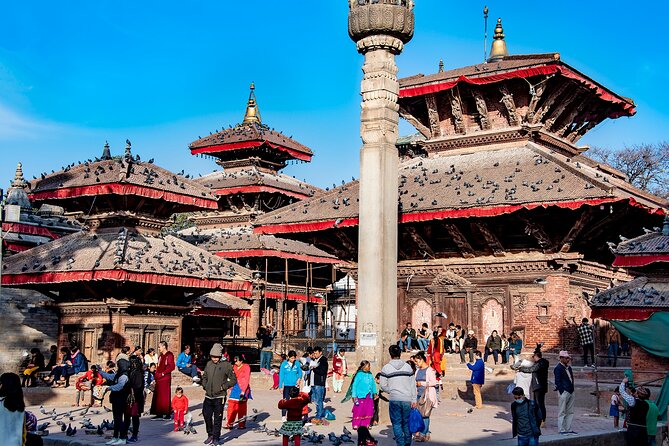
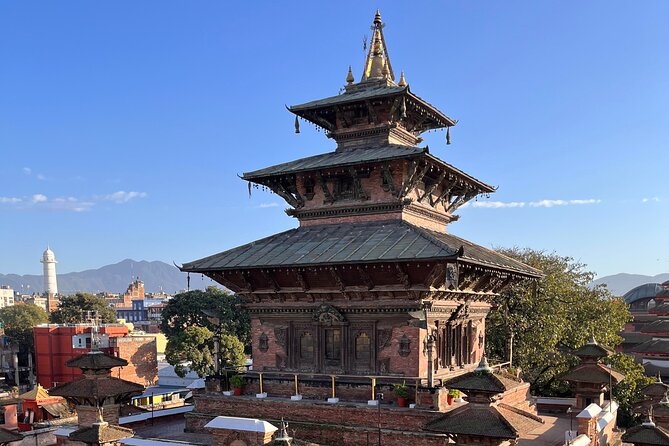
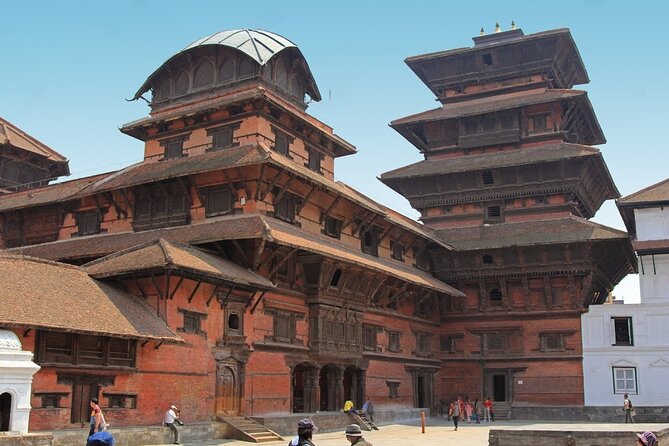
Your day begins at Kathmandu Durbar Square, also called Hanuman Dhoka Durbar Square. This is the historic heart of the city and the best stop for understanding Kathmandu’s royal past.
Plan on about two hours here. You will find palace buildings, temples, courtyards, carved woodwork, and architectural details that reward close attention. The square is not just one open plaza. It is a network of structures and public spaces, so a guide can help you connect the buildings with the city’s former royal life.
This is also a good place to ask questions about architecture. The square brings together details that can seem crowded or confusing when you first arrive. A guide can point out the religious purpose of a temple, explain the role of the palace, and help you notice the workmanship in doors, windows, and roof supports.
One useful detail from a past outing is the visit to a museum within the Durbar Square area. The guide adjusted the explanation to suit the visitor’s interests, which is exactly the sort of personal attention a private tour should provide. If museum displays appeal to you, tell your guide early in the visit so the time can be used well.
The attraction fee is not included, so you should expect to pay part of the separate $26 total for entry to the four sites. The tour information does not break down the fee by attraction, so keep the full amount in mind rather than assuming the admission is covered by your booking.
Two hours is a sensible amount of time, but it can pass quickly. You may want to photograph every carved facade, pause in the courtyards, and inspect the museum. If you prefer a slow architectural study, this is the stop most likely to make you wish for extra time.
Swoyambhunath: a sacred hilltop pause
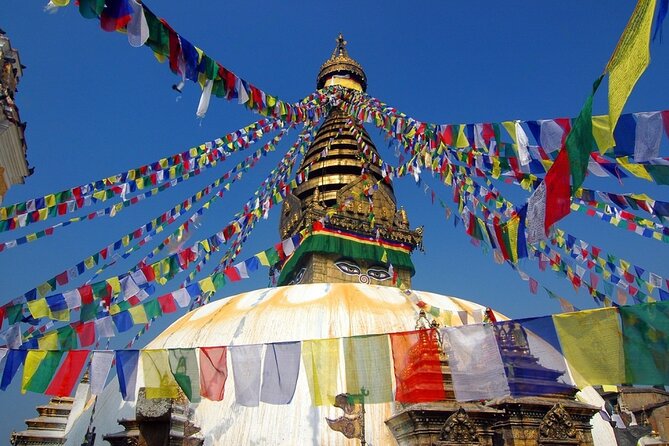
The second stop is Swoyambhunath, often called the Monkey Temple. The supplied information identifies it as a sacred pilgrimage site for both Buddhists and Hindus, and that shared importance is central to the visit.
You have about one hour here. That makes this a shorter, sharper stop than the Durbar Square visit. The site is known for its stupa and its role in Buddhist worship, while Hindu devotees also regard it as holy. You may see prayer, ritual activity, and people visiting for personal religious reasons rather than sightseeing.
The tour description notes that the stupa is believed by Buddhists to house relics of the Buddha. That belief gives the site weight beyond its appearance. Your guide can help explain why the stupa matters and how Buddhist and Hindu traditions meet in Kathmandu.
This is one of the places where respectful behavior matters most. Keep your voice low around worship, follow any posted instructions, and ask before photographing people engaged in prayer. The tour is designed to explain local customs, so use the guide rather than trying to interpret every ritual on your own.
An hour gives you a clear introduction, but not a long stay. If you want extended time at the shrine, you may need to accept a quicker visit elsewhere. The private format helps, but the overall day still has a fixed shape.
Boudhanath Stupa: a wider circle of Buddhist life
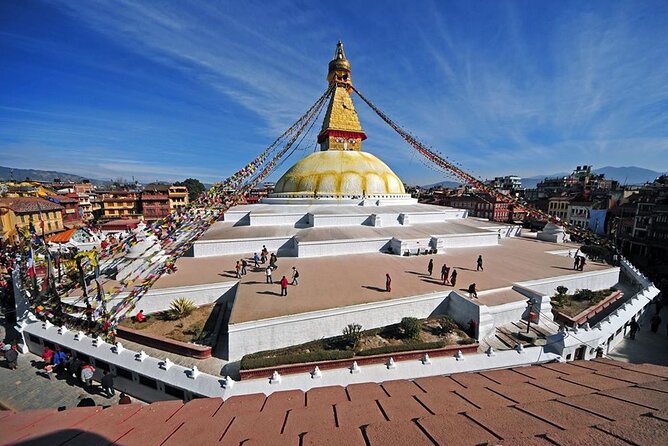
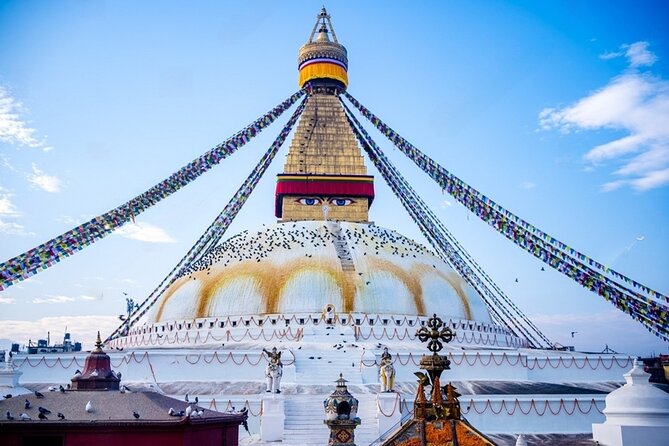
Boudhanath Stupa, also called Boudha or Bouddhanath, receives two hours. That longer allocation makes sense. This is not merely a monument to view from one angle. The stupa is a major religious and cultural site, and the surrounding area offers a chance to observe Buddhist practice in motion.
You can expect the visit to focus on the stupa’s religious importance and its place in Kathmandu Valley. Prayer and worship are part of the setting, so this is another stop where your guide’s explanations can add real value. One of the strongest aspects of this experience is the attention given to Buddhism and Hinduism, with Anshu specifically praised for helping explain both traditions in clear terms.
Two hours allows more breathing room than you get at Swoyambhunath. You can take in the structure, watch devotional activity, and ask questions without treating the stop as a quick photograph break. The surrounding streets also give you a look at local commerce and daily routines.
The tour information does not promise a specific workshop or demonstration, but one past outing included interest in thanka painting and the artists who create it. If this subject interests you, ask your guide whether it fits the day’s route. Do not assume it is a formal included stop, but it may provide useful context about Buddhist art and practice.
Boudhanath is likely to be one of the most meaningful parts of the tour if you want more than monuments. You get a closer sense of how a sacred place functions for local people. At the same time, the site remains active, so it may not feel quiet or private. That is part of its character, not a flaw, but visitors seeking solitude should set their expectations accordingly.
A few more trips worth weighing up before you book
- Kathmandu: Full Day 7 UNESCO Tour with Lunch – Private/Group
★ 5.0 · 101 reviews - Kathmandu: Full Day Private Top 4 UNESCO Heritage Tour W/Lunch.
★ 5.0 · 86 reviews - Kathmandu: Full Day Top 4 UNESCO Tour with Lunch – Private/Group
★ 5.0 · 67 reviews - Kathmandu Heritage Tour (Full Day)
★ 5.0 · 63 reviews
Pashupatinath Temple: Hindu worship beside the Bagmati
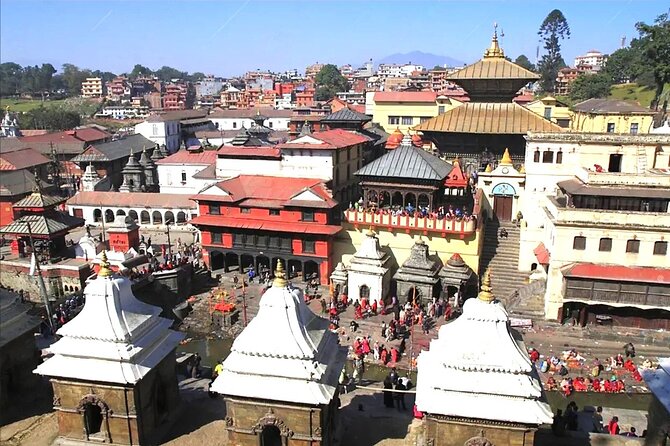
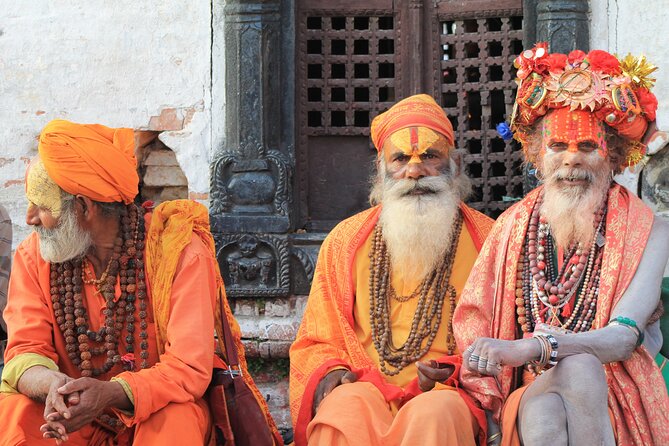
The final scheduled stop is Pashupatinath Temple, on the banks of the Bagmati River. The complex is one of the most revered Hindu temple sites in the world and is an important center of worship.
You have about two hours here, giving your guide time to explain the religious importance of the complex and the practices connected with it. The tour description specifically highlights rituals, ceremonies, and prayers at places such as Pashupatinath, so you should expect a working religious site rather than a museum arranged for sightseeing.
That distinction matters. Be attentive to signs, boundaries, and local instructions. Your guide can help you understand what you are seeing and where visitors may go. Religious respect should come before getting the perfect photograph.
The Bagmati setting adds another layer to the visit. The temple complex is tied to the river and to Hindu religious life, making this a powerful counterpart to the Buddhist sites earlier in the day. You will have seen two major religious traditions not as abstract subjects, but as living practices woven into Kathmandu.
The tour data does not state that every part of the complex is open to all visitors, so your experience will depend on the areas permitted on the day. That is worth remembering before you book. The value comes from the setting, the guide’s interpretation, and the chance to observe the sacred complex respectfully, not from ticking off access to every building.
The guide and driver can make or break the day
The most highly praised part of this experience is the guiding. Anshu is described as organized and generous with information, especially when explaining Buddhism and Hinduism. Pravin is praised for being an English-speaking guide with a kind and funny manner, while the driver, Rajesh, is described as excellent and reassuring on the road.
Those details matter because the sites are dense with meaning. A guide who only gives dates and names would leave much of Kathmandu unreadable. The strongest feedback points instead to guides who answer questions, adapt to interests, and help you connect religious practice with daily life.
The private setup gives the guide room to personalize the outing. You might want more time with palace architecture, a clearer explanation of Buddhist beliefs, or help understanding a local market. One past experience included a visit to a local market and a recommended lassi, showing how the day can include small food and street-life moments alongside formal landmarks.
The guide names are not guaranteed for every booking. The provider may assign someone else. Still, the consistent praise for the company’s guides suggests that personal service is a central part of the product. When you book, it is sensible to request an English-speaking guide if that matters to you, since Pravin’s English ability was specifically appreciated.
Private transportation and the practical rhythm of seven hours
Hotel pickup and drop-off are included, along with private transportation in an air-conditioned vehicle. In Kathmandu, that can be worth more than it sounds. You avoid organizing separate rides between four major sites, and you have a private place to return to between visits.
The vehicle also gives you a break from the noise and activity of the streets. This is a full cultural day, not a light stroll. By the final stop, the ability to sit in air conditioning between locations can help you keep your attention on the sites.
The start time is 8:00 am. That early beginning is useful because the schedule is full. With four stops and a planned seven hours, late starts would put pressure on the final visits.
Lunch is not included. The tour information does not specify a restaurant or a dedicated lunch break, so ask about the day’s meal plan before departure. Carrying some flexibility for food is wise, particularly if you want to stop at a local market or try something recommended by your guide.
The route also involves admission costs. Entry to the four attractions is listed at $26 total, separate from the $80 tour price. That brings the known cost to $106 per person before lunch. For a private vehicle, guide, air conditioning, and hotel transfers, that can be reasonable for a solo visitor or couple who values convenience. For a larger group, the value improves if the price is charged per person but the same vehicle and guide serve everyone.
Group discounts are offered, though no discount amount is provided. Ask for the exact price before booking, especially if you are traveling with family or friends.
Who will get the most from this experience
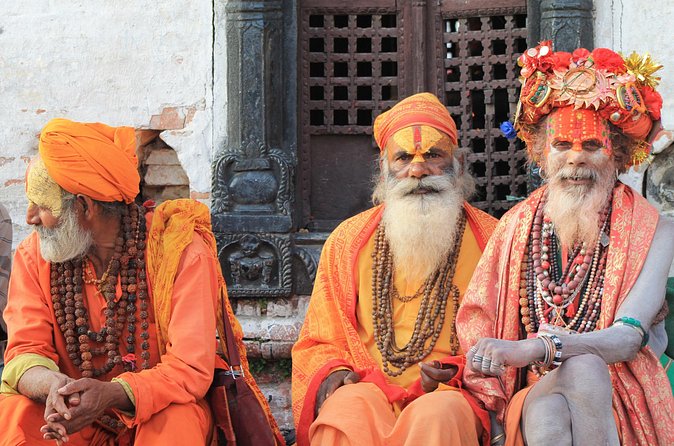
I would recommend this tour to a first-time visitor who wants a clear introduction to Kathmandu in one day. It is also a good fit if you care about religious and historical context but do not want to arrange four separate visits yourself.
You will get the most from it if you enjoy asking questions. The strongest guide feedback centers on explanations, humor, and the ability to connect the sights with Buddhism, Hinduism, art, and local life.
This may be less suitable if you want a slow photographic day. The seven-hour schedule is efficient, but each stop has a set time. Kathmandu Durbar Square, Boudhanath, and Pashupatinath can all reward longer exploration.
It is also not the best choice if you only want scenery or shopping. The core of the day is cultural interpretation, sacred places, and historic architecture. Markets and street scenes appear as part of moving through the city, not as the main purpose.
Price, cancellation, and small details that matter
The advertised price is $80 per person. Add $26 for the four entrance fees, plus lunch, and you have the realistic base cost. The private format and included hotel transfers add value, particularly if you prefer not to negotiate transport in Kathmandu.
Confirmation is received at booking, and most people can participate. The activity is private, so only your group joins the tour. Free cancellation is available up to 24 hours before the 8:00 am start time. Canceling or changing the booking within 24 hours does not qualify for a refund.
The experience requires good weather. If poor weather causes cancellation, you will be offered another date or a full refund. Keep that rule in mind when planning a tightly timed Nepal trip.
Should you book Kathmandu Full Day Exploration?
Book it if you want four major Kathmandu sites explained by a private guide, with hotel transport handled for you. The strongest reason to choose it is the guide service, especially the clear attention to Buddhism and Hinduism and the personal approach associated with guides such as Anshu and Pravin.
Before paying, budget for the extra $26 entrance fee and lunch. Also accept that seven hours gives you a well-planned introduction, not a slow study of every courtyard and shrine.
For a first full day in Kathmandu, this is a sensible choice. It gives you royal history, Buddhist devotion, Hindu worship, local streets, and a comfortable private vehicle in one compact outing.
FAQ
What time does the Kathmandu Full Day Exploration start?
The tour starts at 8:00 am.
How long does the experience last?
The tour lasts approximately seven hours.
Which sites are included?
The planned stops are Kathmandu Durbar Square, Swoyambhunath, Boudhanath Stupa, and Pashupatinath Temple.
Are entrance fees included in the price?
No. Entrance fees for the four attractions are listed as an additional $26.
Is transportation provided?
Yes. Private transportation in an air-conditioned vehicle is included, along with hotel pickup and drop-off.
Can I cancel for a full refund?
Yes, if you cancel at least 24 hours before the experience start time. Cancellations made less than 24 hours in advance are not refunded. If poor weather causes the tour to be canceled, you will be offered another date or a full refund.
Just added around Kathmandu
- Nagarkot Sunrise With 7 UNESCO World Heritage Private Tour★ 5.0 · 3 reviews
- Private Shopping Tour in Kathmandu★ 5.0 · 3 reviews
- Mount Everest Scenic Flight 50 Minutes★ 5.0 · 3 reviews
- Kathmandu: Nightlife and Pub Crawl Tour★ 5.0 · 3 reviews
- Kathmandu: Nagarkot, Bhaktapur, Doleswor & Sanga Statue Tour★ 5.0 · 3 reviews
- Momo Cooking Class -The Art Of Making MoMo with Home Chef★ 5.0 · 3 reviews
- Kathmandu: Momo Making Class with a Local Chef★ 5.0 · 3 reviews
- Everest Experience Trek 6 Day Hiking Adventure★ 5.0 · 3 reviews
Full-Day Tours in Kathmandu, compared.

Full Day 7 UNESCO Tour with Lunch – Private/Group
Read our review →
Full Day Top 4 UNESCO Tour with Lunch – Private/Group
Read our review →Full-Day 7 UNESCO Tour with Lunch – Private/Group
Read our review →Full Day 7 UNESCO Tour with Lunch – Private/Group
Read our review →
Full Day Private Top 4 UNESCO Heritage Tour W/Lunch.
Read our review →Full Day Top 4 UNESCO Tour with Lunch – Private/Group
Read our review →
Browse the lists this tour appears in