
Reviewed · KATHMANDU UNESCO HERITAGE TOURS
Nagarkot Sunrise With 7 UNESCO World Heritage Private Tour
Catch the Himalayas at first light. This private 12-hour tour packs Nagarkot’s sunrise and all seven UNESCO World Heritage Sites in the Kathmandu Valley into one long, fascinating day. I like the mix of mountain views and sacred places, and I especially like having a private guide and air-conditioned vehicle for a route that would be difficult to manage alone.
The main drawback is the pace. Seven major sites after an early morning start can leave you tired, and the approximately $172 per-person price does not include around 6,000 Nepalese rupees in entrance fees or meals. Still, if you have limited time in Kathmandu, this is an efficient way to see a remarkable amount of Nepal.
In This Review
- Key Points At A Glance
- Why This Kathmandu Day Tour Is Worth Considering
- Nagarkot At 2,175 Meters: Start With The Sky
- Changunarayan: The Oldest Temple On The Route
- Bhaktapur Durbar Square And The Best Newari Setting
- Patan Durbar Square And Newari Craft
- Boudhanath: A Tibetan Buddhist Center
- Pashupatinath: The Most Powerful Cultural Stop
- Kathmandu Durbar Square: Royal History In The City Center
- Swayambhunath: End Above The Valley
- What The $172 Price Really Includes
- Who Will Enjoy This Tour Most
- Practical Tips For A Better Day
- Should You Book The Nagarkot Sunrise Tour?
- FAQ
- How long does the tour last?
- Where does the tour begin and end?
- Is the tour private?
- Which languages are available?
- Are entrance fees included?
- Are food and drinks included?
- Can I see Mount Everest from Nagarkot?
- Which UNESCO sites are included?
- Can I cancel for a full refund?
Key Points At A Glance
- Sunrise at 2,175 meters: Nagarkot offers a broad view toward the Himalayas, with Mount Everest visible on clear days.
- All seven UNESCO sites: The route includes Changunarayan, Bhaktapur, Patan, Boudhanath, Pashupatinath, Kathmandu Durbar Square, and Swayambhunath.
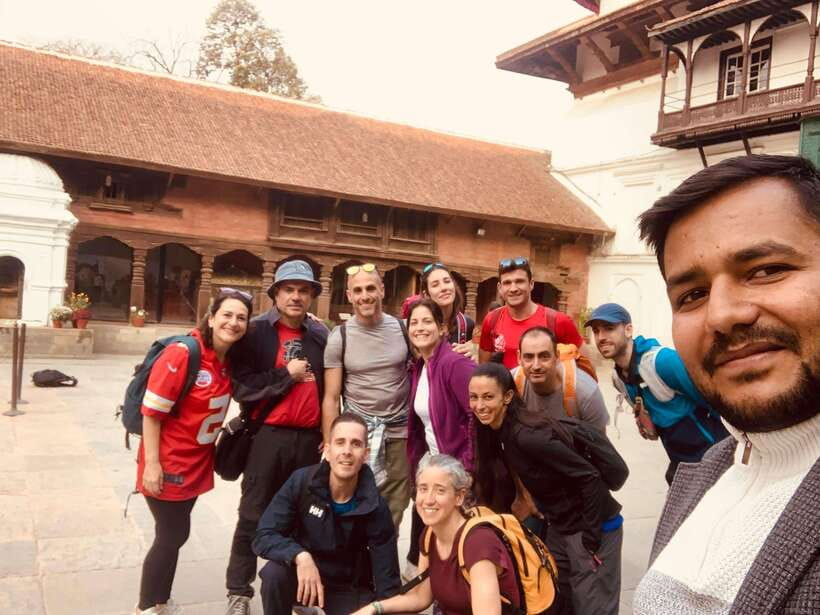
- Private touring: Your hotel pickup, vehicle, and English-speaking guide are arranged for a private group.
- Strong cultural focus: Hindu worship, Tibetan Buddhism, Newari architecture, festivals, funerary customs, food, and everyday life all enter the conversation.
- A demanding schedule: The tour begins with sunrise and continues through seven cultural sites, so comfortable shoes and steady energy matter.
- Highly praised guiding: Santosh was singled out for passionate explanations of religion, ritual, and Kathmandu life.
Why This Kathmandu Day Tour Is Worth Considering
I see this experience as a cultural survey course with a sunrise attached. You get the famous hill station of Nagarkot first, then move through the Kathmandu Valley’s major religious and royal centers. That makes the day useful for a first visit, especially if you want context before deciding where to spend more time later.
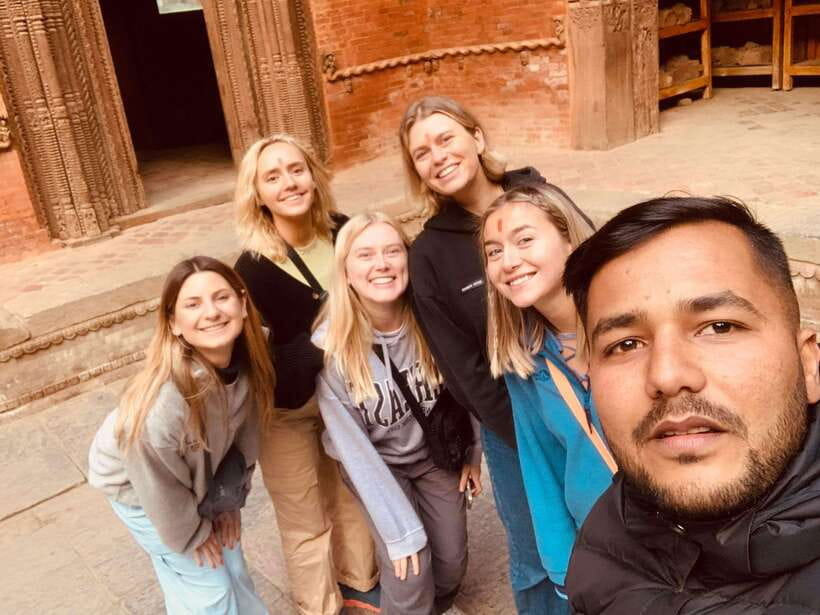
The private format adds real value. You are not waiting for a large group at every temple, and an English-speaking guide can explain what you are seeing as the day unfolds. That matters in Nepal, where a carved image, prayer wheel, shrine, or cremation ritual may carry meaning that is not obvious at first glance.
The schedule also asks a lot from you. The early departure is needed for sunrise, and the route covers a large area. By the final stop at Swayambhunath, you may be running on tea and determination. I would choose this tour for coverage and interpretation, not for a relaxed pace.
The guide is central to the experience. Santosh received particular praise for explaining Shiva worship, religious rituals, and the rhythms of daily life during a Shiva festival. Another guest described the guide as patient and willing to answer questions with a smile. Those details suggest the best part of the day may be the conversation between sites, not simply the sites themselves.
More Nagarkot Sunrise Trips:
- Nagarkot Sunrise View and Day Hiking from Kathmandu
★ 5.0 · 471 reviews - Private Bhaktapur and Nagarkot Day Tour From Kathmandu
★ 5.0 · 305 reviews - Kathmandu: Nagarkot Sunrise View & Morning Hike with Lunch
★ 4.9 · 188 reviews
Nagarkot At 2,175 Meters: Start With The Sky
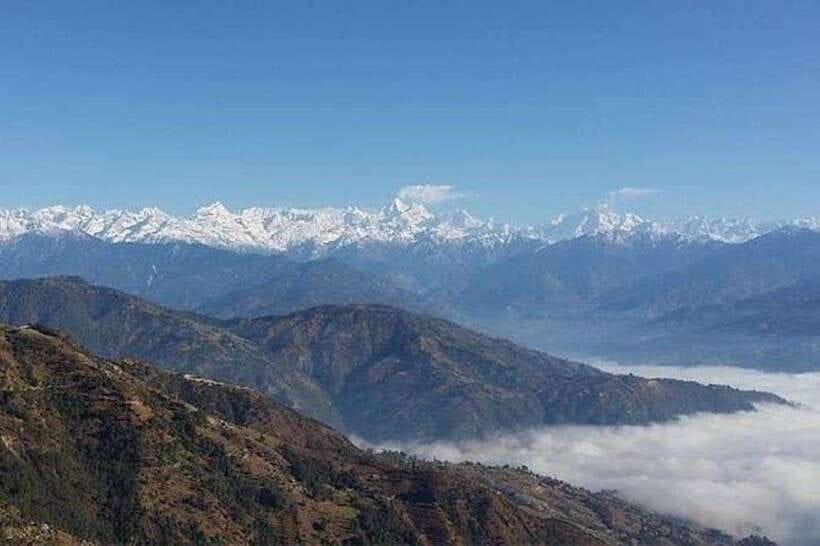
Nagarkot is the opening act, and timing is everything. The tour gives you about two hours here for sunrise, allowing enough time to watch the light change and take in the Himalayan view rather than simply stop for a quick photograph.
On a clear morning, you may see Mount Everest among the Himalayan range. The wording matters: mountain visibility depends on weather, and no sunrise tour can guarantee a clear horizon. Even without a perfect view, the early light over the hills can make the stop worthwhile, but you should set realistic expectations.
Nagarkot is a hill station near Kathmandu, not one of the seven UNESCO sites included later. Its purpose is visual and atmospheric. You begin with Nepal’s high mountain setting, then spend the rest of the day examining the architecture, faith, and history of the valley below.
Bring an extra layer for the morning and keep your phone or camera ready. The tour includes bottled mineral water, but breakfast and other food are not included, so plan for hunger during the long day.
Changunarayan: The Oldest Temple On The Route
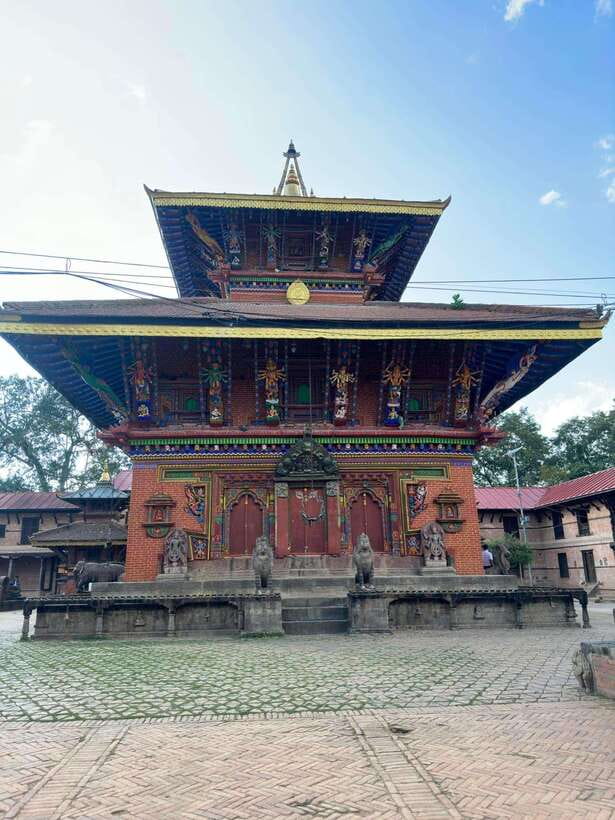
After Nagarkot, the tour heads to Changunarayan Temple for about 30 minutes. Perched on a hilltop, this Hindu temple is dedicated to Lord Vishnu and is described as the oldest Hindu temple in the Kathmandu Valley, with origins reaching back to the fourth century.
The short visit means you should focus your attention. Look for the intricate carvings and traditional Nepali architectural details rather than trying to absorb every corner. This stop also gives the itinerary a quieter start before the larger squares and stupas later in the day.
Changunarayan is one of the seven UNESCO sites, so it contributes a major piece to the cultural picture. It also helps you understand that the valley’s heritage is not limited to royal plazas. Hillside sanctuaries and active temples matter just as much.
Bhaktapur Durbar Square And The Best Newari Setting
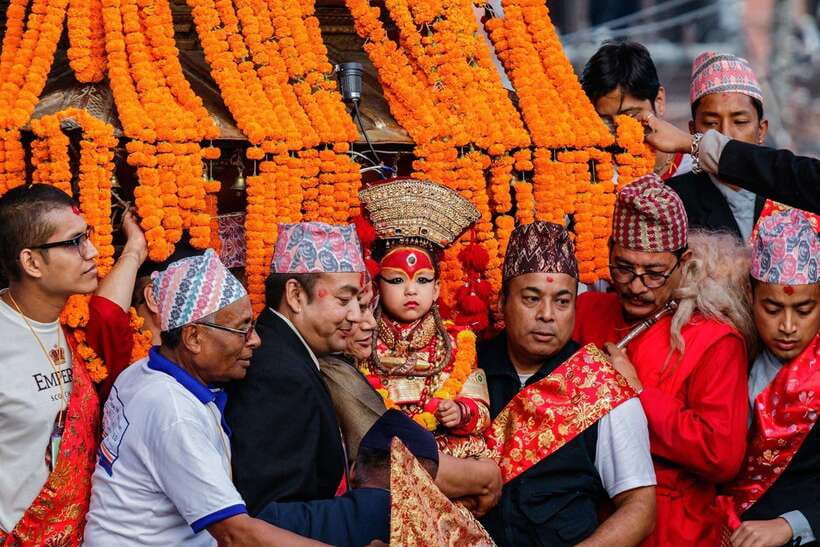
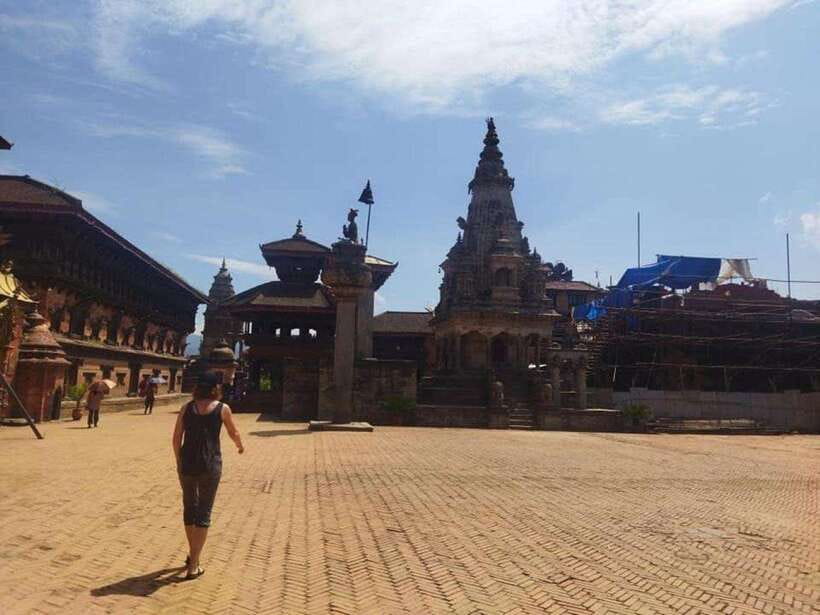
The tour allows about 90 minutes at Bhaktapur Durbar Square. That is more time than at Changunarayan, but the square contains enough to keep you moving: the 55-Window Palace, Vatsala Temple, Nyatapola Temple, traditional art, and Newari architectural work.
Bhaktapur is presented as a living museum of local culture. The appeal is not only the age of the buildings. It is the way the square connects palace architecture, temples, craft traditions, festivals, and everyday life.
Your guide can help separate the famous structures from the details you might otherwise miss. Ask about the Malla period, the purpose of the courtyards, and the religious meaning of the temples. The tour promises insight into food, tradition, and local life, so this is a good place to ask how the old city still functions today.
Ninety minutes is useful but not generous. You will get an introduction rather than a slow exploration. If Bhaktapur becomes your favorite stop, you may want to return on another day and give it more time.
More UNESCO Heritage Days:
- Private Kathmandu Sightseeing Tour | UNESCO World Heritage sites
★ 5.0 · 756 reviews - Kathmandu: Full Day 7 UNESCO Tour with Lunch – Private/Group
★ 5.0 · 415 reviews - Kathmandu: Full Day Top 4 UNESCO Tour with Lunch – Private/Group
★ 5.0 · 269 reviews - UNESCO Seven World Heritage Tour in Kathmandu
★ 5.0 · 253 reviews
Patan Durbar Square And Newari Craft
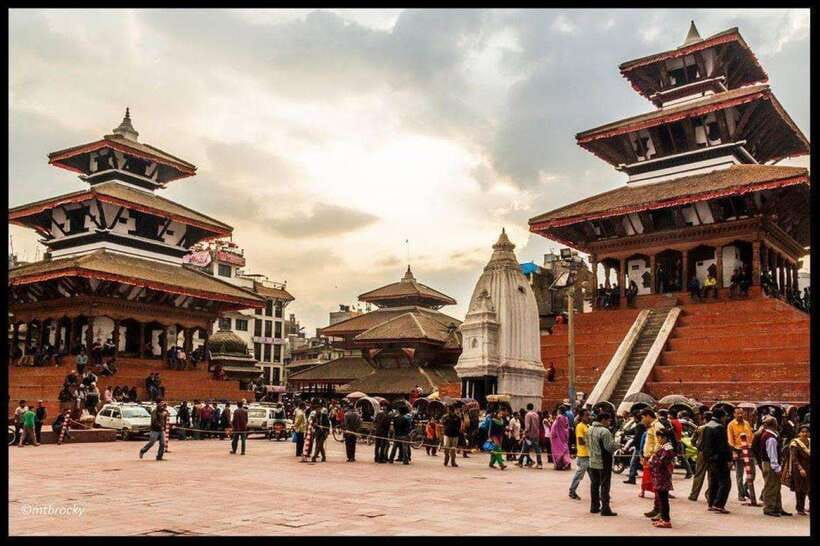
Patan Durbar Square, in Lalitpur, receives about one hour. It is known for its Newari buildings, palace courtyards, temples, and the revered Krishna Mandir. The square is another strong example of the Malla period and the valley’s skilled stone and metal work.
Patan makes an interesting contrast with Bhaktapur. Both are royal squares with elaborate temples, but your guide’s explanations can help you see differences in layout, religious use, and architectural style. The value here comes from comparison. After visiting one historic square, you have a better eye for the next.
This is also a place where the schedule can feel tight. One hour lets you see the central features, but not linger over every carving or courtyard. I would listen closely to the guide’s main points and accept that this day is an overview.
Boudhanath: A Tibetan Buddhist Center
Boudhanath Stupa is scheduled for about one hour. Its huge spherical form and mandala design make it one of Nepal’s most recognizable Buddhist monuments. The stupa is surrounded by monasteries and Tibetan Buddhist culture, giving this stop a different mood from the Hindu temples and old royal squares.
You can expect your guide to explain Buddhist symbols, prayer wheels, and the religious importance of the site. The tour’s broader aim is to help you understand both Hinduism and Buddhism, and Boudhanath is essential to that goal.
The hour should allow you to take in the stupa and its surroundings without rushing too badly. It is a useful pause in the itinerary because you are moving from royal and Hindu sites into a major Buddhist center. Pay attention to how the architecture guides worship and how different traditions share the same valley.
Pashupatinath: The Most Powerful Cultural Stop
Pashupatinath Temple is dedicated to Lord Shiva and sits along the Bagmati River. It is one of Nepal’s most important Hindu pilgrimage sites, known for its architecture, ceremonies, and traditional cremations along the riverbank.
This may be the most emotionally demanding stop. A visit can bring you close to funerary customs that are handled openly and as part of religious life. One guest found seeing a body carried toward the cremation area especially striking. You should approach this setting with quiet respect and follow your guide’s advice about appropriate behavior.
The supplied schedule lists 40.67 hours here, which cannot fit inside a 12-hour tour and is almost certainly a timing error. Treat Pashupatinath as a short visit of roughly 40 minutes, unless the operator confirms a different duration before departure. That clarification is worth requesting.
The site gives the day its strongest lesson in living religion. You are not looking at a historic building alone. You are seeing a place where worship, pilgrimage, ceremony, death, and public life meet.
Kathmandu Durbar Square: Royal History In The City Center
Kathmandu Durbar Square receives about one hour. This was once the royal palace area of the Malla kings and is filled with ancient palaces, courtyards, and temples. It also remains a setting for important religious and cultural festivals.
The square helps tie the day together. You have already visited Bhaktapur and Patan, two other royal centers. Seeing Kathmandu’s own durbar square lets you compare the three former city kingdoms and understand how central royal power and temple worship were to valley life.
A guide is especially useful here because the square can feel visually crowded with monuments and symbols. Ask which buildings served royal purposes, which remain active religious spaces, and how festivals use the courtyards. The one-hour visit is enough for a guided introduction, but not for a leisurely architectural study.
Swayambhunath: End Above The Valley
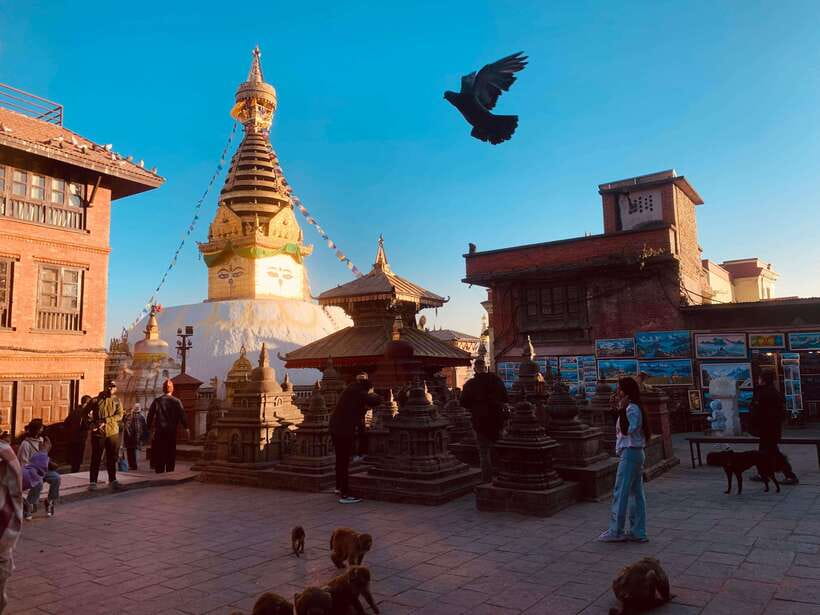
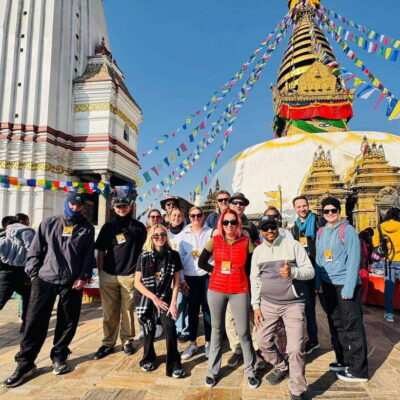
The final sightseeing stop is Swayambhunath Temple, also called the Monkey Temple, with about 30 minutes scheduled. The ancient complex sits on a hill and is respected in both Buddhism and Hinduism. It is known for its stupa, prayer wheels, monkeys, and broad view over Kathmandu.
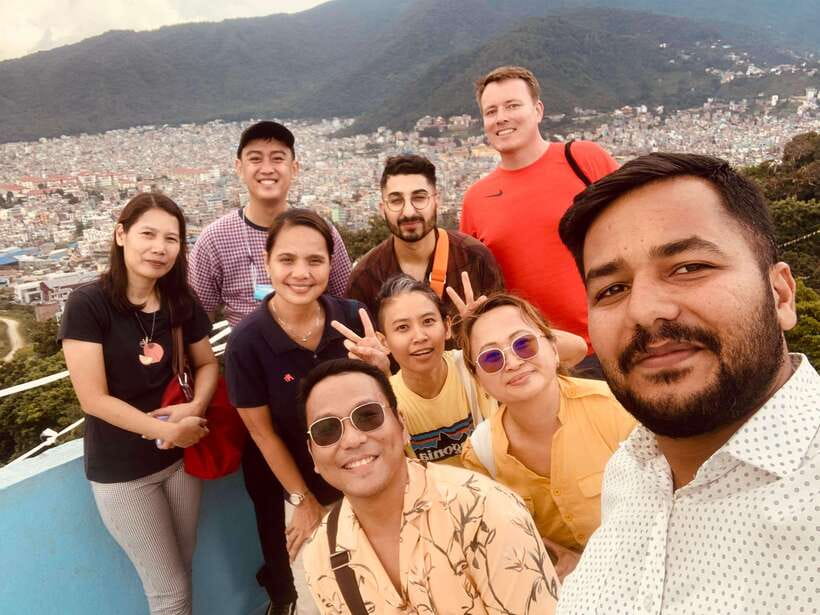
Ending here makes sense. After a full day of temples and palaces, Swayambhunath offers a final high point, both physically and symbolically. You can look back toward the city and connect the valley’s religious centers into one larger picture.
Thirty minutes is brief. You will need to focus on the main stupa, the view, and the guide’s key explanations. If stairs or hilltop walking are difficult for you, ask for practical details before booking, since the provided information does not specify accessibility arrangements.
What The $172 Price Really Includes
At $172 per person, this is not a budget sightseeing day. The price includes a private vehicle with air-conditioning, hotel pickup and drop-off inside Kathmandu Valley, an English-speaking guide, and bottled mineral water.
The private vehicle is important because the itinerary covers Nagarkot and several parts of the valley. You avoid arranging separate transport between distant sites, and you have a place to rest between visits. For a couple or small private group, that convenience can justify a higher price.
The main extra cost is admission. Entrance fees to all UNESCO sites are estimated at about 6,000 Nepalese rupees, and food and drinks are excluded. Add those costs before comparing this tour with a less expensive group option.
I see the price as fair for someone who values a private guide and wants all seven UNESCO sites in one day. It is less attractive if you prefer slow visits, independent wandering, or returning to favorite places for more time.
Who Will Enjoy This Tour Most
I would recommend it to a first-time visitor with only a short stay in Kathmandu. You get a strong introduction to the valley’s royal cities, Hindu temples, Buddhist centers, and mountain viewpoints without having to plan the route yourself.
It also suits anyone who wants cultural explanation rather than a simple photo stop. The guide’s role is especially valuable if you want to ask about Hindu and Buddhist beliefs, festivals, food, rituals, and daily life.
You may want a different plan if you dislike early mornings or prefer unhurried sightseeing. The itinerary is ambitious, and each site has a fixed window. Families, older visitors, or anyone with limited energy should consider the long day carefully.
The tour is also a good match for people who want a private setting. You can ask questions as they arise, adjust the conversation to your interests, and avoid the fixed social rhythm of a large group.
Practical Tips For A Better Day
Wear comfortable shoes. You will be moving through temple grounds, historic squares, and hilltop sites over many hours.
Bring layers for Nagarkot and a respectful attitude at religious sites. Pashupatinath in particular calls for sensitivity around ceremonies and cremations.
Carry money for entrance fees and food. The stated estimate for UNESCO admissions is about 6,000 Nepalese rupees, while meals and drinks are not included.
Ask the operator to confirm the Pashupatinath timing. The listed 40.67-hour figure is clearly inconsistent with a 12-hour tour, so you should clarify it before paying.
If you want more time at Bhaktapur, Patan, or Boudhanath, say so before departure. The route is designed to cover all seven sites, not to provide a slow visit at each one.
Free cancellation is available up to 24 hours in advance for a full refund, and you can reserve now and pay later. Those terms help if your Kathmandu plans may change, but they do not reduce the physical demands of the day.
Should You Book The Nagarkot Sunrise Tour?
Book it if you want maximum coverage in one private day, especially during a short Kathmandu stay. The combination of sunrise, seven UNESCO sites, private transport, and an English-speaking guide offers a lot for someone who wants a clear introduction to Nepal’s cultural center.
Skip it if your ideal day means lingering over one square, eating slowly, or setting your own pace. The itinerary is long, and the entrance fees and meals add to the advertised price.
My strongest reason to choose it is the guide-led cultural interpretation. The praise for Santosh’s explanations of religion, festivals, and daily life points to the kind of human connection that can turn a packed sightseeing route into a meaningful day. Just confirm the timing at Pashupatinath, prepare for an early start, and treat the sunrise as weather-dependent rather than guaranteed.
FAQ
How long does the tour last?
The tour lasts 12 hours, including hotel pickup and drop-off inside Kathmandu Valley.
Where does the tour begin and end?
Pickup and return are provided at your hotel in Kathmandu Valley.
Is the tour private?
Yes. It is described as a private group experience with a private vehicle.
Which languages are available?
The live tour guide speaks English.
Are entrance fees included?
No. Entrance fees to the UNESCO sites are not included and are estimated at around 6,000 Nepalese rupees.
Are food and drinks included?
No. Food and drinks are not included. One bottle of mineral water is provided.
Can I see Mount Everest from Nagarkot?
Mount Everest may be visible from Nagarkot on a clear day. Mountain visibility depends on weather conditions.
Which UNESCO sites are included?
The route includes Changunarayan Temple, Bhaktapur Durbar Square, Patan Durbar Square, Boudhanath Stupa, Pashupatinath Temple, Kathmandu Durbar Square, and Swayambhunath Temple.
Can I cancel for a full refund?
You can cancel up to 24 hours in advance for a full refund. The activity also offers a reserve-now, pay-later option.
More History Tours
- Kathmandu Private Sightseeing Tour | UNESCO World Heritage Sites
★ 5.0 · 109 reviews - Kathmandu: Full Day Private Top 4 UNESCO Heritage Tour W/Lunch.
★ 5.0 · 86 reviews - Kathmandu World Heritage Tour
★ 5.0 · 74 reviews - Nagarkot Sunrise & Bhaktapur UNESCO Heritage Private Tour
★ 5.0 · 66 reviews
Just added around Kathmandu
- Private Shopping Tour in Kathmandu★ 5.0 · 3 reviews
- Mount Everest Scenic Flight 50 Minutes★ 5.0 · 3 reviews
- Kathmandu: Nightlife and Pub Crawl Tour★ 5.0 · 3 reviews
- Kathmandu: Nagarkot, Bhaktapur, Doleswor & Sanga Statue Tour★ 5.0 · 3 reviews
- Momo Cooking Class -The Art Of Making MoMo with Home Chef★ 5.0 · 3 reviews
- Everest Experience Trek 6 Day Hiking Adventure★ 5.0 · 3 reviews
- Kathmandu: Momo Making Class with a Local Chef★ 5.0 · 3 reviews
- Makalu Base Camp Trek★ 5.0 · 3 reviews
Kathmandu UNESCO Heritage Tours, compared.

Private Kathmandu Sightseeing Tour | UNESCO World Heritage sites
Read our review →
Full Day 7 UNESCO Tour with Lunch – Private/Group
Read our review →
Full Day Top 4 UNESCO Tour with Lunch – Private/Group
Read our review →
Full-Day 7 UNESCO Tour with Lunch – Private/Group
Read our review →
Kathmandu Private Sightseeing Tour | UNESCO World Heritage Sites
Read our review →Browse the lists this tour appears in