
Reviewed · MOMO MAKING CLASSES
Kathmandu: Momo Making Class with a Local Chef
Come hungry for dumplings. This one-hour class in Thamel gives you a practical taste of Nepal through momos, the steamed or cooked dumplings found across Nepal, Tibet, and the Himalayan regions. I like that you do the full job yourself, from mixing flour and water to preparing the filling, folding each dumpling, and cooking the final batch.
I also like the small group of up to eight people, which should give you room to ask questions and get help with tricky folds. The main drawback is the short duration. One hour is enough for a focused introduction, but not enough for a long lesson on Nepalese food or a wide range of dumpling styles.
In This Review
- Key Details Before You Book
- Why Momos Make a Good Kathmandu Food Class
- Arriving at Nepal Cooking School in Thamel
- Step One: Mixing the Momo Dough
- Step Two: Preparing the Filling
- Step Three: Folding the Dumplings
- Step Four: Cooking and Eating Your Momos
- What the One-Hour Schedule Really Means
- Group Size, Teaching Style, and Language
- Cost and Overall Value
- What to Wear and What to Bring
- Who Should Take This Class
- Booking Flexibility and Planning Notes
- Is This Momo Class Worth Booking?
- FAQ
- Where does the momo making class take place?
- How long does the class last?
- What will I learn to make?
- Is the meal included?
- Is the class taught in English?
- How many people can join?
- Are ingredients included?
- Is transportation included?
- Can I cancel the booking?
Key Details Before You Book
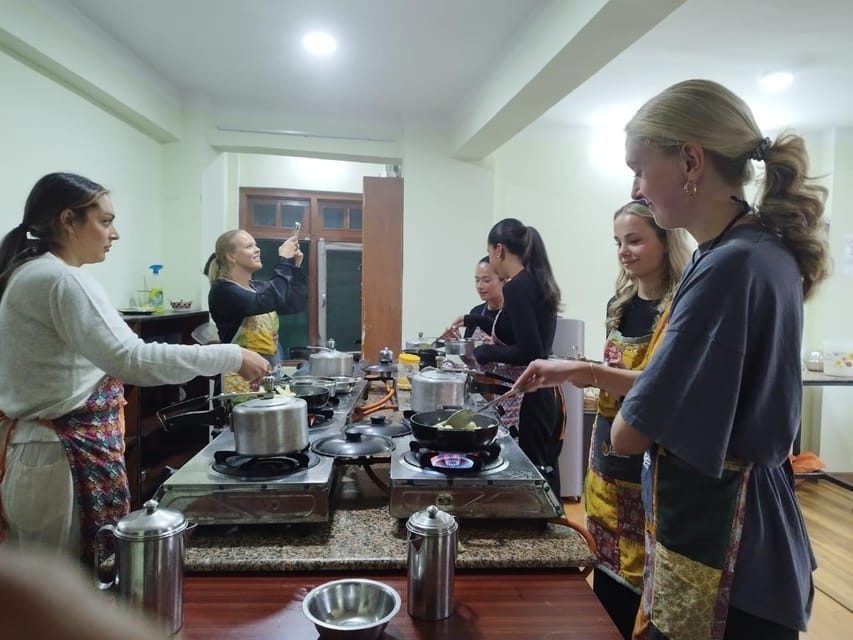
- You make the entire dish: Mix the dough, prepare the filling, shape the momos, and cook them yourself.
- The class takes place in Thamel: Nepal Cooking School is on Paknajol Marg, opposite Ganesh Temple, on the third floor of the building housing Delicious Pizza.
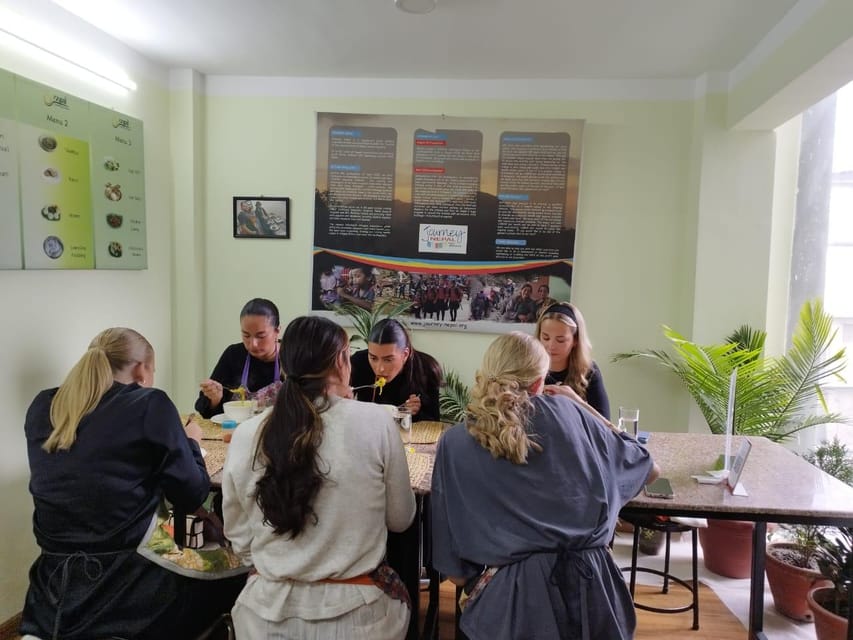
- You eat what you make: The class ends with a meal featuring your momos, often served with dipping sauces or sides.
- The group is limited to eight: This keeps the lesson more personal than a large demonstration.
- The lesson is in English: An experienced local chef or instructor leads the class.
- Bring clothes that can get dirty: Flour, filling, and sauce have a way of finding their way onto sleeves.
Why Momos Make a Good Kathmandu Food Class
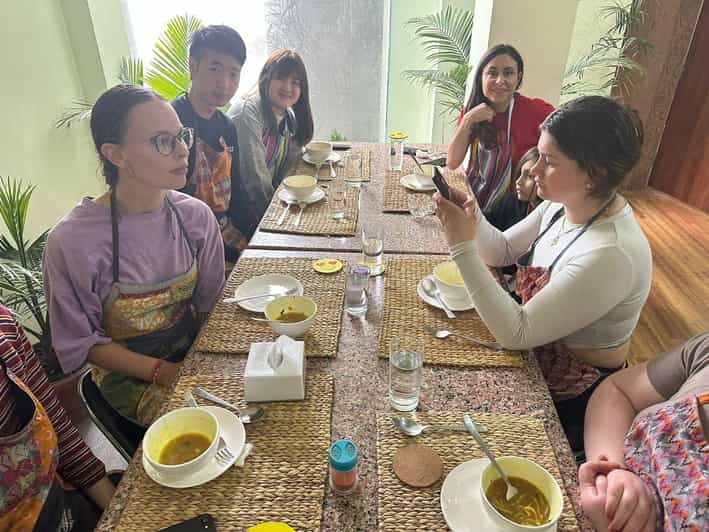
Momos are one of the most useful foods to learn in Kathmandu. You will see them on menus throughout the city, from simple snack counters to restaurants, but the class gives you a better sense of what goes into each dumpling.
The dish has roots in Tibet and the wider Himalayan region, yet momos are firmly part of everyday eating in Nepal. Their appeal is simple: a soft wrapper, a savory filling, and a spicy or tangy sauce on the side. The basic idea is easy to understand, but shaping the dough neatly takes a little practice.
That makes this a good class for a first cooking lesson. You are not expected to master a dozen complex recipes. Instead, you focus on one familiar dish and learn each stage in order.
I especially like the hands-on setup. You are not just watching a chef fold dumplings while taking notes. You handle the flour, water, filling, and seasoning. By the end, you have a better idea of how much work sits behind a plate of momos.
More Momo and Nepali Cooking Classes:
- Kathmandu: Local Women-Led Nepali Cooking & Momo Class
★ 4.9 · 360 reviews - Kathmandu: Local Lead Nepali Cooking & Momo-Making Class
★ 5.0 · 212 reviews - Local Women Lead Nepali Cooking Class
★ 5.0 · 125 reviews
Arriving at Nepal Cooking School in Thamel
The meeting point is Nepal Cooking School on Paknajol Marg, opposite Ganesh Temple. The school is on the third floor of the building that also houses Delicious Pizza.
You should allow a little extra time to find the correct entrance and climb to the third floor. The directions are specific, but the location is in a busy part of Thamel where signs, shops, and passing foot traffic can compete for your attention.
Transportation is not included, so you make your own way there. That is easy to understand for a short city class, but it matters when planning your day. If you are carrying shopping bags, dealing with heavy luggage, or arriving from outside central Kathmandu, the visit will take more effort than the one-hour cooking time suggests.
Once inside, you meet the chef or instructor and settle in for the lesson. The teaching language is English, and the group size is limited to eight participants.
Step One: Mixing the Momo Dough
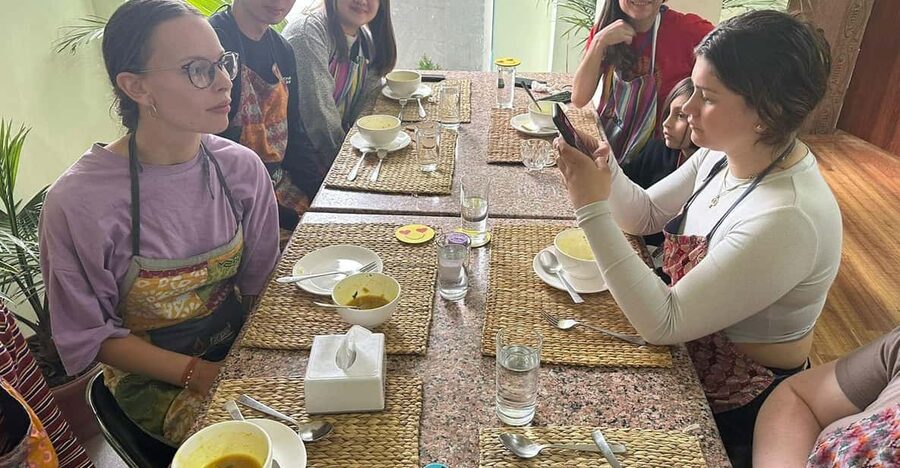
The class begins with the dough. You work with flour and water, combining them until you have a dough suitable for rolling and folding.
This stage looks basic, but it matters. Dough that is too dry can crack when you shape it. Dough that is too wet can become sticky and difficult to handle. The chef can show you what the right texture feels like, which is far more useful than simply reading a recipe.
You get your hands dirty here, as promised. That is part of the fun, but it also means you should wear comfortable clothing that can handle flour and food stains.
The one-hour schedule means the chef will likely keep the process moving. If you want to ask about measurements, substitutions, or how to recreate the dough at home, ask early rather than waiting until the end.
Step Two: Preparing the Filling
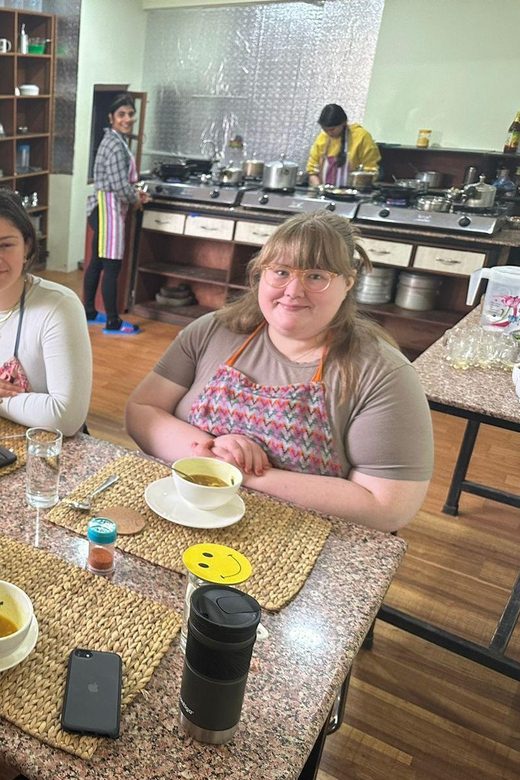
Next comes the filling. The listed ingredients include ground meat if you choose a non-vegetarian version, vegetables, spices, and other seasonings.
The available information does not specify a fixed meat or vegetable recipe, so you should not expect a particular filling until the class begins. The important point is that you work with ingredients commonly used in momo preparation rather than simply assembling a pre-made mixture.
This part gives the class some flexibility. Meat eaters can work with a ground meat filling, while vegetarian participants can use vegetables. If your diet is important to you, ask the instructor about the available filling before you start. The class information confirms a vegetarian option is possible, but it does not list every ingredient or explain how allergies are handled.
The chef explains the process and helps as you combine the ingredients. One participant praised the cook for explaining a lot and being helpful throughout the class. That is exactly the kind of guidance this step needs, since seasoning a filling by sight alone can be difficult for a beginner.
More Workshops:
- Half day cooking class in Thamel kathmandu
★ 5.0 · 607 reviews - Knife (Khukuri) Making Workshop- Forge of the Gurkhas
★ 5.0 · 143 reviews - The best Private Nepali Cooking Class in Kathmandu
★ 5.0 · 83 reviews - Kathmandu: Traditional Momo Making Class & Pickup
★ 4.8 · 60 reviews
Step Three: Folding the Dumplings
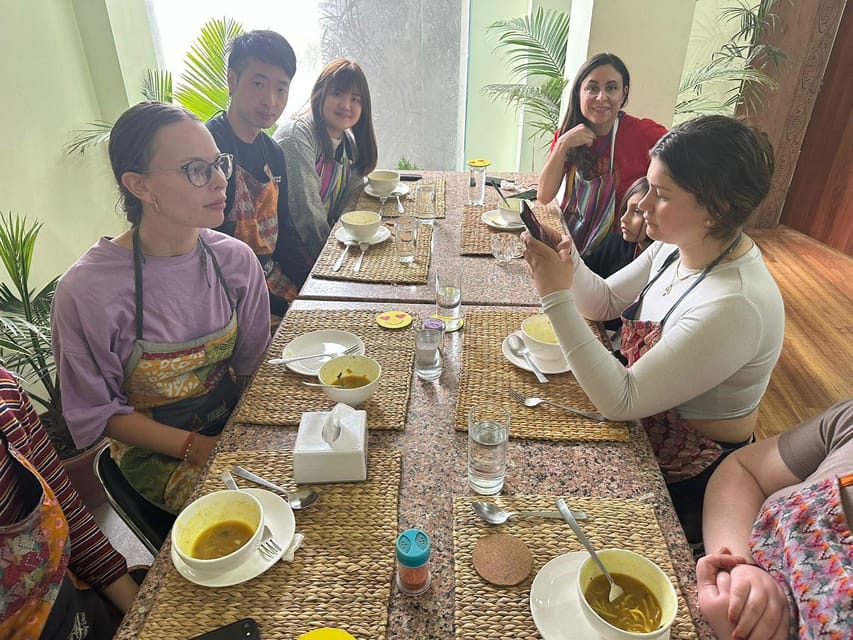
Folding is the part most people look forward to, and also the part that can humble you quickly. You place filling into each wrapper, then seal and shape the dough.
You will probably notice that the chef’s dumplings look tidy while your first few may look less polished. That is normal. The value here is not producing restaurant-perfect momos on the first attempt. It is learning how to place enough filling inside, close the wrapper securely, and keep the dumpling from opening during cooking.
The instructor can help with the technique, and a small group of eight or fewer should make it easier to get individual attention. If you are cooking with children or first-time cooks, this active stage should keep them interested.
I would not rush through the folds just to make more dumplings. A smaller batch that seals well is more useful than a pile of misshapen ones. You can also ask the chef which shape is easiest to repeat at home.
Step Four: Cooking and Eating Your Momos
After shaping the dumplings, you cook them. The class description does not specify the exact cooking method, so the chef will explain how this particular session handles the final stage.
The best part is that you eat the momos you prepared. This turns the class from a demonstration into a proper short meal. Your plate may also come with dipping sauces or side dishes, though the exact accompaniments are not guaranteed.
The finished food received strong praise from one participant, who found the momos very tasty after the chef’s help and instruction. That matters because the meal is not just a reward at the end. It lets you judge the dough, filling, seasoning, and folding for yourself.
You may leave with a better sense of what you like in a momo. Perhaps you prefer a thinner wrapper, more vegetables, or a stronger sauce. Even a one-hour class can give you a useful starting point for ordering momos elsewhere in Kathmandu.
What the One-Hour Schedule Really Means
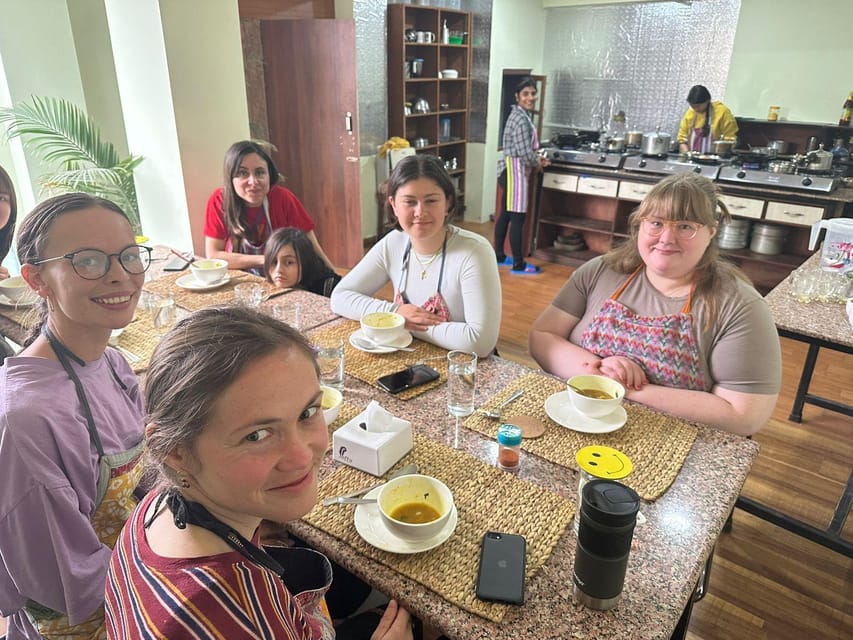
One hour is a compact format. It works well if you want a short activity between sightseeing stops, shopping, or a meal in Thamel.
You will cover the full process, but the class is unlikely to spend much time on food history, several fillings, or advanced shaping methods. If you want a long culinary workshop, this will feel brief. If you simply want to learn the basics and eat what you make, the timing is sensible.
The short schedule also makes this suitable for a busy Kathmandu itinerary. You do not have to give up half a day, and you can fit it around other plans. Still, remember to add time for finding the building, reaching the third floor, and eating your finished dish.
Group Size, Teaching Style, and Language
The group is limited to eight participants, a useful middle ground. You get the social feel of a shared class without the crowd of a large cooking demonstration.
The instructor teaches in English. The available information does not name the chef, but the class is led by an experienced local cook or instructor. The strongest praise focuses on clear explanations and helpful support during the cooking process.
That teaching style is important during dough preparation and folding. These are physical skills, and a quick correction from the chef can save you from producing dumplings that split open.
If you are shy about asking for help, do not wait. Show the instructor your dough or first folded momo. You will get more from the class if you treat it as a practical lesson rather than a performance.
Cost and Overall Value
No price is provided here, so I cannot judge the exact cost or say whether it is a bargain at a particular rate. I can judge what the package includes.
You receive a one-hour class, an experienced chef or instructor, the ingredients for momo preparation, and the chance to eat your finished food. That is better value than paying only to watch a cooking display because your meal is part of the activity and you take away a repeatable skill.
The value is strongest for people already planning time in Thamel. You do not receive transportation, and personal expenses are not included. If you need a taxi across Kathmandu for this short session, the total cost of the outing will be higher than the class price alone.
For a first introduction to Nepali cooking, the combination of instruction and lunch-sized tasting makes sense. For serious cooks seeking detailed recipes, many dishes, or a full market visit, the one-hour format will probably feel limited.
What to Wear and What to Bring
Wear comfortable clothes that can get dirty. You will handle flour, filling, and sauces, so this is not the place for your best white shirt.
The practical instructions also mention bringing ingredients, while the class includes ingredients for momo preparation. That wording is unclear. I would confirm with the provider before arriving so you know whether this refers to a specific ingredient request or is simply a general reminder.
You do not need special cooking equipment according to the information provided. The important preparation is arriving ready to work with your hands.
Who Should Take This Class
I would recommend this class to:
- First-time visitors who want a direct introduction to Nepali food
- Couples or friends looking for a short shared activity
- Families and older children who enjoy hands-on cooking
- Vegetarians, provided they confirm the available filling
- People staying in or near Thamel
- Anyone who wants to learn one dish rather than sit through a long workshop
It may not suit you if you want a full-day food tour, a market visit, several recipes, or extensive culinary background. It also may not be ideal if you need a fully private lesson, since the format is a small shared group.
The class works best when you are happy to participate. If you prefer simply to taste momos without cooking, ordering them at a local restaurant will be faster and cheaper in time.
Booking Flexibility and Planning Notes
You can cancel up to 24 hours in advance for a full refund, and you can reserve now and pay later. Those terms are useful when your Kathmandu schedule may change.
Starting times vary, so you need to check availability for the day you want. Since transportation is not included, build the class around your own route through Thamel rather than assuming a pickup.
The activity is offered by Epic Adventures Private Limited, also identified as EAPL. The class itself is conducted in English, and the small group limit gives you a reasonable chance to receive help with each stage.
Is This Momo Class Worth Booking?
Book it if you want a short, active food experience in Thamel and like the idea of eating something you prepared yourself. The class covers the complete momo process, uses familiar local ingredients, and gives you direct help from a chef.
I would choose it over a simple tasting if you have never made dumplings before. The main caution is the one-hour limit and the lack of included transportation. Confirm the filling options and the note about bringing ingredients before you go.
For most visitors with an open hour in Thamel, this is a friendly and practical way to meet Nepal through its most approachable dumpling.
FAQ
Where does the momo making class take place?
It takes place at Nepal Cooking School on Paknajol Marg in Thamel, opposite Ganesh Temple. The school is on the third floor of the building that houses Delicious Pizza.
How long does the class last?
The class lasts one hour.
What will I learn to make?
You will learn to make momos, including the dough, filling, folded dumplings, and cooked final dish.
Is the meal included?
You receive the opportunity to taste and eat the momos you make during the class. Dipping sauces or side dishes may also be served.
Is the class taught in English?
Yes. English is the listed teaching language.
How many people can join?
The class is limited to eight participants.
Are ingredients included?
Ingredients for momo preparation are included. The instructions also say to bring ingredients, so you should confirm this point with the provider before attending.
Is transportation included?
No. Transportation to and from the class location is not included.
Can I cancel the booking?
Yes. You can cancel up to 24 hours in advance for a full refund. You can also reserve now and pay later.
Just added around Kathmandu
- Private Shopping Tour in Kathmandu★ 5.0 · 3 reviews
- Nagarkot Sunrise With 7 UNESCO World Heritage Private Tour★ 5.0 · 3 reviews
- Mount Everest Scenic Flight 50 Minutes★ 5.0 · 3 reviews
- Kathmandu: Nightlife and Pub Crawl Tour★ 5.0 · 3 reviews
- Momo Cooking Class -The Art Of Making MoMo with Home Chef★ 5.0 · 3 reviews
- Kathmandu: Nagarkot, Bhaktapur, Doleswor & Sanga Statue Tour★ 5.0 · 3 reviews
- Makalu Base Camp Trek★ 5.0 · 3 reviews
- Everest Experience Trek 6 Day Hiking Adventure★ 5.0 · 3 reviews
Momo Making Classes, compared.




Nepalese Momos or Dal Bhat Cooking Class (Cook with Delight)
Read our review →
The best Private Nepali Cooking Class in Kathmandu
Read our review →
Nepalese Kitchen in Pokhara: Momos or Dal Bhat Cooking Class
Read our review →
Browse the lists this tour appears in