
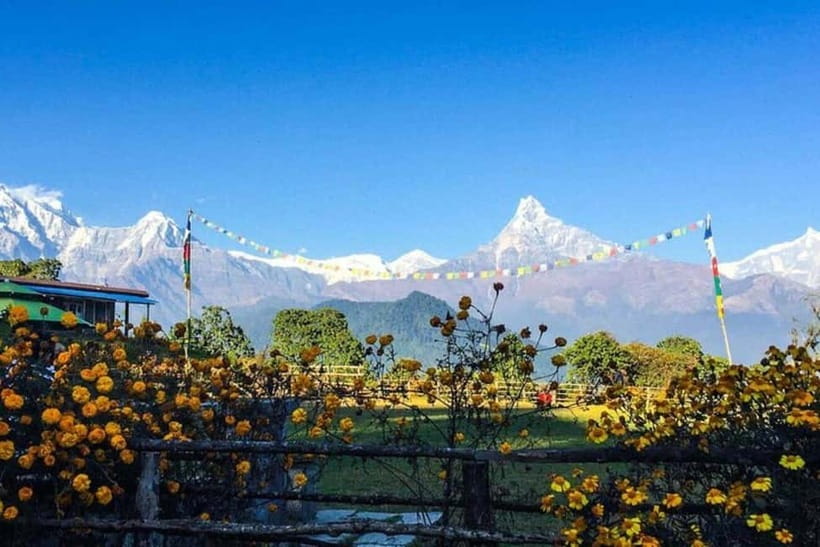
Reviewed · GHOREPANI POON HILL TREKS
Pokhara: Poon Hill Trek
Sunrise here comes with a mountain-sized reward. I like this trek for its short four-day format and its close look at Gurung and Magar village life, with Poon Hill delivering a grand view of the Annapurna and Dhaulagiri ranges. I also like that transport, permits, a registered guide, teahouse lodging, and luggage storage in Pokhara are included.
The main consideration is the stair-heavy walking. Five to six hours of trekking is manageable for many people, but the climb from Ghorepani to Poon Hill starts early and the route between villages is not a gentle stroll. Meals cost extra, at about $20 per person per day, so the advertised $208 price is not the final trip cost.
In This Review
- Key points before you book
- Why this four-day trek works from Pokhara
- Day one: Pokhara to Nayapool and uphill to Ulleri
- Day two: Ulleri to Ghorepani through forest
- Day three: Poon Hill sunrise and the long walk to Ghandruk
- Day four: Ghandruk back to Pokhara
- The guide and porter support
- What the $208 price really buys
- Best seasons, fitness, and what to pack
- Who should book this Poon Hill Trek
- FAQ
- How long is the Poon Hill Trek?
- Where does the trek start?
- How high is Poon Hill?
- Where do you sleep during the trek?
- Are meals included in the price?
- Is transportation included?
- Are trekking permits included?
- Is a guide included?
- What should you bring?
- Should you book it?
Key points before you book
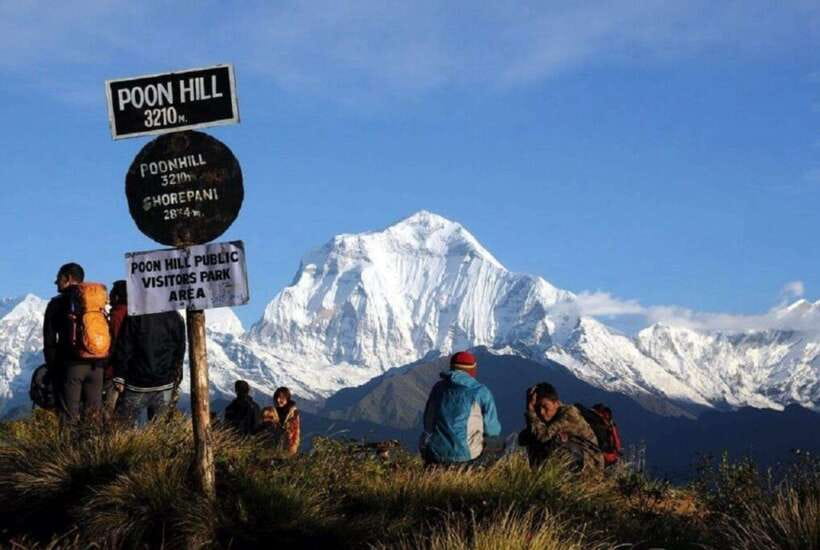
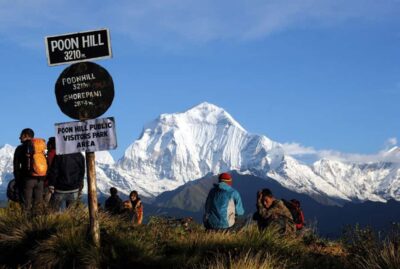
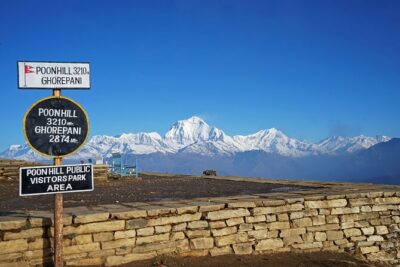
- Poon Hill reaches 3,210 meters: The sunrise viewpoint brings Annapurna I, Dhaulagiri I, Machapuchare, Annapurna South, and other high peaks into view.
- Ghandruk gives the trek its cultural heart: This Gurung village preserves traditional customs and offers a slower, more local experience than a simple mountain viewpoint.
- Ulleri introduces Magar hospitality: Your first overnight stop brings you into a mountain community rather than sending you straight to a lodge with no local connection.
- Rhododendron forest adds color to the route: The second day passes through forest, villages, and possible wildlife habitat on the way to Ghorepani.
- A private guide makes the pace more personal: English service, hotel pickup, permits, and guide expenses are covered, and the guide can help when the stairs become tiring.
- The price covers useful basics: Transportation, tourist-standard private accommodation, government permits, TIMS, a first-aid kit, and optional trekking equipment are included.
Why this four-day trek works from Pokhara
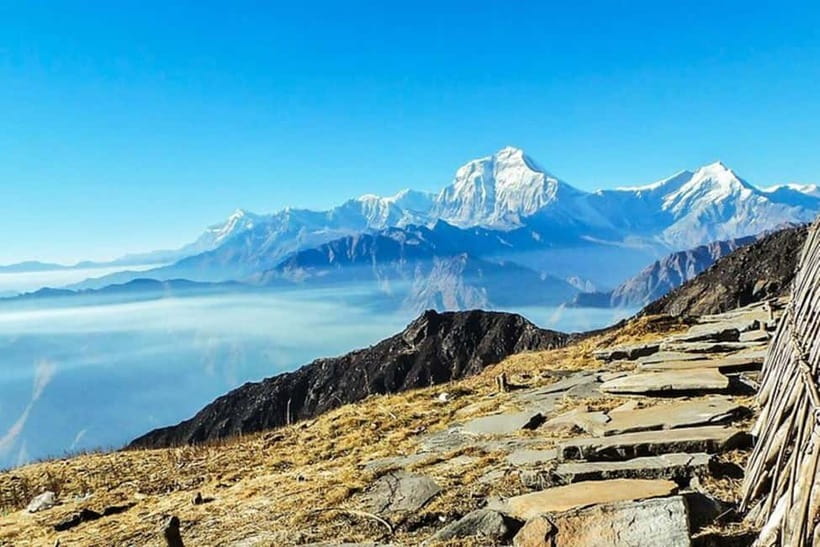
The Poon Hill Trek is one of Nepal’s better short mountain routes. You get high Himalayan views without committing to a long expedition, and you sleep in villages rather than returning to Pokhara each night.
At $208 per person, the price is appealing because it covers more than guiding. Pickup and drop-off from a hotel in Lakeside Pokhara or from the airport are included, along with round-trip transport, government permits, TIMS, taxes, accommodation, and the guide’s food, lodging, salary, insurance, transportation, and equipment.
You still need to budget for meals. The stated estimate is about $20 per person per day, which puts the basic four-day food allowance near $80. Gratitude for the guide is optional, and you should also check whether your own personal snacks, drinks, or extra purchases fit within your budget.
This is a private group experience, which matters on a trek. You are not tied to a large party moving at one fixed speed. The itinerary still has set stops, but a private guide can usually make the day feel less rushed and give more attention to your needs. That personal support proved useful for Linus, who found guide Gobinda especially helpful when tired and dealing with cramped leg muscles. Gobinda even provided a foot massage on one difficult day.
Do not read that as a promise of medical care. It simply shows the value of a guide who pays attention. You should still prepare your legs before the trip, especially for repeated stairs.
More Ghorepani and Poon Hill Treks:
- Pokhara: 2 & 3 Days Ghorepani Poon Hill Private Guided Trek
★ 4.9 · 27 reviews - From Pokhara: 10-Day Poon Hill and Annapurna Base Camp Trek
★ 5.0 · 7 reviews - Pokhara: 2-Day Short & Sweet Ghorepani Poon Hill Guided Trek
★ 5.0 · 6 reviews
Day one: Pokhara to Nayapool and uphill to Ulleri
Your morning begins with hotel pickup after breakfast. A vehicle takes you from Pokhara to Nayapool, the point where the walking starts.
From Nayapool, you trek toward Ulleri, at about 2,070 meters. The walking time is listed as five to six hours. That is a substantial first day, especially after the road transfer, so good footwear and a light day bag matter.
Ulleri is more than a place to sleep. It is associated with the Magar community, and the overnight stop gives you a first chance to experience local hospitality and mountain culture. Dinner and accommodation are arranged at a tourist-standard lodge.
The practical challenge is the climb. You are gaining altitude on day one rather than easing into the route with a flat approach. If you are new to trekking, take the first hours slowly and use the walking poles provided if required. A steady pace is wiser than trying to prove something before the first lunch break.
A duffel bag, trekking bag, or trekking poles can be supplied if needed. Ask about these arrangements before departure so you know what you are carrying. Large luggage is not allowed on the activity, but your main luggage can be stored in Pokhara during the trek.
Day two: Ulleri to Ghorepani through forest
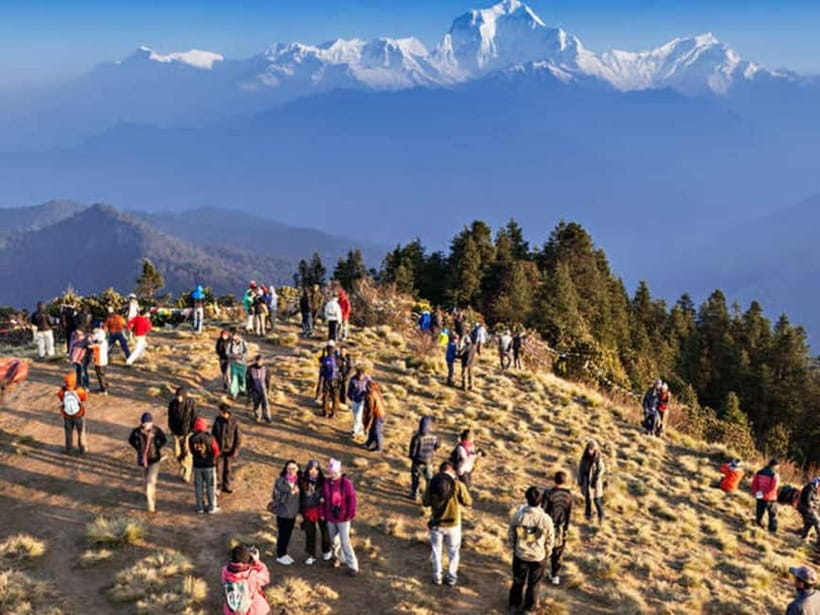
After breakfast, you continue from Ulleri to Ghorepani, which sits at about 2,850 meters. The day takes another five to six hours and brings more altitude, more stairs, and a greater sense of being in the Annapurna region.
The route passes through rhododendron forest and local villages. In spring, rhododendrons can provide a colorful reason to choose this season, while autumn is often favored for mountain views. The information for this trek also notes the possibility of seeing wildlife, though no particular animal sightings are guaranteed.
Lunch is arranged at Nangethati. That planned break divides the day in a useful way. You can eat, rest your legs, and continue toward Ghorepani without treating the full route as one long push.
Ghorepani is a key overnight stop because it positions you for the early climb to Poon Hill. The altitude is high enough that you may notice the effort more than on day one. You should keep drinking water and tell your guide if you feel unwell, rather than hiding symptoms to keep pace.
The lodge is described as tourist standard, not luxury. Expect a practical mountain stay rather than a resort. The value lies in having a bed, a meal option, and a base close to the sunrise climb.
Day three: Poon Hill sunrise and the long walk to Ghandruk
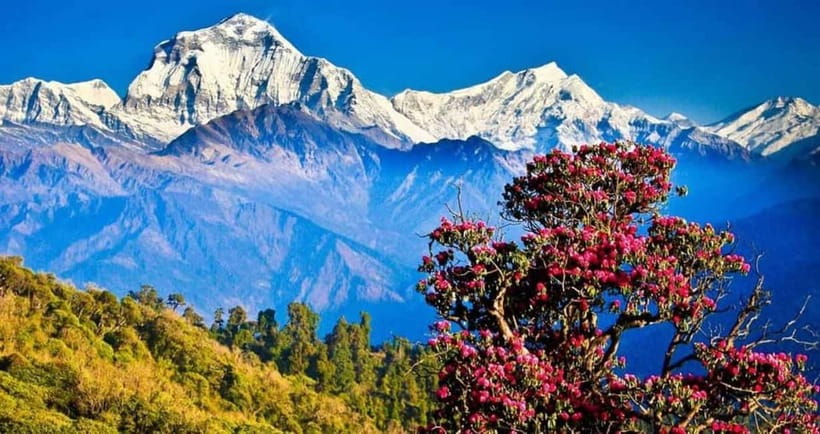
Day three is the visual centerpiece. You hike from Ghorepani to Poon Hill, at about 3,210 meters, to watch sunrise over the mountains.
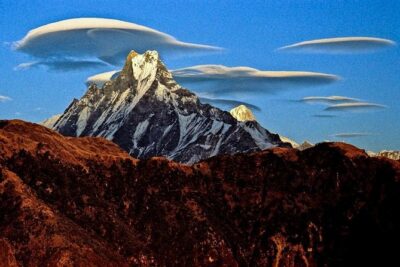
Poon Hill overlooks the Annapurna Massif and the Dhaulagiri range. On a clear morning, the view can include Annapurna I at 8,091 meters, Dhaulagiri I at 8,167 meters, Annapurna South at 7,219 meters, Machapuchare at 6,993 meters, Hiunchuli, Annapurna III, Dhampus Peak, Dhaulagiri II, and other high summits.
The sunrise is the reason many people choose this route. The mountains change as the light reaches their faces, and the early start gives the viewpoint a strong sense of occasion. You should bring warm layers, since the morning climb and viewing period can feel cold even when Pokhara feels mild.
After the viewpoint, you return to the lodge for breakfast. Then the trek continues toward Ghandruk, with lunch arranged at Tadapani. The day is listed at five to six hours, but it can feel demanding because it combines an early uphill walk with a second leg to a lower village.
Ghandruk sits at about 1,940 meters, so the drop from Poon Hill is considerable. The descent may feel easier on your breathing, but it can be hard on knees and thighs. Trekking poles are useful here, particularly on uneven steps.
Ghandruk is one of the strongest parts of the itinerary. It is a Gurung village with traditional customs and culture preserved to the present day. This is where the trek shifts from mountain scenery to a closer look at community life. Your accommodation and evening settle-in are arranged here.
The stop also gives you a chance to see village life without squeezing it into a short roadside visit. You can walk at a slower pace, notice the older traditions, and prepare for the final descent.
More Treks and Hikes:
- Pokhara: 7 Day Annapurna Base Camp Trek
★ 4.9 · 38 reviews - Pokhara: 1-Day Scenic Australian Camp & Dhampus Guided Hike
★ 4.9 · 24 reviews - From Pokhara: Day Hiking Australian Camp & Dhampus
★ 5.0 · 17 reviews - Pokhara: 4-Day Mesmerizing Mardi Himal Guided Trek
★ 4.8 · 9 reviews
Day four: Ghandruk back to Pokhara
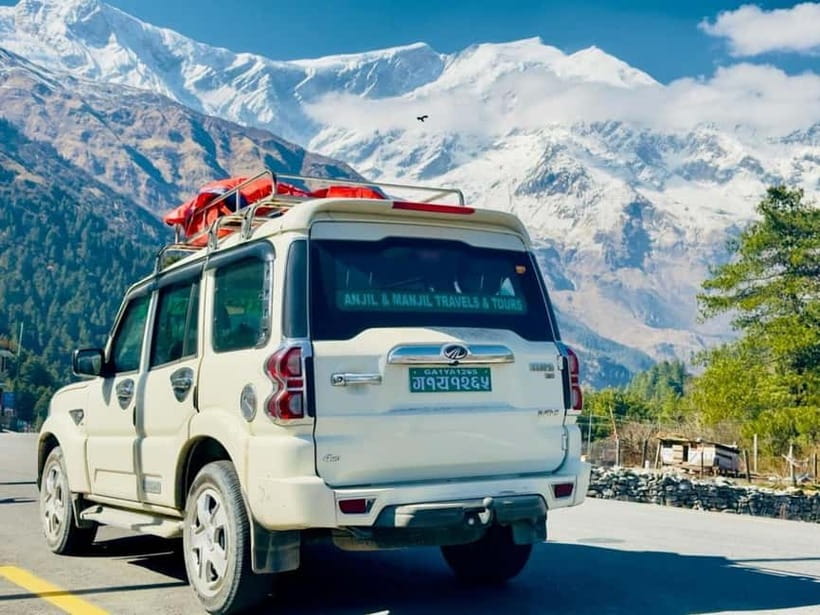
The final morning begins in Ghandruk. The plan allows time to enjoy the first sunlight over the village and have a traditional Gurung breakfast.
That detail is worthwhile. A mountain trek can become a chain of distances and elevations, but breakfast in Ghandruk gives the trip a human ending. You are not simply checking off a viewpoint and racing back to town.
After breakfast, you hike downhill to Nayapool. A vehicle waits there to take you back to your hotel in Pokhara. The final descent can still be tiring, especially after three days of stairs, so keep some water and a snack accessible.
The return transport is included, as is hotel pickup and drop-off within Lakeside Pokhara. Airport pickup and drop-off are also listed, which may help if your Nepal schedule is tight. The stated pickup area for hotels is Lakeside, so confirm the arrangement if you are staying elsewhere.
The guide and porter support
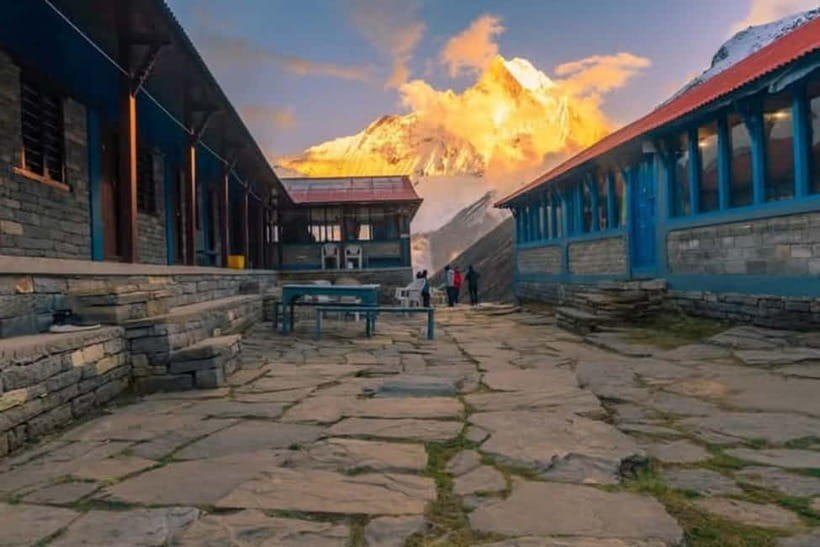
The guide is a major part of the experience. English-language guiding is provided by a government-registered trekking guide, and the package covers the guide’s food, accommodation, insurance, salary, transport, and equipment.
Gobinda is specifically associated with this trek. His support included helping with bags when the route became difficult, offering practical help when fatigue set in, and assisting with a cramped foot. Another named helper, Sundeep, carried a bag of clothes for B, which reduced the load during the walk.
The package also includes a first-aid kit. That is useful, but it does not replace your own preparation or travel insurance. Bring personal medication and tell your guide about any health concern before the first walking day.
If you need a duffel bag, trekking bag, or poles, the operator can provide them if required. Clarify what is available and whether you need to request it in advance. Since large bags are not allowed, pack only what you need for the four days and leave the rest in Pokhara storage.
What the $208 price really buys
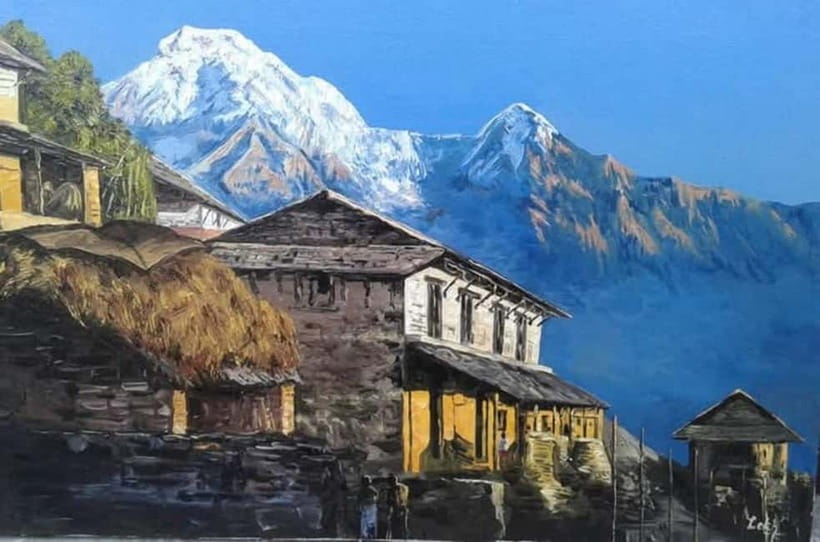
The $208 base price has solid value for a private four-day trek. You are paying for a guide, road transfers, accommodation, permits, TIMS, taxes, luggage storage, and support equipment. Buying each item separately could take more time and make the trip harder to organize.
The main extra is food. At approximately $20 per person per day, meals may add around $80 across the four days. Gratitude is optional, though many people choose to thank a guide or porter for personal help.
The accommodation is tourist-standard lodge accommodation, described as private. That is a useful middle ground. You avoid carrying camping equipment, but you should not expect city-hotel facilities in mountain villages.
The package also includes free cancellation up to 24 hours before the experience and a reserve-now, pay-later option. Those terms make it easier to hold a place while your Pokhara plans settle, but you should still check the current start time and availability before committing.
Best seasons, fitness, and what to pack
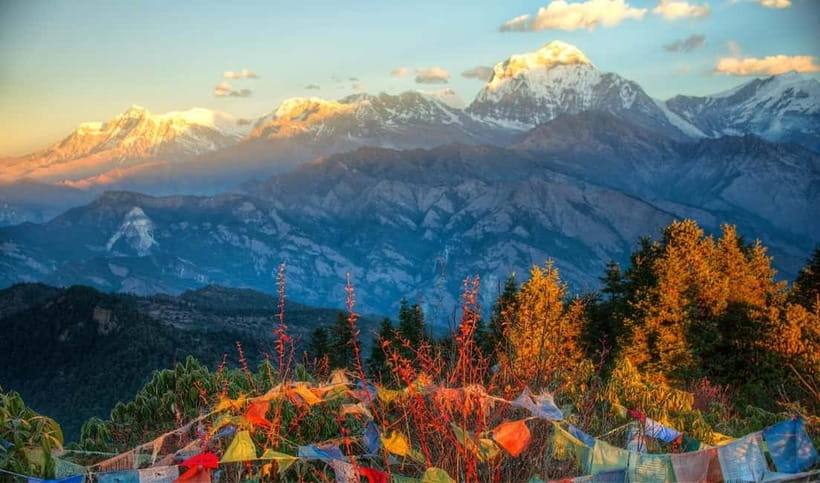
Spring and autumn are identified as the best seasons for this trek. Spring suits anyone hoping for rhododendron color, while autumn is a strong choice for clear mountain views. Weather can affect the sunrise, so Poon Hill is not a guaranteed clear-sky photograph.
You do not need expedition-level fitness, but you do need to handle repeated stairs and five to six hours of walking. The route is described as manageable for novice and experienced trekkers, yet manageable does not mean effortless.
Bring your passport or a copy and a passport-sized photo. You should also pack practical layers, comfortable walking shoes, rain protection, a small personal bag, and any medication you need. Large bags and pets are not permitted, although assistance dogs are allowed.
The operator provides permits, TIMS, a first-aid kit, and some trekking equipment if needed. Responsible trekking is still your job. Carry waste out when required, respect village customs, and treat local homes and traditions as part of a living community rather than a backdrop for photographs.
Who should book this Poon Hill Trek
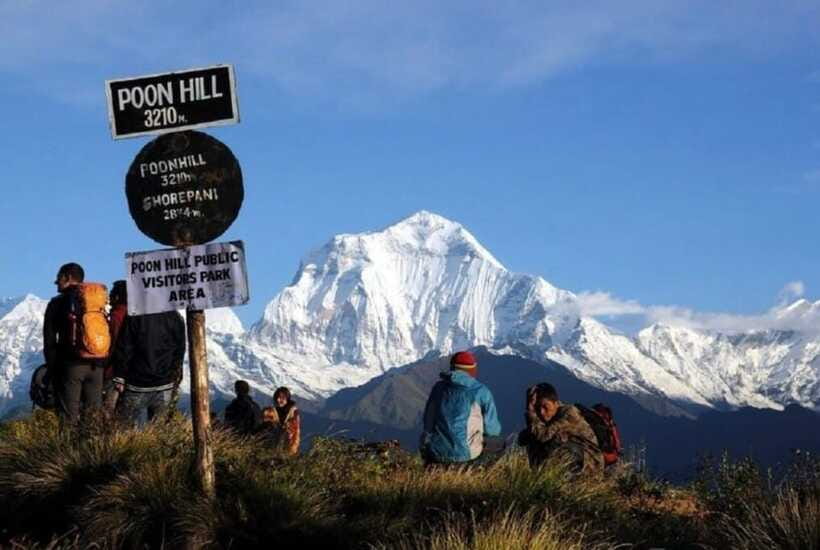
I would recommend this trek to you if you want a compact introduction to Nepal’s mountain routes, prefer a private group, and care about both scenery and village culture. It suits people who want teahouse accommodation instead of camping and who appreciate having transport and permits arranged.
It is also a good fit if you have only four days available from Pokhara. The route gives you a sunrise viewpoint, two distinct cultural communities, forest walking, and a high-altitude mountain setting without requiring a long trip away from the city.
I would be more cautious if you dislike stairs, struggle with five-hour walking days, or need wheelchair access. The experience is not suitable for wheelchair users or pregnant women. You should also think carefully about the early Poon Hill start and the extra cost of meals.
FAQ
How long is the Poon Hill Trek?
The trek lasts four days, beginning and ending in Pokhara.
Where does the trek start?
A vehicle takes you from Pokhara to Nayapool, where the walking portion begins.
How high is Poon Hill?
Poon Hill is approximately 3,210 meters, or 10,530 feet, above sea level.
Where do you sleep during the trek?
Accommodation is provided in private tourist-standard lodges in Ulleri, Ghorepani, and Ghandruk.
Are meals included in the price?
Meals are not included in the stated price. They are available to purchase at an estimated cost of about $20 per person per day.
Is transportation included?
Yes. Round-trip transportation is included, along with pickup and drop-off from any hotel within Lakeside Pokhara or from the airport.
Are trekking permits included?
Yes. Government permits, TIMS, and taxes are covered.
Is a guide included?
Yes. An English-speaking, government-registered trekking guide leads the private group. The guide’s food, accommodation, insurance, salary, transportation, and equipment are included.
What should you bring?
Bring your passport or a copy and a passport-sized photo. Large luggage is not allowed, but luggage storage is available in Pokhara during the trek.
Should you book it?
Book this trek if you want big Himalayan views in a short schedule and you value personal support more than luxury. The sunrise from Poon Hill is the headline, but Ghandruk and Ulleri give the route its character, and guide Gobinda’s attentive help can matter when the stairs begin to test your legs.
At $208, the package is fairly priced for what it includes, though you should add meal costs and prepare for a demanding walking rhythm. If you can handle long stair sections, pack light, and choose spring or autumn, this is a practical and memorable way to see the Annapurna region from Pokhara.
Just added around Annapurna Region
- Pokhara: Annapurna Foothills Private Day Hike with Transfers★ 5.0 · 3 reviews
- From Pokhara: Annapurna View Day Hike★ 5.0 · 3 reviews
- Pokhara: 5-Day Annapurna Base Camp Trek with Hot Spring★ 5.0 · 3 reviews
- Annapurna Circuit Trekking 13 Days★ 4.5 · 3 reviews
- Pokhara: 3 days Trek to Poon hill★ 5.0 · 3 reviews
- Pokhara: 3- days Poon Hill Trek★ 5.0 · 3 reviews
- Pokhara: 3-Day Ghorepani, Poon Hill and Ghandruk Guided Trek★ 4.4 · 4 reviews
- Pokhara: Hike To Australian Base Camp★ 3.5 · 4 reviews
Ghorepani Poon Hill Treks, compared.
4-Day Ghorepani, Poonhill & Ghandruk Mountain Trek
Read our review →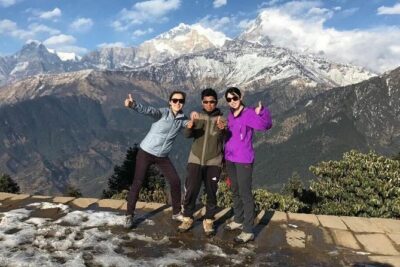
Browse the lists this tour appears in