
Reviewed · TIBETAN CULTURE TOURS
Pokhara: Private Half-Day Tour and Tibetan Culture Tour
Pokhara packs a lot into a small area. This private three-hour outing links the International Mountain Museum, Devi’s Falls, Gupteshwor Mahadev Cave, and a Tibetan community in one compact ride around town. I like the door-to-door transport, and I like the mix of nature, mountain culture, religion, and living Tibetan traditions. The main caution is simple: entrance fees are extra, and the quality of guiding can depend heavily on who arrives at your hotel.
I also like the private format. You can set the pickup time, move at your own pace, and ask for photos or explanations without sharing a vehicle with strangers. But you should confirm the exact duration and guide service before paying, since one booking lasted only about two hours and felt more like a taxi transfer than a guided tour.
In This Review
- Key points to know before booking
- What this Pokhara tour is really designed to do
- Starting at the International Mountain Museum
- Watching the water at Devi’s Falls
- Crossing to Gupteshwor Mahadev Cave
- Meeting Tibetan culture in Pokhara
- The private vehicle and guide experience
- Timing: three hours on paper, less in practice for some
- Understanding the real price
- Who should book this experience?
- Six practical questions to ask before departure
- FAQ
- How long is the Pokhara private tour?
- What attractions are included in the route?
- Are entrance tickets included in the $24 price?
- Is hotel pickup available?
- What languages does the guide speak?
- Can I cancel the booking?
- Should you book the Pokhara private half-day tour?
Key points to know before booking
- Four compact stops: The tour covers the Mountain Museum, Devi’s Falls, Gupteshwor Cave, and the Tibetan Refugee Camp.
- Private vehicle and hotel pickup: Transport is arranged within Pokhara city limits, with pickup and return options in Pokhara or Lakeside.
- A strong cultural finish: The Tibetan stop includes a monastery, community visit, handicraft center, and time for shopping.
- Budget carefully: The $24 price does not include admission tickets, snacks, drinks, or souvenirs.
- Guide quality matters: Prakash, Rajkumar Lamichhane, Kiran, and Prakash Ghimire received especially warm praise for kindness, driving, photos, and cultural explanations.
- Best for a short first look: This works well when you have only a few hours and want several major sights without arranging separate taxis.
What this Pokhara tour is really designed to do
This is not a slow, single-site cultural visit. It is a quick sampler of Pokhara’s southern sights, with a private car doing the connecting work. You get a little museum time, a waterfall, a cave shrine, and a Tibetan community visit before returning to town.
The advertised price is $24 per person, which can be fair if you value a private vehicle and a guide who explains what you are seeing. It is less attractive if you mainly need transportation. Pokhara taxis and scooters can be inexpensive, and the four stops are relatively close together, so the tour earns its price through good commentary and smooth coordination.
That distinction matters. A strong guide can turn a cave, waterfall, or museum into a useful lesson about Nepal. A weak guide leaves you paying for a car ride with admission tickets added on top.
The format is best for couples, families, or solo visitors who want privacy. It also suits a first day in Pokhara, when you want someone else to handle the route and help you understand the city. If you have plenty of time and enjoy exploring independently, you may find it cheaper to visit these sights on your own.
More Half-Day Tours in Pokhara
- Upper Seti: Half-Day White Water Adventure
★ 5.0 · 87 reviews - Private Half Day Tour Highlights of Pokhara by Car
★ 4.5 · 36 reviews - Half Day Tibetan Cultural tour Pokhara
★ 5.0 · 36 reviews
Starting at the International Mountain Museum
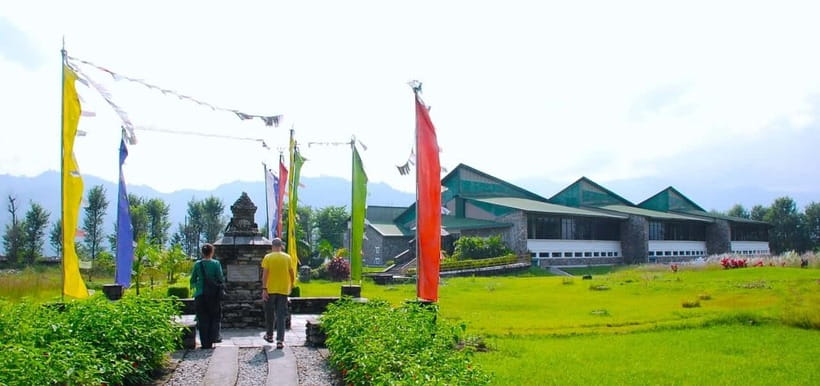
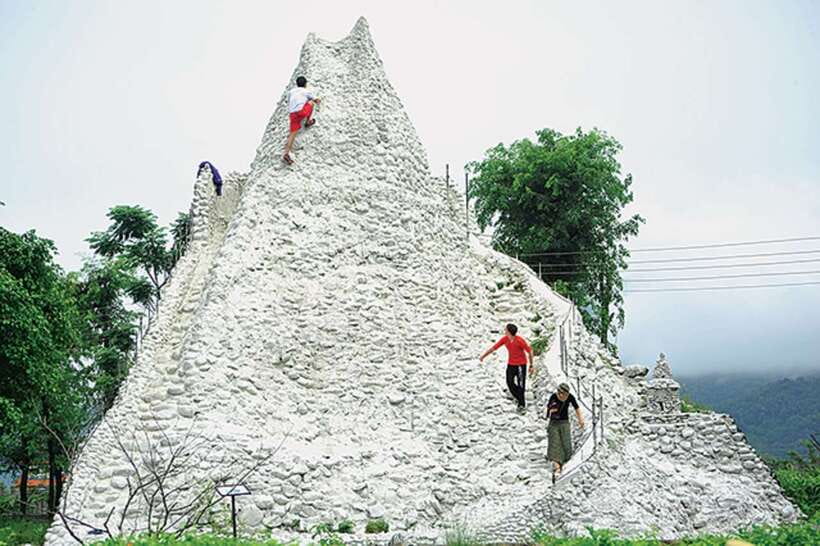
The International Mountain Museum is the most substantial stop on the schedule, with about an hour set aside for a guided visit. It focuses on the Himalayan mountains, mountaineering, mountain communities, and the cultures connected to high-altitude regions.
I like starting here because it gives context to the rest of a Pokhara visit. The city is closely linked with trekking and Himalayan travel, but it is easy to treat the mountains as scenery alone. Museum exhibits help connect the peaks with climbing history, local communities, equipment, and the people who live in these regions.
You should expect displays rather than an active outdoor experience. This is the place for background and orientation, not dramatic mountain views from a trail. The scenic drive on the way adds some visual interest, but the value comes from the exhibits and the guide’s ability to explain them.
The one-hour timing is useful, though not generous for a serious museum enthusiast. If you read every display carefully, you may want more time. On a short tour, listen for the guide’s main points and use the visit to decide if you want to return later on your own.
Ask specific questions here. What do the exhibits show about mountaineering? How do different Himalayan communities live? Which parts of the collection relate to Nepal rather than mountain climbing in general? The answers will tell you quickly whether your guide is offering real cultural insight or simply escorting you from room to room.
Watching the water at Devi’s Falls
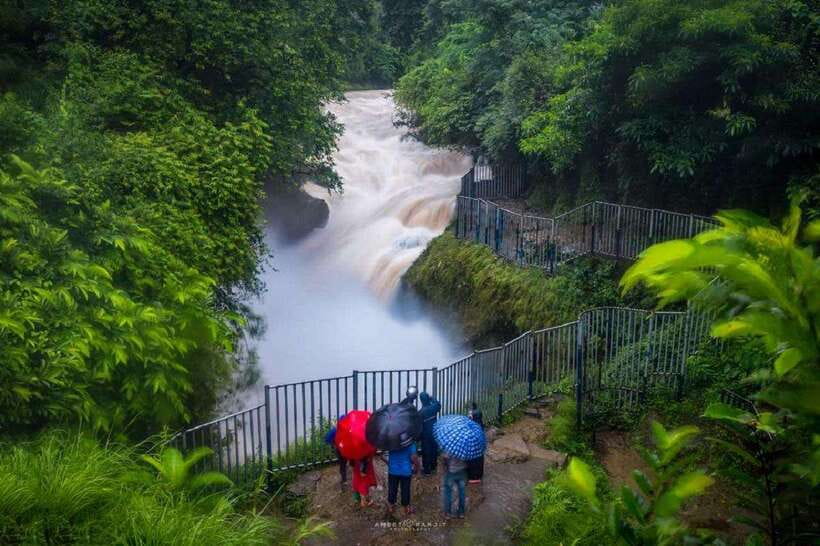
The next stop is Devi’s Falls, scheduled for about 30 minutes. This is a short visit, mainly for seeing the waterfall, hearing the guide’s explanation, and taking photographs.
The striking feature is the water’s underground flow. Instead of simply dropping into an open river, the falls disappear below ground, giving the site an unusual character. The waterfall is a natural attraction, but it also has a strong local identity and is one of Pokhara’s familiar sightseeing stops.
Thirty minutes is normally enough for a photo stop and a brief look. You should not expect a long nature walk or a quiet wilderness setting. This is a managed attraction, and the visit is focused and practical.
Bring shoes with a secure grip, especially if you plan to move around near wet ground. The tour information does not promise special walking equipment, so ordinary comfortable shoes are the sensible choice. Keep your passport or another form of identification with you as requested, though admission arrangements are handled during the visit.
A good guide should explain more than where to stand for a picture. Ask about the unusual underground course and the local meaning of the site. That small conversation can make the stop feel less like a standard photo break.
Crossing to Gupteshwor Mahadev Cave
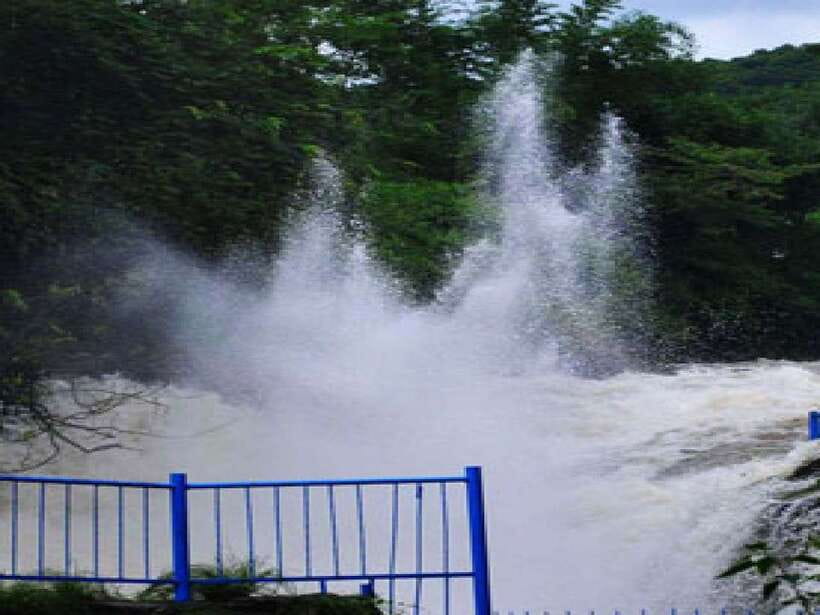
From Devi’s Falls, the group walks for about 10 minutes to Gupteshwor Mahadev Cave. This short connection is one of the tour’s practical strengths. You do not need to climb back into the vehicle for a very nearby attraction, and the cave visit is given about an hour.
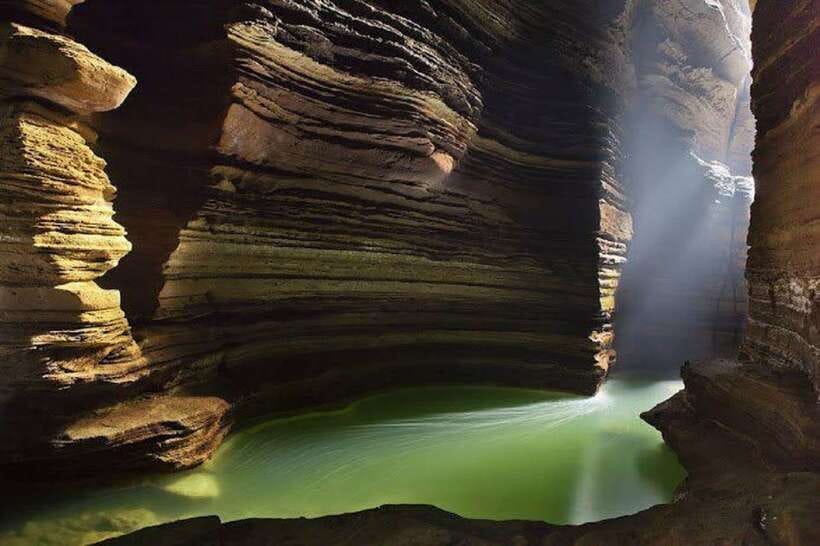
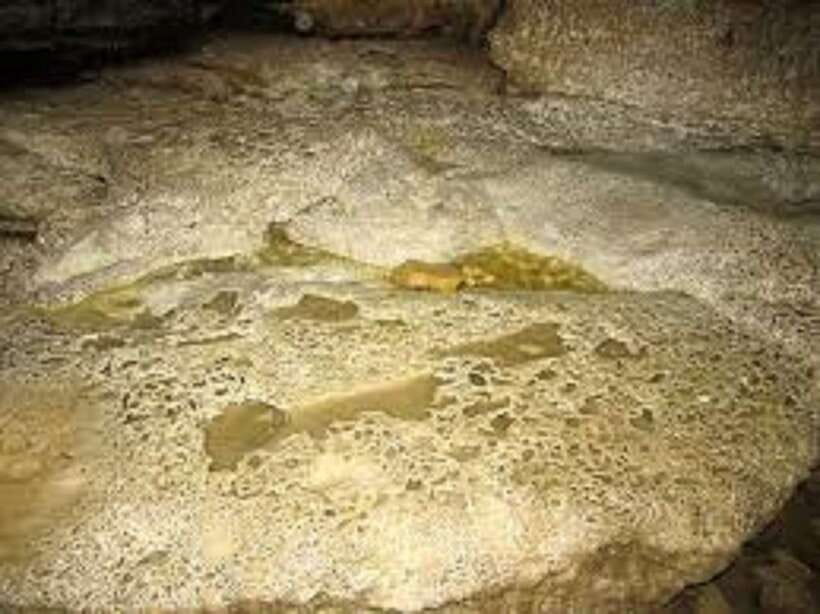
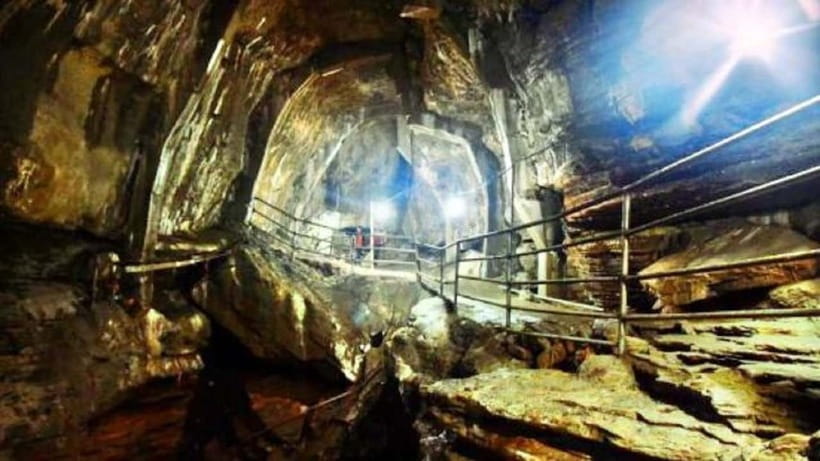
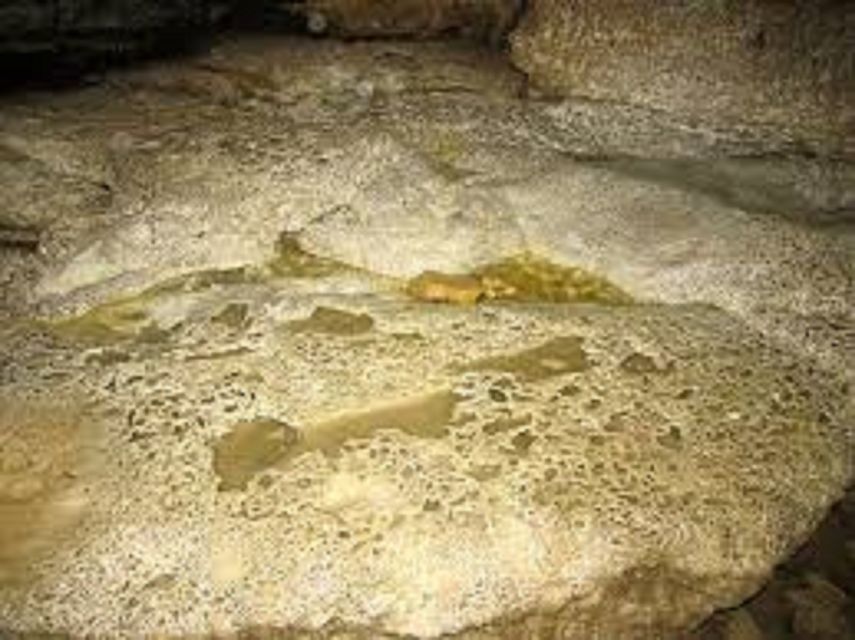
Gupteshwor Mahadev Cave combines natural rock formations with Hindu worship. Inside, you will find a shrine dedicated to Lord Shiva, making this more than a geological stop. The cave has a sacred atmosphere, and your guide should help you understand the religious role of the shrine while pointing out the rock features.
I find this pairing with Devi’s Falls especially sensible. The waterfall draws you to the area, and the cave adds a very different layer. One is open and forceful, the other enclosed and devotional. Together, they provide more variety than two similar scenic stops.
The cave may feel uneven or confined in places. The provided information does not give details about lighting, steps, or access conditions, so you should be prepared for a normal cave visit rather than a polished museum environment. Wear practical shoes and take your time.
The hour allows for a proper look, photographs, and a guided explanation. It also gives you enough time to notice the difference between a tourist attraction and an active religious place. Dress and behave respectfully around the shrine, and follow any instructions given at the site.
More Tibetan Settlement Visits:
- Full-Day Tibetan Cultural Tour to Tibetan Settlements Pokhara
★ 5.0 · 184 reviews - Afternoon Tibetan Cultural Tour to Tibetan Settlements Pokhara
★ 5.0 · 106 reviews - Morning Tibetan cultural tour to Tibetan settlements Pokhara
★ 5.0 · 66 reviews - Afternoon Tibetan cultural tour
★ 5.0 · 41 reviews
Meeting Tibetan culture in Pokhara
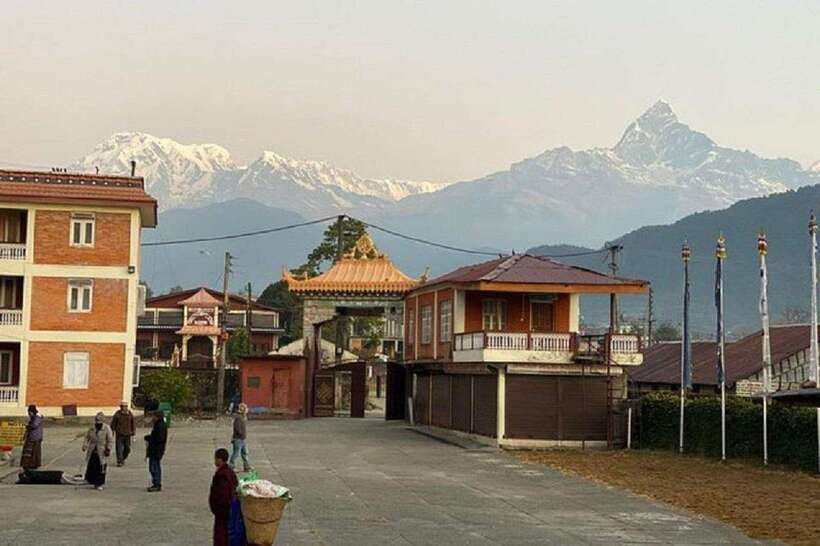
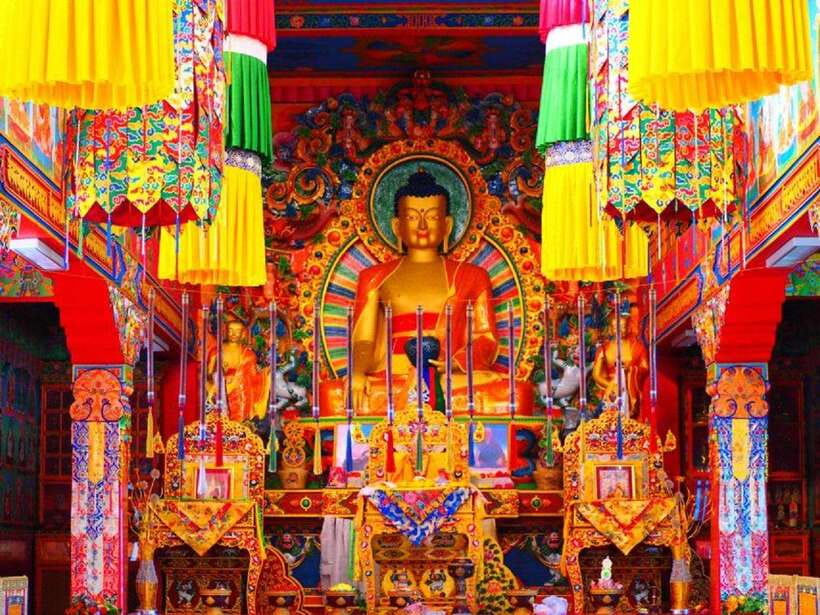
The final major stop is the Tibetan Refugee Camp, with roughly 45 minutes for a visit, walking, sightseeing, and free time. This is the cultural heart of the tour.
You can learn about Tibetan traditions and history, visit a monastery, and see a handicraft center. The stop also allows time to buy Tibetan artifacts and souvenirs. That shopping element is not just a retail add-on. Handicrafts are tied to the community’s identity and provide a direct way for you to support local makers.
Still, keep your expectations realistic. Forty-five minutes is enough for an introduction, a short walk, and some browsing. It is not enough for a detailed study of Tibetan settlement, religion, craft production, and modern community life. The quality of the visit will depend on how clearly your guide explains what you are seeing.
Ask about the monastery, the community’s traditions, and the role of the handicraft center. If you are interested in buying something, take your time comparing items instead of treating the stop as a rushed souvenir run. Personal expenses are not included, so bring money if you plan to shop.
This part of the tour gives the schedule a human dimension. The museum presents mountain cultures through exhibits, while the Tibetan stop connects you with a living community. That contrast is one of the strongest reasons to choose this tour over a simple waterfall-and-cave outing.
The private vehicle and guide experience
Private, air-conditioned transportation is included throughout, along with hotel pickup and drop-off within Pokhara city limits. You can choose pickup in Pokhara or Pokhara Lakeside, and the return is arranged for Pokhara or Lakeside.
That convenience saves planning time. You do not need to negotiate several separate rides, locate the cave after visiting the falls, or arrange a return from the Tibetan community. For families and visitors carrying day bags, the private vehicle is useful.
The guide is supposed to provide commentary in English or Hindi. This is where the experience can vary sharply. The most praised guides were Prakash, Rajkumar Lamichhane, Kiran, and Prakash Ghimire. Their strengths included careful driving, patience, local explanations, good conversation, and taking photographs.
One particularly positive account praised Prakash for considerate driving and for knowing the history of the places visited. Rajkumar was appreciated for allowing plenty of time for photographs, while Kiran and Prakash Ghimire were praised for helping visitors learn about Nepal and adapting to their pace.
You should not assume every booking will receive the same level of service. Some visitors found the English communication difficult and received vague answers about local customs and history. Before setting off, ask your guide what the schedule includes and make it clear that you want commentary at each stop, not only transport and ticket assistance.
Communication through WhatsApp can be convenient for arranging pickup. It is worth confirming the meeting point and start time in writing, especially if you are staying somewhere outside the main Lakeside area but still within the city limits.
Timing: three hours on paper, less in practice for some
The stated duration is three hours, with the stop times adding up to about three hours and 25 minutes once you include the 10-minute walk. That suggests the schedule is compact and may involve limited traffic delays or tightly managed visits.
One detailed booking lasted around two hours instead of the expected longer outing. That is a serious concern if you are planning another activity afterward or choosing the tour because you want a full half-day. I would confirm the expected start and finish times before departure and ask how much time will be spent at each attraction.
Pokhara traffic, ticket queues, and pickup delays can affect the schedule. The tour does offer flexibility in pickup time, which one visitor found very helpful, but flexibility should not mean losing time at the sights.
The tour does not include the World Peace Pagoda. If you ask to add it, confirm the price before agreeing. An extra $30 was quoted for that addition in one case, so do not assume a nearby extension will be included at no cost.
Understanding the real price
At $24 per person, the headline price looks attractive for a private tour with transport, a guide, and bottled water. Hotel pickup and drop-off add value, especially if you have limited time or do not want to arrange several short rides.
The important catch is that all attraction admission fees are excluded. You also pay for food, snacks, drinks beyond the supplied bottled water, and purchases at the Tibetan handicraft center.
Budget for the extra tickets before you book. One visitor calculated that the total cost reached roughly €50 after paying admission for four places. The exact amount can vary, but the point is clear: the $24 is not the complete sightseeing cost.
I would compare the final total with the price of hiring a taxi or using scooters. If you are comfortable navigating independently, self-guided transport may cost less. If you want a private car, a single point of contact, help at the entrances, and explanations from a good guide, the package can still be worthwhile.
The best value comes when you use the guide actively. Ask questions, request context, and ask for a little extra time at the museum or cave if the schedule allows. If the guide only drives and buys tickets, the value drops quickly.
Who should book this experience?
I would recommend this tour to you if you want a short, private introduction to Pokhara and prefer not to arrange local transport yourself. It is especially practical for a first visit, a free morning, or a day when you want several different types of sights without a full-day commitment.
It also suits visitors who enjoy a mix of subjects. The museum covers mountain life and mountaineering, Devi’s Falls provides a natural stop, Gupteshwor Cave adds religion and geology, and the Tibetan community offers culture and shopping.
Families may appreciate the private vehicle and flexible pace. Couples and solo visitors can avoid joining a larger group. The tour is also useful if you want photographs, since several highly praised guides were happy to take pictures.
I would hesitate if your main goal is a detailed cultural tour. The schedule is short, and the Tibetan visit is only about 45 minutes. I would also hesitate if admission fees would push your budget too high or if you prefer to explore independently.
Six practical questions to ask before departure
Ask who your guide will be and whether the person will provide explanations at every stop. A driver who knows the route is not automatically a guide who can discuss history, religion, or Tibetan culture.
Ask for the total expected cost, including all entrance fees. The supplied bottled water is included, but meals, snacks, drinks, and souvenirs are not.
Ask how long the tour will actually last. The advertised schedule is compact, and one booking finished much earlier than expected.
Ask how the Tibetan community visit is organized. Confirm that it includes the monastery and handicraft center, not simply a quick stop for shopping.
Ask about pickup and drop-off locations if you are staying beyond central Pokhara. The included service applies within Pokhara city limits.
Bring your passport or ID card, comfortable shoes, water if you need more than one bottle, and a little extra time in case the schedule shifts.
FAQ
How long is the Pokhara private tour?
The stated duration is three hours. The listed stop times total about three hours and 25 minutes, including the 10-minute walk from Devi’s Falls to Gupteshwor Cave, so confirm the exact timing with the provider.
What attractions are included in the route?
The tour visits the International Mountain Museum, Devi’s Falls, Gupteshwor Mahadev Cave, and the Tibetan Refugee Camp in Pokhara.
Are entrance tickets included in the $24 price?
No. Admission fees for the attractions are not included. Meals, snacks, personal drinks, souvenirs, and other personal expenses are also separate.
Is hotel pickup available?
Yes. Hotel pickup and drop-off are included within Pokhara city limits. Pickup options include Pokhara and Pokhara Lakeside, with return options in Pokhara or Pokhara Lakeside.
What languages does the guide speak?
Live guiding is offered in English and Hindi.
Can I cancel the booking?
You can cancel up to 24 hours in advance for a full refund. The activity also allows you to reserve now and pay later.
Should you book the Pokhara private half-day tour?
Book it if you value private transport, a compact route, and variety more than the lowest possible cost. The museum, waterfall, cave, and Tibetan community create a well-balanced introduction to Pokhara, and the best guides can make the short schedule feel worthwhile.
Do not book blindly. Confirm the guide’s role, the true duration, and the extra admission costs before you commit. If you receive a guide like Prakash, Rajkumar Lamichhane, Kiran, or Prakash Ghimire, the experience may feel personal and rewarding. If the service amounts to little more than driving between nearby sights, a taxi and your own research may be better value.
More Half-Day
- Pokhara: Half Day Upper Seti Rafting & Paragliding adventure
★ 4.8 · 34 reviews - Half-Day Private Pokhara Tour
★ 5.0 · 27 reviews - Morning Half Day Tibetan cultural tour to Tibetan Settlements
★ 5.0 · 26 reviews - Sarangkot Sunrise with a half day Tibetan cultural tour
★ 5.0 · 13 reviews
Just added around Pokhara
- Double Dare: Tandem Bungee Adventure★ 4.3 · 3 reviews
- Exhilarating Pokhara-Kathmandu Bus Journey Experience★ 3.5 · 3 reviews
- 3 Day Australian Camp Dhampus Ghandruk Easy Trek in Pokhara★ 3.5 · 3 reviews
- Paragliding in Pokhara★ 5.0 · 3 reviews
- Seti George and Thrilling Suspension Bridge Tour at Pokhara★ 4.5 · 3 reviews
- Overnight Dhampus Australian Camp Easy Hiking from Pokhara★ 5.0 · 3 reviews
- Full Day Entire Pokhara Tour by Car with Guide★ 4.5 · 3 reviews
- 5 Days Mardi Himal Trek.★ 5.0 · 3 reviews
Tibetan Culture Tours, compared.
Full-Day Tibetan Cultural Tour to Tibetan Settlements Pokhara
Read our review →
Afternoon Tibetan Cultural Tour to Tibetan Settlements Pokhara
Read our review →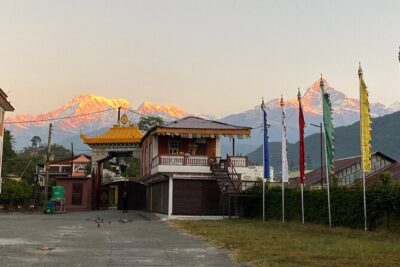
Morning Tibetan cultural tour to Tibetan settlements Pokhara
Read our review →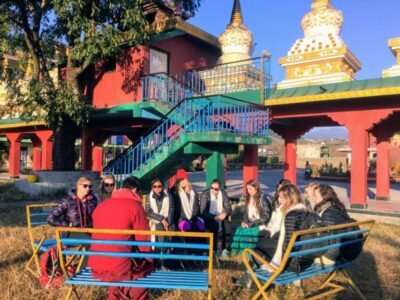
Morning Half Day Tibetan cultural tour to Tibetan Settlements
Read our review →
Sarangkot Sunrise with a half day Tibetan cultural tour
Read our review →
Browse the lists this tour appears in