
Reviewed · HISTORICAL TOURS
Morning Tibetan cultural tour to Tibetan settlements Pokhara
Tibet comes alive beyond the mountain postcards. This 8 to 9 hour Pokhara tour takes you into Tibetan settlements, Buddhist monasteries, schools, and family life with local guide Thupten Gyatso. I like the personal scale, with no more than 15 people, and the chance to eat Tibetan food such as momos and thukpa. The hotel pickup is another strong point, especially for a 5:30 a.m. departure.
The early start is the main drawback. You will spend much of the day moving between settlements and monasteries, so this is not a lazy morning excursion. At $85 per person, the price makes the most sense if you want a full cultural day, not just a quick monastery visit.
In This Review
- Five useful things to know before you book
- Why this Pokhara tour feels different
- The 5:30 a.m. start in Pokhara
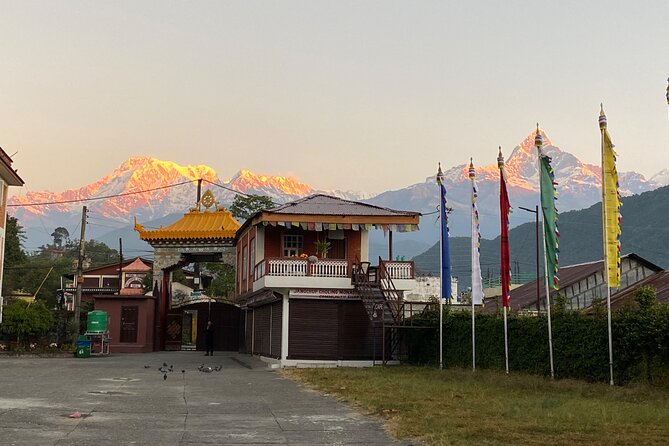
- Jangchub Choeling Tibetan Buddhist Monastery
- Tashi Palkhel and breakfast with a Tibetan family
- Pema Ts’al Sakya Monastic Institute and young monastic life
- Shree Gaden Dhargay Ling and the meaning of Buddhist symbols
- Four hours in Tashi Ling Tibetan Village
- Tibetan food: momos, thukpa, and dietary choices
- Is $85 good value?
- Who should book this experience?
- Practical details that matter
- Should you book the Tibetan cultural tour?
- FAQ
- What time does the Tibetan cultural tour begin?
- How long does the experience last?
- Is hotel pickup available?
- How many people can join the tour?
- Who guides the tour?
- Which Tibetan settlements are visited?
- Which monasteries are included?
- Is food part of the experience?
- Can dietary requirements be accommodated?
- Can I cancel for a full refund?
Five useful things to know before you book
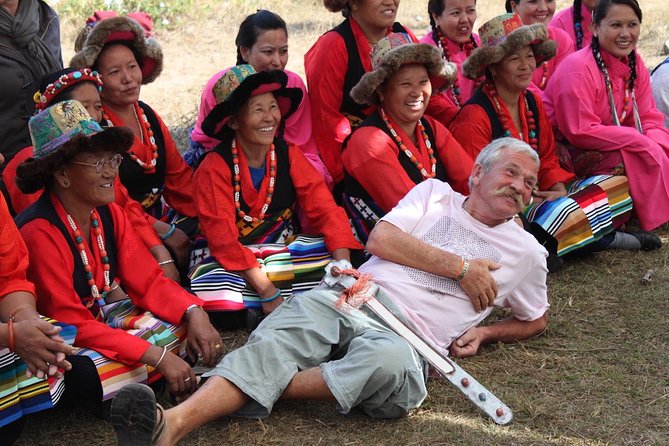
- Thupten Gyatso leads the day: You get a local Tibetan guide who explains culture, religion, history, Buddhist teachings, and refugee life in Nepal.
- Breakfast begins in a Tibetan home: The Tashi Palkhel visit includes a taste of Tibetan food in a local family setting.
- Four religious and community stops add variety: You visit Jangchub Choeling, Pema Ts’al Sakya Monastic Institute, Shree Gaden Dhargay Ling, and the Tashi Ling Tibetan Village.
- Lunch brings momos and thukpa: The food helps turn the day from a sightseeing trip into a cultural experience.
- Small groups keep the day personal: The maximum group size is 15, and group discounts are available.
- Plan for changing weather: The tour operates in all weather, so you need suitable clothing and footwear.
Why this Pokhara tour feels different
Pokhara is often treated as a base for mountain views, boating, and adventure sports. This tour gives you another side of the city: the Tibetan communities that have built homes, monasteries, schools, and working lives in Nepal.
I like that the day does not rely on one photo stop. You move through several settings, from a Buddhist monastery to a family home, then to monastic education and village life. That range matters because Tibetan culture is not only prayer flags and incense. It also includes food, schooling, work, family routines, and the difficult story of displacement.
The guide is central to the experience. Thupten Gyatso explains Tibetan culture and religion while also discussing the lives of Tibetans in contemporary Nepal. One particularly praised part of his approach is the way he connects Buddhist teachings with what you are seeing around you. That can make symbols and rituals easier to understand than if you simply walked through a monastery alone.
The group limit of 15 is useful here. You can ask questions without trying to speak over a large busload, and the guide has a better chance of giving direct answers. This is still a full-day group tour, so the experience will not be entirely private, but it should feel more attentive than a large coach outing.
More History Tours in Pokhara
- Full-Day Tibetan Cultural Tour to Tibetan Settlements Pokhara
★ 5.0 · 184 reviews - Afternoon Tibetan Cultural Tour to Tibetan Settlements Pokhara
★ 5.0 · 106 reviews - Afternoon Tibetan cultural tour
★ 5.0 · 41 reviews
The 5:30 a.m. start in Pokhara
The day begins at 5:30 a.m., with hotel transfers offered for convenience. That is an early hour, so set out your clothes and essentials the night before. The first departure also shapes the whole day: you get a long cultural program, but you need enough energy to stay engaged through the final village visit.
The total duration is about eight to nine hours. Travel between stops takes time, and the listed visit lengths add up to most of the morning and afternoon. The early pickup is not just a minor detail. If you prefer slow breakfasts and late starts, this may feel demanding. If you want to make one day in Pokhara count, it lets you fit several meaningful stops into a single outing.
Pickup is offered, and the tour is near public transportation. The exact pickup arrangements are not specified, so confirm the meeting details when booking. The experience accepts mobile tickets, which is handy if you are carrying a phone rather than printing paperwork.
Jangchub Choeling Tibetan Buddhist Monastery
The first listed stop is Jangchub Choeling Tibetan Buddhist Monastery, with about one hour set aside. Admission is free, and the visit introduces the religious side of the day.
This is where the explanations from Thupten Gyatso can make a real difference. Instead of treating a monastery as a quiet building to photograph, you can ask about Tibetan Buddhist practice, symbols, and teachings. The tour description also links the visit to Tibetan refugee life in Nepal, giving the religious setting a wider social context.
I would approach this stop with respectful curiosity. Dress appropriately for a religious site, listen when the guide explains local customs, and avoid treating prayer areas as ordinary sightseeing spaces. The experience data does not set out specific clothing rules, so sensible, respectful dress is the safest choice.
Tashi Palkhel and breakfast with a Tibetan family

The next stop brings you into Tashi Palkhel Tibetan Settlement for about an hour. Here, you visit a local Tibetan family and taste Tibetan food at their home.
This is one of the most valuable parts of the day because it shifts the focus from institutions to daily life. A monastery can show you religious practice, but a family home gives you a more ordinary view of Tibetan culture. Food provides an easy way into that conversation. You can learn through flavors, customs, and the way a meal is shared.
The experience includes vegetarian, non-vegetarian, and gluten-free food options. If you have dietary needs, tell the operator in advance rather than waiting until the meal is served. The available information does not specify every dish at breakfast, so think of this as a tasting and cultural visit rather than a fixed restaurant menu.
The home setting also calls for good manners. Follow your guide’s lead about where to sit, when to take photographs, and how to thank your hosts. The point is a human meeting, not simply another stop to check off.
More Tibetan Settlement Visits:
- Half Day Tibetan Cultural tour Pokhara
★ 5.0 · 36 reviews - Morning Half Day Tibetan cultural tour to Tibetan Settlements
★ 5.0 · 26 reviews - Pokhara: Private Half-Day Tour and Tibetan Culture Tour
★ 3.8 · 14 reviews - Sarangkot Sunrise with a half day Tibetan cultural tour
★ 5.0 · 13 reviews
Pema Ts’al Sakya Monastic Institute and young monastic life
You then spend about an hour at Pema Ts’al Sakya Monastic Institute. The focus here is education and monastic life, with a young monk available to share insights.
This stop adds an important layer to the tour. Tibetan Buddhism is not only practiced in temples. It is also taught, studied, and carried forward by younger generations. Speaking with a monk can help you understand what daily learning looks like and how religious education fits into community life.
The format is interactive, and you are encouraged to ask questions. That makes this a good place to think beyond basic questions about statues or ceremonies. You might ask about study, discipline, daily routines, or the role of the institute, but keep your questions respectful and let the guide manage the conversation.
The exact schedule for meeting the monk can depend on the day, since the program only states that you will meet a young monk eager to discuss monastic life and education. Still, the stop gives the tour a more direct personal voice than a standard architectural visit.
Shree Gaden Dhargay Ling and the meaning of Buddhist symbols
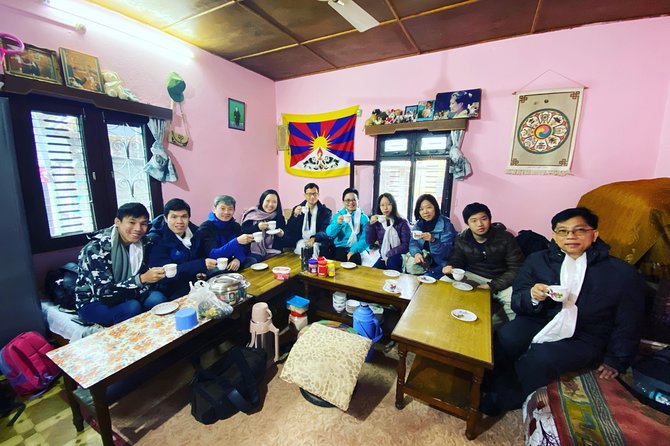
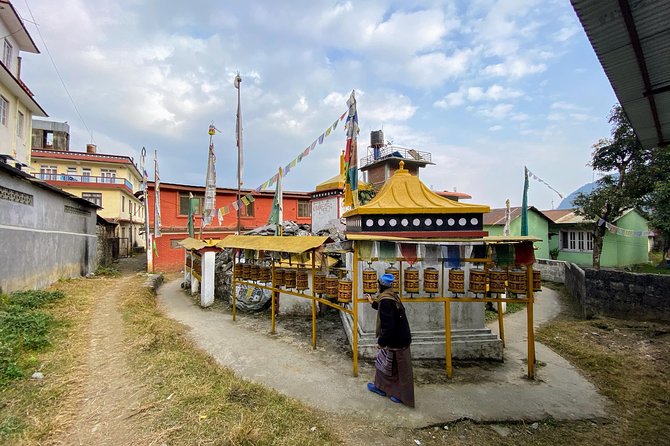
The visit to Shree Gaden Dhargay Ling Monastery lasts about 45 minutes. It is shorter than the other monastery stops, but the subject is practical: understanding Buddhist signs and symbols used in daily life.
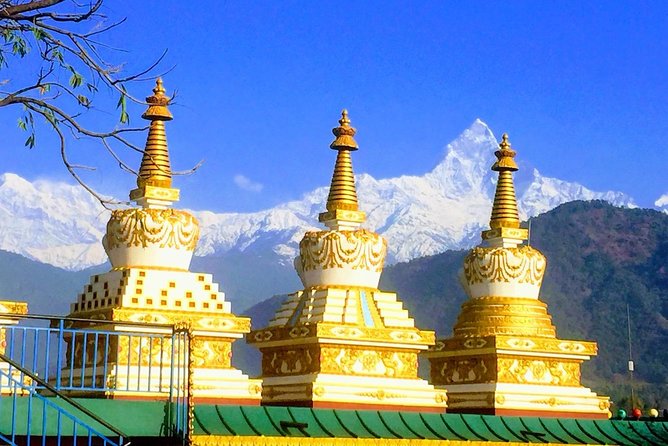
You learn about prayer wheels, prayer flags, stupas, and related objects. These details are easy to see across Nepal and Tibet, yet many visitors pass them without understanding what they represent. A guide who explains their meaning helps you read the places you visit later, even after the tour ends.
The 45-minute limit is probably useful. Symbol-heavy explanations can become tiring, especially after an early start. This stop gives you a focused lesson without asking you to spend another long block of time inside a religious site.
As with the first monastery, behave as you would in any active place of worship. Watch how local people use the prayer wheels and other features, and ask before touching or photographing anything that may be sacred.
Four hours in Tashi Ling Tibetan Village
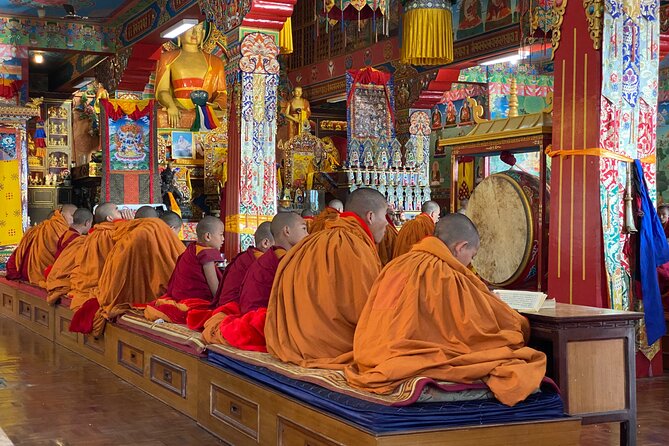
The longest part of the day is the four-hour visit to Tashi Ling Tibetan Village. The guide takes you around the settlement to see how people live their daily lives, with time connected to Tibetan schools and community activities.
This extended visit is what gives the tour its strongest sense of place. You are not rushing through a single viewpoint. You have time to walk around, notice the layout of the village, and connect the earlier lessons about religion and education with ordinary community life.
The long duration also deserves honest consideration. Four hours is a substantial block, and the experience may feel slow if you want constant movement or a packed list of attractions. I see that as a benefit for curious people who prefer conversation and observation, but it is less suited to anyone who wants a quick cultural sampler.
The information provided does not spell out every activity in Tashi Ling, so you should think of the visit as a guided village exploration rather than a guaranteed series of performances or demonstrations. You may see schools and daily routines, but the exact rhythm will depend on the community and the day.
Tibetan food: momos, thukpa, and dietary choices
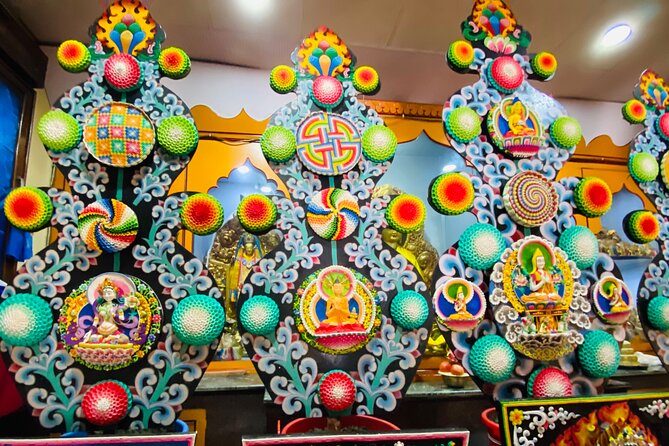
Food is one of the tour’s most appealing features. The day includes a Tibetan family food experience in Tashi Palkhel and lunch at a local restaurant, with momos and thukpa highlighted as key dishes.
Momos are Tibetan-style dumplings, while thukpa is a noodle soup. Together, they offer a useful introduction to Tibetan comfort food: one dish is portable and snack-like, the other is warm and filling. You do not need to be a food expert to enjoy this part of the day. The guide can help explain what you are eating and how it fits into Tibetan culture.
Vegetarian and non-vegetarian food is available, along with gluten-free options. Because the tour lasts most of the day, it is sensible to confirm how meal arrangements work before departure. The program clearly includes food experiences, but it does not provide a detailed menu or state every meal’s exact inclusions.
Is $85 good value?
At $85 per person, this is not the cheapest way to spend a morning in Pokhara. The value comes from the amount of time and range of access: hotel transfers, a local Tibetan guide, several monastery visits, a family-home food experience, lunch, and a long village visit.
You are paying for interpretation as much as transport. Without a guide, you could visit a monastery and see prayer wheels or flags, but you would miss much of the meaning behind them. Thupten Gyatso’s role is especially important because the experience covers religion, culture, history, and refugee life rather than only sightseeing.
The maximum group size of 15 also supports the price. It is not a private tour, but it is small enough for questions and conversation. Group discounts may improve the cost for people booking together.
I would consider the price fair if you want a full cultural day and value direct contact with Tibetan communities. I would look elsewhere if you only want a short monastery visit or if your budget is tight and you are happy exploring independently.
Who should book this experience?
I would recommend it most strongly to you if you enjoy history, religion, food, and conversations with local people. It suits curious visitors who want context, not just photographs, and it gives you several chances to ask questions.
It is also a good fit if you have limited time in Pokhara but want one organized day covering multiple Tibetan settlements. The hotel pickup removes some planning work, while the small group keeps the day more personal.
You may want to skip it if you dislike early starts, long cultural visits, or a schedule that lasts most of the day. The tour operates in all weather, so you also need to be comfortable going ahead in changing conditions with suitable clothing.
Most people can participate, and the tour is near public transportation. Still, because the day includes walking around settlements and several religious sites, ask the operator about your specific mobility needs before booking if that is a concern.
Practical details that matter
Confirmation is received at booking, and mobile tickets are accepted. Free cancellation is available up to 24 hours before the start time. Changes or cancellations made less than 24 hours before departure are not accepted for a refund, with cut-off times based on local time.
The tour is operated by The Tibetan Encounter Day Tours P. Ltd. It accepts bookings in all weather and has a maximum of 15 people. Group discounts are available, though the discount amount is not specified.
Because the tour begins at 5:30 a.m., I would confirm your pickup point, meal arrangements, and dietary requirements before the day. Those three checks will prevent the most likely surprises.
Should you book the Tibetan cultural tour?
Book it if you want to understand Tibetan life in Pokhara through monasteries, food, education, and village visits. The strongest feature is the combination of places and people, guided by Thupten Gyatso, whose explanations of Tibetan culture and Buddhist teachings add substance to the day.
Skip it if you want a relaxed late morning or a short sightseeing trip. The early start and four-hour Tashi Ling visit demand time and attention.
For the right person, $85 buys far more than transportation between attractions. It buys a guided introduction to a living community, with enough time to ask questions and see how religion, family life, schooling, and food connect.
FAQ
What time does the Tibetan cultural tour begin?
The tour departs at 5:30 a.m.
How long does the experience last?
The tour lasts approximately eight to nine hours.
Is hotel pickup available?
Yes. Hotel transfers are offered for convenience.
How many people can join the tour?
The maximum group size is 15 people.
Who guides the tour?
The tour is led by Thupten Gyatso.
Which Tibetan settlements are visited?
The program includes Tashi Palkhel Tibetan Settlement and Tashi Ling Tibetan Village.
Which monasteries are included?
You visit Jangchub Choeling Tibetan Buddhist Monastery, Pema Ts’al Sakya Monastic Institute, and Shree Gaden Dhargay Ling Monastery.
Is food part of the experience?
The day includes a Tibetan food tasting at a local family home and lunch at a local restaurant, with momos and thukpa highlighted.
Can dietary requirements be accommodated?
Vegetarian, non-vegetarian, and gluten-free food options are available.
Can I cancel for a full refund?
Yes, if you cancel at least 24 hours before the experience start time. Cancellations or changes made less than 24 hours before departure are not accepted for a refund.
Just added around Pokhara
- Double Dare: Tandem Bungee Adventure★ 4.3 · 3 reviews
- Exhilarating Pokhara-Kathmandu Bus Journey Experience★ 3.5 · 3 reviews
- 3 Day Australian Camp Dhampus Ghandruk Easy Trek in Pokhara★ 3.5 · 3 reviews
- Paragliding in Pokhara★ 5.0 · 3 reviews
- Seti George and Thrilling Suspension Bridge Tour at Pokhara★ 4.5 · 3 reviews
- Overnight Dhampus Australian Camp Easy Hiking from Pokhara★ 5.0 · 3 reviews
- Full Day Entire Pokhara Tour by Car with Guide★ 4.5 · 3 reviews
- 5 Days Mardi Himal Trek.★ 5.0 · 3 reviews
Historical Tours, compared.

Private Kathmandu Sightseeing Tour | UNESCO World Heritage sites
Read our review →
Full-Day Tibetan Cultural Tour to Tibetan Settlements Pokhara
Read our review →
Kathmandu Private Sightseeing Tour | UNESCO World Heritage Sites
Read our review →
Afternoon Tibetan Cultural Tour to Tibetan Settlements Pokhara
Read our review →
Full Day Private Top 4 UNESCO Heritage Tour W/Lunch.
Read our review →
Nagarkot Sunrise & Bhaktapur UNESCO Heritage Private Tour
Read our review →Browse the lists this tour appears in