
Reviewed · HISTORICAL TOURS
Afternoon Tibetan cultural tour
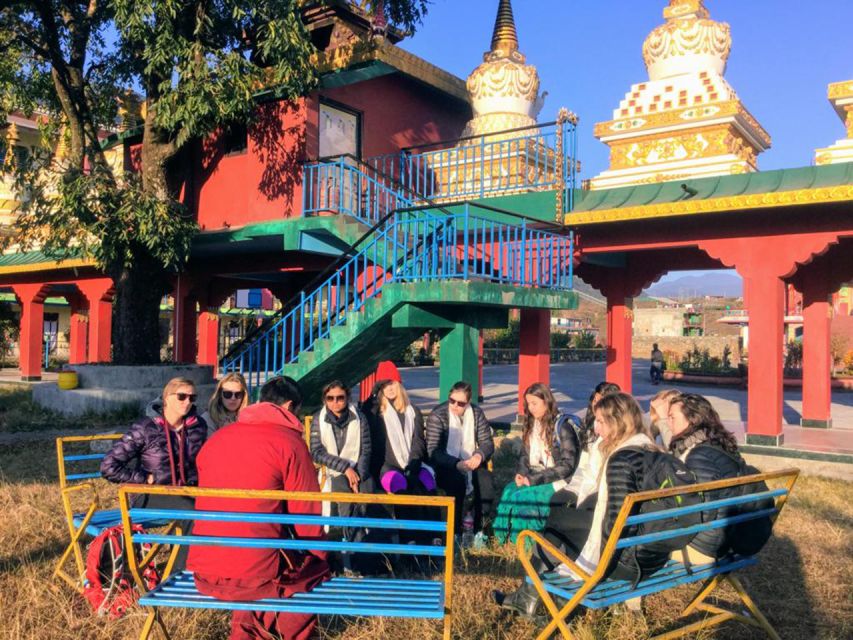
Culture reaches beyond the postcard. This four-hour Pokhara outing takes you to Tibetan settlements and monasteries, where Thupten Gyatso explains Buddhist symbols, refugee life, monastic study, and daily traditions with unusual personal warmth. I especially like the chance to speak with a young monk and share tea and Tibetan food in a family home, rather than simply taking photographs from a distance. The main consideration is that this is an educational cultural tour, not a relaxed sightseeing loop, so you should be ready to listen, ask questions, and show respect during prayers.
I also like the small-group limit of eight and the simple pickup from Lakeside hotels. At $56 per person, the price is fair if you value a guide-led cultural experience with transport, food tasting, monastery visits, and direct conversation. It may feel costly if you are only looking for a quick temple stop or a broad Pokhara highlights tour.
In This Review
- Key points at a glance
- Why this Tibetan tour feels different from ordinary Pokhara sightseeing
- Meeting Thupten Gyatso, your Tibetan guide
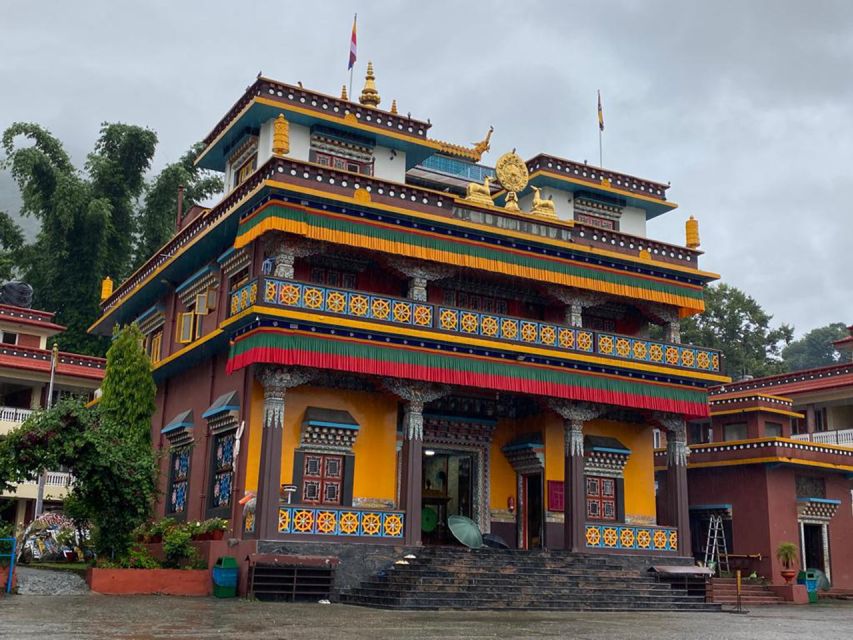
- Pema Ts’al Sakya Monastic Institute: symbols with a purpose
- Meeting a monk and asking better questions
- Tashi Palkhel Tibetan Settlement near Pokhara Valley
- Afternoon prayer chanting and monastery sounds
- Butter tea, tsampa, and a Tibetan family home
- The four-hour schedule and transport
- Is $56 a fair price?
- Who should book this afternoon experience?
- Booking details worth knowing
- Should you book the Tibetan Cultural Tour?
- FAQ
- Where does the Tibetan cultural tour begin?
- How long does the tour last?
- What language is the tour conducted in?
- How many people can join the group?
- What places are visited?
- Will I meet a Buddhist monk?
- Can I attend a Buddhist prayer session?
- What Tibetan food and drink are included?
- Is transportation included for hotels outside Lakeside?
- Is the tour suitable for young children or wheelchair users?
- Can I cancel for a refund?
Key points at a glance
- A personal introduction to Tibetan life in Nepal: Thupten Gyatso shares Tibetan culture, Buddhist practice, refugee experience, education, and the importance of the Dalai Lama.
- A rare conversation with a young monk: You can ask about monastic vows, studies, daily routines, and Buddhist philosophy.
- Two different monastery visits: Pema Ts’al Sakya Monastic Institute provides a guided introduction, while a second monastery offers the chance to hear afternoon prayer chanting.
- A real food experience: At a Tibetan family home, you taste salted butter tea, tsampa, and homemade bread with honey, butter, or peanut butter.
- Small-group attention: The group is limited to eight people, which makes conversation easier than on a large bus tour.
- A thoughtful half-day choice: The four-hour schedule fits neatly into a Pokhara afternoon, though the full-day option may suit you if you want more time.
Why this Tibetan tour feels different from ordinary Pokhara sightseeing
Pokhara is famous for mountain views, lakeside cafes, paragliding, and trekking access. Those are good reasons to come, but they can leave you seeing Nepal mainly through scenery and adventure. This tour gives you a different window: Tibetan communities that have maintained language, religious practice, food, and identity while living in Nepal.
I like the way the experience connects several pieces of Tibetan life. You do not only look at a stupa or spin a prayer wheel. You learn why these objects matter, how people use them, and how Buddhist ideas shape ordinary behavior. The guide explains the meaning of prayer flags, prayer wheels, stupas, butter lamps, and clockwise walking around sacred places.
The focus is also wider than religion. You hear about Tibetan education, the lives of refugees in Nepal, cultural preservation, and the way Tibetan people have adjusted to a new home. Several recent visitors found the discussion of education, politics, exile, and the Dalai Lama as important as the monastery visits themselves.
That makes this a good choice for you if you want context. It is less suitable if you prefer a tour with little talking and lots of unstructured time.
More History Tours in Pokhara
- Full-Day Tibetan Cultural Tour to Tibetan Settlements Pokhara
★ 5.0 · 184 reviews - Afternoon Tibetan Cultural Tour to Tibetan Settlements Pokhara
★ 5.0 · 106 reviews - Morning Tibetan cultural tour to Tibetan settlements Pokhara
★ 5.0 · 66 reviews
Meeting Thupten Gyatso, your Tibetan guide
The guide is central to the experience. Thupten Gyatso is a Tibetan native with strong ties to the local community, and his role goes far beyond pointing out buildings. He explains his culture in clear English and brings personal feeling to subjects that can otherwise seem distant or academic.
I would expect plenty of conversation during the drive and walks. He discusses Tibetan history, Buddhist philosophy, refugee life in Nepal, food, monastic training, and the challenges of keeping a culture alive away from Tibet. His enthusiasm is often singled out as one of the strongest parts of the afternoon, but it is not empty enthusiasm. The program works because he connects facts to people and daily life.
His storytelling also gives you room to ask questions. That matters here. Tibetan Buddhism includes ideas, practices, and symbols that can be confusing when seen without explanation. A good question about a prayer wheel or a monk’s schedule can lead to a much more useful conversation than a standard memorized talk.
If you book, ask specifically for Thupten if guide selection is available. The supplied experience information identifies him as the guide, and the strongest praise centers on his warmth, preparation, clarity, and personal connection to Tibetan culture.
Pema Ts’al Sakya Monastic Institute: symbols with a purpose
The first major stop is Pema Ts’al Sakya Monastic Institute. The visit includes a photo stop, guided walk, sightseeing, and time to learn about the institute and Buddhist signs.
This is where the tour begins to teach you how to read the setting. Prayer wheels are not just colorful objects for photographs. Prayer flags carry prayers and blessings on the wind. Stupas, prayer wheels, and other religious features have a place in daily practice, and Thupten explains how to approach them respectfully.
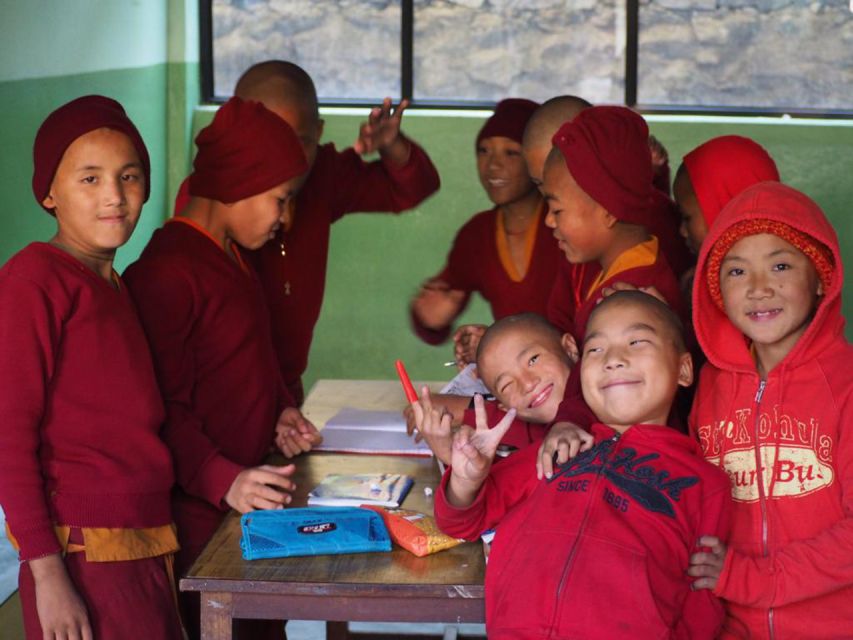
You may also hear about the institute’s educational system and the life of young monks. That helps put the next conversation into context. A monastery is not simply a place where monks sit and chant. It is also a place of study, discipline, debate, community, and religious training.
One especially interesting detail from the program is the chance to speak with a young Buddhist monk. The conversation can cover monastic life, studies, vows, daily activities, and Buddhist thought. One monk’s favorite part of his education was Buddhist philosophy debate, a detail that gives you a more lively picture of monastic study than the usual quiet-temple image.
The conversation is a highlight, but keep your expectations respectful. You are not being offered a staged performance or a private spiritual lesson. You are being given a chance to ask questions and listen to someone describing his way of life.
Meeting a monk and asking better questions
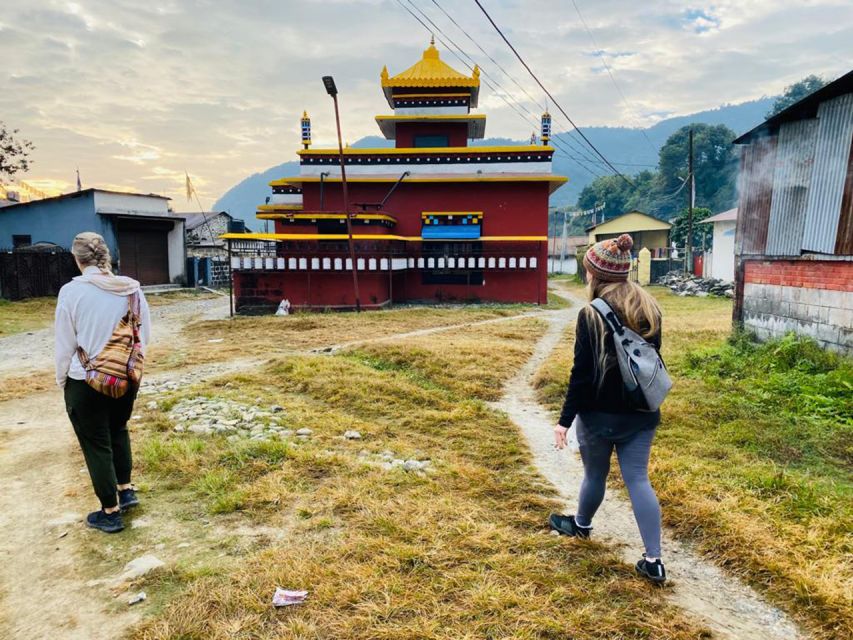
The monk conversation is likely to be the most personal part of the tour. You can ask about daily routines, studies, religious commitments, and life inside the monastic institute. The setting encourages questions, and the experience information specifically presents the conversation as a way to understand Buddhist monk life.
I would arrive with a few questions ready. You might ask what a normal day includes, how Buddhist philosophy is studied, what vows mean in practice, or how a young monk understands his role. You can also ask about education, since the tour places real emphasis on Tibetan schools and learning.
The value here is human contact. A guide can explain a tradition, but a monk can describe how that tradition shapes his own day. This is also a good moment to remember that Buddhism is not one single practice everywhere. Several people who took the tour appreciated comparing Tibetan Buddhism with Buddhist traditions found elsewhere in Asia.
The conversation may be serious, but the tour is not presented as solemn from start to finish. The atmosphere includes friendly discussion, food, walking, and time to notice village life.
More Tibetan Settlement Visits:
- Half Day Tibetan Cultural tour Pokhara
★ 5.0 · 36 reviews - Morning Half Day Tibetan cultural tour to Tibetan Settlements
★ 5.0 · 26 reviews - Pokhara: Private Half-Day Tour and Tibetan Culture Tour
★ 3.8 · 14 reviews - Sarangkot Sunrise with a half day Tibetan cultural tour
★ 5.0 · 13 reviews
Tashi Palkhel Tibetan Settlement near Pokhara Valley
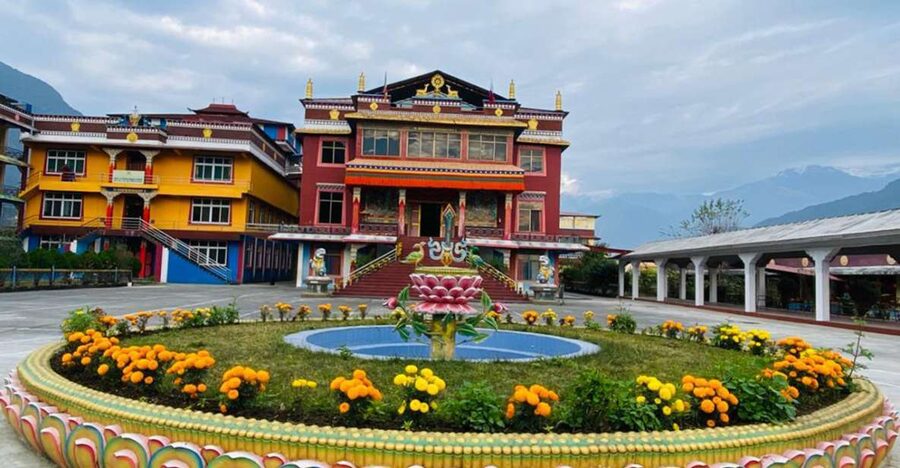
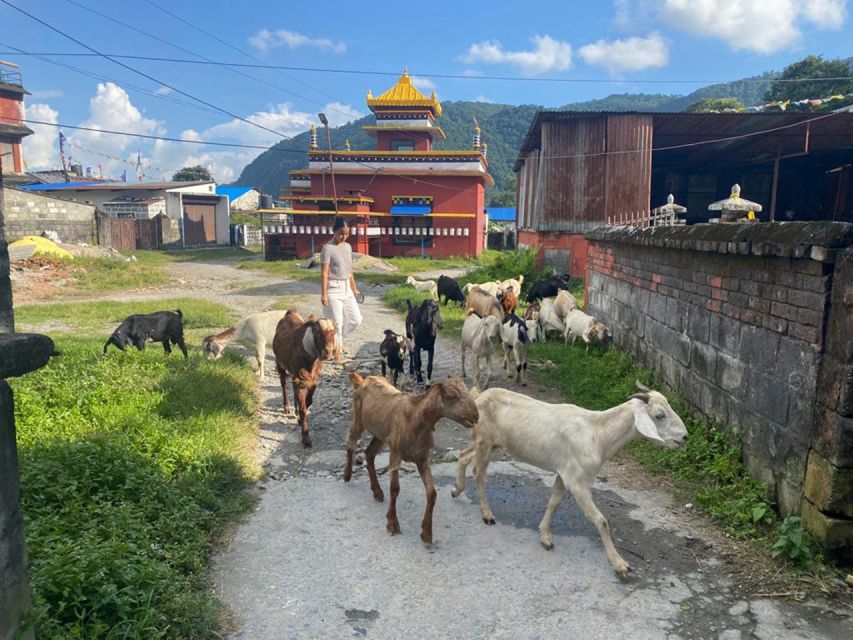
The second main stop is Tashi Palkhel Tibetan Settlement. About two hours are set aside for the settlement visit, including walking, sightseeing, tea, local snacks, food tasting, and a guided look at the community.
The settlement is where the tour’s larger themes become concrete. Instead of hearing only about Tibetan identity in a classroom-style talk, you see how language, religious practice, food, and community life continue in Nepal. Thupten explains how Tibetan people have adapted while preserving traditions that remain central to them.
The walk includes attention to sacred customs. You learn why people move clockwise around religious sites and how butter candles fit into Buddhist practice. These small actions are easy to miss if you visit alone, yet they are often the details that make a cultural stop meaningful.
The settlement is also a chance to see daily life without reducing it to a display. You should treat it as a lived community, not an open-air museum. Ask before taking close-up photographs, follow instructions around monasteries, and keep your voice low during religious activities.
The experience may include a festival or ceremony if your timing happens to match one. That cannot be guaranteed, but it is one reason the settlement stop can feel different from one day to the next.
Afternoon prayer chanting and monastery sounds
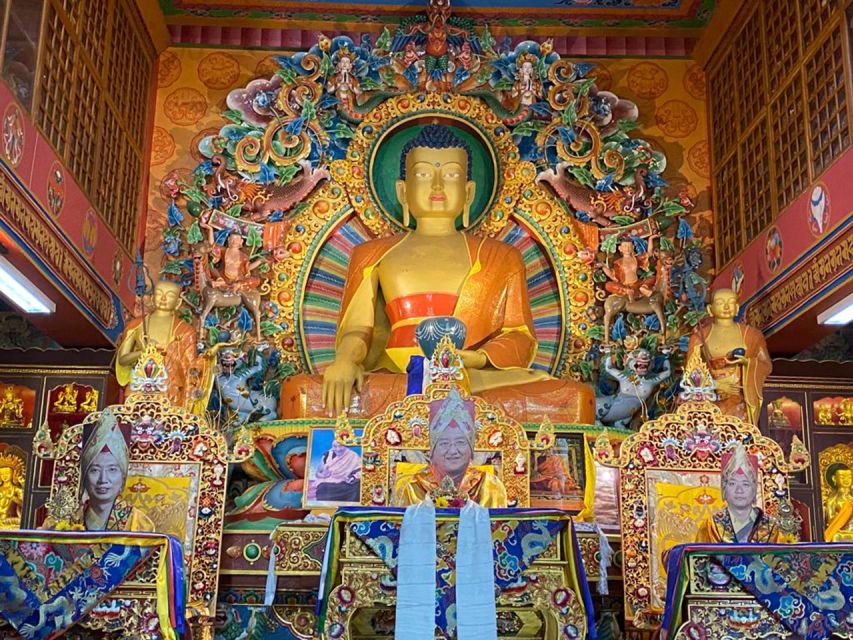
At another monastery, you attend afternoon group prayer chanting with the monks. The plan describes this as an opportunity to hear instruments and feel the vibration of the prayers.
This is a listening experience more than a performance. You watch rather than join in, and the setting asks for quiet attention. The sound of the monks chanting, along with the instruments, gives you a direct sense of Tibetan Buddhist practice that photographs cannot provide.
The timing matters. This is an afternoon tour, and the prayer session is part of the scheduled visit rather than an optional add-on. Prayer times can shape the afternoon, so you should expect the program to follow the religious setting rather than rush through it like a list of attractions.
I would not book this tour expecting a long meditation session or a chance to participate actively in the chanting. The stated program is to attend and observe. That distinction is useful, especially if you want a respectful cultural encounter rather than a spiritual activity marketed to visitors.
Butter tea, tsampa, and a Tibetan family home
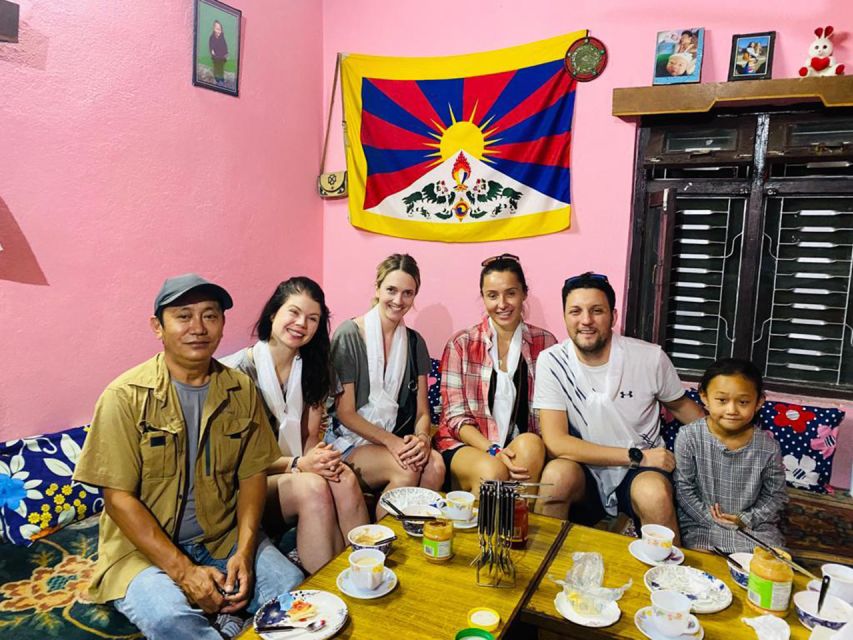
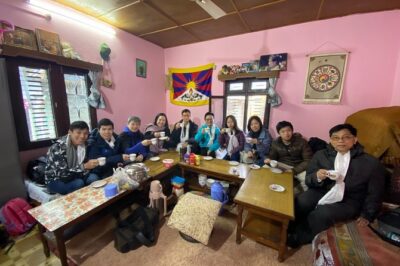
The food stop gives the afternoon a warm finish. You visit a local Tibetan family home and taste traditional snacks, including salted butter tea, tsampa, and Tibetan homemade bread served with honey, butter, and peanut butter.
Butter tea is made with tea, butter, and salt, so do not expect a sweet cup like the tea served in many cafes. It is a hearty drink, and the saltiness can surprise you. Tsampa is roasted barley flour and is a basic Tibetan food with a texture and flavor unlike ordinary porridge.
The bread and spreads make the tasting easier for cautious eaters. You can try the tea and barley flour, then sample the bread with honey, butter, or peanut butter. The food is not just a snack between sights. Thupten explains Tibetan cuisine and how food connects with life in the settlement.
I like this part because it happens in a home rather than a restaurant designed for international visitors. You sit with a family, share food, and get a small glimpse of hospitality and routine. One practical tip: the tasting is filling enough that you may not want to schedule a full meal immediately afterward.
Food preferences and allergies are not detailed in the supplied information, so tell the provider in advance if you have a serious dietary concern. Do not assume every item can be changed.
The four-hour schedule and transport
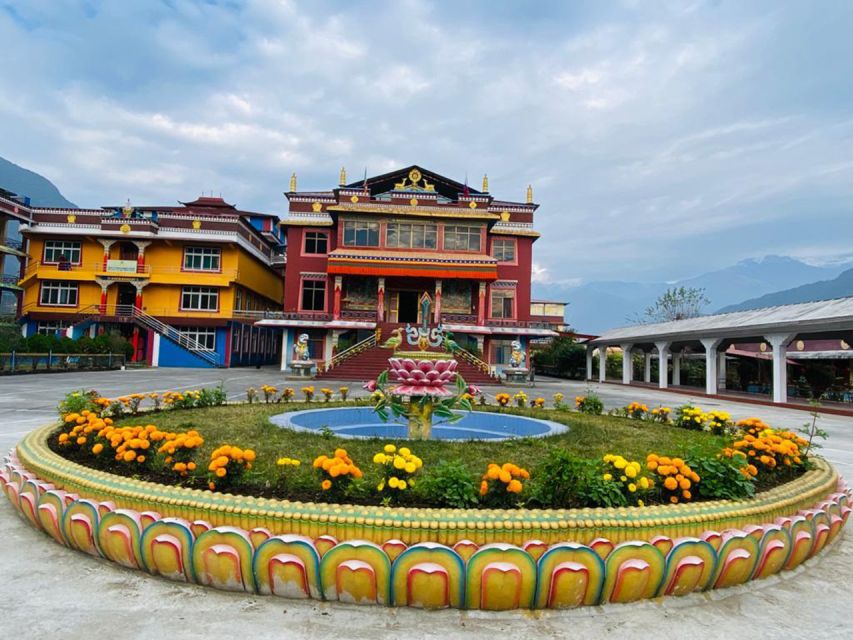
The tour begins with pickup around the Lakeside area of Pokhara. From there, you travel to Pema Ts’al Sakya Monastic Institute, continue to Tashi Palkhel Tibetan Settlement, and return to Lakeside.
The listed timing gives about one hour for the monastic institute and two hours at the settlement, with the remaining time covering transport between stops. That is a sensible balance for a half-day. You get enough time to talk and walk without committing a full day.
Round-trip transportation is included for hotels in the Lakeside area. If your hotel is outside Lakeside, an extra transportation fee applies according to its location. Check that point before booking, since it changes the final cost.
The group is limited to eight people. I consider that a major advantage here. Small groups make it easier to hear the guide, ask the monk a question, and take part in a family-home visit without turning it into a crowd.
The vehicle is described as highly rated by all submitted ratings, but exact vehicle details are not provided. You should expect organized transport rather than a self-guided journey.
Is $56 a fair price?
At $56 per person, this is not the cheapest way to spend four hours around Pokhara. But the price includes more than transport and entrance-style sightseeing.
You receive a Tibetan guide, Lakeside pickup and return, two monastery visits, a Tibetan settlement walk, explanations of culture and Buddhist symbols, a monk conversation, afternoon prayer chanting, a family-home food tasting, and mineral water. The guide’s role is especially important because much of the value comes through explanation and conversation.
I think the price is fair if you would otherwise pay for several separate activities or if cultural understanding is a main reason you travel. You are paying for access, organization, and interpretation, not just a ride to a monastery.
The value is less clear for you if you are mainly interested in mountain scenery, shopping, or a quick photo stop. This tour spends its time on people, belief, history, and discussion. That is the point, but it also means the experience depends on your interest in those subjects.
Who should book this afternoon experience?
I would recommend it to adults and older children who enjoy asking questions and learning through conversation. It suits solo visitors, couples, and small groups who want a calm cultural activity between trekking days or other Pokhara plans.
It is particularly useful if you know little about Tibet and want a clear introduction without having to arrange monastery visits, local transport, and a family meal yourself. It also suits people who already know something about Buddhism but want to understand Tibetan practice and the refugee experience in Nepal more directly.
The tour is not suitable for children under five or wheelchair users. Walking is part of the program, and the supplied details do not describe wheelchair access. If mobility is a concern, ask before booking rather than assume the route will work for you.
The conversation-heavy format may not suit someone who wants a fast-moving sightseeing tour. I would also leave some mental space after the visit. Discussions about exile, cultural survival, religion, and identity can stay with you longer than the four-hour schedule.
Booking details worth knowing
The experience is conducted in English and uses a small-group format of no more than eight participants. Pickup is included only for Lakeside-area hotels, while accommodation outside that zone may incur an extra transport fee.
You can cancel up to 24 hours before the start for a full refund, and the reserve-now, pay-later option gives you some flexibility. Availability determines the exact start time, so check the afternoon departure when planning around other Pokhara activities.
The tour provider is The Tibetan Encounter Day Tours (P) Ltd. Since prayer times and community visits are important parts of the afternoon, punctuality matters. Be ready at your pickup point and dress in a way that feels respectful for monastery visits.
Should you book the Tibetan Cultural Tour?
Book it if you want to understand Tibetan culture through conversation, religious practice, community life, and food. The strongest reason to choose it is Thupten Gyatso, whose personal connection and clear explanations give the afternoon its character.
The young monk conversation, prayer chanting, and butter tea stop create a thoughtful progression: first you learn the symbols, then meet someone living the monastic life, then see a Tibetan settlement and share food in a family home. That is a lot of substance in four hours.
Skip it if you want only scenery or a quick temple visit. For everyone else, especially those curious about Tibet, Buddhism, and the lives of Tibetan people in Nepal, this is one of the more meaningful half-day activities available around Pokhara.
FAQ
Where does the Tibetan cultural tour begin?
Pickup begins around the Lakeside area of Pokhara. Round-trip transport is included for guests staying in that area.
How long does the tour last?
The experience lasts four hours. Check availability for the exact afternoon starting time.
What language is the tour conducted in?
The live tour guide provides the experience in English.
How many people can join the group?
The tour is limited to eight participants.
What places are visited?
The route includes Pema Ts’al Sakya Monastic Institute and Tashi Palkhel Tibetan Settlement near Pokhara Valley.
Will I meet a Buddhist monk?
Yes. The experience includes a conversation with a young Buddhist monk about monastic life, studies, daily activities, and Buddhist practice.
Can I attend a Buddhist prayer session?
Yes. You attend afternoon group prayer chanting with monks at a monastery. You listen and observe the session.
What Tibetan food and drink are included?
The tasting includes salted butter tea, tsampa made from roasted barley flour, and Tibetan homemade bread with honey, butter, and peanut butter.
Is transportation included for hotels outside Lakeside?
Transportation is included around the Lakeside area. Hotels outside Lakeside may require an additional transportation fee based on their location.
Is the tour suitable for young children or wheelchair users?
The experience is not suitable for children under five or wheelchair users.
Can I cancel for a refund?
You can cancel up to 24 hours in advance for a full refund. A reserve-now, pay-later option is also available.
Just added around Pokhara
- Double Dare: Tandem Bungee Adventure★ 4.3 · 3 reviews
- Exhilarating Pokhara-Kathmandu Bus Journey Experience★ 3.5 · 3 reviews
- 3 Day Australian Camp Dhampus Ghandruk Easy Trek in Pokhara★ 3.5 · 3 reviews
- Paragliding in Pokhara★ 5.0 · 3 reviews
- Seti George and Thrilling Suspension Bridge Tour at Pokhara★ 4.5 · 3 reviews
- Overnight Dhampus Australian Camp Easy Hiking from Pokhara★ 5.0 · 3 reviews
- Full Day Entire Pokhara Tour by Car with Guide★ 4.5 · 3 reviews
- 5 Days Mardi Himal Trek.★ 5.0 · 3 reviews
Historical Tours, compared.

Private Kathmandu Sightseeing Tour | UNESCO World Heritage sites
Read our review →
Full-Day Tibetan Cultural Tour to Tibetan Settlements Pokhara
Read our review →
Kathmandu Private Sightseeing Tour | UNESCO World Heritage Sites
Read our review →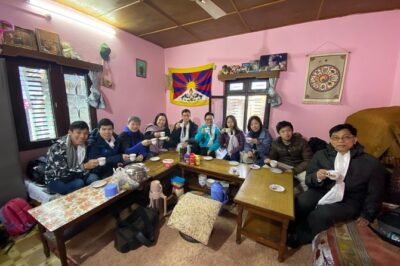
Afternoon Tibetan Cultural Tour to Tibetan Settlements Pokhara
Read our review →
Full Day Private Top 4 UNESCO Heritage Tour W/Lunch.
Read our review →
Nagarkot Sunrise & Bhaktapur UNESCO Heritage Private Tour
Read our review →Browse the lists this tour appears in