
Reviewed · HISTORICAL TOURS
Half Day Tibetan Cultural tour Pokhara
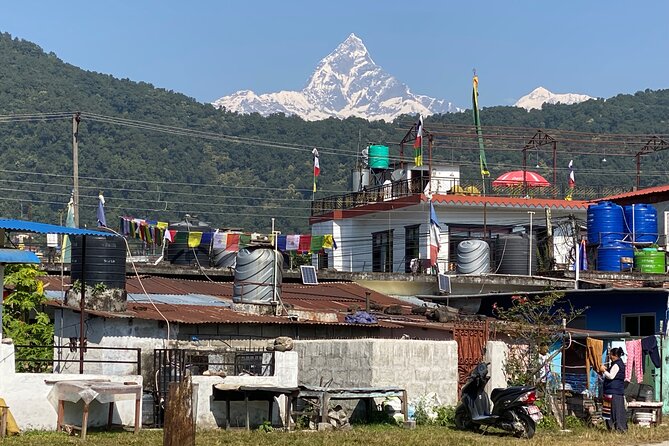
Pokhara has a Tibetan story worth hearing. This four-and-a-half-hour cultural tour takes you beyond the usual lakeside sights to a Tibetan settlement, Buddhist monastery, carpet workshop, photo gallery, Tibetan doctor, and local restaurant. I like the way the tour connects everyday life with bigger questions about religion, education, exile, and identity in Nepal.
I also like that guide Mr. Thupten Gyatso is a member of the Tibetan community. His personal connection gives the tour a stronger sense of place than a standard sightseeing trip. The handwoven carpet demonstration and pulse-reading session with a Tibetan doctor are especially unusual touches.
The main consideration is pace. Several visits are packed into one morning, so you should expect a full schedule rather than a slow, unstructured village stroll. The advertised group size also needs checking before you book, since one description says a maximum of eight people while the additional booking information allows up to 15.
In This Review
Key Points Before You Book
- A direct introduction to Tibetan life in Nepal: Walk through a Tibetan settlement and learn how residents live, worship, work, and educate their children.
- Mr. Thupten Gyatso leads the experience: His connection to the Tibetan community adds personal context to the discussions about culture and refugee life.
- Carpet making is shown by hand: You can watch the process in a workshop, then see finished designs and colors in a carpet showroom.
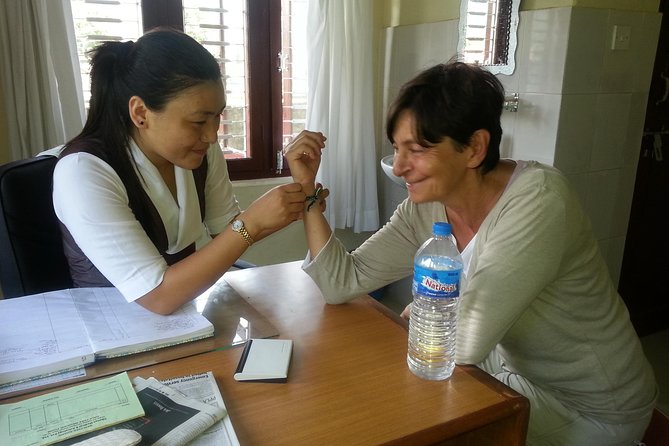
- The Tibetan doctor visit is a rare feature: You can learn about Tibetan medicine and experience pulse reading firsthand.
- Lunch is part of the cultural lesson: The meal includes Tibetan specialties such as momos and thukpa, with vegetarian and gluten-free choices available if requested in advance.
Pokhara is often treated as a base for mountain trips, boating, and short hikes. Those are good reasons to visit, but they can leave you knowing little about the people who live here. This tour gives you a different angle on the city by focusing on its Tibetan residents and their community life.
I like the fact that the experience is not limited to a monastery visit. You see religious practice, schooling, traditional crafts, medicine, food, and the story of Tibetan refugees in Nepal. Together, these stops help you understand culture as something people practice every day, not simply something displayed for visitors.
The subject also calls for care. Discussions of Tibet and refugee life involve political and personal pain. The tour is most valuable if you arrive ready to listen, ask respectful questions, and accept that some parts may feel serious. This is not only a colorful cultural outing with lunch attached.
The tour has a 4.9 out of 5 rating from 36 published ratings, with 100 percent recommending it. The strongest praise centers on Mr. Thupten’s teaching, the Tibetan doctor visit, the food, and the amount of information covered in a short time.
The day begins at 9:00 a.m. and returns at about 2:00 p.m., although the stated activity duration is approximately four hours and 30 minutes. Hotel transfers are included, which makes the morning easier if you are staying in the Pokhara or Lakeside area.
I see the pickup as a practical advantage. You do not have to arrange separate transport to a meeting point, and the tour can fit neatly into a larger Pokhara schedule. Still, allow some flexibility around the stated return time. A tour with several conversations and visits may not run like a train timetable.
The experience is described as a small-group tour, with one section listing a maximum of eight people. The additional information says the maximum is 15. Because that difference affects how personal the discussions feel, I would confirm the expected group size when booking.
A smaller group should make it easier to ask questions and speak with people at the settlement. A larger group may make the carpet workshop, doctor visit, or monastery conversation feel less intimate. The tour has been praised for allowing extended discussion, so group size matters here.
The first major part of the tour takes you into one Tibetan refugee settlement. You walk around the village and see how people go about ordinary daily life. That simple format is useful because it moves the experience away from a quick photo stop.
You can ask about work, family life, religious practice, and the experience of living in Nepal. The value comes from connecting what you see with the explanations from Mr. Thupten. Without that context, a settlement can be easy to misunderstand or reduce to a few visual details.
I would wear comfortable shoes and bring water, even though a small bottle of water may be included. The tour involves walking between visits, and the morning contains several stops. You should also dress in a way that feels respectful in a religious and residential setting.
This part may be less polished than a conventional attraction. That is also the point. You are seeing a living community rather than a purpose-built cultural display. Be ready to observe quietly and avoid treating homes, workshops, or residents as photo props.
The monastery visit gives the tour its religious center. Mr. Thupten explains the meanings of Buddhist signs and symbols, including prayer wheels, prayer flags, and stupas. These objects can look familiar to anyone who has spent time in Nepal, but their meaning is easy to miss without guidance.
I like this stop because it gives you a way to read the spaces you will encounter elsewhere in Nepal. You learn that these symbols are not decoration placed around a tourist site. They form part of daily religious life and shape how people think about devotion, protection, remembrance, and good intentions.
The monastery itself is only one part of the visit. The most useful element is the explanation and the chance to ask questions. One particularly positive account described having about half an hour to speak with a young monk. That kind of conversation may depend on the day and the people present, but it shows the potential for direct contact.
Keep your expectations flexible. The exact length of the monastery visit is not specified, and you should not assume a formal ceremony or private audience. The confirmed promise is an educational visit focused on Buddhist symbols and religion.
Education is another important stop. The tour explains Tibetan schools and their educational system, adding a useful layer to the visit. You hear about how younger members of the community are educated and how schooling relates to the preservation of Tibetan language and culture.
This is one of the less immediately visual parts of the tour, but I would not skip it. Food, carpets, and monasteries show visible expressions of culture. Education helps explain how a community passes its identity to the next generation.
The available information does not promise entry into a classroom or a chance to meet students, so you should expect discussion rather than a school tour. That distinction matters if you are booking mainly for photographs or hands-on activity.
For me, this stop helps balance the tour. You are not only looking back at Tibetan traditions. You are also considering how Tibetan families maintain cultural connections in present-day Nepal.
The carpet workshop is likely to be one of the most memorable stops. You see Tibetan carpets being made by hand and learn about each step of the process. Mr. Thupten explains how the work is done, rather than leaving you to guess at the pattern of knots, colors, and tools.
This is a good example of why a guide matters. A carpet can look attractive in a showroom, but watching the work behind it gives you a clearer sense of the time and skill involved. One solo participant even had the opportunity to practice some of the rug making when the group was very small.
That hands-on chance should not be treated as guaranteed. It depends on the workshop and the day, but you can expect to see the process and receive an explanation.
The later showroom visit lets you examine finished carpets with different designs and colors. This is also the point where you may feel commercial pressure, although no specific sales conditions are provided. If you are interested in buying, ask about price, size, materials, shipping, and care before committing. If you are not shopping, you can still treat the showroom as part of the craft lesson.
A photo gallery presents the history of Tibetan refugees. This stop gives the political and personal background needed to understand the settlement and its residents.
The tour description refers to Tibetans who came to Nepal after fleeing Tibet following the Chinese invasion. The gallery lets you consider that story through images rather than only through a guide’s spoken explanation. It can make the subject more immediate, though it may also be emotionally difficult.
I appreciate that the tour includes this context instead of presenting Tibetan culture as a collection of crafts and religious objects. Refugee life is part of the community’s present, not a footnote. The gallery visit may be brief, since the tour has many stops, but it gives the rest of the morning a clearer frame.
Approach this part with patience. If you want a light morning of food and sightseeing only, the subject matter may feel heavier than expected. If you want to understand the community rather than simply visit it, this is an important stop.
The Tibetan medicine visit is the tour’s most distinctive feature. You meet a Tibetan doctor, hear about this medical tradition, and have firsthand experience of pulse reading.
This is not presented as a medical consultation or a substitute for modern medical care. Think of it as a cultural explanation of how Tibetan medicine understands the body and reads signs through the pulse. The visit has received especially strong praise for being memorable and for allowing time to ask questions.
The length of the conversation may depend on the group. One small group had plenty of time with the doctor, while a larger group could have a different experience. If this stop is your main reason for booking, confirm how much individual participation is normally possible.
I find the visit valuable because it shows another part of Tibetan thought. Religion, food, craft, and medicine do not appear as isolated subjects. They all help you see how tradition continues in practical daily life.
The final cultural reward is lunch at a local Tibetan restaurant. The meal includes Tibetan food such as momos and thukpa, two familiar favorites for many visitors to Nepal, but the setting and explanation make the meal more meaningful.
Momos are dumplings, while thukpa is a noodle soup. The tour does not specify the exact menu or portion size, so you should not book expecting a fixed tasting menu. It does promise an authentic Tibetan lunch, and food is included in the experience.
The available dietary choices are useful. A vegetarian option is available if you advise the provider when booking. Gluten-free food can also be served, including plain rice with vegetable or non-vegetable curry. Tell the provider ahead of time rather than waiting until you sit down.
Food received repeated praise, including a particularly positive response to the lunch. I like having the meal at a local Tibetan restaurant because it gives you one more way to connect culture with ordinary life. It also makes the tour feel like a complete morning rather than a series of short educational stops.
At $63.52 per person, this is not the cheapest way to spend half a day in Pokhara. The price needs to be judged against what is included: hotel transfers, a guide with a personal connection to the community, multiple cultural visits, the carpet workshop, the Tibetan doctor experience, and lunch.
The value is strongest if you would otherwise arrange several separate visits and pay for transport, food, and explanations on your own. You are paying for access and interpretation, not just a vehicle moving between sights.
The value is weaker if you want only a quick monastery visit or a simple village walk. Much of the price rests on the quality of the conversations, and your experience will depend on the group size, the time available at each stop, and your willingness to ask questions.
One published rating gave four stars specifically because of the price, while still recognizing that the cost included food, water, and the cultural program. That feels like a fair way to view it. It is a specialized tour, not a budget outing, but it covers more than a standard morning excursion.
I would recommend this tour to you if you want to understand Pokhara through the experiences of a resident community. It suits people who enjoy asking questions, learning about religion, and hearing personal or historical context alongside sightseeing.
It is also a good choice if you are curious about Tibetan medicine, traditional crafts, or food. Solo visitors can benefit from the small-group format, especially if the group remains close to the smaller stated limit. Couples, families with older children, and small groups of friends should also find plenty to discuss.
The tour may not suit you if you dislike scheduled programs or commercial stops. The carpet showroom is a legitimate part of the craft visit, but anyone sensitive to shopping pressure should decide in advance whether they want to browse only or consider a purchase.
It may also be a poor match if your Pokhara schedule is packed with mountain departures or afternoon activities. The tour begins at 9:00 a.m. and is expected to return around 2:00 p.m., so it takes most of the middle of your day.
Book at least a day ahead if you need flexibility, since free cancellation is available up to 24 hours before the start time. Cancellations made less than 24 hours before departure are not refunded, and late changes are not accepted.
When booking, confirm the group size because the supplied information gives both eight and 15 as the maximum. Also state any vegetarian or gluten-free needs in advance.
Bring comfortable walking shoes and a respectful attitude toward the settlement, monastery, and residents. I would also leave room for questions. The tour’s strongest feature is the chance to talk, and rushing from one stop to the next would miss much of its value.
Yes, if you want a thoughtful cultural morning rather than another viewpoint or lake activity. The combination of a Tibetan settlement, Buddhist symbols, handwoven carpets, refugee history, Tibetan medicine, and lunch gives you a broad understanding of the community in a short time.
The best reason to book is Mr. Thupten Gyatso’s role as guide. His personal connection, clear explanations, and willingness to discuss difficult subjects are central to the experience. The Tibetan doctor visit and the carpet workshop add experiences you would be unlikely to arrange as easily on your own.
I would hesitate only if $63.52 feels high for a half-day activity, if you want a very relaxed pace, or if you prefer sightseeing without discussion of displacement and refugee life. For visitors who want context, direct conversation, and a closer look at Tibetan life in Nepal, this is one of Pokhara’s more worthwhile cultural choices.
FAQ
More Half-Day Tours in Pokhara
- Upper Seti: Half-Day White Water Adventure
★ 5.0 · 87 reviews - Private Half Day Tour Highlights of Pokhara by Car
★ 4.5 · 36 reviews - Pokhara: Half Day Upper Seti Rafting & Paragliding adventure
★ 4.8 · 34 reviews
How long is the Half-Day Tibetan Cultural Tour?
The tour lasts approximately four hours and 30 minutes. It starts at 9:00 a.m. and is scheduled to return at about 2:00 p.m.
Where does the tour take place?
The tour takes place in Pokhara and includes a visit to one Tibetan refugee settlement, along with a Buddhist monastery, carpet workshop, carpet showroom, photo gallery, Tibetan doctor, and local Tibetan restaurant.
Is hotel pickup included?
Yes. Hotel transfers are included, and pickup is offered.
More History Tours in Pokhara
- Full-Day Tibetan Cultural Tour to Tibetan Settlements Pokhara
★ 5.0 · 184 reviews - Afternoon Tibetan Cultural Tour to Tibetan Settlements Pokhara
★ 5.0 · 106 reviews - Morning Tibetan cultural tour to Tibetan settlements Pokhara
★ 5.0 · 66 reviews - Afternoon Tibetan cultural tour
★ 5.0 · 41 reviews
Who guides the tour?
The tour is led by Mr. Thupten Gyatso, a member of the Tibetan community who explains Tibetan culture, religion, medicine, history, and refugee life in Nepal.
Is lunch included?
Yes. The tour includes an authentic Tibetan lunch at a local Tibetan restaurant. Food may include Tibetan dishes such as momos and thukpa.
Are vegetarian and gluten-free meals available?
Yes. A vegetarian option is available if you advise the provider when booking. Gluten-free food can include plain rice with vegetable or non-vegetable curry.
How many people can join the tour?
The tour is described as a small-group experience with a maximum of eight people in one section of the information. Additional booking details state a maximum of 15, so you should confirm the expected group size before booking.
Can I cancel for a full refund?
Yes, if you cancel at least 24 hours before the experience start time. Cancellations made less than 24 hours in advance are not refunded, and changes within that period are not accepted.
More Half-Day
- Half-Day Private Pokhara Tour
★ 5.0 · 27 reviews - Half day Tibetan cultural tour
★ 5.0 · 4 reviews - Half day cooking class in Thamel kathmandu
★ 5.0 · 607 reviews - Private Half-Day Chandragiri Cable Car Tour in Kathmandu
★ 5.0 · 155 reviews
More Tibetan Settlement Visits
- Morning Half Day Tibetan cultural tour to Tibetan Settlements
★ 5.0 · 26 reviews - Pokhara: Private Half-Day Tour and Tibetan Culture Tour
★ 3.8 · 14 reviews - Sarangkot Sunrise with a half day Tibetan cultural tour
★ 5.0 · 13 reviews - Full Day Tibetan Cultural Tour
★ 5.0 · 12 reviews
Just added around Pokhara
- Double Dare: Tandem Bungee Adventure★ 4.3 · 3 reviews
- Exhilarating Pokhara-Kathmandu Bus Journey Experience★ 3.5 · 3 reviews
- 3 Day Australian Camp Dhampus Ghandruk Easy Trek in Pokhara★ 3.5 · 3 reviews
- Paragliding in Pokhara★ 5.0 · 3 reviews
- Seti George and Thrilling Suspension Bridge Tour at Pokhara★ 4.5 · 3 reviews
- Overnight Dhampus Australian Camp Easy Hiking from Pokhara★ 5.0 · 3 reviews
- Full Day Entire Pokhara Tour by Car with Guide★ 4.5 · 3 reviews
- 5 Days Mardi Himal Trek.★ 5.0 · 3 reviews
Historical Tours, compared.

Private Kathmandu Sightseeing Tour | UNESCO World Heritage sites
Read our review →
Full-Day Tibetan Cultural Tour to Tibetan Settlements Pokhara
Read our review →
Kathmandu Private Sightseeing Tour | UNESCO World Heritage Sites
Read our review →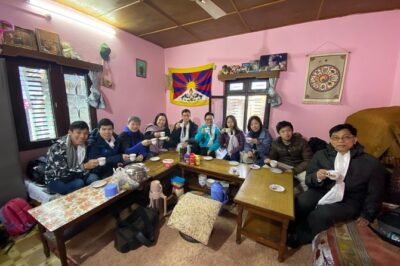
Afternoon Tibetan Cultural Tour to Tibetan Settlements Pokhara
Read our review →
Full Day Private Top 4 UNESCO Heritage Tour W/Lunch.
Read our review →
Nagarkot Sunrise & Bhaktapur UNESCO Heritage Private Tour
Read our review →Browse the lists this tour appears in