
Reviewed · ANNAPURNA CIRCUIT TREKS
Kathmandu: 9-Day Annapurna Circuit Trek via Thorong La Pass
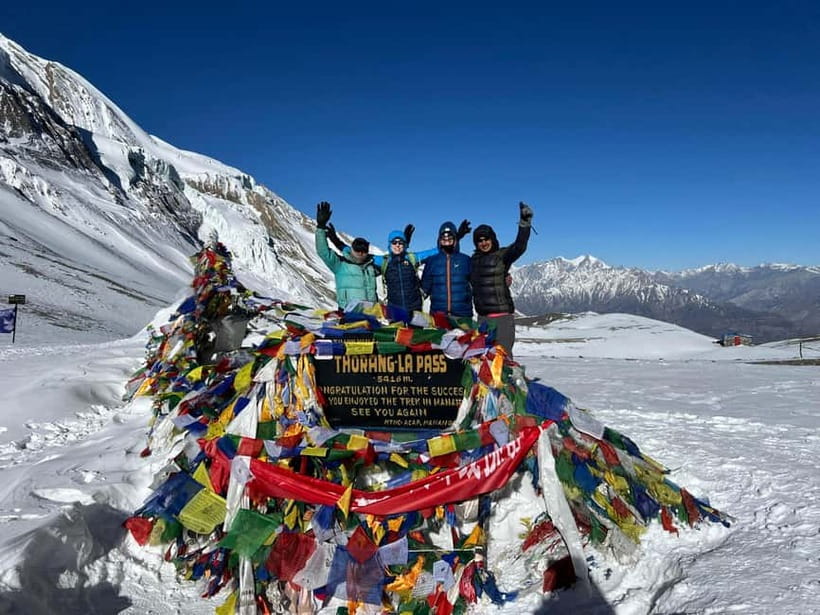
High altitude makes every view feel earned. This 9-day Annapurna Circuit trek combines Thorong La Pass at 5,416 meters with changing scenery, from terraced valleys and pine forests to Tibetan-style villages and dry mountain country. I especially like the well-placed acclimatization day in Manang and the chance to visit sacred Muktinath, though the pass day is a serious physical test and should not be treated as a casual hike.
I also like that the trip includes permits, tea house lodging, transport, guides, meals for Full Package bookings, and a night at Hotel Orchid in Pokhara. Guides such as Parkash, Sishir, Chakra, Ramit, Ghanashyam, Binod, and others have received strong praise for patience and care. The main drawback is comfort: buses, shared jeeps, basic lodges, cold nights, repeated meals, and long walking days are part of the deal.
In This Review
- Key points before you book
- What this Annapurna trek really involves
- Day 1: Kathmandu or Pokhara to Dharapani
- Day 2: Dharapani to Chame, 13 kilometers
- Day 3: Chame to Upper Pisang, 15 kilometers
- Day 4: Upper Pisang to Manang, 16 kilometers
- Day 5: Acclimatization around Manang
- Day 6: Manang to Yak Kharka, 7 kilometers
- Day 7: Yak Kharka to Thorong Phedi, 6 kilometers
- Day 8: Thorong La Pass and Muktinath
- Day 9: The road to Pokhara
- Guides and the human side of the trek
- Tea houses, meals, and what to pack
- When to go and who should book
- Should you book the 9-day Annapurna Circuit?
- FAQ
- How high is Thorong La Pass?
- How long does the trek last?
- Is there an acclimatization day?
- What time does the Thorong La crossing begin?
- What accommodation is included?
- Are meals included?
- Is a porter included?
- What is the best season for this trek?
- Is travel insurance included?
Key points before you book
- Thorong La is the main event: You reach 5,416 meters, beginning around 4:00 AM and crossing before strong winds usually build.
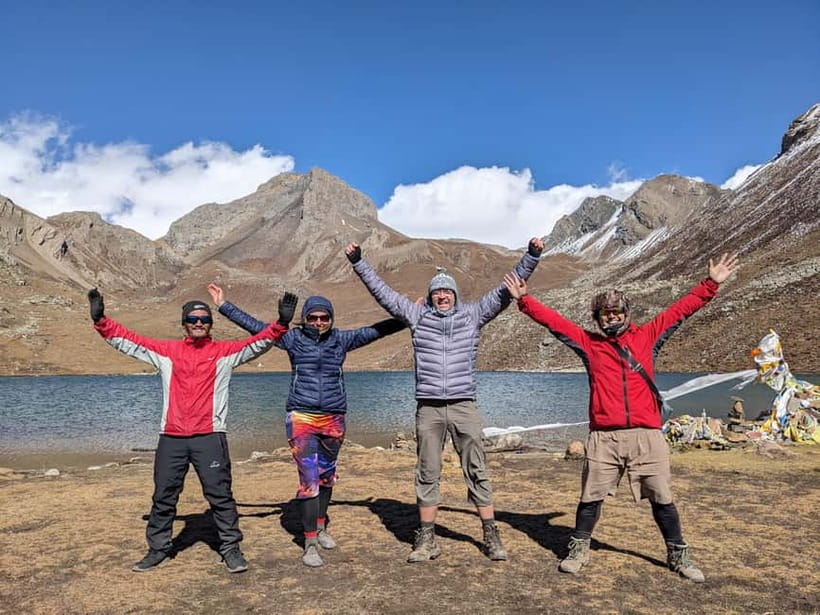
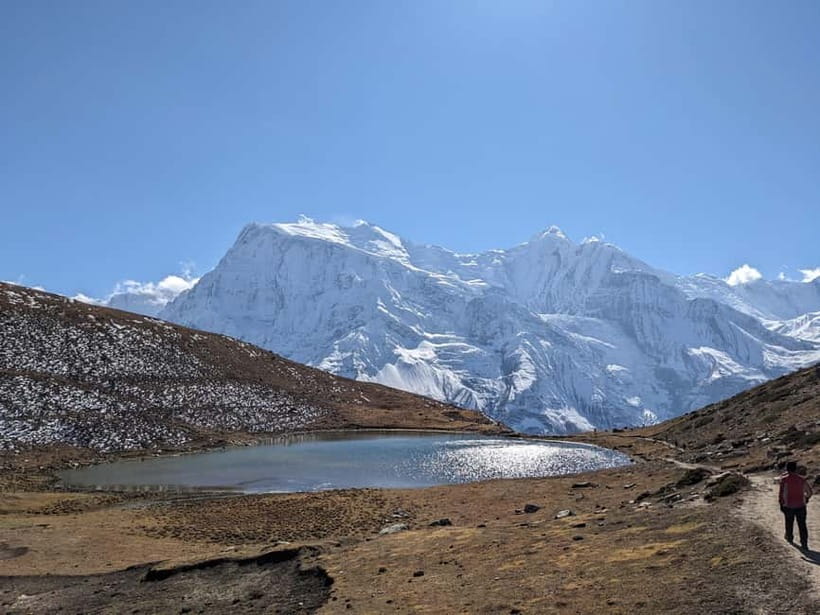
- Manang provides a useful pause: The itinerary includes acclimatization time, with an optional walk to Gangapurna Glacier Lake or nearby icefalls.
- The scenery changes quickly: You pass terraced fields, pine and oak woods, alpine pastures, Tibetan-style villages, and dry high-altitude valleys.
- Transport is practical, not glamorous: The route uses a public bus, shared jeep, local buses, and a tourist sofa-seater bus.
- Muktinath adds cultural depth: The Hindu and Buddhist pilgrimage site gives the trek more meaning than a mountain crossing alone.
- Pack for cold nights: A proper sleeping bag is important, even when daytime walking feels manageable.
What this Annapurna trek really involves
This is not a gentle sightseeing holiday with a few scenic walks. It is a compact, high-altitude crossing that asks you to walk several hours each day, sleep in simple tea houses, and cope with changing weather and thin air.
The trek begins at Dharapani and follows the Annapurna Circuit toward Manang, Yak Kharka, Thorong Phedi, Thorong La, and Muktinath. The highest point arrives on Day 8, but altitude affects the days before it. That is why the rest and acclimatization period in Manang matters so much.
The tour is described as a private group experience, with an English or Hindi-speaking guide. Some transport is still public or shared, especially the bus to Besisahar, the jeep to Dharapani, and the ride from Jomsom or Muktinath toward Pokhara. You get personal guide support on the trek, but you should not expect private transport at every stage.
The supplied information does not include a tour price, so I cannot judge the exact fare. The value looks strongest if you choose the Full Package option, since it covers meals, permits, accommodation, transport, staff costs, and guide insurance. You should confirm exactly what your chosen package includes before paying, especially meals, porter service, and the final road transfer.
More Annapurna Circuit Itineraries:
- Kathmandu: 10-Day Annapurna Circuit Trek via Thorong La Pass
★ 5.0 · 10 reviews - Annapurna Circuit Trek with Tilicho Lake
★ 5.0 · 368 reviews - Annapurna Circuit Trek
★ 5.0 · 94 reviews
Day 1: Kathmandu or Pokhara to Dharapani
Your first day is mostly a road journey. The usual plan is an early hotel pickup, a public bus to Besisahar, and then a local shared jeep to Dharapani. Altogether, expect around seven to eight hours and approximately 175 kilometers.
The road introduces you to rural Nepal through rolling valleys, terraced farmland, small villages, and distant mountain views. It is a useful transition from city life to the trail, though the public bus and shared jeep mean this day can feel long and tiring before you even start walking.
You sleep at a tea house in Dharapani. The accommodation is simple, but that is normal for this circuit. Keep your walking clothes, toiletries, water, and warm layers in an easy-to-reach bag, since your main luggage may be stored or carried separately.
Day 2: Dharapani to Chame, 13 kilometers
The trek begins properly with a six-hour walk to Chame at about 2,670 meters. The route passes through Bhote villages, pine and oak forests, open fields, streams, and mountain country that feels increasingly alpine.
This is a good first walking day because it gives you time to settle into the pace. You will still gain altitude, so do not race ahead simply because the trail feels manageable. A steady rhythm, regular water breaks, and a guide who watches your condition are more useful than speed.
Chame is the administrative center of the Manang district and offers your first strong sense that the circuit is moving into higher mountain country. The evening can be cold, so keep a warm layer handy rather than burying it in your luggage.
Day 3: Chame to Upper Pisang, 15 kilometers
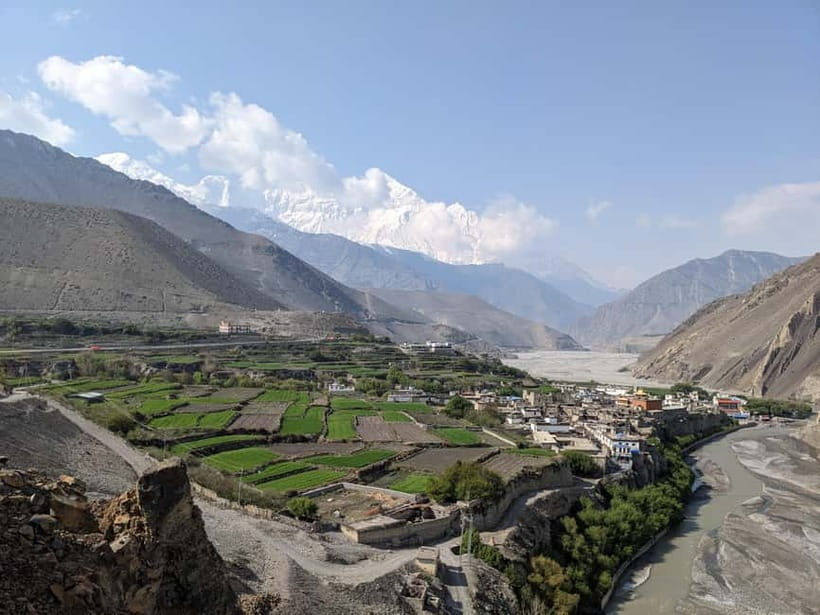
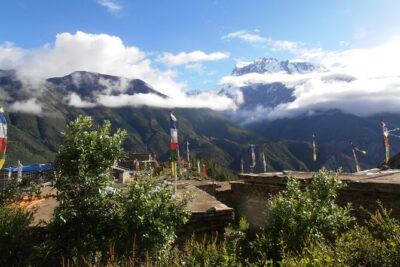
The walk to Upper Pisang takes about five to six hours and climbs through the Bhratang Valley. The route brings larger mountain views, including Lamjung Himal, while the forest and valley scenery gradually give way to a more open high-country setting.
Upper Pisang is one of the most appealing overnight stops on this itinerary. Its position gives you striking views of the surrounding peaks, and the village offers a chance to see local mountain life rather than simply pass through a trail junction.
The distance is not extreme, but altitude begins to matter more here. You might feel your pace slow even if you are fit at sea level. That is normal. Eat enough, drink regularly, and tell your guide early if you develop a headache or feel unusually weak.
More Treks and Hikes:
- Poon hill Trek 3 days
★ 5.0 · 176 reviews - Trekking in Annapurna/Langtang/Everest/Upper Mustang regions
★ 5.0 · 161 reviews - Pokhara: 4-Day Ghorepani, Poonhill & Ghandruk Mountain Trek
★ 5.0 · 132 reviews - Ghorepani – Poon Hill Trek 3N-4D
★ 5.0 · 125 reviews
Day 4: Upper Pisang to Manang, 16 kilometers
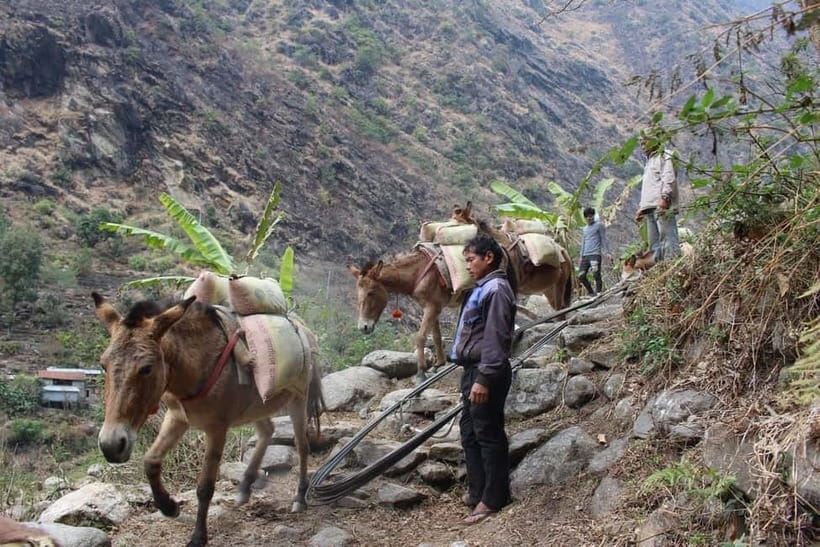
The route to Manang takes another five to six hours. You walk through forests and valleys with views toward Tilicho Peak, Annapurna III, and Annapurna IV.
Manang is an important stop because it is more than a place to sleep. It is the point where the trek changes from a steady valley walk to a high-altitude journey. The village is also a practical place to rest, check your gear, and prepare for the pass.
One detail in the schedule needs clarification: Manang is listed at about 3,540 meters on the arrival day, while the next day refers to acclimatization at 4,050 meters. The optional hike may take you higher than the village itself. Ask your guide exactly where the acclimatization walk will go and how strenuous it will be.
Day 5: Acclimatization around Manang
This is one of the smartest parts of the schedule. Instead of pushing onward every day, you spend time allowing your body to adjust before the trail rises above 4,000 meters.
If you feel well, the optional hike can go toward Gangapurna Glacier Lake or nearby icefalls. These walks provide strong mountain views without committing you to another long transfer between villages. If you feel tired, resting is not wasted time. It may be the best preparation for Thorong La.
Altitude sickness is a real concern at this point. The trip is not suitable for anyone currently suffering from altitude sickness, and people with high blood pressure should seek medical advice before booking. Good fitness helps, but it does not make anyone immune to altitude problems.
Day 6: Manang to Yak Kharka, 7 kilometers
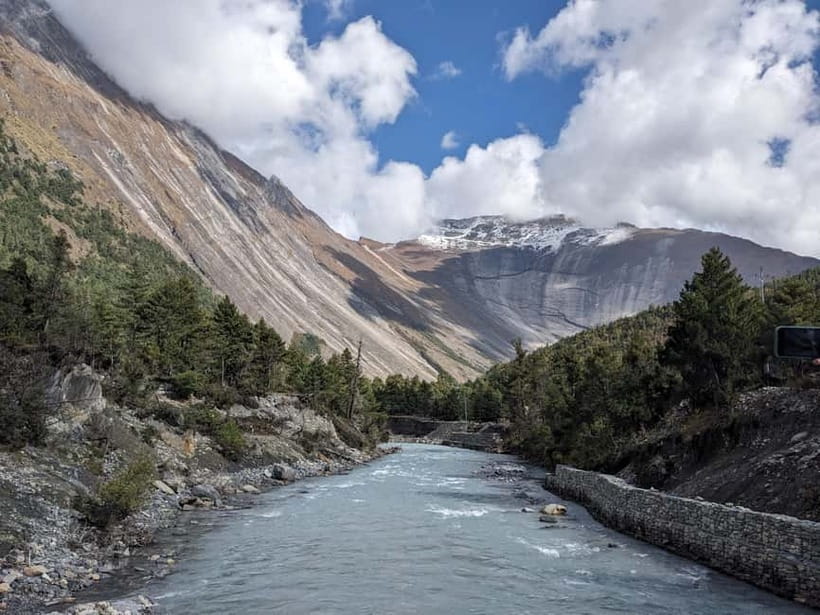
The walk to Yak Kharka takes around four hours and covers approximately seven kilometers. This shorter day is welcome because the route reaches about 4,050 meters and the air is noticeably thinner.
The setting changes to alpine pastures with broad mountain views. Trees become less dominant, and the trail feels more exposed. You will likely appreciate the shorter distance, but do not assume it is easy. At altitude, a modest walk can feel surprisingly demanding.
Yak Kharka is a functional overnight stop before the pass approach. Tea house accommodation is basic, and meals tend to be simple and similar from day to day. One useful lesson from the trip feedback is to bring a proper sleeping bag. Cold nights can be harder than the walking itself.
Day 7: Yak Kharka to Thorong Phedi, 6 kilometers
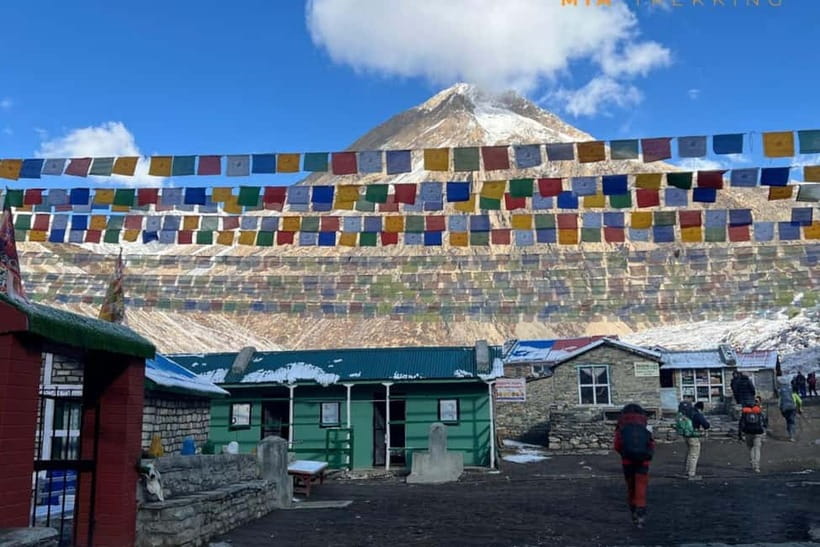
The route to Thorong Phedi takes about four to five hours and covers roughly six kilometers. You cross rocky paths and suspension bridges while gradually reaching the base area for Thorong La.
This is a short day by distance, but the altitude and rough ground make it important. Thorong Phedi sits at around 4,450 meters, and your main job is to arrive in good condition, eat, hydrate, and rest.
Do not plan a late-night celebration here. The next morning begins around 4:00 AM. Try to organize your clothing, snacks, gloves, headlamp, water, and essential documents before bed. A calm evening makes the early start less unpleasant.
Day 8: Thorong La Pass and Muktinath
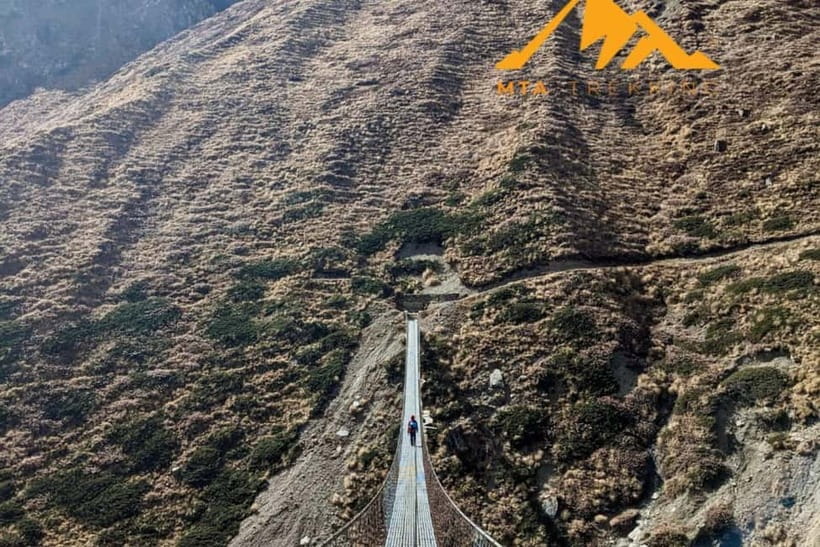
This is the hardest and most memorable day. You begin very early to cross Thorong La before the wind becomes stronger. The ascent is slow and demanding, with the trail rising to 5,416 meters.
At the pass, prayer flags and wide Himalayan views mark the high point. You may feel proud, exhausted, or both. The climb is only half the challenge. The long descent toward Muktinath can feel even harder on tired legs, especially after several hours at altitude.
The complete pass day takes around seven to eight hours. The schedule aims for arrival in Muktinath around noon or early afternoon, followed by lunch and an overnight stay. This early arrival gives you some time to see the sacred area, although your energy may be limited.
Muktinath is important to both Hindus and Buddhists, and the stop adds a cultural and spiritual dimension to the trek. You should approach the site respectfully and follow your guide’s advice about local customs.
An optional trip to Tatopani hot springs is available after the pass, but the taxi costs about USD 50 and are paid by participants. After such a demanding day, some people may welcome the warm water, while others will prefer to rest. Confirm the timing and shared cost before deciding.
Day 9: The road to Pokhara
The final day uses a bus from Muktinath or the Jomsom area toward Pokhara. The journey takes around five to six hours and covers about 110 kilometers, though road conditions and the exact departure point can affect the experience.
After days on foot, the bus ride may feel like a rough return to ordinary travel. It is also a useful way to see more of western Nepal without adding extra trekking days.
The package includes one night at Hotel Orchid, described as a tourist-standard luxury hotel in Pokhara, along with a farewell dinner featuring traditional Nepali food in Lakeside. A comfortable room and a proper meal are welcome after the tea houses, though confirm whether this night is included in your selected booking option.
A tourist air-conditioned sofa-seater bus from Pokhara to Kathmandu is also listed among the inclusions. This appears to be a later return option rather than part of the nine-day mountain schedule, so check the exact transport plan if you need to reach Kathmandu immediately.
Guides and the human side of the trek
The guide can make a major difference on a high-altitude trip. Parkash received particular praise for checking in often, offering to carry part of a bag on a difficult day, and staying supportive when the pass became overwhelming.
Sishir was also praised for patience, trail knowledge, humor, hydration reminders, and careful acclimatization. Chakra reportedly encouraged an extra acclimatization day instead of trying to force an eight-day schedule. That is exactly the sort of judgment you want when the main goal is arriving safely, not winning a race.
Other named guides include Ramit, Ghanashyam, and Binod, all described positively for friendliness, care, or organization. Guide quality can vary from departure to departure, so treat these names as useful examples rather than a guarantee that one particular person will lead your group.
A porter is available for an extra fee. If you are not accustomed to carrying a pack at altitude, this can be worthwhile. Ask about the porter’s load limit, your own daypack, and how luggage is handled before the trek begins.
Tea houses, meals, and what to pack
Tea house lodging keeps the route affordable and local, but it is not hotel accommodation. Rooms and facilities are basic, and cold conditions become more noticeable as you climb. A proper sleeping bag is one of the most important items to bring.
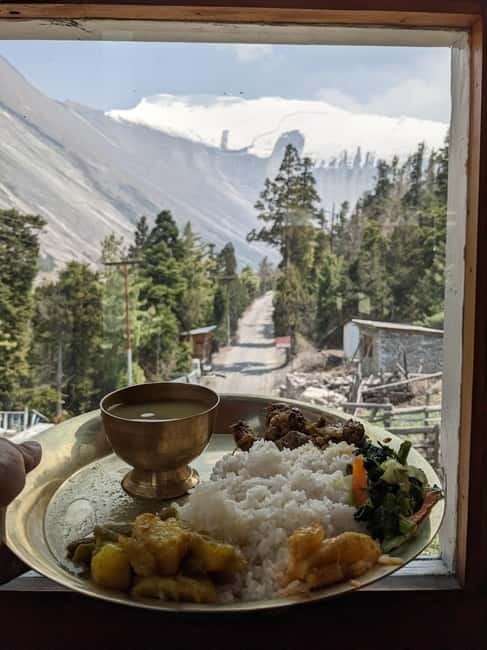
For Full Package bookings, breakfast, lunch, and dinner during the trek are included. The food is described as tasty but fairly repetitive, which is normal when meals must be prepared along a remote mountain route. Soft drinks, alcoholic drinks, bottled or boiled water, showers, battery charging, laundry, phone calls, and bar bills cost extra.
Pack comfortable trekking shoes, quick-dry clothing, warm layers, sunglasses, a sun hat, sunscreen, and a passport or copy. You should also bring a sleeping bag and gear suitable for changing weather, even though only some of these items appear in the basic packing list.
Do not rely only on daytime temperatures. The pass morning and tea house nights can be very cold. Keep gloves, warm socks, snacks, sunscreen, and water accessible during the walking day.
When to go and who should book
March through May is a strong season, with warmer conditions and spring flowers. September through November usually offers the clearest skies and mild temperatures, making autumn the best choice if mountain visibility is your main goal.
Winter can bring cold, snow, and possible trail closures. The monsoon period from June through August brings heavy rain and slippery trails, so it is generally a poor choice for this route.
I would recommend this trek to fit adults who enjoy long walking days, basic accommodation, local transport, and a genuine physical challenge. It can suit a first Himalayan trek if you prepare properly and follow the guide’s advice, but it is not suitable for young children under seven, pregnant women, people with altitude sickness, or those with high blood pressure.
Travel insurance must cover high-altitude trekking and rescue. Standard policies may not be enough, so read the altitude limit and evacuation terms carefully before departure.
Should you book the 9-day Annapurna Circuit?
I would book this trip if you want the classic Thorong La experience in a tight nine-day schedule and value having permits, transport, guides, and tea house lodging arranged for you. The acclimatization day, the cultural stop at Muktinath, and the variety of scenery give the itinerary real substance.
I would not choose it if you want slow trekking, private vehicles throughout, upscale lodging, or plenty of spare time. The pass day is tough, the descent is long, and the road transfers are part of the bargain.
Before booking, confirm the exact price, package type, meal coverage, porter cost, Muktinath to Pokhara transport, and whether the Pokhara hotel night is included. If those details suit your budget and you are prepared for altitude, this is a strong, well-supported route with an unforgettable high point.
FAQ
How high is Thorong La Pass?
Thorong La Pass reaches 5,416 meters above sea level.
How long does the trek last?
The full itinerary lasts nine days, including transport from Kathmandu or Pokhara, the trek, the pass crossing, and the journey to Pokhara.
Is there an acclimatization day?
Yes. Day 5 is set aside for acclimatization in Manang, with an optional hike toward Gangapurna Glacier Lake or nearby icefalls.
What time does the Thorong La crossing begin?
The pass day begins very early, at around 4:00 AM, to reach the pass before winds increase.
What accommodation is included?
The trek includes eight nights in tea house or lodge accommodation. One night in Pokhara at Hotel Orchid is also listed among the inclusions.
Are meals included?
Breakfast, lunch, and dinner during the trek are included for Full Package bookings. Drinks, bottled or boiled water, and personal snacks are not included.
Is a porter included?
A porter is available at an additional cost. The guide service is included, but porter fees should be confirmed before booking.
What is the best season for this trek?
Spring, from March through May, and autumn, from September through November, are recommended. Winter can bring snow and closures, while monsoon conditions from June through August can make trails wet and slippery.
Is travel insurance included?
No. Travel and rescue insurance are not included. You should arrange insurance that specifically covers high-altitude trekking.
Just added around Pokhara
- Double Dare: Tandem Bungee Adventure★ 4.3 · 3 reviews
- Exhilarating Pokhara-Kathmandu Bus Journey Experience★ 3.5 · 3 reviews
- 3 Day Australian Camp Dhampus Ghandruk Easy Trek in Pokhara★ 3.5 · 3 reviews
- Paragliding in Pokhara★ 5.0 · 3 reviews
- Seti George and Thrilling Suspension Bridge Tour at Pokhara★ 4.5 · 3 reviews
- Overnight Dhampus Australian Camp Easy Hiking from Pokhara★ 5.0 · 3 reviews
- Full Day Entire Pokhara Tour by Car with Guide★ 4.5 · 3 reviews
- 5 Days Mardi Himal Trek.★ 5.0 · 3 reviews
Annapurna Circuit Treks, compared.

15-Day Private Annapurna Circuit Trek from Kathmandu
Read our review →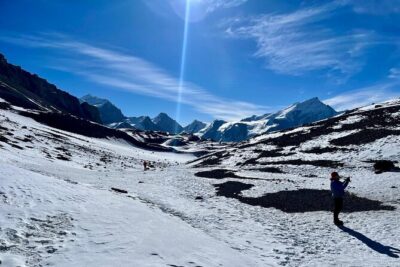
Annapurna Circuit Trek with Tilicho Lake (16 Days)
Read our review →Browse the lists this tour appears in