
Reviewed · ANNAPURNA CIRCUIT TREKS
Kathmandu: 10-Day Adventurous Annapurna Circuit Trek
The high pass is worth every hard step. This 10-day Annapurna Circuit trek gives you dramatic mountain scenery, changing climates, and real time in Nepal’s mountain villages rather than a quick sightseeing dash. I especially like the careful acclimatization stop in Manang and the strong guide support, with guides such as Prakash, Keshab, Mahesh, and Bipin repeatedly praised for safety, organization, and kindness.
I also like the practical transport plan: bus from Kathmandu, shared Jeep to Dharapani, and a bus from Jomsom to Pokhara. The main concern is the very demanding eighth day, a roughly 12-hour trek over Thorong La Pass at 5,416 meters. At this altitude, fitness, pacing, warm clothing, and insurance with high-altitude rescue cover are not optional extras.
In This Review
- Key points before you book
- Why this 10-day route works
- Day 1: Kathmandu to Dharapani by bus and Jeep
- Day 2: Forests and bridges from Dharapani to Chame
- Day 3: Chame to Upper Pisang and its mountain views
- Day 4: Upper Pisang to Manang below three major peaks
- Day 5: A full acclimatization day in Manang
- Day 6: Manang to Yak Kharka at 4,050 meters
- Day 7: The approach to Thorong Phedi
- Day 8: Thorong La Pass and the descent to Muktinath
- Day 9: Muktinath to windy Jomsom
- Day 10: Jomsom to Pokhara by bus
- What the $467 price really covers
- Packing for altitude, weather, and tea houses
- Guide support and how it affects the experience
- Who should book this trek?
- Should you book the Annapurna Circuit trek?
- FAQ
- How long is the Annapurna Circuit trek?
- How high is Thorong La Pass?
- Is a guide included?
- Are porters included?
- Are meals included?
- What transport is provided?
- Where do you stay during the trek?
- Is travel insurance included?
- Can the schedule be changed?
- What should you bring?
Key points before you book
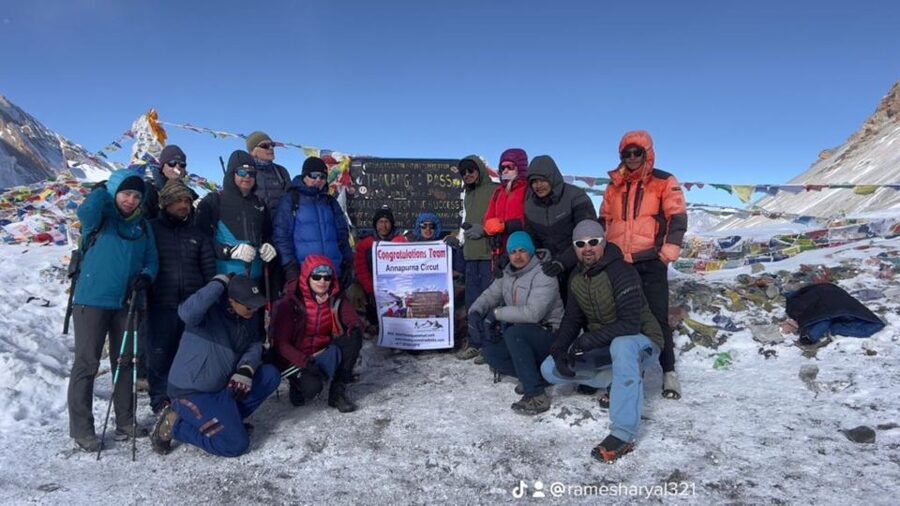
- Thorong La reaches 5,416 meters: The pass is the dramatic high point, but the ascent and descent make Day 8 a serious mountain day.
- Manang provides a full acclimatization day: You get time to rest, explore, and let your body adjust before the highest sections.
- The scenery changes every few days: Expect forests and suspension bridges early on, alpine country near Yak Kharka, and dry Mustang scenery after Muktinath.
- Guide care is a major strength: Prakash, Keshab, Mahesh, Bipin, Suresh, Keshab, Jeet, and others are praised for pacing, route advice, lodging, and altitude awareness.
- The $467 price covers a lot: Permits, guide, nine trek nights, transport, staff costs, and a Pokhara hotel night are included, though food depends on the package selected.
- Tea houses mean simple comfort: You will sleep in basic village lodging, not resort-style rooms, so bring a sleeping bag and a flexible attitude.
Why this 10-day route works
The Annapurna Circuit is appealing because it gives you more than one kind of Nepal. You start near lower river valleys and forest, climb through villages and pasture, cross a high Himalayan pass, then descend into the dry Mustang region. In ten days, you see a striking range of scenery and local life.
This is not a gentle walking holiday. The schedule includes six-hour trekking days on several consecutive days, followed by a 12-hour crossing of Thorong La. Still, the plan has a sensible rhythm: the elevation rises in stages, and Day 5 in Manang allows your body to catch up.
The private-group format is useful if you want the walk to match your own pace. The schedule can be adjusted for individual preferences and walking speed, though any change should be discussed carefully because high-altitude trekking depends on gradual ascent and safe sleeping elevations.
At $467 per person, the value is strong if you choose the Full Package, since meals are included along with permits, transport, accommodation, and guide services. Check the exact package before paying, because the supplied details specify meals during the trek for the Full Package only. Drinks, bottled or boiled water, showers, laundry, battery charging, and personal purchases cost extra.
More Annapurna Circuit Itineraries:
- Annapurna Circuit Trek with Tilicho Lake
★ 5.0 · 368 reviews - Annapurna Circuit Trek
★ 5.0 · 94 reviews - Annapurna Circuit Trek
★ 5.0 · 35 reviews
Day 1: Kathmandu to Dharapani by bus and Jeep
Your first day is mostly a transport day, and it is a long one. You travel from Kathmandu to Besisahar by bus, then continue toward Dharapani in a shared Jeep. The total drive is listed at about ten hours.
This arrangement saves money compared with using a private vehicle for the entire route. It also gives you a first look at the changing countryside before the walking starts. The shared Jeep section is the more rugged part of the approach, and you should expect a full day rather than a relaxed transfer.
You sleep in Dharapani at about 1,800 meters. That is a useful starting point for the climb ahead. Hotel pickup is available, and you should wait in your hotel lobby about ten minutes before the scheduled time.
A small logistical benefit matters here: luggage storage is included. You can leave items in Kathmandu that you do not need on the trail, reducing the weight of your trekking bag.
Day 2: Forests and bridges from Dharapani to Chame
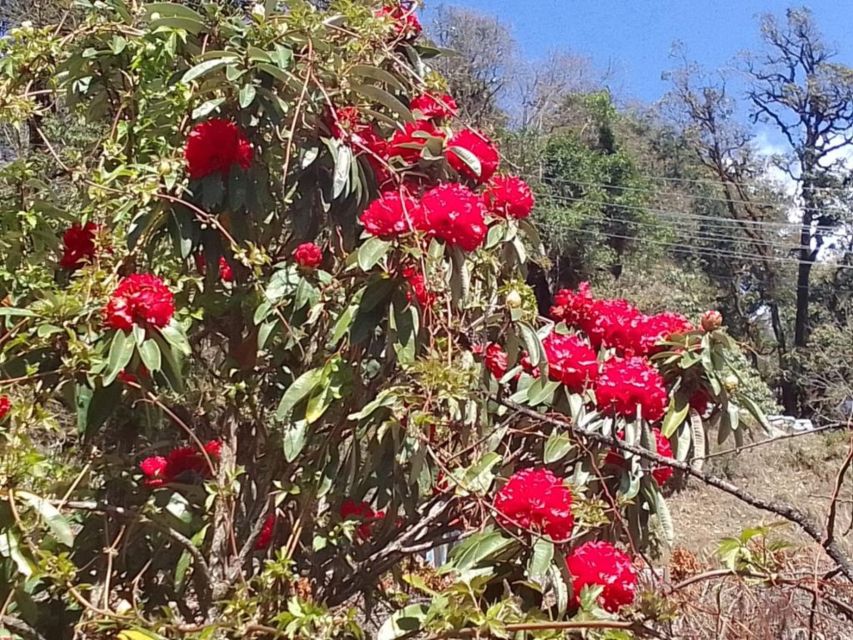
The walk from Dharapani to Chame takes about six hours and climbs to roughly 2,670 meters. This is where the trek begins to feel like a proper mountain journey.
You pass through lush forest, cross suspension bridges, and watch the scenery change as the route gains height. The day is long enough to feel rewarding without yet reaching the most difficult elevations.
Chame is a useful overnight stop because it marks a transition toward higher mountain country. You will still have village comforts, but the emphasis is on a simple tea-house stay. The accommodation is described as basic but comfortable, so bring warm layers and a sleeping bag rather than expecting hotel-style amenities.
Your guide’s role becomes important even on this easier section. Guides arrange the night’s lodging and help you keep a steady pace. Past experience with guides on this program suggests that the best approach is calm and measured, with enough quiet time to enjoy the trail.
Day 3: Chame to Upper Pisang and its mountain views
The six-hour walk to Upper Pisang reaches about 3,300 meters. The village is one of the more scenic stops on the route, with broad mountain views and a chance to see local customs at close range.
Upper Pisang gives you a stronger sense of the Annapurna region as a lived-in place. You are not simply passing through a mountain postcard. You sleep in a village, eat local food, and share the same basic facilities used by people walking the circuit.
This is also a day to watch how your body responds to altitude. Headaches, poor sleep, unusual tiredness, or a loss of appetite should be discussed with your guide. The company’s guides are repeatedly praised for explaining route conditions and paying attention to altitude sickness, which is one of the most valuable parts of having experienced support.
Dal bhat, lentils and rice, is a reliable local meal on the trek. Other food is available, but choices may vary by tea house. Meals are included only with the Full Package, so confirm this point before booking.
More Treks and Hikes:
- Everest Base Camp Trek – 14 Days
★ 5.0 · 1,499 reviews - Everest Base Camp Trekking
★ 5.0 · 485 reviews - Nagarkot Sunrise View and Day Hiking from Kathmandu
★ 5.0 · 471 reviews - Everest Base Camp Trekking – 13 Day
★ 5.0 · 365 reviews
Day 4: Upper Pisang to Manang below three major peaks
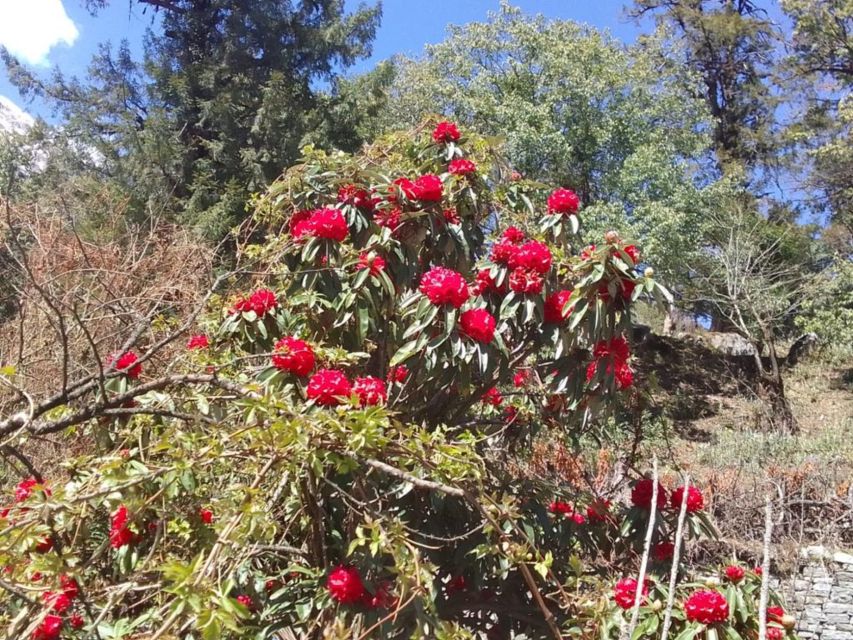
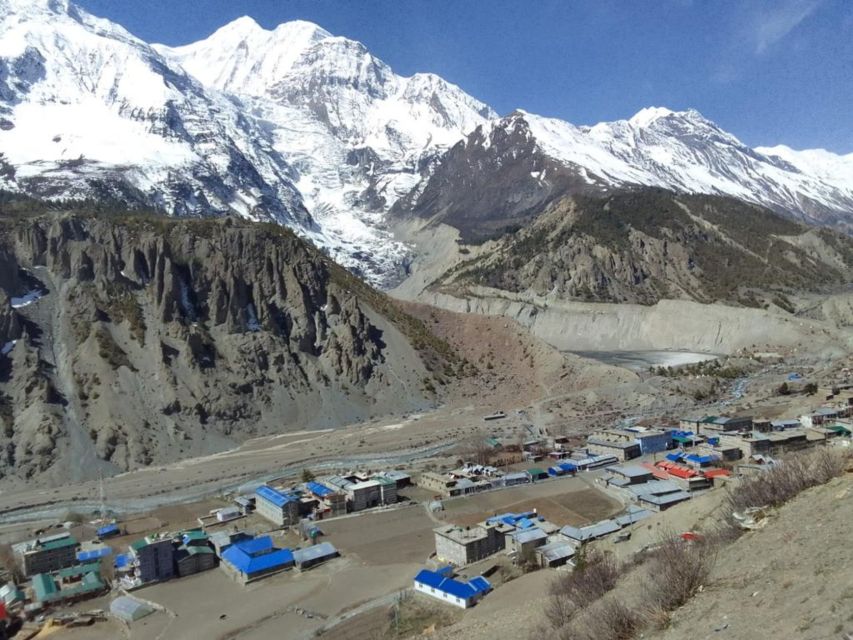
The route continues to Manang at about 3,540 meters, taking around six hours. The village sits in a broad valley with views toward Annapurna II, Annapurna III, and Gangapurna.
This is one of the strongest days for scenery. You have moved beyond the lower forest zone, and the mountains feel closer and larger. The broad valley also gives Manang a welcome sense of space before the route heads into higher, more exposed country.
Manang is not just a place to sleep. It is the key staging point for the pass. You should use the evening to eat well, organize your daypack, check your layers, and ask your guide about the next sections.
The guides praised most warmly by past clients include Keshab, Prakash, Mahesh, Milani, and Suresh. Their strengths include finding comfortable tea houses, explaining the route, changing plans when needed, and keeping the pace reasonable. Those details matter much more than a polished speech at the start of the trek.
Day 5: A full acclimatization day in Manang
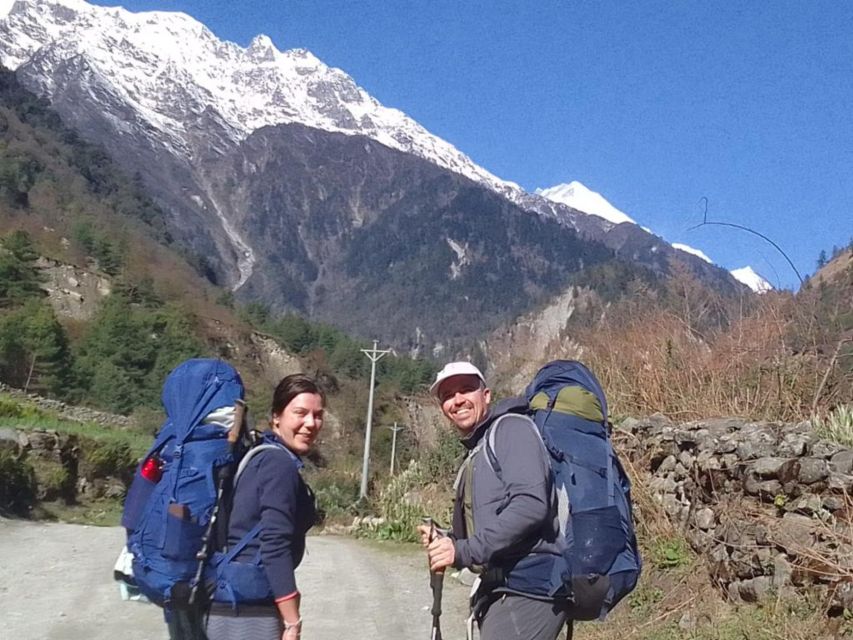
A rest day at 3,540 meters is one of the best features of this schedule. It gives you a chance to adjust before sleeping above 4,000 meters and attempting the pass.
You can explore Manang, enjoy mountain views, and keep the day easy. The goal is not to cram in another hard excursion. Rest, hydration, food, and a careful check of your health are more useful.
A full day here can also absorb small delays. Mountain weather, road conditions, or personal fatigue can affect plans, and a flexible schedule is safer than forcing every section. Guides have made sensible adjustments for individual requests and changing trail conditions, including areas affected by landslides.
Do not treat this day as proof that the hard part is over. The next three walking days bring a sharp increase in elevation, and you need to start them feeling rested.
Day 6: Manang to Yak Kharka at 4,050 meters
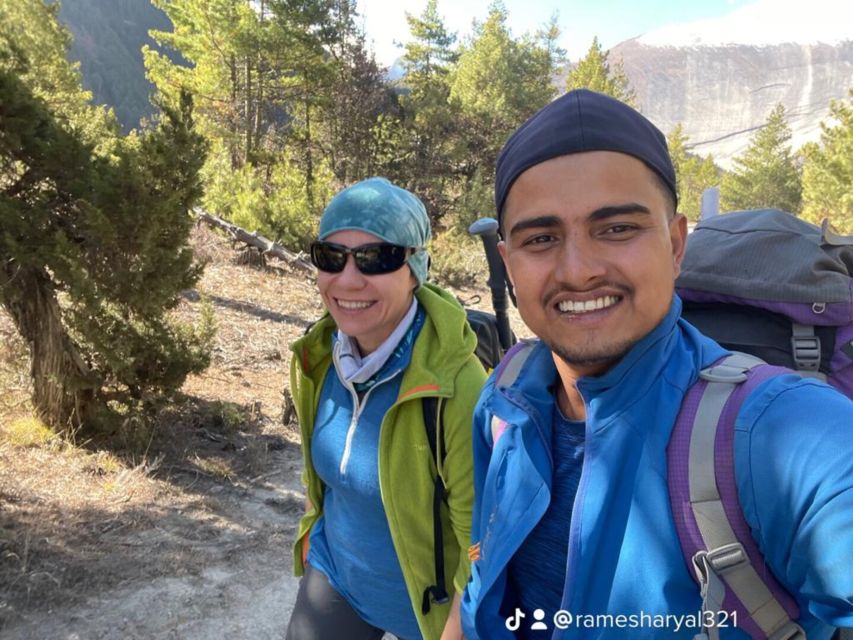
The six-hour trek to Yak Kharka takes you to about 4,050 meters. The forest gives way to alpine scenery, open grazing land, and a quieter high-mountain setting.
Yak Kharka is a pasture area surrounded by peaks. The feeling here is spare and peaceful, but the thinner air changes the effort required. A modest incline can feel surprisingly hard, so walk slowly and keep your breathing even.
Your night at this height is an important test. If you feel unwell, tell your guide instead of trying to prove your toughness. The guide team is responsible for helping with pacing and arrangements, but you must report your symptoms honestly.
This is where the distinction between a scenic walk and a serious trek becomes clear. You are not only covering distance. You are managing altitude, cold, tired legs, and changing weather.
Day 7: The approach to Thorong Phedi
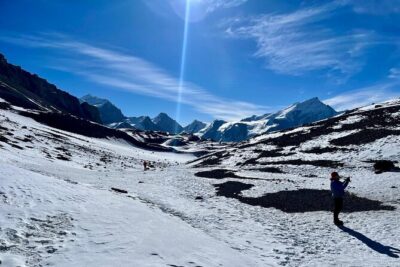
The route from Yak Kharka to Thorong Phedi takes about six hours and reaches approximately 4,450 meters. Thorong Phedi is the base for the pass crossing, and the overnight stay lets you prepare for the biggest day.
The scenery is stark and impressive. There are fewer trees, more open slopes, and a greater sense of exposure. You should keep your daypack organized, make sure your headlamp works, and place warm clothing where you can reach it quickly.
The lodging at Thorong Phedi is basic. That is normal for a high-altitude tea house, but it can be a shock if you expect comfort equal to the Pokhara hotel included at the end. Bring a sleeping bag, warm socks, a jacket, a hat, and a water bottle.
Your guide should explain the next morning’s timing and route conditions. Bipin, Prakash, and other guides have earned praise for giving clear briefings and making timely changes. That practical communication is exactly what you need before a long pass day.
Day 8: Thorong La Pass and the descent to Muktinath
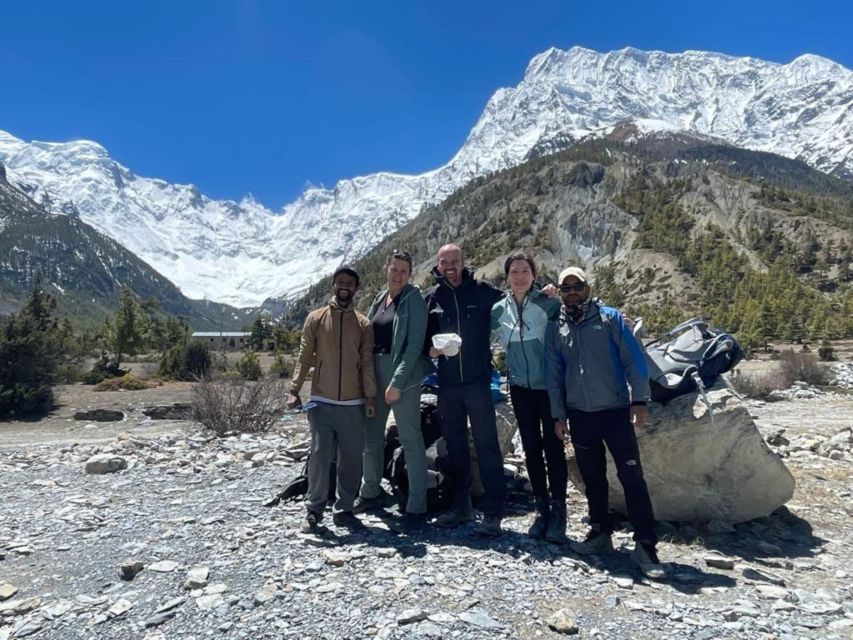
This is the defining day. You leave Thorong Phedi early, climb to Thorong La at 5,416 meters, then descend to Muktinath at about 3,800 meters. The stated walking time is roughly 12 hours.
The pass crossing is hard because it combines steep climbing, high altitude, cold, and a long descent. The reward is a major sense of achievement and wide mountain views from one of the highest points on the route.
The descent to Muktinath is not an easy finish. Your legs may be tired from the climb, and the trail continues for hours. Strong boots, trekking poles, water, snacks, and a headlamp are sensible essentials.
Muktinath adds a cultural layer to the day. It is a sacred pilgrimage site for Hindus and Buddhists, and the village offers a meaningful change from the high pass. Take time to observe local customs respectfully rather than treating the temple as just another photo stop.
You should not book this trek casually if you have little experience with long mountain days or high altitude. That does not mean you need to be an elite climber, but you should be fit for sustained uphill walking and ready for a demanding day.
Day 9: Muktinath to windy Jomsom
The five-hour descent to Jomsom brings you to about 2,720 meters. The change in scenery is dramatic as you enter the Mustang region, where the surroundings become drier and more desert-like.
After the severity of Thorong La, Jomsom feels like a different world. It is known here as a windy town, so keep a jacket and sun protection handy even after losing altitude. The lower elevation should feel easier, though the descent may still tax your knees.
Jomsom is the final overnight stop before the return to Pokhara. It gives you time to absorb what you have completed and enjoy one more night in the mountain region.
Day 10: Jomsom to Pokhara by bus
The final transfer takes about eight hours by bus. The road journey can be long, but it replaces several more days of walking and brings you to Pokhara, where the trek ends.
A tourist-standard luxury hotel, Hotel Orchid, is included for one night in Pokhara. That change from tea houses to a proper hotel is well timed. You also receive a farewell Nepalese dinner in Lakeside Pokhara, a pleasant way to close the trip.
The package includes a luxury sofa-seater tourist air-conditioned bus from Pokhara to Kathmandu. This is useful if you need to return to the capital after the trek, though the listed ten-day schedule ends in Pokhara. A private vehicle is available for an extra charge.
What the $467 price really covers
The price is appealing because it bundles the costs that can quickly add up in Nepal. Included services cover hotel pickup and drop-off, permits, required paperwork, the Trekkers’ Information Management System fee, government taxes, guide services, trek accommodation for nine nights, and the Pokhara hotel night.
Transportation is also arranged for the stated route: Kathmandu to Besisahar by bus, Besisahar to Dharapani by shared Jeep, and Jomsom to Pokhara by bus. Staff costs, including meals, accommodation, salary, equipment, insurance, and transport for the staff, are included.
The guide is included, but porter service costs extra. You also pay for soft drinks, hard drinks, personal calls, laundry, bar bills, battery charging, showers, extra porters, and bottled or boiled water.
For the best value, confirm whether you are booking the Full Package. That version includes breakfast, lunch, and dinner during the trek. If meals are not included in your selected option, budget separately for food and drinks.
Packing for altitude, weather, and tea houses
Mountain weather can shift quickly. The advice to pack layers is practical, as conditions may be clear and sunny but can also bring rain or snow.
Your core kit should include:
- Passport or ID card
- Comfortable hiking shoes and trekking gear
- Warm jacket, hat, gloves, and extra socks
- Sleeping bag
- Daypack and water bottle
- Headlamp or flashlight
- Sunglasses and sunscreen
- Cash
- Basic first aid kit
- Trekking poles
- Camera, if you want to record the views
Travel insurance with high-altitude coverage is essential. Rescue insurance is not included, and standard policies may not cover trekking at 5,416 meters. Check the policy wording before you leave home.
Pack light, but do not cut warmth to save space. You can store luggage during the trek, which makes it easier to carry only what you need each day.
Guide support and how it affects the experience
The strongest part of this experience is the human organization behind it. Guides such as Keshab, Prakash, Mahesh, Bipin, Suresh, Milani, and Jeet have been praised for friendliness, patience, route knowledge, clear explanations, and careful pacing.
That support shows up in ordinary details: arranging tea houses, organizing meals, watching food preparation, managing transport, helping with bags, and responding when roads or trails cause trouble. One useful service is moving stored luggage from Kathmandu to Pokhara, including returning rented sleeping bags to a Kathmandu shop.
A guide should not remove the challenge from the trek. Instead, the guide helps you handle it safely and with less confusion. The best guides also know when to speak and when to let you enjoy the silence, a quality Keshab was especially praised for.
Who should book this trek?
I would recommend this route to fit adults who want a serious Himalayan walking experience without arranging every permit, bed, and transfer themselves. It suits first-time Nepal trekkers who are ready to train for inclines and long walking days.
It is a good choice if you value mountain scenery, village life, local food, and cultural sites more than polished facilities. You should be comfortable with basic tea-house accommodation and changing plans.
It is not suitable for pregnant women. It is also a poor match if you dislike early starts, long drives, simple lodging, or the physical demands of high altitude. You should arrive with realistic expectations, not just enthusiasm.
Free cancellation is available up to 24 hours before the start for a full refund, and reserve-now-pay-later booking keeps some flexibility in your planning. Still, the more important decision is your fitness and insurance. Those determine how enjoyable this trek will be far more than the booking terms.
Should you book the Annapurna Circuit trek?
Book it if you want a compact but demanding route with a major pass crossing, changing scenery, local villages, and substantial support at a very competitive price. The acclimatization day in Manang and the repeated praise for the guide team make this a sensible introduction to high-altitude trekking.
Think twice if you want relaxed walking or private, upscale accommodation throughout. The 12-hour Thorong La day is the key warning: it is memorable because it is difficult.
For most prepared hikers, I see this as a strong-value Nepal adventure. Train your legs, insure yourself for high altitude, bring warm gear and cash, and confirm whether meals are included in your package. Do that, and the trek gives you a real taste of the Annapurna Circuit without forcing you to manage every detail alone.
FAQ
How long is the Annapurna Circuit trek?
The experience lasts 10 days, beginning in Kathmandu and ending in Pokhara after the bus ride from Jomsom.
How high is Thorong La Pass?
Thorong La Pass reaches 5,416 meters, or 17,769 feet.
Is a guide included?
Yes. An authorized English-speaking guide is included, along with the guide’s insurance.
Are porters included?
No. Porter service costs extra.
Are meals included?
Breakfast, lunch, and dinner during the trek are included with the Full Package only. Drinks and personal purchases are not included.
What transport is provided?
You travel from Kathmandu to Besisahar by bus, continue from Besisahar to Dharapani by shared Jeep, and take a bus from Jomsom to Pokhara. A luxury sofa-seater tourist air-conditioned bus from Pokhara to Kathmandu is also included. A private vehicle costs extra.
Where do you stay during the trek?
You stay in basic tea houses or guesthouses for nine nights during the trek. One night at Hotel Orchid, a tourist-standard luxury hotel in Pokhara, is included.
Is travel insurance included?
No. Travel and rescue insurance are not included. Insurance with high-altitude coverage is strongly advised.
Can the schedule be changed?
Yes. The trek duration and schedule can be customized based on individual preferences and walking pace.
What should you bring?
Bring your passport or ID, sunscreen, sleeping bag, socks, cash, daypack, camera, first aid kit, jacket, hat, water bottle, hiking shoes, trekking gear, flashlight, and sunglasses. A headlamp, trekking poles, and warm clothing are also recommended.
Just added around Kathmandu
- Nagarkot Sunrise With 7 UNESCO World Heritage Private Tour★ 5.0 · 3 reviews
- Private Shopping Tour in Kathmandu★ 5.0 · 3 reviews
- Mount Everest Scenic Flight 50 Minutes★ 5.0 · 3 reviews
- Kathmandu: Nightlife and Pub Crawl Tour★ 5.0 · 3 reviews
- Kathmandu: Nagarkot, Bhaktapur, Doleswor & Sanga Statue Tour★ 5.0 · 3 reviews
- Momo Cooking Class -The Art Of Making MoMo with Home Chef★ 5.0 · 3 reviews
- Kathmandu: Momo Making Class with a Local Chef★ 5.0 · 3 reviews
- Everest Experience Trek 6 Day Hiking Adventure★ 5.0 · 3 reviews
Annapurna Circuit Treks, compared.

15-Day Private Annapurna Circuit Trek from Kathmandu
Read our review →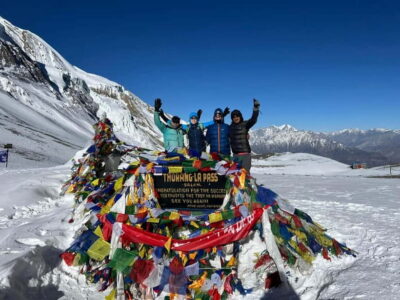
Annapurna Circuit Trek with Tilicho Lake (16 Days)
Read our review →Browse the lists this tour appears in