
Reviewed · FOOD & DRINK
Kathmandu Food & Drink Walking Tour Taste Local Delicacies
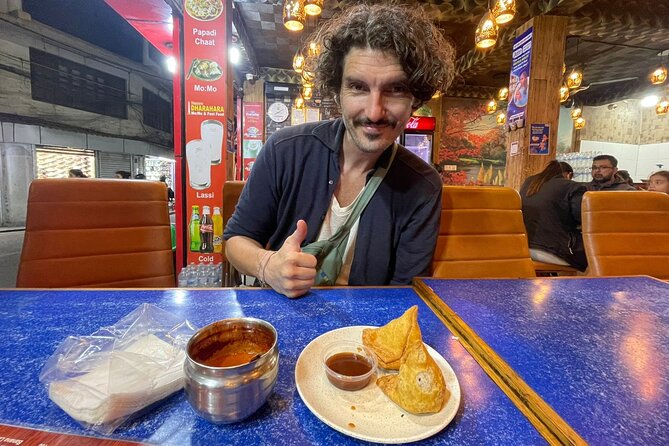
Follow your appetite through old Kathmandu. This three-hour walk moves from Thamel through Jyatha, Asan, Indra Chowk, and Chhetrapati, pairing Newari and Nepali street food with stories about local customs and daily life. I like the route because it takes you beyond tourist-facing restaurants and into small food stalls, family-run spots, spice shops, and quiet side lanes. I also like that guides such as Umesh and Ananta are praised for being patient, friendly, and willing to explain each dish without pressuring you to eat anything.
The main consideration is that this is a walking tasting tour, not a carefully planned restaurant meal. Food choices can be unfamiliar, local drinks may not suit every palate, and alcohol is not included. The route also passes through crowded city streets, so you should be comfortable walking for about three hours and staying alert around traffic, shoppers, and uneven pavement.
In This Review
- Key points to know before you book
- Why this short food walk works in Kathmandu
- Starting in Thamel, where tourist Kathmandu meets local life
- Jyatha reveals a quieter side of the center
- Asan is the tour’s strongest market stop
- Indra Chowk links food with old Kathmandu
- Chhetrapati closes the loop near Thamel
- What you are likely to eat and drink
- The guide can make or break the experience
- Is $15 a good value?
- Who should book this walk?
- Cancellation and practical details
- My verdict: book it for food, context, and local streets
- FAQ
- How long is the Kathmandu Food and Drink Walking Tour?
- How much does the tour cost?
- Where does the tour start and finish?
- Which Kathmandu neighborhoods does the tour visit?
- Is food and drink included?
- How many people can join, and what happens if the weather is poor?
Key points to know before you book
- Five central Kathmandu neighborhoods: The walk links Thamel, Jyatha, Asan, Indra Chowk, and Chhetrapati, giving you a useful introduction to the city center.
- Local food rather than polished dining: Small stalls, modest eateries, and family-run places are part of the appeal.
- Asan spice market: You get time in one of Kathmandu’s oldest trading areas, where spices and everyday goods reveal a lot about local cooking.
- Patient guides: Umesh and Ananta receive especially warm praise for their explanations and relaxed approach.
- Small group format: The maximum group size is 15 people, which should make questions and tastings easier than on a large coach tour.
- Low price: At $15 per person, the tour offers strong value if you want several tastings and a useful introduction to Kathmandu’s food culture.
Why this short food walk works in Kathmandu
Kathmandu is easiest to understand at street level. Its food culture does not sit in one neat dining district. It appears in market corners, tiny counters, old courtyards, shopfronts, and lanes where people stop for a quick bite during the day.
This tour gives you a framework for finding those places. Instead of asking you to search for local food on your own, it connects several central neighborhoods in one walk. You see how the tourist district around Thamel changes as you move toward the older commercial areas around Asan and Indra Chowk.
I like the way the route combines eating with orientation. You are not simply handed a plate and told what it is. The guide explains the cultural meaning of the dishes and points out how food fits into local routines. That matters in Kathmandu, where a snack can be connected to a neighborhood, a festival, a trade tradition, or a community kitchen.
The tour lasts about three hours, with roughly 30 minutes allocated to each main stop. That gives you enough time to pause, taste, and ask questions without turning the whole outing into a rushed checklist. Still, the timing is approximate, so the pace may change depending on the group, the food stops, and street conditions.
More Walking Tours in Kathmandu
- Kathmandu Food and Drink Walking Tour
★ 5.0 · 266 reviews - Kathmandu: Food and Drink Walking Tour
★ 4.9 · 119 reviews - Walking Street Food Tour in Kathmandu
★ 5.0 · 111 reviews
Starting in Thamel, where tourist Kathmandu meets local life
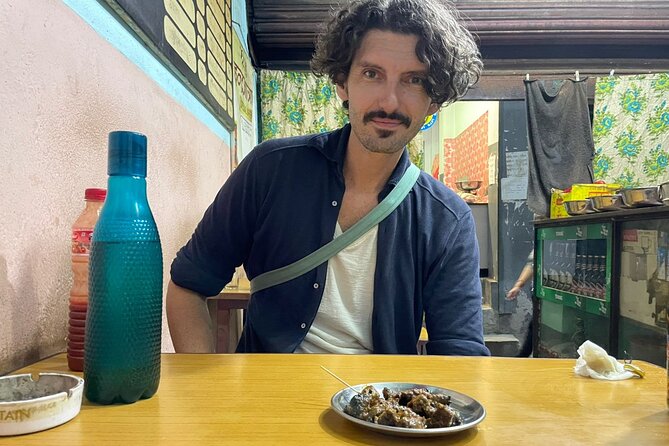
The meeting point is Nepal Handloom Pashmina Traders on Narsingh Chowk Marg. That places you in Thamel, Kathmandu’s best-known visitor district, surrounded by shops, cafés, stalls, and narrow streets.
Thamel is an easy place to begin because it is familiar to many people staying in Kathmandu. It also provides a useful contrast. The area mixes tourist businesses with long-established local activity, so your guide can show you the difference between food aimed at visitors and food people eat as part of ordinary city life.
Expect the first part of the walk to set the tone rather than deliver a full meal. You may sample snacks or drinks while learning how the tour will work. The package includes snacks, meals, coffee or tea, bottled water, and local guidance, but the exact food list is not provided. That is worth noting if you have a specific dish in mind.
Thamel can be crowded and noisy, especially around its shopping streets. Keep your belongings secure and wear shoes that are comfortable for walking. Pickup is offered, but the listed start and end point is the same location, so confirm the pickup arrangement when booking if you need it.
Jyatha reveals a quieter side of the center
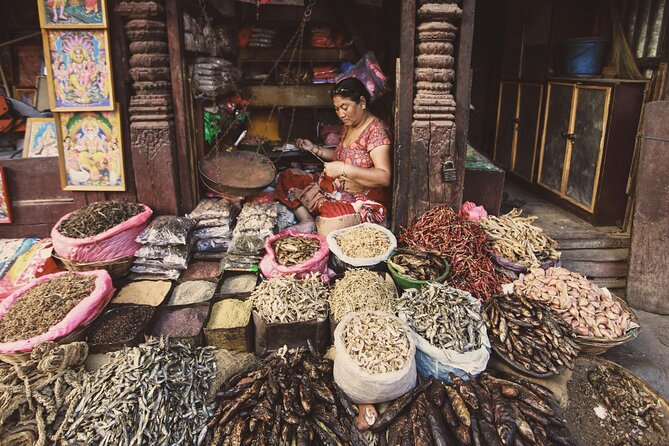
From Thamel, the route continues to Jyatha. This neighborhood is described as a calmer residential corner, with small eateries and traditional shops tucked away from the main tourist flow.
This is one of the more useful stops for anyone who wants to understand how local food hides in plain sight. A modest doorway or narrow shop may not look like a dining destination, yet it can lead to a place serving traditional snacks and drinks. Without a local guide, you could easily walk past these spots.
I especially value this section because it slows the tour down. Thamel is about movement, shopping, and visitors. Jyatha gives you a closer look at ordinary streets and smaller food businesses. The change helps you see Kathmandu as a working city, not just a base for mountain trips.
The food here is likely to feel less familiar than what you find in international cafés. That is part of the point, but you should not feel obligated to try everything. Ananta is praised for giving clear explanations and allowing people to decide at their own pace. That makes a difference if you are cautious with new flavors or unsure about a particular drink.
Asan is the tour’s strongest market stop
Asan is the centerpiece of the route for many people. It is one of Kathmandu’s oldest marketplaces and a historic meeting point where six streets come together. The market is known for spices and daily trade, so this is where the connection between ingredients and finished food becomes clearest.
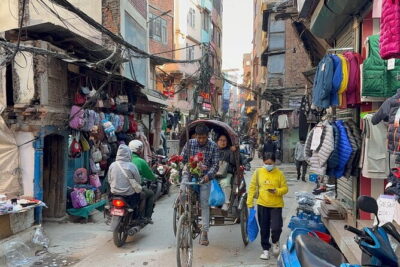
You will see the practical side of Nepali cooking here. The market is not a staged food attraction. It is a working place where people shop, carry goods, conduct business, and move through tight lanes. Your guide helps you make sense of the noise, smells, colors, and displays without reducing the market to a photo stop.
I like this stop for two reasons. First, it adds context to the tastings. When you see spices and other ingredients being sold in the market, local dishes become easier to understand. Second, it gives you a direct look at one of Kathmandu’s long-running commercial centers.
Asan can also be the most demanding part of the walk. The streets may be crowded, and you may need to stay close to the group. If you dislike busy markets, this portion could feel tiring. If you enjoy seeing a city at work, it is likely to be one of the most memorable parts.
More Food Tours:
- Secret Food Tour – Food Bites and Sights Kathmandu 14+ Testings
★ 5.0 · 82 reviews - Kathmandu Secret Food Crawl & Local Market Tour
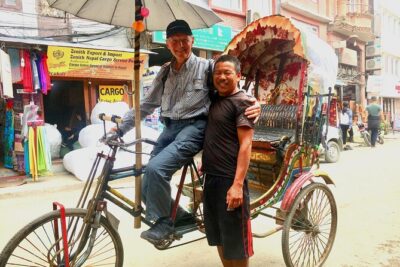
★ 4.7 · 54 reviews - Kathmandu Food & Drink and Shopping Rickshaw Tour
★ 5.0 · 48 reviews - Walking Food Tour in Hidden Local Eateries of Kathmandu
★ 5.0 · 40 reviews
Indra Chowk links food with old Kathmandu
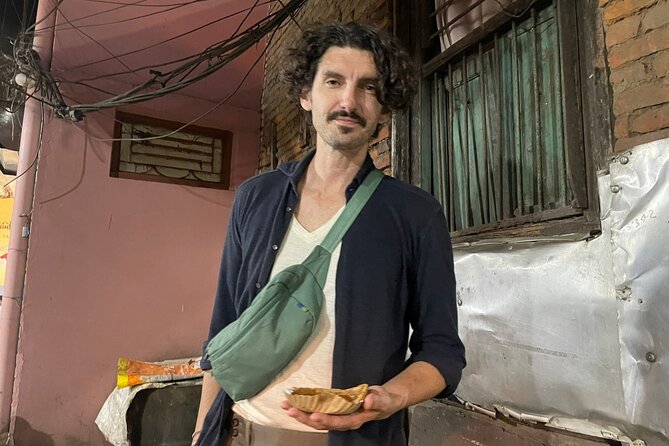
Indra Chowk is a historic square near Kathmandu Durbar Square. The area has old temples, textile shops, and food vendors, giving the tour another shift in character.
This stop works well because it combines several parts of Kathmandu at once. You have religious buildings, trade, shopping, and street food all operating within the same small area. The guide’s cultural explanations are important here. Without context, you may see only a crowded square and a line of shops. With context, the place becomes easier to read.
The food stops in Indra Chowk are part of the wider Newari and Nepali tasting experience. The precise dishes are not fixed in the information provided, so you should expect a selection rather than a guaranteed menu. That flexibility is normal for a street food walk, since vendors, availability, and timing can change.
This is also a good place to ask questions. Guides Umesh and Ananta are praised for explaining what people are eating and for connecting food with local culture. If you are curious about ingredients, preparation, or customs, speak up. A small group of no more than 15 people should make that practical.
Chhetrapati closes the loop near Thamel
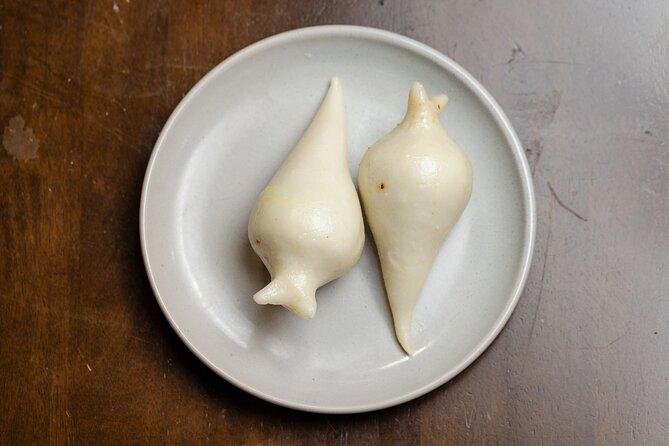
Chhetrapati is a busy intersection and neighborhood between Thamel and Kathmandu’s older districts. It is easy to pass through without stopping, which is exactly why a guided walk can be useful here.
The area shows everyday Kathmandu rather than a single major attraction. You may see people moving between neighborhoods, shops serving local customers, and food businesses that do not advertise themselves to international visitors. This final section reinforces the tour’s main lesson: good local food is often found in ordinary places.
Because Chhetrapati leads back toward Thamel, it also makes a sensible ending point for the route. The activity returns to the starting meeting place, so you are not left in an unfamiliar part of the city after the last tasting.
By this stage, you will have spent several hours walking and eating in small portions. Do not expect a formal dessert course or a restaurant-style finale unless the operator confirms it. Think of the finish as the end of a grazing route through central Kathmandu.
What you are likely to eat and drink
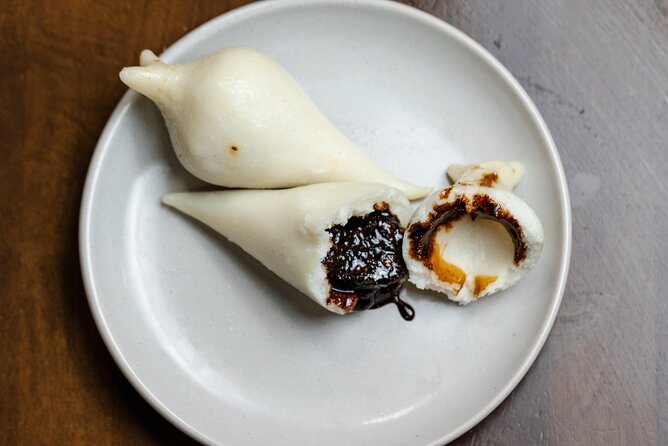
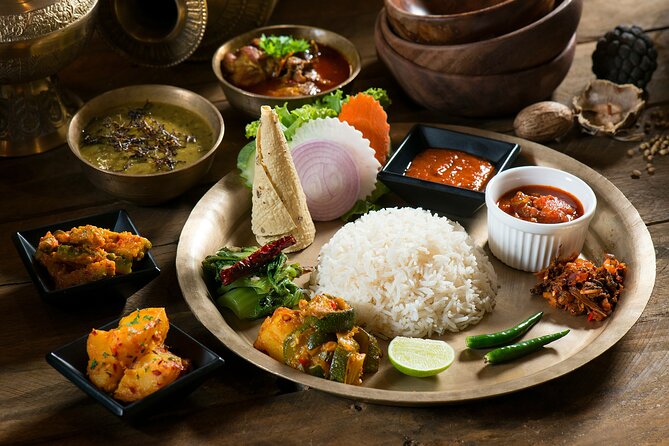
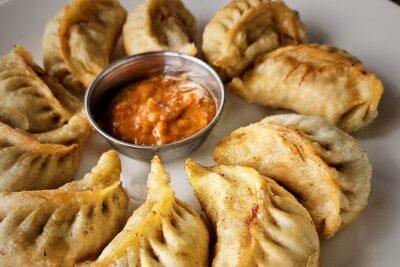
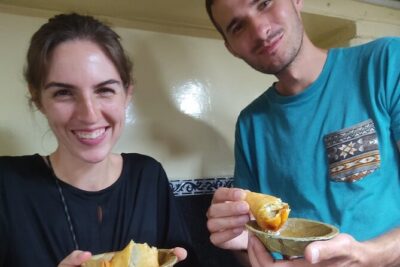
The tour focuses on Newari and Nepali street food, local drinks, and traditional delicacies. It also includes snacks, meals, coffee or tea, and bottled water. The wording suggests a generous tasting experience, but the menu is not specified in advance.
That uncertainty can be a benefit. You are more likely to encounter what is available and popular locally on the day rather than a fixed tourist menu. It also means you should ask the guide what you are about to try and mention any concerns before eating.
The most useful part is the explanation. A dish becomes more interesting when you know why it is eaten, where it comes from, or how it fits into local life. The guide’s role is not simply to point at food. It is to help you recognize the difference between a random snack and a meaningful part of Kathmandu’s food culture.
Alcoholic drinks are not included, and personal expenses are separate. Shopping, insurance, and guide tips are also your responsibility. If you buy spices, textiles, or other goods along the way, carry only what you are comfortable managing during the rest of the walk.
The guide can make or break the experience
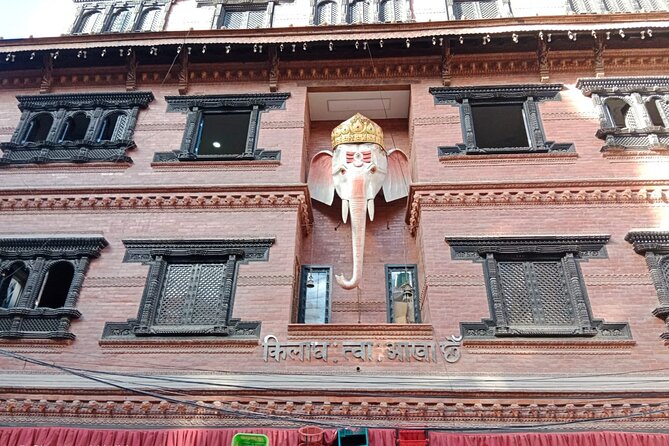
The strongest praise goes to the guides. Umesh is described as a friendly escort through some challenging city streets, while Ananta is praised for his warmth, cultural explanations, and patience.
That patience matters on a food tour. Nobody should have to eat something they do not want, and Ananta is specifically praised for not rushing or pressuring people. If you are nervous about unfamiliar food, this is a good sign.
A local guide also helps with places you would probably miss on your own. Small family-run businesses and humble hole-in-the-wall eateries may not have clear signs or menus in English. The guide gives you confidence about where to stop and what to order.
The group limit is 15 people. That is not a private tour, but it is small enough to keep the group together through narrow streets and give you a reasonable chance to speak with the guide. If the group reaches its maximum, the experience may feel less personal than a private food walk.
Is $15 a good value?
At $15 per person, this is inexpensive for a three-hour guided activity that includes food, drinks such as coffee or tea, bottled water, and several neighborhood stops.
The value is not just the amount of food. You are paying for access and interpretation. A person walking alone might find a few stalls, but could miss the best small eateries, misunderstand the food, or avoid places that look too modest. The guide helps remove that uncertainty.
The price is especially attractive early in your Kathmandu stay. Take the tour near the start of your visit, and you can return to favorite areas or foods later. You also get a useful introduction to the central city before exploring on your own.
The modest price comes with limits. This is not a private guide, a luxury tasting menu, or a carefully designed culinary lecture. Alcohol is extra, personal purchases are extra, and the precise menu is not guaranteed. If you want fine dining or detailed cooking instruction, spend more elsewhere. If you want a practical first taste of local food, the price is hard to criticize.
Who should book this walk?
I would recommend it to first-time visitors who want to understand Kathmandu through food rather than monuments alone. It also suits people who enjoy markets, small businesses, local drinks, and the unpredictability of eating in busy city neighborhoods.
It is a good choice for curious eaters who want guidance but still like making their own decisions. The relaxed approach described for Umesh and Ananta should help if you are willing to try new things but want a clear explanation first.
You may want to skip it if you dislike walking in crowded streets, prefer a fixed menu, or need complete control over every ingredient. The tour requires good weather, and poor weather can lead to a different date or a full refund. Comfortable walking shoes and a flexible attitude will serve you well.
Booking is also sensible for anyone who wants a small-group introduction without spending much. Confirmation arrives at booking, the meeting point is near public transportation, and most people can participate.
Cancellation and practical details
You can cancel for a full refund up to 24 hours before the start time. Cancellations or changes made within 24 hours are not accepted for a refund.
The activity requires good weather. If the operator cancels because of poor conditions, you are offered another date or a full refund. The tour ends back at the starting meeting point, and mobile tickets are available.
My verdict: book it for food, context, and local streets
I would book this tour if I wanted a low-cost, guided introduction to Kathmandu’s food culture. The route is well chosen, the Asan market adds real local context, and the small food stops offer something you may not find by wandering Thamel alone.
The biggest strengths are the guide’s patience and the connection between eating and place. Umesh and Ananta appear to understand that a good food walk should make you comfortable while still taking you beyond familiar choices.
Just keep your expectations realistic. You are not booking a restaurant crawl with a guaranteed menu. You are joining a three-hour walk through central Kathmandu, tasting what local vendors offer and learning why it matters. For $15, that is a practical and memorable way to get your bearings through food.
FAQ
How long is the Kathmandu Food and Drink Walking Tour?
The tour lasts approximately three hours.
How much does the tour cost?
The listed price is $15 per person.
Where does the tour start and finish?
It starts at Nepal Handloom Pashmina Traders on Narsingh Chowk Marg in Kathmandu and ends back at the same meeting point.
Which Kathmandu neighborhoods does the tour visit?
The route includes Thamel, Jyatha, Asan, Indra Chowk, and Chhetrapati.
Is food and drink included?
Yes. The inclusions list snacks, meals, coffee or tea, bottled water, and other meal items. Alcoholic drinks and personal expenses are not included.
How many people can join, and what happens if the weather is poor?
The maximum group size is 15 people. The tour requires good weather, and if it is canceled because of poor conditions, you are offered a different date or a full refund.
More Food
- Kathmandu Food Crawl & Market Tour
★ 5.0 · 26 reviews - Kathmandu Food Crawl & Market Tour
★ 5.0 · 8 reviews - Kathmandu: Food, Drink and Shopping Rickshaw Tour
★ 4.7 · 7 reviews - Private half day Medieval Kirtipur town with Newari food tasting trip
★ 4.0 · 6 reviews
Just added around Kathmandu
- Private Shopping Tour in Kathmandu★ 5.0 · 3 reviews
- Nagarkot Sunrise With 7 UNESCO World Heritage Private Tour★ 5.0 · 3 reviews
- Mount Everest Scenic Flight 50 Minutes★ 5.0 · 3 reviews
- Kathmandu: Nightlife and Pub Crawl Tour★ 5.0 · 3 reviews
- Kathmandu: Nagarkot, Bhaktapur, Doleswor & Sanga Statue Tour★ 5.0 · 3 reviews
- Momo Cooking Class -The Art Of Making MoMo with Home Chef★ 5.0 · 3 reviews
- Kathmandu: Momo Making Class with a Local Chef★ 5.0 · 3 reviews
- Everest Experience Trek 6 Day Hiking Adventure★ 5.0 · 3 reviews
Food & Drink, compared.
Secret Food Tour – Food Bites and Sights Kathmandu 14+ Testings
Read our review →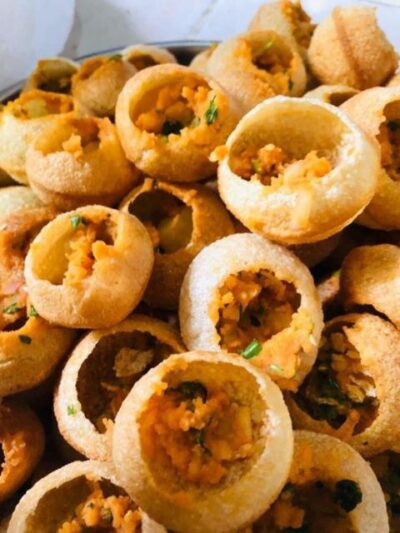
Kathmandu Food & Drink and Shopping Rickshaw Tour
Read our review →
Walking Food Tour in Hidden Local Eateries of Kathmandu
Read our review →
Browse the lists this tour appears in