
Reviewed · FOOD & DRINK
Secret Food Tour – Food Bites and Sights Kathmandu 14+ Testings
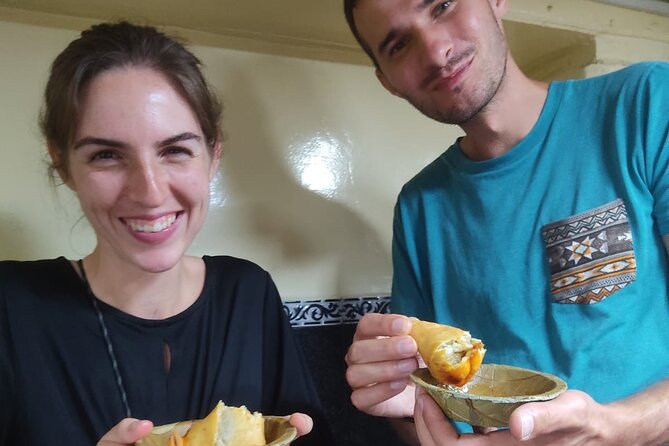
Come hungry, leave pleasantly overwhelmed. This three-hour Kathmandu food walk combines 14 or more tastings with old markets, temples, traditional houses, and narrow courtyards that are easy to miss on your own. I like the generous amount of food and the chance to eat in tucked-away places used by locals. I also like that the tour is led by local guides such as Swoyam, Jivraj, and Namrata, who add personal context to each stop.
The main consideration is that this is an adventurous street-food outing, not a polished restaurant crawl. Some stops can look rough around the edges, and you may need to be comfortable eating in simple settings. You will also walk through busy city streets, so good shoes, an open mind, and an empty stomach matter.
In This Review
- Key points at a glance
- Why this food walk works as a Kathmandu introduction
- Starting at Purple Haze Rock Bar
- Indra Chowk: Kathmandu’s market at street level
- Tucked-away food stops beyond the map
- What the food can feel like
- The guides are a major part of the value
- Thamel adds a different side of Kathmandu
- Price, time, and what you really receive
- Who should book this experience
- Practical tips for making the most of it
- Should you book the Kathmandu food tour?
- FAQ
- How much does the Secret Food Tour cost?
- How long does the tour last?
- Where does the tour start?
- Where does the tour end?
- What is included?
- How many people can join the tour?
- Can I cancel for a refund?
Key points at a glance
- 14 or more tastings: Expect a large spread of local foods, snacks, sweets, drinks, coffee, or tea during the three-hour outing.
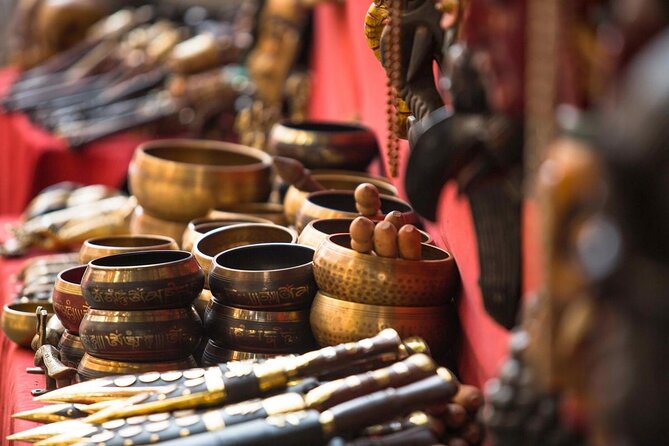
- Indra Chowk and the old market: Walk through one of Kathmandu’s oldest trading areas, with spice stalls, temples, old homes, courtyards, and souvenir shops.
- Local places beyond the usual tourist route: Several food stops are tucked away and may not be listed on Google Maps.
- Guides make the difference: Swoyam, Jivraj, and Namrata have received especially warm praise for their English, friendliness, and local insight.
- A walking tour with a full-meal effect: Portions are generous, so eating beforehand is a mistake.
- $35 for three hours: The price is reasonable if you want food, a city walk, cultural background, and hard-to-find eateries in one outing.
Why this food walk works as a Kathmandu introduction
Kathmandu can be hard to read at first. One street may hold a temple, a spice stall, a jewelry shop, a scooter, and a small food counter within a few steps. A food tour gives you a practical reason to move through this mix instead of simply passing through it.
I like the way this experience joins eating with sightseeing. You are not placed in a vehicle and driven from one restaurant to another. You walk between stops, which lets you notice old buildings, courtyards, alleys, shrines, and the changing feel of the city.
The food also gives the walk a clear purpose. You are not just hearing about Nepali culture in general terms. You are tasting local dishes and drinks, then hearing how they fit into daily life. That makes the information easier to remember, especially if this is your first visit to Nepal.
The experience is also useful for repeat visitors. One person who had already visited Kathmandu several times still found new things to learn. That makes this more than a basic orientation walk, provided you enjoy trying foods that may not be familiar.
More Food Tours:
- Kathmandu Food and Drink Walking Tour
★ 5.0 · 266 reviews - Kathmandu: Food and Drink Walking Tour
★ 4.9 · 119 reviews - Walking Street Food Tour in Kathmandu
★ 5.0 · 111 reviews
Starting at Purple Haze Rock Bar
The tour begins at Purple Haze Rock Bar on Paryatan Marg, Kathmandu 44600. The activity returns to this same meeting point at the end.
That start and finish are worth noting when you plan your day. You will not be dropped at a different neighborhood, hotel, or sightseeing site. Build in enough time to reach Purple Haze before the start, and avoid scheduling a tight appointment immediately afterward.
Pickup is offered, but the stated meeting point remains important. Confirm the pickup details when booking rather than assuming door-to-door transport is included. There is no air-conditioned vehicle listed, and this is fundamentally a walking experience.
The group can include up to 15 people. That is large enough to provide some social energy but small enough for a guide to explain dishes and answer questions. A smaller group may feel more personal, while a full group could make narrow lanes and small food counters a little less comfortable.
Indra Chowk: Kathmandu’s market at street level
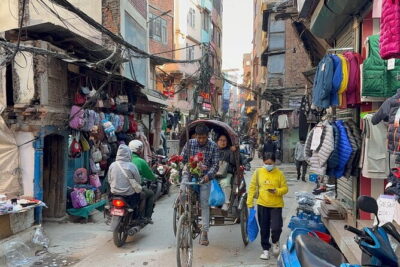
Indra Chowk is the main sightseeing anchor of the route. It is described as one of Kathmandu’s oldest markets, and that age shows in the surrounding streets, traditional homes, temples, alleys, and courtyards.
I particularly like this part because the market is not treated as scenery between meals. It is part of the food experience. You see where ingredients, spices, snacks, and everyday goods fit into city life. The spice market adds another layer, with strong smells and plenty of visual activity.
This is also where the tour can feel least polished. The streets may be crowded, the walking surface may be uneven, and food stalls may look basic. That is part of the bargain. You are seeing an operating market rather than a display built for visitors.
The route includes beautiful temples and old buildings, but the focus remains on food and local life. If you want a detailed architectural tour, this will not replace one. If you want a short walk that connects food with Kathmandu’s older neighborhoods, it is a smart use of your time.
Tucked-away food stops beyond the map
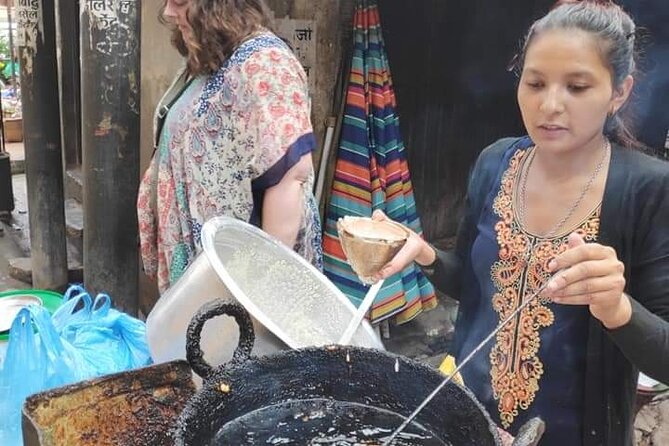
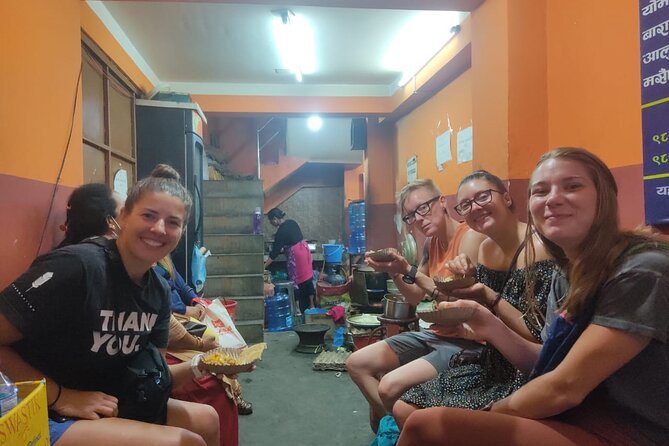
The food stops are the heart of the outing. Several are described as places you might not find by searching Google Maps, and many are used mainly by local residents.
That detail matters. Kathmandu has plenty of restaurants aimed at international visitors, but a local guide can take you to places that are easy to overlook from the street. The value is not only in the dishes themselves. It is in learning where people actually stop for a snack or meal.
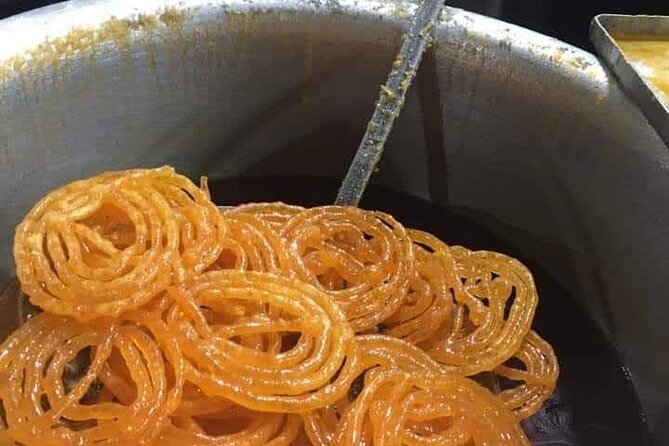
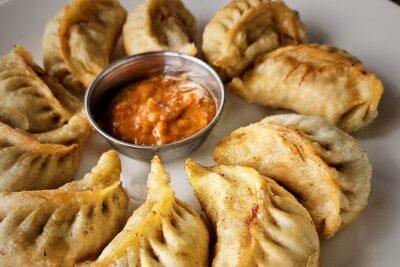
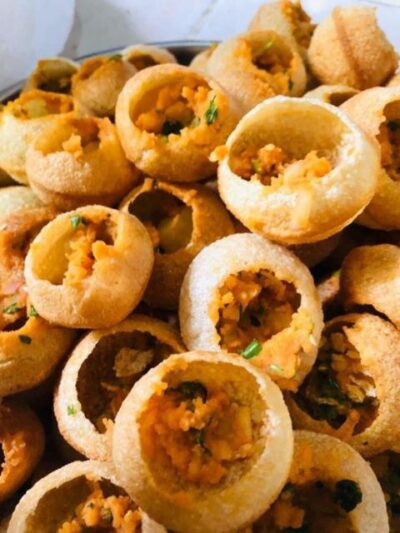
The tastings cover a broad range of Nepali food and drinks. The available information specifically mentions momos, jerrys, pani-puri, different local foods, drinks, coffee, and tea. Dal bhat and momos are familiar names to many people who have looked into Nepali cuisine, but the tour is designed to show that Nepali food is not limited to those two dishes.
Momos were a favorite for one participant, while jerrys also received special praise. Pani-puri could be requested during the tour, and the guide was willing to accommodate that request. That suggests some flexibility, though you should not assume every personal request can be added.
The food is not presented as a set of tiny decorative samples. Several people found the servings generous, with enough food to leave them full. The title promises 14 or more tastings, so plan for a substantial amount rather than a light snack between sightseeing stops.
A few more trips worth weighing up before you book
- Kathmandu Secret Food Crawl & Local Market Tour
★ 4.7 · 54 reviews - Kathmandu Food & Drink and Shopping Rickshaw Tour
★ 5.0 · 48 reviews - Walking Food Tour in Hidden Local Eateries of Kathmandu
★ 5.0 · 40 reviews - Kathmandu Food Crawl & Market Tour
★ 5.0 · 26 reviews
What the food can feel like
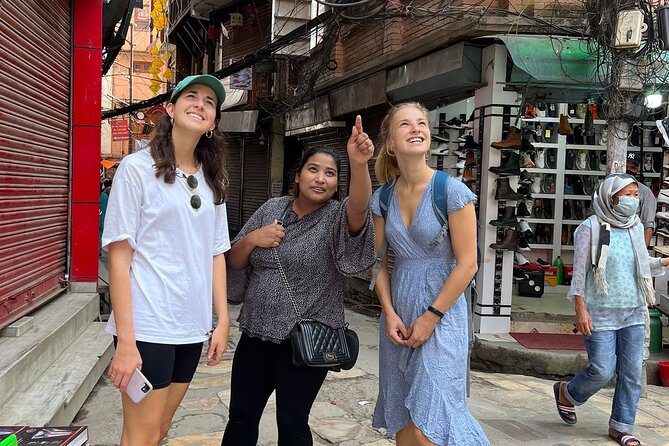
This is a good tour for an adventurous eater. Some dishes may be completely new to you, and you may not enjoy every item. That is normal on a food walk built around local eating rather than familiar international flavors.
I appreciate that the experience does not pretend every taste will suit every palate. The point is to try, ask questions, and understand the food in context. You can usually decide how much to eat, but arriving full would make the tour unnecessarily difficult.
A small practical concern is cleanliness at some tucked-away locations. One participant enjoyed the tour but felt uneasy about the condition of certain places. That does not mean the food will be unsafe, but it does mean you should know what kind of outing you are booking.
Bring hand wipes. They are not listed as an included item, and they can be useful when eating from stalls or moving between several stops. If you have allergies, dietary restrictions, or a sensitive stomach, ask the provider about them before booking. The supplied information does not specify vegetarian, vegan, gluten-free, halal, or allergy arrangements.
The guides are a major part of the value
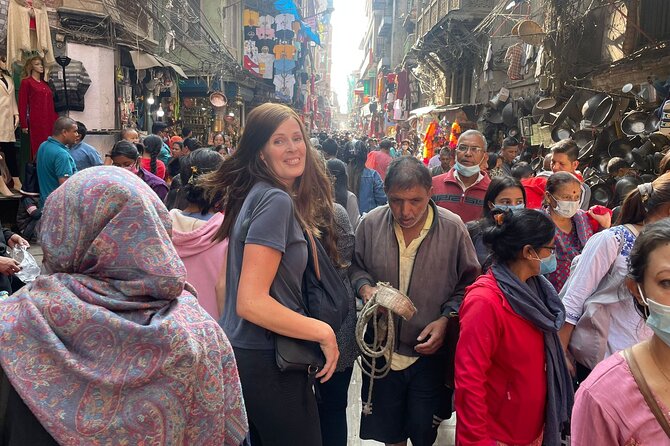
A food tour lives or dies by its guide. Here, the guide names that appear most often are Swoyam, Jivraj, and Namrata.
Swoyam is praised for strong English, enthusiasm, and the ability to make the walk feel easy and social. He is also described as someone who explains local culture through personal stories, which can make the city feel less like a collection of monuments and more like a lived-in place.
Jivraj is associated with a friendly outing and good local food stops. Namrata is described as easygoing, kind, and well informed, with the ability to make the experience comfortable for a couple traveling together.
Your assigned guide may be different, so do not book solely on the hope of getting one particular person. Still, the repeated praise for several guides is a good sign. The guide is expected to do more than point out dishes. You will want someone who can explain what you are eating, help you order, and make the walk feel manageable.
The guide also helps with the unfamiliar setting. A small food counter that seems confusing from outside becomes much easier when someone explains what to try and how the stop fits into local habits.
Thamel adds a different side of Kathmandu
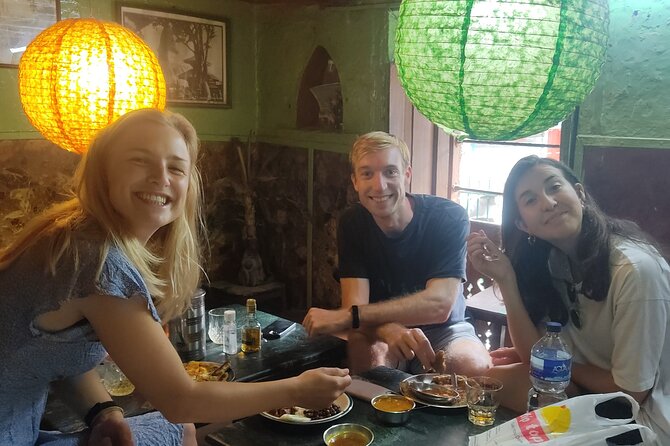
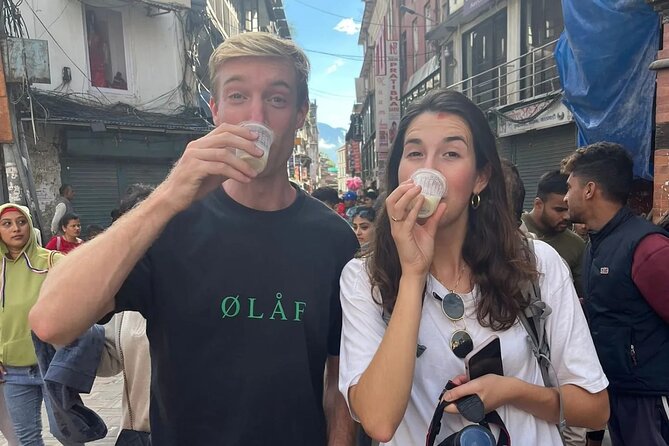
The route also reaches Thamel, Kathmandu’s main tourist center and shopping area. Compared with Indra Chowk, Thamel has a more visitor-focused feel, with handicrafts, jewelry, clothing, and other shops.
This section gives the tour useful contrast. You begin with old market streets and local food stops, then see a neighborhood known for tourism and shopping. It helps explain the two sides of Kathmandu that many first-time visitors encounter.
If you enjoy shopping, you can ask the guide about the available shops during the walk. Keep in mind that the tour is not primarily a shopping trip. The time is limited to about three hours, and the main purpose is eating and seeing the city on foot.
Thamel may also be the least surprising part for anyone staying in Kathmandu’s tourist center. The old market and side streets are likely to provide more discovery. Even so, ending or passing through Thamel makes the route practical for visitors who want to combine food with a look at the city’s main visitor district.
Price, time, and what you really receive
At $35 per person, this is a fair price for three hours of food and guided sightseeing in Kathmandu. The value becomes stronger if you count the number of tastings and the local access involved.
You are paying for more than food. The price also covers the guide’s time, route planning, explanations, and ability to lead you to places you might not locate alone. Coffee or tea and different local foods and drinks are included.
There is no air-conditioned vehicle, but that is not a serious weakness here. A vehicle would remove much of the point of the tour, since walking is how you see the old market, temples, alleys, and courtyards. It does mean you should dress for the weather and be ready to walk for most of the three hours.
Group discounts are available, which can improve the value for families or larger parties. Mobile tickets make the booking process convenient, and confirmation is received at the time of booking.
The tour requires good weather. If poor weather causes cancellation, you are offered another date or a full refund. You can also cancel for a full refund up to 24 hours before the start time. Within 24 hours, the payment is not refunded and changes are not accepted.
Who should book this experience
I would recommend this tour to you if you want a fast introduction to Nepali food and Kathmandu’s older neighborhoods. It suits curious eaters who prefer local counters and small eateries to a formal restaurant meal.
It is also a good choice for a first day in the city. The walk can help you get your bearings, learn the names of dishes, and identify areas you may want to revisit later. It works for couples, solo visitors, families with older children, and repeat visitors who want food beyond the usual menu.
You should think twice if you dislike street food, worry about simple surroundings, or need a tightly controlled diet. The tour is not the right pick for someone seeking a quiet, air-conditioned dining experience.
Most people can participate, and service animals are allowed. The group is capped at 15 people, but the activity still involves walking through city streets and eating at several different places.
Practical tips for making the most of it
- Do not eat breakfast or lunch beforehand: The tastings are plentiful, and several people specifically advise arriving with an empty stomach.
- Bring hand wipes: You may eat at food stalls and simple local spots.
- Wear comfortable shoes: The route includes markets, alleys, temples, courtyards, and shopping streets.
- Keep your schedule open: The tour lasts about three hours, and the end is back at Purple Haze Rock Bar.
- Tell the guide what interests you: Pani-puri was added at one person’s request, so it is worth asking politely about a dish you hope to try.
- Be ready for unfamiliar flavors: Not every food will be a favorite, but trying something new is central to the experience.
- Check weather conditions: Poor weather can lead to a new date or refund.
Should you book the Kathmandu food tour?
Yes, if your idea of sightseeing includes eating at places you would not find alone. The strongest reasons to book are the generous portions, the 14 or more tastings, the old-market walking route, and the chance to see Kathmandu through local food rather than tourist restaurants.
I would choose it early in a Kathmandu stay, when the guide’s advice and neighborhood orientation can shape the rest of your visit. Just arrive hungry, bring hand wipes, and accept that some stops may look rough. At $35, it offers a lot of food and city context for the money, with the best value going to adventurous eaters who want a direct taste of everyday Kathmandu.
FAQ
How much does the Secret Food Tour cost?
The listed price is $35 per person. Group discounts are offered.
How long does the tour last?
The experience lasts approximately three hours.
Where does the tour start?
It starts at Purple Haze Rock Bar, Paryatan Marg, Kathmandu 44600, Nepal.
Where does the tour end?
The activity ends back at the meeting point.
What is included?
Coffee or tea, along with different types of local food and drinks, is included.
How many people can join the tour?
The maximum group size is 15 people.
Can I cancel for a refund?
You can cancel at least 24 hours before the start time for a full refund. Cancellations or changes made within 24 hours are not refunded. If poor weather causes the tour to be canceled, you are offered another date or a full refund.
Just added around Kathmandu
- Private Shopping Tour in Kathmandu★ 5.0 · 3 reviews
- Nagarkot Sunrise With 7 UNESCO World Heritage Private Tour★ 5.0 · 3 reviews
- Mount Everest Scenic Flight 50 Minutes★ 5.0 · 3 reviews
- Kathmandu: Nightlife and Pub Crawl Tour★ 5.0 · 3 reviews
- Kathmandu: Nagarkot, Bhaktapur, Doleswor & Sanga Statue Tour★ 5.0 · 3 reviews
- Momo Cooking Class -The Art Of Making MoMo with Home Chef★ 5.0 · 3 reviews
- Makalu Base Camp Trek★ 5.0 · 3 reviews
- Kathmandu: Momo Making Class with a Local Chef★ 5.0 · 3 reviews
Food & Drink, compared.
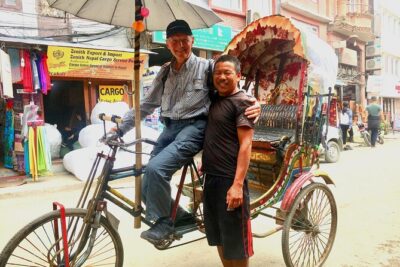
Kathmandu Food & Drink and Shopping Rickshaw Tour
Read our review →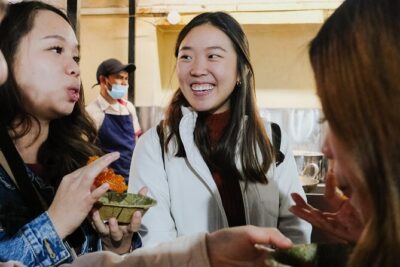
Walking Food Tour in Hidden Local Eateries of Kathmandu
Read our review →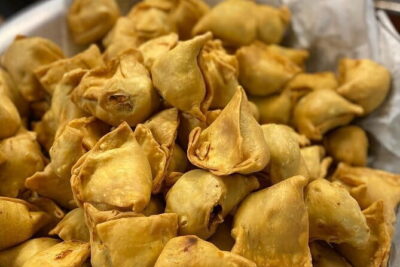
Browse the lists this tour appears in