
Reviewed · FOOD & DRINK
Kathmandu: Guided Delicious Food Tour with 12+ Tastings
Kathmandu tastes better one small plate at a time. This 2.5-hour tour takes you through local food stops for 12 or more Nepali tastings, from momos and chatamari to bara, selroti, lassi, and Bhaktapur juju dahu. The price is remarkably low at $5 per person, making it an easy way to get your first taste of the city.
I like the small group of up to six people, since a guide can answer questions without shouting across a crowded table. I also like the broad menu: this is not just a momo stop with a cup of tea attached. The main consideration is that the route and exact dishes can change, and one account describes three food venues while the tour description gives four or five stops.
Guide Bibek receives especially warm praise for his patience, friendly manner, and clear explanations. WhatsApp pickup communication also worked smoothly for one recent booking, a useful detail if you are meeting near Hotel Marshyangdi in Thamel.
In This Review
- Key things to know before you book
- Why this Kathmandu food tour is worth your time
- Meeting near Hotel Marshyangdi in Thamel
- The first tasting: a quick introduction to Nepali flavors
- Thakali flavors, pickles, and the khaja set
- Newari snacks: chatamari and bara
- Momos, selroti, sweets, and drinks
- Four or five stops, with some route flexibility
- What the guide adds to the meal
- Who will enjoy this experience most
- Timing, booking value, and practical limits
- Should you book the Kathmandu food tour?
- FAQ
- How long does the Kathmandu food tour last?
- How many tastings are included?
- How many food stops does the tour include?
- Where is the meeting point?
- Does the tour finish at the meeting point?
- Is an English-speaking guide included?
- Are drinks included?
Key things to know before you book
- 12 or more tastings in 2.5 hours: You get a wide introduction to Nepali food rather than a single specialty.
- A tiny group of up to six: This is among the smallest food-tour formats offered in Kathmandu.
- Four or five food stops: The route moves between local eating places, with the exact selection subject to change.
- Classic dishes beyond momos: Expect possibilities such as gundruk sadeko, chatamari, bara, selroti, lassi, pickles, and juju dahu.
- An English-speaking foodie guide: Bibek has been praised for patient explanations and useful food suggestions.
- An unusually low $5 price: The value is excellent if the scheduled route delivers the advertised variety.
Why this Kathmandu food tour is worth your time
Food is one of the quickest ways to get oriented in Kathmandu. Temples and old squares show you the city’s public face, but a plate of local food gives you a more practical introduction to daily life. You learn what people eat, how dishes are served, and which flavors may be unfamiliar before you order them alone.
I like the design of this tour because it favors variety. You may taste a familiar favorite such as a momo, then move to foods that many first-time visitors would not know how to identify. That matters in Nepal, where a menu can include fermented greens, rice-based snacks, lentil dishes, sweet yogurt, pickles, and Newari specialties in the same meal.
The tour is also useful at the beginning of a Kathmandu stay. After two and a half hours, you should have a list of foods to seek out again. You may also learn which dishes are spicy, sour, sweet, fermented, fried, or best paired with a local drink.
The low price deserves a practical look. At $5, this is not priced like a long, luxury dining excursion, and you should not expect a private vehicle, formal restaurant service, or a large seated feast at every stop. But if the advertised 12 or more tastings are included, the amount of food and guidance for the money is hard to beat.
More Food Tours:
- Kathmandu Food and Drink Walking Tour
★ 5.0 · 266 reviews - Kathmandu: Food and Drink Walking Tour
★ 4.9 · 119 reviews - Walking Street Food Tour in Kathmandu
★ 5.0 · 111 reviews
Meeting near Hotel Marshyangdi in Thamel
The stated meeting point is in front of Hotel Marshyangdi in Thamel, though the exact pickup point depends on the option selected when you book. The tour finishes back at the starting point, which makes the beginning and end easy to manage if you are staying in or near Thamel.
Transportation is listed as included, but the supplied details do not explain how much of the route uses a vehicle and how much is on foot. Treat this as a food outing through Kathmandu’s local streets rather than a sightseeing transfer. Wear comfortable shoes and arrive ready to move between stops.
Allow a little extra time at the start to find the representative. Communication by WhatsApp worked well for one recent booking, so keeping the phone number used for your reservation active is sensible.
The group limit is six people. That number can make a real difference during a food tour. You can ask about an unfamiliar dish, pause for an explanation, or tell the guide about a dietary concern more easily than you could in a large group.
The first tasting: a quick introduction to Nepali flavors
The route begins at a local restaurant or food venue, where the guide starts building the food story. The exact first dish is not fixed in the available details, but the range includes street food, regional dishes, and traditional Nepali items.
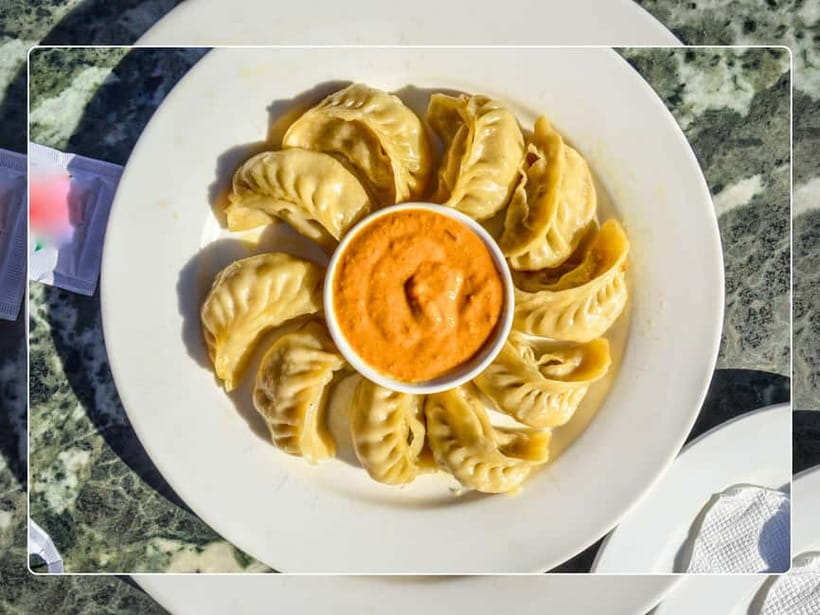
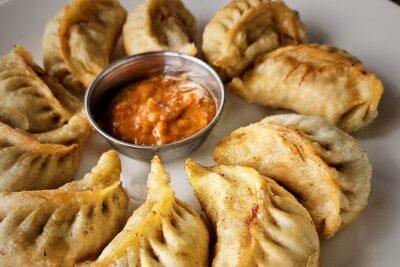
A good early tasting may be something recognizable, such as a momo. Nepali momos are filled dumplings commonly served with local pickles or dipping sauces. For a first-time visitor, this is a friendly starting point, but the pickle may bring more heat or sourness than expected. Take a small taste before covering the dumpling with sauce.
The guide is there to explain how each dish fits into Nepali food culture. That is one of the tour’s strongest features. You are not left to guess whether a snack is meant as breakfast, a quick street bite, a festival food, or part of a larger meal.
The food may arrive in small portions, which is helpful because the tour includes many tastings. You should not expect a full serving of every item. The point is to sample broadly, compare flavors, and leave with room for the next stop.
Thakali flavors, pickles, and the khaja set
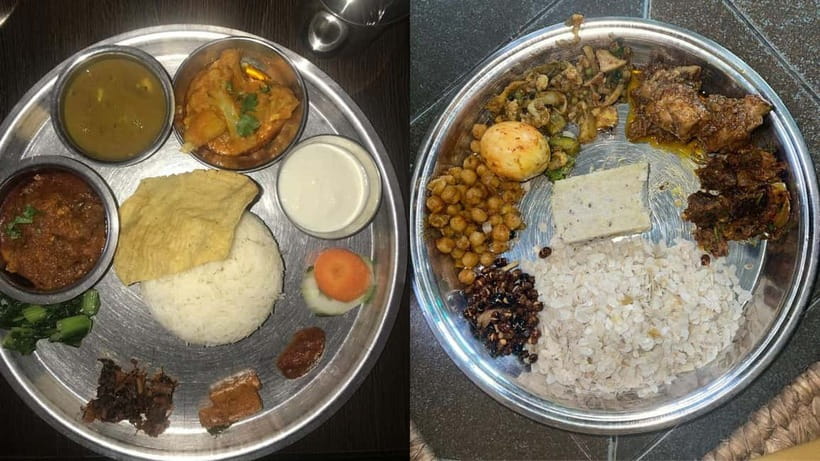
One of the more useful parts of the food selection is the inclusion of a Nepali khaja set. Khaja refers to a snack or light meal, and it can bring several tastes together on one plate. The supplied food list also includes Thakali cuisine, a style often associated with carefully balanced rice, lentils, vegetables, pickles, and other accompaniments.
This type of tasting helps you understand how Nepali food works as a combination. A rice or lentil base can taste quite different once you add a sharp pickle, a fried side, or a spoonful of vegetables. The guide can tell you how to mix the items and which flavors are meant to be eaten together.
Local pickles are included, and they may be among the most memorable samples of the tour. Nepali pickles can be salty, sour, hot, or strongly seasoned. They are not merely decoration on the plate. A little can change the entire bite.
You may also encounter gundruk sadeko. Gundruk is fermented leafy greens, while sadeko generally refers to a seasoned preparation. This is exactly the kind of dish that is easy to miss if you only order the most familiar items from a restaurant menu. It can have a distinct sour and earthy character, so approach it with curiosity rather than expecting a mild salad.
A few more trips worth weighing up before you book
- Secret Food Tour – Food Bites and Sights Kathmandu 14+ Testings
★ 5.0 · 82 reviews - Kathmandu Secret Food Crawl & Local Market Tour
★ 4.7 · 54 reviews - Kathmandu Food & Drink and Shopping Rickshaw Tour
★ 5.0 · 48 reviews - Walking Food Tour in Hidden Local Eateries of Kathmandu
★ 5.0 · 40 reviews
Newari snacks: chatamari and bara
Kathmandu’s food identity is closely tied to Newari cooking, and chatamari is one of the best-known specialties in this group. It is sometimes described as a Nepali-style pizza because of its round shape and toppings, but that comparison only goes so far. The base and seasoning give it its own character.
One recent booking specifically enjoyed trying Nepalese pizza during the tour. That description is helpful for first-time visitors because chatamari can look familiar at a glance, while tasting quite different from a Western pizza. Think of it as a useful bridge between familiar and new food.
Bara is another important tasting. This fried lentil pancake can be plain or prepared with other ingredients, depending on the venue. It gives you a different texture from a momo or chatamari, and it shows how often lentils appear in Nepali food beyond the familiar dal served with rice.
The tour may also include beaten rice, locally known as chiura, along with beans and other snack items. One recent food combination included beans, beaten rice, bara, and barfi. That is a good example of the tour’s range: savory, crisp, soft, and sweet foods can arrive within the same stretch of the route.
Momos, selroti, sweets, and drinks
Momos are likely to be a highlight, especially if this is your first visit to Nepal. The tour includes Nepali-style momos with local pickles, allowing you to compare the dumpling itself with the accompanying flavors. Ask the guide about the filling and the best way to use the pickle.
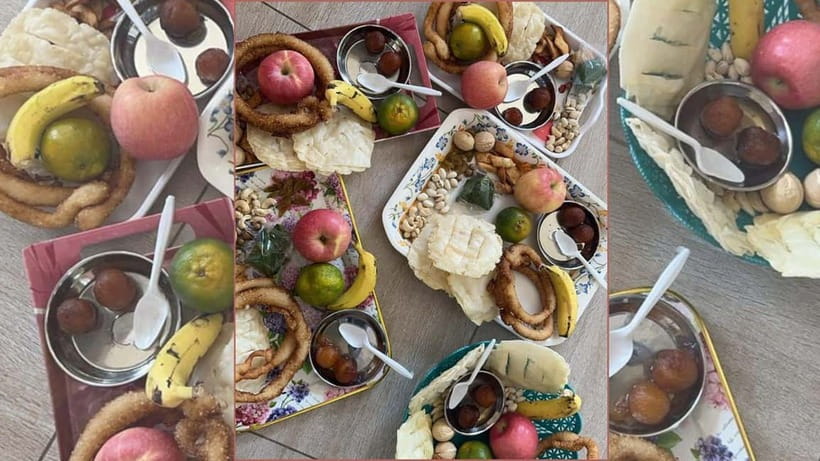
Selroti adds another texture to the tasting list. This traditional ring-shaped rice bread is fried and often associated with festivals and special occasions. It is crisp on the outside and different from ordinary bread or pastry. Since the dish is not as familiar internationally as momos, the guide’s explanation adds real value.
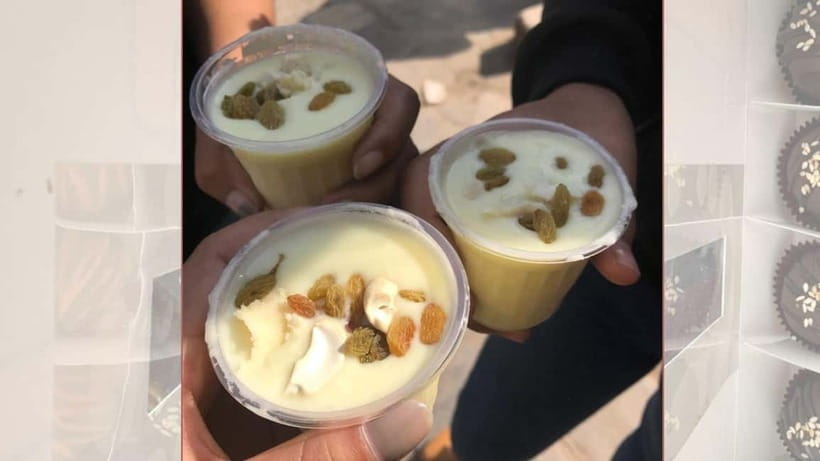
For something sweet, the route may include barfi and Bhaktapur juju dahu. Barfi is a dense sweet, while juju dahu is a famous creamy yogurt associated with Bhaktapur. The yogurt is often treated as a dessert rather than a side dish, so it gives the meal a gentle, cool finish after spicy or fried foods.
Drinks and fresh juice are included, with lassi among the possible tastings. Lassi can be a welcome contrast to pickles and chili. Alcoholic drinks are not included, and the tour does not cover food or beverages beyond the stated selections.
Because the tour covers 12 or more items, pacing matters. You may need to share some samples or eat smaller portions. That is not a flaw, but it is worth understanding before booking. A person seeking three large restaurant meals will want something different. A person hoping to sample many local foods in one sitting will find the format appealing.
Four or five stops, with some route flexibility
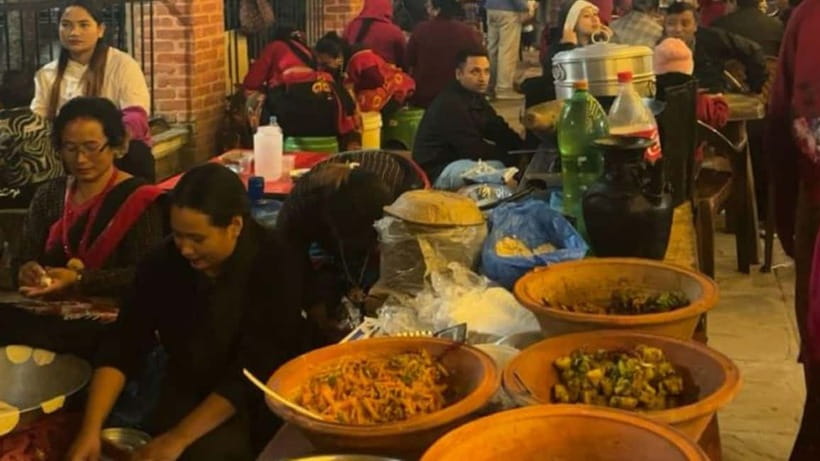
The planned format is four or five food stops over about two and a half hours. The route includes local restaurants and street-food venues, and the activity description identifies around two hours for food tasting within the longer outing.
The exact number of places may vary. One recent booking visited three different venues and still included momos, dessert, tea, and chatamari. This suggests that the number of venues is less important than the total mix of dishes. A smaller number of well-chosen stops can work better than rushing through five places.
That said, you should not book this expecting a fixed tasting menu with every dish guaranteed. The food list includes many possibilities, but local availability and the guide’s route can affect what you receive. If one particular dish is your reason for booking, confirm it before departure.
The tour ends at the start point, which is convenient for continuing your day in Thamel. You can walk onward, return to your hotel, or use the food recommendations from the guide to plan your next meal.
What the guide adds to the meal
A food tour succeeds or fails on the guide, and Bibek receives the strongest praise in the available feedback. He is described as friendly, hospitable, patient, and willing to answer questions in detail. Those qualities matter more here than a long lecture about food.
You want a guide who can explain a dish without making you feel foolish for not recognizing it. Bibek appears to do that well. He also offered useful recommendations for places and foods to try after the tour, which makes the experience more useful than a meal that ends when the final plate is cleared.
The English-language guiding is another practical advantage. You can ask about ingredients, local customs, and flavor without struggling through a language barrier. The tour also gives you a chance to meet the other people in your small group, though the private-group format means the social setup may depend on your selected booking option.
Who will enjoy this experience most
This tour suits first-time visitors who want a fast, affordable introduction to Nepali cuisine. It is also useful for solo visitors who would rather have a local guide show them what to order than spend the first few days guessing from menus.
You will probably enjoy it if you:
- Like tasting many dishes instead of ordering one large meal
- Want to try foods beyond momos
- Prefer a small group and plenty of chances to ask questions
- Need an introduction to pickles, fermented foods, lentil snacks, and sweets
- Want restaurant recommendations for the rest of your Kathmandu stay
- Have about half a day available near Thamel
You may want another type of food outing if you need a guaranteed menu, generous full-size portions, alcoholic drinks, or a long sit-down meal. The tour is about sampling and explanation, not fine dining.
Food allergies and dietary restrictions deserve attention before booking. The available information does not specify allergy handling, vegetarian arrangements, or substitutions. Contact the operator before you go if any ingredient could cause a problem.
Timing, booking value, and practical limits
The tour lasts 2.5 hours, with starting times based on availability. That is long enough to visit several places without taking over your whole day. You can schedule it early in your Kathmandu stay, then use what you learn to choose meals later.
The $5 price is the main selling point. Even if you value the guide’s help only modestly, 12 or more tastings and several venues can make this a strong bargain. You should still keep expectations realistic: the low cost means the experience is built around local food sampling, not luxury transport or elaborate service.
Free cancellation is available up to 24 hours before departure for a full refund. You can also reserve and pay later, which helps if your Kathmandu plans depend on flights, trekking arrangements, or changing hotel plans.
The activity is listed as a private group, with up to six people. Since the wording also describes a small group, check the selected option carefully so you know how your booking will be organized. Transportation is included, but the exact transport arrangement is not specified.
Should you book the Kathmandu food tour?
I would book this tour if you want a low-cost, broad introduction to Nepali food and you are happy with some route flexibility. The combination of momos, chatamari, bara, selroti, pickles, lassi, sweets, and local drinks gives you far more range than a standard single-dish tasting.
The best reason to choose it is the guide. Bibek’s patient explanations, friendly attitude, and food recommendations add the human touch that turns a list of snacks into a useful introduction to Kathmandu. The small group makes that guidance easier to enjoy.
Skip it if you need a fixed menu, large portions, or a polished restaurant crawl. For everyone else, especially first-time visitors staying near Thamel, $5 is a small gamble for a useful and tasty start to eating in Kathmandu.
FAQ
How long does the Kathmandu food tour last?
The tour lasts 2.5 hours, with starting times available according to the selected date and option.
How many tastings are included?
At least 12 traditional Nepali food tastings are included. The description also refers to more than 15 tastings, so the exact number may vary by route and availability.
How many food stops does the tour include?
The planned experience includes four or five food stops. One recent booking visited three different places, so the number of venues can vary.
Where is the meeting point?
The representative waits in front of Hotel Marshyangdi in Thamel. The exact pickup location depends on the selected option.
Does the tour finish at the meeting point?
Yes. The tour concludes back at the starting point.
Is an English-speaking guide included?
Yes. The tour includes a live English-speaking foodie guide. Bibek is identified as one of the guides associated with the experience.
Are drinks included?
Local drinks and fresh juice are included. Alcoholic drinks are not included.
Just added around Kathmandu
- Private Shopping Tour in Kathmandu★ 5.0 · 3 reviews
- Nagarkot Sunrise With 7 UNESCO World Heritage Private Tour★ 5.0 · 3 reviews
- Kathmandu: Nightlife and Pub Crawl Tour★ 5.0 · 3 reviews
- Mount Everest Scenic Flight 50 Minutes★ 5.0 · 3 reviews
- Momo Cooking Class -The Art Of Making MoMo with Home Chef★ 5.0 · 3 reviews
- Kathmandu: Nagarkot, Bhaktapur, Doleswor & Sanga Statue Tour★ 5.0 · 3 reviews
- Makalu Base Camp Trek★ 5.0 · 3 reviews
- Everest Experience Trek 6 Day Hiking Adventure★ 5.0 · 3 reviews
Food & Drink, compared.
Secret Food Tour – Food Bites and Sights Kathmandu 14+ Testings
Read our review →
Kathmandu Food & Drink and Shopping Rickshaw Tour
Read our review →
Walking Food Tour in Hidden Local Eateries of Kathmandu
Read our review →
Browse the lists this tour appears in