
Reviewed · HIKING & TREKKING
Makalu Base Camp Trek
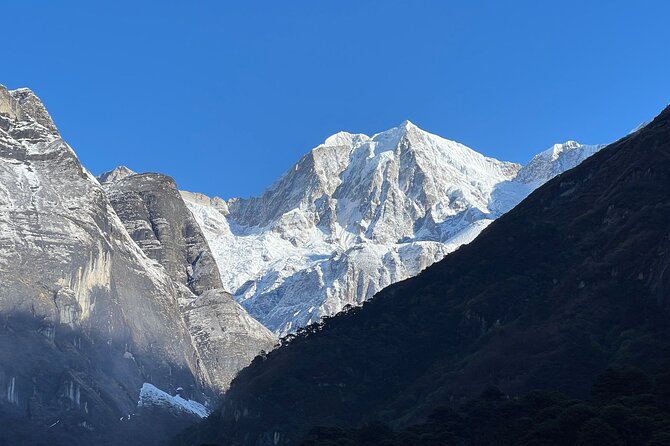
Silence is the real luxury here. The Makalu Base Camp Trek takes you far from Nepal’s busiest mountain routes, into Makalu-Barun National Park and a corner of the Himalayas where forests, glaciers, waterfalls, and high valleys do most of the talking. I especially like the quiet trails and the chance to see Makalu, Everest, Lhotse, and Baruntse from less familiar angles.
I also like the way the route changes character day by day, from farms and rhododendron forests to stark alpine country. The main consideration is its remoteness: basic lodges, long walking days, steep climbs, and uncertain weather demand good fitness and a flexible attitude.
In This Review
- Key points before you book
- Why Makalu feels different from Nepal’s famous treks
- Day 1: Flying to Tumlingtar and driving off-road
- Day 2: Arun River and the climb to Seduwa
- Day 3: Farms, forest, and a gentler pace
- Days 4 and 5: Forest climbing and acclimatization
- Day 6: Two high passes in one hard day
- Days 7 and 8: Rhododendron country and open valleys
- Day 9: Reaching Makalu Base Camp
- Day 10: Optional walks toward Barun Glacier
- Days 11 to 14: Retracing the route with new views
- Day 15: Back to the road and Kathmandu
- What the $1,750 price actually covers
- Guide support and the human side of the trek
- Who should book this trek?
- FAQ
- How long is the Makalu Base Camp Trek?
- Where does the trek start?
- What time does the trek start?
- Are flights included?
- Is private transportation included?
- Are meals included?
- Is bottled water included?
- Are tea and coffee included?
- What equipment is provided?
- Do I need travel insurance?
- Should you book the Makalu Base Camp Trek?
Key points before you book
- Makalu-Barun National Park: The route moves from lush forest and river valleys to glaciers and high alpine terrain.
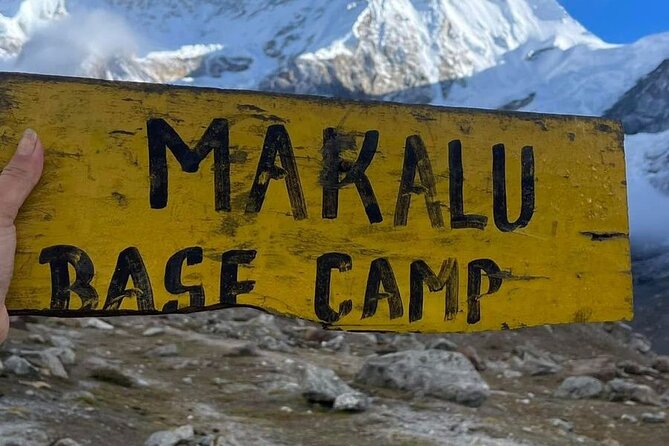
- Rare mountain views: Makalu, the world’s fifth-highest mountain, appears with Everest, Lhotse, and Baruntse from unusual viewpoints.
- A genuinely quiet trail: This route offers far fewer people than the Everest or Annapurna circuits.
- A demanding pass day: Shipton La at 4,170 meters and Keke La at 4,150 meters come on the same six to seven-hour trek.
- Simple mountain living: Teahouse and basic lodge stays bring you close to Rai, Sherpa, and Bhotiya communities.
- A useful package: The $1,750 price includes domestic flights, meals, guide and porter support, fees, taxes, maps, and first-aid supplies.
Why Makalu feels different from Nepal’s famous treks
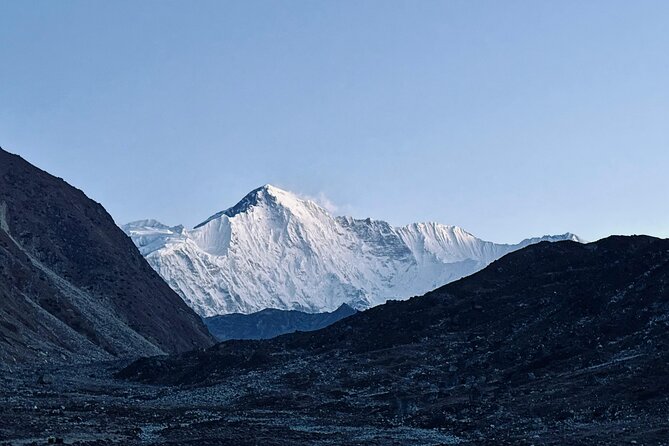
Nepal has several celebrated trekking routes, but Makalu asks you to trade convenience for solitude. You spend much of the trip inside Makalu-Barun National Park, where the route passes through forests, steep river valleys, meadows, and glacial country.
That variety is the heart of the trek. Early days feel green and settled, with farms, waterfalls, and forest paths. Higher up, the trees thin out and the views open toward the great peaks. The route is not simply a march toward one viewpoint. It is a gradual change in climate, vegetation, and daily life.
The park is known for red pandas, Himalayan thars, colorful birds, rhododendrons, and medicinal plants. Seeing wildlife is never guaranteed, so you should come for the habitat and the possibility rather than treat animals as part of the schedule. The plants and birds add interest even when the clouds hide the peaks.
You also pass through areas connected with Rai, Sherpa, and Bhotiya communities. The simple accommodation and local way of life are not side details. They are part of what makes this route feel less packaged than Nepal’s most established trekking corridors.
More Treks and Hikes:
- Everest Base Camp Trek – 14 Days
★ 5.0 · 1,499 reviews - Everest Base Camp Trekking
★ 5.0 · 485 reviews - Nagarkot Sunrise View and Day Hiking from Kathmandu
★ 5.0 · 471 reviews
Day 1: Flying to Tumlingtar and driving off-road
The trip begins with a 45-minute flight, followed by a four to five-hour off-road drive. The package includes two-way flights between Kathmandu and Tumlingtar, which is important because reaching the trailhead by road would add considerable time.
The first day is mostly about getting into the region. Do not expect a gentle sightseeing day. After the flight, the rough road transfer can be tiring, and the schedule depends on local transport and road conditions.
Your overnight stay is in a teahouse inside or near Makalu-Barun National Park. The meeting information lists Tribhuvan Airport in Kathmandu and a start time of 12:15 am, which is unusually early. I would confirm the exact pickup time and flight details with Bodhi Tree Tours Travel and Treks before departure.
Day 2: Arun River and the climb to Seduwa
The second day begins with a steep descent to the Arun River, followed by a steep climb to Seduwa. The full walking time is about five to six hours.
This is an important introduction to the route. The trail gives you a quick lesson in the physical pattern of Makalu trekking: you may lose height only to gain it again. That kind of up-and-down walking can feel harder than a steady climb, especially early in a trip.
Seduwa provides your first real sense of the rural communities along the route. You stay in a teahouse, with meals included as one menu item each for breakfast, lunch, and dinner.
Day 3: Farms, forest, and a gentler pace
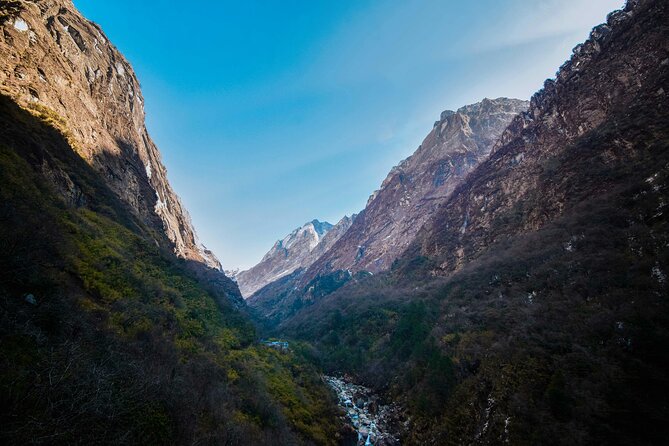
Day three is more gradual, with four to five hours through farms and forests. After the sharp descent and climb of the previous day, this change in rhythm gives your legs some relief.
The mix of cultivated land and woodland also shows how people live alongside the park. You are not walking through empty wilderness from the start. Instead, the route shifts between settled areas and forest, with the surrounding mountains gradually becoming more important.
A teahouse night keeps the arrangements simple. Tea and coffee are not included, so you should budget separately if you want hot drinks along the route. Bottled water is also extra, although refilling at teahouses and carrying a reusable bottle is recommended.
A few more trips worth weighing up before you book
- Private Kathmandu Sightseeing Tour | UNESCO World Heritage sites
★ 5.0 · 756 reviews - Everest Base Camp Helicopter Tour landing at Everest View Hotel
★ 5.0 · 668 reviews - Half day cooking class in Thamel kathmandu
★ 5.0 · 607 reviews - Kathmandu: Full Day 7 UNESCO Tour with Lunch – Private/Group
★ 5.0 · 415 reviews
Days 4 and 5: Forest climbing and acclimatization
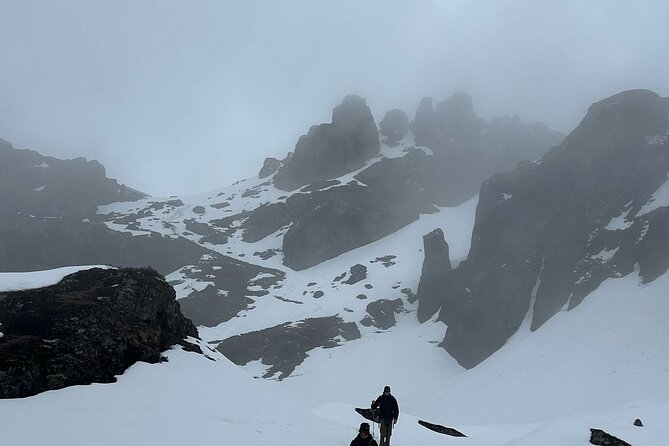
Day four brings a long uphill walk through forest and meadows. The trek lasts six to seven hours, and the overnight stay is in a basic lodge or teahouse.
This is one of the days when the route begins to feel more serious. The distance is manageable on paper, but the steady climb and uneven mountain paths require patience. I would keep your pace slow from the start and avoid treating the walking hours as a race.
Day five is set aside for short hikes to nearby ridges for acclimatization. This is a valuable part of the plan, not wasted time. You gain height more safely by allowing your body to adjust, and the ridge walks may provide early views over the surrounding valleys.
The itinerary does not specify the exact elevation of the overnight stop on day five or the length of the acclimatization hikes. That makes it sensible to ask the guide how the day will be adjusted for weather, energy levels, and altitude.
Day 6: Two high passes in one hard day
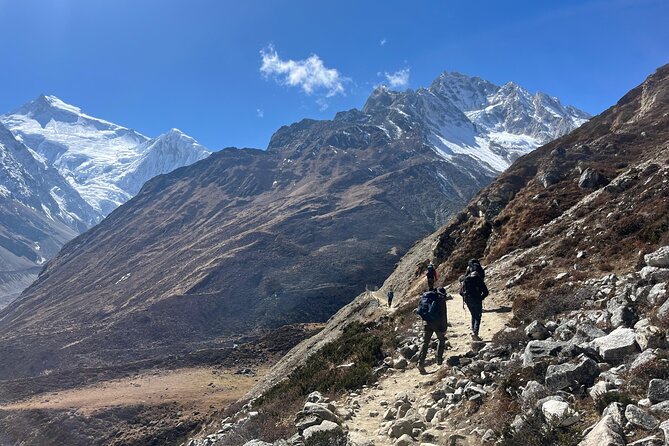
Day six is the route’s major test. You cross Shipton La at 4,170 meters and Keke La at 4,150 meters during a six to seven-hour trek.
This is described as a hard day, and the numbers explain why. You are not simply reaching one high point and descending. The route includes two passes, so your legs and breathing get tested more than once.
The reward is the sense of moving through a remote mountain corridor, with changing views over forests, valleys, and higher ridges. Weather can affect what you see, so keep your expectations flexible. A clear day may bring broad Himalayan views, while cloud can turn the same pass into a more inward-looking walk.
Sleeping in a teahouse after this stage keeps the evening practical. The package says sleeping bags, trekking poles, and crampons can be provided on request. Arrange this before departure rather than assuming the equipment will automatically be waiting.
Days 7 and 8: Rhododendron country and open valleys
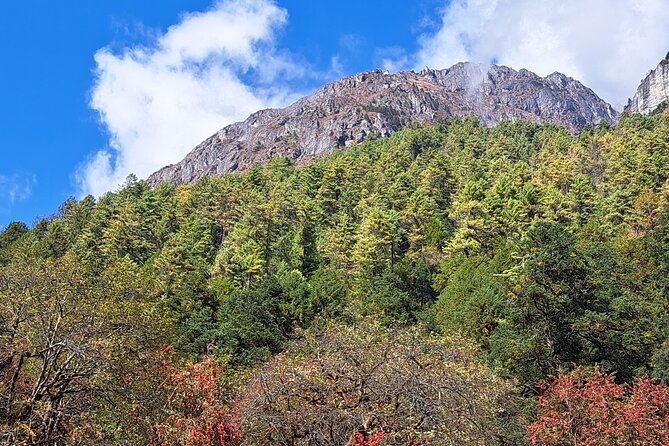
Day seven leads through rhododendron forests and river valleys, with five to six hours of walking. After the high passes, this section gives you a different kind of beauty. The route is shaped by water and woodland, with the sound of rivers and the color of the forest replacing the starkness of the pass day.
Day eight continues with a gradual ascent and strong valley views. The five to six-hour schedule is still active, but the climbing is described as gradual rather than a single punishing push.
These days are a good reminder that Makalu is not only about the final base camp. The forests, plants, birds, and changing valley shapes make up much of the appeal. If you enjoy observing the route rather than simply collecting destination photographs, keep your camera ready during the quieter sections.
Day 9: Reaching Makalu Base Camp
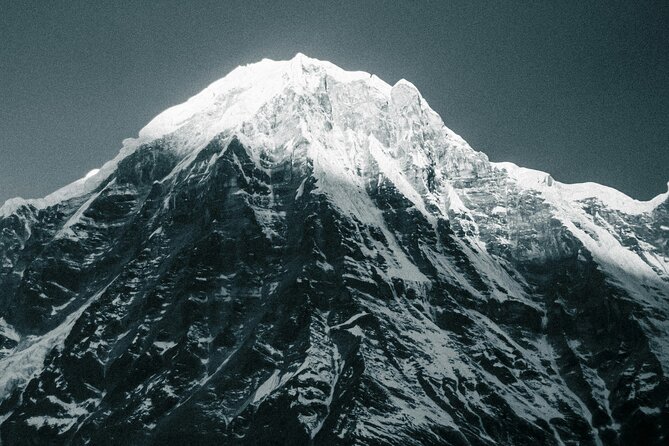
On day nine, you climb to Makalu Base Camp over six to seven hours. This is the trip’s main goal, but the approach matters as much as the arrival.
The route has already taken you through cultivated areas, forest, passes, river valleys, and higher country. By the time you reach base camp, the mountain setting should feel earned rather than delivered by a short transfer.
This is where the Himalayan views become the central attraction. Makalu takes the lead, with possible views toward Everest, Lhotse, and Baruntse from distinctive directions. The accommodation is listed as a basic lodge or tented stay, so you should be ready for the most stripped-back night of the trip.
The word basic deserves attention. This is not a lodge-based holiday with hotel comforts each evening. The higher section may involve tented camping, and facilities can be more limited than in Nepal’s better-known trekking areas.
Day 10: Optional walks toward Barun Glacier
Day ten allows optional side hikes toward Barun Glacier. This flexible day is one of the best features of the schedule because it gives you time to see more of the high country without immediately turning around.
The itinerary does not state the exact hike distance or duration, so the guide will need to judge conditions and your group’s energy. The glacier walks may be the right choice for strong legs and clear weather, while a shorter outing may make more sense after the base camp climb.
This is also a day to appreciate the silence. The route’s appeal is not based on a long list of attractions or facilities. It comes from being in a remote valley with large mountains, ice, and very few distractions.
Days 11 to 14: Retracing the route with new views
The return journey begins on day 11 with a seven-hour trek. Walking the same route back can sound repetitive, but mountain paths change when viewed in the opposite direction. Slopes that were hidden ahead may open behind you, and familiar forests can look different under new weather.
Day 12 brings another six to seven hours, followed by a teahouse night. Day 13 is shorter at five to six hours, giving you a little breathing room before the final descent.
Day 14 is a long six to seven-hour descent. Descending is not automatically easier. It can be hard on knees and ankles, especially after nearly two weeks on foot. Trekking poles are useful here, and they are available on request through the package.
The overnight stops are again in teahouses. Food is included throughout the itinerary, with 14 breakfasts, 14 lunches, and 15 dinners listed. Alcohol is not included, and personal purchases such as drinks and snacks will add to the final cost.
Day 15: Back to the road and Kathmandu
The final day includes about four hours of trekking and a four to five-hour drive. The return flight from Tumlingtar to Kathmandu may be possible on the same day if the timing works, or you may fly the next morning.
This is another point where flexibility matters. Weather can disrupt mountain flights, and the schedule itself allows for either option. I would avoid booking an important international connection immediately after the listed return unless you have a safe buffer.
The included domestic flight is a major practical advantage, but it does not remove the need for patience. Remote trekking routes rarely run with city-level precision.
What the $1,750 price actually covers
At $1,750 per person, this is not a budget walk, but the price includes several costly and useful elements. Two-way flights between Kathmandu and Tumlingtar are included, along with breakfast, lunch, and dinner for the listed 15-day schedule.
You also receive an English-speaking guide, porter support, guide and porter insurance, daily allowances, maps, first-aid kits, and all fees and taxes. Sleeping bags, trekking poles, and crampons are available on request.
That package reduces the need to arrange major pieces yourself. It also gives you a guide and porter structure in a remote area, where support is more important than it would be on a short, well-served route.
The exclusions still matter. Personal travel insurance is not included, and you need your own insurance. Bottled water, coffee, tea, alcohol, visa fees, and excess baggage cost extra. Private transportation is also excluded, with local transport used according to the route.
Extra porter service can be arranged for personal gear, with a stated carrying limit of 20 to 25 kilograms per porter and an additional daily charge. Ask for the current rate before booking.
Guide support and the human side of the trek
The company provides an English-speaking guide, and the names Pujan and David are specifically associated with warm, helpful support on this route. Raj is also thanked in connection with arranging the wider Nepal stay.
That personal element matters on a remote trek. The strongest praise connected with this trip centers on the guides, organization, safety, and the feeling of being well supported in a very quiet natural setting.
There is also a useful connection with Bodhi Boutique Hotel in Kathmandu. A stay before or after the trek may offer a more comfortable place to rest, although the hotel is not listed as part of the $1,750 trek package itself. Confirm exactly what is included in your booking.
Who should book this trek?
I would recommend the Makalu Base Camp Trek to you if you want a quieter route, can handle repeated six to seven-hour walking days, and are comfortable with basic accommodation. It suits hikers who value forests, wildlife habitat, local communities, glaciers, and changing mountain scenery as much as the final viewpoint.
It is less suitable if you want reliable roads, polished lodges, short walking days, or a tightly fixed return schedule. The steep early climb, high passes, remote setting, and possible tented accommodation require preparation.
The tour is private, so only your group participates. That gives you more control over pace and stops than a large shared departure. It also means you should discuss fitness levels and expectations with the operator before setting out.
Cancellation is free if you cancel at least 24 hours before the local start time. Poor weather can also lead to a new date or a full refund, which is important for a route dependent on flights and mountain conditions.
FAQ
How long is the Makalu Base Camp Trek?
The trek lasts approximately 15 days.
Where does the trek start?
The meeting point is Tribhuvan Airport in Kathmandu, Nepal.
What time does the trek start?
The supplied details list a start time of 12:15 am. Confirm the exact pickup and flight time with the operator before departure.
Are flights included?
Yes. Two-way public flights between Kathmandu and Tumlingtar are included.
Is private transportation included?
No. Local transportation is used according to the itinerary. Private vehicles can be arranged for an additional cost.
Are meals included?
Yes. Breakfast, lunch, and dinner are included. The package lists 14 breakfasts, 14 lunches, and 15 dinners.
Is bottled water included?
No. You can buy bottled water along the route or refill at teahouses. A reusable bottle is recommended.
Are tea and coffee included?
No. Tea and coffee can be purchased separately at teahouses.
What equipment is provided?
Sleeping bags, trekking poles, and crampons are provided on request. Confirm your equipment needs before the trek.
Do I need travel insurance?
Yes. Personal insurance for you is not included in the package.
Should you book the Makalu Base Camp Trek?
Book it if you want Nepal at its quietest and are ready to accept simple facilities in exchange for forests, high passes, glaciers, and rare mountain views. The guides, included flights, meals, porter support, and private format give the $1,750 price solid value for a remote 15-day route.
Before paying, confirm the start time, flight arrangements, equipment request, exact accommodation at base camp, and the return plan from Tumlingtar. If you can manage the physical demands and leave room for weather changes, this trek offers a rare sense of space that busier Himalayan routes cannot easily provide.
Just added around Kathmandu
- Private Shopping Tour in Kathmandu★ 5.0 · 3 reviews
- Nagarkot Sunrise With 7 UNESCO World Heritage Private Tour★ 5.0 · 3 reviews
- Kathmandu: Nightlife and Pub Crawl Tour★ 5.0 · 3 reviews
- Mount Everest Scenic Flight 50 Minutes★ 5.0 · 3 reviews
- Momo Cooking Class -The Art Of Making MoMo with Home Chef★ 5.0 · 3 reviews
- Kathmandu: Nagarkot, Bhaktapur, Doleswor & Sanga Statue Tour★ 5.0 · 3 reviews
- Kathmandu: Momo Making Class with a Local Chef★ 5.0 · 3 reviews
- Everest Experience Trek 6 Day Hiking Adventure★ 5.0 · 3 reviews
Hiking & Trekking, compared.


Nagarkot Sunrise View and Day Hiking from Kathmandu
Read our review →


