
Reviewed · TEMPLES & MONASTERIES
Kathmandu: Pashupatinath Temple Evening Aarati Tour
When the lamps rise, Kathmandu slows down. This three-hour evening visit to Pashupatinath Temple combines a guided look at one of Nepal’s most important Hindu sites with the nightly Aarati ceremony beside the Bagmati River. I like the clear cultural explanation, especially from guides such as Ramesh and Rajat, and I like the private format, which gives you room to ask questions and take photographs where permitted. The main consideration is timing: the ceremony draws a large crowd, so you should not expect a quiet, private meditation.
The $45 price includes Kathmandu hotel pickup and drop-off, transport, an English-speaking guide, temple admission, taxes, and service charges. That is fair value if you want both interpretation and transport, though it is less attractive if you only want to watch the ceremony and can arrange your own way there.
In This Review
- Key points to know before you book
- Why the evening Aarati is worth your time
- Arriving from Kathmandu before sunset
- Getting your bearings inside Pashupatinath Temple
- The Bagmati Riverbank ceremony around 6 p.m.
- Photography, respect, and the right frame of mind
- What the guide adds to the $45 price
- Who will enjoy this tour most
- Guide quality and the human side of the evening
- Practical details for planning your evening
- Should you book the Pashupatinath Aarati Tour?
- FAQ
- How long does the Pashupatinath Aarati Tour last?
- What time does the Aarati ceremony begin?
- Is hotel transportation included?
- Is temple admission included in the price?
- What language does the guide speak?
- Is this a private tour?
- Are food and drinks included?
- Can I cancel the tour?
Key points to know before you book
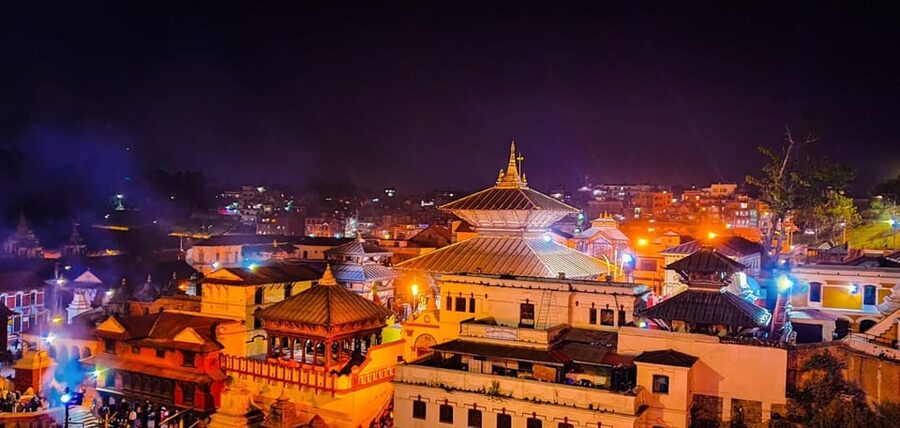
- Aarati begins around 6 p.m.: You arrive before sunset, allowing time to see the temple complex before the lamps and chanting begin.
- The ceremony takes place beside the Bagmati River: It includes Vedic mantras, bells, incense, oil lamps, hymns, and classical instruments.
- Private groups make questions easier: You can ask about Hindu customs, Lord Shiva, and the meaning of each ritual without relying on a large group lecture.
- Ramesh receives especially strong praise: He is described as warm, patient, helpful with photography, and able to explain religious customs in accessible language.
- The $45 fee covers the practical basics: Hotel transfers, admission, guide, transport, and taxes are included, but food and drinks are not.
- Photography needs restraint: You may take photographs in permitted areas, but the ceremony calls for respect before getting the perfect picture.
Why the evening Aarati is worth your time
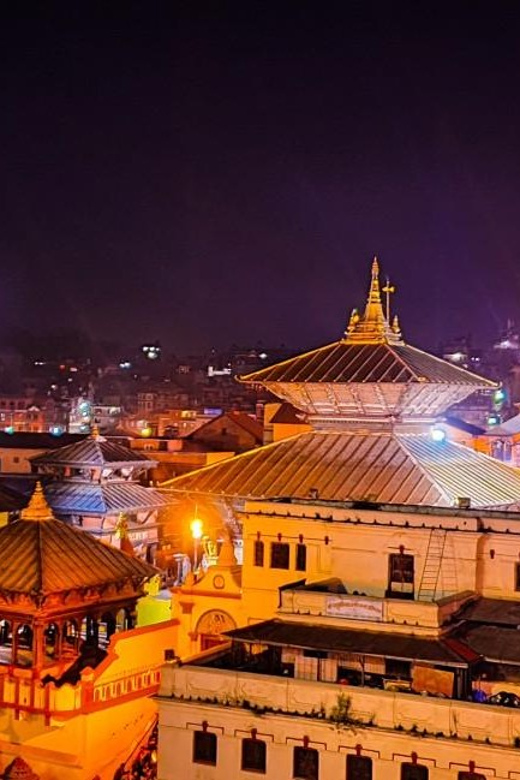
Pashupatinath is not simply a monument you walk through, photograph, and leave behind. It is a working Hindu place of worship, and the evening Aarati gives you a chance to see religious practice in public rather than behind a museum display.
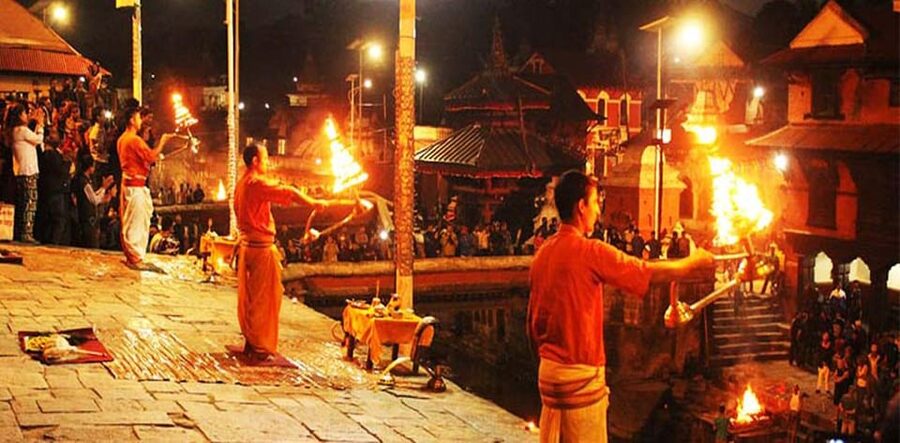
The ceremony centers on light. Priests chant prayers and wave oil lamps before the idol of Lord Shiva while bells ring, incense burns, and musicians play classical instruments. Hymns and Vedic mantras fill the riverbank. As daylight fades, the lamps become the focus, creating the visual moment that makes this tour memorable.
I like that the evening schedule gives the experience a natural rhythm. You begin with a drive from your Kathmandu hotel in the late afternoon, reach the temple before the main ceremony, and have time to look around with a guide. You are not dropped at the riverbank five minutes before the action starts.
That early arrival matters. Without explanation, Pashupatinath can feel like a maze of shrines, courtyards, river views, and religious activity. Your guide helps connect what you see with Hindu beliefs and local customs. The ceremony then makes more sense because you already have some idea of the place and its importance.
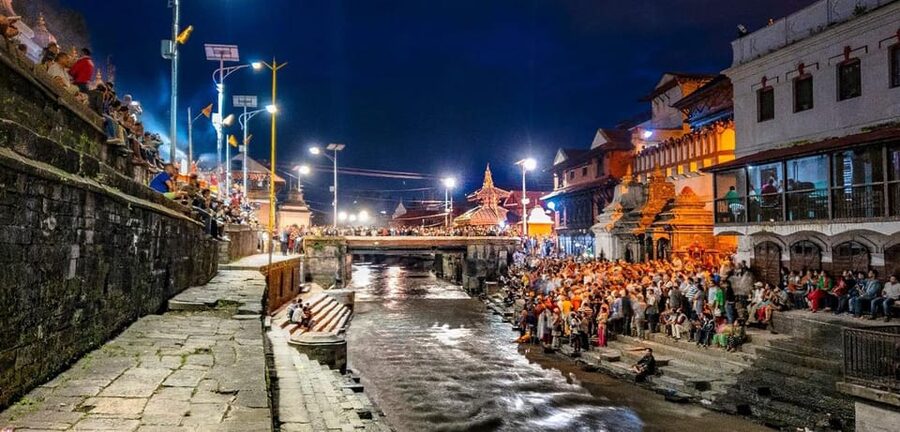
The event is also public and popular. People gather along the Bagmati River on the eastern side of the temple. That gives the Aarati energy, but it also means noise, movement, and a crowd. If your ideal spiritual experience involves silence and solitude, this may not be the right fit. If you want to witness a living ritual with local participation, the crowd is part of the setting.
More Evening Tours in Kathmandu
- Kathmandu Sunset Tour by Rickshaw Including Durbar Square Visit
★ 5.0 · 73 reviews - 3 Nights 4 Days Chitwan National Park with Tower Night Stay
★ 5.0 · 41 reviews - 3 night 4 Day Yoga & Ayurveda Retreat to Detox the Body & Mind, Nepal
★ 5.0 · 37 reviews
Arriving from Kathmandu before sunset
The tour starts with pickup at your Kathmandu hotel. Transport to and from Pashupatinath is included, which removes one of the evening’s practical chores. Kathmandu traffic can make short journeys feel longer, so having a driver and a planned return is useful, particularly if you are unfamiliar with the city.
The stated duration is three hours. That should cover the late afternoon departure, the temple visit, the Aarati, and the return to Kathmandu. Starting times can vary, so check the available departure when you book, especially if you have dinner plans or another evening activity.
The ride itself is not the point of the tour, but it affects the experience. A polite, safe driver helps keep the evening easy. Andrei specifically praised both Ramesh and driver Santosh for being friendly and courteous, while Emma described the transport as welcoming and hassle-free.
Once you arrive, the guide takes you through the temple area. The supplied details do not promise a long architectural tour or a particular set of shrines, so you should think of this as a focused visit built around the Aarati, not an all-day study of the complex.
Getting your bearings inside Pashupatinath Temple
Your guide’s role is central here. Pashupatinath carries religious meaning that may not be obvious from the buildings alone. A good guide explains what you are seeing, places the temple in its Hindu context, and helps you understand why the riverbank ceremony matters.
Ramesh receives the most repeated praise. He is described as friendly, patient, and willing to answer questions about rituals, local traditions, and Hindu culture. One person who booked mainly for photography said Ramesh accommodated requests and allowed enough time for photographs. That is useful if you want pictures but do not want to rush or behave carelessly around worshippers.
Other guides also receive warm comments. Rajat is described as informative and able to answer questions clearly. Anjan helped explain the Hindu religion and the Aarati ceremony in good English. These details suggest that the quality of the evening depends partly on which guide is assigned, but the guide service is a major strength of the experience.
You also receive some free time for independent exploration before the Aarati begins. Use it to look around, absorb the atmosphere, and take permitted photographs. I would keep this period flexible rather than expecting a precise list of stops. The value is in having enough time to notice details after the guide has given you a framework.
The Bagmati Riverbank ceremony around 6 p.m.
The Aarati is the heart of the evening. Around 6 p.m., priests perform the worship ritual with oil lamps, chanting, bells, incense, and music. The action takes place on the Bagmati River’s bank, on the eastern side of the temple area.
The ceremony is visually strong, but its meaning matters more than its appearance. Light, sound, smoke, prayer, and music work together as an act of devotion to the gods. Your guide can explain what is happening as the ritual unfolds, although you should expect some moments when it is better to watch quietly than to hold a running conversation.
The river setting adds another layer. You see the temple area from outside its central spaces, with the Bagmati beside you and the evening sky changing overhead. The supplied details describe scenic temple views, but they do not promise a particular viewing platform or guaranteed front-row position. Your guide can help you find a good place, yet the crowd may affect your sightline.
This is where the tour’s private format helps, but only to a point. You have your own guide rather than being folded into a large tour, so questions and movement are easier. The public nature of the Aarati remains. People gather in large numbers, and the ceremony is not arranged solely for tour participants.
Several comments describe the ritual as moving, extraordinary, and unforgettable. I would treat those words as a sign of emotional impact rather than a promise that every person will react the same way. Your experience will depend on your interest in Hindu worship, your comfort in a crowd, and how respectfully you approach the event.
More Temples, Stupas and Monasteries:
- Kathmandu Spiritual Sites: Bodhnath & Pashupatinath Tour
★ 5.0 · 185 reviews - Kathmandu: Chandragiri Cable Car and Monkey Temple Tour
★ 4.8 · 139 reviews - From Kathmandu: 2 Stupas and Kopan Monastery Spiritual Tour
★ 4.8 · 115 reviews - Lunch with Nuns – Monastery
★ 5.0 · 75 reviews
Photography, respect, and the right frame of mind
Photography is allowed in permitted areas, and the tour can suit people who want to record the evening. Still, this is a religious ceremony, not a staged light show. I would put the camera away at key moments, avoid blocking views, and follow your guide’s advice about where pictures are acceptable.
Arturo’s experience is useful here. He booked mainly to take travel photographs and appreciated that Ramesh listened to his requests and concerns. That suggests the guide can help you balance photography with the practical limits of the site.
You should also be ready for a sensory experience. The ceremony includes loud bells, spoken mantras, music, incense, fire, and a dense crowd. That combination is part of the Aarati’s power, but it may feel intense if you prefer quiet sightseeing.
The best approach is simple: watch first, photograph second. You will come away with better images if you understand the moment you are recording. You may also find that the strongest memory is not a single photograph, but the sound of chanting and bells as the lamps move through the darkening evening.
What the guide adds to the $45 price
At $45 per person, this is not the cheapest way to reach Pashupatinath. The fee makes more sense when you count what it bundles: hotel pickup and return, transport, a licensed English-speaking guide, entry to Pashupatinath, taxes, and service charges.
The guide is the main reason to choose this option over a do-it-yourself visit. A self-guided arrival might let you watch the Aarati, but it would not necessarily explain the rituals, the temple’s importance, or the relationship between the ceremony and Hindu tradition. Several people valued the cultural teaching as much as the event itself.
The private group is another value point. You can ask direct questions about Hindu customs, local practices, and the temple. If you are curious but cautious about asking sensitive questions in a public group, a private guide gives you a better setting.
Food and drinks are not included. That is easy to manage because the activity lasts only three hours, but you should plan your meal separately. The tour ends back in Kathmandu after the ceremony rather than including dinner or another evening stop.
The booking terms are also flexible. You can cancel up to 24 hours ahead for a full refund, and the reserve-now, pay-later option allows you to hold a place without paying immediately. Those details are useful if your Kathmandu schedule is still changing.
Who will enjoy this tour most
I would recommend this experience to you if you want more than a quick photograph of Pashupatinath. It suits first-time visitors to Kathmandu who want a guide to explain Hindu culture in plain English, as well as people drawn to religious ceremonies, photography, and evening city experiences.
It also works well for couples, families, and small private groups who prefer to set their own pace. The tour is not built around a long list of attractions. Its strength is focus: one important temple, one guided visit, and one major evening ritual.
Photography enthusiasts should consider it, especially if you request help with timing and viewpoints. Ramesh received particular praise for giving one photographer the time needed for pictures, though no guide can guarantee an unobstructed view in a public ceremony.
You may want to skip it if you dislike crowds, incense, loud bells, or religious events. You should also avoid booking it if you expect a theatrical performance designed only for tourists. The Aarati is a Hindu worship ritual, and its meaning comes from its religious setting.
Guide quality and the human side of the evening
The strongest theme in the feedback is the guides’ ability to explain without making the evening feel like a classroom. Ramesh is praised repeatedly for his warmth, patience, cultural insight, and willingness to answer questions. Morag described him as friendly and generous with extra information, while Aleksandra appreciated his calm manner and respect for the spiritual setting.
Rajat is also singled out for being friendly and well informed. Anjan helped one person understand Hindu religion more clearly and communicated well in English. These comments matter because religious sites can be confusing when you do not know the symbols, prayers, or customs.
One unusual benefit is language flexibility. Arturo said he chatted with Ramesh in both Spanish and English. English is the stated tour language, so you should not book expecting a guaranteed Spanish-language tour, but that experience suggests some guides may offer additional conversation when able.
The driver matters too. Santosh is described as polite and friendly, and the transport was considered safe and easy. That may sound like a small detail, but a smooth return after a crowded evening is part of the overall value.
Practical details for planning your evening
You receive hotel pickup and drop-off in Kathmandu, but the exact pickup time depends on availability. Check the start time before booking and leave room for the city drive.
The tour lasts three hours and usually begins in the late afternoon, with the Aarati taking place around 6 p.m. You should arrive before sunset to make use of the guided temple visit and free exploration time.
Entry to Pashupatinath is included. Food and drinks are not, so arrange those separately. The tour is offered as a private group with a live English-speaking guide.
Photography is possible in permitted areas. Ask before taking pictures, especially near active worship. A respectful attitude will help you enjoy the event and avoid treating the ceremony as a staged attraction.
The activity has a strong perfect-rating record, with 36 ratings averaging five out of five. That does not remove the need to consider the crowd and the public nature of the ceremony, but it supports the view that the guide service and organization are dependable.
Should you book the Pashupatinath Aarati Tour?
Book it if you want context, transport, and a meaningful evening ritual in one compact experience. The best reason to choose it is the guide: Ramesh, Rajat, and Anjan are praised for making unfamiliar Hindu customs easier to understand, while the private format gives you space to ask questions.
The $45 cost is fair for a three-hour private outing with admission and hotel transfers. It is especially good value on a first visit to Kathmandu, when finding your way through an important religious site and returning after dark may be more trouble than it is worth.
Skip it if you want solitude, complete control over your schedule, or a quiet temple visit. For everyone else, the combination of temple orientation, riverbank worship, music, lamps, and thoughtful explanation offers one of Kathmandu’s most memorable cultural evenings.
FAQ
How long does the Pashupatinath Aarati Tour last?
The tour lasts three hours, including hotel pickup and drop-off, the temple visit, the Aarati ceremony, and transport back to Kathmandu.
What time does the Aarati ceremony begin?
The ceremony generally begins around 6 p.m. The tour starts in the late afternoon so you can visit the temple area before the ritual.
Is hotel transportation included?
Yes. Hotel pickup and drop-off in Kathmandu, along with transportation to and from Pashupatinath Temple, are included.
Is temple admission included in the price?
Yes. The entry ticket to Pashupatinath Temple is included, along with taxes and service charges.
What language does the guide speak?
The tour includes a live English-speaking guide. English is the stated tour language.
Is this a private tour?
Yes. The activity is offered for a private group rather than as a shared group tour.
Are food and drinks included?
No. Food and drinks are not included in the $45 price.
Can I cancel the tour?
You can cancel up to 24 hours in advance for a full refund. A reserve-now, pay-later option is also available.
More Evening Experiences
- Kathmandu: Pashupatinath Temple Aarti Night Tour
★ 4.8 · 29 reviews - Pashupatinath Evening Aarati: Few Divinely Hours in Kathmandu
★ 4.5 · 23 reviews - 2 Night 3 Days Pokhara City Tour
★ 5.0 · 22 reviews - 1 Night 2 Days Chitwan Jungle Safari Tour from Kathmandu
★ 3.5 · 19 reviews
Just added around Kathmandu
- Private Shopping Tour in Kathmandu★ 5.0 · 3 reviews
- Nagarkot Sunrise With 7 UNESCO World Heritage Private Tour★ 5.0 · 3 reviews
- Kathmandu: Nightlife and Pub Crawl Tour★ 5.0 · 3 reviews
- Mount Everest Scenic Flight 50 Minutes★ 5.0 · 3 reviews
- Momo Cooking Class -The Art Of Making MoMo with Home Chef★ 5.0 · 3 reviews
- Kathmandu: Nagarkot, Bhaktapur, Doleswor & Sanga Statue Tour★ 5.0 · 3 reviews
- Makalu Base Camp Trek★ 5.0 · 3 reviews
- Everest Experience Trek 6 Day Hiking Adventure★ 5.0 · 3 reviews
Temples & Monasteries, compared.
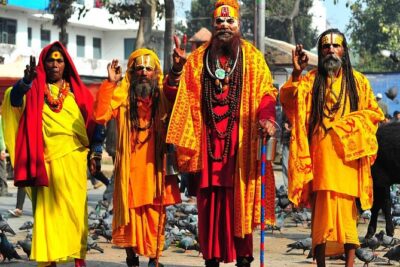
Kathmandu Spiritual Sites: Bodhnath & Pashupatinath Tour
Read our review →
Monkey Temple – Swayambhunath Tour – Private/Small Group
Read our review →
Dhulikhel, Namobuddha & Panauti: A Scenic Day Tour from Kathmandu
Read our review →
Chandragiri Cable Car & Monkey Temple Tour- Private/Group
Read our review →Browse the lists this tour appears in