
Reviewed · TEMPLES & MONASTERIES
Kathmandu Spiritual Sites: Bodhnath & Pashupatinath Tour
Two faiths, one unforgettable evening. This four-hour Kathmandu tour links Boudhanath Stupa and Pashupatinath Temple, giving you a close look at Buddhist and Hindu practice rather than a quick photo stop. I especially like the public transport ride, which adds a slice of ordinary Kathmandu life, and the chance to watch the evening Aarati ceremony beside the Bagmati River.
The small group, capped at 12 people, should make it easier to hear your guide and stay together in the crowds. The main caution is the subject matter: cremations, mourning families, and paid encounters with sadhus or palm readers require tact, and the busy final ceremony can feel crowded.
In This Review
- Key points to know before you book
- Why these two Kathmandu sites belong together
- Starting in Thamel and riding like a local
- Walking the prayer circuit at Boudhanath
- The 15-minute walk to Pashupatinath
- Meeting sadhus and confronting the Bagmati River
- The Aarati ceremony after sunset
- What the $60.56 price really covers
- The guide makes or breaks the afternoon
- Who will get the most from this tour
- Practical advice for a smoother visit
- Should you book it?
- FAQ
- How long does the Kathmandu spiritual sites tour last?
- What time does the tour start?
- Where does the tour begin?
- Does the tour return to the meeting point?
- Which sites are included?
- Is transportation included?
- Are entrance fees included?
- Is palm reading included in the price?
- What is the cancellation policy?
Key points to know before you book
- Boudhanath comes first: Spend about 1 hour and 25 minutes walking around one of Nepal’s largest Buddhist stupas, turning prayer wheels with local worshippers.
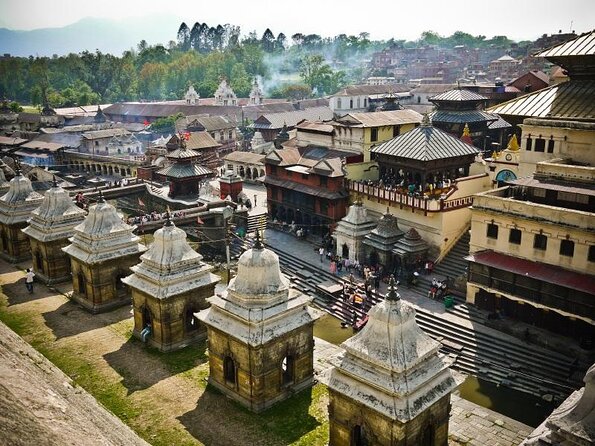
- Pashupatinath is the emotional centerpiece: The visit lasts about 2 hours and 20 minutes and includes the evening Aarati offering of lights.
- You use local transport: The ride from Thamel to Boudhanath and transport after Pashupatinath are included, making this more than a standard coach outing.
- The tour covers about 2 kilometers on foot: Bring comfortable shoes and expect some walking between the two sacred sites.
- Optional extras cost more: Butter lamps, palm reading, and photographs or interaction with sadhus are not covered in the tour price.
- The price is $60.56 per person: Entrance fees, transport, and an English-speaking Nepali guide make this fair value for a short, tightly planned cultural tour.
Why these two Kathmandu sites belong together
Kathmandu can feel like a lot to take in at once. Temples, shrines, prayer flags, holy men, incense, traffic, and daily errands all crowd into the same streets. This tour gives that visual overload a clear shape by pairing two UNESCO World Heritage sites with very different religious traditions.
Boudhanath is a major center of Tibetan Buddhism in Nepal. Pashupatinath is one of the country’s most sacred Hindu sites, dedicated to Shiva. Seeing both in one afternoon helps you compare how prayer, ritual, death, devotion, and public religious life appear in Kathmandu.
I like the timing. The tour begins at 3 p.m., when Boudhanath can be visited in daylight, then moves to Pashupatinath as the sun goes down. That leads naturally into Aarati, the ceremony of offering light to Lord Pashupatinath. You are not simply ticking off two monuments. You are watching the religious rhythm change from quiet circumambulation and prayer wheels to riverbank lamps and gathered worshippers.
The tour is rated 4.9 out of 5 from 185 ratings, with 98 percent recommending it. That is a strong signal, especially for an experience that depends heavily on the guide’s ability to explain customs and manage a group in crowded places. Guides named in particularly warm feedback include Rita, Rozit, Amit, Subash, Bipin, and Ramhavi. Their praised qualities were patience, personal attention, clear explanations, local route knowledge, and help with photography.
More Temples, Stupas and Monasteries:
- Kathmandu: Chandragiri Cable Car and Monkey Temple Tour
★ 4.8 · 139 reviews - From Kathmandu: 2 Stupas and Kopan Monastery Spiritual Tour
★ 4.8 · 115 reviews - Lunch with Nuns – Monastery
★ 5.0 · 75 reviews
Starting in Thamel and riding like a local
You meet at Hotel Marshyangdi on Chaksibari Marg in Thamel at 3 p.m. Thamel is Kathmandu’s main tourist district, filled with hotels, restaurants, shops, spas, and nightlife. That makes it a practical starting point, though you should allow enough time to find the hotel and your guide.
The ride to Boudhanath uses public transport. This is one of the tour’s better choices. A private vehicle would be easier, but local transport gives you a more ordinary view of Kathmandu and makes the connection between tourist center and sacred district feel real.
It can also be less comfortable and less predictable than a private ride. The tour description gives no promise of air conditioning, reserved seats, or a smooth trip. Think of the transport as part of the experience, not dead time between attractions.
The group limit is 12. That is small enough for questions and personal guidance, though not so small that you are guaranteed a private experience. Some departures may be private or nearly private, while others depend on how many people book that date.
Walking the prayer circuit at Boudhanath
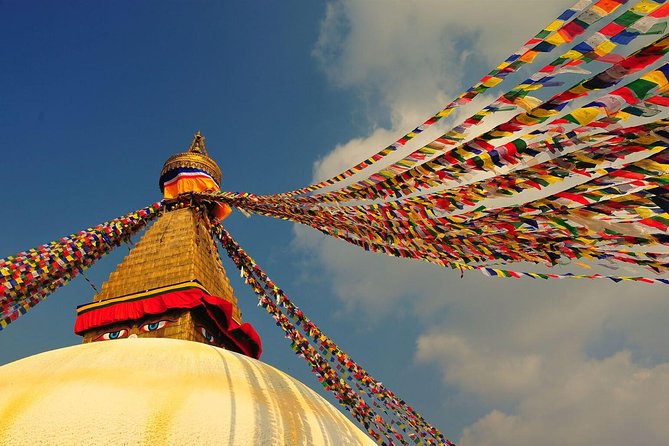
Your first main stop is Boudhanath Stupa, with about 1 hour and 25 minutes here. The great white dome and watchful Buddha eyes create one of Kathmandu’s most recognizable sights, but the real appeal is the movement around it.
You can walk the circuit in a clockwise direction, turning the prayer wheels as local Buddhists do. Your guide explains the meaning behind these actions and the place of the stupa within Tibetan Buddhist practice. The experience works best when you slow down and watch what people are doing, rather than treating the stupa as a backdrop for photographs.
You can also light a traditional butter lamp and offer a prayer. Butter lamps are optional, and the cost is not included, so ask your guide about the price before paying. The tour’s local-impact notes say these purchases support local communities, but you should still treat them as optional acts of devotion rather than required add-ons.
The Boudhanath stop is also a good place to ask broad questions. Your guide can help explain Buddhist beliefs, prayer practices, and the meaning of the stupa’s design. One particularly useful feature is that the tour does not leave you alone to decode the ritual. Without context, you might see people turning wheels and walking in circles without understanding why.
On holidays, the area can become especially busy. That can make the atmosphere more compelling, but it also means tighter walking and more care is needed to stay with the group. If you want quiet photographs, this may not be the calmest part of your afternoon.
The 15-minute walk to Pashupatinath
After Boudhanath, you walk for about 15 minutes toward Pashupatinath Temple. The total walking distance for the tour is approximately 2 kilometers, so sturdy, comfortable shoes are a sensible choice.
This short connection matters. You are not being whisked from one isolated attraction to another. The walk creates a small transition between Tibetan Buddhist practice and the Hindu sacred complex. It also gives your guide time to answer questions that come up at Boudhanath.
The tour description places the Pashupatinath visit at about 2 hours and 20 minutes. That makes it the longer and more demanding stop. The site combines temple architecture, holy men, daily worship, river rituals, and cremation activity. You should expect a lot to happen in a short period.
Earthquake damage affected some Kathmandu monuments in 2015, and some sites have since been renovated. The tour notes say the sights visited at Boudhanath and Pashupatinath are renovated. You will therefore see active religious places that have also had to recover and repair over time.
A few more trips worth weighing up before you book
- Everest Base Camp Trek – 14 Days
★ 5.0 · 1,499 reviews - Private Kathmandu Sightseeing Tour | UNESCO World Heritage sites
★ 5.0 · 756 reviews - Everest Base Camp Helicopter Tour landing at Everest View Hotel
★ 5.0 · 668 reviews - Half day cooking class in Thamel kathmandu
★ 5.0 · 607 reviews
Meeting sadhus and confronting the Bagmati River
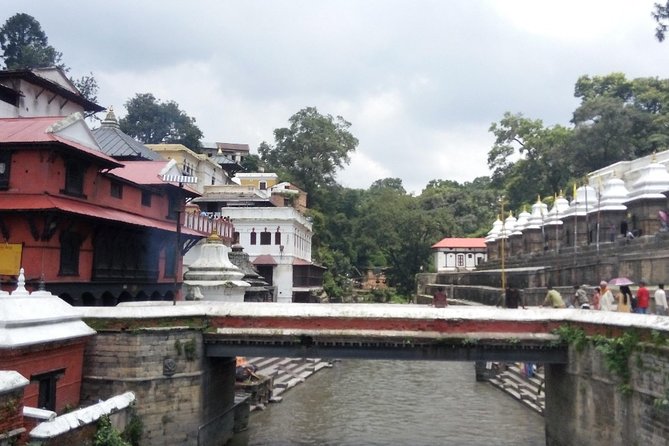
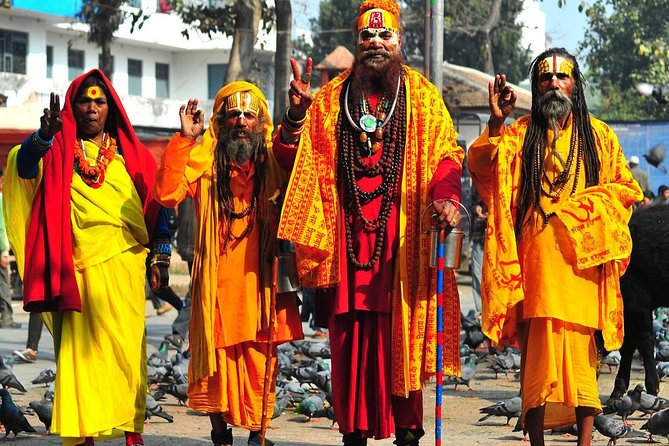
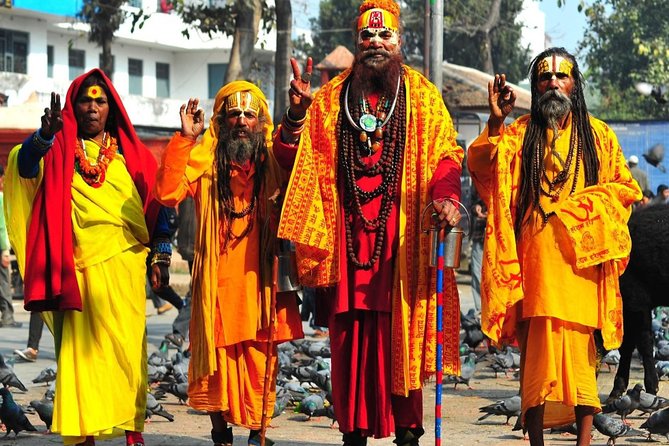
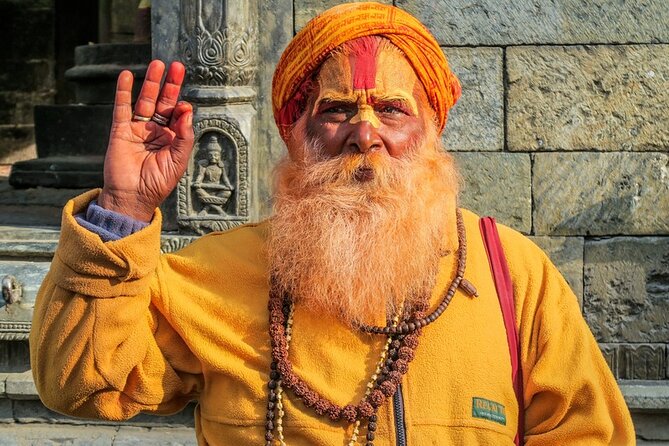
Pashupatinath is dedicated to Shiva and is closely tied to Hindu ideas about birth, death, and rebirth. Your guide explains these beliefs while pointing out the colorful clothing and practices of the sadhus, Hindu holy men who renounce material possessions as part of their religious path.
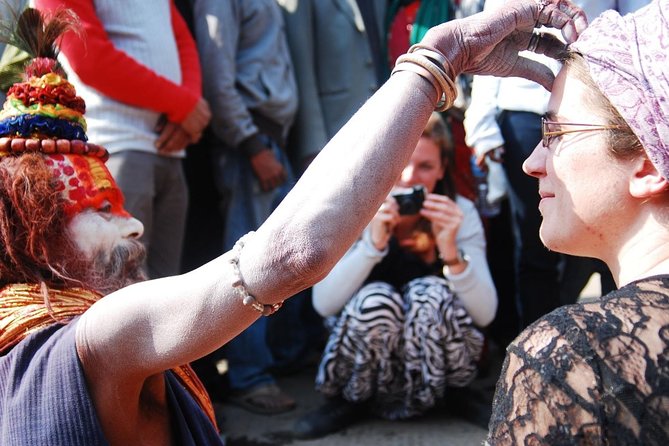
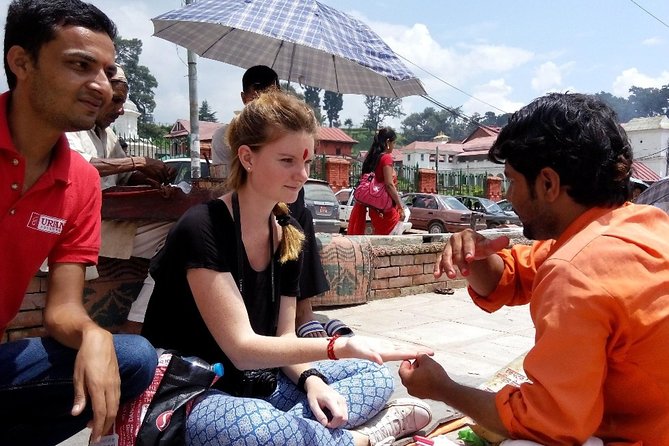
A sadhu may invite an offering or charge for a photograph or interaction. The supplied pricing information gives about $7.50 for pictures or interaction with sadhus, though exact amounts may vary. If you want to take part, let your guide help negotiate the fee. You are not expected to give money, and you should not feel pressured to turn a sacred setting into a paid photo opportunity.
The Bagmati River adds a serious edge to the visit. Cremation ceremonies take place along its banks, and you may see activity connected with mourning families. The proper approach is simple: keep your distance, do not take photographs, and do not stare at the rituals. The tour specifically asks you not to photograph or watch these ceremonies out of respect.
This is where the experience differs from a light sightseeing walk. Pashupatinath presents death as part of religious and public life. You may find it moving, uncomfortable, or both. A good guide helps explain what you are seeing without turning grief into a spectacle.
The Aarati ceremony after sunset
As daylight fades, people gather along the eastern side of the Bagmati River for Aarati. The ceremony is an offering of lights to Lord Pashupatinath, and the combination of lamps, movement, chanting, and the crowd creates the tour’s strongest shared moment.
You are watching from among local worshippers, not from a sealed viewing platform. That is the point, but it also brings practical challenges. The crowd can be thick, and the guide specifically advises staying close so you do not get separated.
Keep your phone and other belongings secure, and listen carefully when your guide gives meeting instructions. The experience is more enjoyable when you can pay attention to the ceremony rather than constantly checking where everyone else is.
Aarati is also why the 3 p.m. start works so well. Arriving earlier would miss the transition from afternoon activity to evening worship. You get time to understand the place before the main ceremony begins.
What the $60.56 price really covers
At $60.56 per person, this is not the cheapest way to visit two Kathmandu sites. You can often see religious monuments independently for less, especially if you already understand the customs and feel comfortable navigating local transport.
The value comes from the structure. Your fee includes an English-speaking Nepali guide, entrance to both UNESCO sites, transport from the Thamel meeting point to Boudhanath, and transport from Pashupatinath to the endpoint. You also receive explanations of Hinduism and Buddhism, help staying together at Aarati, and suggestions for other things to see, do, and eat in Kathmandu.
For a first visit, that package is reasonable. The guide turns a potentially confusing afternoon into a clear sequence, and the small group makes questions possible. It is particularly useful if you want cultural context rather than only architecture.
The extra charges are easy to manage if you know about them. Dinner and lunch are not included. Neither are alms for sadhus or monks, palm reading, or butter lamps. A palm reading generally costs between $7.50 and $9 per person, according to the tour information. Bring some cash only if you want these optional experiences, and agree on the price first.
The guide makes or breaks the afternoon
This tour depends more on the guide than on the transport. The sites are important on their own, but the guide decides whether you understand the prayer wheels, the stupa, the sadhus, the cremation area, and Aarati.
The strongest guide feedback highlights people who were friendly, patient, and generous with their time. Rozit was described as feeling like a local friend. Amit helped with phone photography as well as cultural explanation. Bipin was praised for knowing side streets and good photo positions, while Subash was singled out for excellent English and detailed explanations.
Those details tell you what to hope for: not a memorized speech, but someone who can adjust to the group, answer questions, and watch out for people in the crowd. Rita was praised for tailoring the tour to the group’s needs, and another guide was appreciated for making sure the group felt it received fair value.
There is one limitation. A shared small group can still contain people whose pace or personality does not match yours. One customer enjoyed the guide but disliked the other participants. If you want complete control over the pace, ask about a private option when booking.
Who will get the most from this tour
I would recommend this experience to a first-time visitor with limited time in Kathmandu, especially if you want to understand how Hindu and Buddhist practices appear in daily life.
It also suits solo visitors who would rather not manage public transport, site entrances, crowd navigation, and cultural etiquette alone. Families can join, and children under six are free. Still, the cremation area and the serious tone at Pashupatinath may not suit every young child.
Photographers should enjoy the visual variety, but remember that not every scene is yours to capture. Boudhanath offers strong architectural and ritual images. Pashupatinath offers colorful sadhus and evening lamps, but photographing people requires sensitivity and, in some cases, payment.
You should think twice if you want a slow, private meditation at each site. Four hours is efficient, not leisurely. You will cover two major places, use public transport, walk between them, and finish amid a large crowd.
Practical advice for a smoother visit
Wear shoes that can handle approximately 2 kilometers of walking. Keep your belongings close during the public transport sections and especially during Aarati, when the crowd may press in around the riverbank.
Stay near your guide at Pashupatinath. This is not just a polite suggestion. The ceremony draws many people, and the group can be difficult to spot once the light fades.
Bring modest expectations about optional purchases. Butter lamps, palm reading, and sadhu photographs can add local interaction, but none is needed to enjoy the tour. Ask about costs before participating, and remember that alms are not included.
The tour is mobile-ticketed, and confirmation is provided at booking. Free cancellation is available up to 24 hours before the 3 p.m. start time. Changes or cancellations made later are not accepted for a refund.
Should you book it?
Book this tour if you want two of Kathmandu’s most important religious sites explained in one evening, and if public transport and a little crowd navigation sound like part of the fun.
At $60.56, you are paying for organization, admission, transport, and cultural guidance rather than simply access to monuments. The best reasons to choose it are the carefully timed Aarati ceremony, the local feel of the route, and the small group size.
Skip it if you prefer to sightsee alone, dislike emotionally serious places, or want to avoid optional paid interactions altogether. For most first-time visitors, though, this is a strong introduction to Kathmandu’s religious life, with enough structure to make the city’s rituals easier to understand and enough local contact to keep the afternoon from feeling staged.
FAQ
How long does the Kathmandu spiritual sites tour last?
The tour lasts approximately four hours.
What time does the tour start?
The tour starts at 3 p.m.
Where does the tour begin?
The meeting point is Hotel Marshyangdi on Chaksibari Marg in Thamel, Kathmandu.
Does the tour return to the meeting point?
Yes. The activity ends back at the meeting point.
Which sites are included?
The tour visits Boudhanath Stupa and Pashupatinath Temple, both UNESCO World Heritage sites.
Is transportation included?
Yes. Transportation from the meeting point to Boudhanath and from Pashupatinath Temple to the endpoint is included. The tour uses public transport.
Are entrance fees included?
Yes. Admission to Boudhanath Stupa and Pashupatinath Temple is included.
Is palm reading included in the price?
No. Palm reading is optional and costs extra, generally between $7.50 and $9 per person.
What is the cancellation policy?
You can cancel up to 24 hours before the experience starts for a full refund. Cancellations or changes made less than 24 hours before the start time are not accepted for a refund.
Just added around Kathmandu
- Private Shopping Tour in Kathmandu★ 5.0 · 3 reviews
- Nagarkot Sunrise With 7 UNESCO World Heritage Private Tour★ 5.0 · 3 reviews
- Kathmandu: Nightlife and Pub Crawl Tour★ 5.0 · 3 reviews
- Mount Everest Scenic Flight 50 Minutes★ 5.0 · 3 reviews
- Kathmandu: Nagarkot, Bhaktapur, Doleswor & Sanga Statue Tour★ 5.0 · 3 reviews
- Momo Cooking Class -The Art Of Making MoMo with Home Chef★ 5.0 · 3 reviews
- Makalu Base Camp Trek★ 5.0 · 3 reviews
- Kathmandu: Momo Making Class with a Local Chef★ 5.0 · 3 reviews
Temples & Monasteries, compared.
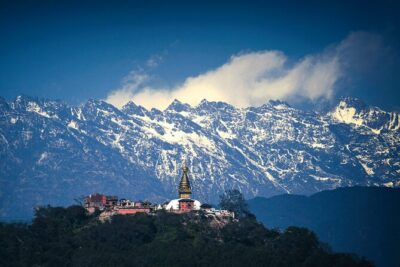
Monkey Temple – Swayambhunath Tour – Private/Small Group
Read our review →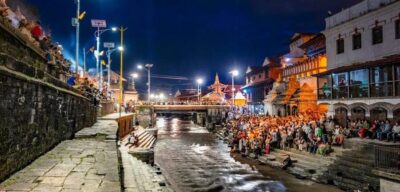
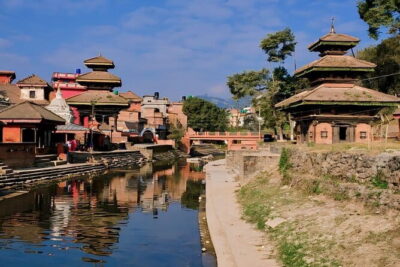
Dhulikhel, Namobuddha & Panauti: A Scenic Day Tour from Kathmandu
Read our review →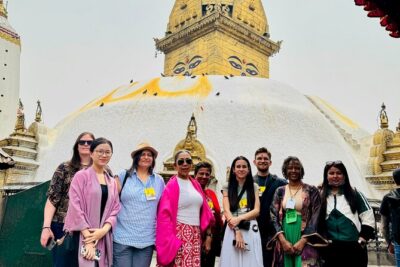
Chandragiri Cable Car & Monkey Temple Tour- Private/Group
Read our review →Browse the lists this tour appears in