
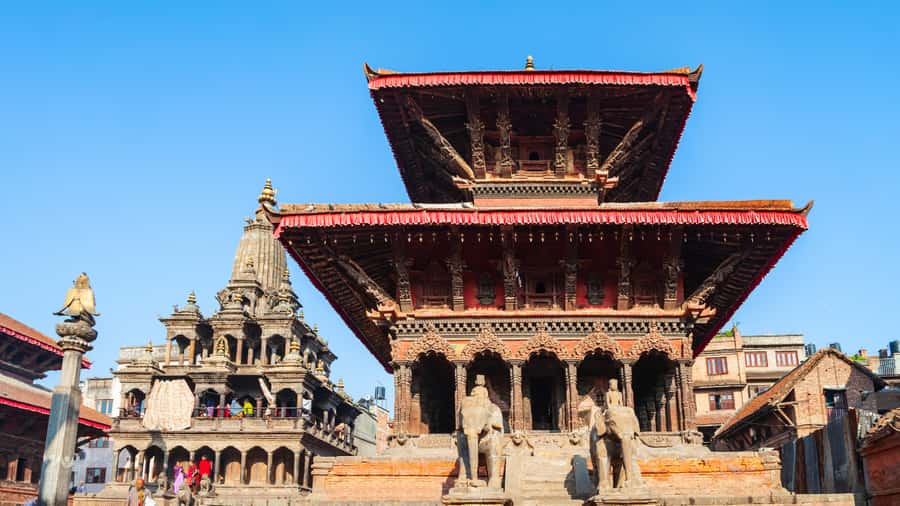
Reviewed · PATAN TOURS
Kathmandu: Private Patan and Bhaktapur Sightseeing Tour
Two cities, one remarkable day. This six-hour private tour links Patan and Bhaktapur, two of the Kathmandu Valley’s finest places for old Newari architecture, sacred courtyards, carved windows, and working craft traditions. I like the private vehicle and hotel pickup, which keep the day simple, and I like the English-speaking guide, who can explain the stories behind details you might otherwise walk past.
The main consideration is pace. You visit many sites in six hours, and entrance fees, lunch, and drinks are extra. If you want long museum visits or extended shopping time, this schedule may feel tight. If you want a well-organized first look at two major cultural centers, the format makes good sense.
In This Review
- Key things to know before you book
- Why Patan and Bhaktapur belong on the same day
- Patan Durbar Square, where the details reward patience
- Patan Museum and the art behind the temples
- Krishna Temple and Kumbheshwor Temple
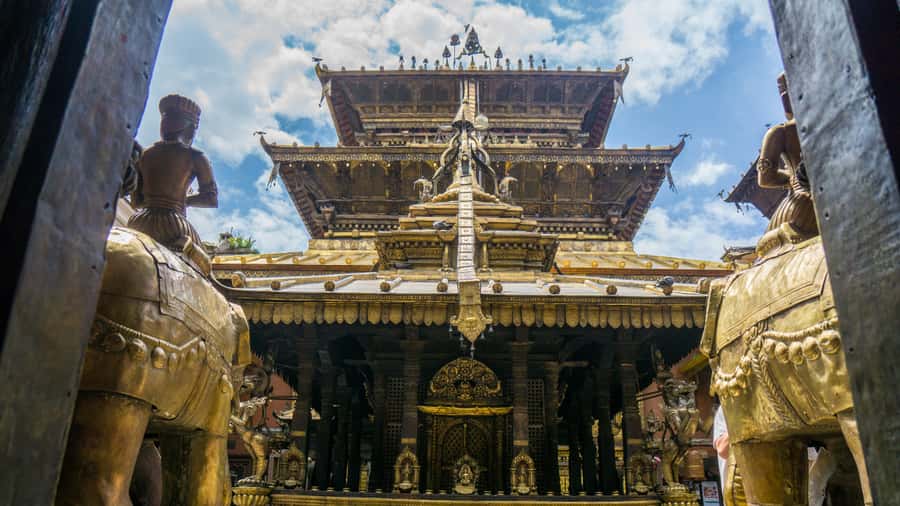
- The Golden Temple, a small complex with fine metalwork
- The drive to Bhaktapur and the value of a lunch break
- Bhaktapur Durbar Square and the 55-Window Palace
- Taumadhi Square and Nyatapola Temple
- Pottery Square, where old craft remains visible
- Dattatraya Temple and the final walk
- What the $39 price really includes
- Practical advice for a smoother six hours
- Who should book this Patan and Bhaktapur tour?
- FAQ
- Where does the tour begin?
- How long does the tour last?
- Which cities are visited?
- Is transportation included?
- Is a guide included?
- Are entrance fees included?
- Is lunch included?
- What should I bring?
- Can I cancel the booking?
- Who provides the tour?
Key things to know before you book
- Patan gives you detailed Newari craftsmanship: Expect stone temples, metalwork, woodcarving, courtyards, and a strong connection to traditional arts.
- Bhaktapur feels more medieval in layout: Its squares, palace buildings, temples, and narrow lanes reward slow looking, even during a short visit.
- The tour is private: You can ask questions, adjust the rhythm, and receive more direct attention than on a large group outing.
- The itinerary covers eleven named stops: Patan receives the longer, more detailed visit, while Bhaktapur focuses on its main squares and working pottery area.
- The $39 price is appealing for a private half-day: Transportation and guide service are included, but admission charges and food are not.
- Comfortable shoes matter: You will walk through heritage areas, often on old paving, so bring practical footwear, sunglasses, and a sunhat.
Why Patan and Bhaktapur belong on the same day
Patan and Bhaktapur are separate cities within the Kathmandu Valley, yet they work well as a pair. Patan is known for refined Newari design, metal sculpture, woodcarving, and religious buildings gathered around its Durbar Square. Bhaktapur offers another view of the same valley tradition, with broad historic squares, palace architecture, temples, pottery, and narrow lanes filled with local activity.
I like this pairing because the two places are not simply copies of one another. Patan gives you close study of artistic detail and sacred courtyards. Bhaktapur gives you a stronger sense of a preserved old city, where several important squares connect through lanes and working neighborhoods.
The private format matters here. A guide can point out the difference between a decorative carving and a religious symbol, explain how the palace areas were used, and help you understand why certain temples draw daily worship. The schedule is busy, but the guide makes the many names and buildings easier to sort out.
A private vehicle also saves energy between the two cities. You are not spending the day finding taxis or negotiating each transfer. Your guide and driver collect you from your selected hotel and return you in the late afternoon.
More City Tours in Kathmandu
- Private Kathmandu Sightseeing Tour | UNESCO World Heritage sites
★ 5.0 · 756 reviews - Kathmandu: Private City Guided Tour
★ 4.9 · 174 reviews - Kathmandu Private Sightseeing Tour | UNESCO World Heritage Sites
★ 5.0 · 109 reviews
Patan Durbar Square, where the details reward patience
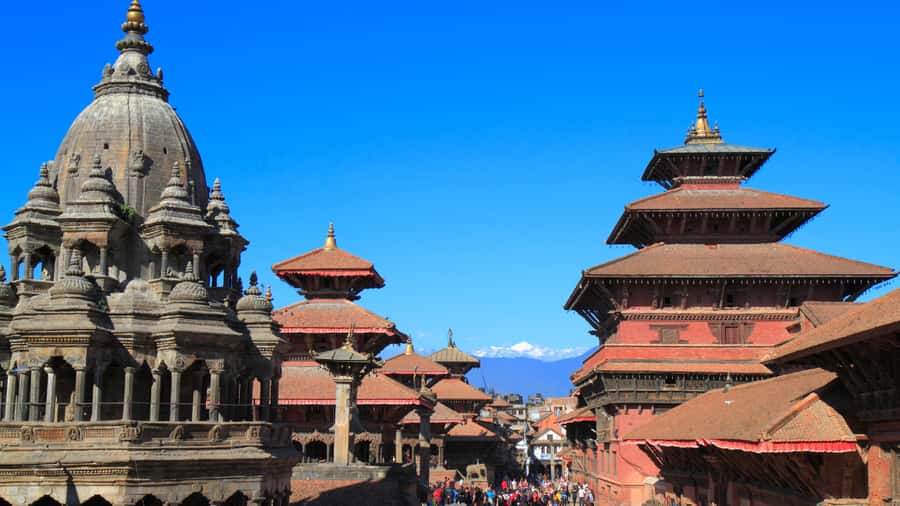
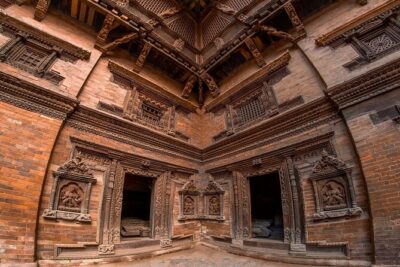
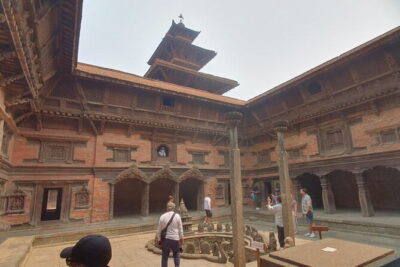
The day begins at Patan Durbar Square, the first major historic area on the route. This is the place to slow down and look upward, inward, and along the edges of each courtyard. The square brings together palace buildings, temples, carved doorways, and open spaces shaped by centuries of Newari religious and royal life.
The listed walking visit is about 30 minutes, followed by time at the Patan Museum. That gives you a useful introduction, though it is not enough for a leisurely inspection of every corner. I would keep your camera ready, but do not let photography turn the square into a checklist. The best details are often small: metal figures, roof supports, carved shutters, and the layering of brick, timber, and stone.
Patan is also a working center for traditional handicrafts. The narrow lanes are associated with metalwork, pottery, and weaving, and the route may give you a chance to see artisans at work or browse local craft shops. Shopping is included as an activity, but it is not compulsory. If you buy something, ask about the material and how it was made rather than treating the lane as a standard souvenir stop.
Patan Museum and the art behind the temples
The Patan Museum receives about 45 minutes, making it one of the more substantial stops. This is valuable because the open-air squares can be visually crowded. Inside, you can give more attention to religious art and the design traditions that appear on the buildings outside.
I see the museum as the bridge between looking and understanding. A guide can help connect the objects in the galleries with the temples you have just seen. Without that context, it is easy to remember only gold surfaces, dark timber, and impressive roofs. With it, the architecture becomes easier to read.
The museum visit also provides a change of pace. After walking among courtyards and shops, an indoor stop lets you focus on objects rather than traffic, noise, or the steady movement of other people. The time is still limited, so ask your guide early which displays deserve your attention.
Krishna Temple and Kumbheshwor Temple
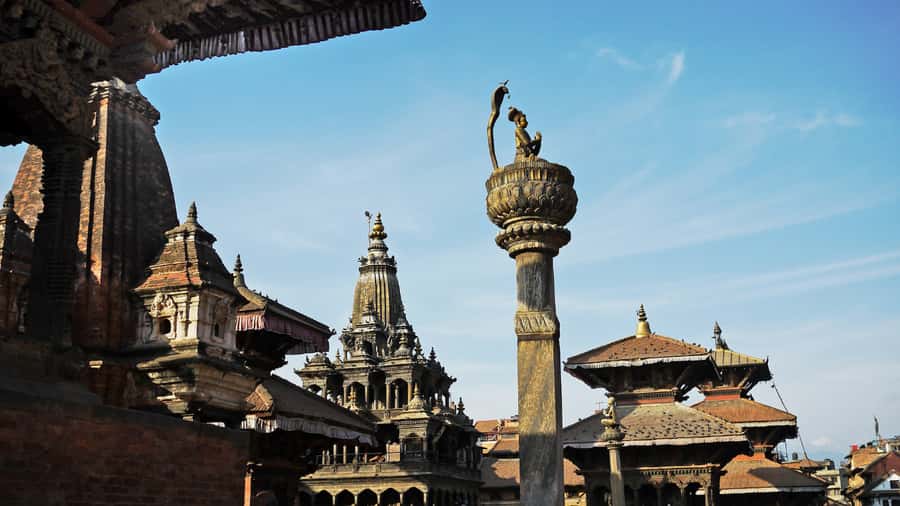
Krishna Temple is a short stop of roughly 10 minutes, but its importance is greater than its length suggests. It is dedicated to Lord Krishna and is known for its stone architecture. The building offers a contrast to the timber-heavy Newari structures nearby.
Ten minutes is enough for an explanation, photographs, and a quick look at the temple’s form. It is not enough for lingering worship or detailed architectural study, so treat it as a focused introduction rather than a full visit.
Kumbheshwor Temple follows with about 15 minutes. The guide can explain its religious role and place it within Patan’s older sacred geography. These brief temple visits work best when you listen for one or two clear ideas instead of trying to memorize every date and name.
More Days Out in Bhaktapur:
- Private Bhaktapur and Nagarkot Day Tour From Kathmandu
★ 5.0 · 305 reviews - Day Trip to Bhaktapur and Panauti from Kathmandu
★ 5.0 · 184 reviews - Bhaktapur & Patan Durbar Square Day Tours
★ 5.0 · 122 reviews - Nagarkot Sunrise & Bhaktapur UNESCO Heritage Private Tour
★ 5.0 · 66 reviews
The Golden Temple, a small complex with fine metalwork
Hiranya Varna Mahavihar, commonly called the Golden Temple, receives about 30 minutes. This is one of the day’s most distinctive stops because the complex is known for its detailed metalwork and Buddhist character.
The name can create the wrong expectation. You are not visiting a giant monument covered in gold. The appeal is in the concentrated decoration, the courtyard setting, and the fine workmanship found in a smaller sacred complex. This is exactly the kind of place where a guide adds value by explaining what you are seeing and how the space is used.
I would save a little attention for the surrounding lanes. Patan’s appeal does not end at the official square. Its craft traditions continue through the streets, and the walk between major sites helps you see the city as a living place rather than a collection of monuments.
The drive to Bhaktapur and the value of a lunch break
After Patan, you drive to Bhaktapur. Lunch takes place between the two parts of the day, but the meal is not included. You choose and pay for your own food and drinks, so carry Nepalese currency along with the money needed for admission charges.
The six-hour duration means lunch should remain practical. A long meal will reduce time at the later sites, while a quick break keeps the afternoon moving. The tour does not specify a restaurant or menu, so you should not book this expecting a planned food tasting.
This is also a good moment to ask your guide what you will see next. Bhaktapur has several major areas, and knowing the order helps you notice how the city’s squares connect.
Bhaktapur Durbar Square and the 55-Window Palace
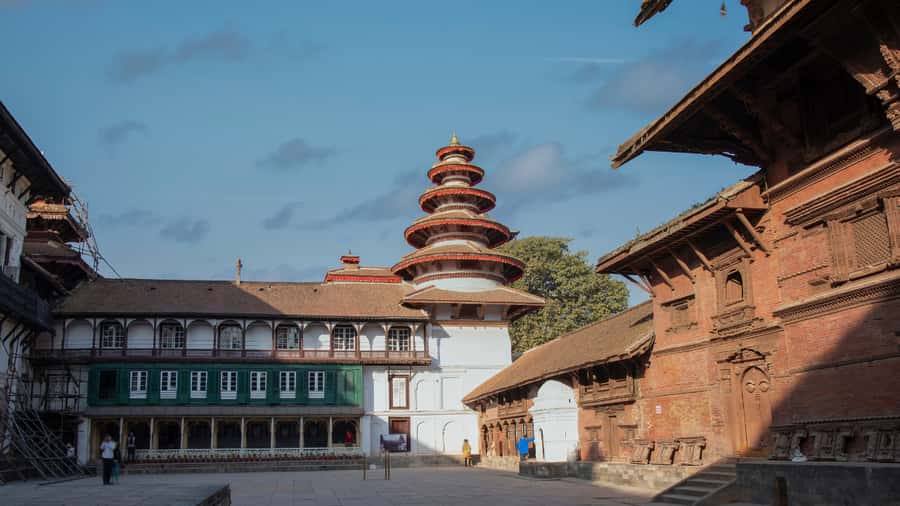
Bhaktapur Durbar Square is the center of the afternoon visit. The tour allows about 45 minutes for a guided walk, sightseeing, photographs, and possible shopping. The square is known for its medieval buildings and Newari design, with the 55-Window Palace serving as one of its most recognizable architectural features.
The palace is listed as a 10-minute sightseeing and pass-by stop. That wording matters. You should expect to view and discuss it as part of the square rather than receive a long interior visit. The carved windows are a highlight, so look closely at the timber details instead of judging the building only from a distance.
Bhaktapur’s scale can make a short stop feel full. You may want to pause at every temple, but the route has several more locations ahead. I would follow the guide’s main explanation first, then use free moments for photographs and details.
Taumadhi Square and Nyatapola Temple
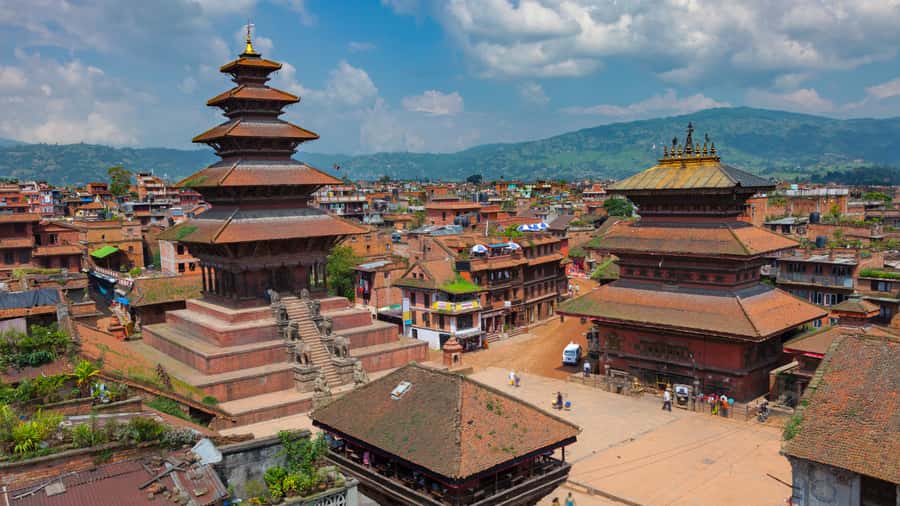
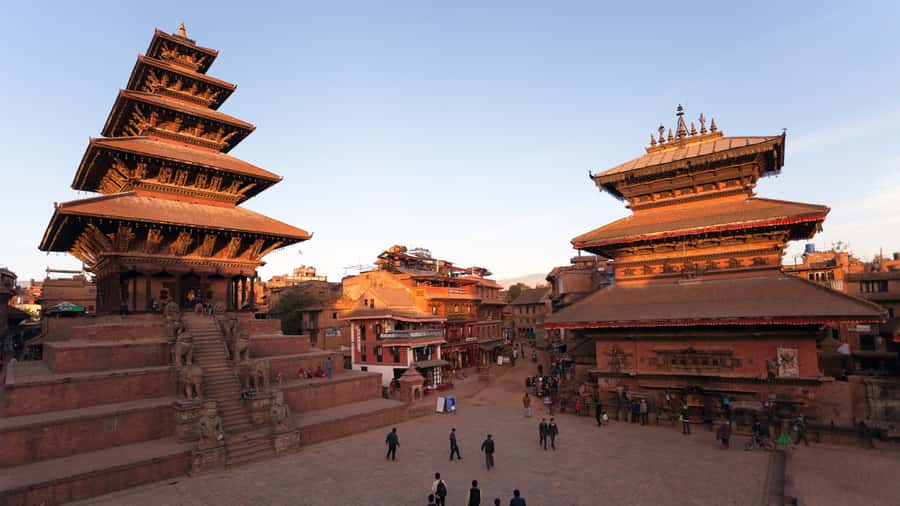
Taumadhi Square receives around 30 minutes and brings one of Bhaktapur’s most memorable temple settings. Nyatapola Temple is the best-known structure in the square, and its tall, tiered shape gives the area a strong vertical focus.
The square is a good place to understand how public space, worship, trade, and daily movement meet in Bhaktapur. Rather than rushing straight to the tallest building, look across the square at the relationship between the temple, surrounding facades, and people using the space.
A guide can also help you avoid a common mistake: seeing only the famous temple and missing the square itself. The composition of the buildings is part of the experience. The 30-minute allocation is enough for a clear explanation and a walk, but not for extended sitting or repeated returns.
Pottery Square, where old craft remains visible
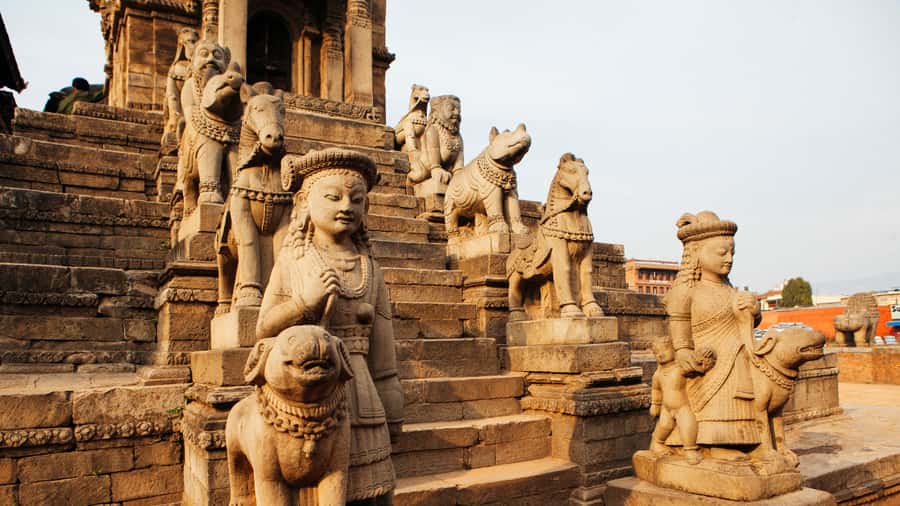
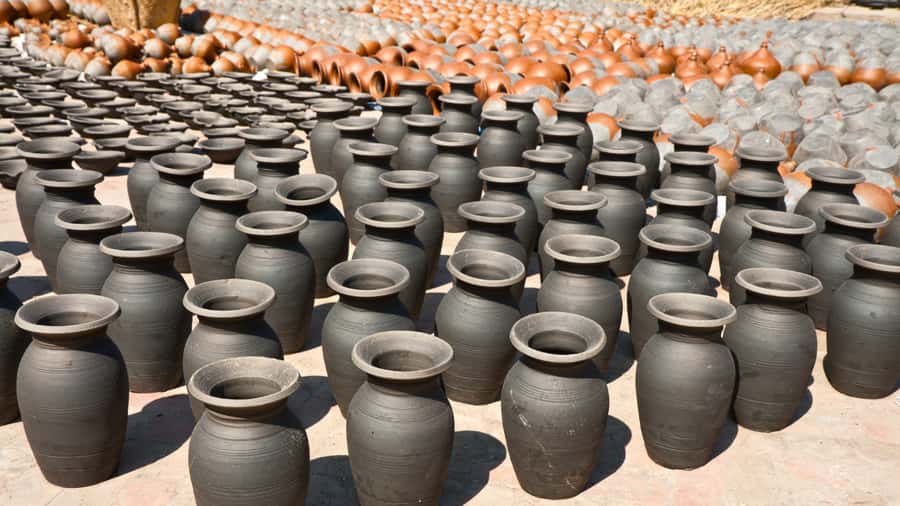
Pottery Square, also known as Kumha Twa, is one of the most appealing stops for anyone who prefers working neighborhoods to polished monuments. The visit lasts about 30 minutes and includes a guided walk.
This is where the tour’s cultural promise becomes especially concrete. Instead of only viewing finished architecture, you might see the setting connected to traditional pottery production and local craft work. The area gives you a better feel for the skills and routines that helped shape Bhaktapur’s identity.
The stop also brings a useful change in subject. After palaces and temples, you are looking at an everyday craft tradition. If you shop, remember that the tour is not a dedicated buying excursion. Browse with interest, ask questions, and make sure anything fragile can be carried safely for the rest of your Nepal trip.
Dattatraya Temple and the final walk
The last major stop is Dattatraya Temple, with about 30 minutes for a guided visit and sightseeing. It lies in the historic part of Bhaktapur and adds another religious and architectural layer to the day.
By this point, you will have seen a large number of buildings, so this is a good place to ask your guide to compare Bhaktapur with Patan. Which details are typical of each city? How do the religious traditions differ? Which carving or courtyard deserves a second look?
That conversation can make the final stop more useful than simply collecting another photograph. The guide’s storytelling is an important part of the experience. One booking specifically praised Rameshwar ji for bringing dynasties and royal intrigue to life, while another praised the clear English and the flexibility made possible by a private tour. The provider’s guide quality will shape the day, so use the private setting to ask questions.
What the $39 price really includes
At $39 per person, the tour offers solid value if you want a private vehicle, hotel pickup and drop-off, and an English-speaking professional guide. Those inclusions remove several practical hassles, especially if you are staying in Kathmandu and want to visit both cities without arranging separate transport.
The price does not include entrance fees, food, or drinks. You should carry Nepalese currency for the heritage-site admissions. Since there are several formal sites on the route, these extra costs matter when you set your day’s budget.
The value is strongest for couples, families, or small private parties who want direct guide attention. Solo visitors should compare the cost with a group tour, but the private format may still appeal if convenience and flexibility matter more than finding the lowest possible price.
The tour also offers free cancellation up to 24 hours before departure and a reserve-now, pay-later option. Those terms are useful if your Kathmandu plans may change, but confirm the available starting time before booking because the six-hour duration is fixed while departure times depend on availability.
Practical advice for a smoother six hours
Wear comfortable shoes. You will walk inside the heritage areas, and the route includes squares, lanes, courtyards, and craft neighborhoods rather than only vehicle-based sightseeing.
Bring your passport or another accepted ID card, Nepalese currency for entrance fees, sunglasses, and a sunhat. Food and drinks are not included, so plan for the lunch break rather than assuming refreshments will be supplied.
Expect a full schedule. Patan receives several stops and more museum time, while Bhaktapur moves through four major areas in the afternoon. If you want to linger at one temple, shop at length, or study every museum display, tell your guide early and accept that another stop may need to be shorter.
The tour is conducted in English. One Japanese booking specifically praised the guide’s clear English, and the private setup allowed changes to the rhythm. That is encouraging for anyone who wants explanations without feeling lost in a large group.
Who should book this Patan and Bhaktapur tour?
I would choose this tour for a first visit to Kathmandu, especially if you have only one free day for the valley’s historic cities. It gives you a strong introduction to architecture, religion, palace culture, museums, and traditional crafts without asking you to organize each transfer yourself.
It also suits anyone who prefers a private experience and wants to ask questions freely. Families may appreciate the vehicle and hotel service, while photographers will like the number of courtyards, windows, temples, and craft scenes packed into the route.
I would hesitate if you dislike busy schedules or want a slow, unplanned day. You may also prefer another arrangement if your main goal is food, shopping, or a long museum visit. Entrance costs and lunch are extra, so the $39 headline price is not the complete cost of the outing.
The strongest reasons to book are the pairing of two major cultural centers, the private transport, and the chance to see Patan’s craft traditions alongside Bhaktapur’s pottery and palace squares. The main compromise is time. You see a lot, but you will need to keep moving.
FAQ
Where does the tour begin?
Pickup is from your selected hotel or starting location in Kathmandu, depending on the option chosen at booking.
How long does the tour last?
The experience lasts six hours, including transportation, sightseeing, walking, and the lunch break.
Which cities are visited?
The tour visits Patan, also called Lalitpur, and Bhaktapur in the Kathmandu Valley.
Is transportation included?
Yes. Hotel pickup and drop-off are included, along with transportation in a private vehicle.
Is a guide included?
Yes. A professional English-speaking guide accompanies the tour.
Are entrance fees included?
No. Entrance fees are not included. You should carry Nepalese currency to pay them.
Is lunch included?
No. Food and drinks are not included. A lunch break is provided between the Patan and Bhaktapur visits.
What should I bring?
Bring your passport or ID card, comfortable shoes, comfortable clothing, sunglasses, and a sunhat. You should also carry Nepalese currency for entrance fees.
Can I cancel the booking?
You can cancel up to 24 hours in advance for a full refund. The reserve-now, pay-later option is also available.
Who provides the tour?
The experience is provided by Himalayan Social Journey.
More Patan and Lalitpur Visits
- Kathmandu: Private Patan and Bhaktapur Sightseeing Tour
★ 4.7 · 64 reviews - Patan and Bhaktapur City Full Day Tour
★ 5.0 · 24 reviews - City tour of Bhaktapur and Patan Durbar Square
★ 4.5 · 20 reviews - Patan Heritage Tour – Private/Small Group
★ 5.0 · 14 reviews
Just added around Kathmandu
- Private Shopping Tour in Kathmandu★ 5.0 · 3 reviews
- Nagarkot Sunrise With 7 UNESCO World Heritage Private Tour★ 5.0 · 3 reviews
- Kathmandu: Nightlife and Pub Crawl Tour★ 5.0 · 3 reviews
- Mount Everest Scenic Flight 50 Minutes★ 5.0 · 3 reviews
- Kathmandu: Nagarkot, Bhaktapur, Doleswor & Sanga Statue Tour★ 5.0 · 3 reviews
- Momo Cooking Class -The Art Of Making MoMo with Home Chef★ 5.0 · 3 reviews
- Makalu Base Camp Trek★ 5.0 · 3 reviews
- Everest Experience Trek 6 Day Hiking Adventure★ 5.0 · 3 reviews
Patan Tours, compared.
Kathmandu and Patan Heritage and Living Goddess Experience Tour
Read our review →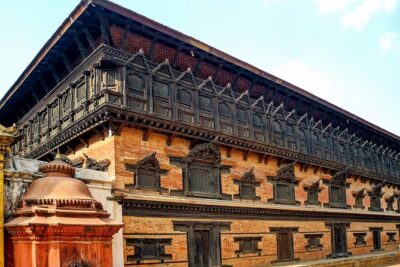
Patan & Bhaktapur Durbar Square Tour with Lunch – Private/Group
Read our review →
Nagarkot Sunrise, Bhaktapur and Patan Durbar Square Tour in Kathmandu
Read our review →Browse the lists this tour appears in