
Reviewed · KATHMANDU UNESCO HERITAGE TOURS
Kathmandu Bhaktapur Patan Authentic Local Tour +7 UNESCO WH Sites
Three old cities, one very full introduction. This three-day private tour connects Kathmandu, Bhaktapur, and Patan with native local guides, historic squares, working craft traditions, and all the major heritage sites named in the program. I especially like the live Juju Dhau preparation in Bhaktapur and the chance to see pottery, woodwork, and religious idol carving as real local crafts rather than museum displays.
I also like the route through lesser-known corners such as Pimbahal, Nagbahal Hiti, Oku Bahal, and Navadurga. Guide Nirajan, originally from Bhaktapur, has been praised for making the old towns feel personal and understandable. The main drawback is the pace: three long days cover a lot, and the final evening option in Thamel can make Day 3 especially tiring.
In This Review
- Key details that make this tour different
- Why this three-day route works
- Day 1: Bhaktapur from Juju Dhau to Navadurga
- Siddha Pokhari and the city entrance
- Pottery Square and Bhaktapur’s working craft life
- Bhaktapur Durbar Square
- Chandeshwori, local food, and Dattatreya
- Day 2: Patan’s courtyards, Buddhist shrines, and metalwork
- Pimbahal Stupa and Jagamadu Pond
- Nagbahal Hiti and the Golden Temple
- Kumbheshwor and Patan Durbar Square
- Golden Fountain, Mahaboudha, and Oku Bahal
- Day 3: Kathmandu markets and the valley’s major religious sites
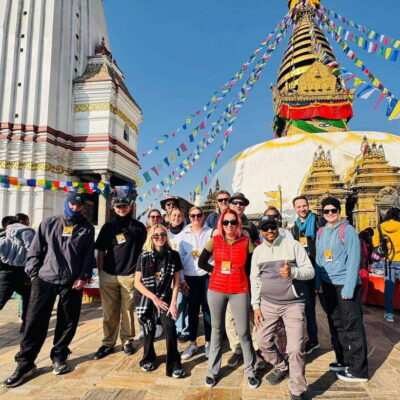
- Kathmandu Durbar Square and Swayambhunath
- Budhanilkanth Temple
- Boudhanath and Pashupatinath
- Thamel after dark
- Price, pace, and what you actually receive
- Who should book this Kathmandu Valley experience?
- FAQ
- How long is the tour?
- What time does the tour start?
- Is this a private tour?
- Is transportation included?
- Are entrance fees included?
- Are meals included?
- Is accommodation included?
- What local food experience is included?
- Can I cancel for a full refund?
- Should you book it?
Key details that make this tour different
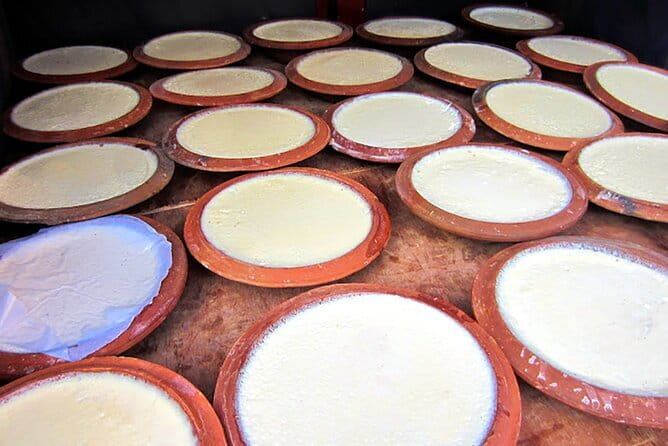
- Juju Dhau in Bhaktapur: Watch the famous king of yogurts being prepared, then decide if you want to taste local Newari food.
- Working craft traditions: See pottery in Bhaktapur, woodwork in Patan, and religious idol hand-carving sessions.
- Seven UNESCO World Heritage sites: The program is designed around the major heritage sites in the Kathmandu Valley.
- Three historic cities, not just three monuments: Walk through markets, courtyards, alleys, ponds, temples, and old neighborhoods.
- Private transport and a private group: Your party travels in an air-conditioned vehicle with an experienced local tour leader.
- A long final day: Kathmandu’s old market, Swayambhunath, Boudhanath, Pashupatinath, and optional Thamel nightlife make Day 3 packed.
Why this three-day route works
Kathmandu Valley is not one single historic center. It is a cluster of old Newar cities, religious sites, market streets, and temple courtyards spread across a busy modern valley. A quick sightseeing loop can show you the famous monuments, but it often misses the daily life around them.
This tour gives each city a full day. Bhaktapur receives the most hands-on treatment, Patan gets a detailed walk through Buddhist and Hindu sites, and Kathmandu combines old markets with the valley’s best-known stupas and temples. That structure makes sense if you have three days and want more than a standard highlight reel.
The private format matters here. You can ask why a shrine is important, pause at a workshop, or spend a little longer in a courtyard without waiting for a large group. The experience includes private transportation, an air-conditioned vehicle, entrance fees, environmental fees, and one bottle of water per person per day.
Food and accommodation are not included. That keeps the price more flexible, but you should budget separately for meals and choose your own hotel. The guide advises on food stops, which is useful because Newari cuisine can be unfamiliar if you have not tried it before.
More UNESCO Heritage Days:
- Private Kathmandu Sightseeing Tour | UNESCO World Heritage sites
★ 5.0 · 756 reviews - Kathmandu: Full Day 7 UNESCO Tour with Lunch – Private/Group
★ 5.0 · 415 reviews - Kathmandu: Full Day Top 4 UNESCO Tour with Lunch – Private/Group
★ 5.0 · 269 reviews
Day 1: Bhaktapur from Juju Dhau to Navadurga
The first day focuses on Bhaktapur, one of the Kathmandu Valley’s great medieval cities. The opening activity is a live session on Juju Dhau, the thick, sweet yogurt associated with Bhaktapur. This is a smart way to begin because food gives you an immediate connection to the place.
The preparation session lasts about two hours. You are not simply pointed toward a famous dish in a restaurant. You watch how it is made and learn why it matters locally. If you like food experiences with a cultural link, this is one of the strongest parts of the entire program.
Siddha Pokhari and the city entrance
The walk begins near Siddha Pokhari, a historic pond close to the entrance of Bhaktapur Durbar Square. The stop lasts about 30 minutes and provides a quieter start before the denser temple area.
From here, the route moves toward Pottery Square via Barahi Agam Ghar. You should expect a walking-heavy morning, with historic lanes and uneven surfaces likely to be part of the experience. The program does not give a detailed mobility rating, but comfortable shoes are a sensible choice.
Pottery Square and Bhaktapur’s working craft life
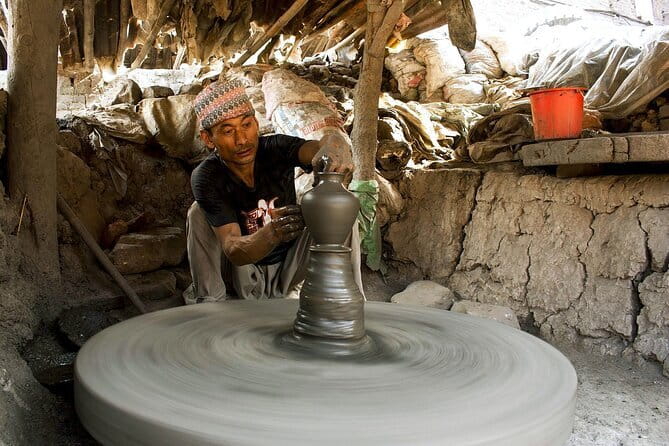
Pottery Square is more than a photo stop. Local potters work in the open, giving you a look at a trade that remains part of the town’s identity. The scheduled visit lasts about an hour.
I like this stop because it adds useful balance to the monuments. You see the hands-on work behind the polished cultural image of Bhaktapur. The session is described as a pottery experience, though the exact level of participation can depend on the day and the local workshop.
More Days Out in Bhaktapur:
- Private Bhaktapur and Nagarkot Day Tour From Kathmandu
★ 5.0 · 305 reviews - Day Trip to Bhaktapur and Panauti from Kathmandu
★ 5.0 · 184 reviews - Bhaktapur & Patan Durbar Square Day Tours
★ 5.0 · 122 reviews - Nagarkot Sunrise & Bhaktapur UNESCO Heritage Private Tour
★ 5.0 · 66 reviews
Bhaktapur Durbar Square
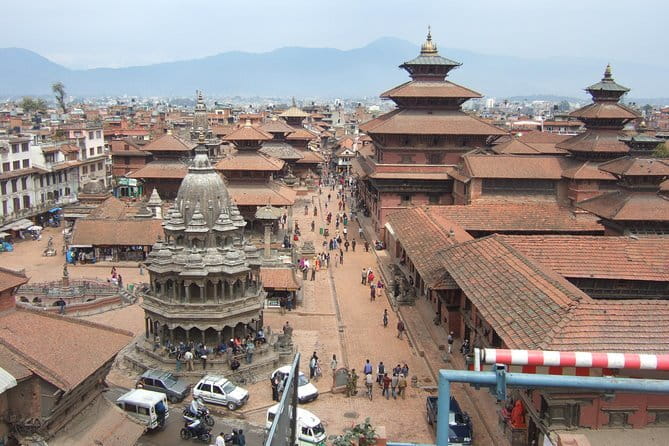
Bhaktapur Durbar Square receives about an hour. This is the formal heart of the old city, with palace architecture, temples, courtyards, and the marks of the Malla period. It became a UNESCO World Heritage site in 1979.
The square is famous, but the guide’s role matters. Without context, the carved doors, pagoda roofs, and shrines can blur together. A native Newar guide can explain how the old city was organized and how religious life, royal power, and craft traditions connected.
Chandeshwori, local food, and Dattatreya
The next stops shift away from the central square. Chandeshwori Temple is a three-story pagoda shrine in Tibukchhen Tole, with about 30 minutes set aside for the visit.
You then have an optional local food tasting lasting around an hour. The choice is yours, which is helpful if you have dietary limits or simply need a lighter break. Traditional Newari food is a major part of the cultural experience, but food is not included in the tour price.
Dattatreya Temple follows, with around 30 minutes at the site. The temple is linked to King Yaksha Malla and is traditionally dated to the 14th century. The route reaches it through Khacha Pokhari, giving you another look at Bhaktapur beyond the main square.
The day ends at the Navadurga temple area on the outskirts of Bhaktapur. These temples are connected with protection of the city and are visited in a particular order during certain traditional practices. The stop is brief, but it gives the day a strong local finish instead of ending at the most obvious monument.
Day 2: Patan’s courtyards, Buddhist shrines, and metalwork
Patan, also called Lalitpur, rewards a slower look. Its old center is packed with courtyards, monasteries, water fountains, temples, and workshops. The second day begins at Patan Dhoka, the historic gateway to the city.
Patan was a capital of the Malla dynasty until 1768. That political background helps explain the density of fine buildings in the old center. The route is not limited to Patan Durbar Square, which is important because the smaller courtyards often provide the most intimate moments.
Pimbahal Stupa and Jagamadu Pond
Pimbahal Stupa is about 650 meters from Patan Durbar Square. The visit lasts roughly an hour and includes the nearby Jagamadu Pond.
This pairing shows how Buddhist worship and public water systems once worked together in the old city. The stupa is also important to Buddhist pilgrims, so the stop has a living religious purpose rather than being only an architectural visit.
Nagbahal Hiti and the Golden Temple
Nagbahal Hiti, also called Elhānani Hiti, is an ancient drinking fountain believed to date from the eighth century. The visit is shorter, about 30 minutes, but the site adds a practical detail to your understanding of old Patan. Water architecture was not decoration. It supported community life.
The Golden Temple, or Hiranya Varna Mahavihar, receives about an hour. This Newar Buddhist monastery dates to 1409. Despite its name, it is not entirely made of gold. The nickname reflects its decorated appearance and popular use rather than literal construction.
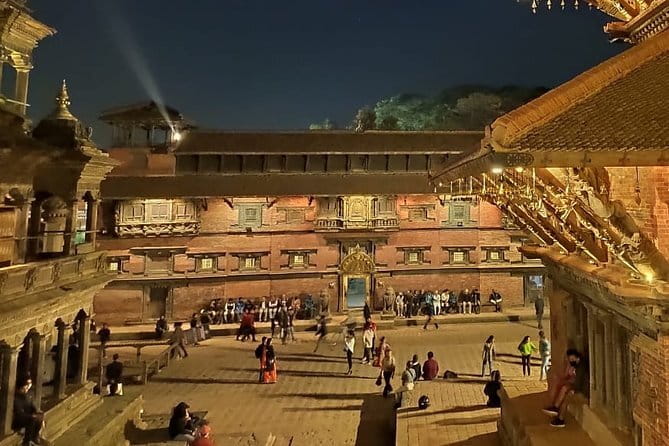
The monastery’s courtyard setting rewards careful looking. Instead of rushing in, take time to notice the metalwork, small shrines, and layered religious details. A guide can help separate Buddhist symbols, local Newar traditions, and later tourist labels.
Kumbheshwor and Patan Durbar Square
Kumbheshwor Temple is a shorter 30-minute stop. It dates to the late 14th century and adds a Hindu site to a day that otherwise gives substantial attention to Buddhist monasteries.
Patan Durbar Square is the day’s central monument and receives about an hour. The royal palace complex is surrounded by temples and carved architectural details. It is a compact place, but there is enough to see that a rushed visit can feel unsatisfying.
The square also carries the visible effects of modernization and earthquake damage across the Kathmandu Valley. The tour’s focus on preservation and local life helps you look beyond a perfect postcard image. You see an old city still being used, repaired, and adapted.
Golden Fountain, Mahaboudha, and Oku Bahal
After the square, the route continues to the ancient Golden Fountain, with about an hour scheduled. The fountain reflects Patan’s skill in metalwork and water architecture. It is a good transition from royal monuments to the smaller civic and religious features of the old city.
Mahaboudha Temple follows for another hour. Built in the 14th century, it is made of clay bricks and covered with detailed terra-cotta work. Its form differs from the pagoda roofs around it, making it a useful reminder that Patan’s religious architecture is not all one style.
Rudravarna Mahavihar, also called Oku Bahal, is a Newar Buddhist monastery with three courtyards. The visit lasts about 30 minutes. Courtyard monasteries can be easy to miss when you travel alone because they may sit behind ordinary-looking lanes. Here, the guide helps you find and understand them.
The final hour in Patan takes you through narrow alleys where Shilpakar families continue traditional woodwork. This is one of the most appealing ideas in the tour. You get to connect the carved windows and temple details seen earlier with living artisans and family trades.
Day 3: Kathmandu markets and the valley’s major religious sites
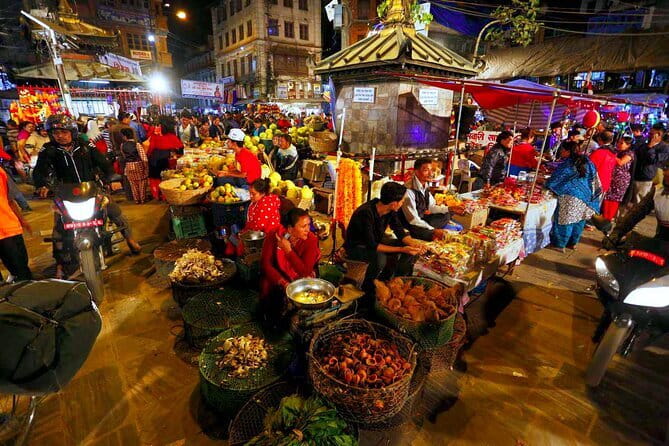
The last day begins at 9:15 in the morning and starts on foot through Thamel and Asan Tole. Asan is one of Kathmandu’s oldest market areas, and the route continues toward Newroad Gate through the Kathmandu Durbar Square area.
This opening is useful because it shows Kathmandu as a working city, not just a collection of monuments. Shopping, traffic, shrines, and old lanes overlap here. If you want to buy small local goods, this is the place to ask the guide for practical advice, though the exact shopping stops are not specified.
Kathmandu Durbar Square and Swayambhunath
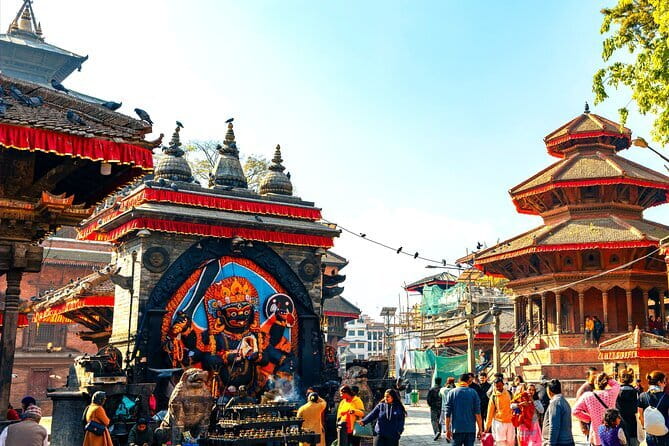
Kathmandu Durbar Square receives about two hours, including the surrounding alleys. The old royal center brings together palace buildings, temples, courtyards, and public religious life.
The longer time allocation is welcome. You can look at the major buildings without treating the square as a quick stop between vehicle rides. As always in an active historic center, expect a mixture of worship, commerce, and sightseeing.
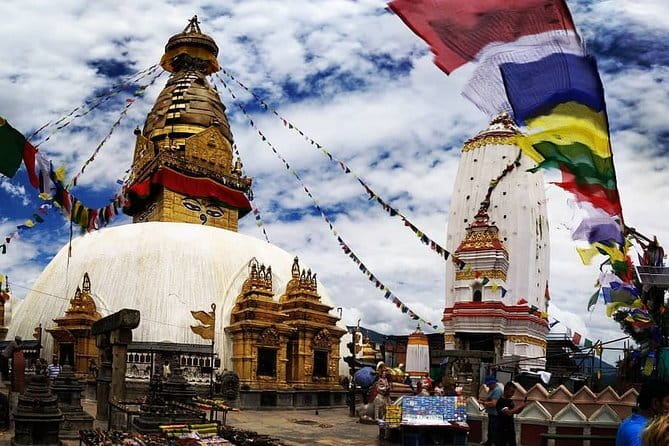
Swayambhunath follows for about an hour. The hilltop stupa is one of the Kathmandu Valley’s best-known landmarks and an important Buddhist site. The tour includes transportation from the city center, but the schedule does not specify how many stairs you will climb, so ask the operator if that matters for your group.
Budhanilkanth Temple
Budhanilkanth Temple is a brief 30-minute stop in a quieter part of the valley. Also called Jal Narayan Temple, it is associated with a large reclining Vishnu image set in water.
This visit breaks up the larger monument stops and gives you a different kind of Hindu religious setting. It is not one of the valley’s seven UNESCO sites, but it adds variety to the day.
Boudhanath and Pashupatinath
Boudhanath Stupa receives about two hours. The first stupa here was likely built after AD 600, and the site is closely linked with Tibetan Buddhism. The large circular structure is best understood by walking around it and watching the rhythm of worship, commerce, and monastery life around the stupa.
Pashupatinath Temple follows for about two hours on the Bagmati River. It is one of Nepal’s most important Hindu worship sites. Non-Hindu visitors may not enter the main temple, but the wider complex and river setting remain significant. The guide can help you understand the religious customs and the limits on access.
The two-hour blocks at Boudhanath and Pashupatinath are valuable. These are not places I would want to see from a vehicle window. They need time, attention, and respectful behavior.
Thamel after dark
The formal sightseeing ends with an optional five-hour evening experience in Thamel and Jhamsikhel. The program includes escorted VIP line access to restaurants, pubs, clubs, and streets in the area, but food, drinks, and nightlife costs are not included.
This is an add-on, not a reason to book the cultural tour. It may suit you if you want help navigating Kathmandu’s evening scene, but after two full days and a demanding Day 3, you may prefer dinner and sleep. The choice is yours.
Price, pace, and what you actually receive
At $385 per person, the tour is not a budget walking tour. Its value comes from the private vehicle, entrance fees, certified local leader, three full sightseeing days, and access to cultural sessions that ordinary monument visits do not provide.
The price looks strongest for a small private party that wants one organized route through all three cities. It also makes sense if you value local explanation and do not want to arrange separate taxis, tickets, and guides for each heritage site.
It is less attractive if you prefer to move slowly, choose your own restaurants, or spend a full day at only one square. The schedule is dense, and food and lodging add to the final cost. Group discounts are offered, so larger private parties should ask about the reduced per-person rate before booking.
The tour offers pickup, mobile tickets, and free cancellation up to 24 hours before the start time. Changes or cancellations inside that window are not accepted for a refund. Service animals are allowed, public toilets are available, and most people can participate, though the walking pace and historic lanes are worth considering.
Who should book this Kathmandu Valley experience?
I would choose this tour if you want the valley’s famous sites plus the small places that give them meaning. It suits first-time visitors who want a local guide, families who prefer private transport, and culture-focused visitors interested in food, craft, religion, and old neighborhoods.
Guide Nirajan is a name worth requesting if he is available. His connection to Bhaktapur has been praised, and that local background fits the tour’s strongest feature: getting beyond the main squares.
I would think twice if you dislike full days, have limited walking ability, or want unstructured time. The schedule contains many stops, and the final day packs together markets, a royal square, a hilltop stupa, a Hindu temple, Boudhanath, Pashupatinath, and optional nightlife.
FAQ
How long is the tour?
The experience lasts approximately three days.
What time does the tour start?
The stated start time is 9:15 am.
Is this a private tour?
Yes. Only your group participates in the private activity.
Is transportation included?
Yes. Private transportation in an air-conditioned vehicle is included.
Are entrance fees included?
Yes. Entrance fees and environmental management fees for the attractions named in the program are included.
Are meals included?
No. Food is not included, but the guide will advise you about food options and local tasting opportunities.
Is accommodation included?
No. You select and pay for your own accommodation from available hotel and luxury options.
What local food experience is included?
You can watch a live Juju Dhau preparation session in Bhaktapur and may choose to join a local Newari food tasting.
Can I cancel for a full refund?
Yes, if you cancel at least 24 hours before the experience start time. Cancellations made less than 24 hours ahead are not refunded.
Should you book it?
Book this tour if your goal is to understand Kathmandu Valley through its people, food, workshops, courtyards, and religious sites, not just collect monument photos. The private format and native guides add real value, especially in Bhaktapur and Patan, where the best details often sit beyond the main squares.
Skip it if you want a slow, loosely planned holiday or a low-cost sightseeing ride. For the right visitor, this is a strong three-day introduction, with Juju Dhau, pottery, woodwork, old markets, and seven major UNESCO heritage sites packed into one organized route.
More Patan and Lalitpur Visits
- Kathmandu: Private Patan and Bhaktapur Sightseeing Tour
★ 4.7 · 64 reviews - Patan and Bhaktapur City Full Day Tour
★ 5.0 · 24 reviews - City tour of Bhaktapur and Patan Durbar Square
★ 4.5 · 20 reviews - Patan Heritage Tour – Private/Small Group
★ 5.0 · 14 reviews
Just added around Kathmandu
- Private Shopping Tour in Kathmandu★ 5.0 · 3 reviews
- Nagarkot Sunrise With 7 UNESCO World Heritage Private Tour★ 5.0 · 3 reviews
- Kathmandu: Nightlife and Pub Crawl Tour★ 5.0 · 3 reviews
- Mount Everest Scenic Flight 50 Minutes★ 5.0 · 3 reviews
- Momo Cooking Class -The Art Of Making MoMo with Home Chef★ 5.0 · 3 reviews
- Kathmandu: Nagarkot, Bhaktapur, Doleswor & Sanga Statue Tour★ 5.0 · 3 reviews
- Makalu Base Camp Trek★ 5.0 · 3 reviews
- Kathmandu: Momo Making Class with a Local Chef★ 5.0 · 3 reviews
Kathmandu UNESCO Heritage Tours, compared.

Private Kathmandu Sightseeing Tour | UNESCO World Heritage sites
Read our review →
Full Day 7 UNESCO Tour with Lunch – Private/Group
Read our review →
Full Day Top 4 UNESCO Tour with Lunch – Private/Group
Read our review →
Full-Day 7 UNESCO Tour with Lunch – Private/Group
Read our review →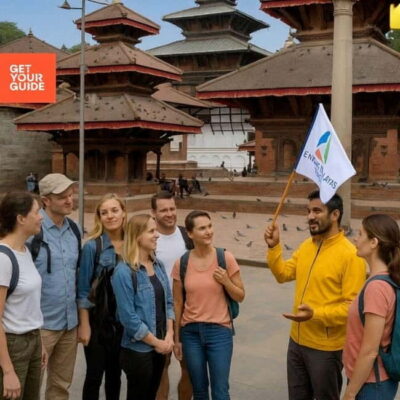
Kathmandu Private Sightseeing Tour | UNESCO World Heritage Sites
Read our review →Browse the lists this tour appears in