
Reviewed · KATHMANDU UNESCO HERITAGE TOURS
Kathmandu Guided Day Tour: Explore Top 4 UNESCO Heritage Sites
Kathmandu reveals itself from four sacred places. This private day tour links Swayambhunath, Patan, Pashupatinath, and Boudhanath in roughly five to seven hours, giving you a fast but meaningful introduction to the valley’s Hindu and Buddhist traditions. I like the efficient route and the chance to travel with a government-licensed guide, especially guides such as Prakash, who is praised for clear explanations of Nepalese culture and history. I also like that an air-conditioned vehicle, bottled water, and hotel pickup are included.
The main catch is the extra entrance charge, listed as $20 or NPR 2,600 per person, plus lunch and tips. You should also expect a full day of temples, courtyards, steps, driving, and intense religious scenes. It is a strong first look at Kathmandu, but not a slow, unhurried exploration of each site.
In This Review
- Four reasons this Kathmandu tour earns a close look
- What this five to seven hour day is really like
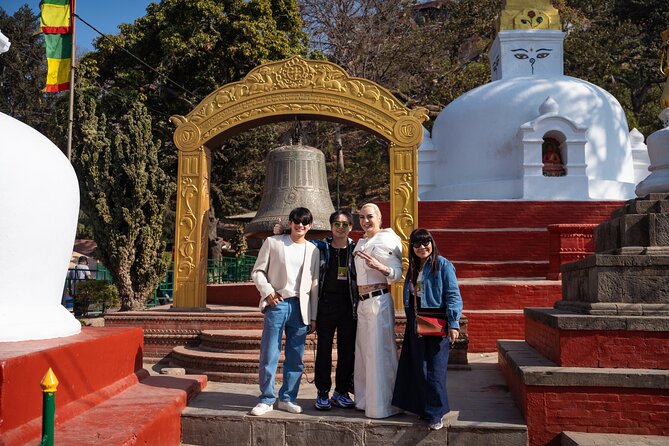
- Swayambhunath, monkeys and Kathmandu Valley views
- Patan Durbar Square and Newar artistry
- Pashupatinath beside the Bagmati River
- Boudhanath and the rhythm of kora
- What the guide and vehicle add
- Is $55 a fair price?
- Who should book this Kathmandu day tour?
- The final call
- FAQ
- How long does the Kathmandu guided day tour last?
- Which four UNESCO heritage sites are included?
- Is this a private tour?
- Is hotel pickup offered?
- Are entrance fees included?
- Is lunch included?
- What is included in the tour price?
- Can I cancel for a full refund?
Four reasons this Kathmandu tour earns a close look
- Four UNESCO sites in one private outing: You visit the city’s major Hindu and Buddhist landmarks without sharing the vehicle with another group.
- Swayambhunath’s hilltop outlook: Prayer wheels, monkeys, and wide views across Kathmandu Valley make this the most scenic opening stop.
- Patan’s detailed Newar craftsmanship: Two hours here gives you the best chance to appreciate carved wood, metalwork, and the Krishna Temple.
- Pashupatinath’s serious spiritual setting: The Bagmati River and Hindu cremation rituals offer a powerful, respectful look at living religious practice.
- Boudhanath’s kora walk: The huge Buddhist stupa is made for a slow circuit, with devotees moving around its dome in prayer.
- Useful extras beyond the monuments: A Thanka painting school, healing bowl demonstration center, private transport, and one 1,000 ml bottle of water are included.
What this five to seven hour day is really like
This is a sightseeing sprint, not a relaxed neighborhood walk. The route covers four important sites in one day, and each stop has a different religious and artistic character. That variety is the tour’s great strength.
You begin with Buddhism and a hilltop view, move to the royal architecture of Patan, then visit one of Nepal’s most important Hindu temples before ending at Boudhanath’s massive stupa. The changing subjects help keep the day fresh. You are not looking at four similar temple compounds.
The private format matters. Only your group participates, so you can ask questions, adjust the pace within reason, and hear explanations directed at your interests. An air-conditioned vehicle is also useful in Kathmandu, where road conditions and city traffic can make short distances take time.
The schedule allows about one hour at Swayambhunath, two hours at Patan, one hour at Pashupatinath, and one hour at Boudhanath. That leaves some time for transfers, pickup, and the included cultural visits. Since traffic can affect the day, I would treat the stated duration as an approximate window rather than a promise of a precise finish.
More UNESCO Heritage Days:
- Private Kathmandu Sightseeing Tour | UNESCO World Heritage sites
★ 5.0 · 756 reviews - Kathmandu: Full Day 7 UNESCO Tour with Lunch – Private/Group
★ 5.0 · 415 reviews - Kathmandu: Full Day Top 4 UNESCO Tour with Lunch – Private/Group
★ 5.0 · 269 reviews
Swayambhunath, monkeys and Kathmandu Valley views
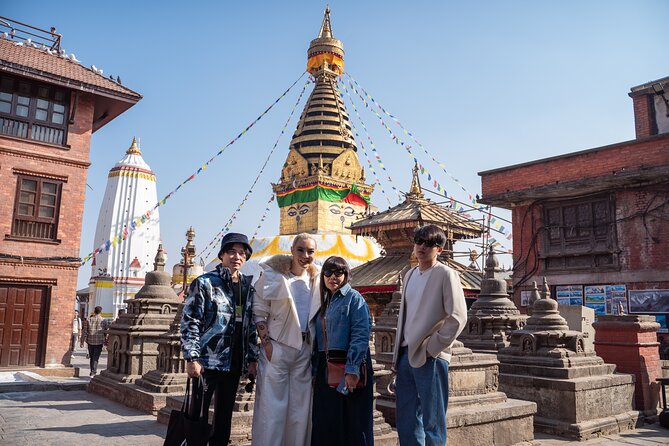
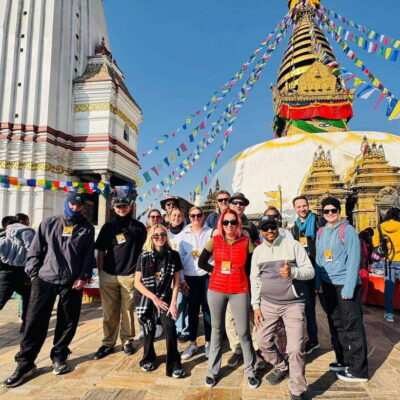
Swayambhunath Mahachaitya, widely called the Monkey Temple, sits on a small hill above Kathmandu. The setting gives this first stop a useful sense of place. From here, you can look across Kathmandu Valley, and on a clear day you might see parts of the Himalayan range.
The stupa is not only a viewpoint. Prayer wheels and ancient religious structures add a layer of ritual to the visit, while the monkeys provide a lively distraction. They are part of the character of the site, but you should keep your belongings secure and give them space.
One hour is enough for an introduction, a view, and time around the stupa. It is not a long visit, so listen closely as your guide explains what you are seeing. The hilltop setting can also mean steps and uneven walking, though the supplied information does not specify the exact access route.
I like the order of this stop. Beginning above the city helps you understand Kathmandu geographically before you spend the rest of the day moving through its courtyards and temple grounds. The possible drawback is weather. The view depends on visibility, so clouds or haze could reduce the scenic reward.
Patan Durbar Square and Newar artistry
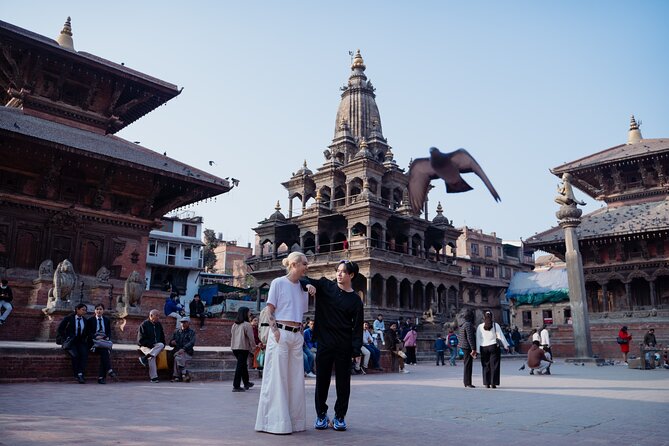
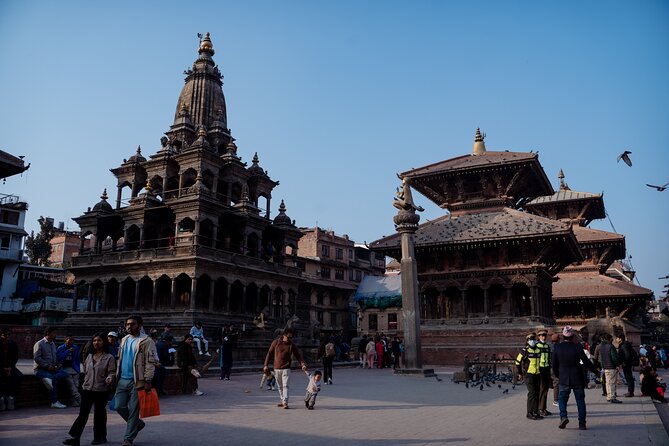
Patan is the longest stop, with about two hours in and around Patan Durbar Square. That extra time is well used. Patan is the name of the city, while Durbar refers to the royal palace area, which includes temples and monuments around the former palace.
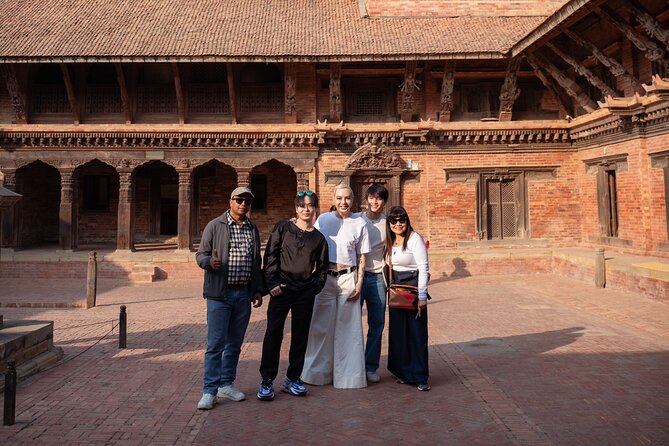
This is the tour’s best stop for architecture and craft. You can look for intricate wood carvings, fine metalwork, and the Krishna Temple, singled out as one of the square’s important sights. These details are easy to miss if you simply walk through taking photographs, so a guide adds real value here.
Patan also gives you a clearer sense of Kathmandu’s artistic traditions. The carved and cast work is not just decoration. It reflects the skill of local makers and the religious purpose of the buildings. Ask your guide to point out details rather than trying to take in the entire square at once.
Two hours should allow a proper look, but it still may feel short if you want to study every shrine or take your time with photographs. This is the point in the day when lunch might be welcome, yet lunch is not included. Plan for your own food and drinks, and remember that the supplied water is limited to one 1,000 ml bottle per person.
Pashupatinath beside the Bagmati River
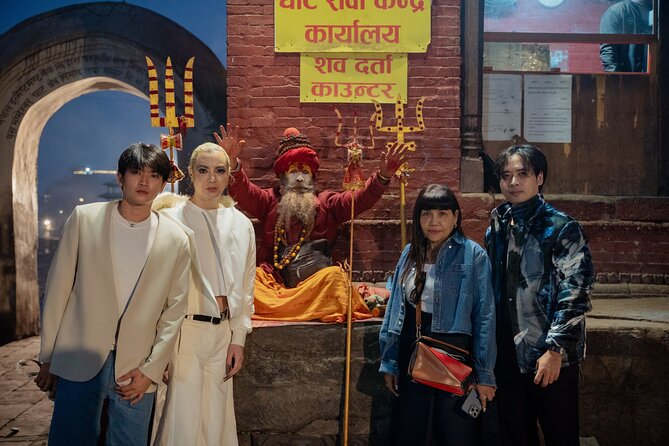
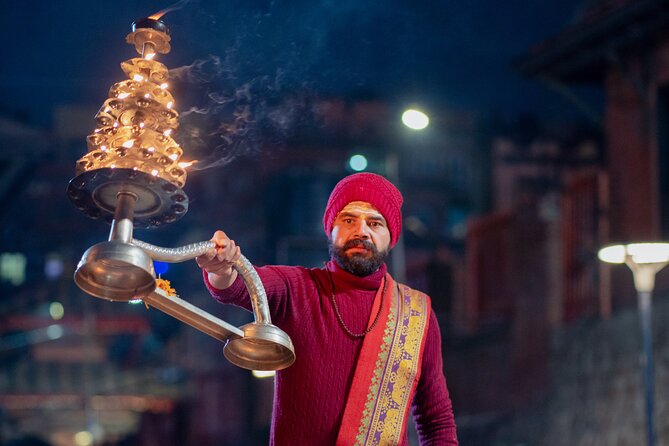
Pashupatinath brings a very different mood. It is one of the world’s important Hindu temples and a major place of worship for Hindu people. The complex sits beside the Bagmati River, where sacred cremation ceremonies take place.
This can be the most affecting stop of the day. You are not simply viewing an old building. You are seeing an active religious setting where ceremonies carry great personal and spiritual meaning. The atmosphere calls for quiet attention and respect.
The visit is planned for about one hour. That gives you time to understand the site and observe the riverside rituals, but it does not support a long, leisurely exploration. Your guide’s role is particularly important here, since context can help you understand what is happening without treating a solemn ceremony as a spectacle.
I would come prepared for an emotionally serious experience. Some people will find the cremation rituals powerful and valuable; others may find them difficult. This is not a stop to rush through with a camera. Follow your guide’s instructions and respect local religious practice.
More History Tours:
- UNESCO Seven World Heritage Tour in Kathmandu
★ 5.0 · 253 reviews - Kathmandu Private Sightseeing Tour | UNESCO World Heritage Sites
★ 5.0 · 109 reviews - Kathmandu: Full Day Private Top 4 UNESCO Heritage Tour W/Lunch.
★ 5.0 · 86 reviews - Kathmandu World Heritage Tour
★ 5.0 · 74 reviews
Boudhanath and the rhythm of kora
Boudhanath closes the main sightseeing portion with one of Kathmandu’s great Buddhist landmarks. The huge white dome and broad stupa create a strong visual finish after the smaller hilltop stupa at Swayambhunath.
The key activity here is kora, the ritual walk around the stupa. Devotees move clockwise around the dome, often turning prayer wheels as they go. You can take your own circuit at a measured pace and notice how the site’s design guides movement and attention.
One hour gives you enough time to see the stupa, understand its importance, and make a short walk around it. If you want to sit, watch the flow of worshippers, or take careful photographs, the time may pass quickly.
Boudhanath is also a useful counterpoint to Pashupatinath. The earlier stop introduces a major Hindu setting beside the Bagmati, while Boudhanath shows the strength of Tibetan Buddhist practice in Kathmandu. Together, the two sites make the tour more than a checklist of monuments.
What the guide and vehicle add
A government-licensed tour guide is included, and the guide can make or break a packed cultural day. The strongest praise connected with this outing centers on Prakash, who is described as friendly, attentive, and especially strong at explaining Nepalese history and culture. One account also notes his master’s degree, though you should confirm your assigned guide when booking rather than assume Prakash will lead every departure.
That point matters because the tour covers subjects that deserve explanation. At Swayambhunath, you want help reading the religious symbols. In Patan, you want someone to connect the carving and metalwork to the city’s artistic traditions. At Pashupatinath, you need respectful context. At Boudhanath, you want to understand the purpose of kora.
The private, air-conditioned vehicle is another practical advantage. You avoid sharing the ride with strangers, and your group can focus on its own questions. Pickup is offered, though the supplied details do not specify the exact pickup area or time.
The route also includes a visit to a Thanka, or traditional art, painting school and a healing bowl demonstration center. These visits add cultural variety, but they may not appeal to everyone. If you are mainly interested in the four heritage sites, ask how much time these stops will take. They are included, but the available information does not say whether purchases are expected or how long each visit lasts.
Is $55 a fair price?
At $55 per person, the tour is reasonably priced for a private half-day or extended half-day outing that includes transport, a licensed guide, pickup, bottled water, and the two cultural visits. The value is strongest for first-time visitors who want an organized overview without arranging four separate site visits.
The headline price is not the complete cost. Entrance fees are extra at $20 or NPR 2,600 per person, and lunch, drinks, and tips are also excluded. That puts the practical budget above $55, so compare the full amount rather than the advertised tour price alone.
The private format improves the value for couples, families, and small groups. Group discounts are offered, though the exact discount is not provided. Since only your own party joins, the per-person cost may become more attractive as the group grows.
I would not choose this outing if your main goal is the lowest possible spend or a slow artistic study of Patan. Public transport and self-guided visits could cost less, but they would require more planning and would not provide the same level of explanation or vehicle convenience.
Who should book this Kathmandu day tour?
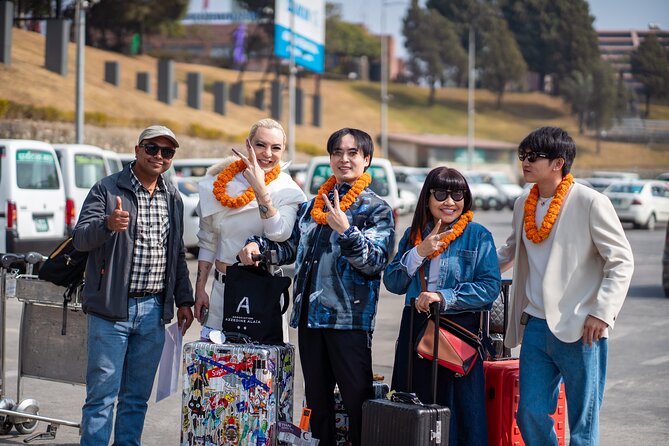
This is a good fit if you have limited time in Kathmandu and want to cover the four headline heritage sites in one organized day. It also suits you if you prefer a private vehicle and a guide who can explain both Hindu and Buddhist traditions.
Families may appreciate the straightforward structure, though the day still involves religious sites, walking, and changing levels of interest for younger children. The monkeys at Swayambhunath may provide a memorable moment, while Patan and Pashupatinath demand more patience.
The tour is also suitable for visitors who want cultural context rather than only photographs. Prakash receives especially warm praise for being friendly, patient, and clear, so you may want to request him if he is available.
It is less suitable if you dislike fixed schedules, want a quiet lunch break built into the price, or would rather spend several hours at one site. Pashupatinath may also feel too intense if you prefer to avoid funeral rituals.
Booking confirmation is provided at the time of reservation. Free cancellation is available if you cancel at least 24 hours before the start time. Changes or cancellations inside that window are not accepted for a refund.
The final call
I would book this tour for a first visit, a short stay, or a private introduction to Kathmandu’s religious and artistic core. The route is smart, the guide is the main value, and the mix of hilltop views, palace craftsmanship, cremation rituals, and Buddhist prayer gives you a clear sense of the city’s cultural range.
Go in knowing the day is tightly packed and that entrance fees and lunch come separately. If you can accept the extra cost and brisk pace, this is a practical way to see four major sites without wasting time arranging transport between them. Ask about your guide, confirm the pickup details, and request enough time at Patan and Boudhanath if those are your priorities.
FAQ
How long does the Kathmandu guided day tour last?
The tour lasts approximately five to seven hours, including the visits and travel between sites.
Which four UNESCO heritage sites are included?
The tour visits Swayambhunath, Patan Durbar Square, Pashupatinath Temple, and Boudhanath Stupa.
Is this a private tour?
Yes. Only your group participates in the activity.
Is hotel pickup offered?
Yes, pickup is offered. The exact pickup arrangements are not specified in the supplied details, so confirm them when booking.
Are entrance fees included?
No. Entrance fees are listed separately at USD 20 or NPR 2,600 per person.
Is lunch included?
No. Lunch and all other food and drinks are not included.
What is included in the tour price?
The price includes an air-conditioned vehicle, a government-licensed tour guide, a Thanka painting school visit, a healing bowl demonstration center visit, and one 1,000 ml bottle of water per person.
Can I cancel for a full refund?
Yes, if you cancel at least 24 hours before the experience start time. Cancellations or changes made less than 24 hours before the start time are not refunded or accepted.
Just added around Kathmandu
- Private Shopping Tour in Kathmandu★ 5.0 · 3 reviews
- Nagarkot Sunrise With 7 UNESCO World Heritage Private Tour★ 5.0 · 3 reviews
- Kathmandu: Nightlife and Pub Crawl Tour★ 5.0 · 3 reviews
- Mount Everest Scenic Flight 50 Minutes★ 5.0 · 3 reviews
- Momo Cooking Class -The Art Of Making MoMo with Home Chef★ 5.0 · 3 reviews
- Kathmandu: Nagarkot, Bhaktapur, Doleswor & Sanga Statue Tour★ 5.0 · 3 reviews
- Makalu Base Camp Trek★ 5.0 · 3 reviews
- Kathmandu: Momo Making Class with a Local Chef★ 5.0 · 3 reviews
Kathmandu UNESCO Heritage Tours, compared.

Private Kathmandu Sightseeing Tour | UNESCO World Heritage sites
Read our review →
Full Day 7 UNESCO Tour with Lunch – Private/Group
Read our review →
Full Day Top 4 UNESCO Tour with Lunch – Private/Group
Read our review →
Full-Day 7 UNESCO Tour with Lunch – Private/Group
Read our review →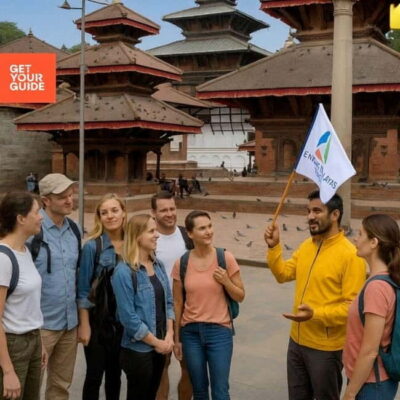
Kathmandu Private Sightseeing Tour | UNESCO World Heritage Sites
Read our review →Browse the lists this tour appears in