
Reviewed · TEMPLES & MONASTERIES
Kathmandu: Monkey Temple and Chandragiri Cable Car Ride Tour
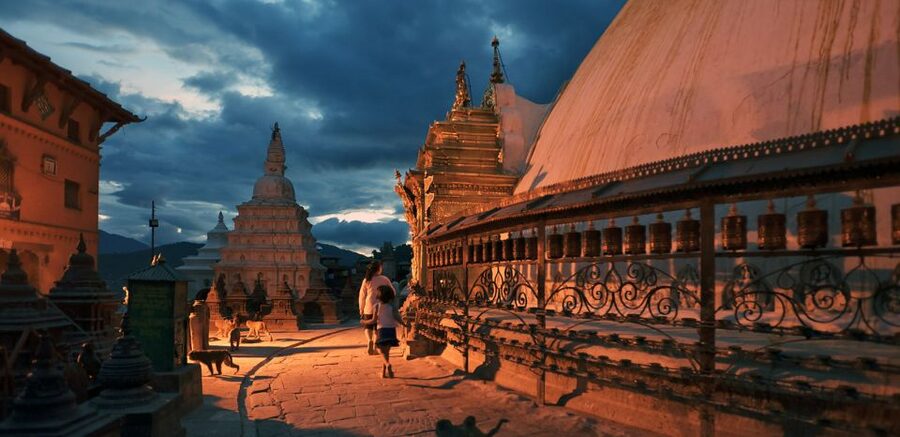
Two sacred hilltops, one day. This Kathmandu tour pairs the Chandragiri cable car with Swoyambhunath, better known as the Monkey Temple, giving you both open mountain views and close contact with Hindu and Buddhist traditions. I like the easy combination of a private car and English-speaking guide, and I like that the tour includes Bhaleshwor Mahadev Temple as well as the famous stupa.
The main consideration is cost clarity. The $47 price covers transport, guide, tax, and service charges, but you still pay separately for the cable car, Monkey Temple entrance, food, and drinks. Clear weather also matters: on cloudy days, Chandragiri’s celebrated views may be much less impressive.
In This Review
- Key points to know before booking
- What this Kathmandu day tour actually offers
- Riding the Chandragiri cable car to Bhaleshwor Mahadev
- Why Bhaleshwor Mahadev matters to the day
- Walking up to Swoyambhunath, Kathmandu’s Monkey Temple
- The views from Swoyambhunath
- Guide quality and the value of a private group
- What to bring and how to prepare
- Who will enjoy this tour most
- Should you book the Monkey Temple and Chandragiri tour?
- FAQ
- How long is the Kathmandu Monkey Temple and Chandragiri tour?
- What is included in the $47 price?
- Are cable car tickets included?
- Is the Monkey Temple entrance fee included?
- Does the tour include food and drinks?
- Is the tour private?
- Where can pickup and drop-off take place?
- What should I bring?
- Is the tour suitable for people with mobility impairments?
- Can I cancel the tour?
Key points to know before booking
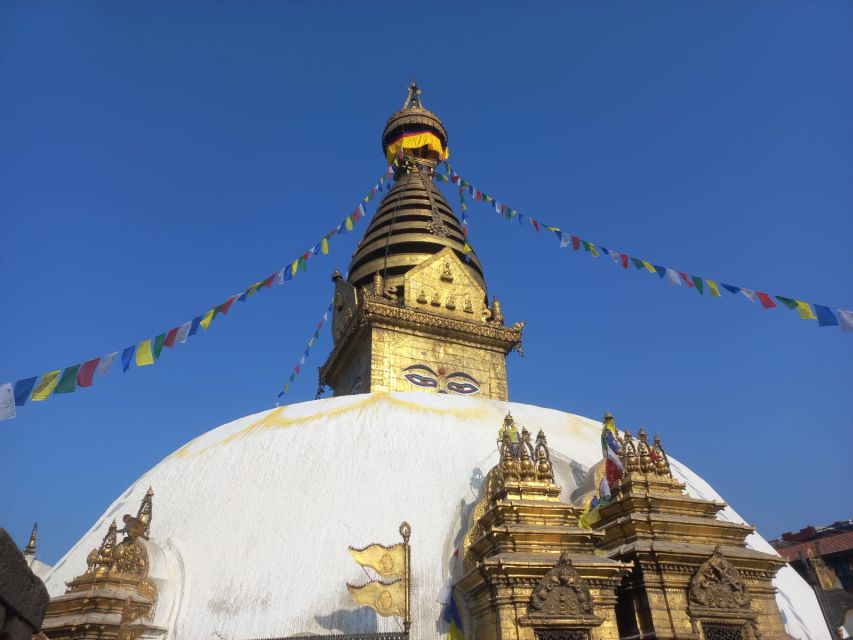
- Two very different hill experiences: Chandragiri offers a cable car ride and open views, while Swoyambhunath gives you shrines, prayer wheels, monkeys, and Buddhist ritual.
- A private car keeps the day simple: Hotel pickup and drop-off are included from Kathmandu or Lalitpur, with no need to arrange local transport between the sites.
- Bhaleshwor Mahadev adds a Hindu focus: The hilltop temple gives the Chandragiri stop more cultural purpose than a viewpoint alone.
- The guide can add real value: Rabina received praise for explaining the Chandragiri area clearly while allowing time for photos and independent exploration.
- Clouds can change the experience: The cable car remains enjoyable, but the broad views may disappear in poor weather.
- The price is not all-inclusive: Budget extra for both admission charges, the cable car ticket, and refreshments.
What this Kathmandu day tour actually offers
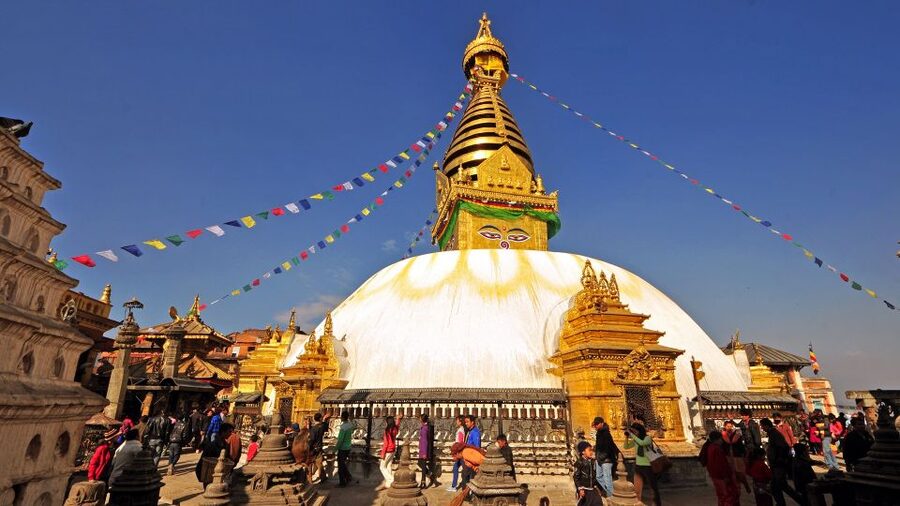
This is a focused one-day outing from Kathmandu or Lalitpur. You are picked up at your hotel, driven to Chandragiri Hills, taken up by cable car, and then driven to Swoyambhunath before returning to your original area.
The schedule gives roughly two hours at Chandragiri Cable Car and two hours at Swayambhunath. That is enough time to see the main sights without turning the day into a hurried checklist, though the drive between stops and the pace of your private guide will shape the total length.
I see the appeal in the pairing. Chandragiri is about height, fresh air, views, and a Hindu shrine. Swoyambhunath is about ritual, symbols, old religious buildings, and a sweeping look across Kathmandu from a crowded hilltop. You get nature and culture without committing to a long excursion outside the valley.
The private format matters here. You travel by car rather than joining a large bus group, and the guide can explain the sites in English. You can also ask for a little more time at a shrine, prayer wheel, or viewpoint if the schedule allows.
More Chandragiri Cable Car Trips:
- Private Half-Day Chandragiri Cable Car Tour in Kathmandu
★ 5.0 · 155 reviews - Kathmandu: Chandragiri Cable Car and Monkey Temple Tour
★ 4.8 · 139 reviews - Chandragiri Cable Car & Monkey Temple Tour- Private/Group
★ 5.0 · 32 reviews
Riding the Chandragiri cable car to Bhaleshwor Mahadev
The morning begins with the cable car ride up Chandragiri Hills, southwest of Kathmandu Valley. The ride itself is one of the day’s main attractions. As the car climbs, you get changing views of the valley and, on a clear day, the mountains beyond it.
The cable car is also a practical solution. Chandragiri is a hilltop destination, and the ride saves you from making the ascent on foot. For many people, that makes this portion accessible and enjoyable. Still, the experience is not suitable for people with mobility impairments, according to the tour information, so you should consider the cable car access, walking, and hilltop paths carefully.
The strongest reason to book this stop is the view. On a crisp morning, you can see across Kathmandu Valley toward the surrounding mountains. But keep your expectations tied to the weather. A cloudy or hazy day can hide much of the panorama, leaving you with the ride and the hilltop visit rather than the famous mountain scene.
That weather issue is worth taking seriously. One previous participant found the cable car fun and safe-looking but noted that little could be seen from the top when the sky was not clear. If mountain views are your main goal, ask about the forecast before setting out, if possible.
At the top, you visit Bhaleshwor Mahadev Temple. This Hindu shrine gives the stop a living religious character. You are not simply being taken to a lookout for photographs. The guide can help explain the temple and the traditions connected with it, while you take in the quieter surroundings.
You should bring a camera, but do not let photography become the whole point. Spend a few minutes looking away from the lens. The combination of the temple, hilltop air, and broad view is what makes Chandragiri useful as a first half of the day.
You also get some free time to look around. Rabina, a guide praised for her clear explanations, allowed time for independent exploration and photographs at Chandragiri. That balance is helpful because a good cultural visit needs both context and breathing room.
Why Bhaleshwor Mahadev matters to the day
Bhaleshwor Mahadev is a key part of the tour’s Hindu side. Later, at Swoyambhunath, you encounter a major Buddhist center. Placing the two together lets you see how different religious traditions shape the Kathmandu Valley without requiring separate day trips.
The tour description does not promise a long religious lecture or a specialist pilgrimage experience. Instead, you get a guided visit with time to observe the temple and its setting. That is a sensible format if you want an introduction rather than an intensive study.
Your guide can help you understand what you are seeing, but you should still expect a working religious site, not a museum arranged for tourists. Dress and behave respectfully, follow any posted rules, and ask before photographing people or ceremonies.
The hilltop environment also provides a welcome pause after the ride. You can enjoy the views, walk around, and take photographs before returning by cable car. Since the planned stop is about two hours, the pace should feel manageable for someone who wants a mix of explanation and free time.
Walking up to Swoyambhunath, Kathmandu’s Monkey Temple
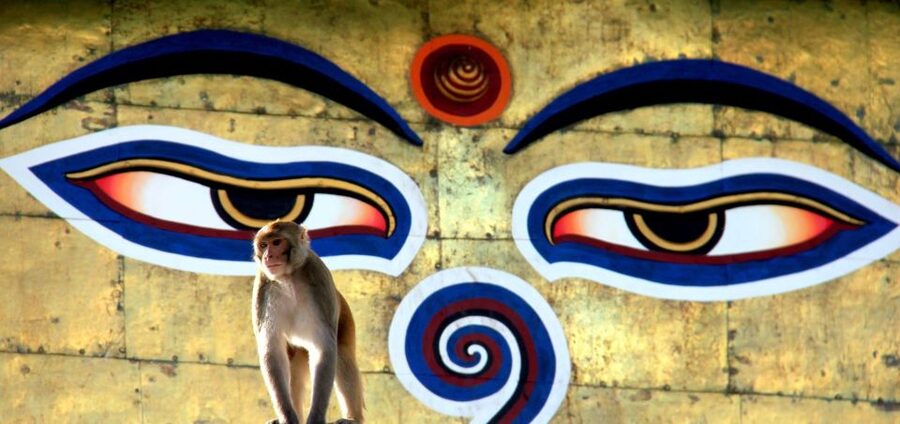
After Chandragiri, the private car takes you to Swoyambhunath, the ancient stupa on a hill west of Kathmandu City. This is the better-known cultural stop and the place where the day becomes more architectural and ceremonial.
The usual approach involves climbing stairs to the hilltop. That detail changes the practical advice: comfortable shoes are important, and this is not a good choice for anyone who struggles with stairs or hill walking. The tour specifically lists people with mobility impairments as unsuitable.
At the top, you can explore the stupa, shrines, prayer wheels, and other religious sites. You can spin the prayer wheels as you walk around the complex, but do so in a respectful way and follow the direction and customs shown by others around you.
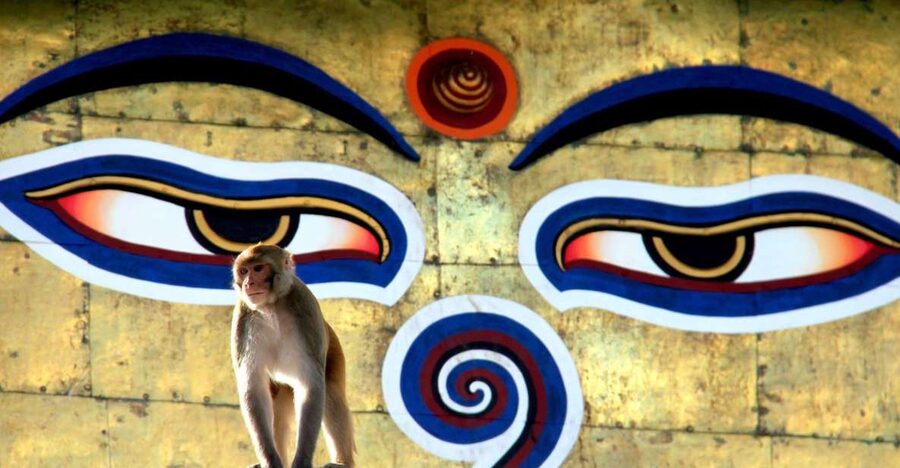
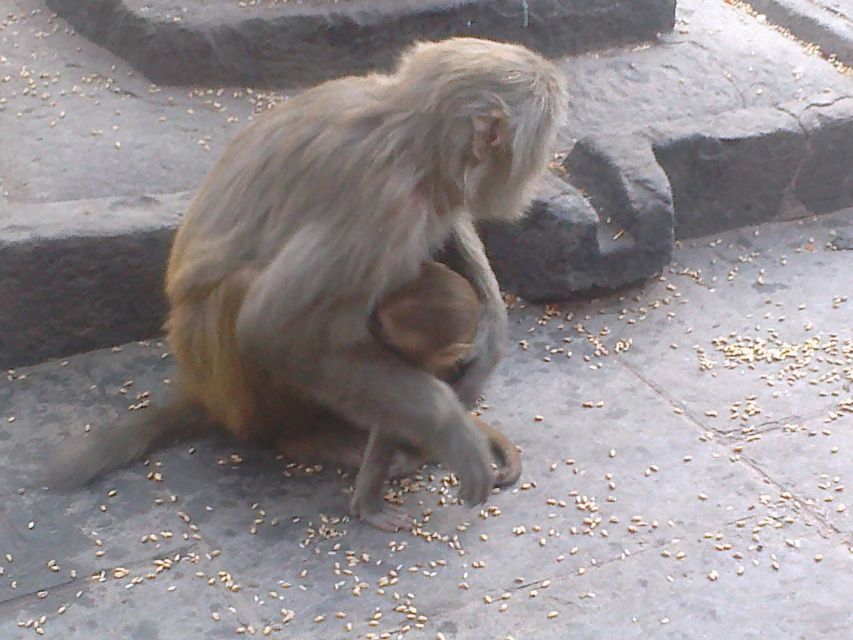
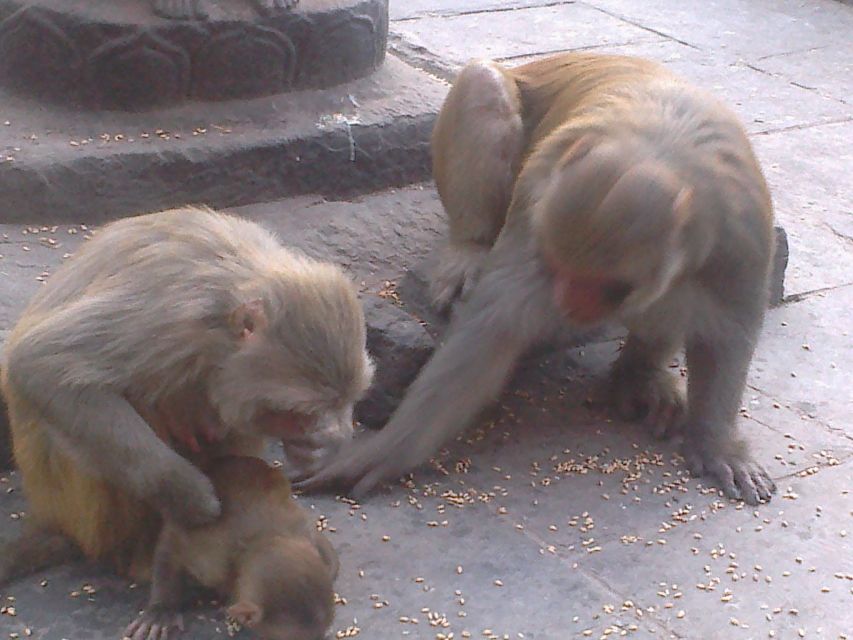
Swoyambhunath is often called the Monkey Temple because monkeys live around the site. They are part of the character of the hill, but you should still keep your belongings secure and avoid treating them like tame pets. The attraction is the religious complex first, with the animals adding an amusing layer to the visit.
The stupa gives you a close look at Buddhist practice. Prayer wheels, shrines, and the central structure create a very different mood from Bhaleshwor Mahadev. I like that the guide is present here, because the symbols can otherwise seem like a series of colorful objects without meaning.
Your guide can point out what deserves attention and explain Buddhist traditions in plain English. Christopher, who took the tour in October 2024, especially valued his guide’s excellent English and engaging explanations. That is important at Swoyambhunath, where a short explanation can help you notice far more than the monkeys and the city view.
More Temples, Stupas and Monasteries:
- Kathmandu Spiritual Sites: Bodhnath & Pashupatinath Tour
★ 5.0 · 185 reviews - From Kathmandu: 2 Stupas and Kopan Monastery Spiritual Tour
★ 4.8 · 115 reviews - Lunch with Nuns – Monastery
★ 5.0 · 75 reviews - Kathmandu: Dhulikhel to NamoBuddha Day Hike with Lunch
★ 4.8 · 62 reviews
The views from Swoyambhunath
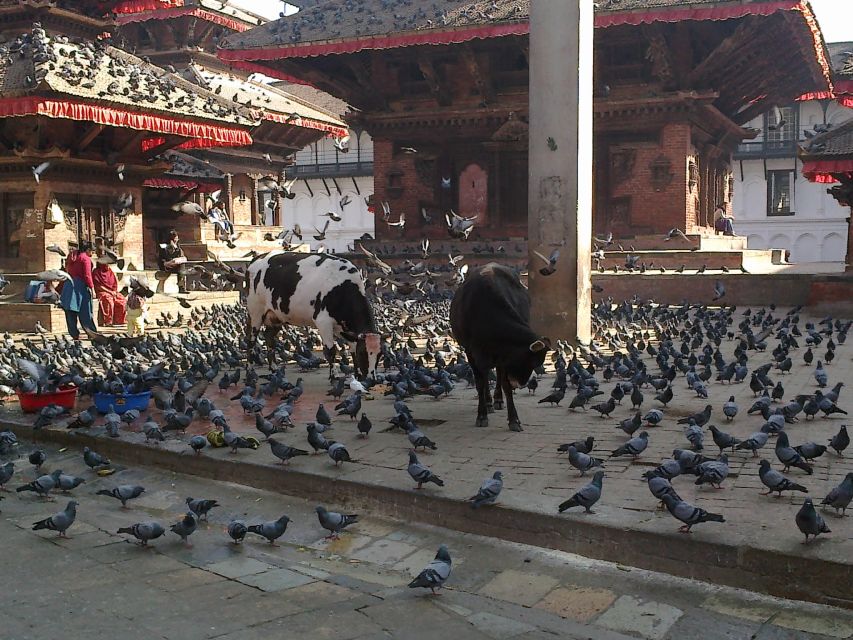
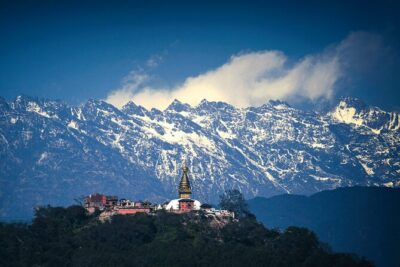
Swoyambhunath sits above Kathmandu, so the hilltop provides another broad view across the valley. The outlook here is different from Chandragiri. At Chandragiri, you are higher and farther from the city. At Swoyambhunath, Kathmandu feels closer and more immediate.
The two viewpoints make a useful comparison. Chandragiri shows you the valley from a wooded hilltop reached by cable car. Swoyambhunath places you inside an active religious setting, with the city spread below the stupa and shrines.
The view will also depend on haze and weather, though the experience does not rest entirely on visibility. Even if the distant mountains are hidden, the stupa, prayer wheels, shrines, and hilltop setting still give you plenty to see.
Plan to spend your attention in layers. First, look at the main stupa. Then walk around the surrounding religious structures. After that, pause for the city view. This order keeps the place from becoming just another photo stop.
Guide quality and the value of a private group
The guide is one of the more important parts of this experience. The tour includes a certified city tour guide who speaks English, and the group is private. That means you are not sharing the day with an unknown crowd or waiting for a large group to finish every stop.
The private format is especially useful at Swoyambhunath. You can ask why a prayer wheel is used, what a shrine represents, or how the Buddhist and Hindu sites differ. You can also ask for time to take pictures rather than being pushed straight from one point to the next.
Rabina’s approach at Chandragiri offers a good example of what you should hope for: clear explanations followed by free time to explore and photograph the hilltop. That mix feels better than either extreme, a silent driver or a guide who talks without pause.
The $47 price has good value if you want door-to-door transport and cultural interpretation in one day. You are paying for a private car, hotel pickup and return, a guide, government tax, and service charges. For a solo visitor or couple, that convenience can be worth more than piecing together transport independently.
But the advertised price is only the starting point. Cable car tickets are not included. The Monkey Temple monument entrance fee is also separate, and meals and drinks are your responsibility. Add those costs before deciding if the tour fits your budget.
For a private experience, the price is reasonable, but it is not a bargain package with every expense covered. I would ask for the current cable car and entrance prices before booking so you know the real total.
What to bring and how to prepare
Keep your packing simple. The tour recommends a passport, comfortable shoes, water, and a camera.
Your passport matters beyond general identification. A copy may be required for entry to some sites, so carry the requested copy as well as your original document. It is better to have it ready than to lose time at an entrance desk.
Comfortable shoes are essential because you walk at both locations and climb stairs at Swoyambhunath. Water is useful during the hilltop portions, especially if the day is warm.
Bring a light layer if you are sensitive to changing temperatures, but do not assume the weather will cooperate for mountain views. Cloud cover can affect Chandragiri’s main appeal.
Opening hours may change, so confirm the departure time and site access close to the day of your tour. The activity is listed as lasting one day, but exact starting times depend on availability. An early start is described, which is sensible for both views and a calmer visit.
Cancellation is flexible: you can cancel up to 24 hours ahead for a full refund. You can also reserve now and pay later. Those terms help if your Kathmandu plans are still shifting, though they do not remove the need to check the additional entrance and cable car costs.
Who will enjoy this tour most
I would recommend this day to someone visiting Kathmandu for the first time who wants a clear introduction to both scenery and religion. It works well if you want a guide to explain what you are seeing, but also want a private car and some freedom at each stop.
It is also a good fit if Swoyambhunath is not already part of another city tour. One participant noted that the Monkey Temple often appears in broader Kathmandu sightseeing programs. If you will visit it elsewhere, this excursion may feel repetitive unless Chandragiri is a major priority.
The tour suits photographers when the weather is clear. Chandragiri offers the best chance for a broad mountain view, while Swoyambhunath gives you religious details and a city panorama. Keep in mind that cloudy conditions can reduce the payoff at the cable car summit.
I would be cautious about booking it if you have mobility problems or dislike stairs. The cable car avoids a long climb to Chandragiri, but you still walk around the hilltop, and Swoyambhunath requires stairs. The tour itself identifies mobility impairments as a concern.
It is less suitable if you want a slow, deeply specialized religious tour. You visit two important sites in a single day, but the format is an introduction with a city guide, not an extended study of Hindu or Buddhist practice.
Should you book the Monkey Temple and Chandragiri tour?
Book it if you want two contrasting Kathmandu sights in one private day, especially if reliable transport and an English-speaking guide matter to you. Chandragiri gives you the cable car and the best open-air setting, while Swoyambhunath supplies the stronger cultural experience.
Before booking, check the weather and calculate the extra admission costs. If the forecast is cloudy, you may still enjoy the cable car and Bhaleshwor Mahadev, but do not pay the tour price expecting a guaranteed Himalayan panorama.
I would choose this tour for a first Kathmandu visit, a private group, or anyone who wants a simple introduction without arranging every transfer. I would skip it if you have already seen Swoyambhunath and mainly want mountain views, since Chandragiri’s scenery is weather-dependent.
FAQ
How long is the Kathmandu Monkey Temple and Chandragiri tour?
The activity lasts one day. The planned sightseeing time is about two hours at Chandragiri Cable Car and two hours at Swayambhunath, with travel time between the sites and hotel pickup and drop-off included.
What is included in the $47 price?
The price includes hotel pickup and drop-off, private car transportation, a certified city tour guide, government tax, and service charges.
Are cable car tickets included?
No. Roundtrip Chandragiri cable car tickets are not included and must be paid for separately.
Is the Monkey Temple entrance fee included?
No. The monument entrance fee for Swoyambhunath, also called the Monkey Temple, is separate.
Does the tour include food and drinks?
No. Meals and drinks are not included, so you should plan for those expenses yourself.
Is the tour private?
Yes. The activity is offered as a private group tour with an English-speaking live guide.
Where can pickup and drop-off take place?
The listed pickup and drop-off areas are Kathmandu and Lalitpur. Hotel pickup and return are included.
What should I bring?
Bring your passport, a copy of your passport if required for site entry, comfortable shoes, water, and a camera.
Is the tour suitable for people with mobility impairments?
No. The tour is not considered suitable for people with mobility impairments. The Chandragiri visit includes walking, and reaching Swoyambhunath involves climbing stairs.
Can I cancel the tour?
Yes. You can cancel up to 24 hours in advance for a full refund. The tour also offers a reserve-now, pay-later option.
Just added around Kathmandu
- Nagarkot Sunrise With 7 UNESCO World Heritage Private Tour★ 5.0 · 3 reviews
- Private Shopping Tour in Kathmandu★ 5.0 · 3 reviews
- Mount Everest Scenic Flight 50 Minutes★ 5.0 · 3 reviews
- Kathmandu: Nightlife and Pub Crawl Tour★ 5.0 · 3 reviews
- Kathmandu: Nagarkot, Bhaktapur, Doleswor & Sanga Statue Tour★ 5.0 · 3 reviews
- Momo Cooking Class -The Art Of Making MoMo with Home Chef★ 5.0 · 3 reviews
- Everest Experience Trek 6 Day Hiking Adventure★ 5.0 · 3 reviews
- Kathmandu: Momo Making Class with a Local Chef★ 5.0 · 3 reviews
Temples & Monasteries, compared.
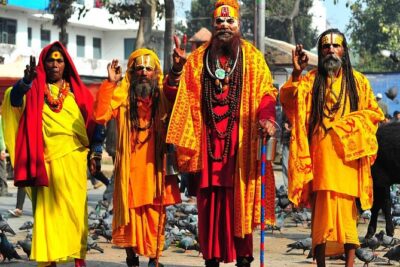
Kathmandu Spiritual Sites: Bodhnath & Pashupatinath Tour
Read our review →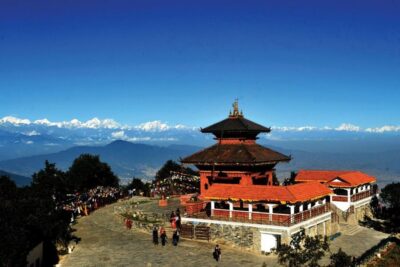
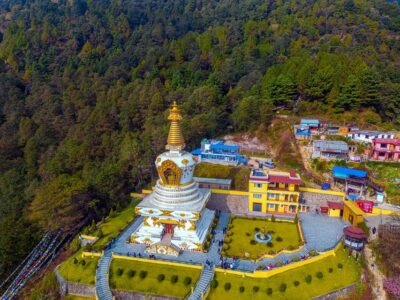
Monkey Temple – Swayambhunath Tour – Private/Small Group
Read our review →
Dhulikhel, Namobuddha & Panauti: A Scenic Day Tour from Kathmandu
Read our review →Browse the lists this tour appears in