
Reviewed · TEMPLES & MONASTERIES
Kathmandu: Pashupatinath Temple Evening Aarati Tour
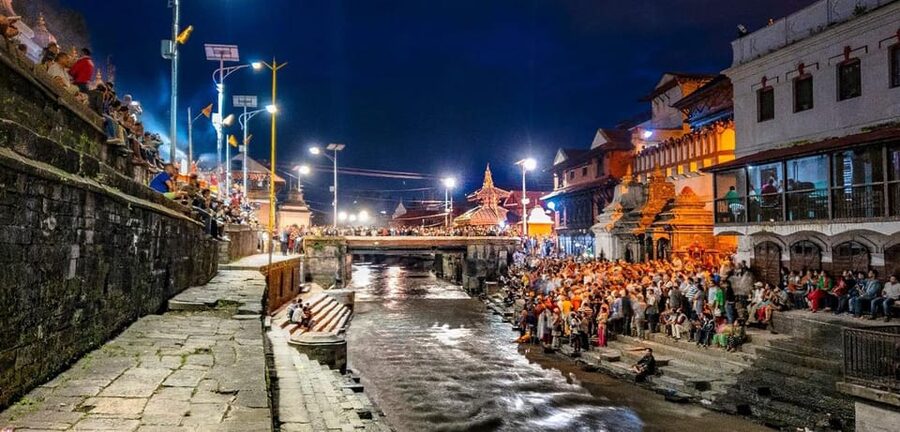
Follow the lamps beside the Bagmati River. This three-hour evening tour brings you to Pashupatinath Temple for the Bagmati Aarati, a Hindu prayer ceremony built around oil lamps, chanting, music, and devotion. I like the clear cultural focus and the ease of private hotel pickup, especially when Kathmandu traffic and unfamiliar streets make going alone less simple. I also like that an English-speaking guide explains the ritual instead of leaving you to guess at its meaning. The main consideration is that the experience can feel crowded, and the NPR 1,000 temple entry fee is not included in the $22 tour price.
The ceremony usually begins around 6:00 to 6:30 PM, though the season can affect the exact start. You watch from the Bagmati River banks because non-Hindus cannot enter the main temple. That is not a flaw in the tour, but you should know in advance that this is an outdoor viewing experience, not a full visit inside every part of the temple complex.
In This Review
- Key points to know before booking
- Why the Bagmati Aarati is worth your evening
- Starting with hotel pickup in Kathmandu
- Exploring Pashupatinath before the lamps are raised
- Watching the Aarati from the Bagmati River banks
- Temple access and respectful behavior
- What the $22 price includes, and what it does not
- The guides make the difference
- Who will enjoy this three-hour evening tour
- Booking details that affect your decision
- Should you book the Pashupatinath Evening Aarati Tour?
- FAQ
- Where does the Pashupatinath Evening Aarati Tour take place?
- What time does the Aarati begin?
- How long is the tour?
- What is the price of the tour?
- Is the monument entrance fee included?
- Can non-Hindus enter the main temple?
- Is hotel pickup included?
- Is transportation private?
- What should I wear?
- Can I take photographs during the tour?
Key points to know before booking
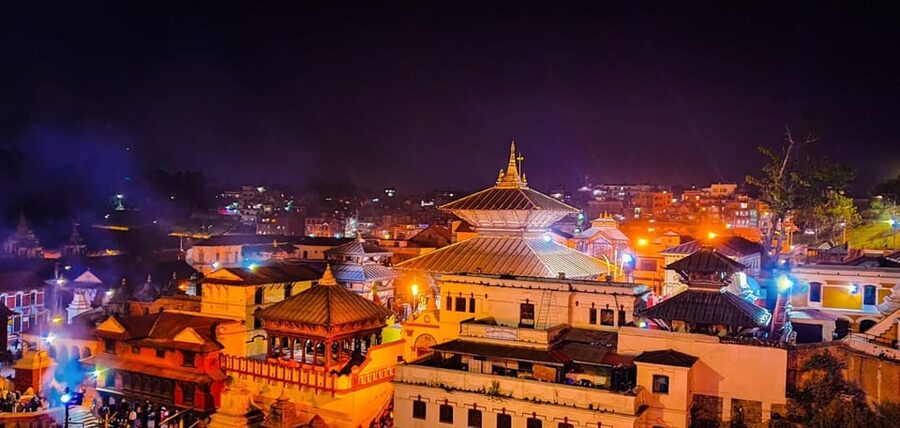
- The main event begins around 6:00 to 6:30 PM: Arrive early if you want a better place to sit, especially on weekends and festival days.
- The Aarati takes place beside the Bagmati River: Priests raise and circle oil lamps while sacred words, bhajans, and prayers fill the riverbank.
- Non-Hindus watch from outside the main temple: You can still see the ceremony, but entry into the central temple is restricted.
- Hotel transport is private: Pickup and drop-off are offered from Kathmandu, Thamel, or Boudhha, with possible extra charges beyond the city center.
- The price is $22 per person before entry fees: That includes private air-conditioned transport, an English-speaking guide, taxes, and hotel transfers.
- Guide quality matters: Guides named Razz, Shankar, and Ravi received especially warm praise for explaining Hindu worship, cremation customs, Buddhism, and the ceremony itself.
Why the Bagmati Aarati is worth your evening
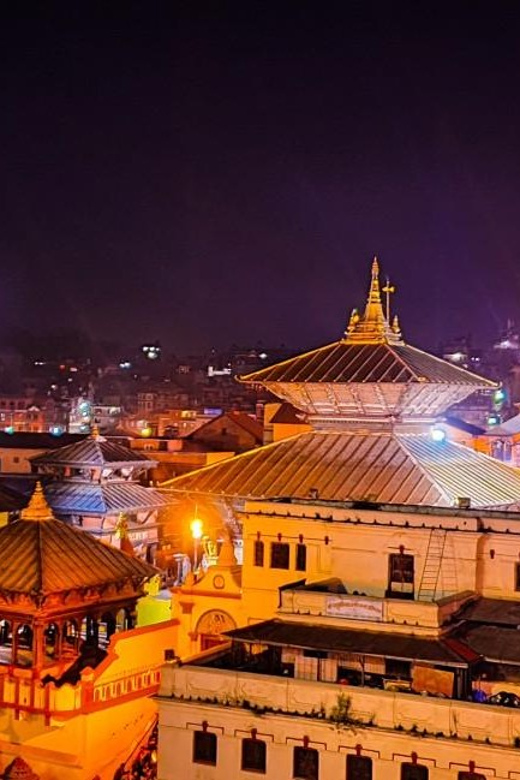
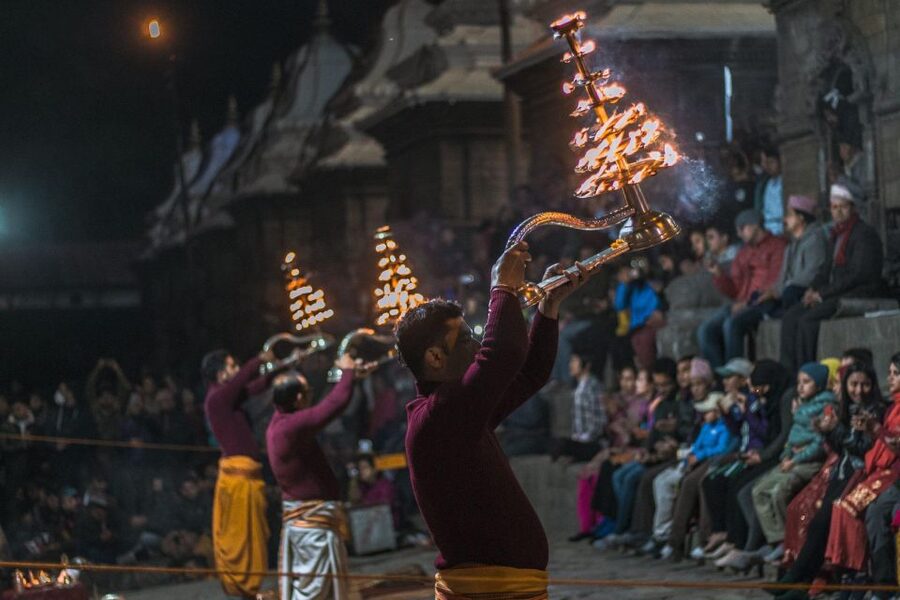
Aarati is a Hindu prayer ritual using light. At Pashupatinath, priests move oil lamps in slow circles while chanting sacred words. Devotees sing bhajans, and the ceremony closes with prayers for the well-being of all souls.
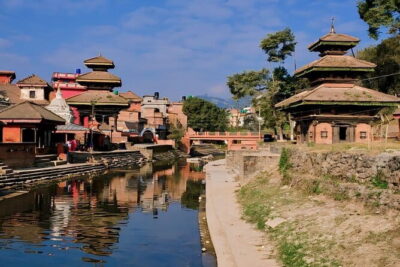
The setting gives the ritual its force. The Bagmati River flows beside Pashupatinath, one of Nepal’s most important Hindu temple sites. The river is regarded as holy, and Hindu belief holds that bathing in it can wash away sins. You are not simply watching a stage performance. You are seeing an active act of worship beside a river that carries religious meaning.
The Bagmati Aarati began in 2000 and became a regular tradition in 2006. It now draws large crowds, especially on Mondays, holidays, and religious festivals. Maha Shivaratri and Haritalika Teej can bring particularly large numbers.
I like the fact that the ritual is collective. The priests lead, but the ceremony is not performed only for tourists. Local worshippers sing, pray, and take part in the atmosphere. That makes the evening feel more sincere than a short cultural demonstration arranged only for an outside audience.
You may also see a devotional dance called Tandav, associated with Lord Shiva. The exact flow of the evening can vary, so it is best to think of the Aarati as a living religious event rather than a fixed theater program.
More Evening Tours in Kathmandu
- Kathmandu Sunset Tour by Rickshaw Including Durbar Square Visit
★ 5.0 · 73 reviews - 3 Nights 4 Days Chitwan National Park with Tower Night Stay
★ 5.0 · 41 reviews - 3 night 4 Day Yoga & Ayurveda Retreat to Detox the Body & Mind, Nepal
★ 5.0 · 37 reviews
Starting with hotel pickup in Kathmandu
The tour offers pickup from three main areas: Kathmandu, Thamel, and Boudhha. Drop-off is available in Kathmandu, Thamel, or Boudhha as well. Transport is by private, air-conditioned vehicle, which is useful for a short evening outing in a city where road conditions and traffic can make simple journeys take time.
The city-center pickup is included. If your hotel is outside central Kathmandu, an additional charge may apply, so confirm your location before booking. The private vehicle is a practical benefit, especially if you want to return directly to your hotel after the ceremony rather than arrange a taxi at the end of a crowded evening.
The listed duration is three hours. That includes transportation, the guided visit, time around the temple area, and the Aarati. The exact amount of time spent at each point may depend on traffic, crowd levels, and the start of the ceremony.
I would aim to be ready at the hotel before the agreed pickup time. The ceremony has a stated starting window, and delays on the road can reduce your time at the riverbank. Pickup is one of the tour’s strongest practical features, but it works best when you allow some flexibility.
Exploring Pashupatinath before the lamps are raised
Pashupatinath is not just a single shrine. It is a major temple area along the Bagmati River, with religious activity, shrines, ceremonial spaces, and riverbank viewpoints. Your guide leads you around the area before the Aarati and explains what you are seeing.
The guide’s role is important here. Hindu worship includes many gods, symbols, gestures, and customs that can be hard to understand at first glance. The strongest guide feedback came from Razz, who was praised for explaining Hindu traditions as well as Buddhism in clear English. Shankar was also praised for explaining religion, the gods, and the cremation process, while Ravi was noted for professional driving.
That range of topics can make the visit more meaningful. Instead of seeing the temple only as a photogenic old site, you get context about why the river matters, why lamps are used, and how death rituals connect with the religious life of Pashupatinath.
You may encounter cremation activity near the river. One person described seeing cremations at close range before the Aarati. This is a serious part of the site, not an attraction for casual entertainment. If you see such ceremonies, follow your guide’s instructions and keep your behavior quiet and respectful. Photography may be generally allowed in the area, but that does not mean every moment or person should be photographed.
Watching the Aarati from the Bagmati River banks
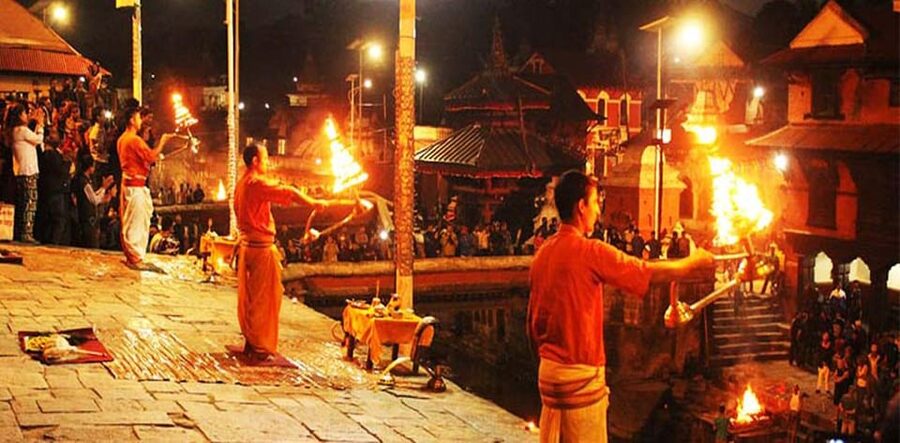
The main ceremony is the heart of the tour. Priests use oil lamps and move them in circular motions as they chant. The circular movement symbolizes devotion to the divine, while the singing and prayers create a shared rhythm along the river.
The ceremony begins around 6:00 to 6:30 PM, with seasonal variation. On a busy Saturday night, Razz was specifically praised for finding a good place to sit. That detail matters. Your view may depend less on the ticket and more on when you arrive and how well your guide handles the crowd.
Arriving early is sensible on weekends, holidays, and festival days. You may find incense smoke in the air, loud chanting, and many people gathered along the riverbank. If you prefer quiet sightseeing, this is not the calmest part of the evening. If you want to see public religious life as it is practiced, the crowd is part of the experience.
The ceremony can feel peaceful even when the surroundings are busy. The lamps, music, smoke, and repeated prayers create a strong sensory impression. I like that you are invited to observe without needing to participate in a way that conflicts with your own beliefs.
The final prayers focus on the wellness of all souls and gratitude for divine kindness. That broader message helps explain why the Aarati matters beyond the temple itself. It asks for collective well-being, not only private good fortune.
More Temples, Stupas and Monasteries:
- Kathmandu Spiritual Sites: Bodhnath & Pashupatinath Tour
★ 5.0 · 185 reviews - Kathmandu: Chandragiri Cable Car and Monkey Temple Tour
★ 4.8 · 139 reviews - From Kathmandu: 2 Stupas and Kopan Monastery Spiritual Tour
★ 4.8 · 115 reviews - Lunch with Nuns – Monastery
★ 5.0 · 75 reviews
Temple access and respectful behavior
Non-Hindus are not permitted inside the main temple. You can still view the Aarati from the Bagmati River banks, and this is where the tour’s central experience takes place. Be clear about this before booking so you do not expect entry into the inner temple.
Dress modestly. Cover your shoulders and knees, and choose clothing that is comfortable for sitting or standing outdoors. The site is sacred, so your clothing and behavior should show respect even when you are there mainly to observe.
Photography is generally allowed, but use good judgment. Keep your camera or phone quiet during prayers, do not interrupt worship, and be especially careful around cremation ceremonies. A respectful photo is possible. A close-up taken at the wrong moment can be intrusive.
Incense smoke and chanting are normal parts of the evening. If you are sensitive to smoke or strong scents, prepare for that rather than treating it as an unexpected problem. The sound level can also rise during bhajans and the main lamp ritual.
What the $22 price includes, and what it does not
At $22 per person, the tour offers reasonable value if you want transport and interpretation in one package. The price includes a private air-conditioned vehicle, hotel pickup and drop-off in the main city areas, an English-speaking guide, and taxes.
The entry fee is separate. You should budget NPR 1,000 per person for the monument entrance fee and pay it on the day. Personal expenses, food, and drinks are also excluded.
The value depends on what you need. If you already know the area, can arrange your own transport, and are comfortable finding a viewing place, going independently may cost less. But the private vehicle and guide remove two common headaches: navigating Kathmandu in the evening and understanding what happens during the ceremony.
The guide can also help you position yourself near the riverbank. That becomes more valuable when the area is crowded. A good explanation of cremation customs, Hindu gods, and the meaning of the lamps can turn a short ceremony into a fuller cultural visit.
The one concern is guide consistency. Most available feedback praised the guides, especially Razz, Shankar, and Ravi, but one serious complaint alleged that a guide directed a visitor to a shop selling rudraksha beads at an inflated price and received a commission. Treat shopping as separate from the tour. You do not need to buy anything offered around the temple, and you should ask for clear prices before purchasing any religious item.
The guides make the difference
The best part of this tour may be the human explanation. Razz was praised for his English, kindness, and ability to explain both Hinduism and Buddhism. His explanations reportedly covered the symbolism of the rituals and the meaning of the cremation process without making the subject difficult for someone new to Nepal.
Shankar received praise for explaining religion, the gods, and cremation customs. Ravi was noted for efficient hotel pickup and professional driving. These details suggest that the operator can provide both a useful guide and a reliable driver, though you may not be assigned a specific person.
A good guide should help you understand the difference between watching and intruding. The temple area includes living religious practices, and a guide can tell you when to step back, where photography is inappropriate, and how to interpret what is happening.
I would consider requesting Razz when booking if the operator allows guide requests, but do not assume he will be available. The overall rating is 4.7 from 11 ratings, with most of the detailed feedback giving full marks. One poor experience involving alleged shopping pressure is important enough to keep in mind, but it does not erase the strong praise for the ceremony, transport, and guiding.
Who will enjoy this three-hour evening tour
This tour suits you if you want a structured introduction to Pashupatinath and prefer not to manage transport on your own. It is also a good fit if you are curious about Hindu ritual but do not yet know how to read the symbols and customs around you.
It works particularly well for:
- First-time visitors to Kathmandu
- People interested in Hindu worship and religious customs
- Anyone who wants to see the Bagmati Aarati at the correct time
- Visitors who prefer private hotel transport
- People who want explanations of cremation practices and temple traditions
- Those comfortable observing a crowded, active religious ceremony
It may not suit you if you expect to enter the main temple, dislike crowds, or want a quiet private prayer experience. It is also not the right choice if you want a food-focused evening or a broad Kathmandu sightseeing tour. The visit is centered on Pashupatinath and the Aarati.
Booking details that affect your decision
The tour offers free cancellation up to 24 hours before departure for a full refund. You can also reserve now and pay later, which helps if your Kathmandu schedule is still changing.
The experience is offered in English with a live guide. Pickup is included from Kathmandu city center, Thamel, and Boudhha, while hotels outside the central area may cost extra.
The tour provider is Breakfree Adventures Pvt. Ltd. The advertised option includes skip-the-ticket-line service, but you still need to pay the separate NPR 1,000 monument fee. Check the available start time for your date because the Aarati timing changes slightly by season.
I would book early for a weekend or major festival period. The ceremony attracts large numbers, and an early arrival can make the difference between a clear view and a position at the back of the crowd.
Should you book the Pashupatinath Evening Aarati Tour?
Book it if you want the meaning behind the ritual, not just a quick look at lamps by the river. The private vehicle, English-speaking guide, and three-hour format make this a practical way to visit Pashupatinath, especially on a first Kathmandu stay.
Before booking, accept three facts: you cannot enter the main temple if you are not Hindu, the ceremony may be crowded, and NPR 1,000 per person is paid separately. Wear modest clothing, arrive ready for smoke and chanting, and avoid unplanned shopping unless you are comfortable checking prices carefully.
For most visitors interested in Nepal’s religious life, the $22 price is fair. The strongest value comes when your guide, such as Razz or Shankar, explains the worship and helps you find a good riverbank position. If that sounds like the kind of evening you want, this is a sensible and memorable addition to a Kathmandu itinerary.
FAQ
Where does the Pashupatinath Evening Aarati Tour take place?
The tour takes place at Pashupatinath Temple beside the Bagmati River in Nepal. The Aarati is viewed from the riverbank area.
What time does the Aarati begin?
The evening Aarati usually starts around 6:00 to 6:30 PM. The exact timing can vary by season.
How long is the tour?
The tour lasts three hours, including transportation, guided sightseeing, and time at Pashupatinath Temple.
What is the price of the tour?
The listed price is $22 per person. The separate monument entrance fee is NPR 1,000 per person.
Is the monument entrance fee included?
No. The NPR 1,000 entrance fee must be paid separately on the day of the visit.
Can non-Hindus enter the main temple?
No. Non-Hindus are not permitted inside the main temple, but they can watch the Aarati from the Bagmati River banks.
Is hotel pickup included?
Yes. Pickup and drop-off are included from Kathmandu, Thamel, and Boudhha. Hotels outside Kathmandu city center may require an additional fee.
Is transportation private?
Yes. The tour includes private transportation by air-conditioned vehicle.
What should I wear?
You should dress modestly, with your shoulders and knees covered, because Pashupatinath is a sacred Hindu site.
Can I take photographs during the tour?
Photography is generally allowed, but you should remain respectful during prayers and avoid intrusive photography around religious ceremonies and cremations.
More Evening Experiences
- Kathmandu: Pashupatinath Temple Evening Aarati Tour
★ 5.0 · 36 reviews - Kathmandu: Pashupatinath Temple Aarti Night Tour
★ 4.8 · 29 reviews - Pashupatinath Evening Aarati: Few Divinely Hours in Kathmandu
★ 4.5 · 23 reviews - 2 Night 3 Days Pokhara City Tour
★ 5.0 · 22 reviews
Just added around Kathmandu
- Private Shopping Tour in Kathmandu★ 5.0 · 3 reviews
- Nagarkot Sunrise With 7 UNESCO World Heritage Private Tour★ 5.0 · 3 reviews
- Kathmandu: Nightlife and Pub Crawl Tour★ 5.0 · 3 reviews
- Mount Everest Scenic Flight 50 Minutes★ 5.0 · 3 reviews
- Kathmandu: Nagarkot, Bhaktapur, Doleswor & Sanga Statue Tour★ 5.0 · 3 reviews
- Momo Cooking Class -The Art Of Making MoMo with Home Chef★ 5.0 · 3 reviews
- Makalu Base Camp Trek★ 5.0 · 3 reviews
- Everest Experience Trek 6 Day Hiking Adventure★ 5.0 · 3 reviews
Temples & Monasteries, compared.
Kathmandu Spiritual Sites: Bodhnath & Pashupatinath Tour
Read our review →
Monkey Temple – Swayambhunath Tour – Private/Small Group
Read our review →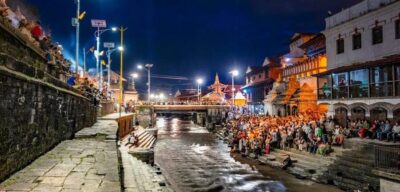
Dhulikhel, Namobuddha & Panauti: A Scenic Day Tour from Kathmandu
Read our review →Browse the lists this tour appears in