
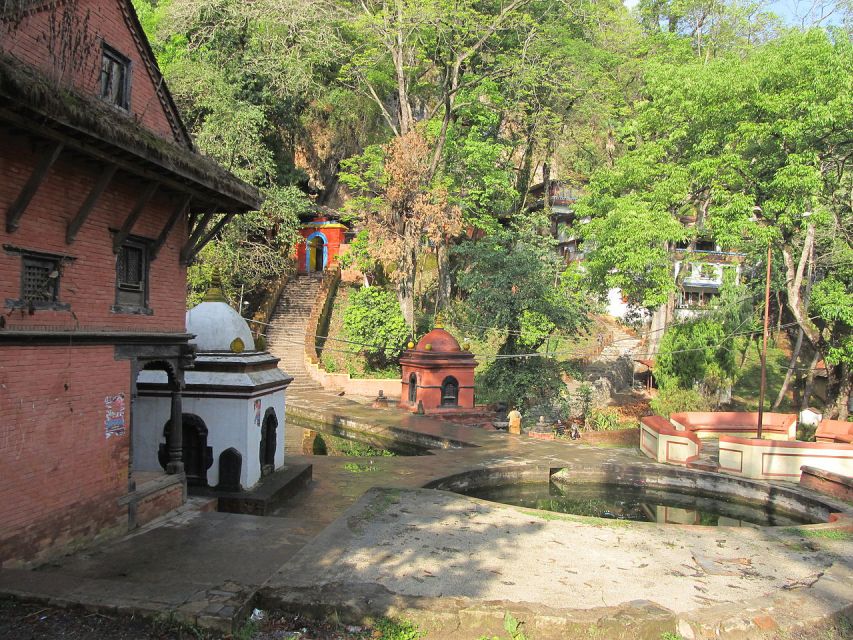
Reviewed · LUNCH EXPERIENCES
Kathmandu: Pharping, Dakshinkali and Chobhar Tour with Lunch
Sacred caves meet Kathmandu’s ancient lakebed. This six-hour private outing takes you south of the capital to Buddhist and Hindu holy places, then adds Taudaha Lake and Chobhar Gorge for a welcome change of scenery. I like the mix of spiritual sites and outdoor stops, and I also like that lunch, entrance fees, a private vehicle, and a guide are included.
The strongest part is the chance to visit places that feel quite different from Kathmandu’s better-known squares. Guides such as Rajat have been praised for clear explanations, friendly company, and answering questions without turning the day into a lecture. The main caution is that the schedule and access can change: caves or temples may be closed, and some previous outings ended much earlier than expected.
In This Review
- Key points before you book
- Why this southern Kathmandu day trip is different
- Pharping and Asura Cave: a quiet Buddhist beginning
- Shesnarayan and Vajrayogini: small temples with strong local meaning
- Gorakhnath Temple and the importance of checking the route
- Dakshinkali Temple: powerful, intense, and not for everyone
- Lunch: a useful break, with one memorable setting
- Taudaha Lake: a slower hour after the temples
- Chobhar Gorge and the story of Kathmandu’s old lake
- What the $83 price really gives you
- Timing, walking, and practical preparation
- Who should book this Pharping excursion?
- Final verdict: book it for the guide and the mix, not certainty
- FAQ
- How long is the Pharping, Dakshinkali, and Chobhar tour?
- Where does hotel pickup apply?
- Is lunch included?
- Which languages can the guide speak?
- Is this a private tour?
- Are entrance fees included?
- Is Asura Cave always open?
- Can I visit Chobhar Cave?
- Is Dakshinkali suitable for everyone?
Key points before you book
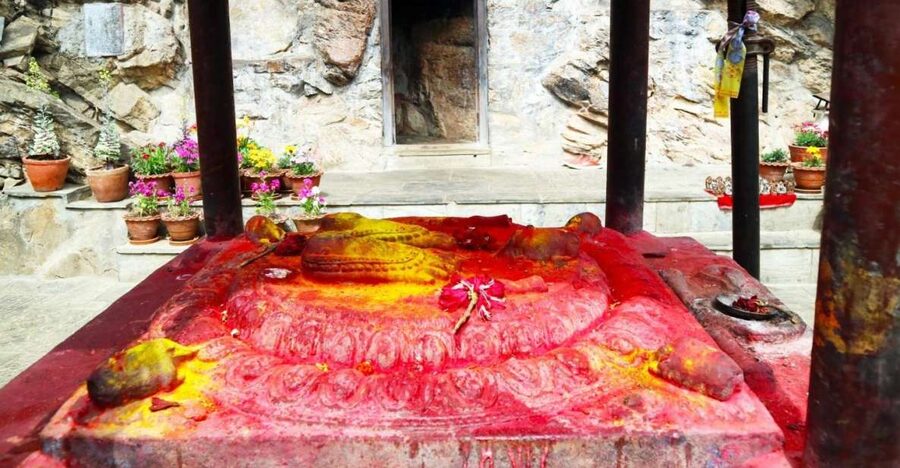
- Asura Cave is the spiritual heart of the outing: This small sacred site is linked with Guru Rinpoche and Buddhist meditation.
- Pharping brings Hindu and Buddhist traditions together: Vajrayogini, Shesnarayan, and Gorakhnath sites give the morning real variety.
- Dakshinkali is not a quiet sightseeing stop: Animal sacrifice and the bloody river may upset some people.
- Taudaha Lake adds breathing room: The lake is known as a bird sanctuary and recreation spot.
- Chobhar explains Kathmandu’s geography: Its gorge is tied to the old lake that once covered the valley.
- The plan needs flexibility: Closures, traffic, and changed access have affected the timing and stops.
Why this southern Kathmandu day trip is different
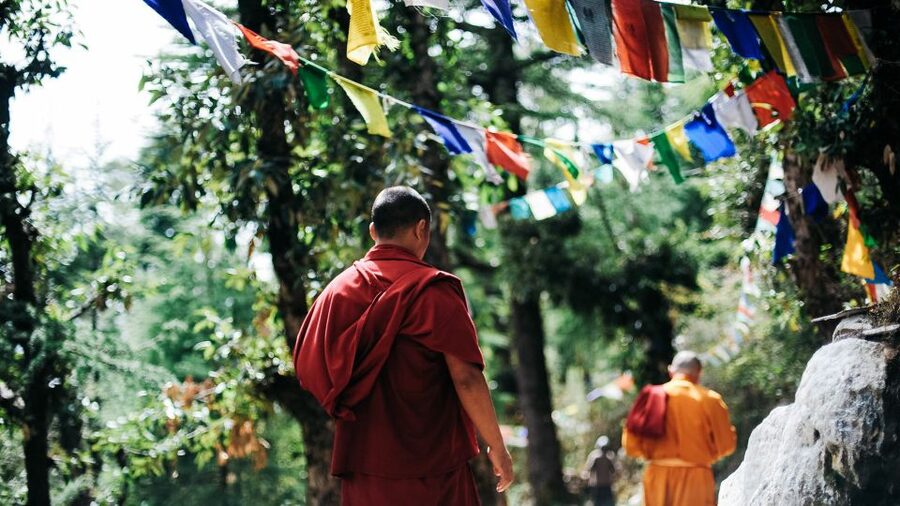
Many Kathmandu excursions focus on major UNESCO-listed monuments. This one heads toward Pharping, about 19 kilometers south of the city, and connects several smaller religious sites with two natural features.
That gives you a more varied day. You are not simply moving from one courtyard to another. You might spend part of the morning climbing toward a cave lined with prayer flags, then stand in a Hindu temple complex, eat lunch, and finish beside a lake or gorge.
The private format matters. You are not tied to a large group’s pace, and the guide can spend more time explaining a shrine or adjust the route if access changes. One German participant had the program altered after Chobhar Cave was unavailable, eventually visiting Patan instead. That flexibility can save the day, but it also means you should not treat every stop as guaranteed.
The advertised duration is six hours, with pickup in Kathmandu and return to the city. The proposed timetable is not perfectly coherent, so think of it as a route outline rather than a strict minute-by-minute program. Kathmandu traffic alone can change the order and length of stops.
A few more trips worth weighing up before you book
- Kathmandu: Full Day 7 UNESCO Tour with Lunch – Private/Group
★ 5.0 · 415 reviews - Kathmandu: Full Day Top 4 UNESCO Tour with Lunch – Private/Group
★ 5.0 · 269 reviews - Kathmandu: Full-Day 7 UNESCO Tour with Lunch – Private/Group
★ 4.9 · 247 reviews
Pharping and Asura Cave: a quiet Buddhist beginning
Pharping is a pilgrimage town used by both Buddhists and Hindus. Its religious importance is easy to sense from the collection of monasteries, shrines, caves, and temples around the village.
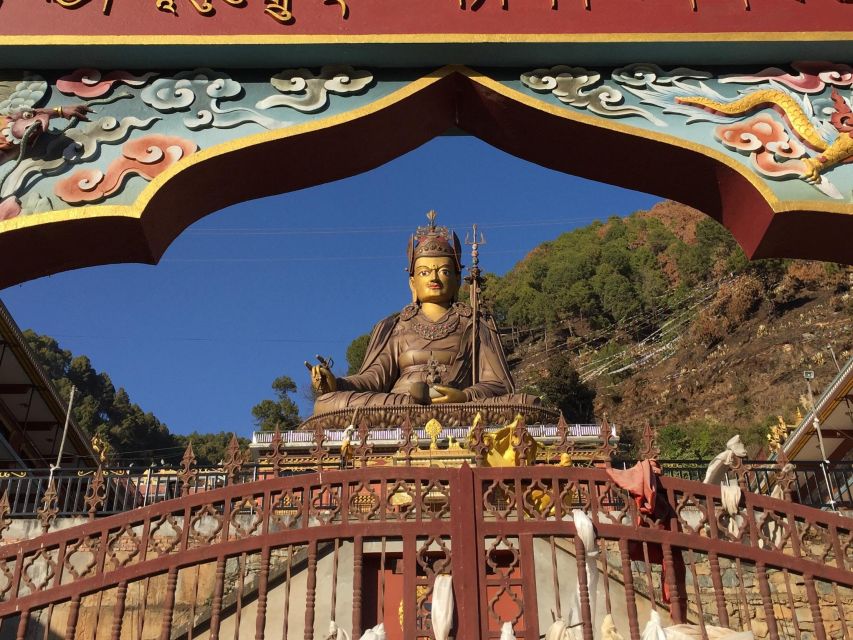
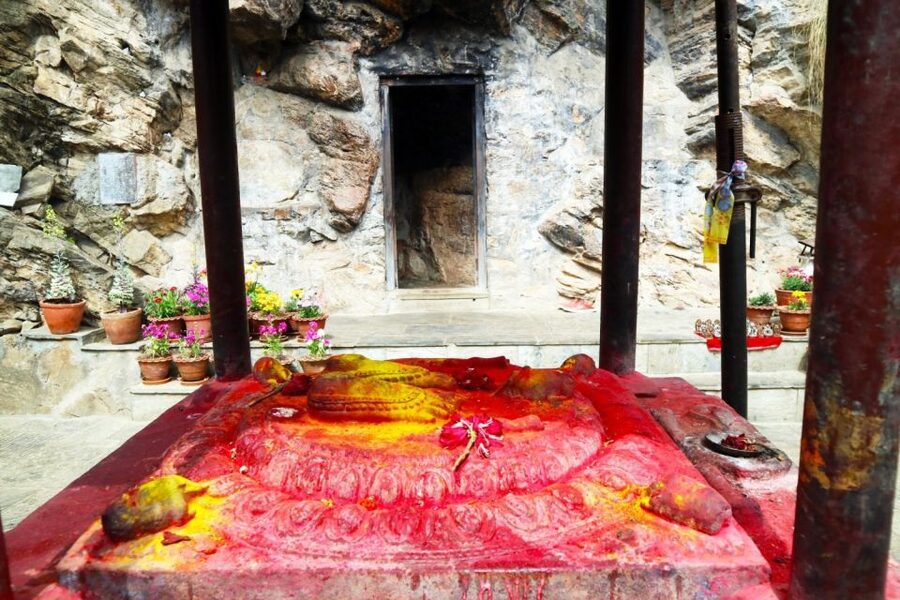
The Asura Cave is the main Buddhist stop. It is associated with Guru Rinpoche, also known as Padmasambhava, who is said to have meditated there and attained enlightenment. The cave is above the village, so you should expect some walking and steps rather than a simple roadside photo stop.
One of the most useful tips from the tour experience is to continue up the stairs instead of stopping too soon. The upper area offers prayer flags and a Hindu temple, creating a striking meeting point between two traditions.
Allow time to be quiet here. The cave is not presented as a grand architectural monument. Its value comes from its religious meaning and atmosphere. A good guide can explain why the place matters, while still giving you time for prayer or personal reflection.
Access is the weak point. One participant found the cave closed, and another reported that some sites were visible only from outside. Conditions may have changed since those visits, but you should ask about current access before departure.
Shesnarayan and Vajrayogini: small temples with strong local meaning
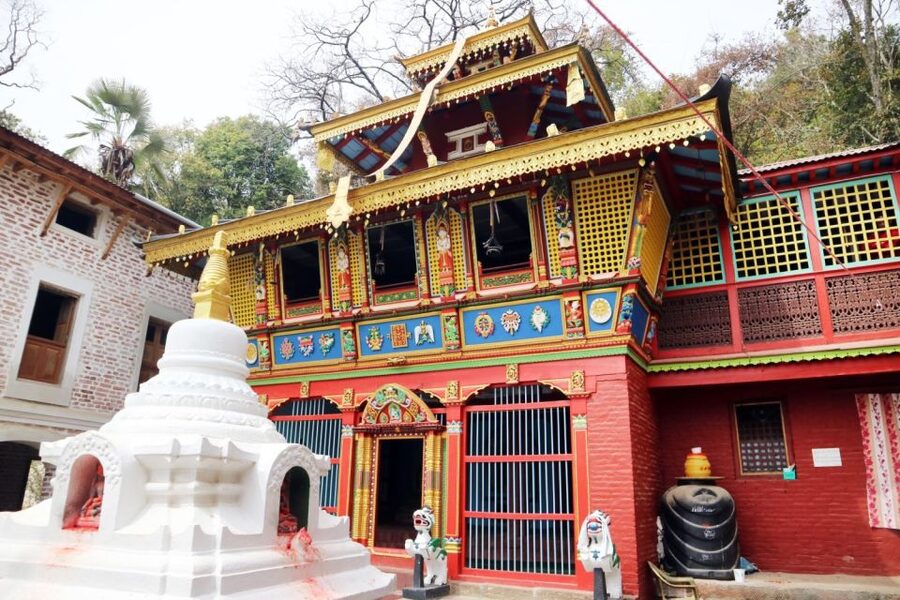
Shesnarayan Temple is one of the four Narayana temples of the Kathmandu Valley. It is associated with the Licchavi period and is traditionally linked with King Vishnugupta.
The stop is close to Asura Cave, making it a natural part of the Pharping circuit. You may spend only about half an hour here, but do not judge the site by its size. The point is to understand how Hindu worship is woven into the surrounding town, not to collect another large monument.
The route also includes Vajrayogini Temple. The supplied details do not give a fixed visit length or a full description of the shrine, so your time here may depend on the guide and current access. Ask your guide to explain the temple’s role rather than rushing through for a photograph.
These sites reward curiosity. Look at how pilgrims use the spaces, notice the prayer flags and temple details, and ask about the relationship between the Buddhist and Hindu places around Pharping. The most praised guides made this kind of context the best part of the outing.
Gorakhnath Temple and the importance of checking the route
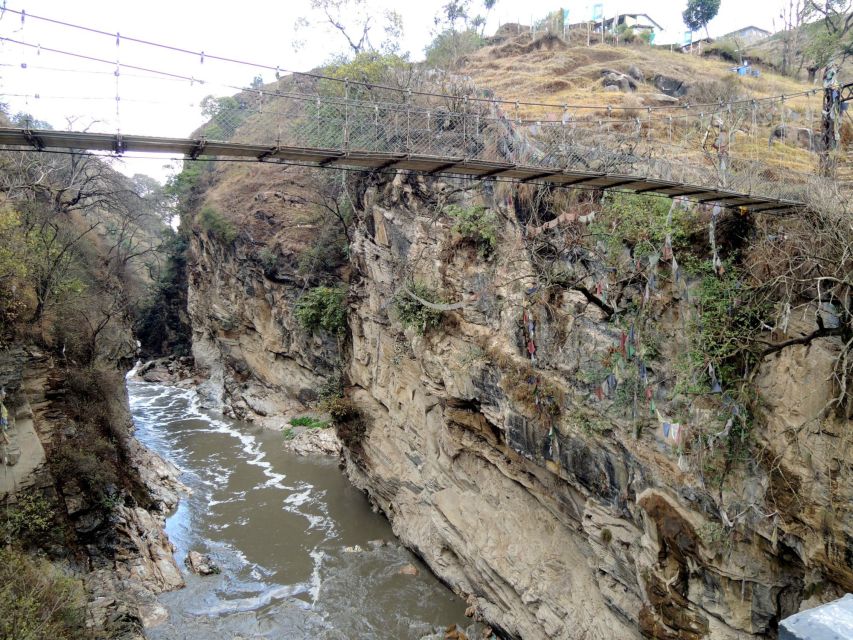
Gorakhnath is connected with Guru Gorakhnath, a revered yogi of the Nath tradition. The tour information places a Gorakhnath Temple among the Pharping-area stops, but it also gives a description of a temple in Gorakhpur, Uttar Pradesh, India. That is an obvious route discrepancy.
I would confirm with the operator exactly which Gorakhnath site is included in Kathmandu. This is not a minor detail if you are booking specifically for that temple. A private guide can usually clarify the plan before pickup, and you should ask which entrance, shrine, or viewpoint you will actually visit.
If the local site is open, it adds another religious tradition to the morning. If it is closed, the guide may offer an exterior explanation or adjust the timing. This is one reason the private format is useful, but it is also why the tour should be approached with a little flexibility.
A different sort of day from Kathmandu:
- Everest Base Camp Trek – 14 Days
★ 5.0 · 1,499 reviews - Private Kathmandu Sightseeing Tour | UNESCO World Heritage sites
★ 5.0 · 756 reviews - Everest Base Camp Helicopter Tour landing at Everest View Hotel
★ 5.0 · 668 reviews - Half day cooking class in Thamel kathmandu
★ 5.0 · 607 reviews
Dakshinkali Temple: powerful, intense, and not for everyone
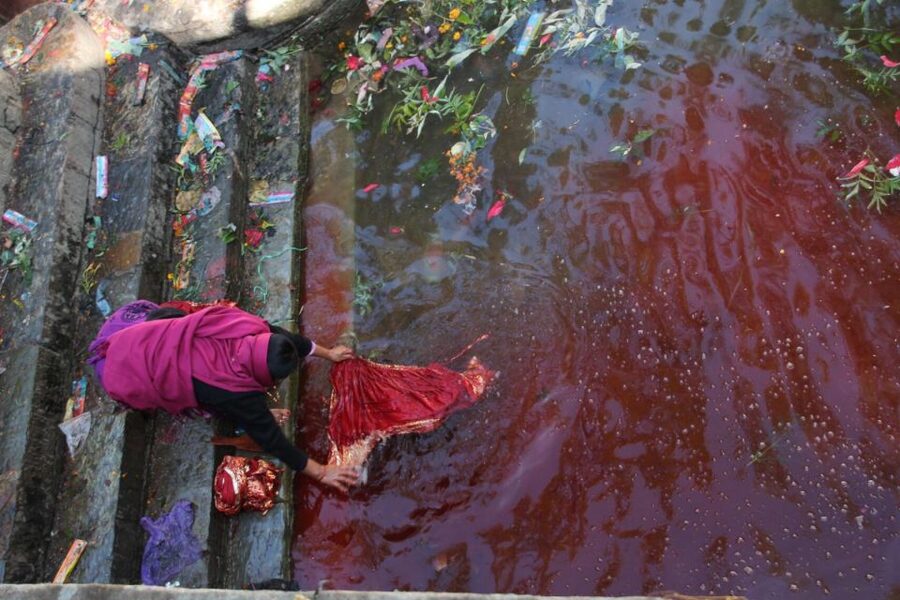
Dakshinkali Temple sits about 22 kilometers from Kathmandu and roughly one kilometer outside Pharping. It is dedicated to Kali, a major Hindu goddess, and is one of Nepal’s important Kali temples.
This is the most confronting stop. Animal sacrifice takes place here, and the bloody river may be distressing. The warning is not decorative fine print. If you are uncomfortable around blood or ritual sacrifice, you may prefer to spend less time near the central activity or skip this stop entirely.
For others, Dakshinkali offers an important look at living Hindu practice. Treat it as a functioning place of worship, not a performance arranged for sightseeing. Dress and act respectfully, follow your guide’s instructions, and avoid photographing sensitive moments unless clearly permitted.
The suggested visit lasts around 90 minutes, though the real timing can vary. Crowds, ceremonies, and road conditions may affect the stop. The temple gives the day emotional weight, but it is also the clearest reason this outing is not suitable for every visitor.
Lunch: a useful break, with one memorable setting
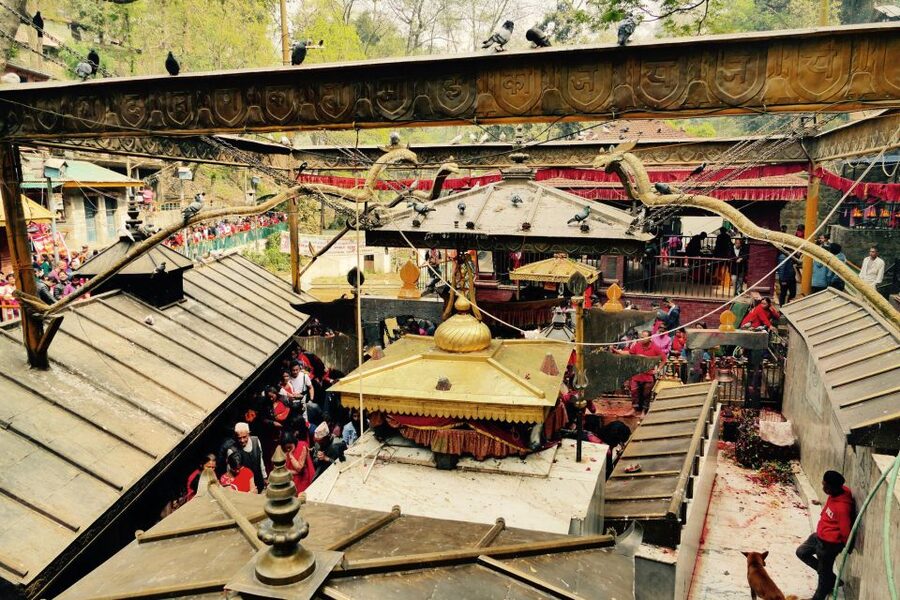
Lunch is included, which improves the value of an $83 private tour. It saves you from finding a restaurant during a tightly timed route, and it gives you a proper pause after the morning’s walking and temple visits.
One particularly positive experience included a delicious meal on a beautiful rooftop. That detail is not guaranteed for every departure, but it suggests lunch can be more pleasant than a basic stop beside the road.
The exact restaurant and menu are not specified, so do not book this primarily as a food tour. Think of lunch as a practical benefit and a chance to rest, ask questions, and reset before the afternoon stops.
Taudaha Lake: a slower hour after the temples
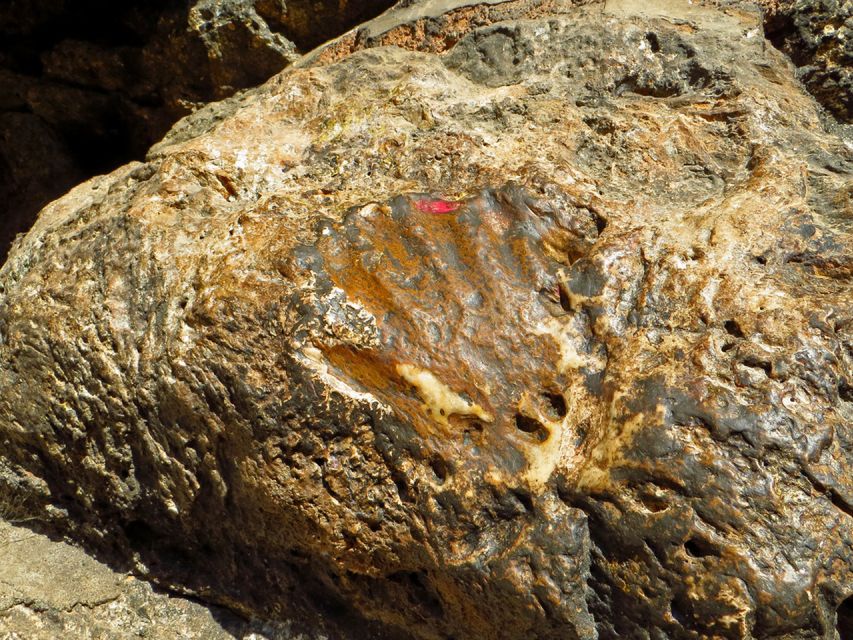
Taudaha is described as the largest natural lake in the Kathmandu Valley. It is also known as a recreation area and bird sanctuary.
After the intensity of Dakshinkali, the lake offers a gentler change of pace. You can expect a scenic stop rather than a major monument, with time to look across the water and enjoy a quieter setting. If you care about birds, bring patience and keep your expectations sensible. The tour information identifies the lake as a sanctuary but does not promise particular species or a dedicated bird-watching session.
The suggested visit is about an hour. That gives you enough time to slow down, but the stop may feel brief if you want a long walk or extended nature time. Sunglasses, a hat, and sunscreen are sensible additions, especially because the itinerary includes exposed outdoor stops.
Chobhar Gorge and the story of Kathmandu’s old lake
Chobhar Gorge gives the trip its best piece of geological and cultural storytelling. Kathmandu Valley is traditionally described as an ancient lake. According to the legend, the bodhisattva Manjushri cut the gorge and allowed the water to drain, leaving the land where people later settled.
You get both a natural feature and an origin story tied to the valley. That makes Chobhar more than a final photo stop. It helps explain why Kathmandu has the shape and setting it does.
Caves are also associated with the area, but access is not reliable. One previous outing found Chobhar Cave closed, and the planned route had to be changed. If the gorge itself is accessible, it can still be worthwhile, but ask specifically about the cave and the viewing points before you set out.
The visit is listed as roughly an hour, followed by the drive back to Kathmandu. In light traffic, the return is expected around 4:00 PM, but that should not be treated as a guarantee.
What the $83 price really gives you
At $83 per person, this is not the cheapest way to see the southern valley. Its value depends on using the included services.
You receive a private group, hotel pickup and drop-off within Kathmandu’s ring road, a luxury vehicle, an English- or Japanese-speaking guide, entrance fees, and lunch. For a solo visitor or a couple, that combination can be reasonable because you are paying for transport, planning, and personal attention rather than joining a crowded shared bus.
The value drops if several stops are closed or the day is cut short. Two past experiences described much shorter outings, including one of about four hours with lunch. Another participant felt the price was too high after paying extra for admission to Patan when the route changed.
Ask these questions before booking:
- Which Pharping temples are open now?
- Is Asura Cave accessible?
- Is Chobhar Cave open?
- Is the local Gorakhnath Temple definitely included?
- Are all entrance fees included if the route changes?
- What happens if the operator substitutes Patan or another site?
The answers will tell you more about value than the headline price.
Timing, walking, and practical preparation
The tour is described as six hours, starting from Kathmandu and returning to the city. Pickup is included only for hotels inside the Kathmandu city ring road. If your hotel is outside it, an extra charge applies.
Be ready in the lobby five minutes before pickup. Wear comfortable closed shoes because the route includes walking and steps. Open-toed shoes are not allowed, and the supplied guidance also recommends sunglasses, a sun hat, and sunscreen.
The tour is not suitable for wheelchair users, people with back, heart, or kidney problems, people over 220 pounds or 100 kilograms, or people over 95 years old. These limits suggest you should take the climbing and vehicle time seriously, even though the outing is only six hours.
Smoking, alcohol, drugs, weapons, sharp objects, and baby strollers are not allowed. Pets are also excluded.
The private format is a real advantage for pacing. You can ask the guide to slow down at Asura Cave, spend less time at Dakshinkali, or pause for photographs. Still, private does not mean immune to traffic, closures, or religious restrictions.
Who should book this Pharping excursion?
I would recommend it to you if you want a compact introduction to the religious life south of Kathmandu, prefer a private vehicle, and enjoy combining temples with a little nature. It suits curious first-time visitors and people on a second or third Kathmandu stay who have already seen the main city monuments.
It is especially good for anyone interested in Buddhist and Hindu traditions together. The most praised part of the experience was the guide’s storytelling and willingness to answer questions. Rajat, in particular, received warm praise for useful facts, friendly conversation, and an informative day.
I would be cautious if your main goal is a particular cave, temple interior, or giant monument. Access has not always matched expectations, and some published images or descriptions may no longer reflect current conditions. I would also skip it if Dakshinkali’s ritual practices would make you uncomfortable.
Final verdict: book it for the guide and the mix, not certainty
This is a worthwhile private outing when you want Pharping’s sacred atmosphere, Dakshinkali’s powerful Hindu setting, Taudaha’s quieter water, and Chobhar’s valley story in one day. The best version includes an attentive guide, an enjoyable lunch, and enough time to appreciate the places rather than rush through them.
Book it if you can accept a flexible route and confirm current access first. If every stop must be open and the schedule must run exactly as printed, choose a more tightly controlled excursion. The tour earns its price through private transport, lunch, and personal guiding, but closures or a shortened program can quickly weaken that value.
FAQ
How long is the Pharping, Dakshinkali, and Chobhar tour?
The activity is scheduled for six hours, with pickup and return in Kathmandu. Actual timing can vary because of traffic, personal pace, and site access.
Where does hotel pickup apply?
Pickup and drop-off are provided for hotels inside Kathmandu’s city ring road. Hotels outside the ring road require an additional charge.
Is lunch included?
Yes. Lunch is included in the tour price. The restaurant and menu are not specified in advance.
Which languages can the guide speak?
Live guiding is available in English and Japanese.
Is this a private tour?
Yes. The experience is arranged as a private group tour.
Are entrance fees included?
The included package covers entrance fees. Fees for extra monuments are not included, so you may need to pay if the route changes to an additional site.
Is Asura Cave always open?
Access is not guaranteed. Previous visits found the cave closed, so you should confirm its current status before departure.
Can I visit Chobhar Cave?
The route includes Chobhar Gorge and its caves, but Chobhar Cave has previously been closed. Ask the operator what is accessible on your date.
Is Dakshinkali suitable for everyone?
No. The temple area and its bloody river may be distressing because animal sacrifice takes place there. The tour is also not suitable for wheelchair users or people with back, heart, or kidney problems.
Just added around Kathmandu
- Private Shopping Tour in Kathmandu★ 5.0 · 3 reviews
- Nagarkot Sunrise With 7 UNESCO World Heritage Private Tour★ 5.0 · 3 reviews
- Mount Everest Scenic Flight 50 Minutes★ 5.0 · 3 reviews
- Kathmandu: Nightlife and Pub Crawl Tour★ 5.0 · 3 reviews
- Momo Cooking Class -The Art Of Making MoMo with Home Chef★ 5.0 · 3 reviews
- Kathmandu: Nagarkot, Bhaktapur, Doleswor & Sanga Statue Tour★ 5.0 · 3 reviews
- Makalu Base Camp Trek★ 5.0 · 3 reviews
- Everest Experience Trek 6 Day Hiking Adventure★ 5.0 · 3 reviews
Lunch Experiences, compared.

Full Day 7 UNESCO Tour with Lunch – Private/Group
Read our review →
Full Day Top 4 UNESCO Tour with Lunch – Private/Group
Read our review →Full-Day 7 UNESCO Tour with Lunch – Private/Group
Read our review →
Nagarkot Sunrise & Hike with Lunch -Private/Group
Read our review →Full Day 7 UNESCO Tour with Lunch – Private/Group
Read our review →
Full Day Private Top 4 UNESCO Heritage Tour W/Lunch.
Read our review →Browse the lists this tour appears in