
Reviewed · TEMPLES & MONASTERIES
Katmandu: Pashupatinath Open Cremation & Evening Aarati
Fire meets prayer here. Pashupatinath offers one of Kathmandu’s most powerful encounters with Hindu faith, set beside the holy Bagmati River. In about three hours, you travel from your accommodation to Arya Ghat, see funeral rites from a respectful distance, then watch the evening Aarati dedicated to Lord Shiva.
I like the close look at Nepalese spiritual tradition and the way the cremation ghats and lamp-lit ceremony reveal two sides of religious life. I also like the private pickup, drinking water, and small-group format at a modest $27 per person. The main drawback is clear: a dedicated guide is not included, so the quality of explanation may depend on your driver or on whether a guide such as Bhum Raj Tiwari is assigned.
In This Review
- Key points to know before booking
- Why Pashupatinath feels different from ordinary sightseeing
- Pickup from Kathmandu and the road to the temple
- Walking into Pashupatinath Temple complex
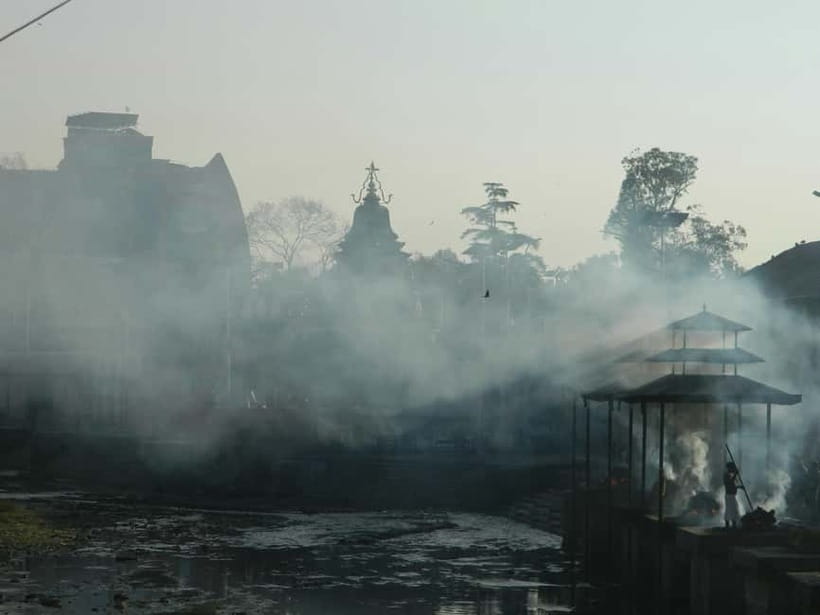
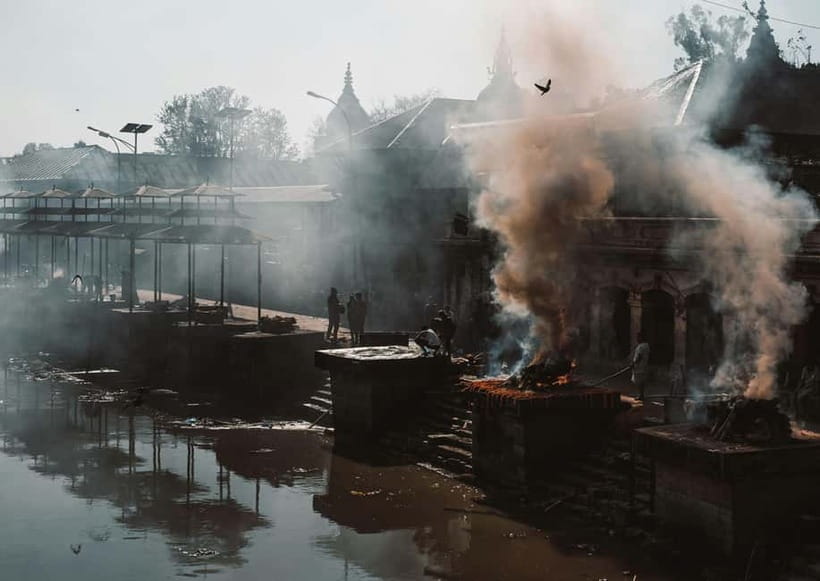
- Arya Ghat and the open cremation rites
- Finding a good place for the evening Aarati
- What the $27 price really covers
- The role of the driver and guide
- Who will appreciate this experience most
- Practical advice for a respectful visit
- Should you book Pashupatinath Open Cremation and Evening Aarati?
- FAQ
- How long does the Pashupatinath experience last?
- What time should I arrive for the Aarati?
- Is a tour guide included?
- Is pickup from Kathmandu included?
- Are temple entry tickets included in the price?
- What should I wear and bring?
- Is the experience suitable for children or people with mobility issues?
Key points to know before booking
- Arya Ghat is an active cremation site: You may see funeral rites taking place, so this is not a staged cultural display.
- The Aarati begins around 6:00 PM to 6:30 PM: Arrive by 5:30 PM if you want a good place near the ceremony.
- Bhum Raj Tiwari received especially warm praise: His English explanations helped make difficult religious customs easier for European and North American visitors to understand.
- The $27 price covers transport, not admission: Entry tickets, meals, and a tour guide are extra or not provided.
- The tour lasts about three hours, but traffic matters: The practical estimate is closer to three or four hours depending on your pickup location.
- This is a solemn experience, not casual sightseeing: Modest clothing, quiet behavior, and sensitivity around cremation are essential.
Why Pashupatinath feels different from ordinary sightseeing
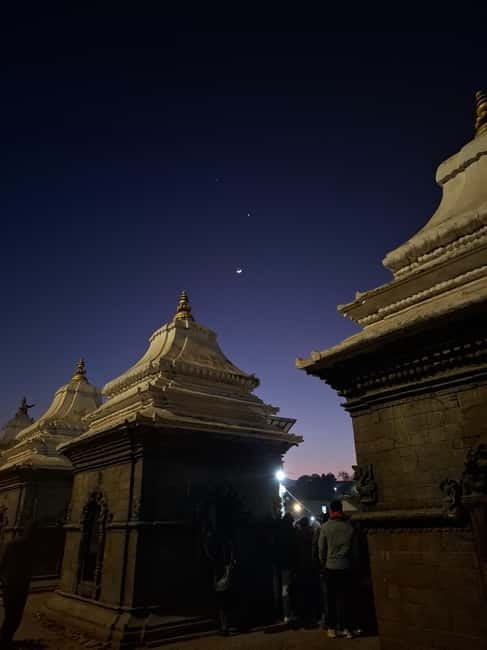
Pashupatinath is not simply an old temple you visit, photograph, and leave behind. It is an active place of worship and death, with the Bagmati River carrying on beside daily religious rites.
The most striking feature is the way ordinary public space and sacred ceremony meet. Families conduct cremations along the river, worshippers gather for prayer, and people watch from stone seating near the Aarati area. You are not being shown a recreated ritual. You are entering a functioning religious site where events have meaning for the people involved.
That also creates a responsibility for you. Keep your distance from grieving families, avoid photographing people during private moments, and follow any instructions from the driver or local staff. A camera is listed among the suggested items, but that does not mean every scene should be photographed.
The experience can feel confronting, especially if open cremation is unfamiliar to you. One visitor from Germany described the custom as startling to European eyes before praising the guide’s clear explanations. That reaction is useful to keep in mind. You may find the visit moving, uncomfortable, fascinating, or all three at once.
More Evening Tours in Kathmandu
- Kathmandu Sunset Tour by Rickshaw Including Durbar Square Visit
★ 5.0 · 73 reviews - 3 Nights 4 Days Chitwan National Park with Tower Night Stay
★ 5.0 · 41 reviews - 3 night 4 Day Yoga & Ayurveda Retreat to Detox the Body & Mind, Nepal
★ 5.0 · 37 reviews
Pickup from Kathmandu and the road to the temple
Your driver collects you from your hotel, accommodation lobby, main entrance, or another clearly visible location. You should give precise directions when booking if you stay in a narrow alley or on a busy street. The stated pickup window is 15 minutes, and you should contact the provider if the vehicle does not arrive within the expected time.
Transport is in a private air-conditioned vehicle, although the condition and comfort of the car may vary. One poor account described a dirty vehicle without air conditioning or seat belts, while other accounts praised the overall experience and the assistance provided. I would confirm the vehicle details at pickup and make sure your seat belt works before leaving.
The journey time depends on where you are staying and on Kathmandu traffic. The advertised visit lasts three hours, but the full outing can take three to four hours. That difference matters if you have an evening dinner reservation, a flight, or another appointment.
Your driver gives a short briefing about appropriate behavior. Since no meal is included, eat beforehand or plan to dine after returning to Kathmandu. Drinking water is supplied, which is helpful, especially if the weather is warm and you will be walking on uneven surfaces.
Walking into Pashupatinath Temple complex
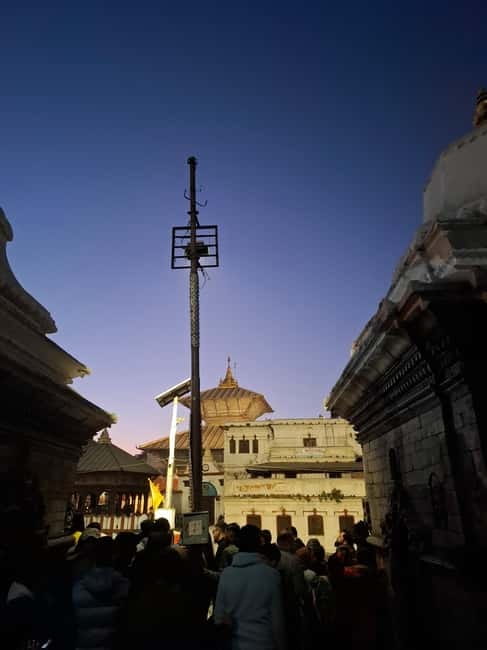
You are dropped at the main entrance and then walk toward Arya Ghat. Comfortable shoes matter here. The route involves walking to the cremation area, and the experience is not recommended for people with mobility limitations or wheelchair users.
The temple complex is dedicated to Lord Shiva, one of the central deities in Hinduism. Pashupatinath is especially important for Shaivite worship, and the evening Aarati expresses devotion to Shiva through lamps, music, and repeated chants.
Non-Hindu visitors should understand that access rules can apply within religious buildings. The supplied information describes a visit to the temple complex, Arya Ghat, and the Aarati viewing area, but it does not promise entry into every temple building. Follow posted rules and instructions on site rather than assuming every interior is open to you.
Modest clothing is recommended. Comfortable trousers or a long skirt, covered shoulders, and practical footwear are sensible choices. This is not the place for loud conversation, casual posing, or treating funeral rites as entertainment.
Arya Ghat and the open cremation rites
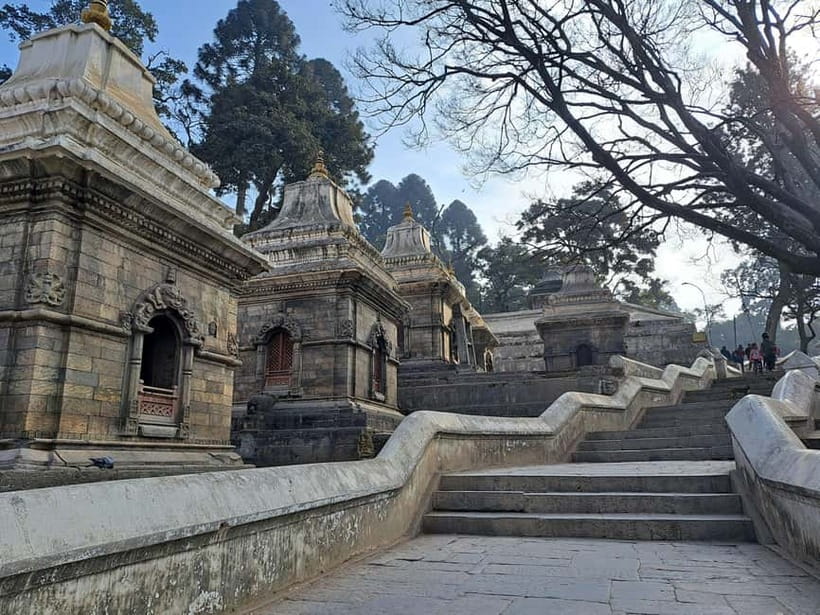
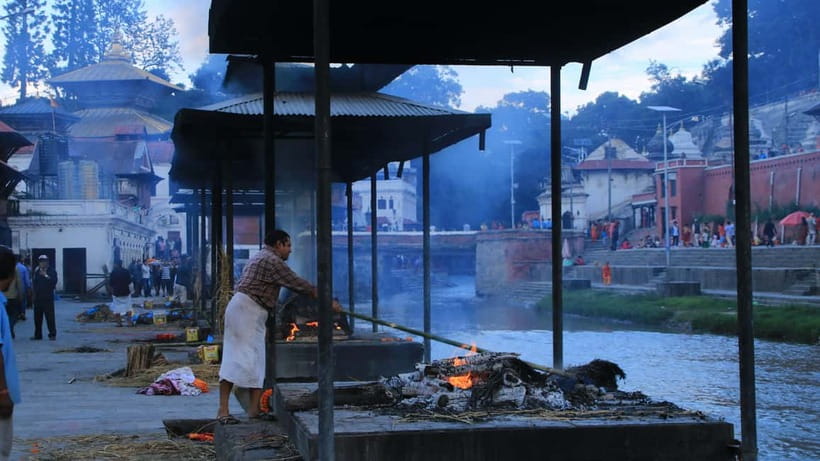
Arya Ghat is the emotional center of the visit. Here, Hindu funeral rites take place beside the Bagmati River, with cremation understood by devotees as a path toward moksha, or liberation.
You will observe rather than participate. The important point is to watch quietly and from an appropriate distance. The tour description presents the rites as a way to understand the connection between life, death, and faith, but the people involved are dealing with a personal loss. That distinction should shape your behavior.
The setting can be solemn and intense. Fire, smoke, river water, prayer, and the movement of mourners create a scene that does not fit neatly into the usual sightseeing categories. You might find it difficult at first, particularly if cremation is normally kept private in your culture.
A guide can make a major difference here. Bhum Raj Tiwari was praised for strong English and careful explanations of why Hindu families follow these customs. His background also supported long conversations about the beliefs behind the ceremony. If a guide is available, ask at booking whether Bhum Raj Tiwari can lead your visit, but do not assume his availability is guaranteed.
If no dedicated guide accompanies you, your driver may provide assistance, but you should expect less cultural context. You can still witness the site, but the visit may feel more like transport and observation than a guided lesson in Hindu practice.
More Temples, Stupas and Monasteries:
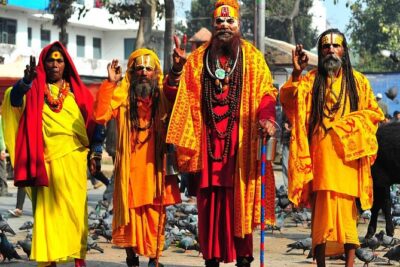
- Kathmandu Spiritual Sites: Bodhnath & Pashupatinath Tour
★ 5.0 · 185 reviews - Kathmandu: Chandragiri Cable Car and Monkey Temple Tour
★ 4.8 · 139 reviews - From Kathmandu: 2 Stupas and Kopan Monastery Spiritual Tour
★ 4.8 · 115 reviews - Lunch with Nuns – Monastery
★ 5.0 · 75 reviews
Finding a good place for the evening Aarati
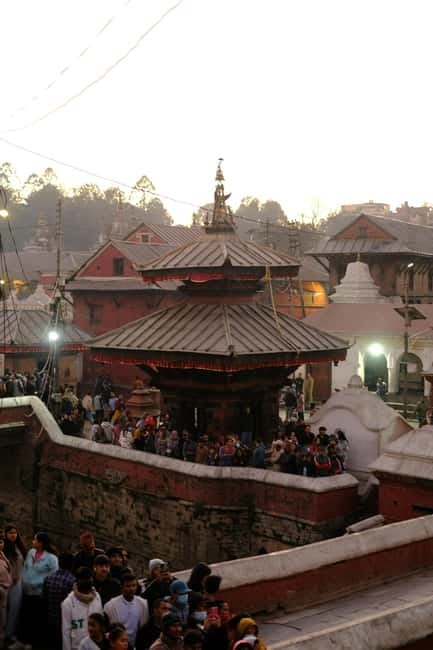
The schedule is built around the Aarati, so timing is important. The ceremony begins around 6:00 PM to 6:30 PM, and you are advised to arrive by 5:30 PM for a better viewing place.
That early arrival is not wasted time. It gives you a chance to settle near the ceremony area, observe the riverfront, and prepare for a period of standing or sitting in a crowded public setting. The exact amount of room and the best viewpoint can change, so arriving early is the safest plan.
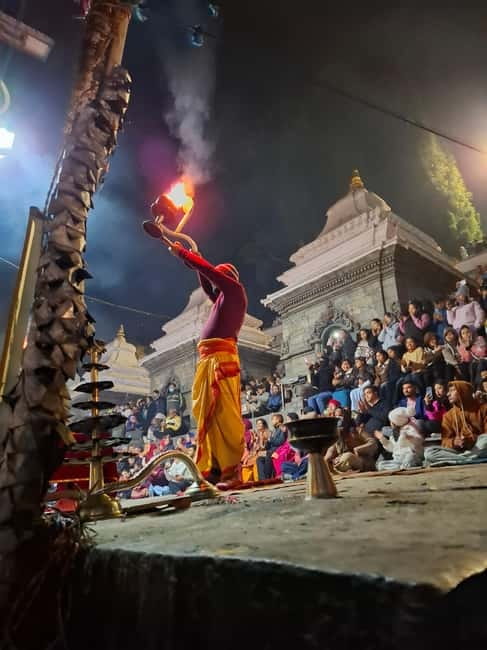
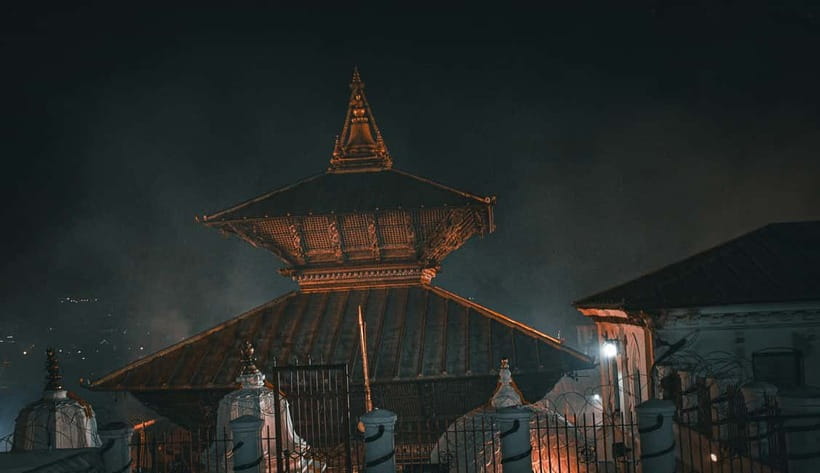
The Aarati is a devotional ceremony for Lord Shiva. Oil lamps glow as priests lead songs and rhythmic chants. The atmosphere becomes more energetic than at the cremation ghats, but the two scenes remain connected. Funeral fires continue nearby while worshippers gather for prayer.
That contrast is the heart of the experience. Pashupatinath presents death not as something removed from religious life, but as part of the same spiritual world as worship, music, and light. You may find the transition from quiet funeral rites to collective chanting especially affecting.
The ceremony lasts roughly 30 minutes according to the schedule. Keep your phone and camera use discreet. You should watch the people around you and avoid blocking sightlines or treating the ceremony like a performance staged only for visitors.
What the $27 price really covers
At $27 per person, the tour is reasonably priced if you value private transport and a simple evening plan. Pickup and drop-off remove the need to arrange a taxi in Kathmandu, and the private group format gives you more control than a large coach tour.
The value is weaker if you are mainly paying for expert interpretation. A tour guide is listed as not included, while the activity information also refers to live guide support. Because those details do not fully match, clarify before booking whether you will have a dedicated guide or only a driver who can assist.
Entry tickets are not included. Meals are also not included, though a three-hour visit does not normally require a meal break. Bring cash for admission or small expenses, since cash is specifically recommended.
A private vehicle is useful in Kathmandu, where traffic and hard-to-find accommodation entrances can complicate pickup. Still, the vehicle standard deserves attention. The account describing a dirty car, no air conditioning, and no seat belt is a serious warning, even though it contrasts with the more favorable account of the tour. Ask the provider for the pickup vehicle and check basic safety before departure.
Free cancellation up to 24 hours before the activity and reserve-now-pay-later booking add flexibility. Those policies are useful if your Kathmandu plans may change, but they do not solve the central question: do you want a cultural visit with guaranteed interpretation, or are you comfortable with a driver-led outing?
The role of the driver and guide
The strongest praise connected to this experience focused on Bhum Raj Tiwari. He was described as an excellent English speaker who explained Hindu practices in a way that made sense to people from Europe and North America.
That kind of explanation is valuable at Pashupatinath. Without context, you may see fires, chanting, lamps, and crowds without understanding how each part fits Hindu beliefs about death and liberation. With a good guide, the site becomes easier to read and the difficult parts easier to approach respectfully.
At the same time, you should not book this assuming that Bhum will certainly lead your group. The included services name an experienced driver, drinking water, and pickup and drop-off. A tour guide is listed separately as not included.
Ask two direct questions before paying:
- Is a dedicated English-speaking guide included?
- Who will explain the cremation rites and Aarati during the visit?
If the answer is no guide, decide if the transport alone is worth $27. If the answer is yes, ask for the guide’s name and language. This simple check could prevent a large gap between your expectations and the actual evening.
Who will appreciate this experience most
I would recommend it to adults and older children who are comfortable with serious religious subjects. Children under nine are specifically not considered suitable, and the emotional nature of the cremation rites may make this a poor choice for young families even when older children are allowed.
It suits you if you want to understand Nepal through living customs rather than monuments alone. It is also a strong choice if you have limited time in Kathmandu and want private transport arranged for an evening visit.
You should think twice if you have back problems, mobility impairments, wheelchair needs, or a pre-existing medical condition. The visit includes walking to Arya Ghat and time outdoors. The site may also feel physically demanding if weather conditions are uncomfortable.
This is not a relaxed evening photo stop. It asks you to pay attention, accept some discomfort, and behave with care around grieving families. If that sounds meaningful rather than unpleasant, the visit may become one of your most memorable hours in Nepal.
Practical advice for a respectful visit
Wear modest, comfortable clothing and shoes with good support. Carry a light jacket because the ceremony takes place outdoors and evening conditions can change.
Bring your passport or another form of identification, cash, water if you want extra, and a camera only if you can use it discreetly. Keep valuables secure and follow any instructions about where to stand or sit.
Arrive by 5:30 PM even if your driver suggests a later time. The best viewing place may go quickly, and late arrival can leave you behind a crowd or away from the main ceremony.
Give your pickup address carefully. At a hotel, wait near reception. At a private residence, choose a clear meeting point and provide detailed directions. Kathmandu’s narrow lanes can turn a simple collection into a frustrating search.
Most important, treat the cremation area as a place of mourning. Do not smile for posed photographs beside funeral fires, do not approach mourners, and do not assume that a public ritual is open for close-up photography.
Should you book Pashupatinath Open Cremation and Evening Aarati?
Book this experience if you want a serious, direct encounter with Hindu religious practice and you value private transport from Kathmandu. The combination of Arya Ghat and the Shiva Aarati shows how death, prayer, fire, and community occupy the same sacred setting.
I would book it with one condition: confirm the guide arrangement and vehicle standard first. A strong guide such as Bhum Raj Tiwari can turn a challenging visit into a clear and respectful cultural lesson. Without one, you may receive little more than a ride to the temple and back.
At $27, the outing is fair value for transport and access to a memorable evening. It is not the best choice for anyone seeking a polished sightseeing tour, guaranteed expert commentary, or an easy-access attraction. For the right visitor, though, Pashupatinath offers something rare: a place where Nepal’s spiritual life is not behind glass or on a stage, but unfolding beside the Bagmati River.
FAQ
How long does the Pashupatinath experience last?
The planned visit lasts about three hours. Depending on your pickup location and Kathmandu traffic, the full outing may take three to four hours.
What time should I arrive for the Aarati?
You should reach the Aarati viewing area by 5:30 PM. The ceremony begins around 6:00 PM to 6:30 PM.
Is a tour guide included?
A dedicated tour guide is listed as not included. The driver provides assistance, but you should confirm before booking whether a guide will accompany you.
Is pickup from Kathmandu included?
Yes. Pickup and drop-off are included from your accommodation or another clearly visible agreed location in Kathmandu.
Are temple entry tickets included in the price?
No. Entry tickets are not included. Meals are also not included.
What should I wear and bring?
Wear modest, comfortable clothing and comfortable shoes. Bring identification, cash, and a camera if you wish to take photographs respectfully. A light jacket may help in outdoor conditions.
Is the experience suitable for children or people with mobility issues?
Children under nine are not considered suitable. The experience is also not recommended for people with back problems, mobility impairments, wheelchair users, or people with pre-existing medical conditions.
More Evening Experiences
- Kathmandu: Pashupatinath Temple Evening Aarati Tour
★ 5.0 · 36 reviews - Kathmandu: Pashupatinath Temple Aarti Night Tour
★ 4.8 · 29 reviews - Pashupatinath Evening Aarati: Few Divinely Hours in Kathmandu
★ 4.5 · 23 reviews - 2 Night 3 Days Pokhara City Tour
★ 5.0 · 22 reviews
Just added around Kathmandu
- Nagarkot Sunrise With 7 UNESCO World Heritage Private Tour★ 5.0 · 3 reviews
- Private Shopping Tour in Kathmandu★ 5.0 · 3 reviews
- Mount Everest Scenic Flight 50 Minutes★ 5.0 · 3 reviews
- Kathmandu: Nightlife and Pub Crawl Tour★ 5.0 · 3 reviews
- Kathmandu: Nagarkot, Bhaktapur, Doleswor & Sanga Statue Tour★ 5.0 · 3 reviews
- Momo Cooking Class -The Art Of Making MoMo with Home Chef★ 5.0 · 3 reviews
- Everest Experience Trek 6 Day Hiking Adventure★ 5.0 · 3 reviews
- Kathmandu: Momo Making Class with a Local Chef★ 5.0 · 3 reviews
Temples & Monasteries, compared.
Kathmandu Spiritual Sites: Bodhnath & Pashupatinath Tour
Read our review →
Monkey Temple – Swayambhunath Tour – Private/Small Group
Read our review →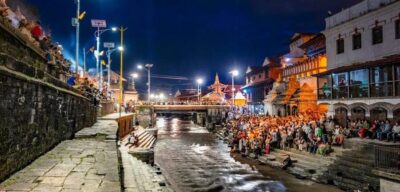
Dhulikhel, Namobuddha & Panauti: A Scenic Day Tour from Kathmandu
Read our review →Browse the lists this tour appears in