
Reviewed · NEPAL
Live like Monk: Stay in the Nomobuddha Monastry
Quiet hills, simple rooms, and morning prayer await. The Namobuddha monastery stay gives you a rare look at Buddhist routines, with a three-hour walk from Dhulikhel, vegetarian meals, and time for stillness. I especially like the small group of up to 10 people and the chance to eat beside resident monks. I also like the guide service, particularly Anoj, who has been praised for his care, patience, and clear explanations of Buddhist customs and Nepalese nature.
The main catch is important: you may sleep in a guesthouse beside the monastery rather than inside the monastery itself. The advertised meditation and chanting schedule can also change, so this is best treated as a cultural and reflective stay, not a guaranteed retreat with private instruction from monks.
In This Review
- Key points to know before you book
- From Kathmandu to Dhulikhel, the journey begins
- Arriving at Namobuddha after the three-hour hike
- What the morning and evening prayers are really like
- Meals with the monks and a simpler daily rhythm
- A guided look at the monastery grounds
- Your second and third days at Namobuddha
- Is $294 a fair price?
- Who will enjoy this stay most?
- Should you book the Namobuddha monastery stay?
- FAQ
- How long is the Namobuddha monastery experience?
- Where does pickup take place?
- Where does the hike begin?
- Where will I stay overnight?
- Are meditation sessions included?
- Can I attend Buddhist chanting or puja?
- Are meals included?
- Is transportation included?
- What language does the guide speak?
- What is the cancellation policy?
Key points to know before you book
- The three-hour walk starts in Dhulikhel, passing through hills and small local villages before reaching Namobuddha.
- Accommodation may be outside the monastery, with the Old Guest House about 100 meters away and the New Guest House about 400 meters away.
- Puja and prayer sessions are more reliable than personal meditation instruction, with reported services around 6 a.m. and 11 a.m., though schedules can change.
- Meals are vegetarian and simple, with breakfast, lunch, and dinner included during the two-night stay.
- Guide Anoj has earned strong praise for explaining the monastery, helping with practical problems, and caring for people who felt unwell.
- The $294 price buys a private transfer, guide, meals, lodging, walking route, and cultural access, but it is expensive if the planned ceremonies do not take place.
From Kathmandu to Dhulikhel, the journey begins
Your trip starts with pickup in Kathmandu, Lalitpur, or Bhaktapur. A private vehicle takes you toward Dhulikhel, a hill town roughly 30 kilometers from Kathmandu. The private transport is useful here because you avoid arranging a separate taxi, bus, or driver for the first leg of the day.
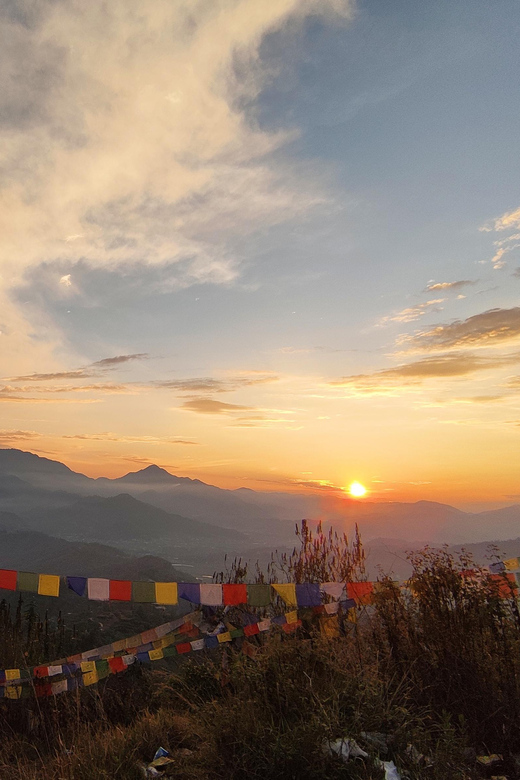
The road trip is only part of the appeal. Dhulikhel is your walking base, and the route to Namobuddha changes the pace from city traffic to foot travel. You should expect about three hours of hiking through hills and small villages. The route is described as scenic, with broad views of the surrounding countryside and, when conditions are favorable, possible Himalayan peaks.
I would not book this program if you dislike walking or want a vehicle to deliver you directly to the monastery. The distance is manageable for many reasonably active people, but three hours on foot is still a real part of the program. Wear shoes with good grip, carry water, and keep your day bag light.
The walk also gives the visit a useful sense of transition. You leave Kathmandu’s noise behind gradually rather than stepping from a city hotel straight into a religious compound. Along the way, your guide can explain local life, the setting, and the Buddhist traditions connected with Namobuddha.
Other trips out of Nepal people book alongside this one:
- Everest Base Camp Trek – 14 Days
★ 5.0 · 1,499 reviews - Private Kathmandu Sightseeing Tour | UNESCO World Heritage sites
★ 5.0 · 756 reviews - Everest Base Camp Helicopter Tour landing at Everest View Hotel
★ 5.0 · 668 reviews
Arriving at Namobuddha after the three-hour hike
Namobuddha is a sacred Buddhist site in the hills near Dhulikhel. Once you arrive, the plan is to check in, rest, and walk around the grounds before the evening program.
The setting is the strongest part of the visit. The monastery area is quiet, and the hills encourage you to slow down. I like that the schedule leaves room for sitting, walking, and looking around instead of filling every hour with sightseeing.
The practical reality is less grand than the title suggests. The accommodation arrangement has not always matched the idea of sleeping inside the monastery. You may be placed in the Old Guest House, around 100 meters away, or the New Guest House, roughly 400 meters away. Both are close enough to reach the monastery on foot, but neither is the same as living in the monks’ quarters.
Rooms are basic, with twin-sharing accommodation and shared facilities. This is not a luxury stay, and you should expect the room and amenities to reflect a modest monastic setting. If you need private facilities, hotel-style comfort, or guaranteed quiet in your room, this program may frustrate you.
On the first evening, the planned introduction covers Buddhist meditation and chanting. You may then join a meditation session focused on mindfulness and calm. However, the schedule depends on what is happening at the monastery. Religious ceremonies, examinations, preparations, or the absence of senior figures can affect access.
What the morning and evening prayers are really like
The daily rhythm is meant to be the heart of the stay. You rise early for morning chanting, then attend guided meditation before breakfast. An evening prayer or chanting session is also part of the intended program.
In practice, you may observe monks during prayer rather than receive a hands-on meditation lesson from them. This distinction matters. The experience offers a window into Buddhist practice, but it is not necessarily a formal retreat led directly by resident monks.
Prayer times have been reported around 6 a.m. and 11 a.m. Treat those times as useful guidance, not a fixed promise. The monastery may be busy, and the schedule may change without much notice. One visitor missed the morning puja because the monastery was in an examination period, while another found the senior guru away during the stay.
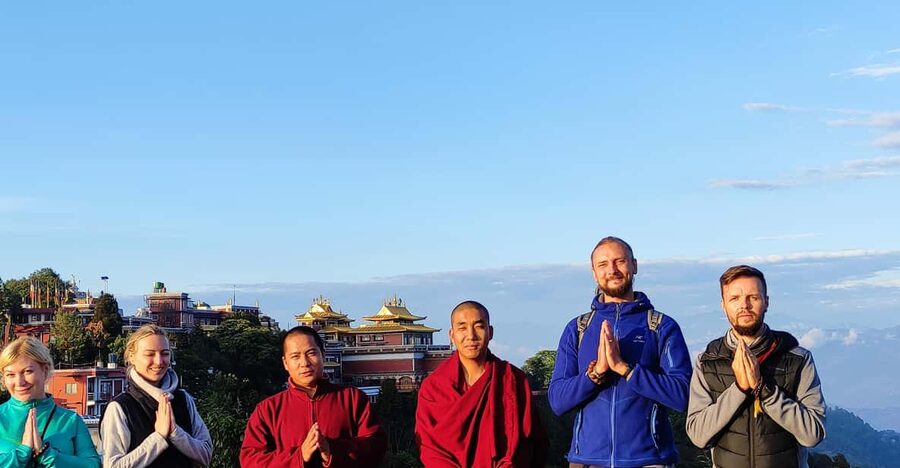
The strongest moments can come from simply sitting quietly and watching the ritual. You may hear chanting, see the order of the service, and share dining space with monks. That kind of contact is modest, but it can feel more genuine than a staged cultural show.
I would ask your guide, Anoj, for the latest schedule as soon as you arrive. He has been praised for trying hard to find out when ceremonies were taking place and for explaining the religious setting with care. Still, the guide cannot control the monastery calendar.
Meals with the monks and a simpler daily rhythm
Three vegetarian meals a day are included. The food has been described as tasty, fresh, and straightforward. You are not coming here for a long menu or elaborate dining room. Meals are part of the lesson in simplicity.
Sharing breakfast or dinner near the monks may become the most memorable contact you have with monastic life. It gives you a chance to observe the quiet rhythm of eating without turning the monks into performers. Keep your behavior respectful, follow your guide’s advice, and remember that the dining room is a working part of the monastery rather than a tourist attraction.
Lunch follows the same pattern. You can expect vegetarian food prepared by the monastery kitchen, with the focus on nourishment rather than variety. Personal snacks and extra food are not included, so you should budget separately for anything beyond the provided meals.
The food may also be helpful if you want a break from the heavy restaurant meals common on city visits. At the same time, anyone with strict dietary needs should clarify arrangements before booking, since the information only confirms vegetarian meals and does not promise special menus.
A different sort of day from Nepal:
- ZipFlyer Nepal – The World’s Steepest Zip-line
★ 5.0 · 608 reviews - Half day cooking class in Thamel kathmandu
★ 5.0 · 607 reviews - Everest Base Camp Trekking
★ 5.0 · 485 reviews - Nagarkot Sunrise View and Day Hiking from Kathmandu
★ 5.0 · 471 reviews
A guided look at the monastery grounds
The program includes a guided walk around the monastery grounds. Your guide can explain the buildings, Buddhist customs, and the site’s role in local religious life.
This is where the guide adds real value. Anoj has been praised for his explanations of religion, monastery life, Nepalese nature, and local history. His care also matters when something goes wrong. He helped one person who became ill with a stomach problem, which is the sort of practical attention you want on a walking-based cultural trip.
The tour is not only about looking at architecture. It helps you understand why people come here, how prayer fits into the day, and what behavior is expected in a sacred place. You may also have time to walk on your own, sit quietly, garden, or study scripture if those activities are available during your stay.
Do not expect constant conversation with monks. Contact may be limited, especially if the monastery is busy. The value comes from respectful observation and the chance to spend time in the setting, not from guaranteed personal meetings or long philosophical discussions.
Your second and third days at Namobuddha
Day two follows the monastic routine most closely. You wake early, attend chanting and meditation if scheduled, and then eat breakfast. After that, the guided grounds tour gives you a clearer sense of the site before lunch.
The afternoon is intentionally open. You can reflect, walk, garden, or take part in scripture study when offered. This unfilled time may be the best part for someone who wants distance from phones, traffic, and packed sightseeing schedules. It may feel dull if you need continuous activity.
In the evening, another prayer or chanting session is planned, followed by meditation. Again, think of this as an opportunity rather than a guarantee. The central lesson is flexibility. A monastery is not a theater with a fixed timetable for visitors.
Day three repeats the morning prayer and meditation pattern before breakfast. A further tour of the grounds and lunch are included, then private transport takes you back toward Kathmandu, with drop-off in Kathmandu, Lalitpur, or Bhaktapur.
The return drive makes the program easy to combine with a Nepal trip based in the Kathmandu Valley. You do not need to arrange a separate transfer from the hills, and your guide remains with you throughout the tour.
Is $294 a fair price?
At $294 per person, this is not a cheap overnight outing. The cost includes private transport to Dhulikhel, the three-hour hike, two nights in twin-sharing accommodation, three vegetarian meals each day, monastery activities, guided visits, the return transfer, and a guide whose expenses are covered.
That package can offer fair value if you want a small-group cultural trip with transport arranged from start to finish. Private vehicles are useful in Nepal, and the guide can make the difference between merely seeing a monastery and understanding what you are seeing.
The value drops sharply if the ceremonies and meditation sessions do not happen. In that case, you are paying mainly for transport, lodging, food, the walk, and a guided visit. Those elements still have worth, but the price feels high for a stay that may happen in a guesthouse outside the monastery.
I would compare this cost with your priorities. If your main goal is a quiet hill walk, vegetarian food, and a guided visit to Namobuddha, the package may be convenient. If your main goal is to live alongside monks and receive daily instruction, you need to confirm the current arrangements before paying.
The free cancellation policy allows cancellation up to 24 hours ahead for a full refund, and the reserve-now, pay-later option keeps your plans flexible. Those policies help, but they do not solve the main issue: the schedule may change after you arrive.
Who will enjoy this stay most?
I would recommend it to people who enjoy cultural travel, early mornings, basic accommodation, and time without a packed entertainment schedule. It suits visitors who want to learn about Buddhism while remaining open to observing rather than taking part in every ritual.
It is also a good match for someone who wants a guided walking trip from Dhulikhel and does not want to arrange transport, meals, and lodging separately. The small group limit of 10 people should make the walking and guided visits easier to manage.
I would be cautious if you need certainty. This is not the right pick for someone who wants a guaranteed meditation course, private monk teaching, luxury accommodation, or a fixed schedule of puja ceremonies.
Dress and behavior matter. Alcohol and drugs are not allowed, and you are expected to respect the monastery’s customs, including dress guidelines. You do not need to share Buddhist beliefs, but you should arrive with patience, modesty, and a willingness to follow local rules.
Should you book the Namobuddha monastery stay?
Book it if you want a peaceful hill journey with a three-hour walk, simple vegetarian meals, Buddhist ceremonies when available, and a thoughtful guide. The strongest parts are the setting, the quiet pace, the meal experience near monks, and Anoj’s personal care and explanations.
Before booking, confirm two points: where you will sleep and which ceremonies are scheduled during your dates. If you accept that this may be a nearby guesthouse stay with observation of prayer rather than guaranteed participation in meditation, the trip can be meaningful.
If the promise of living like a monk is the main reason you are considering it, I would book only after receiving clear confirmation from the provider. The experience can be rewarding, but its best moments depend on the monastery’s schedule, not just the printed plan.
FAQ
How long is the Namobuddha monastery experience?
The program lasts three days and includes two nights of accommodation.
Where does pickup take place?
Pickup is available in Bhaktapur, Kathmandu, or Lalitpur.
Where does the hike begin?
The hike begins in Dhulikhel and takes about three hours to reach Namobuddha.
Where will I stay overnight?
The accommodation is twin-sharing and may be in a guesthouse near the monastery. The Old Guest House is about 100 meters away, while the New Guest House is about 400 meters away.
Are meditation sessions included?
Daily meditation sessions are part of the planned program, but availability can change according to monastery activities and scheduling.
Can I attend Buddhist chanting or puja?
The program aims to include morning and evening chanting or prayer sessions. Reported prayer times include around 6 a.m. and 11 a.m., but ceremonies are not guaranteed on every date.
Are meals included?
Yes. Breakfast, lunch, and dinner are included, and the meals are vegetarian.
Is transportation included?
Yes. Private transport from the pickup point to Dhulikhel and return transport from Namobuddha to Kathmandu are included.
What language does the guide speak?
The live tour guide speaks English.
What is the cancellation policy?
You can cancel up to 24 hours in advance for a full refund. The reserve-now, pay-later option is also available.
Just added around Nepal
- Nagarkot Sunrise With 7 UNESCO World Heritage Private Tour★ 5.0 · 3 reviews
- Private Shopping Tour in Kathmandu★ 5.0 · 3 reviews
- Nagarkot Sunrise and Hike to Changu Narayan Temple★ 5.0 · 3 reviews
- Kathmandu: Nightlife and Pub Crawl Tour★ 5.0 · 3 reviews
- Mount Everest Scenic Flight 50 Minutes★ 5.0 · 3 reviews
- Kathmandu: Nagarkot, Bhaktapur, Doleswor & Sanga Statue Tour★ 5.0 · 3 reviews
- Momo Cooking Class -The Art Of Making MoMo with Home Chef★ 5.0 · 3 reviews
- Kathmandu: Momo Making Class with a Local Chef★ 5.0 · 3 reviews