
Reviewed · TEMPLES & MONASTERIES
Lumbini Full day tour with Guide
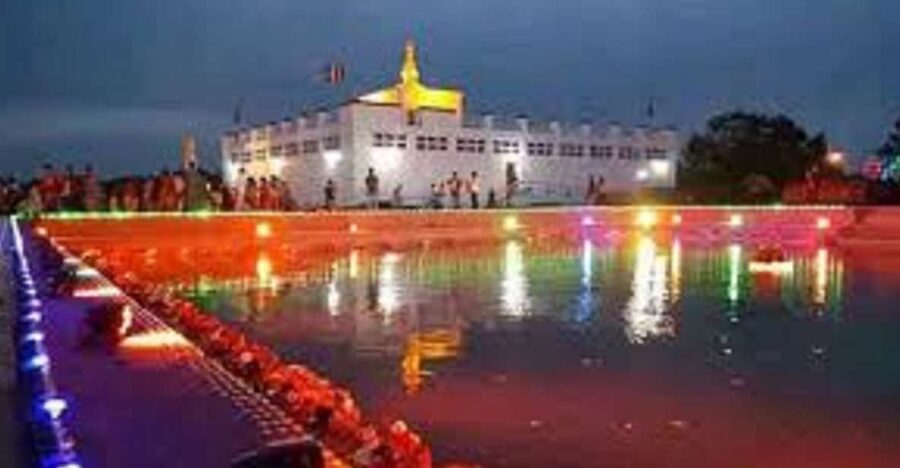
Birthplace stories reward a slower pace. This private Lumbini tour brings you to Mayadevi Temple, the Sacred Garden, international monasteries, and the Lumbini Museum with an English-speaking guide. I like the direct focus on Buddha’s birthplace, and I like having a guide to explain places that can feel quiet but hard to interpret alone. The main drawback is cost creep: entrance fees are not included, and adding a tuk-tuk to cover the large complex can make the $38 price less attractive.
The tour lasts up to eight hours and includes hotel pickup and drop-off within three kilometers of Mayadevi Temple. Guide Suhail, also spelled Sahil in one account, is praised for patience, clear explanations, flexible timing, and useful local connections. One important caution: an advertised eight-hour day may not always fill the full time if you see the main sights quickly.
In This Review
- Key points at a glance
- Why Lumbini deserves a full day
- Starting near Mayadevi Temple
- Entering the Mayadevi Temple
- Walking through the Sacred Garden
- Comparing monasteries from around the world
- Adding the Lumbini Museum
- Meeting local life outside the main zone
- What the private format is worth at $38
- The guide’s strongest contribution
- What to bring and what to expect
- Who should book this Lumbini day tour?
- Should you book it?
- FAQ
- How long does the Lumbini tour last?
- What does the $38 price include?
- Are entrance fees included?
- Where is hotel pickup available?
- Which languages does the guide speak?
- Can I cancel for a refund?
- What should I bring to the tour?
Key points at a glance
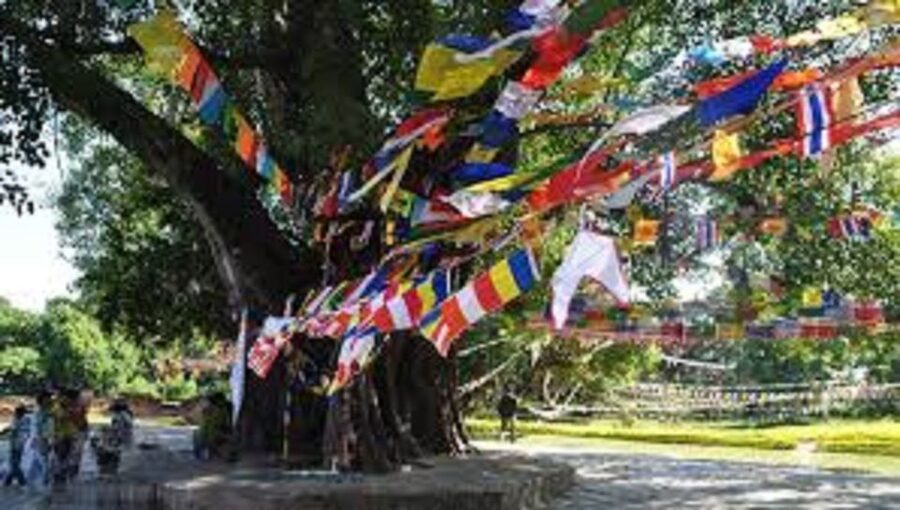
- Mayadevi Temple marks the birthplace: You visit the temple dedicated to Queen Maya Devi, Buddha’s mother, and see the sacred marker stone and nearby pond.
- A private guide changes the visit: Suhail has been praised for answering questions, adjusting the starting time, and helping with access to places that may otherwise be closed.
- The complex is spread out: A tuk-tuk can make the day easier, but it costs extra and is not part of the $38 tour.
- The $38 price covers guidance, not entry: Hotel pickup, drop-off, water, and a private English-speaking guide are included. Food and entrance fees are separate.
- Lumbini is a place for quiet attention: The gardens, shrines, and monasteries suit visitors interested in Buddhism, reflection, and history more than fast sightseeing.
- Plan for simple practical needs: Bring a passport or ID, cash, comfortable shoes, and no large luggage or bags.
Why Lumbini deserves a full day
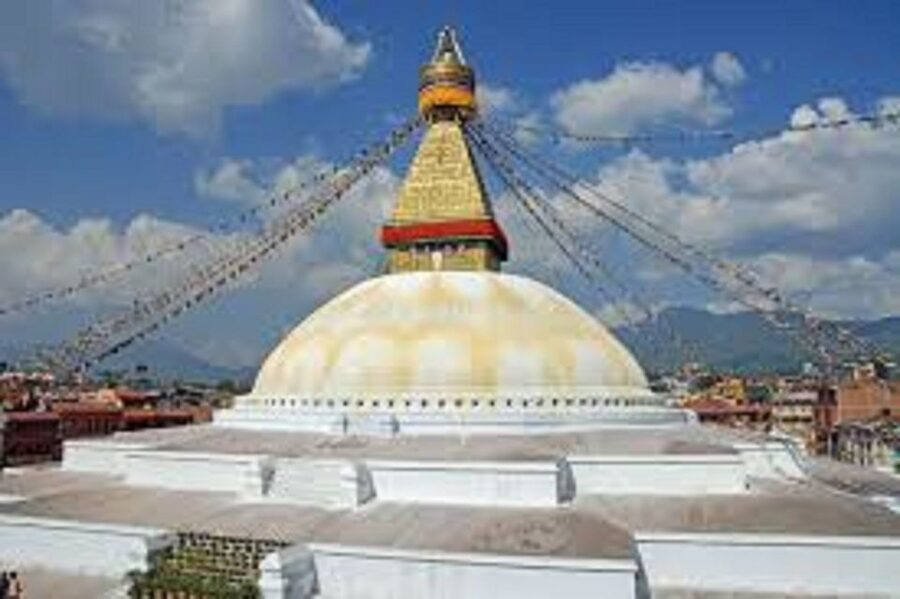
Lumbini is in Nepal’s western Terai region, near the border with India. It is revered as the birthplace of Siddhartha Gautama, who later became Gautama Buddha, and its Sacred Garden is protected as a UNESCO World Heritage site.
The importance of Lumbini is not only found in one temple. The wider Lumbini Development Zone brings together the birthplace site, gardens, archaeological remains, museums, monasteries, temples, and shrines built by Buddhist communities from different countries.
That gives the visit two layers. At Mayadevi Temple, you are dealing with a very specific sacred place. Around it, you see how Buddhist traditions have traveled across Asia and developed distinctive forms of architecture, art, and worship.
I would choose this tour if you want context rather than a quick photo stop. Lumbini can feel peaceful and simple at first glance. A guide helps you understand why the marker stone, pond, monastery designs, and quiet garden paths matter.
The tour is listed as an eight-hour experience, which is a sensible amount of time for a site this large. Still, your actual day may depend on your pace, opening access, and how much time you spend at each monastery. One account describes a four-hour finish because the guide felt there was little else to see. That is worth keeping in mind if you expect a tightly filled eight-hour schedule.
More Temples, Stupas and Monasteries:
- Kathmandu Spiritual Sites: Bodhnath & Pashupatinath Tour
★ 5.0 · 185 reviews - Kathmandu: Chandragiri Cable Car and Monkey Temple Tour
★ 4.8 · 139 reviews - From Kathmandu: 2 Stupas and Kopan Monastery Spiritual Tour
★ 4.8 · 115 reviews
Starting near Mayadevi Temple
Pickup is available from hotels within the Lumbini temple area, defined as a three-kilometer radius from Mayadevi Temple. The guide collects you from your hotel and begins the day from there.
The description calls this a hiking tour, so comfortable shoes are important. At the same time, Lumbini’s main area covers enough ground that you may want to consider a tuk-tuk for part of the visit. The tuk-tuk is not included, and the added charge can change the value calculation.
This is one reason the private format matters. You are not tied to a large group’s pace. You can spend longer at the birthplace site, ask questions about Buddhist symbols, or move on when a monastery is not holding your interest.
The guide speaks English, Nepali, and Hindi. That language range is useful in this part of Nepal, especially if you want basic help beyond the formal sightseeing. The included bottle of water is a small but practical touch during a long day outdoors.
Entering the Mayadevi Temple
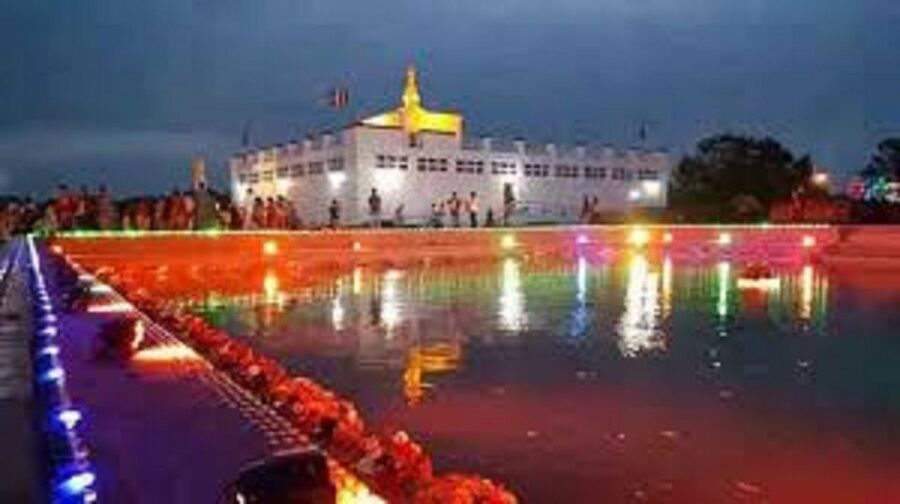
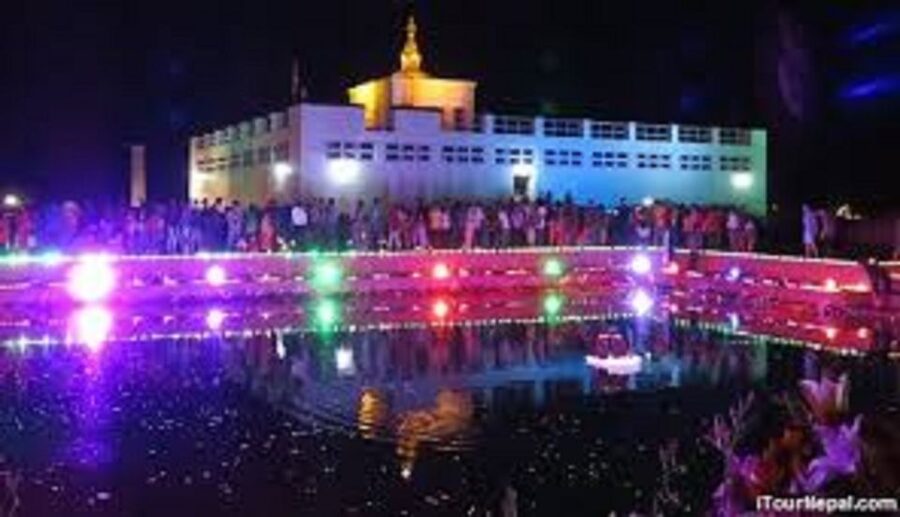
Mayadevi Temple is the central stop. It is dedicated to Queen Maya Devi, the mother of Buddha, and marks the place where she is believed to have given birth to Siddhartha Gautama.
Inside, you see a sacred marker stone identifying the birthplace. The temple also contains archaeological material connected with the site, but the supplied details specifically highlight the marker stone as the key point of interest.
Nearby is a pond where Queen Maya Devi is believed to have bathed before giving birth. This combination of temple, marker, and pond gives the story a physical setting. You are not simply hearing a religious tradition in the abstract. You are standing in a place connected to a specific birth story that has drawn Buddhist pilgrims for centuries.
Your guide’s role is especially useful here. The central area may appear restrained, with few grand visual effects. Clear explanation helps you approach it with the right expectations. Lumbini is about meaning, memory, and quiet attention, not spectacle.
You should also allow for the possibility that access to some areas can vary. Suhail has been praised for helping with private or closed sections, but that should be treated as a benefit when available, not a guaranteed part of every departure.
Walking through the Sacred Garden
The Sacred Garden is part of the Lumbini Development Zone and the UNESCO World Heritage site. Its green setting creates a sharp contrast with the noise and movement found in many South Asian towns.
This is the part of the day where you can slow down. The grounds are suited to reflection, meditation, and a calm walk between the major stops. If you prefer constant activity, the quiet may feel a little spare. If you want a pause from packed sightseeing, it is a strength.
I would not rush through the garden just to reach the next temple. Use the time to notice the layout, sit quietly when appropriate, and ask your guide about the religious meaning of the sites around you.
The word hiking may sound strenuous, but the available information does not describe a demanding trek. The practical point is simply that you should expect time on foot and bring comfortable shoes. A tuk-tuk may reduce walking across the wider complex, though you pay for it separately.
A few more trips worth weighing up before you book
- Kathmandu: Full Day 7 UNESCO Tour with Lunch – Private/Group
★ 5.0 · 415 reviews - Kathmandu: Full Day Top 4 UNESCO Tour with Lunch – Private/Group
★ 5.0 · 269 reviews - Kathmandu: Full-Day 7 UNESCO Tour with Lunch – Private/Group
★ 4.9 · 247 reviews - Full-Day Tibetan Cultural Tour to Tibetan Settlements Pokhara
★ 5.0 · 184 reviews
Comparing monasteries from around the world
One of Lumbini’s most interesting features is the collection of monasteries, temples, and shrines built by Buddhist communities from different countries.
Each complex has its own design, artwork, and religious character. These buildings show how Buddhism has taken different visual forms in different places. For you, this turns the day into more than a visit to one birthplace marker. You also get a broad look at the global spread of Buddhist practice.
A guide gives these sites a useful thread. Without explanation, you may see a series of separate buildings and wonder how they fit together. With context, you can compare their designs and ask why each community created its own form of expression.
The tour is private, so you can spend more time at the monasteries that interest you. Someone drawn to architecture may want a slower look at the details. Someone focused on Buddha’s life may prefer to return attention to Mayadevi Temple and the central garden.
Do not assume that every building will be open or that every entrance is covered by your tour price. Admission fees are excluded, and one particular monastery, Nava Maitri Maha Viharaya, was specifically noted as requiring an additional payment.
Adding the Lumbini Museum
The Lumbini Museum is another useful stop if you want historical background. It contains artifacts and archaeological findings linked to Buddha’s life and the development of Buddhism in the region.
The museum can help balance the spiritual atmosphere of the garden. At the temple, the focus is on sacred belief and pilgrimage. In the museum, objects and archaeological material provide a more historical way to understand Lumbini.
The available details do not specify a separate museum admission price or guarantee that it is included in the tour. Ask the guide what is open and what fees apply before entering.
I would make room for the museum if you enjoy history or want more than a devotional visit. If your priority is meditation and quiet time, you may prefer to spend longer in the garden instead.
Meeting local life outside the main zone
The experience also allows for exploration beyond the principal Lumbini Development Zone. Nearby villages offer a chance to see local life, try traditional Nepali food, and speak with people in the area.
This part is less predictable than the main sights, which is both its appeal and its limitation. The central monuments have a clear purpose. Village visits depend more on time, interest, and what your guide arranges during the day.
Suhail is described as well connected locally and helpful with practical matters. He even helped one visitor find a monastery for several nights. That suggests the guide may be useful beyond formal commentary, especially if you are staying in Lumbini and need local direction.
Food is not included, but it is available for purchase. If you want to sample traditional Nepali dishes, carry cash and ask the guide where to stop. The tour information does not promise a particular restaurant or meal, so treat this as an optional part of the day.
What the private format is worth at $38
At $38 per person, the tour offers a private group, hotel pickup and drop-off within the stated area, a professional English-speaking guide, and one bottle of water.
That is fair value if you want interpretation and a flexible pace. The guide is the main product here. Lumbini’s central sites are accessible to visitors, but the meaning behind them is not always obvious, and the wider zone takes time to cover.
The price is less compelling if you only want to see Mayadevi Temple and leave. You would still need to pay entrance fees, buy food and drinks if needed, and possibly add a tuk-tuk. One German account specifically found the cost relatively high after adding a tuk-tuk and separate admission to Nava Maitri Maha Viharaya.
I would compare the total cost before booking:
- Tour price: $38 per person
- Entrance fees: not included
- Food and drinks: not included
- Tuk-tuk: optional and extra
- Water: one bottle per person is included
The private arrangement may be worth more for a solo visitor or couple who want questions answered. For a group already comfortable exploring on its own, the added guide fee may feel less necessary.
The guide’s strongest contribution
The clearest strength is the guide service. Suhail is praised for being friendly, patient, flexible about the starting time, and willing to answer questions in detail.
That matters at Lumbini because the visit can be both powerful and understated. You may understand the basic story before arriving, but the guide can connect the birth site, garden, monastery traditions, museum material, and local setting.
Suhail has also been credited with helping visitors access private areas and closed doors. Again, access can change, so I would not book on the assumption that every restricted area will open. Still, this local connection can make a private tour more rewarding than simply following a map.
One account refers to the guide as Sahil rather than Suhail. If the name matters when arranging pickup, confirm the guide’s name and meeting details in advance.
The score shown for the experience is 4.9 from six ratings. The praise is consistent about friendliness and explanations, though the shorter-than-advertised day and extra fees are important counterpoints.
What to bring and what to expect
Bring your passport or another form of identification. You should also carry cash, since food, drinks, entrance fees, and possible local transport are not included.
Wear comfortable shoes. Even if you use a tuk-tuk for part of the complex, the tour involves walking around gardens, temples, and monasteries.
Large bags and luggage are not allowed. Leave bulky belongings at your hotel rather than arriving with a suitcase or oversized day bag.
The tour runs rain or shine. Check the forecast, but do not assume poor weather will cancel the day. Light clothing, water, and sensible footwear will help, though the only supplied refreshment is one bottle of water per person.
The activity is not considered suitable for pregnant women. That restriction, along with the walking and outdoor conditions, should guide your decision.
Free cancellation is available up to 24 hours before the start for a full refund. You can also reserve now and pay later, which helps if your Nepal schedule is still shifting.
Who should book this Lumbini day tour?
I would recommend it to visitors who want a private guide, clear explanations, and help organizing a large religious and historical site. It is especially suited to people with a strong interest in Buddhism, archaeology, sacred places, or Asian architecture.
It also makes sense if you are staying within three kilometers of Mayadevi Temple and want hotel pickup without arranging the day yourself. The private format gives you room to ask questions and adjust the pace.
I would think twice if you want a guaranteed eight hours of activity, a package with all admissions included, or a fully transport-covered visit. Ask about the day’s exact plan, entrance charges, and tuk-tuk costs before you commit.
Should you book it?
Book this tour if you want Lumbini explained rather than simply seen. Mayadevi Temple and the Sacred Garden carry enormous religious importance, but a guide can help you read the site with more care. Suhail’s friendly manner, flexible timing, and local help add real value.
Skip it if you are happy exploring independently and want to keep the total price low. The $38 fee is only part of the day’s cost, and the tour may finish early if you move quickly.
For most first-time visitors interested in the story and setting of Buddha’s birthplace, I would book it, then confirm the guide’s name, expected schedule, entrance fees, and tuk-tuk options before the day begins.
FAQ
How long does the Lumbini tour last?
The tour is advertised as eight hours. The actual duration can vary, and one account describes a four-hour finish when the guide felt the main sights had been covered.
What does the $38 price include?
It includes hotel pickup and drop-off within the Lumbini temple area, a private group, a professional English-speaking guide, and one bottle of water per person.
Are entrance fees included?
No. Entrance fees are not included in the tour price. Food and drinks are also separate.
Where is hotel pickup available?
Pickup is available within the Lumbini temple area, described as within a three-kilometer radius of Mayadevi Temple.
Which languages does the guide speak?
The live guide service is available in English, Nepali, and Hindi.
Can I cancel for a refund?
Yes. You can cancel up to 24 hours in advance for a full refund. Reserve now and pay later is also available.
What should I bring to the tour?
Bring a passport or ID card, cash, and comfortable shoes. Large bags and luggage are not allowed.
Just added around Nepal
- Nagarkot Sunrise With 7 UNESCO World Heritage Private Tour★ 5.0 · 3 reviews
- Private Shopping Tour in Kathmandu★ 5.0 · 3 reviews
- Nagarkot Sunrise and Hike to Changu Narayan Temple★ 5.0 · 3 reviews
- Kathmandu: Nightlife and Pub Crawl Tour★ 5.0 · 3 reviews
- Mount Everest Scenic Flight 50 Minutes★ 5.0 · 3 reviews
- Kathmandu: Nagarkot, Bhaktapur, Doleswor & Sanga Statue Tour★ 5.0 · 3 reviews
- Momo Cooking Class -The Art Of Making MoMo with Home Chef★ 5.0 · 3 reviews
- Kathmandu: Momo Making Class with a Local Chef★ 5.0 · 3 reviews
Temples & Monasteries, compared.
Kathmandu Spiritual Sites: Bodhnath & Pashupatinath Tour
Read our review →
Monkey Temple – Swayambhunath Tour – Private/Small Group
Read our review →
Dhulikhel, Namobuddha & Panauti: A Scenic Day Tour from Kathmandu
Read our review →Browse the lists this tour appears in