
Reviewed · TEMPLES & MONASTERIES
Pashupatinath: Evening tour of temple and Aarati ceremony
This is Kathmandu at its most spiritual. I like the combination of Pashupatinath’s pagoda architecture and the evening Aarati ceremony beside the Bagmati River. I also value the private format, English-speaking guide, included transport, and entry fees. The main consideration is that cremation rituals can feel intense, and the tour is not suitable for wheelchair users.
For $57 per person, this three-hour outing offers more than a quick temple visit. It gives you context for the rituals, time around the river ghats, and a close look at one of Nepal’s most important religious sites. The timing matters: sunset brings a change in mood, as the temple grounds give way to lamps, drums, chanting, and prayer.
In This Review
- Key points to know before booking
- Why Pashupatinath feels different from a normal temple tour
- Arriving among the shrines and pagoda roofs
- Reading the smaller shrines and statues
- The Bagmati River and the cremation ghats
- Sunset brings the Pashupati Aarati ceremony
- What the guide adds to three hours
- Is $57 a fair price?
- Who should book this evening experience?
- Practical details for planning the visit
- Should you book Pashupatinath at night?
- FAQ
- How long does the Pashupatinath evening tour last?
- How much does the tour cost?
- What does the price include?
- Is the tour private?
- What language does the guide speak?
- Does the tour include the Pashupati Aarati ceremony?
- Can I see cremation rituals during the tour?
- Is the tour suitable for wheelchair users?
- Can I cancel for a refund?
Key points to know before booking
- The evening timing is the heart of the tour: Pashupati Aarati takes place near sunset, when oil lamps, mantras, and drums create the strongest atmosphere.
- The Bagmati River adds emotional weight: You see sacred rituals and cremation ceremonies at the ghats, an important but serious part of Hindu practice.
- The main temple has UNESCO heritage status: Its pagoda-style design, golden spire, shrines, and statues give the visit strong cultural value beyond the ceremony.
- A private group keeps the experience personal: Your English-speaking guide can explain customs and help you follow what is happening.
- Transport and entry fees are included: The $57 price is easier to justify if you want a guided evening without arranging each part yourself.
- The tour is not designed for wheelchair users: Temple grounds and river areas may be difficult to manage with mobility equipment.
Why Pashupatinath feels different from a normal temple tour
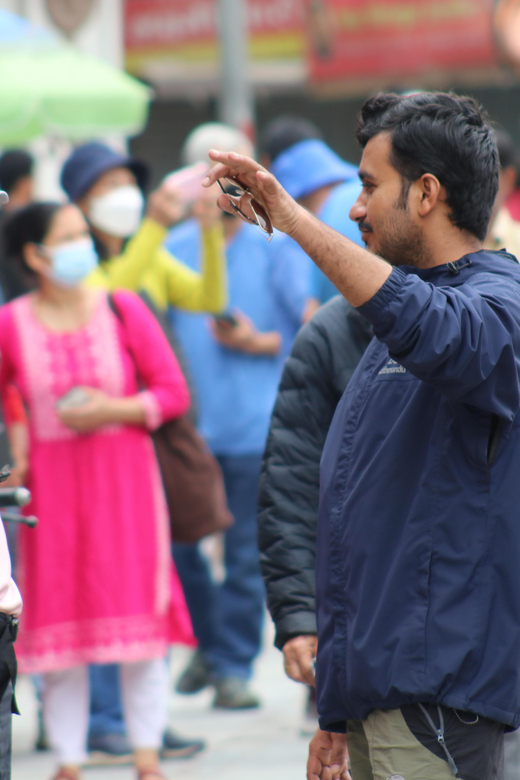
Pashupatinath is not simply a monument you walk through, photograph, and leave behind. It is a working religious complex, filled with worship, offerings, bells, incense, shrines, and daily rites. I like that this tour presents the site as part of living Nepalese culture rather than as an old building frozen in time.
The temple is dedicated to Pashupatinath, a form of Lord Shiva. The main structure has a pagoda-style design and a golden spire, with the sacred lingam of Lord Pashupatinath at its center. Around it, you encounter smaller shrines and murtis, each linked to religious stories and artistic traditions.
Your guide matters here. Without context, the complex can seem like a maze of images, bells, rituals, and movement. With an English-speaking guide, you have someone to explain what you are seeing and why certain acts carry meaning. That makes the $57 cost more useful than paying only for entry and wandering on your own.
The private group format is another plus. You are not being moved through the site in a large crowd, and you can focus on the details that interest you. The available information does not give the guide’s name, but the guide service is in English, and the private arrangement should make questions easier.
More Evening Tours in Kathmandu
- Kathmandu Sunset Tour by Rickshaw Including Durbar Square Visit
★ 5.0 · 73 reviews - 3 Nights 4 Days Chitwan National Park with Tower Night Stay
★ 5.0 · 41 reviews - 3 night 4 Day Yoga & Ayurveda Retreat to Detox the Body & Mind, Nepal
★ 5.0 · 37 reviews
Arriving among the shrines and pagoda roofs
The tour begins with transportation to the Pashupatinath complex, with transport and entry fees included. That removes two small but annoying tasks from your evening. You do not need to arrange a separate ride or work out the entrance process on your own.
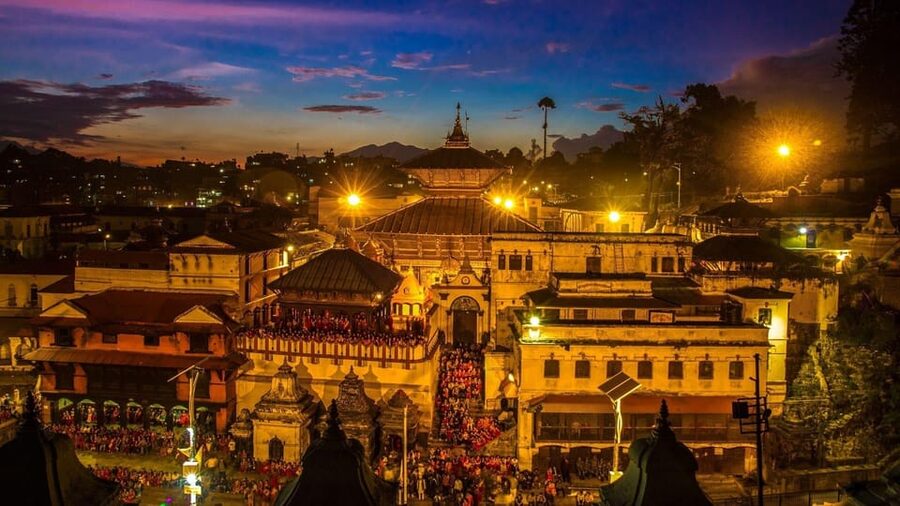
As you approach the temple grounds, look for the layered pagoda roofs and the golden spire of the main temple. The architecture is one of the clearest visual rewards of the visit, but I would not treat it as the whole point. The building matters because it is still part of active worship.
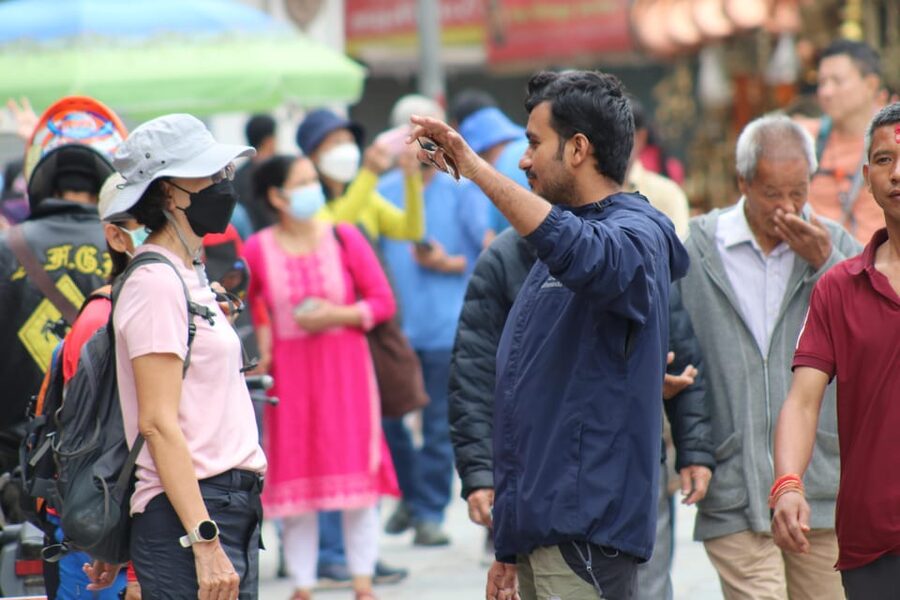
You move through an area used by devotees, pilgrims, and religious workers. Bells ring, incense hangs in the air, and prayers take place among the shrines. This is not a quiet museum setting. You may find the activity absorbing, but you should also expect moments that feel crowded or hard to interpret without help.
The tour includes skip-the-ticket-line access. That can be valuable during a short three-hour visit, since waiting at the entrance would cut into your time at the temple and river.
Reading the smaller shrines and statues
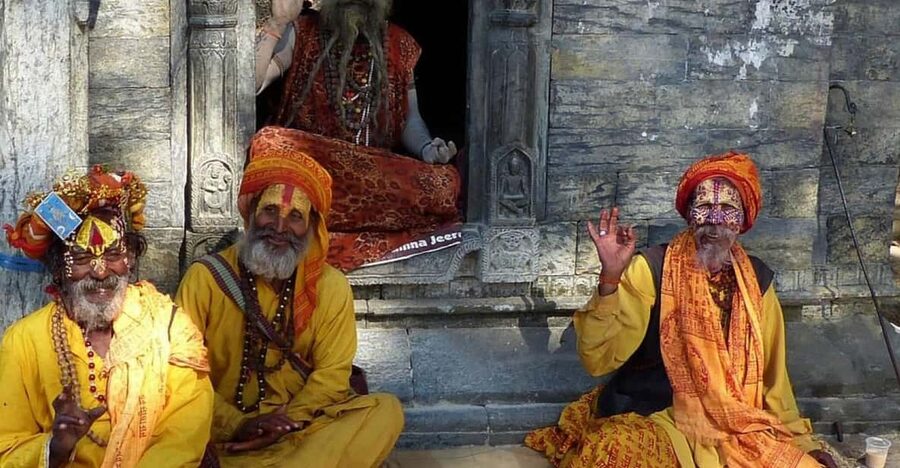
The complex contains more than the main Pashupatinath Temple. You see additional shrines and murtis, or religious statues, scattered through the grounds. Their importance is not always obvious at first glance, which is where the guide’s explanations add real value.
I like this part of the experience because it slows the visit down. You are not only waiting for the Aarati ceremony. You are learning how architecture, sculpture, mythology, and worship fit together within the temple grounds.
The supplied details do not identify every shrine or provide a fixed walking route, so your exact path may vary. That is worth keeping in mind if you want a tightly planned sightseeing checklist. This experience is better suited to someone who wants an introduction to the site’s spiritual and cultural meaning.
The setting also rewards patience. You may find that a bell, lamp, statue, or ritual catches your attention for only a moment. The point is not to collect a set number of sights. It is to notice how ordinary activity and sacred practice share the same space.
The Bagmati River and the cremation ghats
Walking toward the Bagmati River changes the tone of the visit. The riverbank is connected with both worship and cremation, and the ghats are used for solemn funeral ceremonies. This is one of the most important parts of the tour, but also the part you should approach with the most care.
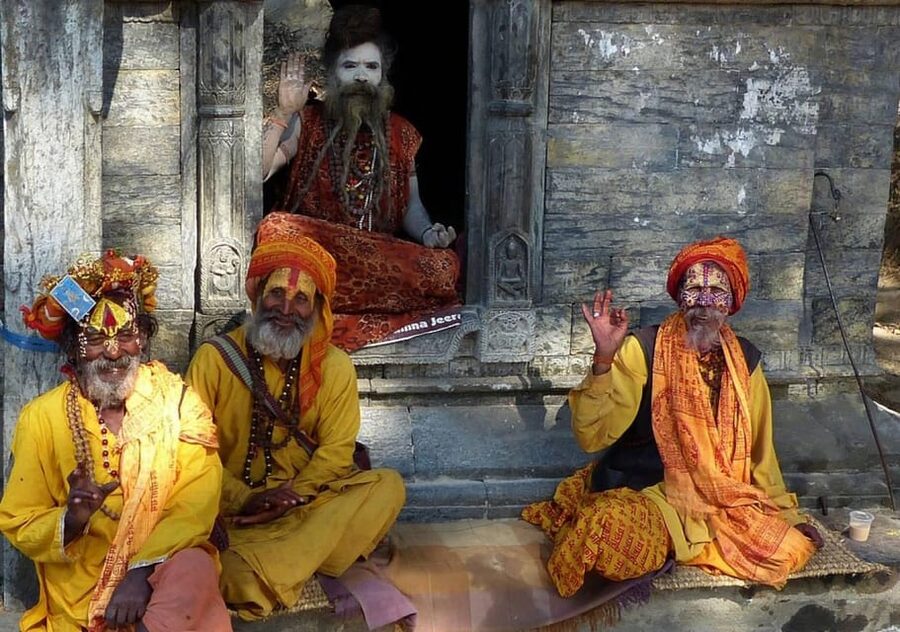
You may witness families saying goodbye to loved ones while priests chant and conduct the rites. The experience can be moving because it presents death as part of religious life, not as something kept out of sight. One Japanese participant described the funeral and ceremony beside the holy river as a powerful experience that changed their view of death, life, and reincarnation.
That reaction tells you something useful about the tour. This is not light evening entertainment. The cremation ghats can bring strong emotions, and you may find the scene difficult. Follow your guide’s direction, keep a respectful distance, and remember that this is a family’s religious ceremony, not a performance arranged for you.
The tour description presents the rituals as part of Nepalese culture, but it does not promise a particular cremation ceremony at a particular moment. What you see can depend on the activity taking place that evening. That uncertainty is part of visiting a working religious site.
More Temples, Stupas and Monasteries:
- Kathmandu Spiritual Sites: Bodhnath & Pashupatinath Tour
★ 5.0 · 185 reviews - Kathmandu: Chandragiri Cable Car and Monkey Temple Tour
★ 4.8 · 139 reviews - From Kathmandu: 2 Stupas and Kopan Monastery Spiritual Tour
★ 4.8 · 115 reviews - Lunch with Nuns – Monastery
★ 5.0 · 75 reviews
Sunset brings the Pashupati Aarati ceremony
The evening Aarati is the tour’s main event. As sunset approaches, the atmosphere shifts near the riverbank. Priests in traditional clothing perform a series of movements with oil lamps, known as diyas, while mantras are chanted and drums create a steady rhythm.
Aarati is an offering of light and prayer. The lamps are not just decorative props. Their movement, the chanting, and the gathered worshippers give the ceremony a clear sense of purpose. I like the way this part of the tour lets you witness a religious practice in its proper setting rather than watching a short demonstration made for tourists.
The ceremony builds toward a shared offering of prayer and respect to Lord Pashupatinath. You may find the repeated movements calming, or you may find the sound and activity intense. Both reactions are reasonable. The tour works best if you allow yourself to watch without trying to explain every moment through a sightseeing lens.
Bring your attention, not just your camera. The supplied details do not promise a particular viewing position or seating arrangement, so do not assume you will have an unobstructed front-row view. Your guide can help you understand the ceremony, but the experience remains one of observing a public religious rite respectfully.
What the guide adds to three hours
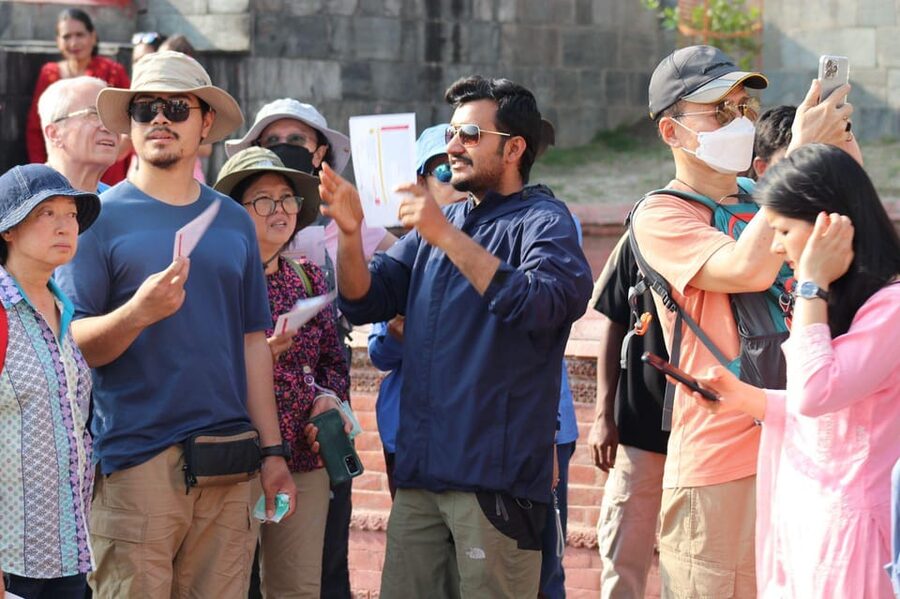
Three hours is enough for a focused visit, but not enough to inspect every part of a large temple complex in great detail. That makes the guide’s role important. You need someone to help you spend your time on the main temple, selected shrines, the river ghats, and Aarati without losing the evening to confusion.
The guide speaks English and leads a private group. I see that as a strong match for first-time visitors to Pashupatinath, especially if religious terms and local customs are unfamiliar. The guide can also help you understand the difference between an everyday act of worship and a ceremony with a wider role.
The available feedback gives the guiding service especially good marks. One French participant described the visit as a complete cultural experience and praised the pleasant guide. Another highlighted a caring guide and mentioned that the tea was very tasty. Tea is not listed as an included feature, so you should not book this expecting refreshments, but the detail suggests there may be a warm hospitality moment during the outing.
No guide name is provided. If you care about a particular guide, ask when booking rather than assuming one will be assigned.
Is $57 a fair price?
At $57 per person, this is not the cheapest way to see Pashupatinath. The value comes from the package: transportation, entry fees, an English-speaking guide, private-group service, and skip-the-ticket-line access are included.
I would consider it fair for someone who wants a simple, organized evening. You are paying for help with logistics and interpretation, not merely access to the temple. The three-hour duration also fits neatly into a Kathmandu evening.
The value is weaker if you already know the complex well, prefer to explore alone, or only want to watch the Aarati. In that case, a private guided visit may feel like more service than you need. For a first visit, though, the combination of sensitive rituals, unfamiliar customs, and limited evening time makes professional guidance useful.
The high rating, 5 out of 5 from three verified bookings, supports the idea that the experience delivers what it promises. The sample is small, so I would not treat it as proof that every evening will be perfect. Still, the praise points to the same strengths: a spiritual atmosphere, a caring guide, and a memorable ceremony.
Who should book this evening experience?
I would recommend it to you if you want to understand Nepal through religious practice, not only architecture. It suits people interested in Hindu traditions, sacred ceremonies, photography of architecture and lamps, and the connection between worship and the cycle of life and death.
It also suits first-time visitors who value having transport arranged and prefer a private group. The experience can help you make sense of the temple grounds without spending your whole evening trying to work out where to go.
I would think twice if you want a relaxed sightseeing stop with no emotionally difficult moments. The cremation ghats are central to the experience, and you may see funeral rites. I would also look for another option if you use a wheelchair, since this activity is specifically listed as unsuitable for wheelchair users.
The best attitude is respectful curiosity. You do not need to share the faith to appreciate the importance of the ceremony, but you do need to remember that the temple and river are places of worship and mourning.
Practical details for planning the visit
The tour lasts three hours, with starting times depending on availability. Since Aarati is tied to the evening and sunset, check the exact start time before booking so you know how the schedule fits your plans.
The listed price is $57 per person. Transportation, entry fees, and an English-speaking guide are included. The group is private, and skip-the-ticket-line access is provided.
You can cancel up to 24 hours in advance for a full refund. You can also reserve now and pay later, which is useful if your Kathmandu plans may change. These policies give you some flexibility, but the exact ceremony timing still deserves attention.
The only stated language is English. If you need another language, confirm availability before you reserve. No other accessibility details are provided beyond the notice that wheelchair users may not find the activity suitable.
Should you book Pashupatinath at night?
Book this tour if you want a guided look at Kathmandu’s religious life, with the Pashupati Aarati as the evening focus. The private group, included transport, and strong praise for the guides make it a practical choice, while the river ghats give the visit emotional and cultural depth.
Skip it if you want only a quick temple photograph, dislike witnessing funeral rituals, or need wheelchair access. For the right visitor, this is more than a monument visit. It is a serious, memorable evening built around worship, light, music, and the human cycle of life and death.
FAQ
How long does the Pashupatinath evening tour last?
The tour lasts three hours.
How much does the tour cost?
The listed price is $57 per person.
What does the price include?
Transportation, entry fees, and an English-speaking guide are included.
Is the tour private?
Yes. The activity is organized for a private group.
What language does the guide speak?
The live tour guide speaks English.
Does the tour include the Pashupati Aarati ceremony?
Yes. The evening tour includes witnessing the Pashupati Aarati ceremony near the Bagmati River.
Can I see cremation rituals during the tour?
The tour takes you along the Bagmati River and the cremation ghats, where you may witness funeral ceremonies and related rituals.
Is the tour suitable for wheelchair users?
No. The activity is listed as unsuitable for wheelchair users.
Can I cancel for a refund?
Yes. You can cancel up to 24 hours in advance for a full refund.
More Evening Experiences
- Kathmandu: Pashupatinath Temple Evening Aarati Tour
★ 5.0 · 36 reviews - Kathmandu: Pashupatinath Temple Aarti Night Tour
★ 4.8 · 29 reviews - Pashupatinath Evening Aarati: Few Divinely Hours in Kathmandu
★ 4.5 · 23 reviews - 2 Night 3 Days Pokhara City Tour
★ 5.0 · 22 reviews
Just added around Kathmandu
- Private Shopping Tour in Kathmandu★ 5.0 · 3 reviews
- Nagarkot Sunrise With 7 UNESCO World Heritage Private Tour★ 5.0 · 3 reviews
- Kathmandu: Nightlife and Pub Crawl Tour★ 5.0 · 3 reviews
- Mount Everest Scenic Flight 50 Minutes★ 5.0 · 3 reviews
- Momo Cooking Class -The Art Of Making MoMo with Home Chef★ 5.0 · 3 reviews
- Kathmandu: Nagarkot, Bhaktapur, Doleswor & Sanga Statue Tour★ 5.0 · 3 reviews
- Makalu Base Camp Trek★ 5.0 · 3 reviews
- Everest Experience Trek 6 Day Hiking Adventure★ 5.0 · 3 reviews
Temples & Monasteries, compared.
Kathmandu Spiritual Sites: Bodhnath & Pashupatinath Tour
Read our review →
Monkey Temple – Swayambhunath Tour – Private/Small Group
Read our review →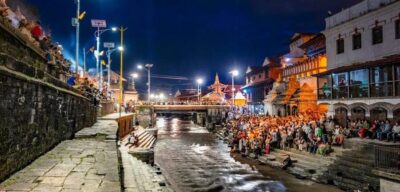
Dhulikhel, Namobuddha & Panauti: A Scenic Day Tour from Kathmandu
Read our review →Browse the lists this tour appears in