
Reviewed · KATHMANDU TOURS
Best of Nepal
Nepal rewards the curious eye. This 10-day Best of Nepal trip connects Kathmandu’s temples, Pokhara’s mountain views, and Chitwan’s jungle without making you arrange each transfer yourself. I like the wide range of places covered, and I like that breakfast, several other meals, hotel pickup, and a local guide are included.
The strongest parts are the sunrise at Sarangkot and the scenic road to Pokhara beside the Trisuli and Marsyangdi rivers. You should, however, prepare for long drives, including a roughly seven-hour journey to Pokhara and another to Chitwan. Haze can also soften mountain views, so flexibility helps.
The tour has a 5 out of 5 rating from 42 ratings, with 100 percent recommending it. Guides such as Birodh have earned special praise for explaining sites clearly, taking photographs, helping with practical details, and adjusting to the group.
In This Review
- Key points to know before booking
- A broad first look at Nepal
- Day 1: Arriving beneath the Kathmandu peaks
- Day 2: Patan’s carved courtyards and Swayambhunath
- Day 3: The long, scenic road to Pokhara
- Day 4: Sarangkot sunrise and the Naudanda walk
- Day 5: Phewa Lake, the Peace Stupa, and a schedule detail
- Day 6: From Pokhara to Chitwan’s jungle edge
- Day 7: Walking, elephants, and Tharu performance
- Day 8: Bird watching and the return to Kathmandu
- Day 9: Bhaktapur’s old squares
- Day 10: A simple finish in Kathmandu
- What the $990 price really covers
- Communication and guide support
- Should you book the Best of Nepal?
- FAQ
- How long does the Best of Nepal tour last?
- What places are included?
- Is hotel pickup included?
- Are meals included?
- How long is the drive from Kathmandu to Pokhara?
- How long is the drive to Chitwan?
- Is the tour suitable for children?
- How large can the group be?
- What is the cancellation policy?
Key points to know before booking
- Kathmandu, Pokhara, and Chitwan in one trip: You see Nepal’s cultural center, mountain-view country, lakeside Pokhara, and a jungle park in a single journey.
- Sarangkot sunrise and a Naudanda walk: Day four adds an early Himalayan viewpoint and a roughly three-hour walk on a mostly level path.
- Meals are partly covered: The package includes seven breakfasts, two dinners, and three lunches, while other food and drinks cost extra.
- Long road days shape the trip: The drive to Pokhara takes about seven hours, Chitwan also takes about seven hours, and the return to Kathmandu takes about six.
- Small details can make a difference: Birodh is praised for guiding, photography, and restaurant suggestions, while Raj is noted for clear communication before arrival.
- A practical family option: Most people can participate, children must be with an adult, and the group can include up to 30 people.
A broad first look at Nepal
At $990 per person, this is best understood as a guided survey of Nepal rather than a slow stay in one region. You cover Kathmandu, Patan, Pokhara, Sarangkot, Naudanda, Chitwan, and Bhaktapur, with transport tying the whole route together.
I like this approach if you have about 10 days and want variety. In one trip, you move from Buddhist and Hindu monuments to Himalayan viewpoints, then on to wildlife and Tharu culture. You also avoid the work of organizing several hotel transfers and regional connections.
The tradeoff is time on the road. Nepal’s highways can turn short distances into full-day journeys, and this schedule gives you only a taste of each place. If your main goal is trekking, this is not the right package. If you want a first look at the country with a guide handling the structure, it makes better sense.
The maximum group size is 30. That is large enough to affect the pace at busy sights, but the included local guide should help keep the days orderly. Feedback gives particular weight to Birodh, who is described as friendly, professional, helpful with photographs, and good at adjusting to the group. Guide assignments can change, so treat that as a useful possibility rather than a promise.
A few more trips worth weighing up before you book
- Everest Base Camp Trek – 14 Days
★ 5.0 · 1,499 reviews - Private Kathmandu Sightseeing Tour | UNESCO World Heritage sites
★ 5.0 · 756 reviews - Everest Base Camp Helicopter Tour landing at Everest View Hotel
★ 5.0 · 668 reviews
Day 1: Arriving beneath the Kathmandu peaks
Your first day begins in Kathmandu, with airport or hotel pickup included. On a clear flight into the valley, snow-capped peaks may appear below the aircraft. That first glimpse gives you a quick sense of Nepal’s setting before you even reach the city.
The scheduled Kathmandu stop lasts about an hour and has no separate admission charge. Since this is an arrival day, do not expect a full sightseeing program. The value is practical: pickup, orientation, and a gentle start after your flight.
Kathmandu is also a place where weather matters. Haze may block distant mountains, and city traffic can slow transfers. Keep your first day light, drink water, and resist the urge to judge the entire country by the first few hours in the valley.
Day 2: Patan’s carved courtyards and Swayambhunath
Patan Durbar Square gets the longest visit on day two, about three hours, and admission is included. Located in Lalitpur, it is one of the three royal squares in the Kathmandu Valley recognized by UNESCO.
This is a good place to take your time with Nepal’s traditional architecture. Look closely at the carved wood, brickwork, shrines, and layered courtyards rather than rushing from one photo stop to the next. Your guide can add the historical setting that makes the buildings easier to understand.
After Patan, you visit Swayambhunath, often called the Monkey Temple. The site is described as the largest and holiest Tibetan Buddhist temple outside Tibet, and the visit lasts about an hour with no separate admission charge.
The name tells you one practical detail: monkeys are part of the scene. Keep food tucked away and pay attention to your belongings. Swayambhunath also gives you a strong introduction to Kathmandu’s religious life, while Patan provides a more architectural and courtly contrast.
Two major sights in one day make this an efficient start, though the pace may feel full for younger children or anyone adjusting to jet lag.
Day 3: The long, scenic road to Pokhara
After breakfast, you drive toward Pokhara along the Trisuli and Marsyangdi rivers. The trip is listed at roughly seven hours, so this is a transport day, not a quick hop between cities.
The payoff is the changing view from the road. You may see river valleys, hills, and, when conditions are clear, Ganesh Himal and Manaslu. The route itself is part of the experience, but you should bring patience. A seven-hour drive can feel longer when traffic or road conditions slow the journey.
Pokhara has a calmer feel than Kathmandu in the way this trip presents it, with the lake and mountain country becoming the focus. Arriving here after the road journey gives you a useful change of pace, even though the schedule leaves limited time for an unplanned evening.
The included breakfast helps on this early departure day. Other meals are not automatically covered unless they are among the three included lunches or two included dinners, so check each day’s meal plan with the operator.
A different sort of day from Kathmandu:
- Half day cooking class in Thamel kathmandu
★ 5.0 · 607 reviews - Everest Base Camp Trekking
★ 5.0 · 485 reviews - Nagarkot Sunrise View and Day Hiking from Kathmandu
★ 5.0 · 471 reviews - Kathmandu: Full Day 7 UNESCO Tour with Lunch – Private/Group
★ 5.0 · 415 reviews
Day 4: Sarangkot sunrise and the Naudanda walk
Day four begins early with a drive to Sarangkot, a hill known for sunrise over the Himalaya. The stop is listed at about 30 minutes, with admission included.
The timing is the key. You go for the first light, when the Annapurna range, Machhapuchhre, and nearby peaks may catch the sun. Clear weather is never guaranteed, and haze can reduce the view, but the early start is still worthwhile for anyone who wants a mountain viewpoint without a multi-day trek.
From Sarangkot, the program includes a hike to Naudanda lasting about three hours. The path is described as level, which makes it more approachable than a steep mountain hike, though three hours on foot still requires comfortable shoes and a reasonable level of fitness.
After the walk, you drive from Naudanda back to Pokhara. This is one of the most balanced days in the schedule: a short scenic viewpoint, a longer walk, and a return to town. If you have children or anyone who dislikes early mornings, the sunrise departure is the part to discuss before booking.
Day 5: Phewa Lake, the Peace Stupa, and a schedule detail
The day five description centers on Devi’s Fall, but the detailed activity refers to a boat ride across Phewa Lake followed by a hike to the World Peace Stupa. The timing shown for Devi’s Fall is only four minutes, which clearly does not describe the full lake and stupa outing.
That mismatch is worth clarifying with Outfitter Nepal before you pay. You should ask how much time is allocated to Devi’s Fall, Phewa Lake, and the Peace Stupa, and whether the boat ride and hike are both definitely included.
The Phewa Lake crossing leads to a walk of about an hour up to the World Peace Stupa. From there, the stated reward is a view across the lake, toward the Himalayas, and over Pokhara. This is a fine contrast to Sarangkot, since the viewpoint gives you a wider sense of the town and water below.
Admission is listed as included. The boat ride and uphill walk add some physical effort, but the program does not present this as a technical hike. Since the day’s description is not perfectly clear, written confirmation is sensible, especially if you are booking for a family.
Day 6: From Pokhara to Chitwan’s jungle edge
After breakfast, you drive for about seven hours to Chitwan National Park. You check into a jungle lodge and take part in a Tharu village visit in the evening.
This is another long road day, but it moves the trip into a very different part of Nepal. You leave the mountain-view region and reach the lowland park area, where wildlife and local Tharu culture take center stage.
The village visit gives the Chitwan portion a human side instead of making it only a wildlife stop. You get a look at local life before the next day’s walking and elephant-related activities.
Admission to Chitwan is included. The package does not list every lodge detail, room category, or wildlife guarantee, so you should ask the operator what accommodation level and daily schedule apply to your departure.
Day 7: Walking, elephants, and Tharu performance
Day seven is the main Chitwan activity day, with about six hours planned. It includes jungle walking, watching elephants bathe, and a visit to an elephant breeding center.
The jungle walk is the most active part of the trip. You should follow the guide’s instructions closely and wear practical shoes. The program does not promise sightings of any particular animal, so judge the day by the setting and the guide’s interpretation rather than by a checklist.
The elephant activities may interest families, but they also deserve thoughtful attention. Watching elephants bathe and visiting a breeding center can be meaningful, yet conditions and animal-welfare standards vary by place. Ask Outfitter Nepal what the visit involves if this issue matters to you.
In the evening, dinner is paired with a Tharu cultural stick dance. That adds a welcome local performance to the wildlife schedule and gives the day a clear sense of place. One of the two included dinners is likely used during this Chitwan stay, but confirm the exact meal schedule.
Day 8: Bird watching and the return to Kathmandu
The morning begins with a bird-watching tour before the roughly six-hour drive back to Kathmandu. The early activity gives you one last reason to be outdoors in Chitwan before returning to the capital.
This day combines a short nature outing with another long transfer. You should expect little sightseeing after arriving in Kathmandu, since the evening is free after hotel check-in.
That free evening is useful. You can rest, sort photographs, or arrange your own meal. Food and drinks beyond the specified inclusions are not covered, so this is a good night to choose your own restaurant.
Day 9: Bhaktapur’s old squares
The final full sightseeing day takes you to Bhaktapur Durbar Square. The schedule gives the stop only five minutes, which is almost certainly an abbreviated timing entry rather than the full visit. Ask for the actual duration before booking, because Bhaktapur deserves more than a quick roadside glance.
Bhaktapur is known for major historic buildings and a distinctive old city setting. The day is described as a full tour, so you should expect this to be more substantial than the short time shown in the schedule summary.
The visit pairs well with Patan. Patan gives you one version of valley architecture and royal space, while Bhaktapur offers another. If you enjoy temples, courtyards, and traditional city design, this is one of the trip’s essential stops.
Admission is included. As with other heritage sites, the guide matters. A good explanation can help you notice small carvings, religious symbols, and the way public squares were used, rather than seeing only a row of impressive façades.
Day 10: A simple finish in Kathmandu
The last day returns you to Kathmandu for about an hour, with hotel or port drop-off included. The description frames the trip as a final departure or transfer day rather than another major sightseeing stop.
That is appropriate after nine active days. You have covered cultural sites, mountain viewpoints, walking routes, wildlife activities, and several long drives. Keep your departure timing in mind and confirm the exact pickup plan with the operator.
What the $990 price really covers
The price offers solid value for someone who wants transport and guiding arranged across several regions. Included services cover taxes, handling charges, a local guide, hotel or port pickup and drop-off, seven breakfasts, two dinners, and three lunches.
That is not a full meal plan. Food and drinks outside those listed meals are excluded, so budget for additional lunches, dinners, snacks, and beverages. The package also does not spell out every accommodation detail, so ask about hotels and the Chitwan lodge before committing.
The value is strongest if you would otherwise need to arrange several long road transfers, local guides, park entry, and sightseeing admissions. It is less compelling if you prefer independent travel, long stays in each city, or a private schedule.
Group discounts are available, and the maximum group size is 30. Children must be accompanied by an adult, while most people can participate. The family-friendly label is useful, but the long drives, early Sarangkot departure, three-hour walk, and jungle activities still require a realistic look at your group’s stamina.
Communication and guide support
Raj receives praise for prompt communication and for discussing plans before arrival. That matters on a multi-stop trip, especially when the schedule contains short timing entries or a Day 5 description that needs clarification.
Namaraj Gauli is identified as the tour operator in one account, and Birodh receives especially warm praise as a guide. Birodh is described as good at explaining the history behind each place, taking photographs, helping with practical needs, choosing restaurants with good views and food, and adapting to the people in the group.
Those are the small services that can shape a trip. Still, guide assignments are not guaranteed in the details provided. Contact Outfitter Nepal before departure with questions about the guide, group size, hotels, meal schedule, and the exact Day 5 and Day 9 timing.
The cancellation terms are strict close to departure. Cancel at least six full days before the start for a full refund, two to six days before for a 50 percent refund, and within two days for no refund. Changes follow the same cutoffs, based on local time.
Should you book the Best of Nepal?
Book this trip if you want a well-organized first visit with Kathmandu culture, Pokhara mountain views, Chitwan nature, included transfers, and a guide. It suits families with older children, couples, solo visitors who want support, and anyone who values seeing several parts of Nepal in limited time.
Think twice if you dislike long road journeys, need a slow pace, or want a serious Himalayan trek. You should also clarify the Day 5 activity, the true length of the Bhaktapur visit, accommodation standards, and which exact meals are included.
For the right person, $990 is a sensible price for a broad introduction to Nepal. It gives you variety and logistical help, but the cost of that variety is time on the road and less freedom to linger.
FAQ
How long does the Best of Nepal tour last?
The tour lasts approximately 10 days, with activities scheduled from Day 1 through Day 10.
What places are included?
The program includes Kathmandu, Patan Durbar Square, Swayambhunath, Pokhara, Sarangkot, Naudanda, Devi’s Fall, Chitwan National Park, and Bhaktapur Durbar Square.
Is hotel pickup included?
Yes. Hotel or port pickup and drop-off are included.
Are meals included?
Yes, the package includes seven breakfasts, two dinners, and three lunches. Other food and drinks are not included.
How long is the drive from Kathmandu to Pokhara?
The schedule describes the drive to Pokhara as about seven hours, using a scenic route beside the Trisuli and Marsyangdi rivers.
How long is the drive to Chitwan?
The drive from Pokhara to Chitwan National Park takes about seven hours.
Is the tour suitable for children?
The tour is described as family-friendly, but children must be accompanied by an adult.
How large can the group be?
The maximum group size is 30 people.
What is the cancellation policy?
Cancel at least six full days before the start time for a full refund. Cancellation two to six full days before the start time receives a 50 percent refund. Cancellation within two full days receives no refund.
Just added around Kathmandu
- Private Shopping Tour in Kathmandu★ 5.0 · 3 reviews
- Nagarkot Sunrise With 7 UNESCO World Heritage Private Tour★ 5.0 · 3 reviews
- Mount Everest Scenic Flight 50 Minutes★ 5.0 · 3 reviews
- Kathmandu: Nightlife and Pub Crawl Tour★ 5.0 · 3 reviews
- Momo Cooking Class -The Art Of Making MoMo with Home Chef★ 5.0 · 3 reviews
- Kathmandu: Nagarkot, Bhaktapur, Doleswor & Sanga Statue Tour★ 5.0 · 3 reviews
- Makalu Base Camp Trek★ 5.0 · 3 reviews
- Kathmandu: Momo Making Class with a Local Chef★ 5.0 · 3 reviews
Kathmandu Tours, compared.


Private Kathmandu Sightseeing Tour | UNESCO World Heritage sites
Read our review →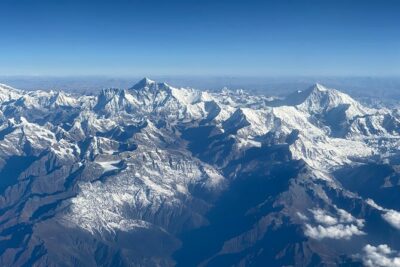
Everest Base Camp Helicopter Tour landing at Everest View Hotel
Read our review →

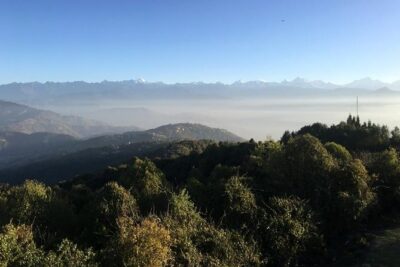
Nagarkot Sunrise View and Day Hiking from Kathmandu
Read our review →
Full Day 7 UNESCO Tour with Lunch – Private/Group
Read our review →