
Reviewed · KATHMANDU TOURS
Experiential Career Break trip to Nepal for Gap year and Sabbatical travelers
Nepal rewards curious minds. This nine-day career-break experience links Kathmandu’s famous shrines with quieter villages, hill walks, monastery time, and meals with local communities. I like the way it reaches beyond the usual sightseeing circuit, especially Bajrayogini and Panauti, two places many short Nepal visits miss. I also like the useful mix of private transport, guided walks, village contact, and included meals.
The main caution is pace. You will cover many places in nine days, with several hikes and changes of setting. Communication also deserves attention: one past participant reported serious trouble with an English-speaking guide, while other feedback praised the organization, drivers, and guides. Confirm your guide’s language skills before paying.
In This Review
- Key reasons this Nepal trip deserves a closer look
- What this nine-day Nepal experience is really offering
- Day 1: Monkeys, palace courtyards, and Kathmandu markets
- Day 2: Boudhha and the road to Bajrayogini
- Day 3: Nagarkot views followed by Ghimire village life
- Day 4: Tukucha Nala and the walk toward Dhulikhel
- Days 5 and 6: Two very different days at Namo Buddha
- Day 7: Panauti’s temples and local craft
- Day 8: Bhaktapur and the Newari past
- Day 9: A flexible final day in Kathmandu
- Meals, transport, pace, and group size
- Who should book this $980 Nepal program?
- Should you book it?
- FAQ
- Where does the tour take place?
- How long does the experience last?
- What is the price?
- Is transportation included?
- Are meals included?
- Is this a private tour?
- Are entrance fees included?
- Is travel insurance included?
- Can I cancel for a full refund?
Key reasons this Nepal trip deserves a closer look
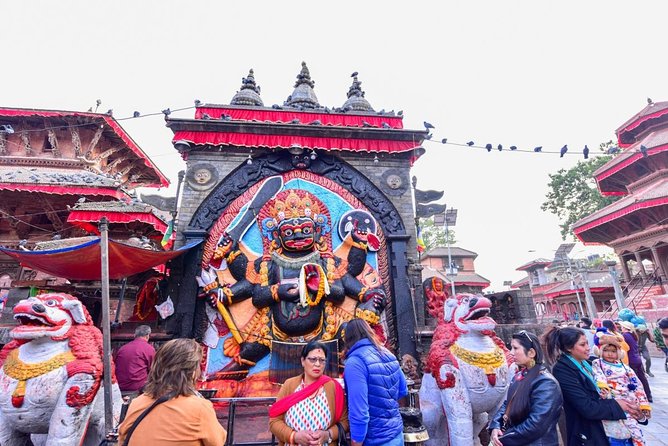
- Kathmandu beyond the postcard stops: Swayambhunath, Asan Market, Nardevi’s Ayurvedic shops, shrines, and old palace courtyards reveal several sides of the capital.
- A real village component: Ghimire Gaun includes three hours of local life after the Nagarkot walk, rather than a quick photo stop.
- Monastery time at Namo Buddha: Two days focus on monks, meditation, morning walks, and daily routines.
- Several worthwhile hikes: The route includes Jarsing Pauwa, Nagarkot, Dhulikhel, and Namo Buddha, so this is not a sit-in-the-car tour.
- Good coverage for the price: At $980, the package includes private transportation, seven breakfasts, six lunches, six dinners, and listed fees and taxes.
- A private format: Only your group takes part, which can help with questions, walking speed, and time at religious sites.
What this nine-day Nepal experience is really offering
This is best understood as a cultural career break with walking built into it. You are not simply collecting temples. You move from Kathmandu’s dense old streets to hill viewpoints, village homes, monastery grounds, and historic Newari towns.
That makes the trip appealing after a demanding job or a long period of routine. The days give you plenty to think about, but they are not designed as a retreat with long empty afternoons. You will usually be visiting, walking, eating, or moving to the next overnight setting.
The provider describes the experience as suitable for gap-year and sabbatical travelers. That makes sense. The route is social and reflective, with chances to meet local people and see ordinary community life. It also suits anyone who wants Nepal’s religious and cultural side more than a high-altitude trekking holiday.
The package costs $980 for roughly nine days. That is a fair value if you make use of the included meals and private transport. Seven breakfasts, six lunches, and six dinners cover most of the tour’s food needs, while private transport removes the trouble of arranging every transfer yourself.
Still, check exactly what is covered in writing. Kathmandu Durbar Square lists an admission charge as not included, while Hanuman Dhoka and Bhaktapur Durbar Square list admission as included. Personal expenses and travel insurance are not covered. Those details are manageable, but your final budget should allow for entry fees, drinks, souvenirs, tips, and anything extra.
A few more trips worth weighing up before you book
- Everest Base Camp Trek – 14 Days
★ 5.0 · 1,499 reviews - Private Kathmandu Sightseeing Tour | UNESCO World Heritage sites
★ 5.0 · 756 reviews - Everest Base Camp Helicopter Tour landing at Everest View Hotel
★ 5.0 · 668 reviews
Day 1: Monkeys, palace courtyards, and Kathmandu markets
The first day gives you a strong introduction to Kathmandu Valley. You begin at Swayambhunath, the hilltop stupa commonly called the Monkey Temple. Its religious importance reaches back to the fifth century, and the hill setting gives you a useful first view over Kathmandu.
Allow yourself to slow down here. The site is not just a quick photo stop. Prayer flags, shrines, and Buddhist and Hindu elements share the hill, offering an early lesson in the way religious traditions overlap in Nepal.
From there, the route turns toward Shobha Bhagawati, a pagoda-style shrine dedicated to the Hindu goddess Bhagawati. The listed visit is only ten minutes, so expect an introduction rather than a long study of the site. Nearby statues and local explanation add context, especially if your guide can explain the temple’s role during Dashain.
Bijayashwari and Nardevi bring you into less familiar parts of the city. Nardevi is especially memorable for its Ayurvedic medicine shops, whose natural herbs and remedies give the street a distinct smell. You may be able to step into one of the shops, look around, ask questions, or buy something, though you should treat any purchase as optional.
Kathmandu Durbar Square follows. This former royal center is packed with temples, shrines, and palace buildings, so thirty minutes can feel short. The listed admission is not included, and you should confirm the current charge before arrival.
You also visit Kumari Chowk, home of the Kumari, Nepal’s living goddess. Meeting her is possible only at the right time, and there is no guarantee. The visit is brief, and the Kumari does not speak with visitors, so approach it as a glimpse into a living tradition rather than a personal encounter.
Hanuman Dhoka, the old royal museum area, receives a longer visit. This is where the day’s political and royal story becomes clearer. Afterward, a local clothing and textile market leads into Asan, one of Kathmandu’s best places to see daily trade in food and household goods.
Asan is not polished sightseeing. It is a working market with vegetables, dried produce, meat, fish, pickles, groceries, and traditional clothing. Watch your footing, stay close to your group, and keep valuables secure. The reward is a much more ordinary view of Kathmandu than you get in the main squares.
Day 2: Boudhha and the road to Bajrayogini
Boudhha, often known as Boudhanath, brings a calmer rhythm. The huge Tibetan Buddhist stupa is surrounded by monasteries and a silk thangka painting school. Walking around the stupa, you will see prayer flags and encounter the repeated Buddhist mantra Om Mani Padme Hum.
The scheduled thirty minutes is enough for an introduction, but I would want more time here if possible. The value lies in observing how people use the site for prayer and daily practice, not only in seeing the structure.
Next comes Bajrayogini, a one-hour visit that gives the tour its independent spirit. The name combines vajra, meaning strong or powerful, with yogini, a female yogi. Local stories and evidence around the temple are part of the experience, and a local guide can help connect the religious ideas with the place itself.
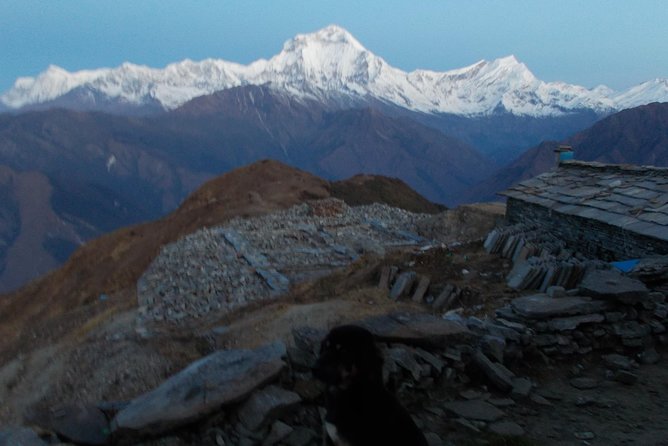
The day ends with a hike to Jarsing Pauwa viewpoint. You are promised views of the Himalayas and nearby scenery, but mountain visibility depends on weather. The walk adds physical variety after two religious stops and makes this a full day rather than a string of roadside visits.
Day 3: Nagarkot views followed by Ghimire village life
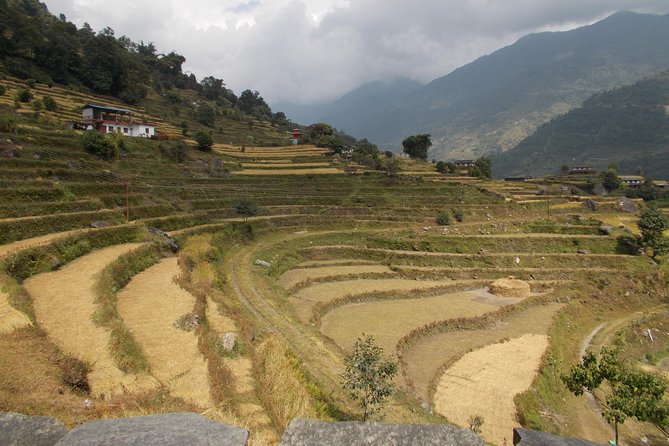
The Nagarkot panoramic trail passes through villages, terrace fields, hills, and woods. The listed hiking time is one hour, so this is a moderate outing rather than a major trek. You are walking through lived-in rural areas, not simply heading to a lookout by vehicle.
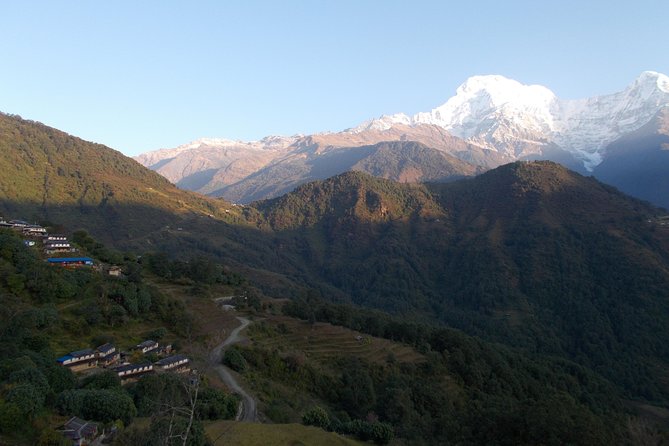
Nagarkot is a popular hill station near Kathmandu, known for broad mountain views and sunset. Clear skies matter. Do not judge the walk only by whether the Himalayas appear, since the village and farming scenery still give the route value on a cloudy day.
The day’s more unusual feature comes after sunset, when you hike to Ghimire Gaun. You spend about three hours in the village and receive a local welcome. This is one of the strongest parts of the program because it changes your role from observer to temporary participant in village life.
The itinerary does not specify the exact accommodation arrangements, so ask whether the village stay means sleeping with a family, visiting for an evening, or taking part in a hosted meal. The answer matters for comfort, luggage, privacy, and expectations.
A different sort of day from Kathmandu:
- Half day cooking class in Thamel kathmandu
★ 5.0 · 607 reviews - Everest Base Camp Trekking
★ 5.0 · 485 reviews - Nagarkot Sunrise View and Day Hiking from Kathmandu
★ 5.0 · 471 reviews - Kathmandu: Full Day 7 UNESCO Tour with Lunch – Private/Group
★ 5.0 · 415 reviews
Day 4: Tukucha Nala and the walk toward Dhulikhel
Day four is a long rural day. At Tukucha Nala, local people guide you around a monastery and several historic temples before taking you toward quieter places near the village. Five hours is a substantial block of walking and local exploration.
This part should appeal to you if you prefer conversation and observation over famous monuments. It also depends heavily on the quality of the local explanation. Ask questions, since the value comes from understanding what you are seeing rather than merely passing through it.
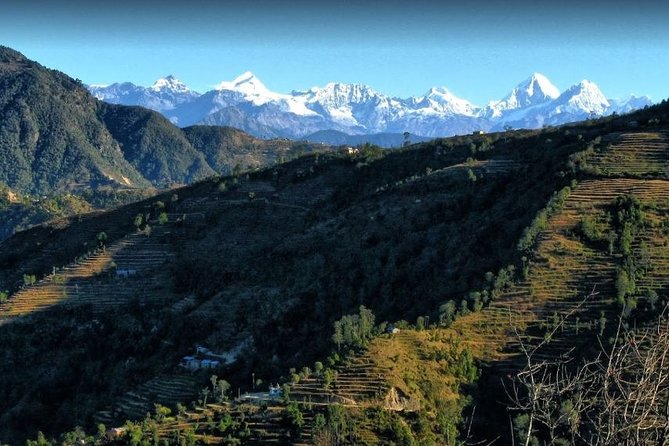
Later, you hike from the Nagarkot area toward Dhulikhel for about three hours. The route passes villages and greenery, with mountain views possible on a clear day. This is a useful transition between the Kathmandu Valley and the monastery portion of the trip.
The practical issue is fatigue. The previous day already included a trail and village time, and day four adds five hours plus another three-hour walk. Good shoes, a modest daypack, and a willingness to keep a steady pace will help. If you dislike consecutive walking days, ask the operator how much flexibility the private format allows.
Days 5 and 6: Two very different days at Namo Buddha
Namo Buddha is the spiritual center of the route. You hike there from Dhulikhel and spend time at Thrangu Tashi Yangtse Monastery, with four hours allocated for the visit and related walking.
The appeal is not only the monastery’s setting. You get a chance to learn about monastic life and spend quiet time with monks. That is far more meaningful than stopping for ten minutes, taking a photograph, and leaving.
Day six continues the theme. In the morning, you descend to a nearby village for a hike with monks, then return to learn about their daily routine, including meditation. Six hours gives this subject room to breathe.
You should approach this respectfully. This is a religious community, not a staged performance, and the quality of the experience depends on listening and following local guidance. Modest clothing and quiet behavior are sensible choices, even though specific dress rules are not provided.
The two-day stay also provides a needed change of pace. After Kathmandu’s traffic and crowded markets, the monastery period offers more quiet and reflection. For a person taking time away from work, this may be the part that gives the trip its strongest personal value.
Day 7: Panauti’s temples and local craft
Panauti is a historic town with temples dating to the fifteenth century. The route describes about forty temples dedicated to different deities, along with old houses and narrow streets. Three hours of town exploration lets you see more than one central square.
The town is valuable because it feels like a place where people live, not only a preserved monument. Look closely at the buildings, carved details, courtyards, and street patterns. A good guide can explain how religious sites fit into community life.
The Panauti Museum sits inside Indreshwor Temple. Two hours here focuses on stone and woodwork made within the community. This is a good companion to the town walk because you can see both the finished religious buildings and the artistic skills behind them.
Admission is listed as included. The museum visit may be especially useful if you want context for the architecture seen earlier in Kathmandu and Bhaktapur.
Day 8: Bhaktapur and the Newari past
Bhaktapur, the City of Devotees, brings you back to a major heritage center. You have three hours to explore the wider Newari town, followed by two hours at Bhaktapur Durbar Square.
The town is known for its food, traditions, streets, and architecture. Give yourself time to look beyond the largest temples. The appeal is in the combination of old buildings and ongoing daily life.
Bhaktapur Durbar Square contains major monuments, including Nyatapola, the five-story temple. The two-hour allocation is much more comfortable than the shorter Kathmandu Durbar Square stop. Admission is listed as included here.
Because the tour has already covered several temples, you may feel some repetition by this point. The difference is architectural and cultural: Kathmandu, Panauti, and Bhaktapur each show another version of valley life. Your guide’s explanations will make the contrast clearer.
Day 9: A flexible final day in Kathmandu
The final day is intentionally open, with about two hours for Kathmandu as you choose. You may visit another local place or shop for souvenirs.
This flexibility is useful after a packed route. Use it to revisit a favorite market, buy traditional clothing, or simply rest. Since no specific activities are promised, do not count this as a full guided sightseeing day.
Pickup is offered, and private transportation is included. That makes airport or hotel coordination easier, but confirm the exact pickup point and final-day transport plan before departure.
Meals, transport, pace, and group size
Private transportation is a real advantage on this route. You are not responsible for arranging every transfer between Kathmandu, Nagarkot, Dhulikhel, Namo Buddha, Panauti, and Bhaktapur. In a private group, you can also raise concerns about timing or ask for clarification at religious sites.
The package includes seven breakfasts, six lunches, and six dinners. That covers most meals during the active portion of the trip, but the information does not identify restaurants, menus, or dietary arrangements. If you have food restrictions, ask before booking.
This is not a luxury retreat. It is a busy cultural program with several hikes. One past account connected with the organizer praised punctual communication, experienced drivers, strong guides, and high-quality hotels on a longer Nepal and Bhutan journey. Another account described a memorable package built around spiritual sightseeing, hill walks, and a Nepali family stay.
There is also a serious warning to weigh. One participant reported that the guide could not communicate in English as requested. The organizer disputed parts of that account and said communication had continued during the trip. The practical lesson is simple: confirm the guide’s English ability, who will guide each day, and how changes will be handled.
The overall rating is 4.2 from five ratings, which suggests solid appeal but not a large enough sample to remove uncertainty. The strongest praise focuses on coordination, courteous staff, local contact, spiritual visits, and village life. Those are exactly the areas that should matter most to you.
Who should book this $980 Nepal program?
I would recommend it to you if you want:
- A private, guided experience rather than independent planning
- A balance of Kathmandu heritage and quieter rural areas
- Several short and moderate hikes
- Buddhist and Hindu sites explained through local contact
- Time with monks at Namo Buddha
- A village experience alongside major UNESCO sites
- Most meals and transport arranged in advance
I would be more cautious if you want a slow holiday, a high-altitude trek, guaranteed mountain views, or a fully polished luxury itinerary. The schedule is active, and the route may feel compressed for anyone who wants long visits at each monument.
The trip also suits a sabbatical better than a quick weekend extension. You need enough time to adjust to the changing rhythm, from city markets to mountain roads and monastery mornings. The private format is helpful, but it does not make the walking disappear.
Should you book it?
Book this tour if its unusual mix is what attracts you: local village contact, monastery time, and less-visited temples alongside Kathmandu, Nagarkot, and Bhaktapur. At $980, the included transport and meals make it a reasonable package for a private nine-day program.
Before booking, ask three direct questions: Who is my English-speaking guide? What exactly happens during the Ghimire village stay? Which entrance fees and transfers are included? If the answers are clear, this could be a thoughtful and worthwhile career break. If you want a slower schedule or firm luxury standards, choose a shorter custom itinerary instead.
FAQ
Where does the tour take place?
The experience begins and ends in Kathmandu, with visits to Swayambhunath, Boudhha, Bajrayogini, Nagarkot, Dhulikhel, Namo Buddha, Panauti, and Bhaktapur.
How long does the experience last?
The program lasts approximately nine days.
What is the price?
The listed price is $980.
Is transportation included?
Yes. Private transportation is included, and pickup is offered.
Are meals included?
Yes. The package includes seven breakfasts, six lunches, and six dinners.
Is this a private tour?
Yes. Only your group participates in the activity.
Are entrance fees included?
Some are included and some are not. Hanuman Dhoka, Jarsing Pauwa, Nagarkot, Panauti Museum, and Bhaktapur Durbar Square list included admission. Kathmandu Durbar Square lists admission as not included.
Is travel insurance included?
No. Travel insurance and personal expenses are not included.
Can I cancel for a full refund?
Yes, if you cancel at least 24 hours before the experience start time. Cancellations made less than 24 hours in advance are not refunded.
Just added around Kathmandu
- Private Shopping Tour in Kathmandu★ 5.0 · 3 reviews
- Nagarkot Sunrise With 7 UNESCO World Heritage Private Tour★ 5.0 · 3 reviews
- Mount Everest Scenic Flight 50 Minutes★ 5.0 · 3 reviews
- Kathmandu: Nightlife and Pub Crawl Tour★ 5.0 · 3 reviews
- Kathmandu: Nagarkot, Bhaktapur, Doleswor & Sanga Statue Tour★ 5.0 · 3 reviews
- Momo Cooking Class -The Art Of Making MoMo with Home Chef★ 5.0 · 3 reviews
- Makalu Base Camp Trek★ 5.0 · 3 reviews
- Kathmandu: Momo Making Class with a Local Chef★ 5.0 · 3 reviews
Kathmandu Tours, compared.


Private Kathmandu Sightseeing Tour | UNESCO World Heritage sites
Read our review →
Everest Base Camp Helicopter Tour landing at Everest View Hotel
Read our review →

Nagarkot Sunrise View and Day Hiking from Kathmandu
Read our review →
Full Day 7 UNESCO Tour with Lunch – Private/Group
Read our review →