
Reviewed · HISTORICAL TOURS
Half day Tibetan cultural tour
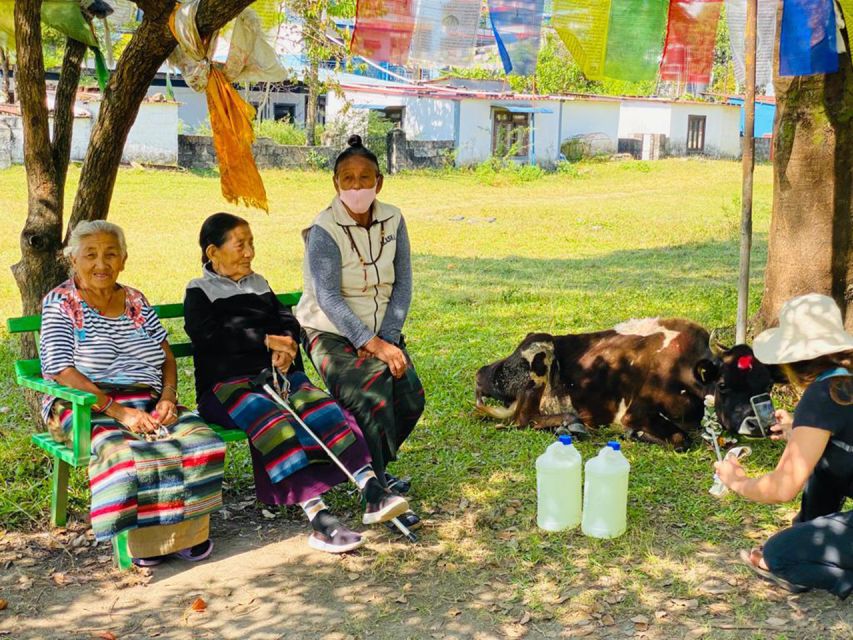
Pokhara reveals another story. This 4.5-hour outing takes you from Lakeside to a Tibetan refugee settlement, where you learn about Buddhist symbols, schools, handmade carpets, Tibetan medicine, and daily life in exile. I especially like the chance to meet people connected to the settlement, including monks, a Tibetan doctor, and the guide, Mr. Thupten Gyatso, a Tibetan native with a personal connection to the culture.
I also like the generous range of stops for $61, with transport around Lakeside, drinks, lunch, and a small group limited to eight people. The main consideration is pace: this is an educational tour with several visits packed into half a day, not a relaxed sightseeing drive. If you prefer active learning and conversation, it is a strong choice. If you want only mountain views and photo stops, choose another Pokhara outing.
In This Review
- Key points to know before you go
- Why this short Pokhara tour feels different
- From Lakeside to Tashiling Tibetan settlement
- Buddhist symbols with a daily purpose
- Tibetan schools and the work of preserving language
- Seeing Tibetan carpets made by hand
- The photo gallery and the refugee story
- A consultation with a Tibetan doctor
- Tibetan lunch: momos and thenthuk
- What $61 buys you
- Timing, group size, and practical fit
- Who should book this cultural experience?
- Should you book the Tibetan Cultural Tour?
- FAQ
- How long does the Tibetan Cultural Tour last?
- Where does pickup take place?
- Is transportation available outside Lakeside?
- What language is the tour conducted in?
- How many people can join the tour?
- What food is served during lunch?
- Are gluten-free meal options available?
- Is the tour suitable for children and wheelchair users?
Key points to know before you go
- A Tibetan guide gives the visit a personal voice: Mr. Thupten Gyatso connects the sites to Tibetan identity, religion, and life in Nepal.
- The settlement visit goes beyond sightseeing: You learn how Tibetan people have kept their language, schools, customs, and Buddhist traditions while living outside Tibet.
- The monastery stop explains everyday symbols: Prayer wheels, prayer flags, and stupas are presented as parts of daily life, not just decoration.
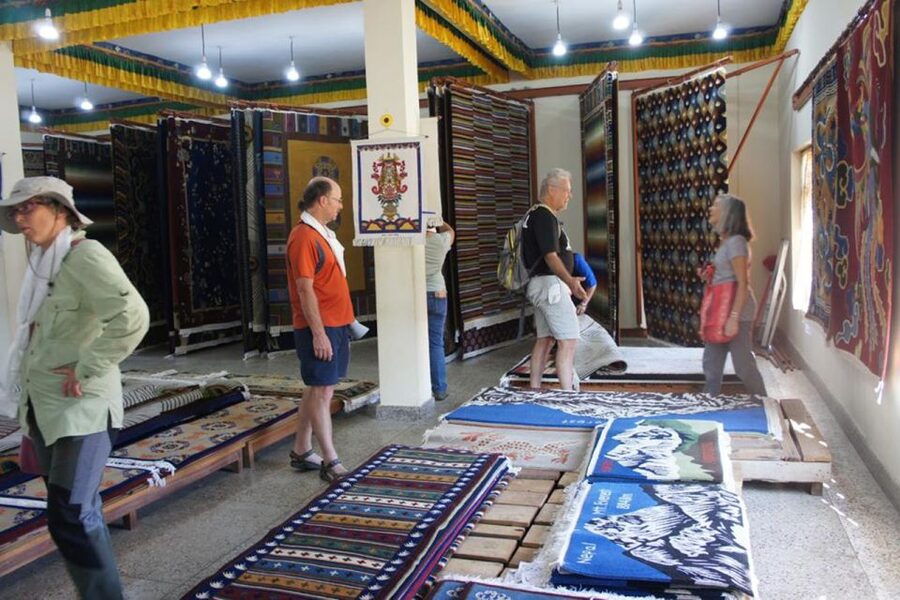
- The carpet workshop shows skilled handwork: You see how Tibetan carpets are made, then visit a showroom with different designs and colors.
- The medical visit is hands-on: A Tibetan doctor explains the traditional system and offers a basic consultation.
- Lunch is part of the lesson: Momos and thenthuk introduce you to Tibetan food, with vegetarian and gluten-free choices available.
Why this short Pokhara tour feels different
Pokhara is best known for lakeside cafés, mountain views, and outdoor adventures. This experience takes you into a less familiar part of the valley: Tibetan settlements created by people who left Tibet and built new communities in Nepal.
That shift in focus matters. You are not simply looking at a monastery or buying a carpet. You are given context for how language, religion, education, craft, and food help a displaced community protect its identity.
Mr. Thupten Gyatso leads the experience in English. His background as a Tibetan native gives the tour a personal center. The emphasis is on explanation and conversation, so you should arrive ready to ask questions rather than rush from one photo stop to the next.
The small-group limit of eight is another practical strength. A group this size makes it easier to hear the guide, ask about Buddhist symbols, and speak with people at the settlement. It also keeps the visit more manageable in places such as the medical center and carpet workshop.
More Half-Day Tours in Pokhara
- Upper Seti: Half-Day White Water Adventure
★ 5.0 · 87 reviews - Private Half Day Tour Highlights of Pokhara by Car
★ 4.5 · 36 reviews - Half Day Tibetan Cultural tour Pokhara
★ 5.0 · 36 reviews
From Lakeside to Tashiling Tibetan settlement
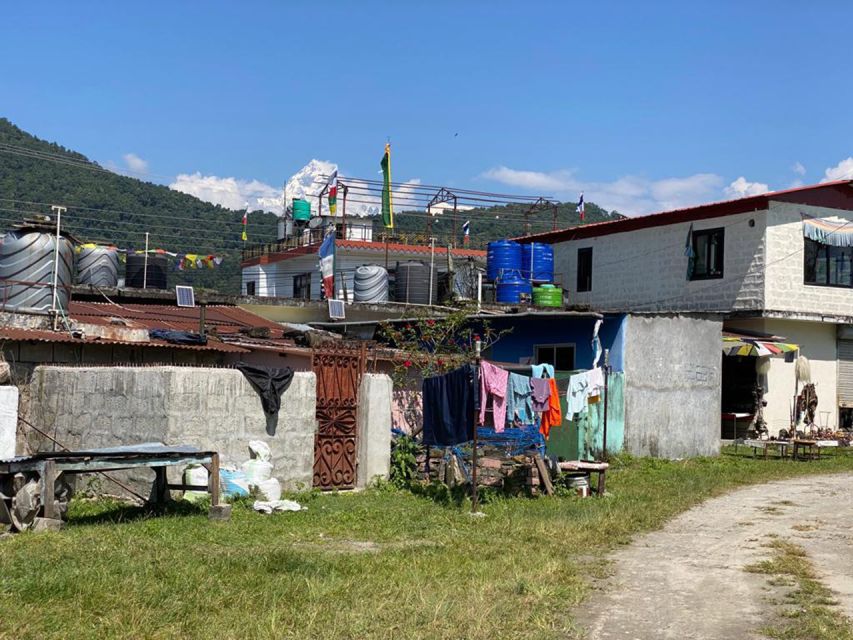
Pickup and drop-off are provided around Pokhara’s Lakeside area. The settlement visit, at Tashiling, fills most of the half-day schedule and includes walking, sightseeing, food tasting, drinks, and guided explanations.
The tour introduces you to how Tibetan people live in Nepal and how they have preserved their language, identity, and Buddhist traditions. That is the heart of the experience. You are encouraged to look at the settlement as a living community, not as a museum display.
You will want comfortable shoes because the program includes walking between several points. The information provided does not give a precise walking distance, so expect a series of short walks rather than a single formal trek.
The settlement is also the right place to ask practical cultural questions. You can learn about education, religion, work, food, and the ways Tibetan traditions continue in Nepal. The tour’s value comes from these connections. A prayer flag means more once you understand why it is placed there, and a school means more once you learn what preserving Tibetan language involves.
Buddhist symbols with a daily purpose
A monastery visit forms one of the most meaningful parts of the program. Here, you learn about the lives of monks and the meaning of Buddhist signs and symbols used in ordinary religious practice.
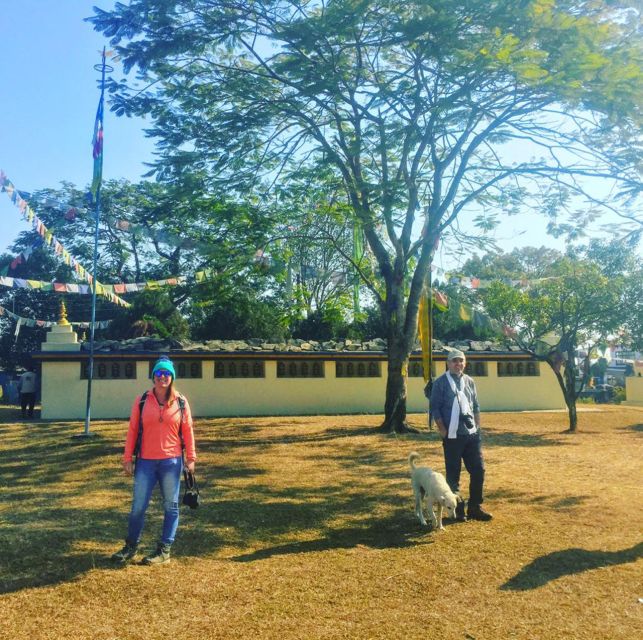
The tour specifically covers prayer wheels, prayer flags, and stupas. These are easy to photograph around Nepal, but their purpose can be unclear if you only see them while passing by. Mr. Thupten explains what they represent and why they matter to Tibetan Buddhist life.
This stop rewards curiosity. Ask about how the symbols are used, who maintains them, and how religion fits into community life. The tour is designed to explain rather than simply point out objects.
The monastery visit may not suit you if you want a long period of quiet reflection or an extended architectural tour. The schedule also includes schools, carpets, a photo gallery, medicine, and lunch. Think of this as a guided introduction with several connected subjects, rather than a single monastery visit.
Tibetan schools and the work of preserving language
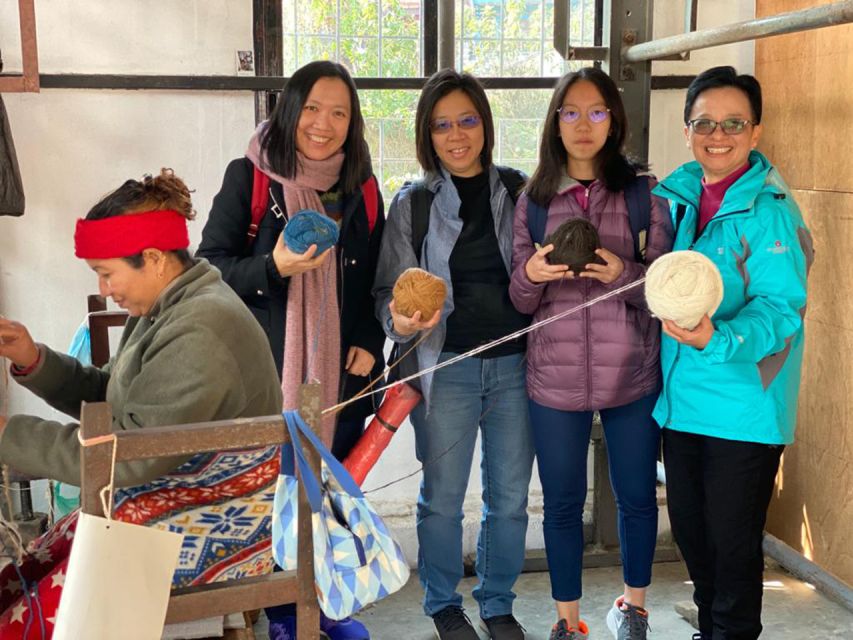
Education is one of the tour’s most important subjects. At a Tibetan school, you learn about the educational system in the settlement and the role schools play in keeping Tibetan language and culture alive.
This gives the refugee story a practical dimension. Cultural preservation is not only about festivals, clothing, or religious buildings. It also depends on what children study, which languages they use, and how families pass on traditions.
The school visit can be especially valuable if you are interested in migration, minority languages, or community education. You will gain a better sense of why maintaining a shared identity takes organized effort across generations.
The supplied information does not specify whether classes are in session during every tour or whether you enter classrooms. You should treat this as an educational visit and explanation about the school system, not assume it is a classroom observation.
More History Tours in Pokhara
- Full-Day Tibetan Cultural Tour to Tibetan Settlements Pokhara
★ 5.0 · 184 reviews - Afternoon Tibetan Cultural Tour to Tibetan Settlements Pokhara
★ 5.0 · 106 reviews - Morning Tibetan cultural tour to Tibetan settlements Pokhara
★ 5.0 · 66 reviews - Afternoon Tibetan cultural tour
★ 5.0 · 41 reviews
Seeing Tibetan carpets made by hand
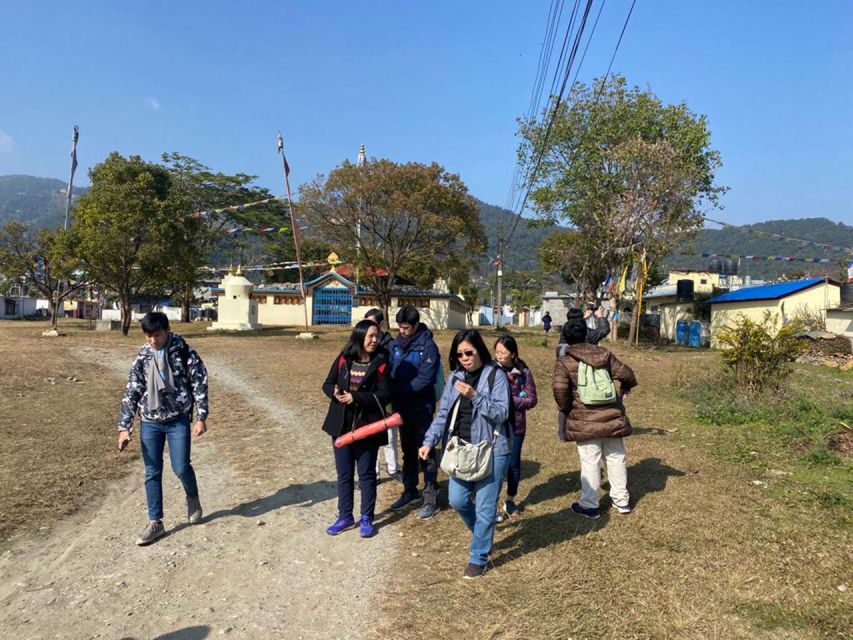
The carpet workshop adds a practical and visual stop. You see the process of making Tibetan carpets by hand, with Mr. Thupten explaining the steps as you go.
Handmade carpets take patience and skill, and the workshop helps you understand the labor behind the finished product. Instead of seeing only a polished item in a shop, you can connect the design to the work involved in producing it.
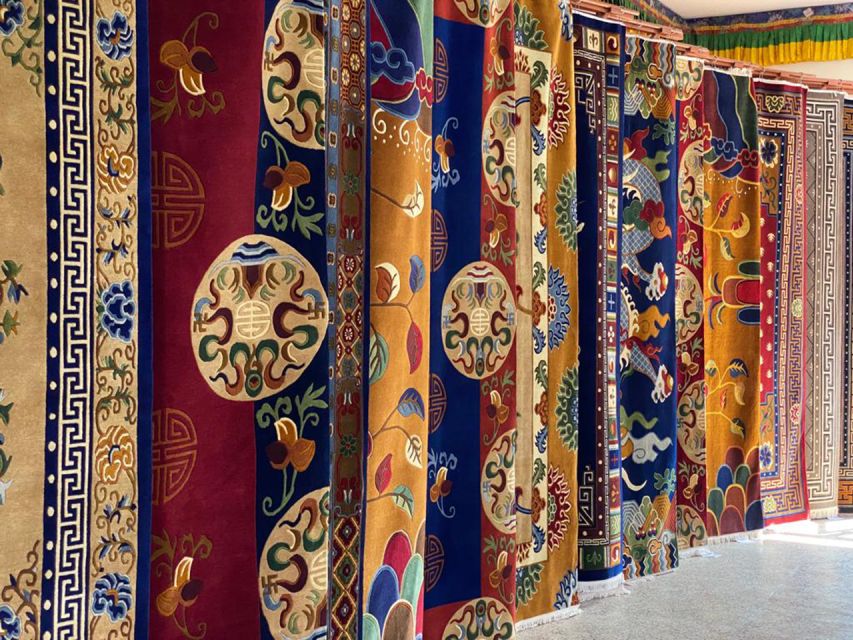
After the workshop, you visit a carpet showroom. The display includes carpets with different designs and colors. You can browse without confusing the showroom with the workshop: one shows production, while the other presents finished pieces.
This stop may also be the point where the tour shifts toward shopping. You are not required to purchase anything based on the information provided, but anyone interested in Tibetan crafts should allow time to look carefully. If you are not shopping, focus on the construction, patterns, and explanation of the craft.
The photo gallery and the refugee story
The photo gallery presents images of Tibetan refugees and their settlements from the early 1960s. These photographs give a time frame to the community’s story and show how people established lives in Nepal after leaving Tibet.
This is a useful bridge between the broad phrase Tibetan refugee settlement and the actual experience of building a home, school, religious life, and economic base in a new country. The gallery also reinforces the tour’s central idea: preserving culture requires more than memory.
You can expect the guide to connect the images with the settlement’s continuing identity. The tour explains how Tibetan people have maintained their language, culture, and traditions during a long period of exile.
The photo gallery is likely to be quieter and more reflective than the workshop or lunch. Give it your attention. It may be the place where the individual stops begin to make sense as one story.
A consultation with a Tibetan doctor
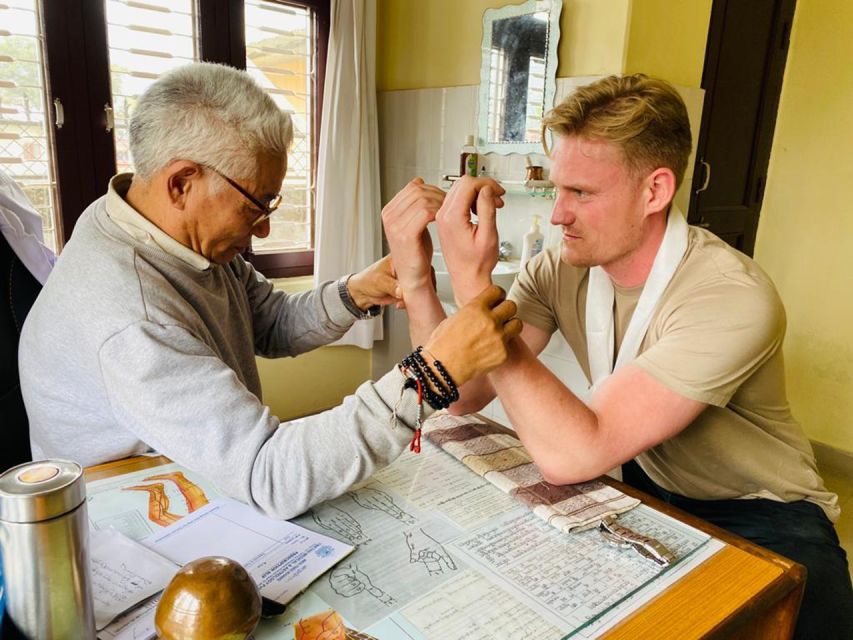
The visit to a Tibetan medical center offers a look at a traditional medical system. A Tibetan doctor explains basic ideas about Tibetan medicine and its treatments, and you receive a consultation or basic medical check-up.
This is not presented as a replacement for modern medical care. It is an opportunity to learn how Tibetan medicine approaches health and treatment, directly from a practitioner.
The consultation makes this stop more personal than a simple display of herbs or instruments. You can ask questions and gain first-hand experience with the system. Still, keep your expectations sensible. The information promises basic knowledge and a consultation, not a full diagnosis or treatment program.
If you have a serious health concern, use your regular medical provider. For cultural interest, however, the medical center adds a valuable human encounter to the tour. It also helps explain how traditional knowledge remains part of Tibetan community life.
Tibetan lunch: momos and thenthuk
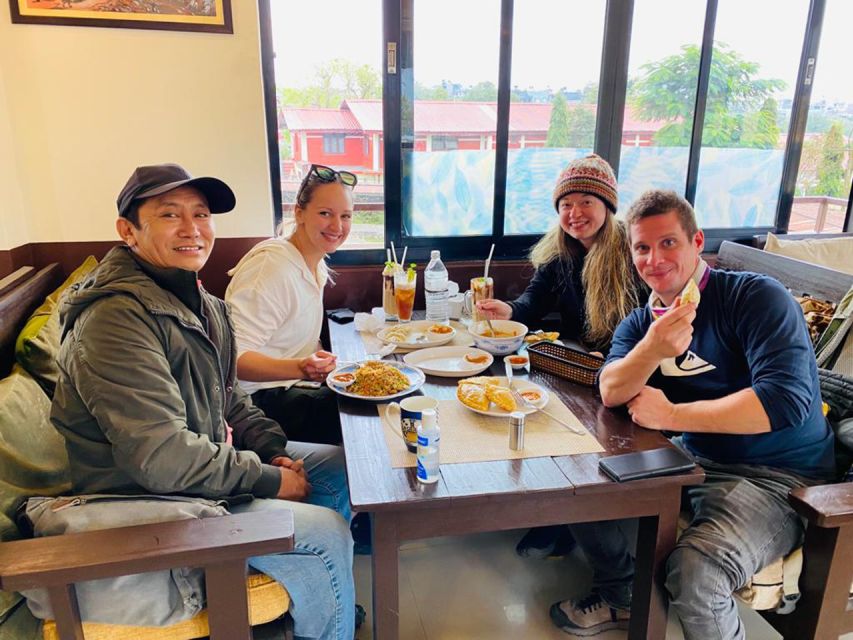
Lunch is served at a local Tibetan restaurant and is included in the $61 price. The menu includes Tibetan momos and thenthuk, a nourishing soup made with freshly kneaded dough, meat, and vegetables.
Momos are familiar to many visitors in Nepal, but eating them in a Tibetan setting gives you a chance to connect a popular dish with its cultural background. Thenthuk offers something different: a warm soup with pieces of dough prepared as part of the dish.
Vegetarian and non-vegetarian options are available. Gluten-free food is also provided, including plain rice and vegetable curry. You should mention your needs when arranging the tour so the meal can be handled smoothly.
Tea, coffee, fresh juice, and mineral water are included as well. The guide explains Tibetan cuisine during the meal, which turns lunch into another cultural lesson rather than a simple break.
The meal is a practical advantage for a half-day tour. You do not need to leave the settlement to find food, and you get to taste dishes that fit the subject of the day.
What $61 buys you
At $61 per person, this tour costs more than a simple taxi ride to a monastery or settlement. The price includes a guide, Lakeside pickup and drop-off, the settlement visit, monastery, school-focused explanation, carpet workshop and showroom, photo gallery, medical center visit, doctor consultation, lunch, drinks, and fresh juice.
The value depends on how you travel. If you want independent sightseeing and are comfortable arranging each stop yourself, you may find the price high. But duplicating this program on your own would require transport, introductions, local explanations, and separate visits to several community institutions.
I see the strongest value in the access and interpretation. The tour brings together people and places that would be difficult to understand from a quick, unaccompanied visit. The small group also keeps the experience more personal than a large coach excursion.
Transport is included only for hotels in the Lakeside area. If your hotel is elsewhere, an additional transportation fee applies, based on its location. Check this before booking, since it affects the final cost.
Timing, group size, and practical fit
The full program lasts 4.5 hours, with starting times based on availability. That makes it easy to fit around other Pokhara plans, but the schedule is busy.
You visit several types of places in one morning or afternoon: a settlement, school, monastery, workshop, showroom, gallery, medical center, and restaurant. I would not book this on a day when you want a slow pace or long breaks.
The group is limited to eight participants, and the tour is conducted in English. That combination suits people who want clear explanations and a chance to ask questions.
Children under five are not permitted. The experience is not suitable for wheelchair users, according to the stated restrictions. Since walking is part of the program and several stops are involved, you should consider your comfort with moving between locations.
Free cancellation is available up to 24 hours before the tour for a full refund. You can also reserve now and pay later, which helps if your Pokhara plans are still changing.
Who should book this cultural experience?
I would choose this tour if you want to understand Tibetan life in Nepal rather than simply collect photographs of Buddhist sites. It suits visitors interested in religion, migration, education, traditional medicine, food, and handmade crafts.
It is also a good choice if you value a guide who can connect several subjects into one clear story. Mr. Thupten Gyatso’s Tibetan background is a major part of the experience, especially when the discussion turns to identity and life in exile.
You may want to skip it if your priority is mountain scenery, hiking, or a flexible afternoon with no fixed schedule. The tour is educational and structured. It also includes a showroom, so people who dislike any shopping-related stop may find that portion less appealing.
The food makes it a good option for visitors who want a cultural meal but need choices. Vegetarian, non-vegetarian, and gluten-free options are available, including rice and vegetable curry.
Should you book the Tibetan Cultural Tour?
Book it if you want a compact, thoughtful introduction to Tibetan culture with real community connections. The strongest features are the small group, Mr. Thupten’s personal guidance, the doctor consultation, the hand-carpet workshop, and the lunch of momos and thenthuk.
The one caution is the packed schedule. You will cover a lot in 4.5 hours, and the experience asks you to listen, walk, observe, and ask questions. For the right audience, that is exactly its strength. At $61, it offers good value for a guided cultural experience that reaches well beyond ordinary Pokhara sightseeing.
FAQ
How long does the Tibetan Cultural Tour last?
The tour lasts 4.5 hours, including pickup, visits around Tashiling Tibetan settlement, lunch, and return to Lakeside.
Where does pickup take place?
Pickup and drop-off are provided for hotels located in the Lakeside area of Pokhara.
Is transportation available outside Lakeside?
Transportation outside the Lakeside area is available for an additional fee. The amount depends on the location of your hotel.
What language is the tour conducted in?
The tour is conducted in English with a live guide.
How many people can join the tour?
The group is limited to eight participants.
What food is served during lunch?
Lunch includes authentic Tibetan food, including momos and thenthuk. Vegetarian and non-vegetarian choices are available.
Are gluten-free meal options available?
Yes. Gluten-free options include plain rice and vegetable curry.
Is the tour suitable for children and wheelchair users?
The tour is not suitable for children under five or for wheelchair users.
More Half-Day
- Pokhara: Half Day Upper Seti Rafting & Paragliding adventure
★ 4.8 · 34 reviews - Half-Day Private Pokhara Tour
★ 5.0 · 27 reviews - Half day cooking class in Thamel kathmandu
★ 5.0 · 607 reviews - Private Half-Day Chandragiri Cable Car Tour in Kathmandu
★ 5.0 · 155 reviews
More Tibetan Settlement Visits
- Morning Half Day Tibetan cultural tour to Tibetan Settlements
★ 5.0 · 26 reviews - Pokhara: Private Half-Day Tour and Tibetan Culture Tour
★ 3.8 · 14 reviews - Sarangkot Sunrise with a half day Tibetan cultural tour
★ 5.0 · 13 reviews - Full Day Tibetan Cultural Tour
★ 5.0 · 12 reviews
Just added around Pokhara
- Double Dare: Tandem Bungee Adventure★ 4.3 · 3 reviews
- Exhilarating Pokhara-Kathmandu Bus Journey Experience★ 3.5 · 3 reviews
- 3 Day Australian Camp Dhampus Ghandruk Easy Trek in Pokhara★ 3.5 · 3 reviews
- Paragliding in Pokhara★ 5.0 · 3 reviews
- Seti George and Thrilling Suspension Bridge Tour at Pokhara★ 4.5 · 3 reviews
- Overnight Dhampus Australian Camp Easy Hiking from Pokhara★ 5.0 · 3 reviews
- Full Day Entire Pokhara Tour by Car with Guide★ 4.5 · 3 reviews
- 5 Days Mardi Himal Trek.★ 5.0 · 3 reviews
Historical Tours, compared.

Private Kathmandu Sightseeing Tour | UNESCO World Heritage sites
Read our review →
Full-Day Tibetan Cultural Tour to Tibetan Settlements Pokhara
Read our review →
Kathmandu Private Sightseeing Tour | UNESCO World Heritage Sites
Read our review →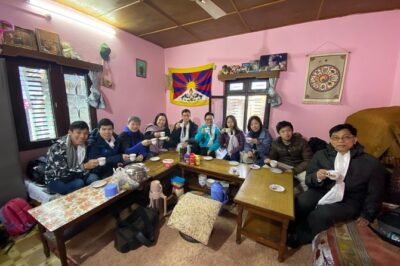
Afternoon Tibetan Cultural Tour to Tibetan Settlements Pokhara
Read our review →
Full Day Private Top 4 UNESCO Heritage Tour W/Lunch.
Read our review →
Nagarkot Sunrise & Bhaktapur UNESCO Heritage Private Tour
Read our review →Browse the lists this tour appears in