
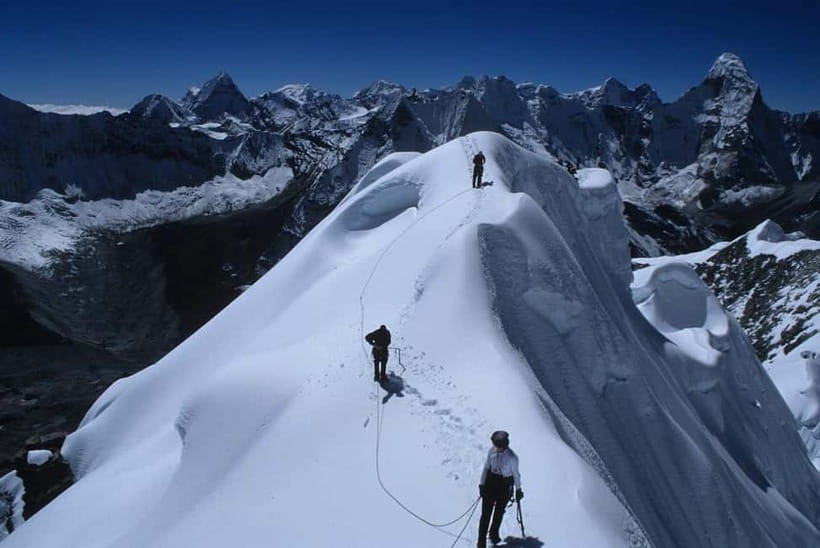
Reviewed · KATHMANDU TOURS
Island Peak Climbing | Summit 6,189m with Expert Guides
Big mountain, careful planning. Island Peak gives you a real Himalayan summit without committing to an expedition of several weeks, and the route combines Sherpa villages, suspension bridges, high valleys, and grand views of Everest, Lhotse, and Ama Dablam. The 14-day plan costs $1,699 per person, before flights, permits, insurance, and personal expenses.
I like the clear acclimatization schedule and the practical support package. You get a base-camp training session, an experienced climbing guide, porters, group climbing equipment, meals, permits, and a contingency day. The main caution is simple: 6,189 meters is very high, and summit day requires 8 to 10 hours of strenuous walking and climbing.
I also like the way the company handles the awkward parts of Nepal travel, including airport transfers, Lukla flights, local transport, and possible flight disruptions. Recent feedback praised the friendly Sherpa and porter team, professional safety support, and quick help during problems at Lukla Airport. A porter named Mijan was singled out for going well beyond his basic duties.
In This Review
- Key points before you commit
- What Island Peak asks of you
- Days 1 and 2: Kathmandu welcome, then the flight to Lukla
- Days 3 and 4: Suspension bridges and a useful Namche pause
- Days 5 and 6: Tengboche monastery and the high valley
- Days 7 and 8: Chhukung, base camp, and climbing practice
- Day 9: The Island Peak summit push
- Days 10 to 13: A long descent through the Khumbu
- What the $1,699 price really covers
- Food, lodging, and comfort at altitude
- The people behind the climb
- Who should book this Island Peak program?
- Should you book it?
- FAQ
- How high is Island Peak?
- How long does the full experience last?
- Is the Island Peak climbing permit included?
- Are Kathmandu to Lukla flights included?
- Is accommodation included?
- Are meals included during the trek?
- Is climbing equipment provided?
- Is there a backup day for the summit?
- What insurance do I need?
Key points before you commit
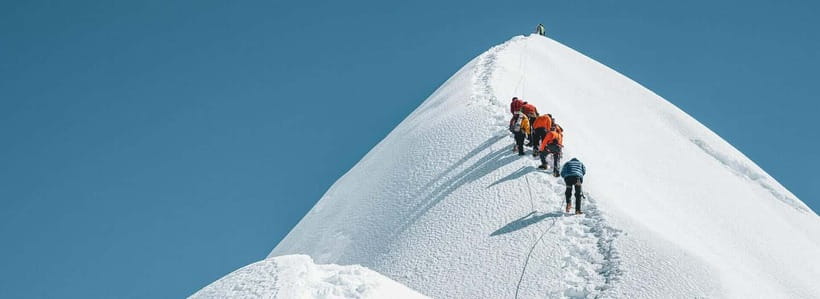
- The summit day reaches 6,189 meters: Expect a long, demanding day with almost 1,000 meters of ascent and descent.
- Training happens at Island Peak Base Camp: Glacier walking practice helps you prepare for ropes, ice, and high-altitude movement.
- The route includes a real Everest region trek: Namche Bazaar, Tengboche, Dingboche, and Chhukung are part of the journey, not just passing points.
- The climbing guide has major experience: The package specifies a guide with at least 20 Island Peak summits.
- Several important costs sit outside the $1,699 price: Lukla flights, the climbing permit, insurance, tips, and personal expenses need to be added.
- The group is private: You get a more personal setup than a large fixed group, with English-speaking support throughout.
What Island Peak asks of you
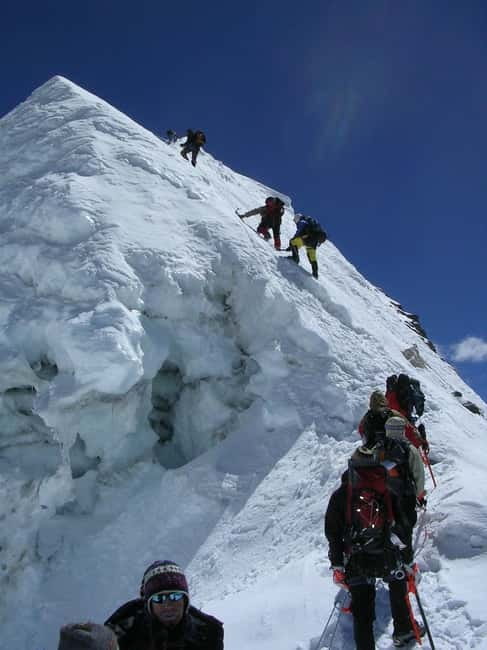
Island Peak is often treated as an introduction to Himalayan climbing, but that does not make it easy. The altitude is the main test. You begin at 1,338 meters in Kathmandu and reach 6,189 meters on summit day, with several nights above 4,000 meters beforehand.
You need a good level of fitness. The trek includes long walking days, steep altitude gains, and a summit push that can take up to 10 hours. You also need valid insurance that covers high-altitude trekking and climbing. Standard travel insurance may not be enough.
The value of this trip lies in the structure. You are not simply dropped at a base camp and told to climb. The route builds height gradually, includes an acclimatization day in Namche, and gives you a dedicated training session at base camp. The extra contingency day is important because mountain weather does not care about your return flight.
A few more trips worth weighing up before you book
- Everest Base Camp Trek – 14 Days
★ 5.0 · 1,499 reviews - Private Kathmandu Sightseeing Tour | UNESCO World Heritage sites
★ 5.0 · 756 reviews - Everest Base Camp Helicopter Tour landing at Everest View Hotel
★ 5.0 · 668 reviews
Days 1 and 2: Kathmandu welcome, then the flight to Lukla
Your first day is based in Kathmandu at roughly 1,338 meters. Airport and hotel transfers are arranged in a private vehicle, and two nights in a deluxe Kathmandu Suite Home or a similar hotel are included. That gives you time to arrive, settle in, and deal with practical matters before the mountains take over.
The next morning begins with a scenic 35-minute flight to Lukla. Flights during the busiest seasons may operate from Ramechhap Airport instead of Kathmandu, so allow flexibility around this part of the trip. The flight itself is short, but weather can affect mountain air travel.
From Lukla, you walk about 8 kilometers to Phakding. The day takes three to four hours and reaches 2,800 meters. It is a gentle opening compared with what comes later, though the first walking day still gives you a useful test of your boots, pack, and general pace.
Days 3 and 4: Suspension bridges and a useful Namche pause
The route to Namche Bazaar covers around 10 kilometers and takes five to six hours. You cross suspension bridges and gain about 600 meters, ending at 3,438 meters. Thamserku appears along the route, and the first views toward Everest begin to make the scale of the region clear.
Namche is more than a mountain stop. It is the main trading center of the Khumbu region, and it is where you begin to feel the Sherpa character of the trip. The town also gives you the first proper break in the climb.
Day 4 is reserved for acclimatization. Optional hikes cover two to three hours and roughly 3 to 5 kilometers, with a small gain and loss of about 100 meters. This is not a wasted day. It helps your body adjust before you move higher, and the views toward Everest and Ama Dablam make the effort worthwhile.
I would resist the urge to treat this as a full rest day in bed. Follow the guide’s plan, walk at an easy pace, drink regularly, and use the time to check your clothing, headlamp, gloves, and other climbing gear.
Days 5 and 6: Tengboche monastery and the high valley
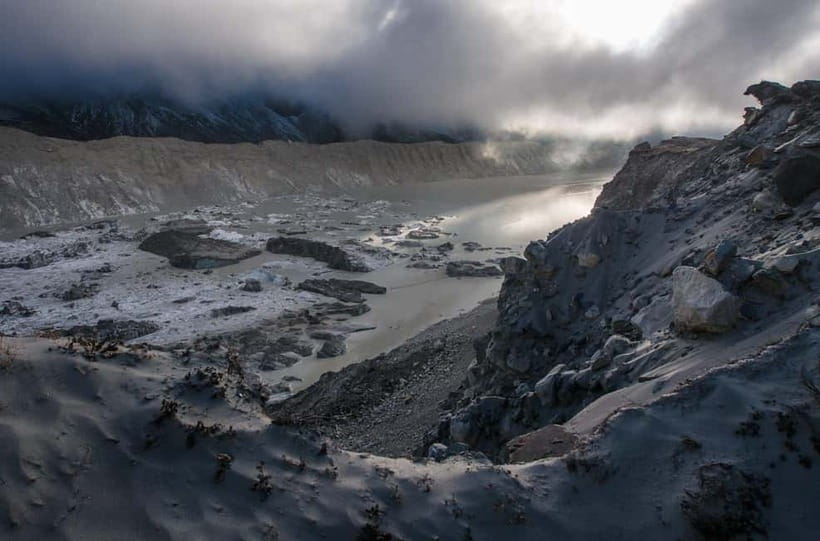
The walk to Tengboche takes five to six hours over about 9 kilometers. At 3,870 meters, the village puts you firmly in the high country. Its monastery is the main cultural stop on the route, and the surrounding views include Everest, Lhotse, and Ama Dablam.
Tengboche is a good reminder that this is not just a summit program. You are moving through villages with strong Sherpa identity, religious sites, and long-established mountain routes. The setting is dramatic, but the altitude can make an ordinary walk feel slow. That is normal.
On Day 6, you continue to Dingboche at 4,360 meters. The route takes five to six hours and covers about 10 kilometers. Lhotse and Ama Dablam remain in view as the scenery becomes more alpine and open.
This is one of the key adjustment points. At more than 4,300 meters, you may notice that each uphill section demands patience. The sensible approach is to keep your pace steady and let the guide watch for signs that you need help.
A different sort of day from Kathmandu:
- Half day cooking class in Thamel kathmandu
★ 5.0 · 607 reviews - Everest Base Camp Trekking
★ 5.0 · 485 reviews - Nagarkot Sunrise View and Day Hiking from Kathmandu
★ 5.0 · 471 reviews - Kathmandu: Full Day 7 UNESCO Tour with Lunch – Private/Group
★ 5.0 · 415 reviews
Days 7 and 8: Chhukung, base camp, and climbing practice
The walk from Dingboche to Chhukung is shorter, about 6 kilometers and three to four hours, but it still gains roughly 370 meters. At 4,730 meters, Chhukung is a high settlement surrounded by alpine pastures and impressive views toward Lhotse and Island Peak.
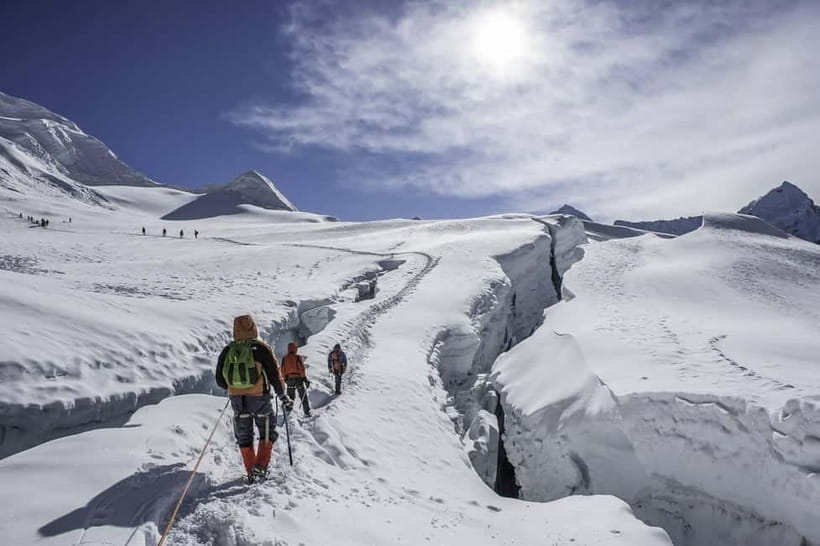
Day 8 takes you to Island Peak Base Camp at 5,200 meters. The walk is around 5 kilometers and takes three to four hours. The important part of the day comes after arrival: pre-climb training and glacier walking practice.
The package includes group equipment such as ropes, ice screws, snow bars, ice hammers, tents, and kitchen equipment. Your own personal climbing gear is still your responsibility, so ask for a current equipment list before departure. A duffle bag, sleeping bag, and down jacket are provided, according to the trip details.
Training at base camp is one of the strongest parts of this program. It gives you a chance to learn how the equipment works before summit morning, rather than trying to understand everything while tired and cold. The guide’s stated record of more than 20 Island Peak summits is also reassuring, especially for anyone with limited technical climbing experience.
Day 9: The Island Peak summit push
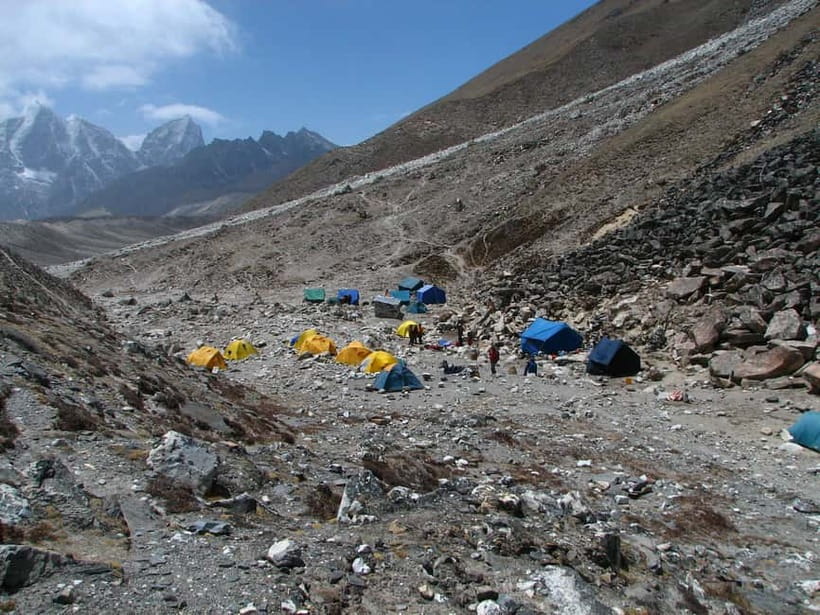
Summit day is the heart of the trip. You climb from base camp to the 6,189-meter summit and return, covering about 10 kilometers with nearly 989 meters of ascent and the same amount of descent. The expected duration is 8 to 10 hours.
This is where the trip changes from high-altitude trekking to mountaineering. You will use the skills practiced at base camp and rely on the climbing guide for pacing, rope work, and decisions about conditions. The summit views can include Island Peak, Everest, and Makalu.
Do not judge the day by distance alone. Ten kilometers at sea level is one thing. Ten kilometers at extreme altitude, with climbing equipment and a major height gain, is another. You need fitness, patience, warm clothing, a reliable headlamp, and the ability to follow instructions when tired.
The summit is not guaranteed. That is not a flaw in the trip. Weather, snow, health, and route conditions can all affect the attempt. A responsible guide will put safety first, and the included Day 10 contingency day gives the team another chance if conditions or fatigue prevent a summit on the first attempt.
Days 10 to 13: A long descent through the Khumbu
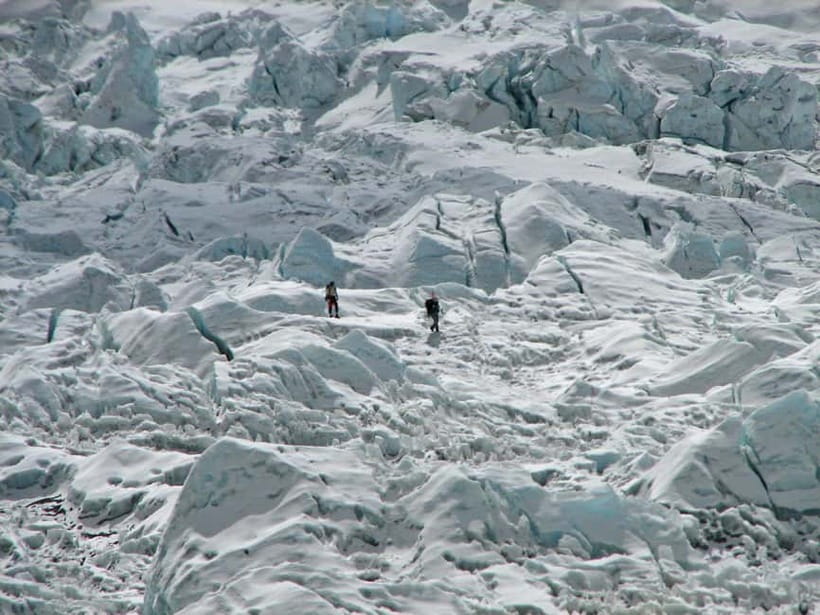
Day 10 is kept open as a buffer for the summit attempt. If you summit on Day 9, it becomes a recovery or weather-flexibility day. If the first attempt is delayed, this day can be crucial.
The route then heads back from Chhukung to Namche Bazaar. The schedule lists five to six hours and around 18 kilometers, with a descent of roughly 1,292 meters. That is a long day, even downhill. Descending can feel easier on your lungs, but your knees and feet may complain after the summit effort.
Day 12 continues to Lukla, covering about 19 kilometers in six to seven hours. You lose another 638 meters. This final trek is a satisfying change of rhythm, but do not underestimate it. Your body may still be tired from the climb, and the long walking distance calls for careful pacing.
On Day 13, you fly for about 35 minutes back to Kathmandu. As with the outward flight, mountain weather can cause changes. The final night gives you a chance to return the duffle bag, sort your belongings, and enjoy a more comfortable bed before departure on Day 14.
What the $1,699 price really covers
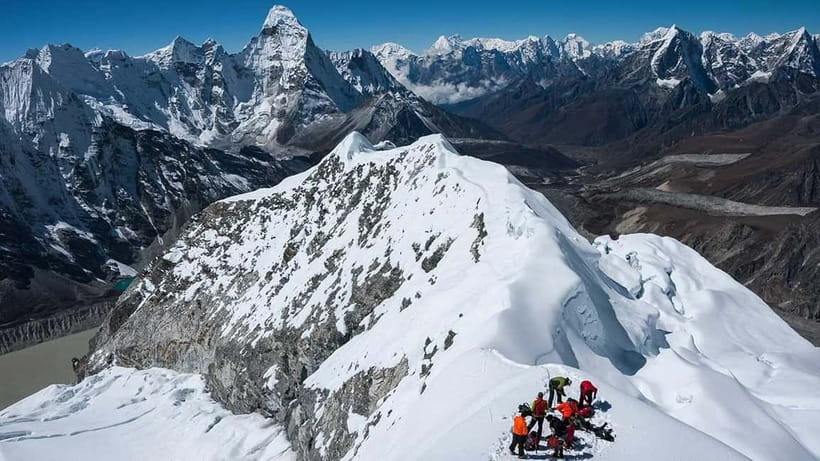
At first glance, $1,699 looks reasonable for a 14-day private climbing trip in the Everest region. The value comes from the number of services bundled into the base price.
You receive private airport and hotel transfers, two Kathmandu hotel nights, three meals a day during the trek, local lodge accommodation, tented accommodation, a licensed English-speaking guide, and one porter for every two clients. Porter wages, food, accommodation, equipment, and insurance are included.
The package also covers the Sagarmatha National Park permit, Khumbu Pasang Lhamu Rural Municipality fee, SPCC fee, NMA service charge or royalty fee, a $500 garbage deposit, government taxes, and office charges. That removes many small costs that can otherwise pile up.
Several extras need to be added to your budget:
- Round-trip Kathmandu to Lukla flights: listed at $440 per person
- Island Peak climbing permit: listed as $350, with a separate $175 figure also shown, so confirm the current amount
- Climbing guide travel insurance: $100
- Porter supplement for a solo participant
- Tips for guides, porters, and drivers
- Wi-Fi, charging, hot water, showers, drinks, laundry, phone calls, and other personal costs
The price is strongest for two or more people sharing porter support. A solo participant should ask for a full revised quote because the porter arrangement and permit figures may change the total.
Food, lodging, and comfort at altitude
The package provides breakfast, lunch, and dinner during the trek, with the best available local lodges and tented accommodation. You should expect practical mountain lodging rather than city-hotel comfort once you leave Kathmandu.
Hot water, hot showers, cold drinks, and some other comforts cost extra. Wi-Fi and charging may also carry additional charges. Bring cash, as remote mountain villages are not the place to assume card payments will work everywhere.
The free duffle bag is useful because porters carry the main load while you walk with a smaller day pack. Pack carefully, keep essentials accessible, and use the bag to separate equipment you need at base camp from items you need on the trail.
The people behind the climb
The human support is a major reason to consider this program. The team includes an English-speaking government-licensed trekking guide, a dedicated Island Peak climbing guide, and porters assigned at a ratio of one for every two clients.
Feedback about the company repeatedly praised the Sherpa and porter team for being friendly, professional, and attentive to safety. The organizer was also praised for managing airport transfers, hotel arrangements, acclimatization, and sudden problems at Lukla. Mijan, one of the porters, received particular thanks for providing help far beyond basic expectations.
The climbing guide is not named in the available details, but the stated minimum of 20 Island Peak summits is a useful credential. Before booking, I would ask for the guide’s name, recent route experience, client-to-guide ratio on summit day, and the exact personal gear you must bring.
Who should book this Island Peak program?
This trip suits you if you want a genuine Himalayan climb, not just a scenic trek. You should be comfortable walking for several hours on consecutive days, coping with high altitude, and taking part in basic glacier training.
It is especially suitable for people who value organization. Transfers, permits, porters, meals, accommodation, training, and 24-hour company support are arranged in one package. The private group format can also help if you want a more personal pace and direct access to your guide.
It is not suitable for children under 14, pregnant women, wheelchair users, or people over 95. Those limits are stated clearly, but the more important question is your health and climbing preparation. You need insurance that explicitly covers high-altitude trekking and climbing.
Bring your passport, cash, flashlight, personal trekking and climbing gear, and clothing for changing weather. Drones are not allowed. A Nepal Tourist Visa can be obtained on arrival at Tribhuwan International Airport.
Should you book it?
I would recommend this Island Peak trip to a fit and well-prepared climber who wants a structured 14-day route with strong local support. The best features are the careful acclimatization plan, base-camp training, experienced climbing guide, private group setup, and the company’s apparent skill with the practical headaches of Nepal travel.
I would not book it simply because the price looks attractive. Add flights, the climbing permit, insurance, tips, and personal costs before deciding. Ask for clarity on the permit price, confirm the Lukla flight departure airport, and request a detailed gear list.
If you want a demanding summit attempt with Everest region culture and scenery built into the route, this package offers good value. If you mainly want easy trekking or guaranteed comfort, choose a lower-altitude program instead.
FAQ
How high is Island Peak?
Island Peak reaches 6,189 meters, or 20,306 feet.
How long does the full experience last?
The program lasts 14 days, from arrival in Kathmandu through departure.
Is the Island Peak climbing permit included?
No. The climbing permit is listed separately, with figures of USD 350 and USD 175 shown in the trip details. Confirm the current amount before booking.
Are Kathmandu to Lukla flights included?
No. Round-trip flights between Kathmandu and Lukla are listed separately at USD 440 per person.
Is accommodation included?
Yes. Two nights in a deluxe Kathmandu Suite Home or a similar hotel are included, along with the best available local lodges during the trek and tented accommodation where required.
Are meals included during the trek?
Yes. Breakfast, lunch, and dinner are included during the trekking portion of the trip.
Is climbing equipment provided?
Group equipment is included, including ropes, ice screws, snow bars, ice hammers, tents, and kitchen equipment. You must still bring your personal trekking and climbing gear.
Is there a backup day for the summit?
Yes. Day 10 is a contingency day for another summit attempt if weather, route conditions, or other factors affect Day 9.
What insurance do I need?
You need valid travel insurance that covers high-altitude trekking and climbing. The climbing guide’s travel insurance is listed separately at USD 100.
Just added around Kathmandu
- Private Shopping Tour in Kathmandu★ 5.0 · 3 reviews
- Nagarkot Sunrise With 7 UNESCO World Heritage Private Tour★ 5.0 · 3 reviews
- Kathmandu: Nightlife and Pub Crawl Tour★ 5.0 · 3 reviews
- Mount Everest Scenic Flight 50 Minutes★ 5.0 · 3 reviews
- Momo Cooking Class -The Art Of Making MoMo with Home Chef★ 5.0 · 3 reviews
- Kathmandu: Nagarkot, Bhaktapur, Doleswor & Sanga Statue Tour★ 5.0 · 3 reviews
- Makalu Base Camp Trek★ 5.0 · 3 reviews
- Kathmandu: Momo Making Class with a Local Chef★ 5.0 · 3 reviews
Kathmandu Tours, compared.


Private Kathmandu Sightseeing Tour | UNESCO World Heritage sites
Read our review →
Everest Base Camp Helicopter Tour landing at Everest View Hotel
Read our review →

Nagarkot Sunrise View and Day Hiking from Kathmandu
Read our review →
Full Day 7 UNESCO Tour with Lunch – Private/Group
Read our review →