
Reviewed · UPPER MUSTANG TREKS
Jeep Trip to Upper Mustang
Mustang trades pavement for adventure. This 14-day private Jeep trip takes you from Kathmandu through Pokhara, Jomsom, Kagbeni, and the former royal city of Lo Manthang, with ancient monasteries, Tibetan villages, sky caves, and huge Himalayan views along the way. I like the chance to see Upper Mustang without trekking, and I like that the $2,200 price includes major permits, transport, hotels, meals, and airport transfers.
The private format is another plus. Your group travels together in a 4WD vehicle, rather than joining a large coach, and the company can offer group discounts. The main consideration is comfort: roads north of Beni are rough, the days can be long, and the schedule contains a couple of transport details worth confirming before you pay.
In This Review
- Key things to know before you go
- Why Upper Mustang works so well by Jeep
- Days 1 and 2: Kathmandu temples and practical preparation
- Day 3: The long road from Kathmandu to Pokhara
- Days 4 and 5: Beni, the Kali Gandaki, Marpha, and Jomsom
- Day 6: Kagbeni and the permit checkpoint
- Day 7: Charang and Lo Manthang’s old city
- Days 8 and 9: Namgyal, Chhoser, and the sky caves
- Day 10: Returning through the Kali Gandaki to Jomsom
- Days 11 and 12: The return plan needs clarification
- Day 13: A free day in Thamel
- Day 14: Airport transfer and departure
- What the $2,200 price really covers
- Who should book this Jeep journey?
- Should you book the Upper Mustang Jeep tour?
- FAQ
- How long does the Upper Mustang Jeep tour last?
- Is the tour private?
- Is the Upper Mustang permit included?
- Are meals included?
- What type of vehicle is used?
- What happens if bad weather cancels the trip?
Key things to know before you go
- Lo Manthang is the centerpiece: Explore the old walled city, narrow lanes, traditional buildings, and important monasteries.
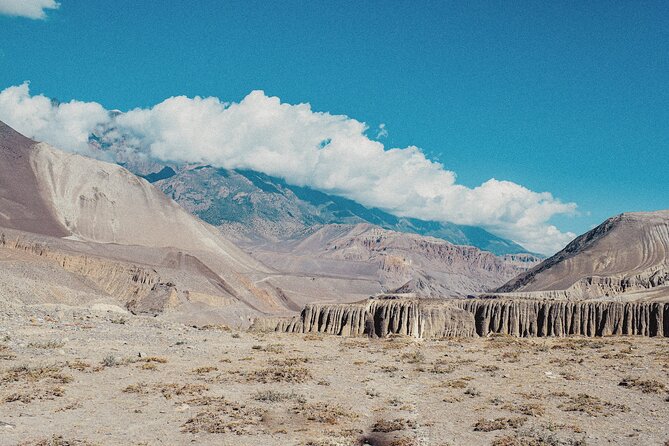
- The road is part of the experience: From Beni onward, expect off-road driving beside the Kali Gandaki River and through dry, wind-carved terrain.
- You visit unusually old sites: Charang, Thubchen Gompa, Jampa Gompa, Namgyal Gompa, Chhoser’s sky caves, and the ancient Shija Jhong cave all appear in the route.
- The permit bill is significant: The package includes the $500 Upper Mustang restricted-area permit, plus Annapurna Conservation Area and TIMS fees.
- It is private, not a shared group tour: Only your party participates, with an English-speaking sightseeing guide in Kathmandu.
- The schedule needs checking: The return days refer to both a flight and a drive involving Jomsom and Pokhara, so confirm the exact plan with World Himalaya Treks.
Why Upper Mustang works so well by Jeep
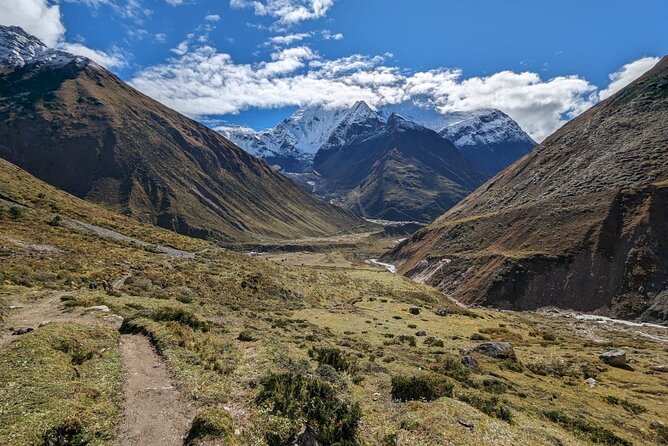
Upper Mustang is one of Nepal’s best choices for a road-based adventure. You still get the dust, wind, altitude, and remote feeling of a Himalayan journey, but you do not need to walk for many days between villages. That matters if you want to see Lo Manthang and the northern Mustang sites but prefer a vehicle to a trekking group.
The trip begins in Kathmandu and gradually moves west. You see cities, river valleys, farms, dry mountain country, Buddhist villages, and old religious sites in one continuous journey. The changing scenery is a major part of the value. This is not a quick excursion from one hotel to another.
The tradeoff is the road itself. After Beni, the route follows the Kali Gandaki on an off-road track. A 4WD Land Cruiser or Mahindra Scorpio is much better suited to this terrain than an ordinary car, but no vehicle can make a rough mountain road smooth. If you get carsick, plan carefully and ask about seating, driving times, and breaks.
The tour is private, so you have more control than on a fixed-seat group departure. You can discuss stops with the guide and driver, though the published schedule is full enough that flexibility may be limited on some days.
More Upper Mustang and Muktinath Trips:
- 6 Days Muktinath Tour Package in Nepal
★ 5.0 · 20 reviews - Upper Mustang Trekking
★ 5.0 · 4 reviews - 12 Days Overland Tour to Upper Mustang
★ 5.0 · 4 reviews
Days 1 and 2: Kathmandu temples and practical preparation
Your arrival day is simple. A private vehicle collects you at Tribhuvan Airport and takes you to your Kathmandu hotel, followed by an evening meeting about the program. Breakfast is included at the hotel.
Day two combines trip preparation with sightseeing. You visit Swayambhunath, often called the Monkey Temple, and Patan Durbar Square, then see Pashupatinath Temple and Boudhanath Stupa. This gives you a useful introduction to the Hindu and Buddhist traditions that continue through Mustang.
The Kathmandu sightseeing is handled by a professional English-speaking guide. Admission fees for these sights are not included, so keep some money available for them. The day is listed with two four-hour sightseeing sections, which makes it one of the fuller city days in the program.
This opening is useful rather than decorative. You can settle after your flight, meet the team, ask questions about the Jeep route, and get a first look at Nepal before the long road days begin. World Himalaya’s Kathmandu arrangements have received particular praise, with Mr. Dhital named as someone who helped organize airport reception and hotels. Thakur, who runs the Kathmandu office, is also noted as a helpful point of contact.
Day 3: The long road from Kathmandu to Pokhara
After breakfast, you drive to Pokhara. The journey takes about six hours and passes rivers, villages, farms, green hills, and mountain views.
Pokhara is a sensible overnight stop. It breaks up the journey west and gives you one evening near Phewa Lake before the road becomes rougher. The stop is also practical because the next stage toward Mustang begins from this side of Nepal.
Do not treat this as a short transfer. Six hours on Nepal’s roads can feel longer depending on traffic and conditions. The countryside is the attraction, so keep your camera ready, but also expect a full day in the vehicle.
Days 4 and 5: Beni, the Kali Gandaki, Marpha, and Jomsom
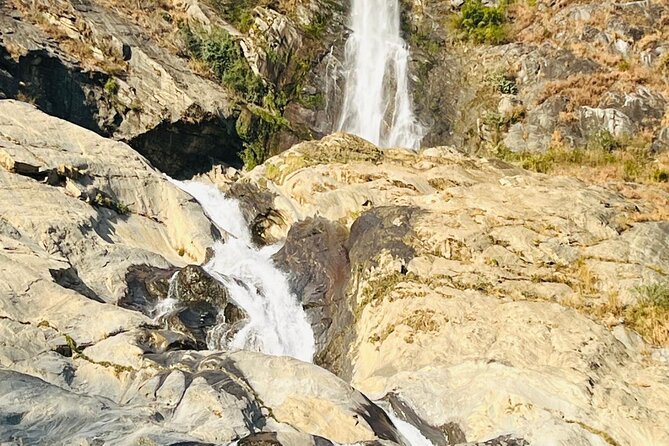
Day four takes you west to Beni on a paved road, then follows the Kali Gandaki River on an off-road route. This is the point where the Jeep becomes essential. The river corridor leads you into a much drier part of Nepal, with dramatic cliffs, exposed slopes, and villages linked to old trade routes.
The published stop description gives only a few minutes at the Kali Gandaki River, but the river is really the day’s thread rather than a single attraction. The route itself is what you are seeing. Expect a slower pace once the pavement ends.
On day five, you pass Kalopani and Ghasa, then reach Marpha. Marpha is known here for apple farming, and you have time to see the village before continuing to Jomsom and its local market. The route then reaches Kagbeni, where a holy temple complex is part of the sightseeing.
This stretch offers a good mix of ordinary life and memorable scenery. Marpha gives the journey a human scale, while Jomsom is a useful base and market town. The roads are rough, and the five-hour day may not include every delay, so you should value the stops rather than expect precise arrival times.
The included hotels and guesthouses are described as comfortable, simple, clean, or nice in the supplied feedback. That distinction matters. You are not buying luxury accommodation in a remote mountain region. You are buying a clean place to sleep, meals on many nights, and a well-arranged route through an area where choices are limited.
A few more trips worth weighing up before you book
- Everest Base Camp Trek – 14 Days
★ 5.0 · 1,499 reviews - Private Kathmandu Sightseeing Tour | UNESCO World Heritage sites
★ 5.0 · 756 reviews - Everest Base Camp Helicopter Tour landing at Everest View Hotel
★ 5.0 · 668 reviews - Half day cooking class in Thamel kathmandu
★ 5.0 · 607 reviews
Day 6: Kagbeni and the permit checkpoint
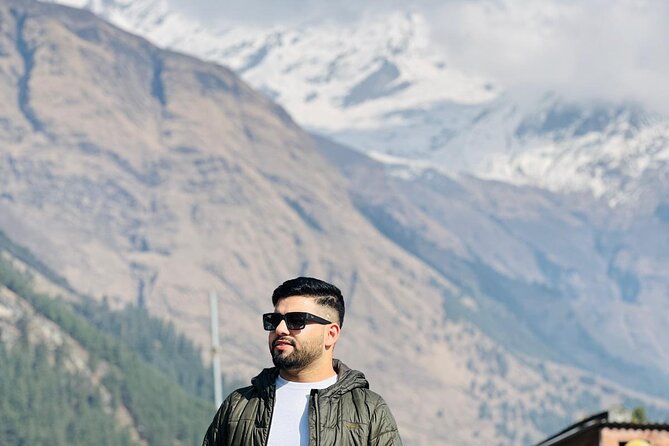
Kagbeni gets its own day because it marks an important transition. After visiting Kagbeni Monastery and a Buddhist school, your guide checks the special Upper Mustang permit before the Jeep continues north.
The permit is more than a paperwork detail. Upper Mustang is a restricted area, and the tour includes the $500 fee. Annapurna Conservation Area permission and the TIMS card are also covered, saving you from managing several major requirements yourself.
This is a good morning to slow down and look closely. Kagbeni’s monastery, school, stupas, and village setting show the cultural shift from lower Mustang toward the Tibetan-influenced north. You are moving into a place where the old customs and religious traditions remain central to daily life.
The stated visit lasts about four hours. After that, you continue toward Upper Mustang. Bring patience for checkpoints and road conditions. The package includes the permits, but it does not include personal drinks, bottled water, boiled water, or extra personal costs.
Day 7: Charang and Lo Manthang’s old city
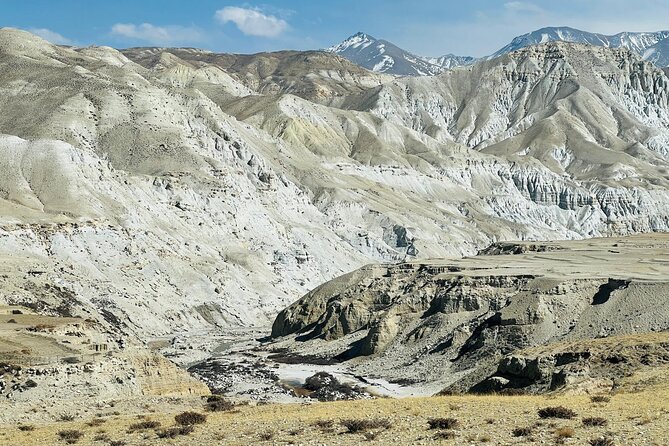
Day seven brings some of the most important cultural stops. You visit Thubchen Gompa, Lo Gager Ghar Gompa, and Charang Monastery before reaching Lo Manthang.
Lo Manthang was the former capital of Mustang. Its walled form, narrow alleys, and traditional architecture give it a stronger sense of place than a modern roadside settlement. The old city is best approached slowly. Look up at the buildings, watch how the lanes fit together, and allow time for the monasteries to make sense rather than rushing from one photo stop to the next.
Jampa Gompa is described as the oldest monastery on the route. Together with Charang and Thubchen, it gives this day real weight. You are not just looking at mountain scenery. You are visiting religious buildings that help explain why this isolated region has mattered for centuries.
The stop description lists only four minutes for one part of the day, which clearly cannot represent the full Lo Manthang visit. Confirm the actual sightseeing time with the operator. The overall plan suggests a substantial cultural day, but the online timing is not precise.
Days 8 and 9: Namgyal, Chhoser, and the sky caves
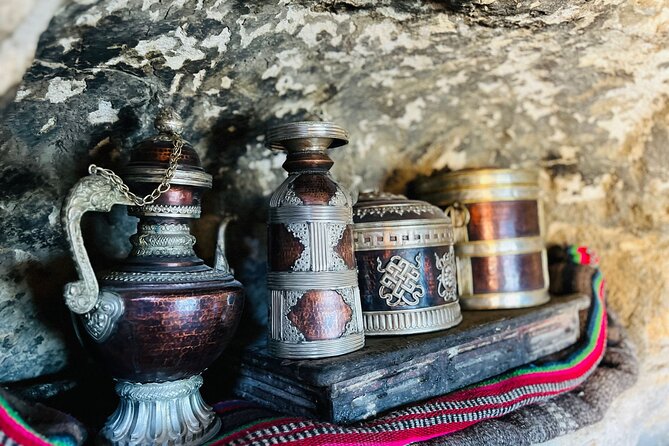
The two days around Lo Manthang focus on the northern Mustang sites. You visit Namgyal Gompa, the sky caves of Chhoser, and the Shija Jhong cave, described as more than 3,000 years old and connected with archaeological excavation.
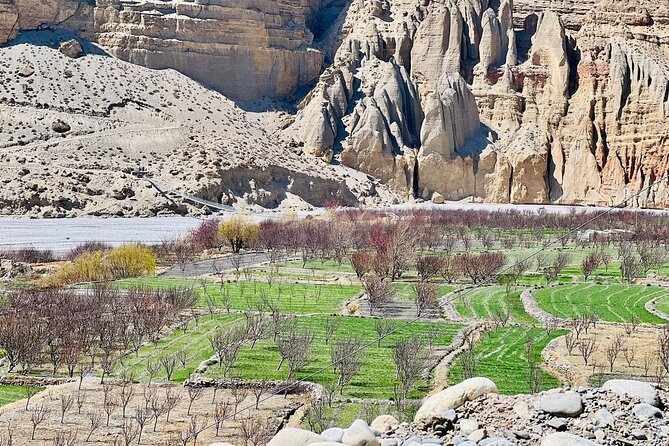
These caves are a major reason to choose Upper Mustang instead of a standard Nepal road trip. The dry cliffs and unusual rock formations create a setting unlike the green valleys around Kathmandu and Pokhara. At Chhoser, the cave dwellings offer a glimpse into how people adapted to a severe mountain environment.
The two days are similar in the supplied schedule, with one listed at about six hours and the other at five. That is sensible because the area has enough sites to justify more than one short visit. You will have time for drives, walks around the sites, and monastery visits without trying to force everything into one afternoon.
The exact condition and access of individual caves can vary, and the material provided does not promise a particular cave interior or archaeological display. Think of this as a cultural and scenic exploration, not a formal museum visit. Your guide’s explanations will be important, especially at places where the remains are easier to appreciate with context.
Day 10: Returning through the Kali Gandaki to Jomsom
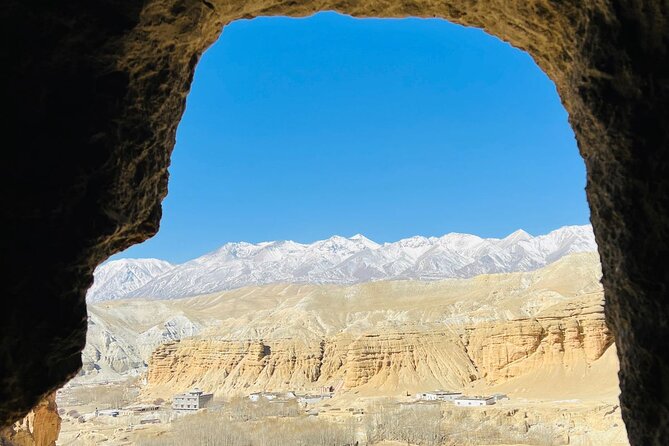
Day ten takes you back toward Jomsom, crossing the Kali Gandaki and passing villages, Buddhist stupas, and monasteries. The drive is about six hours.
Retracing part of the route can sound repetitive, but the view changes when you travel in the opposite direction. You also notice details missed on the way north. The return is not filler. It connects the remote Upper Mustang section with the lower Mustang road network.
You spend the evening with time to explore Jomsom’s local market. This is one of the better chances to see daily commerce rather than only monuments. It also gives you a break from the Jeep before the return to Pokhara.
A guesthouse is listed for this night. Based on the accommodation details supplied, you should expect practical rather than polished lodging. Ask in advance about room arrangements and what meals are available at each stop.
Days 11 and 12: The return plan needs clarification
The published schedule is unclear here. Day eleven says you fly early from Jomsom to Pokhara, then take an afternoon sightseeing tour in Pokhara. It also mentions a 4WD Land Cruiser in the transport line. Day twelve says drive to Pokhara for five to six hours, with a total day length of about eight hours.
Those details do not fit neatly together. A Jomsom to Pokhara flight and a five to six hour drive to Pokhara are two different return plans. Before booking, ask World Himalaya Treks which option applies to your departure date and whether weather could change it.
If the flight operates, the day should be much quicker than a road return and leaves time for Pokhara highlights. If the group drives, you should expect another full road day. Meals are listed as breakfast, lunch, and dinner on these days, while the wider package includes ten lunches and ten dinners and thirteen breakfasts.
This is the one part of the schedule I would not leave vague. Mountain flights depend on conditions, and the cancellation terms note that poor weather can force a different date or a full refund. Build some flexibility into your international plans if possible.
Day 13: A free day in Thamel
Day thirteen returns you to Kathmandu, with the rest of the day free for shopping in Thamel. It is a useful buffer after a demanding road trip and a chance to buy souvenirs, clothing, handicrafts, or snacks before departure.
The schedule lists six hours for the stop, though it does not spell out the transfer from Pokhara in detail. Confirm how much of the day is spent driving and how much is actually free. Either way, do not plan a major timed activity that evening unless the operator confirms your arrival time.
Day 14: Airport transfer and departure
Your final day includes a private tourist vehicle transfer to the international airport. The airport transfer is covered, which is helpful after a trip with several moving parts.
The meeting point is Tribhuvan Airport in Kathmandu. The operating period supplied for this experience runs from October 3, 2024, through December 13, 2026, daily from 8:15 a.m. to 6:15 p.m.
What the $2,200 price really covers
At $2,200 per person, this is not a cheap Nepal road trip. It is also not an unreasonable price for a private 14-day journey into a restricted area with a $500 permit.
The package includes:
- Private airport transfers
- Kathmandu sightseeing with an English-speaking guide
- Upper Mustang restricted-area permit
- Annapurna Conservation Area permit and TIMS card
- Government and local taxes
- First-aid supplies
- Ten dinners, ten lunches, and thirteen breakfasts
- Hotels and guesthouses as described in the route
You still pay for lunch and dinner in Kathmandu and Pokhara, drinks, alcoholic beverages, mineral water, boiled water during the mountain portion, personal equipment, tips, and extra nights caused by early arrival, late departure, or an early return.
I see the strongest value in the combination of vehicle, permits, staff, and logistics. Arranging Upper Mustang independently would involve more than booking ordinary hotels and hiring a car. The restricted permit alone is substantial, and the package removes several administrative tasks.
The value is weaker if you want upscale hotels, flexible private touring every day, or a short and easy holiday. You are paying for access and organization in a remote area, not for polished resort comfort.
Who should book this Jeep journey?
I would recommend it to you if you want:
- Upper Mustang’s monasteries, caves, villages, and Lo Manthang without a long trek
- A private vehicle for your own group
- A fixed route with permits and meals arranged
- A mixture of Kathmandu culture, Pokhara scenery, and remote mountain roads
- An active trip that does not require carrying trekking gear between lodges
I would hesitate if you dislike rough roads, long vehicle days, simple guesthouses, or schedule changes caused by mountain weather. The word comfortable in the tour description means more comfortable than trekking, not smooth or luxurious.
The experience also suits friends and families who prefer their own vehicle and may qualify for a group discount. Most people can participate, according to the supplied information, but the route still involves remote roads and extended travel days. Ask specific questions about your own needs before booking.
The company receives a perfect five-star average from ten supplied ratings, with repeated praise for friendly drivers, clean guesthouses, solid organization, and helpful staff. Shailesh is specifically praised for supporting the journey, while Mr. Dhital and Thakur are associated with planning and Kathmandu arrangements. Those details suggest a hands-on local operation, though you should still confirm the name of your driver and guide before departure.
Cancellation is generous at the outer limit but strict close to departure: cancel at least six full days ahead for a full refund, two to six days ahead for a 50 percent refund, and within two days for no refund. Poor weather or failure to meet the minimum number of participants can result in a new date or full refund.
Should you book the Upper Mustang Jeep tour?
Book it if your main goal is to reach Lo Manthang, see Mustang’s monasteries and caves, and experience the region without trekking. The included restricted permit, private 4WD, meals, airport transfers, and local support make the $2,200 easier to justify.
Before paying, get the Jomsom and Pokhara return plan in writing, ask what accommodation level to expect, and confirm how much time you will have at Lo Manthang and the Chhoser caves. If you accept rough roads and simple mountain lodging, this is a well-structured way to reach one of Nepal’s most unusual regions.
FAQ
How long does the Upper Mustang Jeep tour last?
The tour lasts approximately 14 days, beginning with airport pickup in Kathmandu and ending with a private transfer to Tribhuvan International Airport.
Is the tour private?
Yes. Only your group participates in the activity. Group discounts are also offered.
Is the Upper Mustang permit included?
Yes. The package includes the $500 Upper Mustang restricted-area permit, along with the Annapurna Conservation Area permit and TIMS card.
Are meals included?
Breakfast is included for 13 days. The package also includes 10 dinners and 10 lunches. Lunch and dinner in Kathmandu and Pokhara are not included, and drinks, alcohol, mineral water, and boiled water are also excluded.
What type of vehicle is used?
The tour uses a 4WD Land Cruiser or Mahindra Scorpio for the mountain road portion. Airport transfers and Kathmandu transport use private vehicles.
What happens if bad weather cancels the trip?
If poor weather causes cancellation, you will be offered a different date or a full refund. The supplied schedule also contains different descriptions for the return from Jomsom to Pokhara, so confirm whether your group will fly or drive.
Just added around Kathmandu
- Private Shopping Tour in Kathmandu★ 5.0 · 3 reviews
- Nagarkot Sunrise With 7 UNESCO World Heritage Private Tour★ 5.0 · 3 reviews
- Kathmandu: Nightlife and Pub Crawl Tour★ 5.0 · 3 reviews
- Mount Everest Scenic Flight 50 Minutes★ 5.0 · 3 reviews
- Momo Cooking Class -The Art Of Making MoMo with Home Chef★ 5.0 · 3 reviews
- Kathmandu: Nagarkot, Bhaktapur, Doleswor & Sanga Statue Tour★ 5.0 · 3 reviews
- Makalu Base Camp Trek★ 5.0 · 3 reviews
- Kathmandu: Momo Making Class with a Local Chef★ 5.0 · 3 reviews
Upper Mustang Treks, compared.
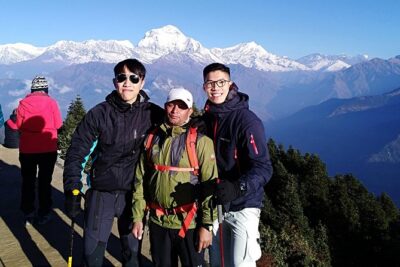
Trekking in Annapurna/Langtang/Everest/Upper Mustang regions
Read our review →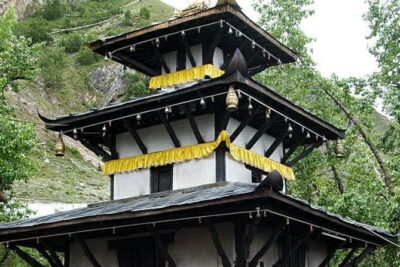
2-Day Scenic Mustang Tour: Pokhara to Jomsom, Kagbeni & Muktinath
Read our review →
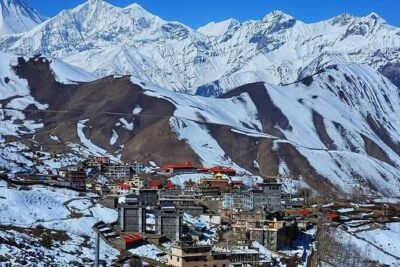
3 Day Lower Mustang Tour with 4WD Jeep from Pokhara
Read our review →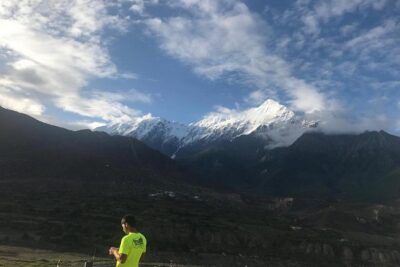
5 Days Adventures Lower Mustang Trip by 4WD Jeep
Read our review →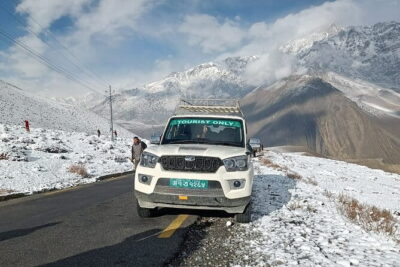
“Exclusive Round-Trip Transfer: Pokhara to Jomsom & Muktinath”
Read our review →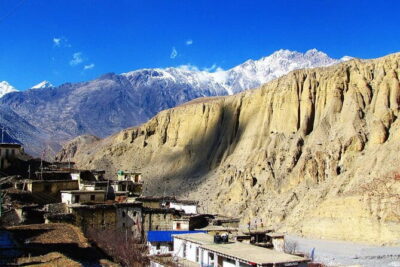
6 Day Upper Mustang Tour by 4WD Jeep from Pokhara
Read our review →
Browse the lists this tour appears in