
Reviewed · MANASLU CIRCUIT TREKS
Manaslu Circuit Trek 13 Days
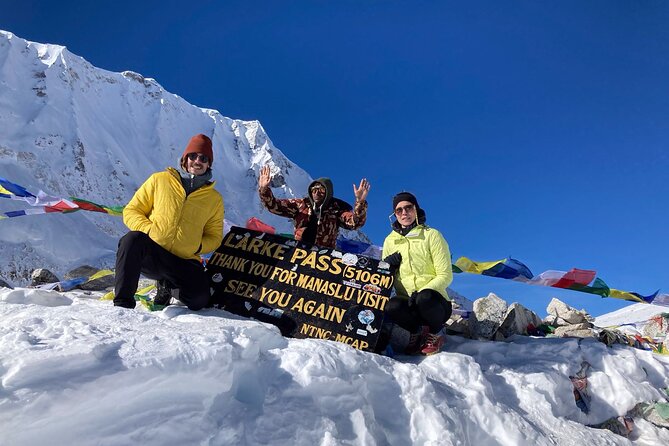
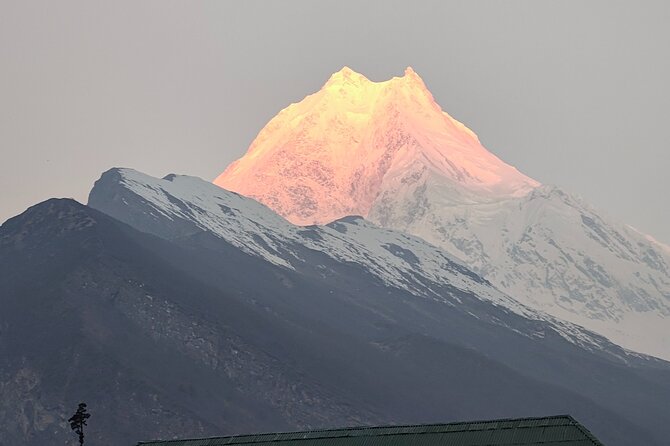
The mountains change every day. This 13-day Manaslu Circuit Trek links river gorges, Buddhist villages, high glaciers, and the demanding Larkya La Pass in one strong Himalayan journey. I like the steady shift from subtropical forest to snowy wilderness, and I like the close contact with Gurung, Tamang, and Tibetan communities. The main caution is simple: this is a serious trek, not a gentle sightseeing trip, and meals, lodging, porters, insurance, and rescue costs are extra.
I also like the small cultural details, from painted monastery gates to prayer wheels and old trading paths toward Tibet. Guides such as Hem, Kumar, Pradip, and Rajesh have been praised for being caring, funny, organized, and ready to answer questions. At $1,400 per person, the package offers useful permits, transport, a licensed guide, equipment, and a private trip, but you need to budget carefully for the costs left outside the price.
In This Review
- What makes this Manaslu trek special
- Why the Manaslu Circuit is worth your time
- Day 1: Twelve hours to Machha Khola
- Days 2 and 3: River gorges, Deng, and the first villages
- Day 4: Serang Monastery and Tibetan influence at Namrung
- Day 5: Banjam, Lihi, Sho, and a big evening in Lho
- Day 6: Alpine forests and peaceful Samagaon
- Day 7: Pungyen Gompa as a meaningful side trip
- Day 8: Birendra Taal, Samagaon, and Samdo
- Day 9: Larkya Bazaar and Dharamsala
- Day 10: Crossing Larkya La to Bimthang
- Days 11 to 13: Forests, Tal, Besisahar, and Kathmandu
- What $1,400 includes, and what it does not
- Guides, support, and the practical feel of the trip
- Who should book this trek?
- My verdict on the 13-day Manaslu Circuit
- FAQ
- How long does the Manaslu Circuit Trek take?
- What is the price per person?
- Is transportation included?
- Is the trek private?
- Is a guide included?
- Which permits are included?
- Are meals and accommodation included?
- What happens if bad weather cancels the trek?
What makes this Manaslu trek special
- Larkya La Pass on day 10: The high point of the route brings views of the Manaslu range, Syacha Glacier, and surrounding snow peaks.
- Tibetan culture at Namrung, Lho, Samagaon, and Samdo: Monasteries, mani walls, chortens, prayer wheels, and traditional villages give the route a strong cultural character.
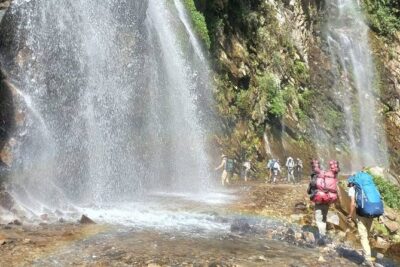
- A changing route from river valleys to glacial country: You begin beside the Trishuli and Budhi Gandaki Rivers, then walk through forests, farmland, alpine terrain, and snow country.
- A private trip with a licensed English-speaking guide: Only your own group takes part, allowing the pace and daily rhythm to feel more personal.
- Pungyen Gompa and Birendra Taal: These side trips add spiritual interest and a turquoise glacial lake to the main circuit.
- A package with important permits included: Manaslu Conservation Area fees, the seven-day Manaslu Special Permit, Annapurna Conservation Permit, and TIMS card are covered.
Why the Manaslu Circuit is worth your time
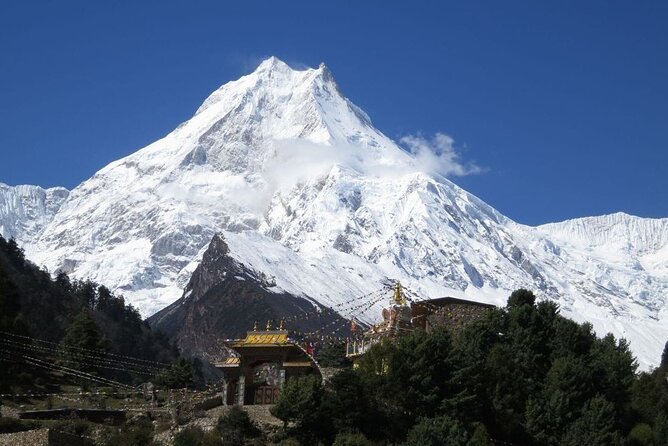
The Manaslu Circuit is a good choice if you want more than big mountain photographs. The route gives you a sense of how geography shapes daily life. Lower villages grow crops on steep terraces, while higher settlements reflect Tibetan customs and depend on mountain trade, livestock, and monastery life.
The scenery changes often enough to keep the long walking days interesting. Early on, the trail follows warm river valleys and subtropical woodland. Higher up, pine forests, lichens, juniper, glaciers, and bare mountain slopes take over. You get the feeling of moving through several regions rather than walking one repeated trail.
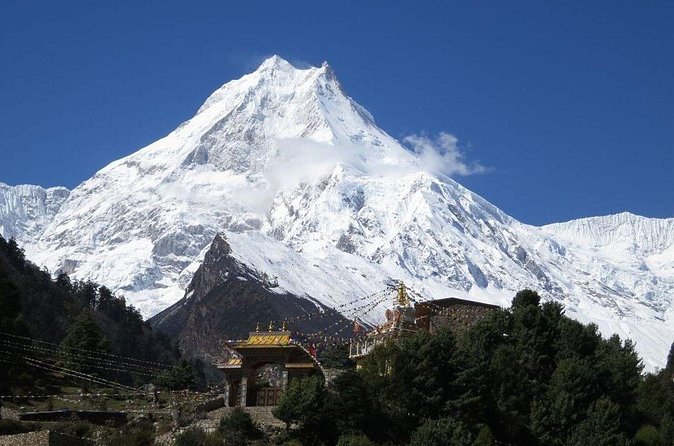
The cultural side is just as important. You pass chortens, mani walls, monasteries, prayer wheels, and kani gates. The painted entrance to Deng and the monastery settings at Serang, Hinang, Lho, and Pungyen give the trek a clear spiritual thread.
This is also a private activity. That matters on a route with long days and changing energy levels. You are not locked into the mood or walking speed of a large group, although you still need to follow a sensible schedule to reach the pass safely within 13 days.
More Manaslu Circuit Treks:
- Manaslu Circuit Trek (15 Days)
★ 5.0 · 50 reviews - 16 Day Private Manaslu Circuit Trek from Kathmandu
★ 5.0 · 42 reviews - 10 Days Manaslu Circuit Trek in Larke La Pass
★ 5.0 · 30 reviews
Day 1: Twelve hours to Machha Khola
The journey begins with an early morning drive by deluxe bus from Kathmandu to Machha Khola. The route follows the Trishuli and Budhi Gandaki Rivers, so the first day is less about walking and more about watching the scenery change through the windows.
A 12-hour road journey is a demanding start. You should expect a long day before the trek really gets going. The advantage is that the route takes you directly toward the trailhead, with public transportation included in the package.
Days 2 and 3: River gorges, Deng, and the first villages
From Machha Khola, the trail passes Khorlabesi and follows a route lined in places with wild marijuana plants. You then descend into the Budhi Gandaki gorge, where the walking becomes more enclosed and dramatic.
The route continues toward Jagat through a mixture of river crossings, old paths, and village terrain. Jagat is an important early stop because the trip begins to feel like a proper Himalayan trek rather than a road transfer.
The following day brings a string of memorable places. After crossing a rocky ridge, you reach Salleri and continue along the west bank of the river with views toward Shringi Himal and Langju Himal. Sirdibas provides a quieter village stop, while Philim offers terraced fields, chortens, monasteries, and a more settled cultural setting.
Ekle Bhatti is exactly the kind of small trail stop that gives this route character. Its name means one house, and it works as a brief rest point before the path becomes more remote. After a suspension bridge and a walk through subtropical forest, you reach Pewa and then Deng through a painted kani gate.
Days 2 and 3 are both listed as long days, around 12 hours. The itinerary also gives short stop durations at several villages, so do not read those times as full guided visits. They appear to be points along the walking route rather than long sightseeing sessions.
Day 4: Serang Monastery and Tibetan influence at Namrung
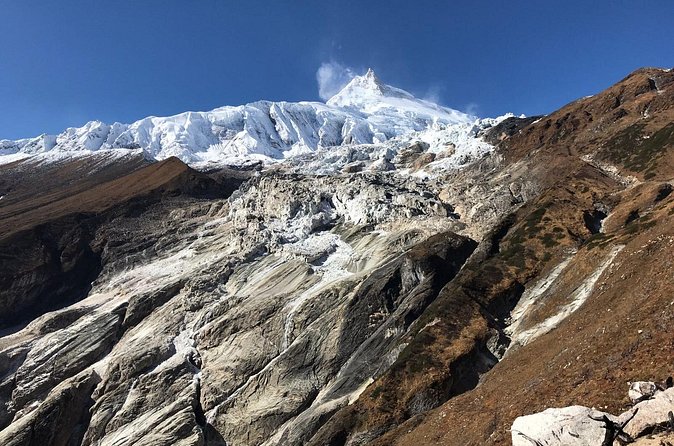
The trail passes Rana before reaching Bihi Phedi, a small settlement divided into three clusters of houses. The steep approach gives you a look at how villages are built into the hillsides, with homes spread across difficult ground rather than arranged on flat land.
From Bihi Phedi, the route descends toward Ghap. Serang Monastery is a highlight here, with painted surfaces and carved Buddhist figures. It is a good reminder that the religious sites along this trek are not decorative stops added for tourists. They are part of the local rhythm of life.
The day ends at Namrung after forest walking among lichens and pine trees. Namrung is known for its Tibetan character, including local language and customs. This is one of the first places where the cultural shift becomes especially clear.
More Treks and Hikes:
- Everest Base Camp Trek – 14 Days
★ 5.0 · 1,499 reviews - Everest Base Camp Trekking
★ 5.0 · 485 reviews - Nagarkot Sunrise View and Day Hiking from Kathmandu
★ 5.0 · 471 reviews - Annapurna Circuit Trek with Tilicho Lake
★ 5.0 · 368 reviews
Day 5: Banjam, Lihi, Sho, and a big evening in Lho
Day 5 moves through several villages, each with a different small detail. Banjam is a farming settlement surrounded by terraced fields, with views toward Ganesh Himal and nearby glaciers. Lihi has a monastery and a three-tiered chorten decorated with Buddhist figures.
At Sho, you find a large prayer wheel and cross the river valley. The itinerary also includes Hinang Monastery along the way, adding another worthwhile cultural pause.
Lho is one of the strongest stops on the whole route. The village offers wide views of the Manaslu range, along with grand monasteries and a striking mountain backdrop. If you want a night where the scenery and cultural setting come together, Lho is it.
Again, the day is listed at about 12 hours. You should view this as a full trekking day, not a collection of quick village visits.
Day 6: Alpine forests and peaceful Samagaon
Leaving Lho, you walk through alpine vegetation along a former yak caravan route. Timber was once exchanged with Tibet along this corridor, giving the path a clear connection to older mountain trade.
The route offers passing views of peaks including Ngadi Chuli before continuing toward Shyala. From there, the trail descends toward Samagaon, a peaceful settlement in a striking mountain setting.
Samagaon is important because it gives your body a chance to settle before the higher sections. The itinerary describes it as a place to rest, and that is sensible advice. The surrounding village culture, mountain views, and spiritual atmosphere make this more than a bed for the night.
Day 7: Pungyen Gompa as a meaningful side trip
The day trip to Pungyen Gompa begins by retracing part of the route to a junction, then heading northwest. Two small chortens mark the way before the path climbs toward the gompa.
This is a quieter day in terms of distance, but not necessarily an effortless one. The uphill walk still requires energy, and the point is to visit a religious site in a mountain setting rather than simply tick off another village.
Pungyen Gompa adds a strong sense of place to the itinerary. You get time away from the main forward push, with mountain scenery and Buddhist landmarks shaping the day.
Day 8: Birendra Taal, Samagaon, and Samdo
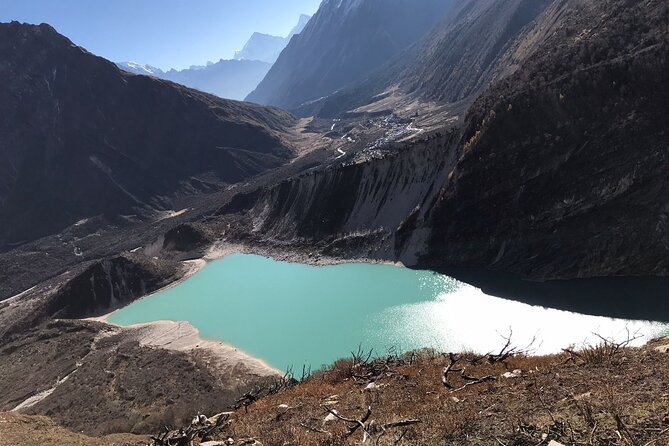
Birendra Taal is a turquoise glacial lake named after King Birendra Bir Bikram Shah Dev. Its unusual color comes from glacial material at the bottom of the lake, giving you a natural feature that feels very different from the river valleys below.
The route also includes the Samagaon area and views connected with Manaslu Base Camp. The main trail to base camp is bypassed on this journey, so you should not book this expecting a full base camp excursion. You still get views of the Manaslu range, Mani walls, and Samdo Peak.
The day ends at Samdo, a quiet village and an important stopping point before the final high section. The mountain views become more severe here, and the settlement feels increasingly remote.
Day 9: Larkya Bazaar and Dharamsala
The walk to Larkya Phedi, also called Dharamsala, passes through Larkya Bazaar, an old trading point. Its value lies in the connection to the past. This was part of a wider mountain exchange route, and the name still recalls that commercial role.
From there, the trail climbs steeply toward Dharamsala. The itinerary specifically notes that altitude can affect your breathing. The route includes chortens, mani walls, glaciers, and juniper bushes, but the main challenge is the high, demanding approach.
This is one of the days when a guide earns his or her keep. A guide can help you keep a steady pace, watch for signs that you are struggling, and organize the next stage. The package includes a first aid medical box, but that should not be confused with travel insurance or rescue coverage, which are not included.
Day 10: Crossing Larkya La to Bimthang
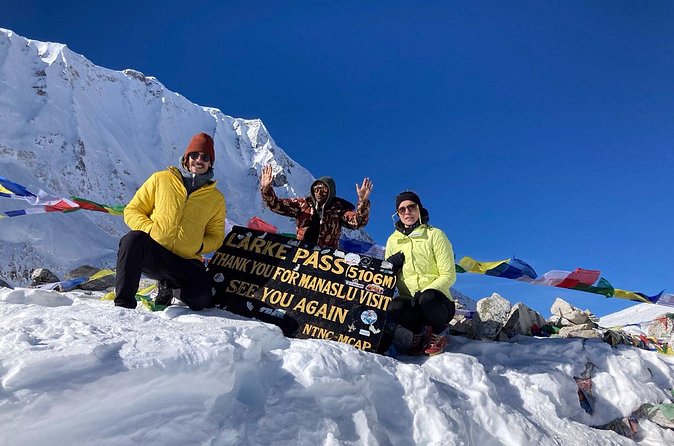
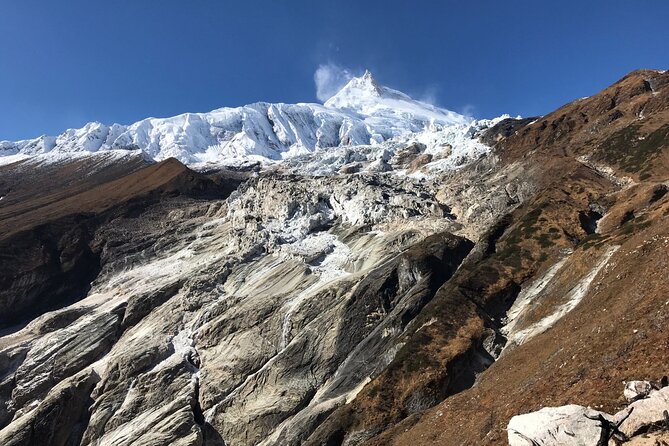
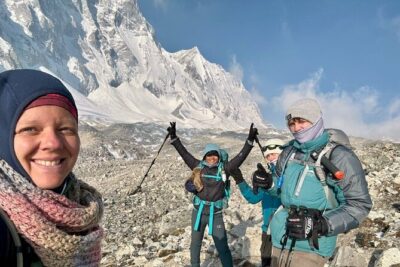
Larkya La Pass is the main physical and visual goal of the trek. The ascent brings views of the Manaslu range, Syacha Glacier, and snow-covered peaks, with chortens and glaciers marking the route.
The pass crossing is not a quick photo stop. The day is listed at around 12 hours, and the altitude adds difficulty to the climb and descent. You need good physical fitness, warm clothing, patience, and a willingness to move slowly when needed.
Bimthang provides a well-earned place to rest after the crossing. Reaching it marks the end of one of the hardest sections of the trek, and the settlement gives you time to recover while still surrounded by impressive mountain scenery.
Days 11 to 13: Forests, Tal, Besisahar, and Kathmandu
After Larkya La, the trail descends through rhododendron, pine, and oak forests toward Tilche. The mountains remain close, and the route offers different views from those seen at the pass.
The walk to Tal is gentler in character. The scenery shifts from alpine terrain toward subtropical vegetation, and villages become more frequent. You may find this section less dramatic than the high route, but it provides a useful change of pace and shows how quickly the climate changes with altitude.
On the final day, you descend on foot from Tal to Besisahar, then take a long drive back to Kathmandu. The itinerary lists about 12 hours for the combined walking and road journey, followed by a return to your hotel for rest.
That final transfer is practical but tiring. The route retraces part of the earlier road journey, so the day is about completing the circuit rather than adding a final attraction.
What $1,400 includes, and what it does not
The $1,400 price is reasonable for a private 13-day trek if you value permits, transport, and a licensed guide being arranged in advance. It includes public transportation, a government-licensed English-speaking trekking guide, the Manaslu Conservation Area fee, the seven-day Manaslu Special Permit, the Annapurna Conservation Permit, and a TIMS card.
You also receive a first aid medical box, a T-shirt, a duffel bag, a trekking map with the company logo, all fees and taxes, and a farewell dinner. Those inclusions remove several major planning tasks.
The important gap is food and lodging. All meals and accommodation during the trek are listed as extra. Porters are also not included, along with visa fees, international flights, travel insurance, rescue operations, laundry, electronic charging, drinks, and tips for guides and porters.
Past arrangements described by the company include hotels and three meals a day, but the current package information specifically excludes meals and accommodation. I would ask for the exact current cost of both before paying. That one question will give you a much clearer idea of the real trip price.
Guides, support, and the practical feel of the trip
The strongest human element is the guide service. Hem has been praised for being organized, informative, fun, and attentive throughout the trek. Kumar is noted for his care and charisma, while Pradip is described as kind, funny, and able to answer questions. Hem and Rajesh have also been praised for their friendliness and help on the route.
That matters on a trek where the days are long and conditions change. Good guiding is not just about pointing out peaks. It means keeping the group moving sensibly, helping with cultural context, and offering calm support when the high pass feels hard.
Airport pickup is mentioned among the company’s wider service comments, but the experience details only guarantee pickup as an offered feature. Confirm exactly where your pickup occurs and whether it applies to your booking.
The trek is private, and confirmation is received at booking. It runs from April 27, 2025, through November 26, 2026, with availability listed every day. The experience requires good weather and a minimum number of participants, so a cancellation for either reason may result in another date or a full refund.
Who should book this trek?
You should consider it if you want a demanding mountain route with strong village culture, Buddhist sites, varied scenery, and a major pass crossing. It suits people with a moderate level of physical fitness who are comfortable with long days, steep climbs, basic trekking conditions, and a tiring road return.
I would not choose it for a short introduction to Nepal or for a relaxed holiday. The 12-hour opening drive, repeated long walking days, high pass, and extra food and lodging costs require realistic planning.
The trek is especially appealing if you care about local communities and older trade routes as much as summit views. Namrung, Lho, Samagaon, Samdo, Pungyen Gompa, and Larkya Bazaar give the route a human story, not just a mountain backdrop.
My verdict on the 13-day Manaslu Circuit
I would book this trek if I wanted a serious Himalayan circuit with excellent cultural variety and a private guide team. The best parts are the steady change in scenery, the Tibetan villages, Pungyen Gompa, Birendra Taal, and the reward of crossing Larkya La.
Before booking, I would get a written estimate for meals, accommodation, porters, insurance expectations, and any rescue arrangements. If those extras fit your budget and you are ready for long, strenuous days, this is a strong-value way to experience the Manaslu region with permits and guiding handled for you.
FAQ
How long does the Manaslu Circuit Trek take?
The trek is planned for approximately 13 days, beginning and ending in Kathmandu.
What is the price per person?
The listed price is $1,400 per person.
Is transportation included?
Yes. Public transportation is included, including the long transfers between Kathmandu, Machha Khola, Besisahar, and Kathmandu.
Is the trek private?
Yes. Only your own group participates in this private tour or activity.
Is a guide included?
Yes. A government-licensed English-speaking trekking guide is included.
Which permits are included?
The package includes Manaslu Conservation Area fees, the Manaslu Special Permit for seven days, the Annapurna Conservation Permit, and a TIMS card.
Are meals and accommodation included?
No. All meals and accommodation during the trek are listed as not included.
What happens if bad weather cancels the trek?
If poor weather causes cancellation, you will be offered another date or a full refund. A full refund is also available when the minimum number of participants is not met and the provider cancels.
Just added around Kathmandu
- Nagarkot Sunrise With 7 UNESCO World Heritage Private Tour★ 5.0 · 3 reviews
- Private Shopping Tour in Kathmandu★ 5.0 · 3 reviews
- Mount Everest Scenic Flight 50 Minutes★ 5.0 · 3 reviews
- Kathmandu: Nightlife and Pub Crawl Tour★ 5.0 · 3 reviews
- Kathmandu: Nagarkot, Bhaktapur, Doleswor & Sanga Statue Tour★ 5.0 · 3 reviews
- Momo Cooking Class -The Art Of Making MoMo with Home Chef★ 5.0 · 3 reviews
- Everest Experience Trek 6 Day Hiking Adventure★ 5.0 · 3 reviews
- Kathmandu: Momo Making Class with a Local Chef★ 5.0 · 3 reviews
Manaslu Circuit Treks, compared.
16 Day Private Manaslu Circuit Trek from Kathmandu
Read our review →
10 Days Manaslu Circuit Trek in Larke La Pass
Read our review →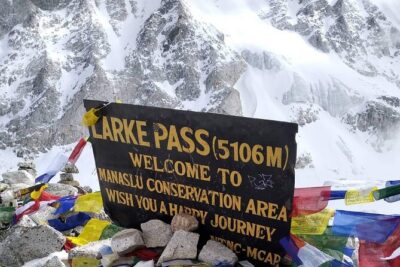
Manaslu Circuit Trek 8th Highest in the World
Read our review →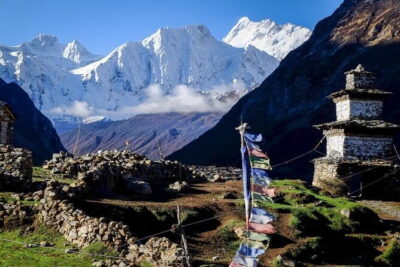
Manaslu Circuit Trek to the Beauty of 8th Highest Mountain
Read our review →
Browse the lists this tour appears in