
Reviewed · MANASLU CIRCUIT TREKS
Manaslu Circuit Trek 8th Highest in the World
The Himalaya rewards sturdy legs. The Manaslu Circuit Trek takes you around 8,163-meter Manaslu through remote valleys, Buddhist villages, high pastures, and the demanding Larkya La Pass. I like its quieter trails and the way the scenery changes almost every day. I also like that a local, family-run team provides guides, porters, permits, meals, and transport in one package. The main drawback is the rough road travel, long trekking days, and high-altitude pass crossing.
At $1,600 per person, this 14-day private trek offers solid value if you want a guided Himalayan route with major costs bundled in. The company has earned a 4.9 rating from 14 published evaluations, with repeated praise for guides including Roshan, Dil, Samir, and porter Sudip. Still, you need strong fitness, patience for basic guesthouses, and a willingness to accept changing road conditions.
In This Review
- Key details that shape the Manaslu experience
- Why the Manaslu Circuit feels different
- Days 1 and 2: Kathmandu preparation and old-city sights
- Day 3: The rough road to Machha Khola
- Days 4 and 5: Rivers, waterfalls, and early Buddhist culture
- Days 6 and 7: Namrung and the first great views of Manaslu
- Days 8 and 9: Samdo and the Tibetan border option
- Days 10 and 11: Preparing for and crossing Larkya La
- Days 12 to 14: Forests, Dharapani, and the long return
- What the $1,600 price really covers
- Guides, porters, and the feel of a private trip
- Who should book this trek?
- Useful planning details before you commit
- Should you book the Manaslu Circuit Trek?
- FAQ
- Where does the Manaslu Circuit Trek begin?
- How long does the trek last?
- What is the price per person?
- Is airport pickup included?
- Are Kathmandu hotel nights included?
- Is accommodation during the trek included?
- Are meals included?
- Is the Manaslu region restricted?
- Can one person join the trek alone?
- How difficult is the trek?
- Are guides and porters included?
- What is not included in the price?
- Is the activity private?
- Can I cancel for a full refund?
Key details that shape the Manaslu experience
- Manaslu reaches 8,163 meters, making it the world’s eighth-highest mountain and the visual center of the trek.
- The route passes through a restricted area, so you need special permits and a registered Nepali trekking company.
- The group must include at least two trekkers, not counting the guide and porters.
- Larkya La is the big test, with an early start, a steep climb, and a trekking day lasting up to 12 hours.
- The scenery keeps changing, from river valleys and waterfalls to Tibetan-style villages, juniper, tundra, and snowy peaks.
- The package covers practical essentials, including airport transfers, three Kathmandu nights, permits, lodging, meals, guides, porters, and ground transport.
Why the Manaslu Circuit feels different
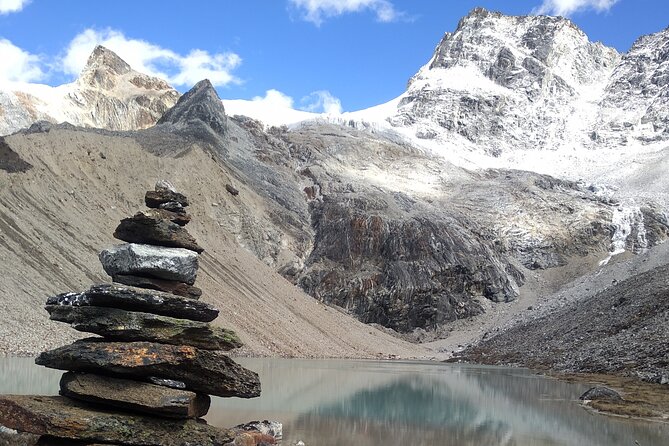
The Manaslu Circuit is one of Nepal’s most exciting long-distance treks because it combines mountain drama with a sense of remoteness. The route circles Manaslu, but the mountain is only part of the story. You move through river gorges, forest, open pasture, old villages, and high Himalayan country in a steady series of changes.
The region opened to trekking in 1992, and access remains controlled. That matters because you are not simply buying a standard independent walking holiday. The required permits, registered company, and minimum group rule make local support part of the experience, not an optional extra.
I especially like the cultural shift as you climb. Early sections show Buddhist influences, while higher villages have a stronger Tibetan character. The setting becomes quieter and more severe as you move toward Samagaun, Samdo, and Larkya La.
This is not a soft introduction to Nepal trekking. You should expect basic guesthouse accommodation, long walking days, a rough road at the beginning and end, and a high pass crossing that demands preparation. The reward is a route that feels less crowded and more varied than Nepal’s best-known circuits.
More Manaslu Circuit Treks:
- Manaslu Circuit Trek (15 Days)
★ 5.0 · 50 reviews - 16 Day Private Manaslu Circuit Trek from Kathmandu
★ 5.0 · 42 reviews - Manaslu Circuit Trek 13 Days
★ 5.0 · 30 reviews
Days 1 and 2: Kathmandu preparation and old-city sights
Your first day begins with an airport pickup arranged around your flight arrival. A representative takes you to the hotel in Thamel, where you can check in and receive a trek briefing.
This first evening has a useful purpose. You can ask about equipment, confirm the walking plan, and sort out anything missing before leaving the city. The package includes three nights at a tourist-standard hotel in Kathmandu, but food in Kathmandu is not included apart from the daily breakfast.
Day two combines gear planning with time at Kathmandu Durbar Square. The team checks what you need and may suggest buying, renting, or borrowing equipment. That service is practical, especially if you are flying into Nepal with limited trekking gear.
Kathmandu Durbar Square adds a little culture before the long road journey. The entrance fee is not included, so budget separately for it. You should also use this day to organize personal snacks, drinks, and any items you may need beyond the supplied meals and equipment.
Day 3: The rough road to Machha Khola
After breakfast, you travel from Kathmandu toward Machha Khola. This is one of the less polished parts of the trip. The road can be bumpy, and the journey may take much of the day.
I would treat this transfer as part of the adventure rather than a minor detail. You will see rural scenery and local transport in action, but comfort is limited. The itinerary specifically warns you to prepare for a lengthy bus ride and changing road conditions.
Machha Khola marks the proper start of the walking route. The long transfer also explains why the trek cannot be squeezed comfortably into only a few days. Much of the Manaslu experience lies beyond the easier road corridors.
Days 4 and 5: Rivers, waterfalls, and early Buddhist culture
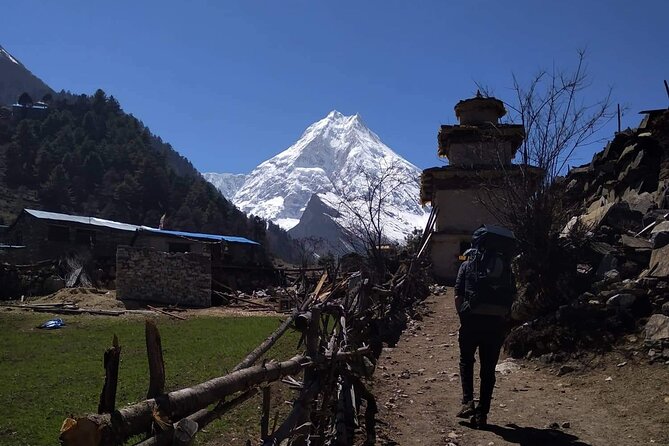
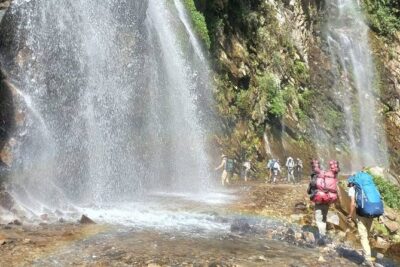
From Machha Khola, you cross a river and climb toward Khorla Besi. The trail follows a beautiful river valley, with waterfalls and sections affected by landslides. You also reach Tatopani, known for its natural hot springs.
This is a fine early walking day because the route introduces the raw character of the region without placing you immediately at extreme altitude. The river gives the trail a clear rhythm, while the waterfalls and rocky sections keep the walk interesting.
The next stage takes you toward Sirdibas at 1,430 meters. You walk along the riverbed, then climb a rocky ridge to Salleri at 1,440 meters. This is where Buddhist culture first becomes more visible on the route, and you gain views of Sringi Himal, which rises to 7,187 meters.
The distances and walking hours are not fully stated for every day, so you should ask the operator for the final daily plan. Road and trail conditions can affect timing. That flexibility is normal here, but it also means you should not plan tight onward travel around the published schedule.
More Treks and Hikes:
- Everest Base Camp Trek – 14 Days
★ 5.0 · 1,499 reviews - Everest Base Camp Trekking
★ 5.0 · 485 reviews - Nagarkot Sunrise View and Day Hiking from Kathmandu
★ 5.0 · 471 reviews - Annapurna Circuit Trek with Tilicho Lake
★ 5.0 · 368 reviews
Days 6 and 7: Namrung and the first great views of Manaslu
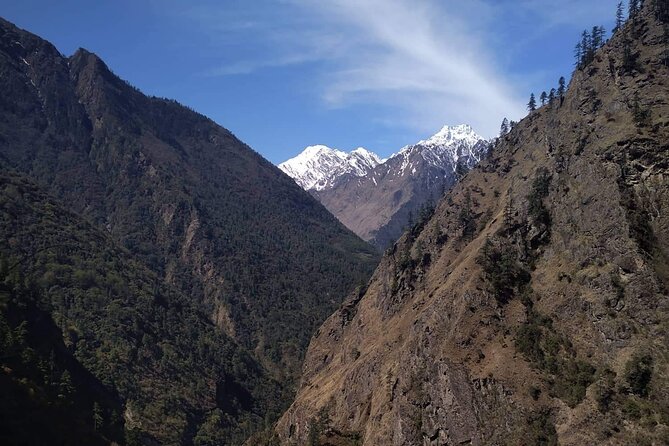
The trail descends into the Sringi Khola Valley before crossing the river and climbing through forest to Ghap. You can feel the altitude rising here. Nights become cooler, and the first major Himalayan views begin to appear with greater force.
Namrung is an important turning point. The route feels more alpine, and the village setting reflects the stronger Tibetan influence found in the upper Manaslu region.
From Namrung, you continue toward Samagaun. The cliffs begin to fade, and the valley opens toward views of Manaslu, Manaslu North at 7,157 meters, and Naike Peak at 5,515 meters.
Samagaun is one of the trek’s main highlights. The village has a strong Tibetan cultural influence, and its position beneath the high peaks gives you a clear sense of why the Manaslu route is so highly regarded. The change from enclosed river corridors to a wider mountain valley is one of the most satisfying transitions on the trek.
The schedule gives you one day at Samagaun, but you should confirm how that day is used. A rest or acclimatization day is valuable before climbing higher, though the supplied plan does not spell out every activity. Do not treat it as a wasted day. At this altitude, a slower pace can make the pass crossing safer and more manageable.
Days 8 and 9: Samdo and the Tibetan border option
The route toward Samdo begins with a mostly gentle section through juniper and birch forest via Kermo Kharka. You then descend to cross the river near the meeting point of the Budhi Gandaki and Shyale Khola.
Samdo is another strong cultural stop. The village sits high in the Manaslu region, and the pace of daily life feels far removed from Kathmandu. You have time to walk around and observe local routines rather than simply sleeping and leaving.
Day nine offers an optional eight-hour side trip toward the Tibetan border. You would carry a packed lunch and plenty of drinking water. If that sounds too demanding, you can remain around Samdo and explore the village.
This option gives the trek some welcome flexibility. Strong walkers may enjoy the extra route and border-country views, while others may prefer to conserve energy before the pass. I would make that decision honestly. The next stages are the hardest part of the trek, so a shorter day may be the wiser choice if you are feeling tired.
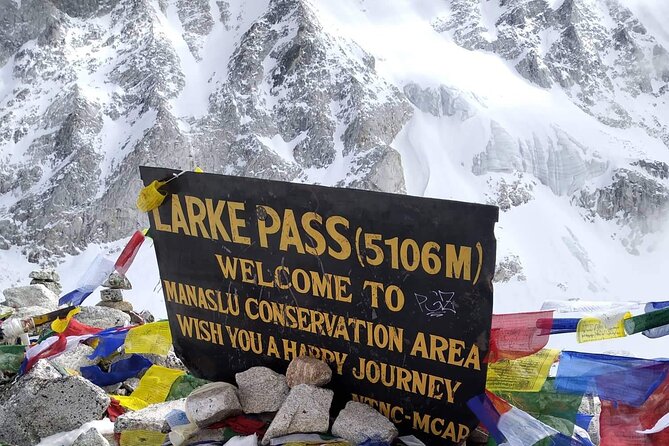
Days 10 and 11: Preparing for and crossing Larkya La
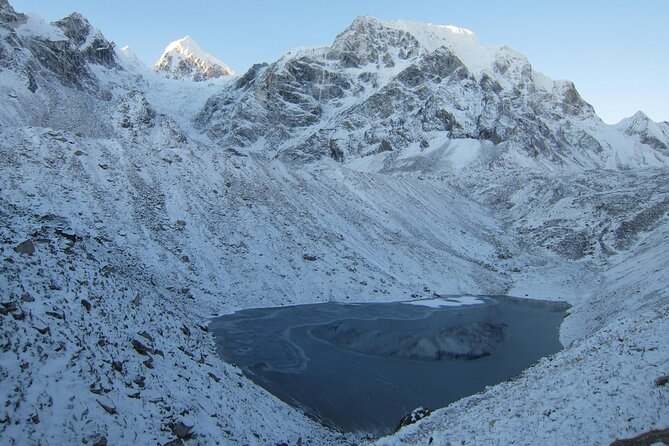
The approach to Larkya La is where the Manaslu Circuit becomes a serious high-altitude trek. You descend to 3,850 meters to cross the Budhi Gandaki, then climb through juniper and tundra, moving in and out of ravines toward the Larkya Guest House at Dharamsala.
Dharamsala is the final stop before the pass. The schedule allows up to 12 hours for this part of the route, and you should expect an early start the following morning. Keep your torch close. The trail begins steeply, and darkness may still cover the path.
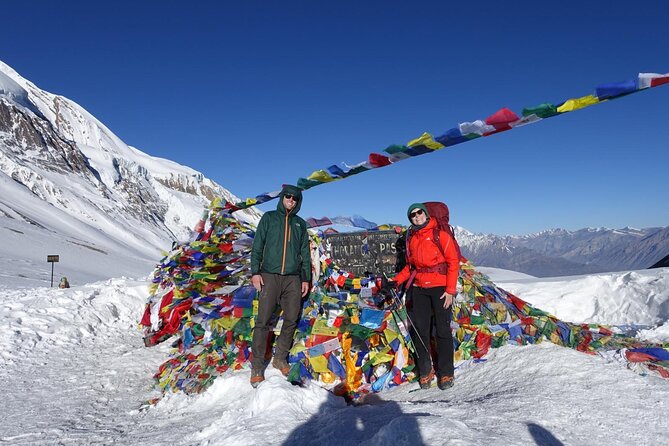
The pass day is designed around sunrise and wind conditions. You leave early to see the morning light over the pass and to avoid stronger winds later in the day. The climb passes over several deceptive ridges before reaching Larkya La.
This is the defining physical challenge of the trip. It is not only the elevation gain. You also face cold, a long day, steep sections, and the mental strain of seeing one ridge after another before the pass finally arrives.
After crossing, the route descends toward Bimtang, which leads into the following day’s walk through the Dudh Khola Valley. The reward is a dramatic change of scenery and the satisfaction of completing the trek’s hardest section.
The itinerary contains an unusual label for the pass day, listing Samagaun as the stop while describing the Larkya La crossing. Confirm the exact overnight location and daily sequence before departure. The detailed route clearly places this stage between Samdo and the descent through Bimtang.
Days 12 to 14: Forests, Dharapani, and the long return
From Bimtang, you walk through forests and pastures along the Dudh Khola Valley to Dharapani. The journey is listed at about seven hours.
Dharapani is where the Manaslu route joins the more popular Annapurna Circuit trail. That change can feel significant. After the remote upper sections, you are moving into a better-known trekking corridor with more road access and a different rhythm.
Day 13 takes you downhill from Dharapani toward Jagat and the Marsyangdi River gorge. The walking time is listed at about six hours. Because roads affect this section, you may also be able to charter a Jeep instead of walking every part, depending on the conditions and arrangements.
On the final day, a shared Jeep takes you to Besisahar during the first half of the day. After a break, you board a bus back to Kathmandu. The return journey takes several hours, so you should avoid booking a flight immediately after the trek ends.
The road ending is practical, not glamorous. You trade high mountain trails for shared transport, village views, and a long ride. That is the price of reaching a remote circuit without domestic flights.
What the $1,600 price really covers
The price includes more than the walking itself. Airport pickup and drop-off, three Kathmandu hotel nights, ground transport, permits, entrance fees, guesthouse accommodation, three daily meals during the trek, a professional guide, and porters are all included.
The special permit is specifically included, with the supplied information noting a $100 special permit cost. Guide and porter expenses also include their insurance and equipment. That reduces the number of large costs you need to arrange separately.
For a restricted-area Himalayan trek, I consider this a fair package price. You are paying for local administration, transport, staff, permits, and logistical support, not just a bed and a walking guide. The value is strongest if you want a private trip rather than a large shared group.
You still need money for drinks, tips, personal expenses, travel insurance, and food in Kathmandu apart from breakfast. The package lists breakfast 13 times, lunch 12 times, and dinner 12 times, which fits a 14-day trip with city nights and travel days.
Guides, porters, and the feel of a private trip
This is a private activity, so only your own group participates. That gives you more control over walking pace and rest stops than a large group normally allows.
Several staff names receive especially warm praise. Roshan is noted for being kind, helpful, and attentive to needs, while Dil is praised for genuine information and useful preparation advice. Samir is described as a strong guide who focuses on enjoyment, and porter Sudip is remembered for supportive service throughout the journey.
Those details matter on a trek where small problems can become tiring quickly. A good guide can help you adjust the pace, understand changing conditions, and feel more secure during long days. The company’s local, family-run character also appeals if you prefer dealing with a small Nepal-based operator rather than a large international brand.
The private format does not remove the restricted-area rule. You still need at least two trekkers in the group, excluding the guide and porters. Solo customers should confirm how the operator handles this requirement before paying.
Who should book this trek?
I would recommend the Manaslu Circuit to you if you want remote mountain scenery, traditional villages, and a serious trek with a major pass crossing. It suits people who value changing scenery and cultural contact more than polished accommodation or fast transport.
You should have a strong physical fitness level. The 12-hour Larkya La stage, steep climbs, altitude, and rough road transfers are not minor inconveniences. If you prefer short walks, private bathrooms, or a fixed timetable, this trip may frustrate you.
The trek also suits people who want support from guides and porters without joining a large group. The positive staff feedback around Roshan, Dil, Samir, and Sudip makes the company worth considering, though you should request the names and roles of your own team before departure.
The itinerary operates in a restricted region and requires permits arranged through a registered Nepali company. That extra administration is part of why the route feels less developed and less crowded.
Useful planning details before you commit
The operator offers free cancellation up to 24 hours before the experience begins. Changes or cancellations inside that window are not accepted for a refund.
Pickup is offered, and the stated meeting point is Adventure Glacier Treks at Chaksibari Marg in Kathmandu. The activity ends back at the meeting point after the return from Besisahar.
Bring a realistic attitude toward food and lodging. Three meals a day and guesthouse stays are included, but the package does not promise luxury. Drinks are extra, and personal insurance is your responsibility.
Most important, confirm the final schedule for the pass crossing, the exact accommodation before and after Larkya La, and the transport plan between Kathmandu, Machha Khola, Besisahar, and Kathmandu. The supplied itinerary contains a few unclear stop labels, so good pre-trip communication will help.
Should you book the Manaslu Circuit Trek?
You should book it if the thought of walking beneath Manaslu, visiting Tibetan-influenced villages, crossing Larkya La, and spending time far from Nepal’s busiest trekking routes appeals to you. The included permits, porters, meals, lodging, and transport make $1,600 a sensible price for a private, fully supported circuit.
I would not choose it for a casual holiday or a first mountain outing without serious preparation. The route is remote, the roads are rough, and the pass day is long.
For strong walkers who want a demanding but well-supported Himalayan journey, Adventure Glacier Treks offers a compelling package. Ask detailed questions before booking, then go prepared for basic conditions and a route that earns its dramatic reputation one hard-won view at a time.
FAQ
Where does the Manaslu Circuit Trek begin?
The trip begins in Kathmandu, Nepal. The stated meeting point is Adventure Glacier Treks at Chaksibari Marg in Kathmandu.
How long does the trek last?
The full experience lasts approximately 14 days.
What is the price per person?
The listed price is $1,600 per person.
Is airport pickup included?
Yes. Airport pickup and drop-off are included.
Are Kathmandu hotel nights included?
Yes. Three nights at a tourist-standard hotel in Kathmandu are included.
Is accommodation during the trek included?
Yes. Guesthouse accommodation during the trek is included.
Are meals included?
Yes. Breakfast, lunch, and dinner are included as stated in the schedule. Food in Kathmandu is not included apart from daily breakfast.
Is the Manaslu region restricted?
Yes. The trek enters a restricted area requiring special permits and a registered Nepali trekking company.
Can one person join the trek alone?
The rules require at least two trekkers in the group, not including the guide and porters. Confirm the arrangement with the operator if you are booking alone.
How difficult is the trek?
The experience requires strong physical fitness. The Larkya La crossing can involve a trekking day of up to 12 hours, with an early start and steep sections.
Are guides and porters included?
Yes. A professional guide, porters, their expenses, insurance, and equipment are included.
What is not included in the price?
Drinks, tips, personal or nature-related expenses, travel insurance, and food in Kathmandu apart from breakfast are not included.
Is the activity private?
Yes. Only your own group participates in the activity.
Can I cancel for a full refund?
Yes, if you cancel at least 24 hours before the experience start time. Cancellations or changes made less than 24 hours before the start are not accepted for a refund.
Just added around Kathmandu
- Private Shopping Tour in Kathmandu★ 5.0 · 3 reviews
- Nagarkot Sunrise With 7 UNESCO World Heritage Private Tour★ 5.0 · 3 reviews
- Kathmandu: Nightlife and Pub Crawl Tour★ 5.0 · 3 reviews
- Mount Everest Scenic Flight 50 Minutes★ 5.0 · 3 reviews
- Kathmandu: Nagarkot, Bhaktapur, Doleswor & Sanga Statue Tour★ 5.0 · 3 reviews
- Momo Cooking Class -The Art Of Making MoMo with Home Chef★ 5.0 · 3 reviews
- Makalu Base Camp Trek★ 5.0 · 3 reviews
- Kathmandu: Momo Making Class with a Local Chef★ 5.0 · 3 reviews
Manaslu Circuit Treks, compared.
16 Day Private Manaslu Circuit Trek from Kathmandu
Read our review →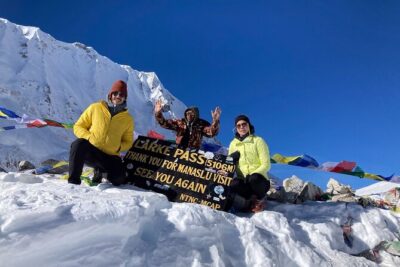
10 Days Manaslu Circuit Trek in Larke La Pass
Read our review →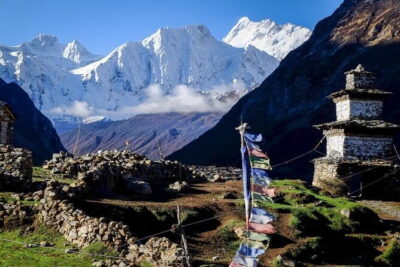
Manaslu Circuit Trek to the Beauty of 8th Highest Mountain
Read our review →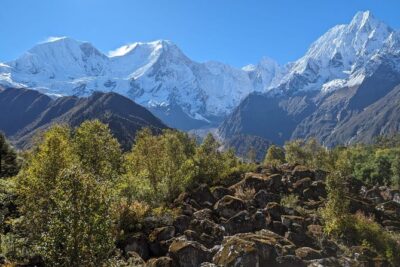
Browse the lists this tour appears in