
Reviewed · MANASLU CIRCUIT TREKS
14 days Manaslu Circuit Trekking
The high pass is only part of the story. This 14-day Manaslu Circuit Trek gives you a quieter Himalayan route, comfortable teahouse stops, and fine views of Manaslu, Himalchuli, Ganesh Himal II, and Mount Chamar without requiring internal flights. I especially like the teahouse setup, which keeps the trek more affordable and saves you from carrying a tent and cooking gear. I also like the overland start from Kathmandu, since the road takes you directly toward the trail rather than adding another airport transfer.
The main caution is the pace. Several days run for six to nine hours, with steep ground at high altitude and a demanding crossing of Larkya La Pass. The advertised price of $227 per person is strikingly low for a two-week guided trek, but you must budget separately for personal insurance, drinks, Kathmandu meals, visa costs, and international flights.
In This Review
- Key details before you book
- Why the Manaslu Circuit still feels remote
- Days 1 and 2: Kathmandu to Machhakhola, then Jagat
- Days 3 and 4: Deng and Namrung beside the Budhi Gandaki
- Days 5 and 6: Pine forest, Shyala, and Pungyen Gompa
- Day 7: Manaslu Base Camp and Sama Gaon
- Day 8: Birendra Lake and the approach to Samdo
- Days 9 and 10: Layung La and Dharamsala
- Day 11: Crossing Larkya La to Bimthang
- Days 12 to 14: Bimthang, Tilche, Besisahar, and Kathmandu
- What the $227 price really covers
- Food, gear, and daily comfort
- Guide quality and the company’s working style
- Who should book this trek?
- Should you book the Manaslu Circuit?
- FAQ
- How long is the Manaslu Circuit Trek?
- What accommodation is included?
- Is a trekking guide included?
- Is transport from Kathmandu included?
- Are permits included?
- Are meals included during the trek?
- Is Larkya La Pass part of the itinerary?
- What happens if I need an emergency rescue?
Key details before you book
- Larkya La Pass is the big physical test: The route reaches its high point on Day 11 before a long descent to Bimthang.
- You sleep in mountain teahouses: Thirteen nights of accommodation are included, so you do not need to bring a tent.
- The route uses road and local transport: Buses connect Kathmandu, the trailhead area, Besisahar, and Kathmandu again.
- Manaslu Base Camp is a real highlight: A side trip from Sama Gaon includes a steep climb and a return to the same teahouse.
- Two conservation permits are covered: Manaslu and Annapurna conservation area permits, plus the restricted area permit, are included.
- The group may reach 25 people: Ask about the expected group size if you prefer a quieter walking party.
Why the Manaslu Circuit still feels remote
The Manaslu Circuit crosses a less crowded part of Nepal, and that changes the mood from the start. You walk beside the Budhi Gandaki River, pass small villages, cross suspension bridges, and gradually leave the lower hills behind. The route is remote and lightly developed, but it is not a wilderness expedition in the strict sense.
Teahouses appear at the overnight stops. That matters. You can travel with a lighter pack, eat cooked meals, and sleep indoors. The rooms and facilities are likely to be simple, and the included package does not cover drinks, but the basic lodging makes this route more approachable than a full camping trek.
The views build slowly. Early days bring river valleys, waterfalls, forest, and village life. Higher up, the focus shifts to Manaslu and neighboring peaks. You will see Himalchuli, Mount Chamar, Ganesh Himal II, Mount Samdo, Gyala Peak, Nimjung, Himlung, Kang Guru, and Larke Peak at different points.
The journey also gives you a strong sense of change in altitude and culture. Near Sama Gaon and Samdo, Tibetan influence becomes more visible in the villages, monasteries, libraries, and religious sites. You are not simply walking from one viewpoint to another. You are moving through several distinct mountain zones.
More Manaslu Circuit Treks:
- Manaslu Circuit Trek (15 Days)
★ 5.0 · 50 reviews - 16 Day Private Manaslu Circuit Trek from Kathmandu
★ 5.0 · 42 reviews - 10 Days Manaslu Circuit Trek in Larke La Pass
★ 5.0 · 30 reviews
Days 1 and 2: Kathmandu to Machhakhola, then Jagat
The opening day is mostly a road journey. After breakfast in Kathmandu, you travel by regular local bus toward the trailhead area. The route follows the Prithvi Highway beside the Trisuli River before turning toward Dhadingbesi and onward to Machhakhola.
The itinerary gives about ten hours for this day, so do not expect a polished coach transfer. Local buses are practical and inexpensive, but road conditions and stops can make the trip tiring. The benefit is that you avoid a domestic flight and reach the trekking route overland.
The second day begins on foot after breakfast in Machhakhola. You pass Khorla Bensi and reach Tatopani, where hot springs are part of the setting. From there, the path begins to rise and fall more sharply before reaching Jagat.
This is a useful first trekking day because it introduces the rhythm of the route without immediately throwing you into the highest elevations. Still, seven hours of walking is not trivial. Use the first two days to settle your footwear, pack, and walking pace.
Days 3 and 4: Deng and Namrung beside the Budhi Gandaki
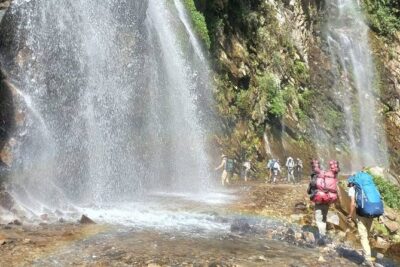
After the Jagat checkpoint, the trail climbs over a ridge toward Salleri, with a waterfall providing one of the early memorable sights. You then descend and continue toward Deng. The route is often steep in sections, and the Budhi Gandaki remains your main companion.
Deng is a smaller mountain stop with a seven-hour walking day behind you. By now, you should have a clearer idea of how your body handles the daily schedule. If your knees or shoulders are already complaining, tell your guide early rather than waiting for the pass.
Day 4 continues through an impressive section of the Budhi Gandaki valley. You cross the river and follow the trail from Bihi toward Namrung. The valley grows steeper and more enclosed, while the views become more dramatic.
Namrung is an important point in the route because the character of the trek begins to shift. Forest and river scenery remain, but higher mountain walls start to dominate. The itinerary again allows roughly seven hours, so this is steady mountain walking, not a casual village stroll.
Days 5 and 6: Pine forest, Shyala, and Pungyen Gompa
From Namrung, you pass the checkpoint and walk through Bhanjam and pine forest. A steep climb of about an hour leads to Lhi, followed by more village and mountain scenery before Shyala.
Shyala is one of the best overnight stops for mountain views. The morning sight of Manaslu changing color in the sunrise is singled out as a major memory, and the setting gives you a welcome visual reward after the previous climbs.
Day 6 is shorter on paper, but it has a special purpose. From Shyala, you make a side trip to Pungyen Gompa, an important Buddhist site with a strong mountain setting. The walking time to the gompa is listed at about two hours, followed by another two to three hours down to Sama Gaon.
Sama Gaon is not just a place to sleep. It is one of the cultural centers of the trek, with Tibetan influence, local village life, an old monastery, and a cultural library. The schedule allows time to see more than the dining room and your bed, which is a welcome change after several long walking days.
More Treks and Hikes:
- Everest Base Camp Trek – 14 Days
★ 5.0 · 1,499 reviews - Everest Base Camp Trekking
★ 5.0 · 485 reviews - Nagarkot Sunrise View and Day Hiking from Kathmandu
★ 5.0 · 471 reviews - Annapurna Circuit Trek with Tilicho Lake
★ 5.0 · 368 reviews
Day 7: Manaslu Base Camp and Sama Gaon
The walk to Manaslu Base Camp is one of the finest additions to this itinerary. The first hour is described as nearly flat, with views toward Manaslu, but the trail then becomes steep for about three hours.
That combination makes this a demanding side trip, even though the listed walking time is about four hours to the base camp. You gain altitude quickly, so take the climb slowly and follow your guide’s advice. The reward is a closer look at the Manaslu massif and a stronger sense of the scale of the surrounding peaks.
You return to Sama Gaon for lunch and spend the night there again. I like this arrangement because you can make the climb without carrying your overnight luggage or changing rooms. It also gives your body a second night at the same altitude before the route continues higher.
Day 8: Birendra Lake and the approach to Samdo
The route from Sama Gaon to Samdo is listed as a five-hour day, with Birendra Lake as the first stop. The walk passes an old monastery and a Tibetan cultural library before reaching the lake.
Birendra Lake adds a different kind of scenery to the mountain route. It is a quieter stop than a major pass or base camp, but it breaks up the day and offers time to look closely at the high valley rather than rushing from lodge to lodge.
After the lake, you descend to the main path toward Samdo. Kermo Kharka is noted for broad views of Manaslu and Pangpoche, giving you another good place to pause. Samdo is closer to the high mountain environment, and the thinner air begins to matter more.
The walking distance is not extreme here, but altitude can make ordinary climbs feel slow. Drink water, keep your pace even, and tell the guide about headaches, nausea, or unusual fatigue.
Days 9 and 10: Layung La and Dharamsala
Day 9 begins with close views of Mount Samdo and Gyala Peak, along with the wide terrain around Larkya Bazar. The route climbs for four to five hours toward Layung La, making this another useful acclimatization day before the pass.
The high country here is more exposed and less forgiving than the forested lower sections. Wind can be a factor, and there are fewer distractions from villages or thick trees. The six-hour estimate is reasonable only if you keep moving at a controlled pace and conditions cooperate.
Day 10 takes you to Dharamsala, also called Larkya Base Camp. You hike for about four to five hours, crossing the Budhi Gandaki and following grassy ground with juniper above Syacha Khola.
Dharamsala is the staging point for the pass. The overnight stop is strategically important, but it is not presented as a leisurely village visit. You are there to rest, prepare your clothes and day pack, and get ready for an early start.
Day 11: Crossing Larkya La to Bimthang
This is the hardest and most rewarding day of the trek. You start early and climb steep, rocky ground toward Larkya La Pass. Wind can make the crossing colder and harder, while the high altitude adds another layer of effort.
At the top, you get views toward Larke Peak, listed at 6,249 meters, and the surrounding high peaks. Reaching the pass is the central achievement of the circuit, but do not underestimate the descent that follows.
The path drops steeply toward Phedi and then continues to Bimthang. Views of Nimjung, Himlung, and Kang Guru accompany the descent. The full day is listed at about nine hours, making it the longest scheduled walking day.
You should consider your fitness honestly before booking. A moderate fitness level is required in the booking information, but this day goes beyond ordinary moderate sightseeing. You need to be comfortable with long uphill and downhill walks, uneven rocky trails, and an early start.
Days 12 to 14: Bimthang, Tilche, Besisahar, and Kathmandu
After the pass, Day 12 gives you a long descent from Bimthang toward Tilche. The walk takes about six to seven hours and begins with fine views of Manaslu before moving into lower country.
Tilche is reached through farmland, which provides a welcome change after the bare high valleys. The next day, you continue through fields, cross to the east bank of the river, and descend toward the Marsyangdi Valley.
From Dharapani, a shared jeep takes you to Besisahar in about three to four hours. Waterfalls and green hills appear during the drive, but road travel in a shared vehicle can be cramped and slow. This transfer is practical rather than luxurious.
Day 14 is another long road day, with a shared regular minibus from Besisahar to Kathmandu. The six-hour route follows the Marsyangdi and Trishuli rivers, with hill and mountain views along the way.
The final drive means the trip finishes in Kathmandu rather than at a remote mountain airstrip. It also means the last day is not a rest day. Keep that in mind if you have an international flight soon after the trek.
What the $227 price really covers
At $227 per person, this package offers an unusually large amount for the headline price. It includes 13 nights in mountain teahouses, a licensed trekking guide for 14 days, porter support, local bus and jeep transport listed in the program, permits, meals, a sleeping bag, a down jacket, and a first-aid kit.
Guide and porter costs include their food, salary, transport, clothing, and insurance. Government and local taxes are also covered. For a guided Manaslu Circuit, those inclusions can make the price strong value.
The low price deserves careful checking before payment. Personal travel insurance is not included, and emergency rescue or evacuation is only covered through your own insurance. Drinks, alcoholic and soft, are extra, as are meals in Kathmandu, international airfare, visa fees, and related taxes.
Ask for a current written breakdown of the transport and permits. The itinerary uses several local buses and a shared jeep, and the road sections can affect comfort and timing. Also confirm what happens if weather, trail conditions, or health issues force a change.
Food, gear, and daily comfort
Breakfast, lunch, and dinner are listed for the trek, with 14 breakfasts, 14 lunches, and 13 dinners. Kathmandu meals are not included, so you will need to plan for food before Day 1 and after returning to the city.
Sleeping bags and down jackets are supplied, which reduces the amount of bulky equipment you need to bring. You should still confirm the condition and sizing of rented items before leaving Kathmandu.
The teahouse model keeps the trek accessible, but it does not mean hotel comfort. Bring personal toiletries and any preferred snacks, since drinks and personal purchases are excluded. The route is remote, and the selection of extra supplies may vary by stop.
The maximum group size is listed as 25 people. That is large enough to affect walking pace and dining-room space, while a smaller departure may feel more personal. Ask how many people are booked for your date.
Guide quality and the company’s working style
The strongest pattern in the available feedback is praise for the guides and porters. People describe the staff as professional, helpful, honest, flexible with itinerary changes, and attentive to safety. That matters greatly on a route where the guide must manage pace, altitude concerns, permits, and changing road conditions.
Guide Ganesh is specifically named as a strong guide who explains the trek and local culture well. You cannot assume he will lead your departure, so ask if you hope to trek with him. More broadly, ask for the guide’s name, license status, language ability, and experience on the Manaslu Circuit.
The company has also handled combined Manaslu and Tsum Valley trips, suggesting familiarity with the wider region. This 14-day plan does not include Tsum Valley, so do not expect that side route unless you arrange a change before departure.
Free cancellation is available up to 24 hours before the start time for a full refund. Changes or cancellations inside that window are not accepted for a refund, so read the timing in Nepal local time.
Who should book this trek?
You should consider this trip if you want a quieter Himalayan circuit with mountain scenery, Buddhist culture, teahouse accommodation, and a major high-pass goal. It suits someone who accepts long road transfers and basic lodging in exchange for a route that feels less commercial.
It is a good fit for a first serious multi-day trek if you already have a moderate fitness base and understand that the pass day is demanding. The included guide, porter, permits, meals, sleeping bag, and down jacket reduce both planning work and equipment costs.
You should think twice if you dislike long bus rides, shared vehicles, steep descents, or uncertain mountain schedules. This is not a soft adventure. The price is attractive, but the conditions are still high-altitude mountain conditions, and your insurance must cover evacuation.
Should you book the Manaslu Circuit?
I would book it for the combination of quiet trails, teahouse convenience, strong mountain views, and the chance to reach both Manaslu Base Camp and Larkya La Pass. The company’s reported strengths, especially its guides, porters, flexibility, and helpful approach, add confidence.
Before paying, confirm the exact transport plan, group size, guide assignment, permit arrangements, gear sizes, and insurance requirements. If those details are clear and you are ready for a nine-hour pass day, the package offers impressive value for a two-week Himalayan route.
FAQ
How long is the Manaslu Circuit Trek?
The program lasts approximately 14 days, including road transport from Kathmandu to the trailhead area, the trek, the return drive from Besisahar, and the final journey back to Kathmandu.
What accommodation is included?
The package includes 13 nights in mountain teahouses. Tents and camping food are not required for this itinerary.
Is a trekking guide included?
Yes. A government-licensed professional trekking guide is included for 14 days. Food, salary, transport, clothing, and insurance for the guide and porter are also included.
Is transport from Kathmandu included?
Yes. The program includes local transport between Kathmandu and the trekking route, including the Kathmandu to Sotikhola section, the Dharapani to Besisahar journey, and the return from Besisahar to Kathmandu.
Are permits included?
Yes. The Manaslu and Annapurna conservation area permits and the restricted area permit are included.
Are meals included during the trek?
Yes. The package includes 14 breakfasts, 14 lunches, and 13 dinners. Meals in Kathmandu and drinks during the trek are not included.
Is Larkya La Pass part of the itinerary?
Yes. The crossing is scheduled on Day 11, followed by a descent to Bimthang. The pass day is listed at about nine hours.
What happens if I need an emergency rescue?
Emergency rescue and evacuation are not included directly in the tour price. You must arrange personal travel insurance that covers the trek and any required rescue or evacuation costs.
Just added around Kathmandu
- Private Shopping Tour in Kathmandu★ 5.0 · 3 reviews
- Nagarkot Sunrise With 7 UNESCO World Heritage Private Tour★ 5.0 · 3 reviews
- Kathmandu: Nightlife and Pub Crawl Tour★ 5.0 · 3 reviews
- Mount Everest Scenic Flight 50 Minutes★ 5.0 · 3 reviews
- Momo Cooking Class -The Art Of Making MoMo with Home Chef★ 5.0 · 3 reviews
- Kathmandu: Nagarkot, Bhaktapur, Doleswor & Sanga Statue Tour★ 5.0 · 3 reviews
- Makalu Base Camp Trek★ 5.0 · 3 reviews
- Kathmandu: Momo Making Class with a Local Chef★ 5.0 · 3 reviews
Manaslu Circuit Treks, compared.
16 Day Private Manaslu Circuit Trek from Kathmandu
Read our review →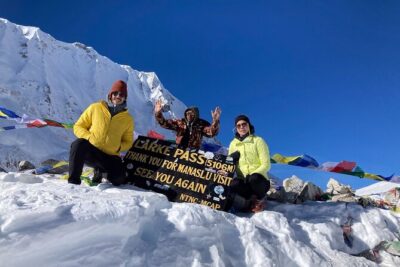
10 Days Manaslu Circuit Trek in Larke La Pass
Read our review →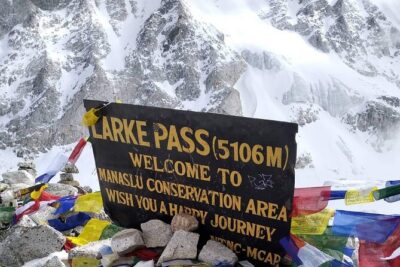
Manaslu Circuit Trek 8th Highest in the World
Read our review →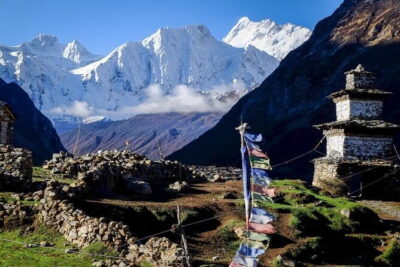
Manaslu Circuit Trek to the Beauty of 8th Highest Mountain
Read our review →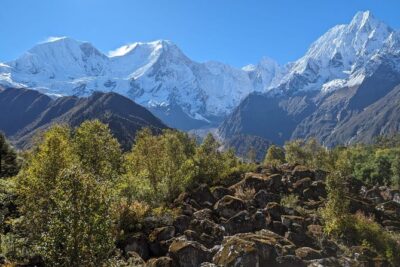
Browse the lists this tour appears in