
Reviewed · MARDI HIMAL TREKS
Mardi Himal Trek
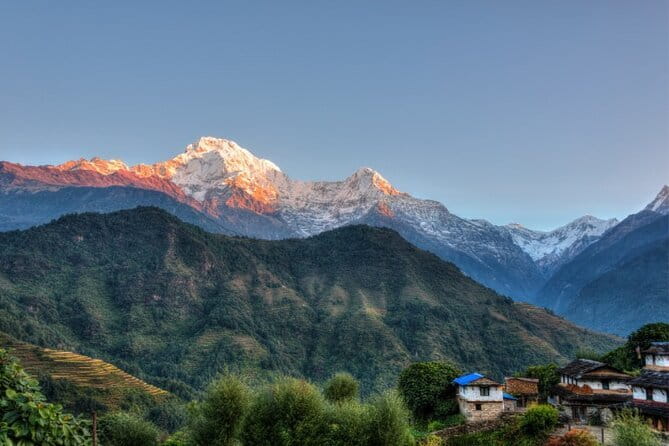
Mountain views arrive quickly here. The Mardi Himal Trek gives you five days of walking near Pokhara, with close views of Machhapuchhre, Annapurna South, Annapurna, and Hiunchuli. I like the efficient design: you leave your Pokhara hotel by private vehicle, walk through changing mountain scenery, and return to Lakeside without needing a long road transfer at the end.
I also like the personal setup. This is a private trek for your own group, with a licensed guide, porter support at a rate of one porter for every two guests, accommodation, and most meals included. The main caution is the route information: some place names and meal counts do not line up perfectly, so I would confirm the exact overnight stops and daily distances before paying.
In This Review
- Five useful things to know before you go
- Why the Mardi Himal route works in five days
- Day 1: From Lakeside Pokhara to Dhampus
- Day 2: Forest Camp, Low Camp, and the climb toward High Camp
- Day 3: Mardi Himal Base Camp or the View Point
- Day 4: Badal Danda down to Landruk
- Day 5: A short walk to Siwai and the return to Pokhara
- What the $399 price really covers
- Guides, porters, and the value of a private group
- Who should book this trek
- Practical details that can save trouble
- Should you book the Mardi Himal Trek?
- FAQ
- Where does the Mardi Himal Trek start?
- Where does the trek finish?
- How long is the Mardi Himal Trek?
- Is transportation included?
- Are meals included?
- Is trekking equipment provided?
- Can I cancel for a full refund?
Five useful things to know before you go
- A five-day route from Pokhara: You start and finish around Lakeside, with private transport connecting the road sections.
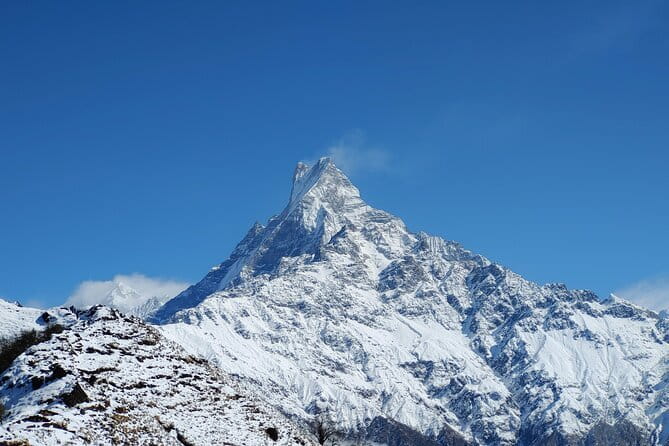
- Machhapuchhre is the star view: The route offers close mountain views of Fishtail, Annapurna, and Hiunchuli, especially from higher points.
- A private experience: Only your group participates, which allows more flexibility than a large shared departure.
- A moderate physical challenge: You should be comfortable walking for roughly seven hours on trekking days and handling uphill and downhill paths.
- Good support for the price: The $399 rate includes a guide, porter arrangement, transport, lodging during the trek, permits or fees, and listed meals.
- Simple mountain accommodation: You stay on a double-occupancy basis, with extra charges for showers, laundry, phone calls, and battery charging.
Why the Mardi Himal route works in five days
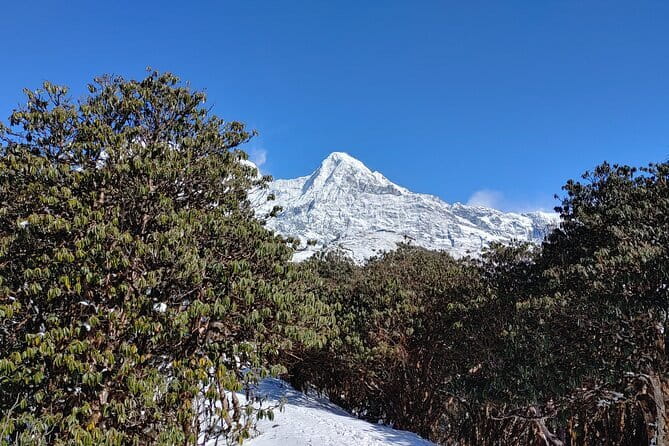
The Mardi Himal route is appealing because it packs serious Himalayan scenery into a short schedule. You do not need to commit to a two-week expedition or arrange a complicated series of local transfers. From Pokhara, the trail reaches forest, ridges, mountain villages, and high viewpoints in a compact loop.
The route is not a casual sightseeing walk. The daily program is listed at about seven hours, and the trail rises to a high point with base camp or viewpoint options. That makes the trek a good fit if you have a moderate fitness level and want a real walking holiday rather than a string of roadside lookouts.
I especially like the balance between famous peaks and village life. The high sections provide the big views, but Landruk gives you something equally valuable: a look at houses, farmland, and daily life in a mountain community. You get both the postcard Nepal and the working Nepal.
The experience costs $399. For a private five-day trek, that is a useful package if you value having the main arrangements handled in advance. Private transportation, a licensed guide, porter support, lodging, trekking meals, and taxes are included. You still need to budget for personal equipment, food and accommodation in Pokhara or Kathmandu, tips, and small service charges along the way.
More Mardi Himal Treks:
- Pokhara: 4-Day Mardi Himal Trek
★ 4.9 · 59 reviews - Private Mardi Himal Trek
★ 5.0 · 42 reviews - From Pokhara: 4-Day Mardi Himal Base Camp Trek
★ 4.9 · 31 reviews
Day 1: From Lakeside Pokhara to Dhampus
The trek begins with pickup from your hotel in Pokhara at about 10:45 a.m. The drive to Dhampus takes roughly one hour, so the first day combines a short road transfer with a substantial walk.
Dhampus is a sensible starting point. It gets you out of Pokhara and onto the hills without using a full day for transportation. From here, you begin the trail through the lower mountain country, with the first day listed at about seven hours.
The exact overnight destination is not fully spelled out in the supplied schedule, so ask for that detail before departure. The itinerary also uses Lwang Ghalel as a stop name later, while describing the second day as a Forest Camp to High Camp walk. That may simply reflect different route labels, but it is worth getting a clear day-by-day plan.
Your guide matters from the first morning. Pickup, road timing, walking pace, and meal arrangements all become easier when one person is coordinating the moving parts. Several company clients singled out the care and communication of the team, including guides called Lama and Navaraj Nepal. Those comments point to a useful strength: the company appears to place real weight on personal support, not just transport and beds.
Day 2: Forest Camp, Low Camp, and the climb toward High Camp
The second day is the major upward push. The route description places you between Forest Camp and High Camp, passing Low Camp on the way. Expect a day of climbing, with the reward of wider mountain views as the trees give way to more open ridges.
Low Camp is an important viewpoint stop. This is where the route begins to feel properly Himalayan, with the possibility of broad views toward the surrounding peaks. The exact visibility will depend on weather, but the schedule is built around reaching the higher section rather than rushing straight through it.
The forest portion has its own appeal. It gives you shade and a gradual transition from lower hills to the high ridge. That change in setting is one of the best features of a short trek like this. You are not repeating the same type of scenery all week.
High Camp is the key overnight setting on this itinerary. Staying high gives you a better position for the next morning’s walk to Mardi Himal Base Camp or the View Point. It also makes Day 3 the central scenic day, so you should be prepared for the second day to feel like work.
The schedule lists each day at about seven hours, but that figure should not be treated as a guaranteed walking time. Pace, trail conditions, weather, and the selected viewpoint can all affect the day. Ask your guide about the expected elevation gain and the planned sleeping altitude, especially if you have limited experience at altitude.
Day 3: Mardi Himal Base Camp or the View Point
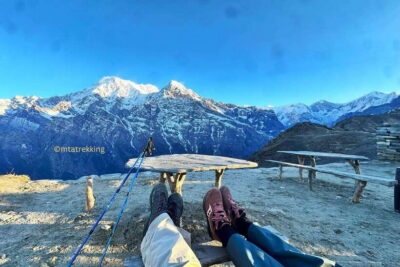
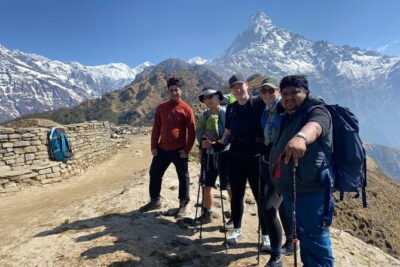
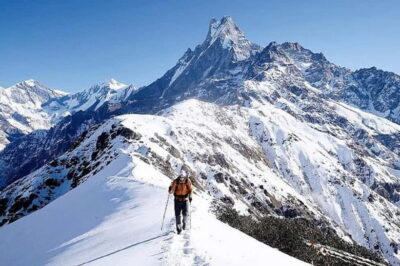
This is the scenic centerpiece. You hike toward either Mardi Himal Base Camp or Mardi Himal View Point, depending on your preference. Along the route, you can expect views toward Fishtail, Annapurna, and Hiunchuli.
The choice between the two destinations is useful. A viewpoint may suit you if your main goal is a strong mountain panorama with a more manageable walking plan. Base Camp may appeal if reaching a named destination matters more. The supplied information does not give the distance or elevation difference between the options, so discuss the choice with your guide before setting out.
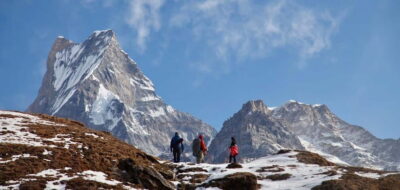
Machhapuchhre, also called Fishtail, receives special attention in the experience description and in the company feedback. The mountain is a visual anchor for the trek, and the higher trail is designed to bring it close into view. Clear weather is never guaranteed, but this is the day when conditions matter most.
The high route can be physically demanding. Even if you are comfortable with seven-hour walks at lower elevations, the climb toward a high viewpoint may feel different. Move steadily, drink water, and tell your guide early if you need a slower pace. A private group gives you more room to adjust than a large fixed walking party.
After the high point, the route continues toward the next overnight area. The day may feel long because it combines an early scenic objective with continued walking. That is not a flaw, but you should choose the Base Camp option with your fitness and energy in mind.
More Treks and Hikes:
- Poon hill Trek 3 days
★ 5.0 · 176 reviews - Trekking in Annapurna/Langtang/Everest/Upper Mustang regions
★ 5.0 · 161 reviews - Pokhara: 4-Day Ghorepani, Poonhill & Ghandruk Mountain Trek
★ 5.0 · 132 reviews - Ghorepani – Poon Hill Trek 3N-4D
★ 5.0 · 125 reviews
Day 4: Badal Danda down to Landruk
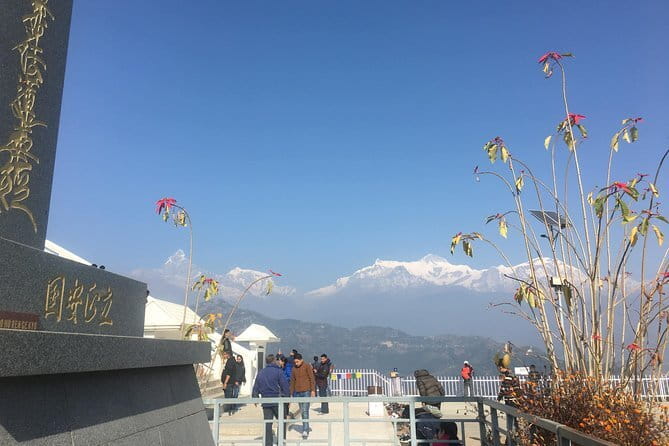
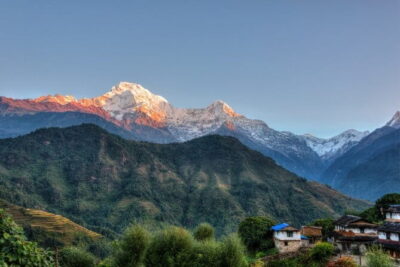
Day 4 changes the mood. Instead of climbing toward the high ridge, you descend toward Landruk, a mountain village with views of local homes, farmland, and everyday life.
The schedule refers to the walk from Badal Danda toward Landruk. This is a useful contrast with the upper trail. You are no longer focused only on peaks. You begin to see how communities use the slopes, where houses sit, and how cultivated land fits into the hills.
Landruk is one of the most human parts of the route. I like that the itinerary does not treat villages as mere overnight stops. The description specifically points to local houses, farmland, and lifestyle, giving you a chance to notice more than the mountain skyline.
Downhill walking can be harder than it looks. Your knees and feet may feel the strain after the previous days, especially on uneven ground. Trekking poles can help, but personal trekking equipment is not included, so you need to bring or arrange your own gear.
The guide’s flexibility can also help here. One client praised a guide for adjusting the route around changing needs, while another described Navaraj Nepal as supportive in poor and good weather alike. You should still ask what changes are possible, since weather and trail conditions can affect the planned descent.
Day 5: A short walk to Siwai and the return to Pokhara
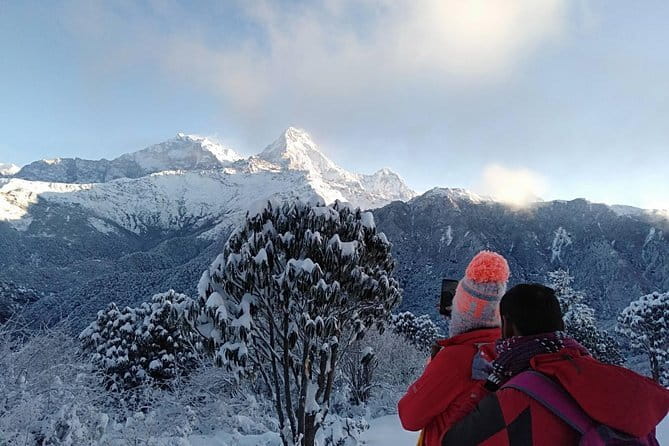
The final morning is comparatively easy. You walk from Landruk to Siwai, with the trek section taking about an hour and a half. Siwai is the endpoint of the walking route.
Private transport then takes you back toward Pokhara, and the package states that the trek ends at your hotel in Lakeside. This is convenient. You do not have to arrange a separate vehicle from a remote trailhead or work out how to get back after five days on foot.
The short final walk is also practical. After the high sections and long descent, you get a gentle finish rather than another full trekking day. Still, confirm the expected vehicle departure time and road arrangements with the operator, since the supplied schedule does not give a precise transfer duration from Siwai.
What the $399 price really covers
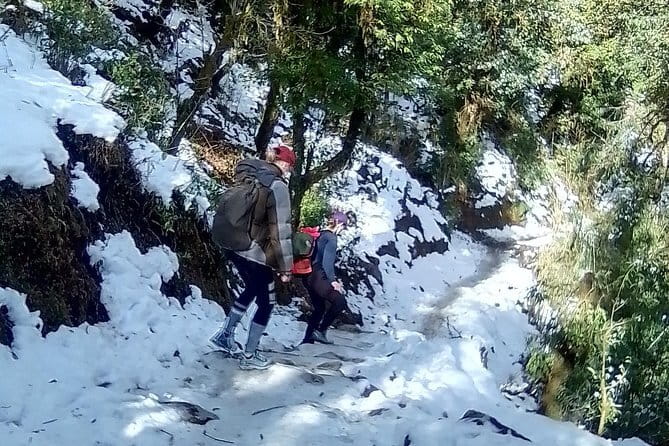
The price is most attractive if you want a private arrangement without handling every small booking yourself. The package includes:
- A government-licensed, experienced guide
- One porter for every two guests
- Private transportation
- All listed fees and taxes
- Accommodation during the trek on a double-occupancy basis
- Five breakfasts, four lunches, and four dinners as stated in the main inclusion list
- Seasonal fruit after dinner on each trekking day
There is one point to clarify. The detailed inclusions also display five lunches, while another line states four lunches. That could be a simple listing error, but you should confirm the meal count before departure.
The package does not include trekking equipment. It also excludes meals and accommodation in Kathmandu and Pokhara, battery charging, laundry, phone calls, showers, and tips for the guide and porter. These are normal extra costs on a mountain trek, but they can add up if you arrive without suitable equipment or expect hotel-style services in the hills.
Double occupancy means you should expect to share your room with the person in your booking party. If you are traveling alone, ask how the room arrangement works before booking. The supplied details do not state a single supplement or a private-room option.
Guides, porters, and the value of a private group
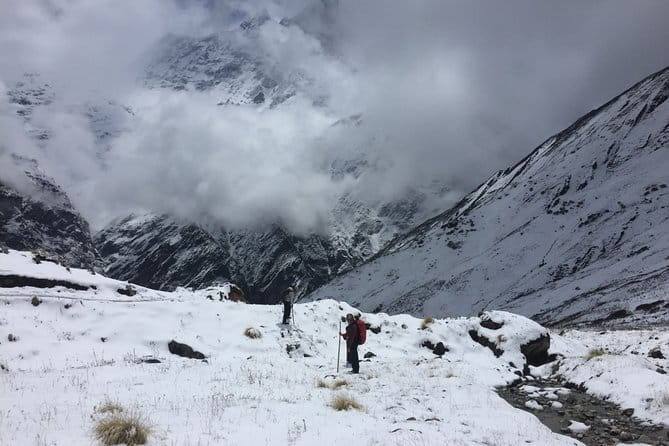
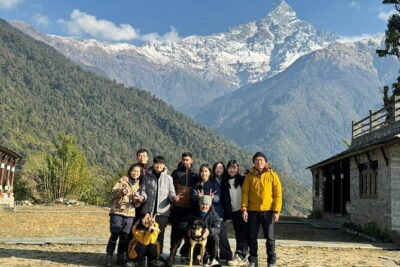
The strongest part of this experience is the human support. The company founder, Jayaram, is repeatedly praised for answering questions, helping with planning, and arranging transport. That matters when you are organizing an unfamiliar route from another country.
Specific guides also receive warm praise. Lama is described as kind and reassuring, while Navaraj Nepal is praised for communication, patience, and keeping the trek enjoyable in changing conditions. The information does not promise that either guide will lead your departure, so ask who is assigned to your group.
The porter arrangement is also worth understanding. Two guests share one porter, which helps keep the package price reasonable. You should pack thoughtfully and keep your day bag manageable. Personal trekking equipment remains your responsibility, and the porter service does not mean you can bring unlimited luggage.
A private group is a real advantage if you want to set a comfortable pace or talk through the Base Camp and View Point choice. It can also make the trek feel more personal. The tradeoff is that you do not get the built-in social circle of a larger group, and the cost per person may feel higher for solo bookings.
Who should book this trek
I would recommend Mardi Himal to you if you want:
- A short Himalayan trek from a well-known base in Pokhara
- Strong mountain views without committing to a much longer route
- A private guide and porter arrangement
- A mix of forest, high ridges, viewpoints, and village scenery
- A structured package with transport and trekking meals included
This route may not suit you if you want a relaxed walking holiday with short days. The schedule lists about seven hours per day, and the ascent to High Camp and the following high viewpoint require steady effort.
It may also be a poor fit if you dislike basic mountain accommodation or want every comfort included. Showers, laundry, phone calls, and battery charging cost extra, and your trekking equipment is not supplied.
You should have moderate physical fitness, but the exact difficulty will depend on your pace and the selected destination on Day 3. A private trek gives you some flexibility, yet it does not remove the uphill sections or the need to prepare properly.
Practical details that can save trouble
The meeting point is in Lakeside, Pokhara, and pickup is scheduled for 10:45 a.m. Confirmation is provided at booking, and the experience is near public transportation, although the trek itself relies on the arranged private vehicle for its main road connections.
Pack for walking, changing temperatures, and simple accommodation. Since personal equipment is excluded, confirm exactly what you need before leaving Pokhara. Ask about footwear, rain protection, warm layers, a sleeping setup, and charging options rather than assuming those items are supplied.
The cancellation terms are friendly if your plans change early. You can cancel at least 24 hours before the local start time for a full refund. Late cancellations and changes are not accepted, and poor weather can lead to a new date or a full refund. The operator also requires a minimum number of participants, so ask how that condition applies to your private departure.
Should you book the Mardi Himal Trek?
Book it if you want a compact, well-supported route with serious mountain scenery and a private format. The $399 price offers good value when you use the guide, porter, transport, lodging, and included meals.
Before booking, get three points in writing: your exact overnight stops, the correct lunch count, and the name of your guide. Also decide if Mardi Himal Base Camp or the View Point better matches your fitness and goals.
If you prepare for long walking days and basic conditions, this trek gives you a lot in five days. It is especially appealing for first-time multi-day hikers who want support from a company known for careful communication, without signing up for a much longer Himalayan expedition.
FAQ
Where does the Mardi Himal Trek start?
The trek starts in Lakeside, Pokhara, Nepal. Pickup is scheduled for about 10:45 a.m., followed by private transportation to Dhampus.
Where does the trek finish?
The walking route finishes at Siwai on Day 5. Private transportation then returns you to your hotel in Pokhara, and the experience ends in Lakeside.
How long is the Mardi Himal Trek?
The trek lasts approximately five days and four nights. The listed walking schedule is about seven hours per day, although exact times can vary.
Is transportation included?
Yes. Private transportation is included for the main transfers, including the drive from Pokhara to Dhampus and the return from Siwai to Pokhara.
Are meals included?
The package includes five breakfasts, four lunches, and four dinners according to the main meal information. Another inclusion line displays five lunches, so confirm the final meal count before departure.
Is trekking equipment provided?
No. Personal trekking equipment is not included. You need to arrange your own equipment before starting the trek.
Can I cancel for a full refund?
Yes, if you cancel at least 24 hours before the experience start time. Late cancellations and changes are not accepted. If poor weather or the minimum number of participants causes cancellation, you can choose a different date or receive a full refund.
Just added around Pokhara
- Double Dare: Tandem Bungee Adventure★ 4.3 · 3 reviews
- Exhilarating Pokhara-Kathmandu Bus Journey Experience★ 3.5 · 3 reviews
- 3 Day Australian Camp Dhampus Ghandruk Easy Trek in Pokhara★ 3.5 · 3 reviews
- Paragliding in Pokhara★ 5.0 · 3 reviews
- Overnight Dhampus Australian Camp Easy Hiking from Pokhara★ 5.0 · 3 reviews
- Seti George and Thrilling Suspension Bridge Tour at Pokhara★ 4.5 · 3 reviews
- Full Day Entire Pokhara Tour by Car with Guide★ 4.5 · 3 reviews
- 5 Days Mardi Himal Trek.★ 5.0 · 3 reviews
Mardi Himal Treks, compared.
Browse the lists this tour appears in