
Reviewed · MARDI HIMAL TREKS
From Pokhara: 5-Day Mardi Himal Base Camp Trek
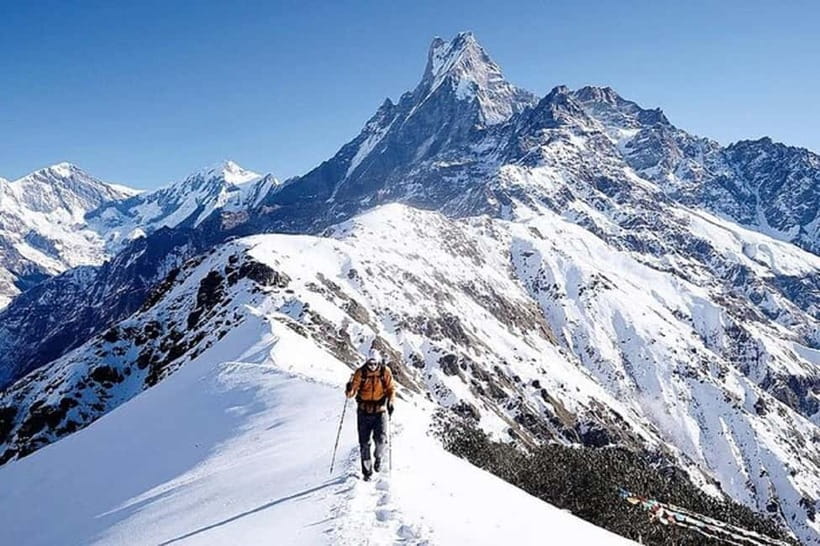
Mardi Himal brings big Himalayan views without the crowds of Nepal’s best-known trails. I like the rhododendron forests and village paths, and I like how close the trail brings you to Mardi Himal and Machapuchre, often called Fishtail. The main catch is the physical effort: the first two days are the toughest, and high-altitude cold can arrive quickly.
This private five-day trip costs $181 per person, a fair price if your package includes meals, permits, transport, lodging, and a guide. I would confirm the meal option before paying, since the details allow meals to be purchased separately. A porter costs an extra $20 per day, which may be sensible if you dislike carrying a full pack uphill.
In This Review
- Key points before you book
- Why Mardi Himal is a smart five-day choice
- Day 1: Pokhara to Pitam Deurali through Australian Camp
- Day 2: Six hours through forest to Low Camp
- Day 3: The climb to Mardi Himal High Camp
- Day 4: Sunrise at Base Camp, then back to Low Camp
- Day 5: Descending to Sidding and Lumre
- Tea houses, food, and what $181 really covers
- How hard is the trek?
- Guides, group style, and the human side
- Who should book this Mardi Himal trek?
- Should you book it?
- FAQ
- How long is the Mardi Himal Base Camp trek?
- Where can pickup and drop-off take place?
- Is transportation included?
- Are trekking permits and TIMS fees included?
- What type of accommodation is provided?
- Are meals included?
- Can I hire a porter?
- Do I need travel insurance?
Key points before you book
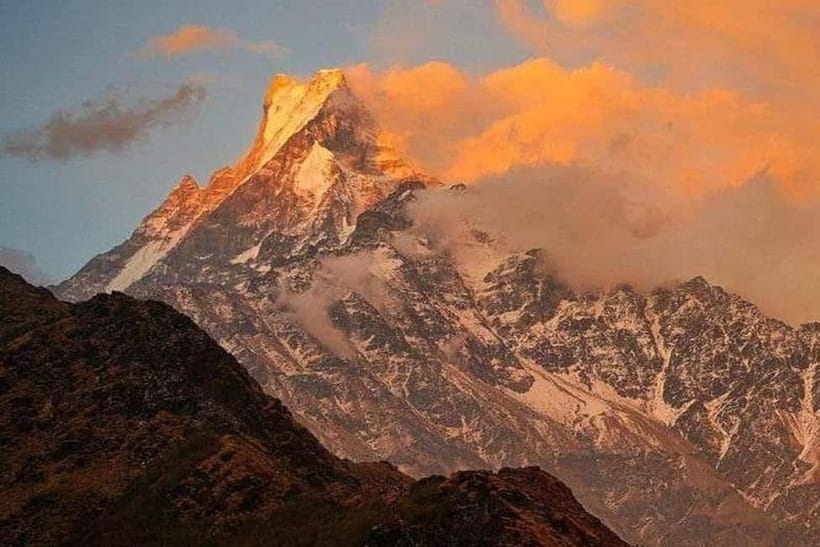
- The sunrise walk to Mardi Himal Base Camp is the trip’s main prize, with broad views toward Annapurna and Machapuchre.
- The first two trekking days require the most effort, with six hours of walking on the route to Low Camp.
- Tea-house accommodation keeps the trek simple, practical, and close to local mountain communities.
- A private group gives you more control, especially if you need a slower pace or extra rest.
- Guides such as Santosh, Sun-Bahadur, and Niva Nepali have been praised for patience, food help, trail choices, and cheerful support.
- Carry cash for meals, tea, and snacks if your chosen package does not include food.
Why Mardi Himal is a smart five-day choice
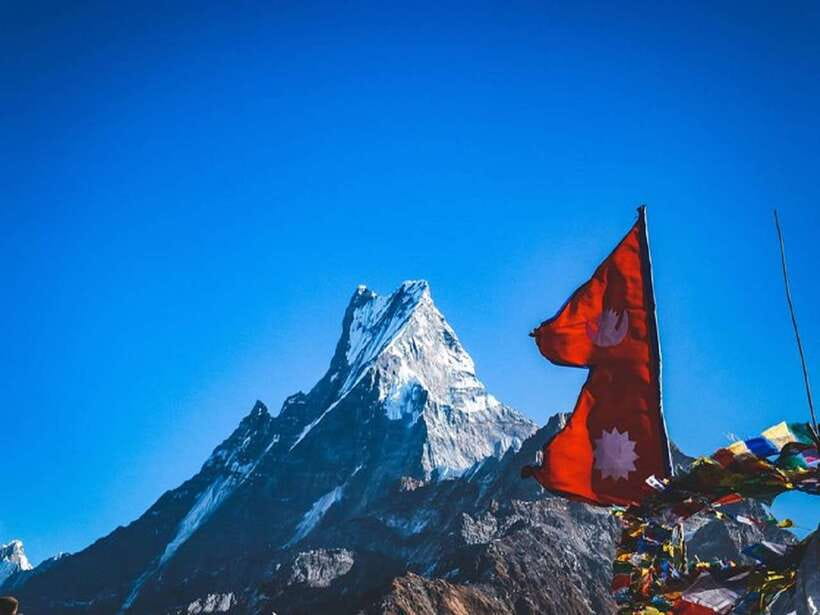
Mardi Himal offers a taste of high Himalayan trekking in a fairly compact trip from Pokhara. You begin among forest and village paths, then climb toward open ridges and a high camp below the mountain. The scenery changes steadily, which makes the trek feel like a real mountain journey rather than five similar days of walking.
The route is also less developed than the famous Annapurna Base Camp trail. You still have tea houses and lodges, but the experience is quieter and more basic. That trade-off matters. You get more peace, yet you should not expect polished hotels, broad menus, or smooth roads all the way to the trailhead.
The experience is arranged as a private group, with an English, Hindi, or Nepali-speaking guide. That is useful on a route where weather, tired legs, and trail choices can affect the day. A good guide can adjust the pace, point out local features, and help you handle the practical details that become tiring after several hours on foot.
The highest praise has gone to the guides. Santosh is described as friendly, fluent in English, and generous with small touches such as buying fruit for the trail. Sun-Bahadur and Niva Nepali were praised for helping with food, backpacks, and route choices, and for carrying day packs downhill when needed. Those details matter more than grand promises when you are tired and the trail turns steep.
More Mardi Himal Treks:
- Pokhara: 4-Day Mardi Himal Trek
★ 4.9 · 59 reviews - Private Mardi Himal Trek
★ 5.0 · 42 reviews - From Pokhara: 4-Day Mardi Himal Base Camp Trek
★ 4.9 · 31 reviews
Day 1: Pokhara to Pitam Deurali through Australian Camp
Your day starts with a drive from Pokhara to Kande. Pickup can be arranged from Pokhara Lakeside, Lakeside Road 6, or Pokhara International Airport. From Kande, you walk toward Australian Camp and Pothana before continuing to Pitam Deurali.
The walking time is listed at about four hours. That makes this a useful opening day, since you get into the hills without immediately facing the hardest climb. The trail passes through rhododendron forest and mountain settlements, giving you an early taste of both nature and village life.
Australian Camp is a scenic stop along the route, and lunch is planned among the forested hills. Do not treat this first day as a warm-up you can ignore. You still need comfortable shoes and a reasonable level of fitness, especially if you have not recently done multi-hour walks.
Pitam Deurali is the overnight point and a natural place to settle into the tea-house rhythm. Accommodation is simple, with basic lodges or tea houses along the route. You should bring warm clothing and be ready for limited comforts, particularly as you gain height.
Day 2: Six hours through forest to Low Camp
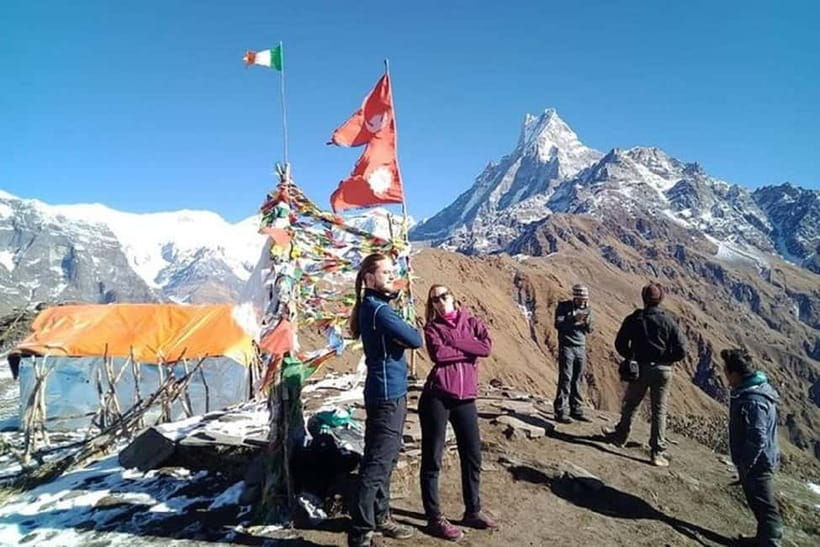
The second day is one of the more demanding sections. You continue through rhododendron woods and small settlements toward Mardi Himal Low Camp, with around six hours of hiking listed for the day.
This is where the route begins to feel more remote and more serious. Forest walking offers shade and a pleasant setting, but the steady uphill work can make the day feel long. Your guide’s pacing becomes important here. The most useful guides are not simply fast walkers. They watch how you are coping and keep the group moving without turning the trek into a race.
Lunch is taken along the route before you continue to Low Camp. Plan your water, snacks, and cash carefully. If meals are not part of your selected option, you will need enough Nepalese currency for food, hot drinks, and small purchases. One useful budget observation is that buying meals as you go may cost less than a prepaid meal plan, but it also means carrying enough cash and resisting the temptation to ration every cup of tea.
Low Camp marks a shift in the feel of the trek. The forest begins to give way to more open mountain views, and the air may feel colder in the evening. A jacket, hat, and warm layers belong in your day pack, not buried in luggage stored back in Pokhara.
Day 3: The climb to Mardi Himal High Camp
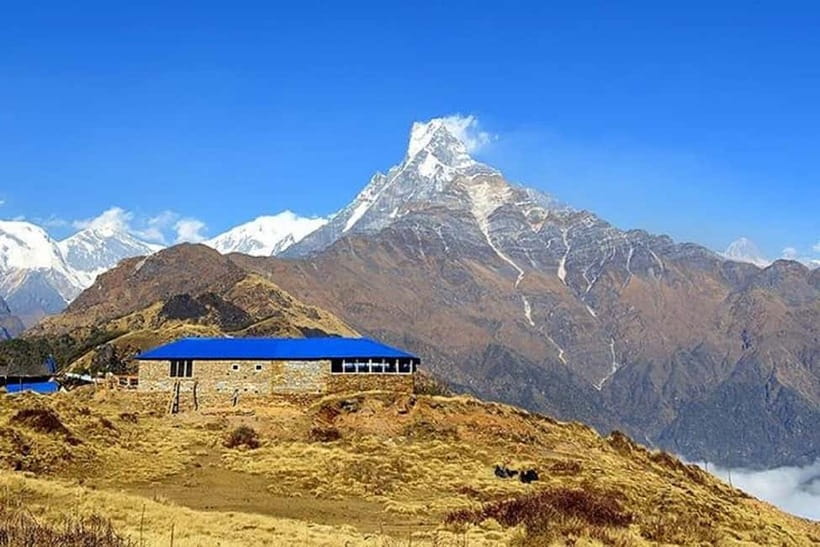
The third day takes you from Low Camp to High Camp in about four hours. The shorter walking time does not mean an easy stroll. You are gaining altitude, and the cold, wind, and steady ascent can make four hours feel substantial.
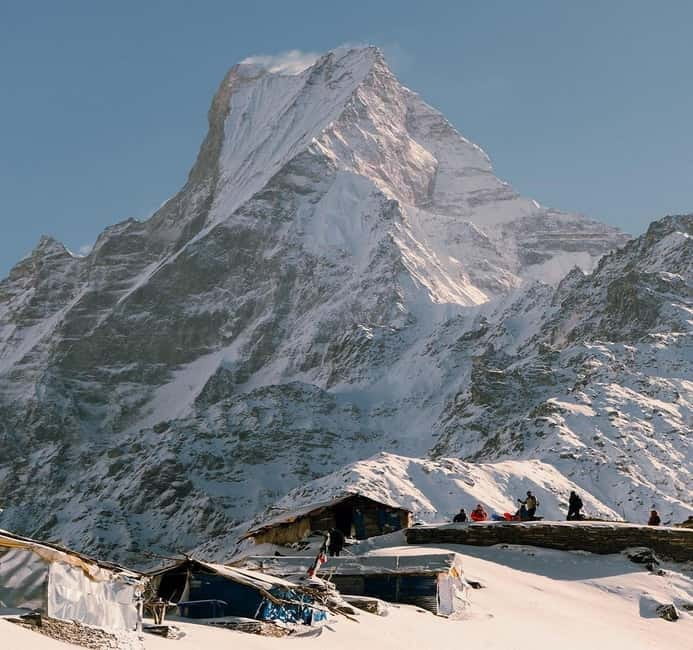
High Camp is the final settlement area on this trail. That simple fact gives the stop real importance. From here, you are close to the main viewpoint and the mountain wall that draws people to Mardi Himal.
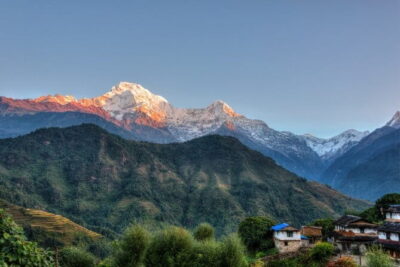
The views become the focus of the day. You can expect striking sights toward the Annapurna range and Machapuchre, with fewer trees blocking the view. The open setting can also make the weather feel more exposed, so keep your jacket handy and protect your head from the cold.
You spend the night at High Camp in basic lodge accommodation. This is a good evening to keep your routine simple: eat, prepare your clothing, charge equipment if possible, and get your camera ready. A trekking pole can help on the ascent and later on the descent, especially if your knees are sensitive.
The trip information warns that temperatures can vary sharply. Higher sections can be very cold, even when Pokhara feels mild. Pack for both warm and cold conditions rather than assuming the season will protect you.
More Treks and Hikes:
- Poon hill Trek 3 days
★ 5.0 · 176 reviews - Trekking in Annapurna/Langtang/Everest/Upper Mustang regions
★ 5.0 · 161 reviews - Pokhara: 4-Day Ghorepani, Poonhill & Ghandruk Mountain Trek
★ 5.0 · 132 reviews - Ghorepani – Poon Hill Trek 3N-4D
★ 5.0 · 125 reviews
Day 4: Sunrise at Base Camp, then back to Low Camp
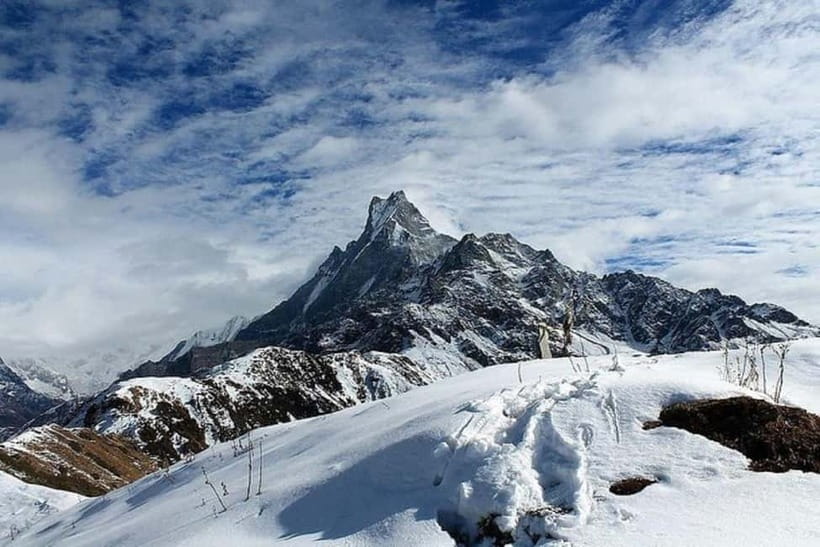
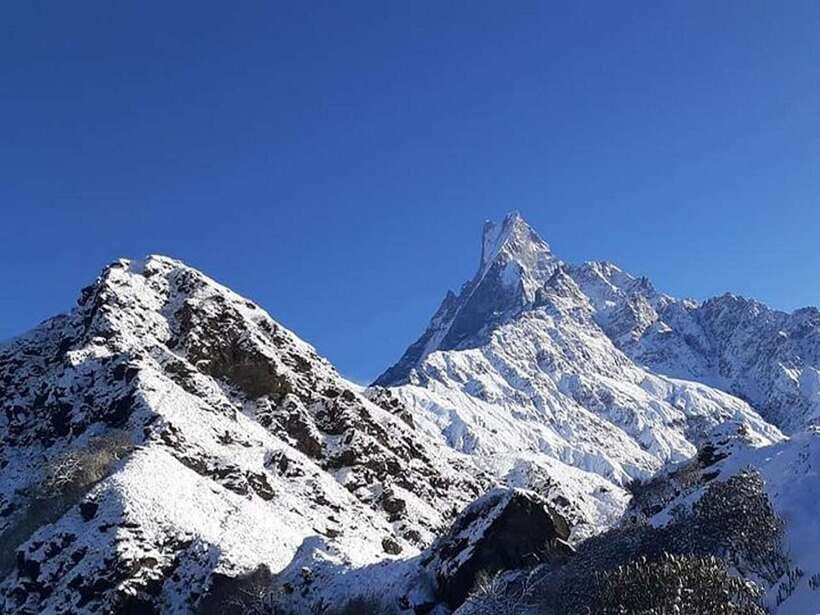
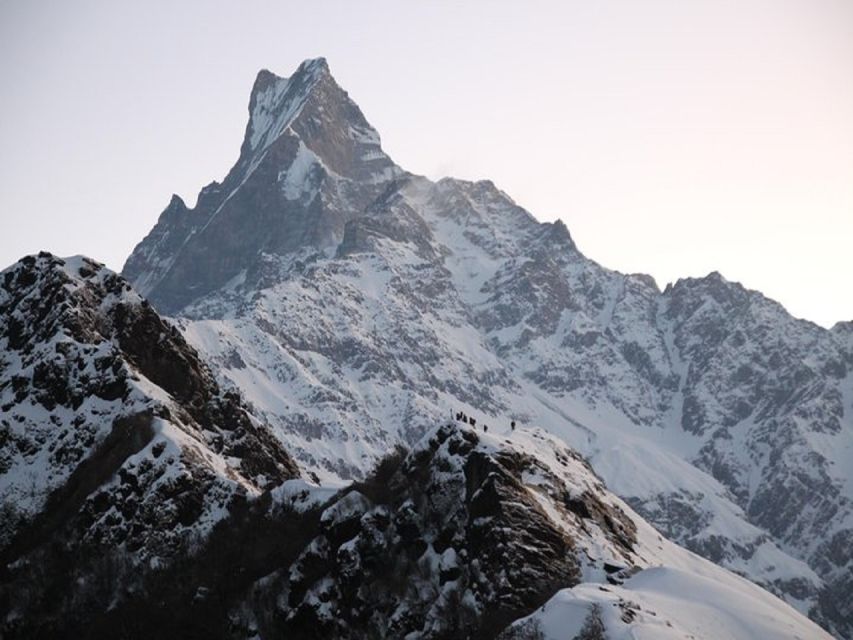
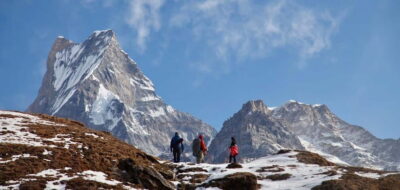
Day four is the emotional center of the trek. After breakfast, you walk to Mardi Himal Base Camp, with about three hours listed for the hike. The route brings you close to Mardi Himal and Machapuchre, and the sunrise is a major reason for the early start.
The reward is a broad Himalayan view toward the Annapurna range. Clear weather is never guaranteed, so flexibility and patience help. When the sky opens, the mountain views can be extraordinary. When clouds roll in, the walk still offers a strong mountain setting, but the famous panorama may be reduced.
You are given time at Base Camp to take photographs and enjoy the setting before retracing your route to Low Camp. That return matters. You do not spend the night at Base Camp, so you should think of the morning as a focused out-and-back section rather than a new overnight stage.
The day includes only about four hours of hiking back to Low Camp, leaving time to rest after lunch. This is one reason the five-day format works well for many people. The schedule gives you a demanding climb early in the morning, followed by a less pressured afternoon.
One practical point: walking poles are worth considering if you have knee trouble. A participant who completed the trek despite a knee problem specifically recommended hiking poles and mentioned Diamox. Medication decisions should be discussed with a medical professional, but the larger lesson is clear: do not underestimate the effect of altitude and downhill walking.
Day 5: Descending to Sidding and Lumre
The final day takes you downhill toward Sidding, where you stop for lunch, then continues to Lumre. The listed hiking time is about five hours before your vehicle takes you back to Pokhara.
Downhill sections can be harder on knees than uphill sections, particularly after several days on uneven ground. This is another reason a private group is useful. You can discuss a steady pace and take sensible breaks instead of trying to keep up with strangers.
The route passes through the Lumre area and Lwang Ghalel. That gives the final day a cultural side, rather than making it only a long exit from the mountains. One guide used extra time after the hike to visit Lwang village, watch a local volleyball tournament, and barbecue with residents. That sort of unscripted village time can become one of the trip’s best memories, though it depends on the day and the guide.
A vehicle meets you at Lumre for the return to Pokhara. Some people found the road at the end rough enough to recommend a jeep. It is worth asking about the vehicle when you arrange the trip, especially if you are uncomfortable on bumpy roads after a full day of walking.
Drop-off is available at Pokhara Lakeside, Lakeside Road 6, or Pokhara International Airport. That makes the return fairly convenient if you are continuing your journey or catching a flight, but you should still allow time for the road journey and possible delays.
Tea houses, food, and what $181 really covers
At $181 per person, the price is attractive for a private five-day trek if the quoted package includes the main costs. The inclusions cover round-trip transport, trekking permits, TIMS fees, tea-house accommodation, a government-certified English-speaking guide, guide expenses, taxes, a first aid kit, luggage storage in Pokhara, and some trekking equipment such as a sleeping bag or trekking stick when needed.
That is a meaningful bundle. Permits and transport can be irritating to arrange alone, and guide costs include salary, food, accommodation, insurance, equipment, and transportation. Luggage storage is also handy because you can leave nonessential bags in Pokhara while taking only what you need into the hills.
Food needs a careful check. The details say meals depend on the selected option, while the exclusions also say meals during the trek can be purchased separately. Treat that as a booking question, not a minor footnote. If meals are included, the convenience may be worth more than the exact savings. If they are not, you can buy food along the route, but you need cash.
A porter is optional at $20 per day. I would consider one if you are new to multi-day trekking, carry camera equipment, or know that a heavy pack will slow you down. You can also ask whether the guide can help arrange a porter for only part of the trek.
How hard is the trek?
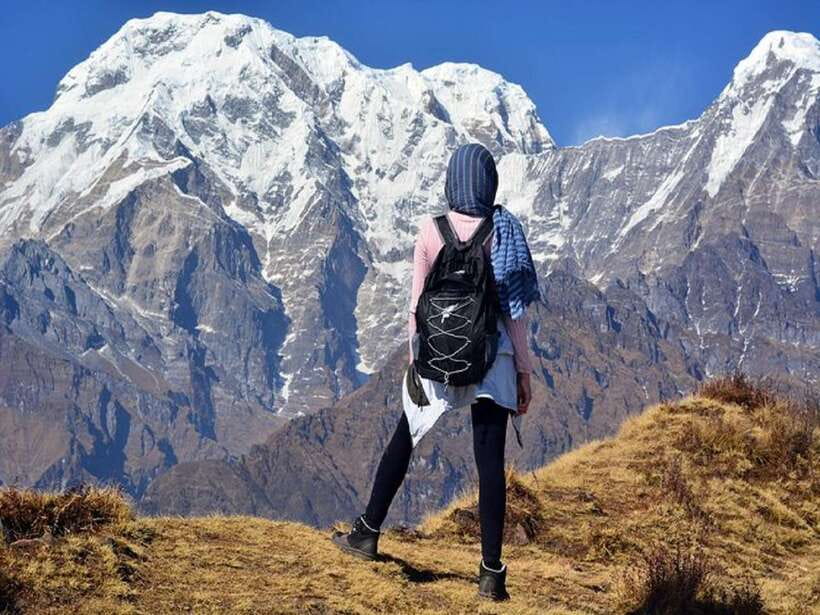
The experience is not described as extreme, but it is not a casual walk. The route includes four to six hours of hiking on several days, a climb to High Camp, an early walk to Base Camp, and a long descent on the final day.
A reasonable level of fitness is required, and the operator advises that the trek can be physically demanding. You should be comfortable walking for several hours on uneven mountain trails before booking.
The pattern is helpful. Days one and two are the main work days. Day three is shorter but higher. Day four has an early climb followed by a return to Low Camp, and day five is a downhill exit. People who prefer a gentler pace should use the private format to discuss breaks and timing with the guide.
Your packing list should include:
- Comfortable walking shoes
- A jacket and warm layers
- Comfortable clothes
- Hat and hair tie
- Camera
- Cash
- Trekking gear
- A first aid kit for personal needs, in addition to the group kit
Travel insurance is mandatory. Emergency rescue services are available if needed, but insurance remains essential for handling the financial side of a serious problem.
Guides, group style, and the human side
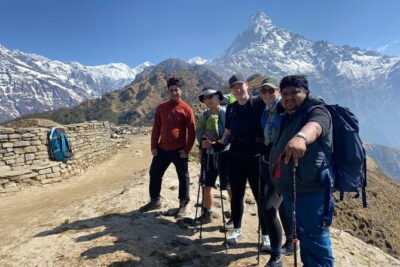
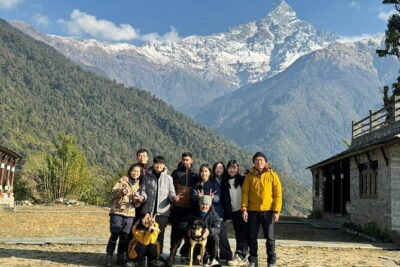
This is a private group experience, so you are not simply placed into a large walking party. That can make a major difference if you want to stop for photographs, prefer a slower pace, or need to adjust a day because of fatigue.
The guides receive the strongest praise for the trip. Santosh helped people through the route with a cheerful manner, clear English, and practical care. He even bought fruit for the trail and, after one trek, invited a participant to his home for dal bhat. Sun-Bahadur and Niva Nepali were praised for patience, food support, backpack help, and encouragement.
These details point to the best reason to use a guide here. The guide is not only there to lead from one lodge to the next. The right person can help you understand local life, choose a sensible trail pace, deal with your luggage, and make the trek feel personal rather than mechanical.
The listed guide languages are English, Hindi, and Nepali. You should request the language and guide arrangement you prefer before departure.
Who should book this Mardi Himal trek?
I would recommend this trip to you if you want strong mountain views, a private guide, and a shorter Himalayan route from Pokhara. It suits people who enjoy simple lodging, village paths, forest walking, and a clear high point at Base Camp.
It is also a good fit for first-time multi-day trekkers who are reasonably fit and want support with permits, transport, and route planning. The private format and optional porter make it easier to adjust the experience to your ability.
I would think twice if you want luxury lodging, a relaxed walking schedule, or guaranteed clear views. The weather can change, the road back from Lumre may be rough, and the first two days demand steady effort. You should also be ready for cold conditions at altitude and carry cash if meals are not included.
Should you book it?
Book this trek if you want a compact route with excellent mountain scenery and strong guide support for $181. The best value comes when transport, permits, accommodation, meals, and guide costs are all included in your chosen package.
Before confirming, ask three things: exactly which meals are included, what trekking gear can be borrowed, and what vehicle will handle the road from Lumre. If you are fit enough for multi-hour walks and comfortable with basic tea houses, Mardi Himal offers a rewarding five-day mountain experience without requiring a long expedition.
FAQ
How long is the Mardi Himal Base Camp trek?
The trek lasts five days, beginning and ending in Pokhara.
Where can pickup and drop-off take place?
Pickup and drop-off options include Pokhara Lakeside, Lakeside Road 6, and Pokhara International Airport.
Is transportation included?
Yes. Round-trip transportation between your hotel, Pokhara International Airport, and the trek starting point is included.
Are trekking permits and TIMS fees included?
Yes. Required trekking permits, paperwork, and TIMS fees are included.
What type of accommodation is provided?
Accommodation is in simple tea houses or lodges along the trekking route.
Are meals included?
Meals depend on the option selected. The available information also allows meals to be purchased separately, so confirm the exact meal arrangement before booking.
Can I hire a porter?
Yes. A porter is available as an optional extra for $20 per day.
Do I need travel insurance?
Yes. Travel insurance is mandatory, and emergency rescue services are available if required.
More 5-Day Experiences
- Kathmandu/Pokhara: 5-Day Annapurna Base Camp (ABC) Trek
★ 4.9 · 72 reviews - From Pokhara: 5-Day Annapurna Basecamp Trek with Hot Springs
★ 4.9 · 26 reviews - Mardi Himal Trek 5 Days
★ 5.0 · 23 reviews - Ghorepani Poonhill Trek 5 Days from Pokhara
★ 5.0 · 14 reviews
Just added around Pokhara
- Double Dare: Tandem Bungee Adventure★ 4.3 · 3 reviews
- Exhilarating Pokhara-Kathmandu Bus Journey Experience★ 3.5 · 3 reviews
- 3 Day Australian Camp Dhampus Ghandruk Easy Trek in Pokhara★ 3.5 · 3 reviews
- Paragliding in Pokhara★ 5.0 · 3 reviews
- Seti George and Thrilling Suspension Bridge Tour at Pokhara★ 4.5 · 3 reviews
- Overnight Dhampus Australian Camp Easy Hiking from Pokhara★ 5.0 · 3 reviews
- Full Day Entire Pokhara Tour by Car with Guide★ 4.5 · 3 reviews
- 5 Days Mardi Himal Trek.★ 5.0 · 3 reviews
Mardi Himal Treks, compared.
Browse the lists this tour appears in