
Reviewed · MARDI HIMAL TREKS
4 Day Mardi Himal Base Camp Trek from Pokhara
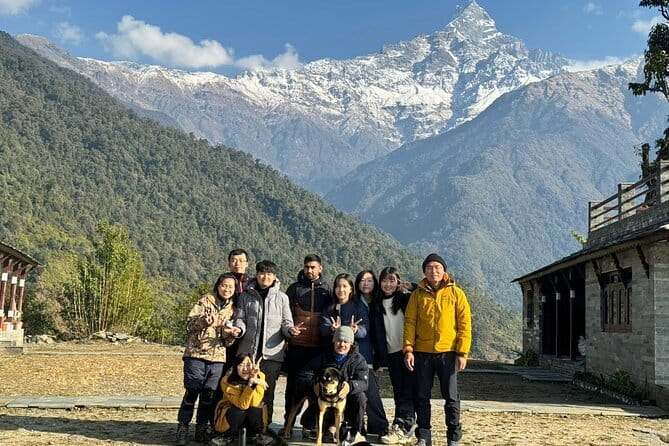
Mountain views arrive quickly. This four-day trek packs rhododendron forests, village paths, alpine meadows, and close views of Machhapuchhre, Annapurna, and Hiunchuli into a short trip from Pokhara. I like the private format, which keeps the walking pace in your group’s hands, and I like that permits, transport, accommodation, and a guide are included in the $290 price.
The main trade-off is effort. This is not a gentle sightseeing walk, particularly on the climb from High Camp to Mardi Himal Base Camp and on the long descent to Siding Village. I would also confirm the pickup time before setting out, since the listed start time of 7:15 pm does not neatly match the daytime trekking schedule.
In This Review
- Key points before you book
- What this four-day trek is really like
- Day one: Kande to Forest Camp through green forest
- Day two: Forest Camp toward Low Camp and High Camp
- Day three: High Camp to Mardi Himal Base Camp
- Day four: Descending to Siding Village and back to Pokhara
- What the $290 price includes
- Guides, accommodation, and organization
- Fitness, packing, and practical limits
- Who should choose this trek?
- Booking advice and cancellation terms
- Should you book the Mardi Himal Base Camp Trek?
- FAQ
- How long does the Mardi Himal Base Camp Trek take?
- Where does the trek start?
- What is included in the $290 price?
- Are meals and drinks included?
- Is this a private tour?
- How fit do I need to be?
- Which mountains can I see?
- What is the cancellation policy?
Key points before you book
- Four days from Pokhara: You leave the city by road, walk through forest and mountain settlements, and return by jeep or shared bus.
- Base Camp is the big prize: Day three brings the steepest walking and the best high mountain views.
- Private group format: Only your party takes part, with an English-speaking guide assigned to you.
- Strong guide feedback: Krishna, Biru, and Birendra are praised for friendly support, trail knowledge, pacing, and careful arrangements.
- $290 covers the main framework: Permits, official documents, transport, accommodation, entrance fees, guide service, and hotel transfers are included.
- Food costs extra: You pay separately for meals and drinks, and gratuities are optional.
What this four-day trek is really like
Mardi Himal works well when you want a taste of Nepal’s high mountain country but have limited time. You get forests at the start, open mountain views higher up, and a real base camp objective at the end. The route is short on the calendar, but it is not necessarily easy on the legs.
I would describe the trip as a compact mountain trek rather than a relaxed walk. Most days involve five to eight hours of movement, and the ground changes often. You should expect steep sections, forest paths, stone or uneven trail, and a demanding climb near the top.
The setting does much of the work. Below the tree line, you move through forest and villages. Higher up, the trees thin out and the views widen toward Machhapuchhre, Annapurna, and Hiunchuli. If the weather is clear, the reward is a broad Himalayan panorama rather than one isolated viewpoint.
The private setup matters here. Your guide can help manage the pace for your own party instead of matching a large group. That does not remove the physical challenge, but it can make the day feel less rushed and more manageable.
More Mardi Himal Treks:
- Pokhara: 4-Day Mardi Himal Trek
★ 4.9 · 59 reviews - Private Mardi Himal Trek
★ 5.0 · 42 reviews - From Pokhara: 4-Day Mardi Himal Base Camp Trek
★ 4.9 · 31 reviews
Day one: Kande to Forest Camp through green forest
The first day begins with a drive from Pokhara to Kande, taking about an hour. The road transfer is short enough that you reach the trail without losing most of the day, though you should clarify the exact pickup arrangement because the listed booking time appears unusual for a trek schedule.
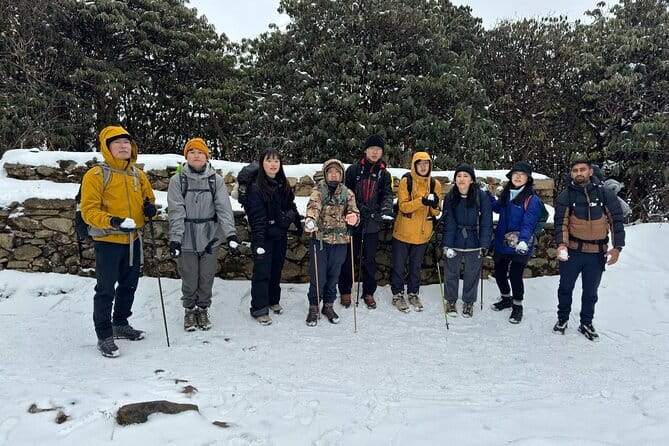
From Kande, the path climbs through forest and villages toward Forest Camp. The walk takes around five to six hours, with steep sections that quickly show you what the next few days will demand. This is a useful first day because you gain height early, rather than spending the opening stage on a flat approach.
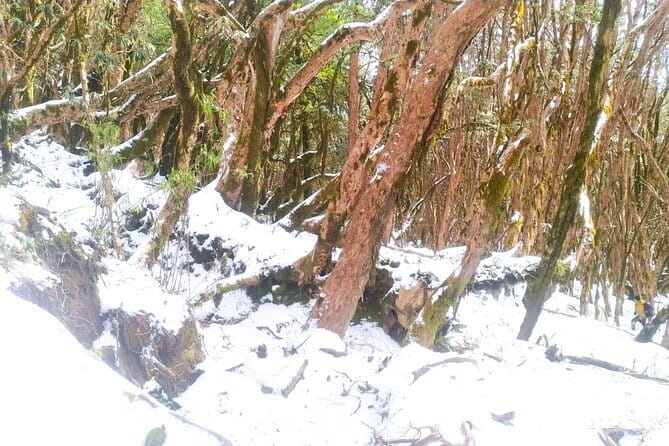
The forest is one of the route’s appealing features. Rhododendrons and other woodland growth provide shade and a cooler feel than the open upper trail. In season, you might find flowers along the path, while village sections offer glimpses of daily life and traditional homes.
Forest Camp is more about position than entertainment. You finish the day in a mountain guest house, ready for the higher route ahead. Accommodation is described as tourist standard, which means you should value shelter and location more than hotel-style comfort.
I would keep your first day simple. Carry water, wear shoes with reliable grip, and avoid treating the early climb as a warm-up that does not count. The route gets harder later, but the first ascent still sets the tone.
Day two: Forest Camp toward Low Camp and High Camp
The second day starts with a gradual climb through more forest. As you gain height, the trees open up and mountain views begin to appear. The day is listed at roughly six to seven hours, and the schedule describes the route as relatively easy compared with the steeper climb to Base Camp.
There is some ambiguity in the stop description: Low Camp is named, while the day’s walking is described as continuing to High Camp. I would ask CAN Travels to confirm where you sleep on this night and how the day is divided. That small clarification can help you plan your clothing, water, and expectations.
This is likely the day when Mardi Himal’s appeal becomes clear. You move from enclosed woodland into more open country, with views toward the major peaks and the valley below. The change is gradual, so you have time to notice the shift in plants, trail conditions, and air.
The upper section can feel more exposed than day one. Even if the walking is described as easier, altitude and long hours can still affect your energy. I would walk steadily rather than chase the fastest pace. Your guide’s role is especially useful here, and the feedback about Krishna, Biru, and Birendra points to guides who pay attention to comfort and pace.
At the overnight stop, keep your evening routine practical. Sort your warm layers, charge devices if possible, and ask about the next morning’s departure. Day three is the key day, so you want to begin without a frantic search for gloves or a headlamp.
Day three: High Camp to Mardi Himal Base Camp
Day three is the heart of the trek. The trail becomes steeper and more demanding as you climb from High Camp toward Mardi Himal Base Camp. The listed walking time is about three to four hours to Base Camp, while the full day is shown as approximately eight hours, so the longer total likely allows for the return, pauses, and time at the high point.
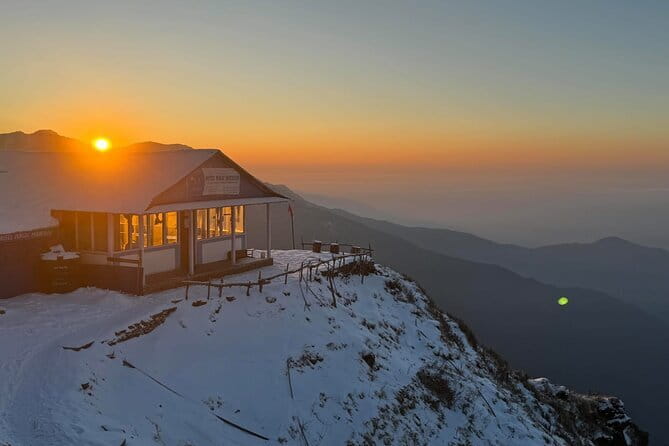
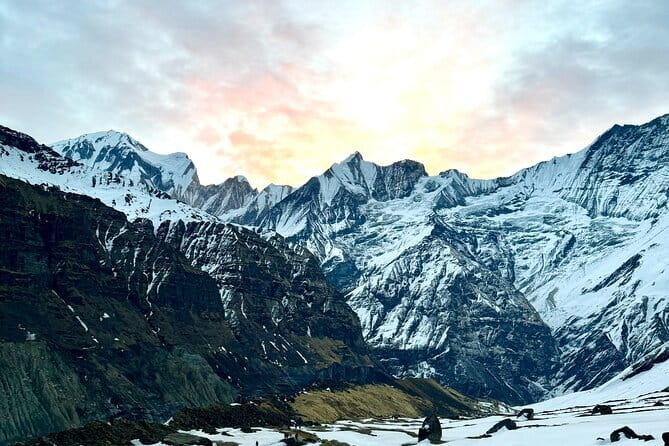
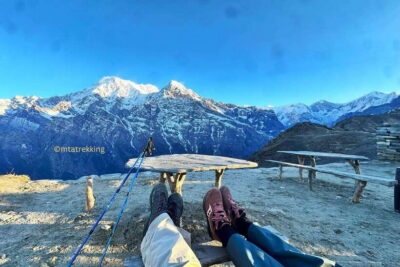
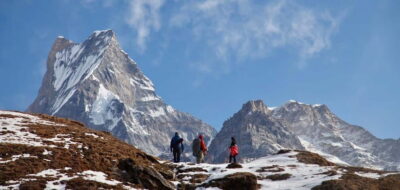
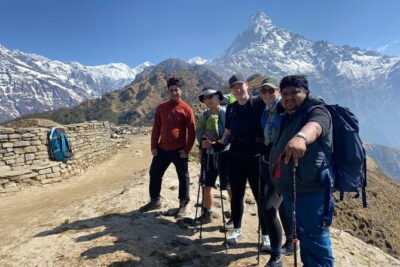
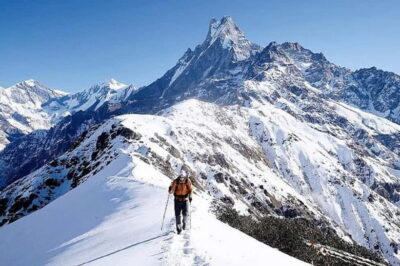
This is where the trip earns its name. You gain wide views of the surrounding peaks and the valley below, with Machhapuchhre, Annapurna, and Hiunchuli forming the main visual drama. The high route has fewer trees and more open mountain surroundings, so weather can have a large effect on what you see.
The climb is short enough to fit a four-day plan, but steep enough to demand respect. I would not judge the day by distance alone. Altitude, uneven ground, cold, and the earlier days of walking all add weight to the effort.
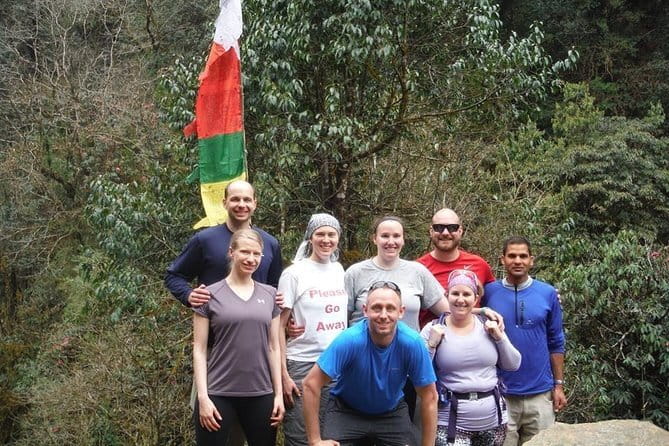
Your guide is important on this section. A good guide can help you choose a sensible pace, watch how the group is coping, and keep the route organized. The strongest praise for this operator centers on exactly those practical points. Krishna is described as attentive and helpful, while Biru is praised for managing the pace and checking comfort. Birendra is also singled out for steady support.
Do not count on the view being guaranteed. The route offers panoramic mountain scenery, but clouds can cover peaks. The trek still has value in poor conditions because of the forest, villages, and changing terrain, but the famous Himalayan views are weather-dependent.
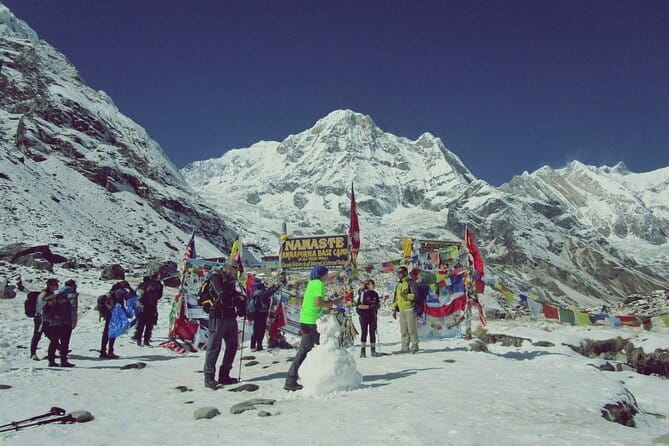
The Base Camp stop should feel like an achievement, not a quick photo stop squeezed between other attractions. You have climbed through several types of country to reach it. Take your time within the limits of the guide’s schedule, enjoy the view if it is open, and conserve energy for the return.
More Treks and Hikes:
- Poon hill Trek 3 days
★ 5.0 · 176 reviews - Trekking in Annapurna/Langtang/Everest/Upper Mustang regions
★ 5.0 · 161 reviews - Pokhara: 4-Day Ghorepani, Poonhill & Ghandruk Mountain Trek
★ 5.0 · 132 reviews - Ghorepani – Poon Hill Trek 3N-4D
★ 5.0 · 125 reviews
Day four: Descending to Siding Village and back to Pokhara
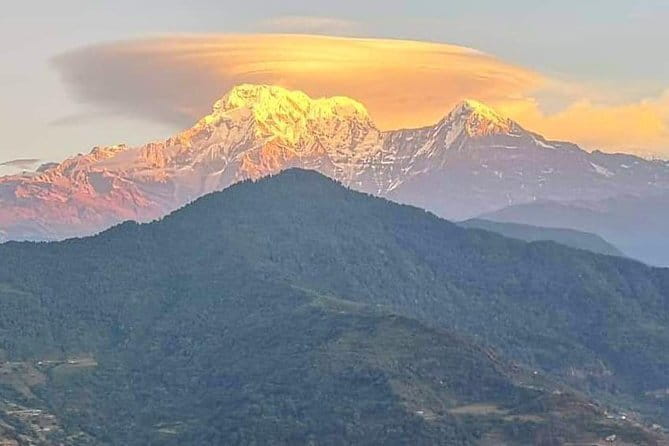
The final day reverses the direction, but it is not automatically easy. You descend through forests and villages to Siding Village, with about five to six hours of walking. After that, you take another two to three hours by road back to Pokhara Lakeside.
Downhill walking can be hard on knees and ankles, particularly after the steep upper section. I would use trekking poles if you have them, shorten your stride, and avoid racing simply because the destination is closer.
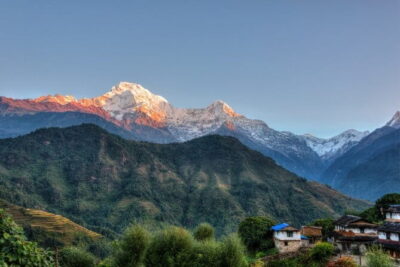
The descent gives you a different view of the route. You see traditional Nepalese houses and terraced fields, details that can be missed when you are focused on climbing. This is also your last chance to enjoy the quieter village side of the route before returning to Pokhara’s more active lakeside area.
The road transfer from Siding is a practical finish. You do not need to walk all the way back to the city, which keeps the four-day schedule possible. Road conditions and vehicle comfort can vary, and the package allows a shared bus or jeep according to the itinerary. If you prefer a particular type of transfer, ask before departure.
Arriving at Pokhara Lakeside gives the trek a clean ending. You move from mountain paths to cafés, hotels, and the familiar base used for many Nepal trips. The included hotel pickup and drop-off can make the start and finish easier, especially if you have luggage stored in Pokhara.
What the $290 price includes
At $290 per person, the price is attractive for a private four-day trek, provided you understand what is and is not covered. The package includes:
- Trekking permits and official documents
- An English-speaking trekking guide
- Round-trip transport by shared bus or jeep, based on the schedule
- Tourist-standard guest house accommodation
- Entrance fees
- A normal emergency first-aid kit with the guide
- Hotel pickup and drop-off
- A private tour for your group
That is a useful bundle. Permits and documents can be a nuisance to arrange alone, and the included transport removes the need to organize the road sections separately. Accommodation is also built into the price, so your main extra daily expense is food and drink.
Meals are not included. You should budget for them separately rather than assuming the $290 covers the full cost of each day. The same applies to gratuities, which are optional.
The value is strongest for you if you want a ready-made plan with a guide and transport. If you already have local contacts, trekking equipment, and experience arranging permits, an independent trip might offer more control. For a first short trek from Pokhara, the organization may be worth paying for.
Group discounts are offered, though the exact saving is not provided. Ask CAN Travels for the current price if you are booking for several people.
Guides, accommodation, and organization
The guide is the part of this trip most likely to shape your day-to-day comfort. Several named guides receive particularly warm praise: Krishna Adhikari, Biru, and Birendra. The qualities attached to them are useful ones, including friendliness, good trail knowledge, help with arrangements, sensible pacing, and attention to comfort.
I would request your guide’s name before the trek if that matters to you. The information does not promise a particular guide, so names should be treated as examples rather than a guarantee.
The accommodation is described as the best available along the route in some of the feedback, while the formal package calls it tourist-standard guest house accommodation. Those descriptions can fit together, but neither means luxury. You should expect a functional mountain stay rather than polished rooms and a long list of facilities.
The operator’s organization receives repeated praise. Transport, permits, lodging, and the walking schedule are arranged as one package. That is valuable in Nepal, where a small road or permit problem can have a large effect on a short itinerary.
At the same time, I would confirm the details that are not fully clear: the exact day two overnight point, the pickup time, the vehicle type, and the meal arrangements. Good planning does not mean you should skip basic questions.
Fitness, packing, and practical limits
The tour asks for a moderate level of physical fitness. That wording is important. You do not need to be an elite mountaineer, but you should be ready for several consecutive hours of walking and steep sections.
The hardest parts are likely to be the ascent from High Camp to Base Camp and the long descent on day four. Your best preparation is regular walking with hills or stairs, not only flat-distance exercise.
I would pack light, but do not leave out warm clothing. The route passes from forest to higher, more exposed ground, and conditions can change with altitude and weather. Comfortable trekking shoes, layers, rain protection, water, sun protection, and a small personal medical kit are sensible choices.
The included first-aid kit is described as a normal emergency kit with the guide. That is helpful, but it is not a replacement for any medication or personal supplies you need. Carry those yourself.
Because food and drinks are extra, bring enough spending money for the route. The package does not state which payment methods are accepted along the trail, so ask CAN Travels if you need a precise budget or have special food requirements.
Who should choose this trek?
I think this trip suits you if you want:
- A short Himalayan trek from Pokhara
- A private group rather than a large shared party
- A guide-led route with permits and transport arranged
- Forests, villages, alpine meadows, and high mountain views in one trip
- A clear destination at Mardi Himal Base Camp
- A four-day schedule that fits a tight Nepal holiday
I would think twice if you dislike steep trails, long walking days, basic guest houses, or paying separately for meals. The route is short, but the schedule is full. You should also allow some flexibility in your expectations because mountain weather can hide the peaks.
This is not the best choice for someone wanting a slow village holiday with lots of free time. It is better for you if the main goal is to reach a high viewpoint and experience a compact trek with professional support.
Booking advice and cancellation terms
Confirmation is provided at booking, and the activity is private for your group. Pickup and drop-off are included, but I would verify the precise pickup hour because the stated start time of 7:15 pm appears inconsistent with the daytime road and trekking schedule.
The cancellation policy is simple. You can receive a full refund if you cancel at least 24 hours before the local start time. Cancellations or changes made within 24 hours are not accepted for a refund.
Should you book the Mardi Himal Base Camp Trek?
I would book this trek if you have four days, moderate fitness, and want a well-organized route from Pokhara without arranging every permit, vehicle, and guest house yourself. The combination of private guiding, included transport, and a $290 price gives you solid practical value.
Before paying, confirm the actual start time, day two sleeping point, transport arrangement, and your expected guide. If those details suit you, this is a strong short trek for mountain views, forest walking, village scenery, and a satisfying Base Camp finish. If you need easy walking or hotel comfort, choose a slower and less demanding plan instead.
FAQ
How long does the Mardi Himal Base Camp Trek take?
The trek takes approximately four days, including road transfers between Pokhara, Kande, Siding Village, and Pokhara Lakeside.
Where does the trek start?
The walking portion starts at Kande, which is about a one-hour drive from Pokhara.
What is included in the $290 price?
The price includes trekking permits, official documents, an English-speaking guide, round-trip transport by shared bus or jeep, tourist-standard guest house accommodation, entrance fees, a normal first-aid kit, hotel pickup and drop-off, and a private tour.
Are meals and drinks included?
No. Food and drinks are available for purchase but are not included in the tour price.
Is this a private tour?
Yes. Only your group participates in the activity.
How fit do I need to be?
You should have a moderate level of physical fitness. Walking days last about five to eight hours, and some sections are steep, especially near Mardi Himal Base Camp.
Which mountains can I see?
The route offers views of Machhapuchhre, Annapurna, and Hiunchuli, along with views of the surrounding valley when conditions are clear.
What is the cancellation policy?
You can cancel at least 24 hours before the local start time for a full refund. Cancellations or changes made within 24 hours are not accepted for a refund.
More 4-Day Experiences
- 4-Day Private Poon Hill Trekking Tour
★ 5.0 · 58 reviews - Pokhara: 4-Day Private Trek Tour
★ 4.9 · 43 reviews - Poon Hill Trek from Pokhara 4 Days
★ 5.0 · 27 reviews - 4 Days Poon Hill Trek from Pokhara
★ 5.0 · 26 reviews
Just added around Pokhara
- Double Dare: Tandem Bungee Adventure★ 4.3 · 3 reviews
- Exhilarating Pokhara-Kathmandu Bus Journey Experience★ 3.5 · 3 reviews
- 3 Day Australian Camp Dhampus Ghandruk Easy Trek in Pokhara★ 3.5 · 3 reviews
- Paragliding in Pokhara★ 5.0 · 3 reviews
- Seti George and Thrilling Suspension Bridge Tour at Pokhara★ 4.5 · 3 reviews
- Overnight Dhampus Australian Camp Easy Hiking from Pokhara★ 5.0 · 3 reviews
- Full Day Entire Pokhara Tour by Car with Guide★ 4.5 · 3 reviews
- 5 Days Mardi Himal Trek.★ 5.0 · 3 reviews
Mardi Himal Treks, compared.
Browse the lists this tour appears in