
Reviewed · MARDI HIMAL TREKS
Mardi Himal Trek Nepal
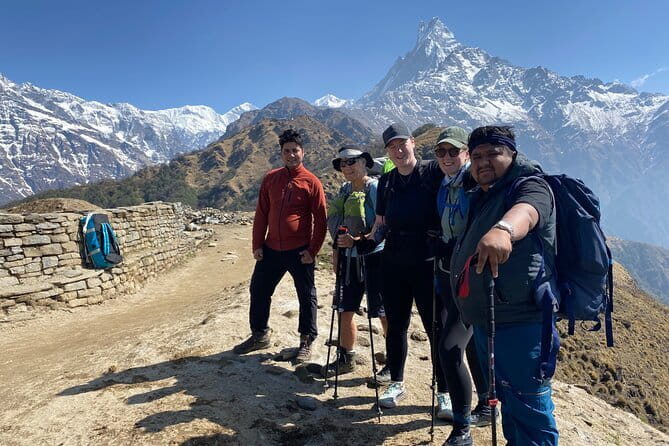
The best Himalayan views need not require a long expedition. The Mardi Himal Trek combines quiet forest paths, alpine meadows, and sweeping views of Machapuchare, Annapurna South, and Hiunchuli in a compact nine-day trip. I like the peaceful route, which feels less crowded than the Annapurna Circuit or Annapurna Base Camp trails, and I like the practical tea-house setup that replaces older camping arrangements. The main caution is physical effort: the upper viewpoint day lasts about 10 hours and includes steep, narrow sections.
The package also takes care of much of the awkward planning. Airport transfers, tourist buses, trekking permits, a guide, porter support, meals on trekking days, lodging, and a company duffel bag are included. You should still budget for meals in Kathmandu and Pokhara, personal costs, trekking clothing, insurance, and any emergency rescue.
In This Review
- Key points to know before you book
- Why the Mardi Himal route is worth considering
- Days 1 and 2: Kathmandu orientation, then Pokhara
- Day 3: Kande, Australian Camp, and Deurali
- Day 4: Forest walking and Low Camp
- Day 5: The climb to High Camp
- Day 6: The upper viewpoint and the hardest walking day
- Day 7: A different route to Shiding Village
- Day 8: Return to Kathmandu by tourist bus
- Day 9: Airport transfer and departure
- Guides, porters, and the feel of the service
- What the $750 price really covers
- Who should book this trek?
- Should you book the Mardi Himal Trek Nepal?
- FAQ
- How long is the Mardi Himal Trek Nepal?
- What is the price per person?
- Is airport pickup included?
- What transportation is included?
- How large can the group be?
- Are meals included?
- Is accommodation included?
- Do I need travel insurance?
- Can I cancel for a full refund?
Key points to know before you book
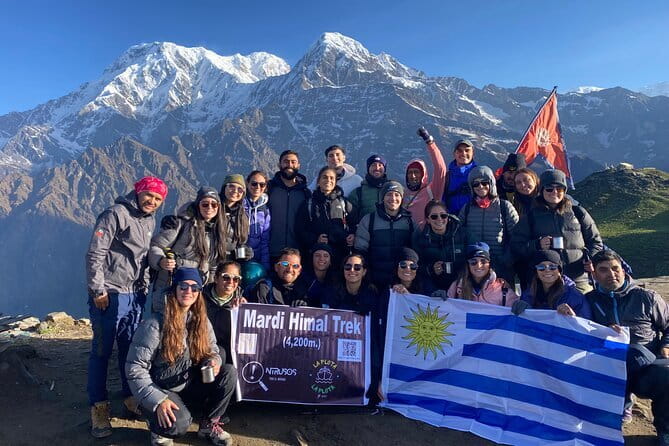
- About 4,500 metres at the high point: The route reaches serious altitude, so a moderate fitness level is essential.
- A quieter Annapurna alternative: Mardi Himal gives you big mountain views without following the busiest classic routes.
- Tea-house trekking: You sleep in lodges and small hotels rather than carrying camping equipment.
- A long summit-view day: Day six takes about 10 hours and includes steep ascents, descents, and narrow trail sections.
- Transport is largely arranged: Tourist buses connect Kathmandu and Pokhara, with private vehicles for the trailhead and return.
- Small-group format: The maximum group size is 16 people, with guides and porters included.
For a short Himalayan trek, Mardi Himal packs a lot into nine days. You begin with city time in Kathmandu, move to Pokhara, walk through forests and open mountain country, spend a night at High Camp, reach the upper viewpoint, and return by a different route through Shiding Village.
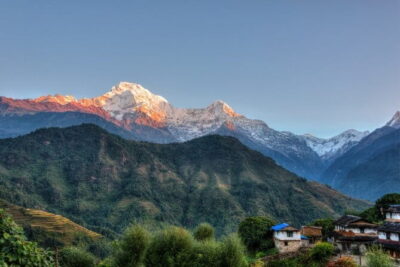
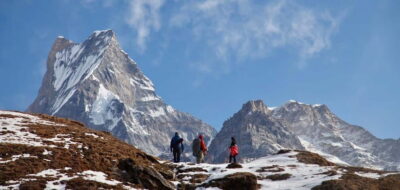
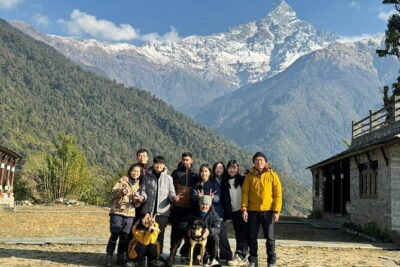
The appeal is the change in scenery. Lower sections pass through dense woodland. Higher up, the trees thin out and the route opens toward the high peaks. Machapuchare, also called Fishtail, is the star of the show, but Annapurna South and Hiunchuli add plenty of drama.
This is not a gentle sightseeing tour. The itinerary includes several long walking days, and the high point day is especially demanding. Still, the route is short enough to suit you if you want a real mountain trek without committing to two or three weeks on the trail.
Why the Mardi Himal route is worth considering
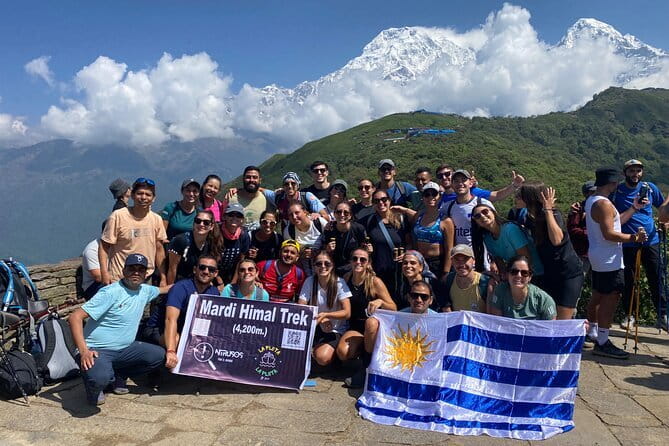
Mardi Himal was once mainly a camping route. The growth of tea houses and lodges now makes it easier to walk with less equipment. Your porter carries the company duffel bag, while you can focus on clothing, water, and daily essentials.
I like this arrangement because it preserves the feel of a mountain trek without requiring you to organize tents, cooking supplies, and a full camp crew. Lodges also give you a chance to share meals and evenings with other people on the route, although the accommodation is likely to be simple rather than luxurious.
The route is also a good choice if you prefer quieter paths. It offers a calmer alternative to the more heavily used Annapurna Circuit and Annapurna Base Camp routes. That does not mean you will have the mountains to yourself, but the itinerary is designed around a less crowded trail.
The package price is $750 per person. That represents reasonable value if you use the included guide, porter, lodging, trekking meals, permits, transfers, and airport service. The price would be less attractive if you expected premium hotels, private dining, or rescue coverage, since personal expenses, alcohol, Kathmandu and Pokhara meals, trekking clothing, and emergency rescue are not included.
More Mardi Himal Treks:
- Mardi Himal Trek
★ 5.0 · 41 reviews - Pokhara: 4-Day Mardi Himal Trek
★ 4.9 · 59 reviews - Private Mardi Himal Trek
★ 5.0 · 42 reviews
Days 1 and 2: Kathmandu orientation, then Pokhara
Your trip begins with an airport pickup in Kathmandu. You are taken to a hotel in Thamel, a convenient base for the first night, and later visit the Magic Himalaya Treks office for a briefing about the route.
That briefing matters. It gives you a chance to discuss the walking plan, ask about equipment, and get organized before leaving the city. The first day is not a trekking day, so you can use it to settle in, though the supplied schedule gives limited detail about sightseeing or free time.
Day two starts after breakfast with a transfer to the tourist bus station. The bus ride from Kathmandu to Pokhara takes about six to seven hours, with the itinerary also listing approximately seven hours. This is not the fastest way to move between the two cities, but it is a normal and practical part of a Nepal trekking program.
Pokhara is your overnight stop. That break is useful because the next morning takes you toward the trailhead. Meals in Pokhara are not included, so plan to pay separately for lunch and dinner there.
Day 3: Kande, Australian Camp, and Deurali
After breakfast, a car or private vehicle takes you to Kande. This is where you begin walking toward Deurali.
The route includes Australian Camp, which is used as a lunch stop and viewpoint. It is one of the more appealing early moments of the trip because you are already moving through mountain country while still within the lower, greener section of the route.
The supplied schedule lists only about one hour for this stop, but the full walking day includes the onward trek to Deurali. The details do not give a total walking time for the day, so you should ask the operator for the expected distance and elevation gain before departure.
You spend the night at Deurali Villa. Accommodation, breakfast, lunch, and dinner are included on the trekking portion of the journey. The tea-house format keeps this first walking day straightforward, but you should not expect city-hotel comforts.
Day 4: Forest walking and Low Camp
Day four continues through the forest toward Low Camp. The walking time is listed as about six hours, which makes this a substantial but manageable day for someone with moderate fitness.
This section is valuable because the forest provides a gradual transition from the lower hills to the higher mountain zone. You are not thrown straight into exposed ridges or bare alpine ground. Instead, the route rises through changing vegetation, with the trees eventually giving way to more open views.
Low Camp is also an important viewpoint. The itinerary highlights mountain ranges from here, so this is one of the first places where the scale of the Annapurna region becomes clear.
You receive breakfast, lunch, and dinner, and spend the night at Low Camp. The included meals are a real benefit on a route where you might otherwise need to manage food planning each day. Personal drinks and bar bills remain your responsibility.
More Treks and Hikes:
- Everest Base Camp Trek – 14 Days
★ 5.0 · 1,499 reviews - Everest Base Camp Trekking
★ 5.0 · 485 reviews - Nagarkot Sunrise View and Day Hiking from Kathmandu
★ 5.0 · 471 reviews - Annapurna Circuit Trek with Tilicho Lake
★ 5.0 · 368 reviews
Day 5: The climb to High Camp
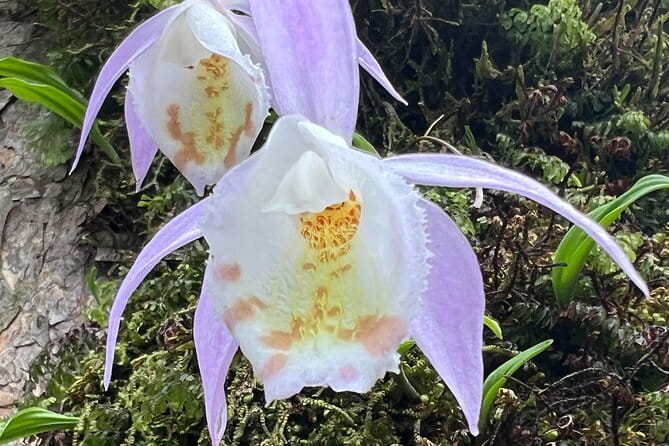
The route climbs from Low Camp to High Camp, with about five hours of walking scheduled. The higher you go, the thinner the tree line becomes. That change is one of the most satisfying parts of the trek because the forest gradually opens into a more exposed mountain setting.
The itinerary also notes the possibility of seeing the Danphe, Nepal’s colorful national bird, along the way. Wildlife sightings are never guaranteed, but this detail gives the day another point of interest beyond simply gaining altitude.
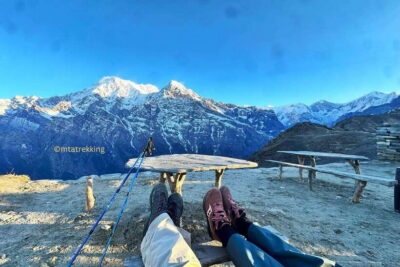
High Camp is the final overnight stop before the upper viewpoint. It is also the place where you need to pay attention to how your body feels. The trip reaches roughly 4,500 metres according to the experience details, and altitude can make even ordinary walking feel harder.
You should tell your guide if you feel unwell. The guides are described as attentive and available throughout the trek, and the operator includes a medical kit with required trekking medicine. That is helpful, but it does not replace travel insurance or emergency rescue coverage.
Day 6: The upper viewpoint and the hardest walking day
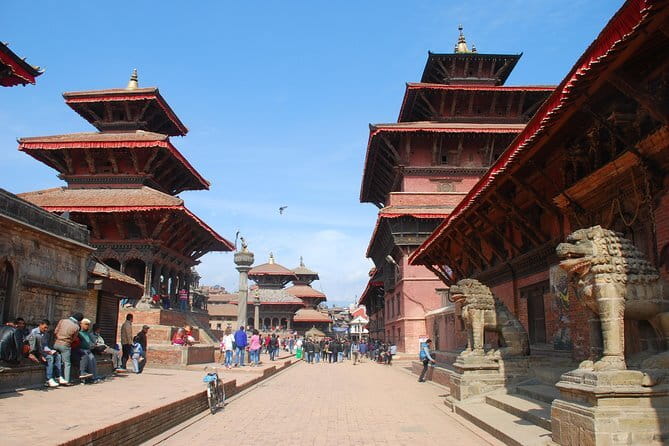
This is the central day of the trek. The schedule allows about 10 hours for the journey to the upper viewpoint and back or onward, making it the toughest section by a clear margin.
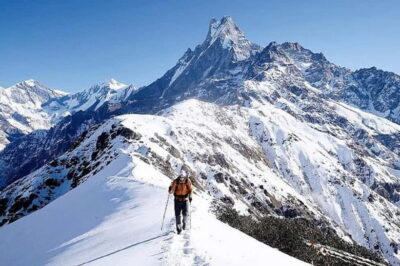
The path includes ascents, descents, steep stretches, and narrow trail sections. It passes through pastures and follows a narrow ridge-like section toward the viewpoint. The word viewpoint can sound easy, but this is a serious mountain walk, not a short lookout stroll.
The reward is the broad Himalayan panorama. You can expect views connected with Machapuchare, Annapurna South, and Hiunchuli, with the changing altitude giving you different angles as you move.
This is where the trek’s main trade-off becomes clear. The route is short, but the short schedule concentrates effort into a few demanding days. If you prefer slower walking with more rest days, this program may feel rushed. If you want a compact challenge and have trained for long uphill days, it makes good use of your time.
Carry only what you need for the day, since a porter handles the larger duffel. Wear proper trekking clothing and footwear, which you must provide yourself. The package does not include clothing or required gear.
Day 7: A different route to Shiding Village
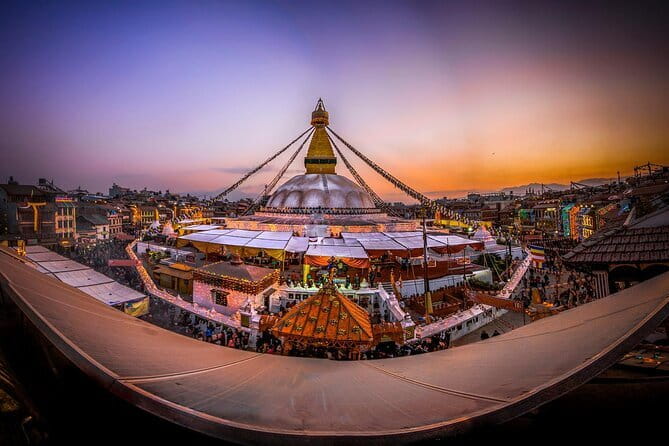
Instead of returning along the same Mardi Himal trail, the itinerary follows a different route to Shiding Village. This is a smart design choice because it prevents the return journey from becoming a simple repeat of the climb.
The walking time is about five hours. After reaching Shiding, a private Jeep takes you back to Pokhara for the night.
This day also gives you a change in pace. The high viewpoint day is long and exposed, while the Shiding section brings the route back toward village life and road access. The contrast helps the trip feel like a journey through several parts of the Annapurna region rather than a walk up and down one corridor.
Pokhara is another night where meals are not fully covered in the same way as trekking days. Breakfast arrangements are included in the overall package, but you should confirm exactly which meals are provided at each hotel and stop.
Day 8: Return to Kathmandu by tourist bus
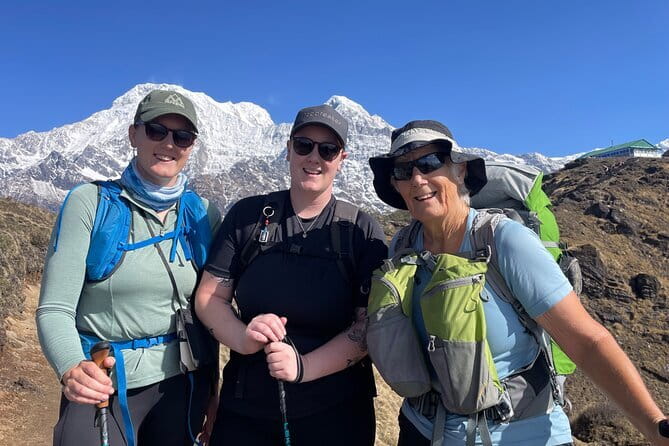
After breakfast in Pokhara, you take a short walk or drive to the tourist bus park. The bus to Kathmandu takes around six to seven hours.
After several days on foot, this road journey can feel long. It is also the least exciting transport section of the program, but it keeps the package price lower than using private transport for the entire route.
The return to Kathmandu gives you a final night before departure. A farewell dinner and company celebration are included, which adds a pleasant closing note and gives you time to share the trek with the group and staff.
Day 9: Airport transfer and departure
On the final day, the company collects you from your hotel and transfers you to the airport.
The simplicity is welcome after a trek. You do not need to arrange a taxi or work out the airport route yourself. International flights and departure taxes are not part of the package, so those should be handled separately.
The stated meeting time is 1:15 am. That unusual hour should be checked carefully before booking, since it may relate to pickup or departure arrangements rather than the regular start of the trek. Ask Magic Himalaya Treks to confirm the exact pickup time for your date.
Guides, porters, and the feel of the service
The most strongly praised part of this experience is the staff. The company owner, Nabin, is specifically associated with checking on people and helping make the trek run smoothly. The guides are described as friendly, attentive, and willing to adjust the itinerary to the group’s needs.
That personal attention matters more on a high-altitude trek than polished paperwork does. A good guide can help you judge your pace, understand the route, and speak up when the day becomes too demanding. The included porter support also makes the trek more comfortable by keeping your main load off your back.
The group limit is 16 people. That is small enough for a social experience without being an enormous walking party, though the exact guide-to-client ratio is not stated. If you want a private trek or a very small group, ask about that before paying.
What the $750 price really covers
The cost includes a useful set of practical services:
- Airport pickup and drop-off in private vehicles
- Tourist bus transport between Kathmandu and Pokhara
- Private transport to Kande
- Jeep transport from Shiding to Pokhara
- Guide and porter wages
- Accommodation and trekking meals
- Annapurna Conservation Area permits and required documents
- Trekking map and company duffel bag
- Medical kit and required trekking medicine
- Government tax
- Farewell dinner and company celebration
Breakfast is included eight times, lunch five times, and dinner five times. Meals in Kathmandu and Pokhara are not all included, so the total cost of your trip will be higher than the headline price.
You also need to bring or rent your own clothes and required gear. Travel insurance for a Nepal trek is required, while rescue operations are specifically excluded. That distinction is important. Do not treat the medical kit as a substitute for insurance that covers trekking and emergency evacuation.
Who should book this trek?
I would recommend Mardi Himal to you if you want strong Himalayan views, a shorter itinerary, tea-house accommodation, and a quieter route than the best-known Annapurna trails.
It suits people with moderate physical fitness who are ready for several hours of walking and one very long day. You should be comfortable with steep ground, narrow paths, and the possibility of reaching about 4,500 metres.
It is less suitable if you want a relaxed holiday with short walks, private rooms guaranteed at every stop, or complete protection from extra costs. The route is rewarding because it asks something from you.
The trek also works well for people who appreciate support. The guide, porter, transport, permits, meals, and airport transfers remove many of the tasks that can distract from the mountains. You still need to take responsibility for your clothing, insurance, health, and personal spending.
Should you book the Mardi Himal Trek Nepal?
Yes, if you want a compact Annapurna trek with excellent mountain views and a quieter trail. The best reasons to book are the tea-house format, the different return route through Shiding, the included transport and porter support, and the attentive service associated with Nabin and the Magic Himalaya team.
Before booking, confirm the exact walking distances, the 1:15 am meeting detail, accommodation standards, and what happens if altitude or weather forces a change. If you are prepared for the 10-hour upper viewpoint day and you carry proper insurance, the $750 package offers a practical way to experience Mardi Himal without arranging every detail yourself.
FAQ
How long is the Mardi Himal Trek Nepal?
The experience lasts approximately nine days, including time in Kathmandu and Pokhara, the trekking section, return transport, and airport transfer.
What is the price per person?
The listed price is $750 per person.
Is airport pickup included?
Yes. Pickup from Kathmandu airport and transfer to the hotel are included, as well as an airport drop-off at the end of the trip.
What transportation is included?
The package includes tourist bus transport between Kathmandu and Pokhara, private transport to Kande, a Jeep from Shiding to Pokhara, and private airport transfers.
How large can the group be?
The maximum group size is 16 people.
Are meals included?
Breakfast is included eight times, lunch five times, and dinner five times. Lunch and dinner in Kathmandu and Pokhara are not included.
Is accommodation included?
Yes. Accommodation is included during the Kathmandu, Pokhara, and trekking portions of the program.
Do I need travel insurance?
Yes. Travel insurance for a Nepal trek is listed as a requirement. Emergency rescue operations are not included in the package.
Can I cancel for a full refund?
Yes, if you cancel at least 24 hours before the experience start time. Cancellations made less than 24 hours before the start time are not refunded, and late changes are not accepted.
Just added around Kathmandu
- Private Shopping Tour in Kathmandu★ 5.0 · 3 reviews
- Nagarkot Sunrise With 7 UNESCO World Heritage Private Tour★ 5.0 · 3 reviews
- Mount Everest Scenic Flight 50 Minutes★ 5.0 · 3 reviews
- Kathmandu: Nightlife and Pub Crawl Tour★ 5.0 · 3 reviews
- Kathmandu: Nagarkot, Bhaktapur, Doleswor & Sanga Statue Tour★ 5.0 · 3 reviews
- Momo Cooking Class -The Art Of Making MoMo with Home Chef★ 5.0 · 3 reviews
- Makalu Base Camp Trek★ 5.0 · 3 reviews
- Kathmandu: Momo Making Class with a Local Chef★ 5.0 · 3 reviews
Mardi Himal Treks, compared.
Browse the lists this tour appears in