
Reviewed · HIKING & TREKKING
Pokhara: 3-Day Trek
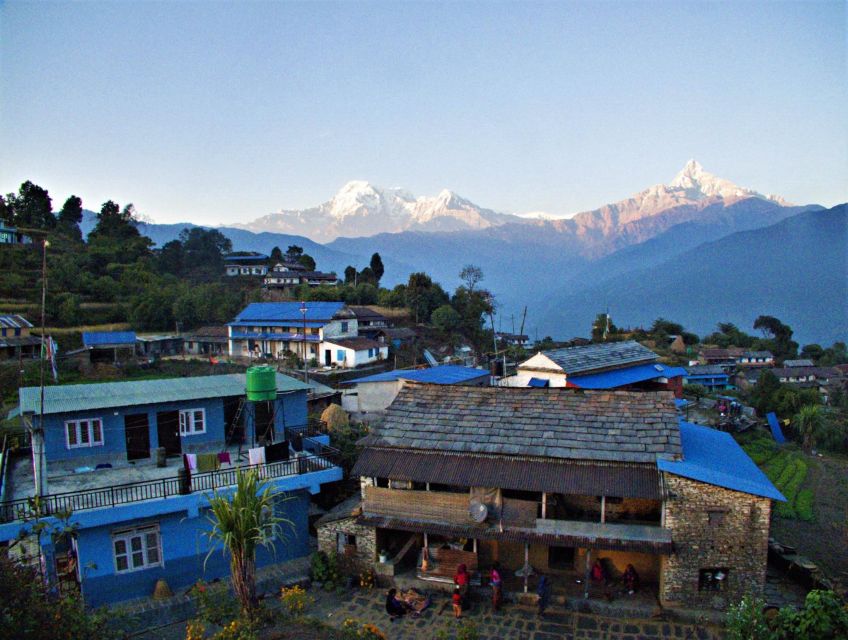
Small trek, big Himalayan views. This three-day route is a fine way to leave Pokhara behind without signing up for a punishing mountain adventure. You walk through rhododendron forest, hillside villages, terraced fields, and ridge-top settlements, with views toward Annapurna and Mount Fishtail along the way.
I especially like the comfortable lodge stays, each with an attached bathroom and hot shower. I also like the balance of scenery and culture, from Australian camp at sunrise to the organic farm and village life at Astam. The main catch is that meals are not included, so you pay separately for food at the lodges.
In This Review
- Key points at a glance
- Why this short trek works so well from Pokhara
- Day one: Naudanda, Dhampus, Pothana, and Australian camp
- Australian camp sunrise is the first major reward
- Day two: The ridge walk to Astam Eco Village
- Day three: A short descent and the return to Pokhara
- What the guide and porter add
- Lodges, food, and the comfort question
- Is $250 a fair price?
- Who should choose this trek?
- Booking details worth knowing
- Should you book the Pokhara 3-Day Trek?
- FAQ
- How long is the Pokhara trek?
- Where does the trek start?
- Where do I sleep during the trek?
- Are meals included?
- Is transportation included?
- Does a guide accompany the trek?
- Can the walking route be shortened?
- What should I bring?
Key points at a glance
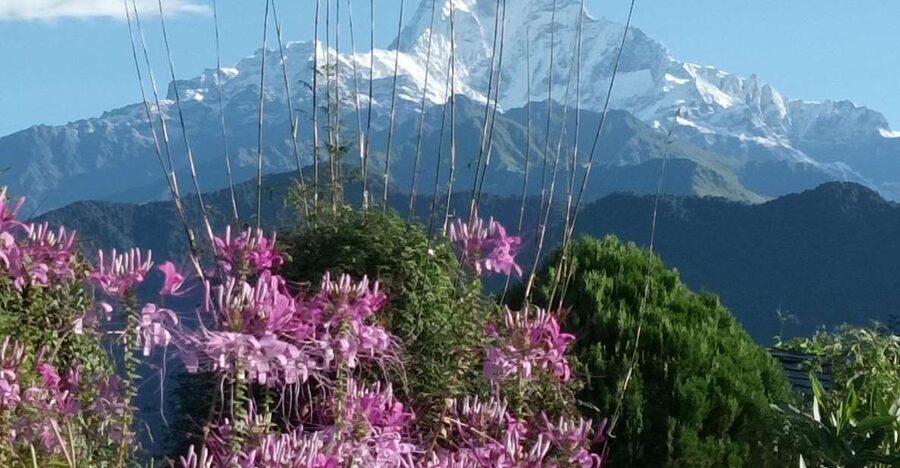
- Australian camp sunrise: Spend your first night in a small teahouse settlement above Dhampus, with a wide Himalayan view.
- A real Himalayan feel without a long expedition: The route lasts three days and can be shortened or adjusted by driving higher on the trail.
- Village-to-village walking: The trail passes through Dhampus, Pothana, and Astam, with forests, farms, and local homes along the way.
- Hot showers and private bathrooms: This is a lodge trek with more comfort than a basic teahouse route.
- Strong guide support: A licensed guide leads the walk, while porters carry luggage and add local stories and practical help.
- Good value at $250: Private transport, two nights of lodging, guide service, and porter support are included, but food and insurance are extra.
Why this short trek works so well from Pokhara
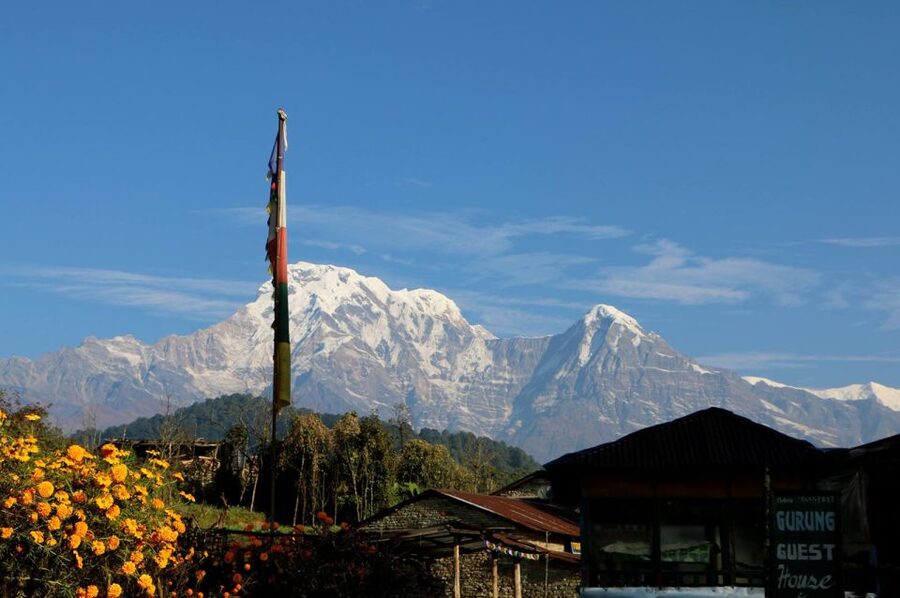
Pokhara is famous for its lake, cafes, and mountain views, but the city only gives you a taste of rural Nepal. This trip takes you roughly 30 kilometers northwest, closer to the Annapurna Himalayas and Mount Fishtail. In just three days, you get a proper walk through the foothills without needing the long leave, high-altitude planning, or physical preparation required for a major Himalayan route.
I see this as a first Himalayan trek. You still climb ridges, walk through forest, sleep in mountain lodges, and wake early for the peaks. Yet the route remains relatively gentle, and there are several ways to reduce the walking by driving farther along the road.
The setting changes often enough to keep the walk interesting. You may begin beside a road and a stream, then climb toward Dhampus. Later, the trail passes through woodland and traditional villages before following a ridge toward Astam. Terraced fields spread across the hillsides, and the northern horizon is framed by high snow peaks.
The route is not a wilderness trip. Roads reach parts of the area, and the settlements are established for trekking. For many people, that is a benefit. You get mountain scenery and rural life, then return to Pokhara before the trek becomes too demanding.
More Treks and Hikes:
- Poon hill Trek 3 days
★ 5.0 · 176 reviews - Trekking in Annapurna/Langtang/Everest/Upper Mustang regions
★ 5.0 · 161 reviews - Pokhara: 4-Day Ghorepani, Poonhill & Ghandruk Mountain Trek
★ 5.0 · 132 reviews
Day one: Naudanda, Dhampus, Pothana, and Australian camp
The first day begins with a hotel pickup in Pokhara’s Lakeside area. A private vehicle drives for about 30 minutes to Naudanda, on the western rim of Pokhara Valley. This short transfer saves time and places you directly near the walking route.
From Naudanda, the trail gradually descends toward a stream, then climbs for about two hours toward Dhampus. The change in direction matters. You are not simply walking uphill all day, and the early descent gives your legs time to warm up before the main climb.
Dhampus is one of the important settlements on this route. From here, you continue for about an hour to Pothana, where you stop for lunch. Food is ordered directly at the teahouse and paid for separately, so ask about the menu and cost before ordering if you want to keep spending predictable.
After lunch, Australian camp is only about 30 minutes away. This short final stretch makes the first day manageable, especially if you have just arrived in Nepal or are still adjusting to the hills.
Australian camp is a small teahouse settlement in rhododendron forest above Dhampus. The name may sound like a tourist curiosity, but the attraction is practical: the settlement sits on a ridge with a broad view toward the Annapurna range. The first night is intended to give you the best chance of a clear sunset and sunrise over the mountains.
The lodges here have served trekkers for more than 15 years and offer attached toilets and bathrooms with hot showers. That is a notable comfort at this price level. You are not camping, and you do not have to treat a cold wash as part of the Himalayan experience.
The main drawback on day one is the uneven walking rhythm. You descend, climb to Dhampus, continue along the ridge, and then settle into the lodge. It is not described as a difficult day, but comfortable shoes are essential. Sunglasses and sunscreen are also sensible, particularly during exposed sections and the morning mountain view.
Australian camp sunrise is the first major reward
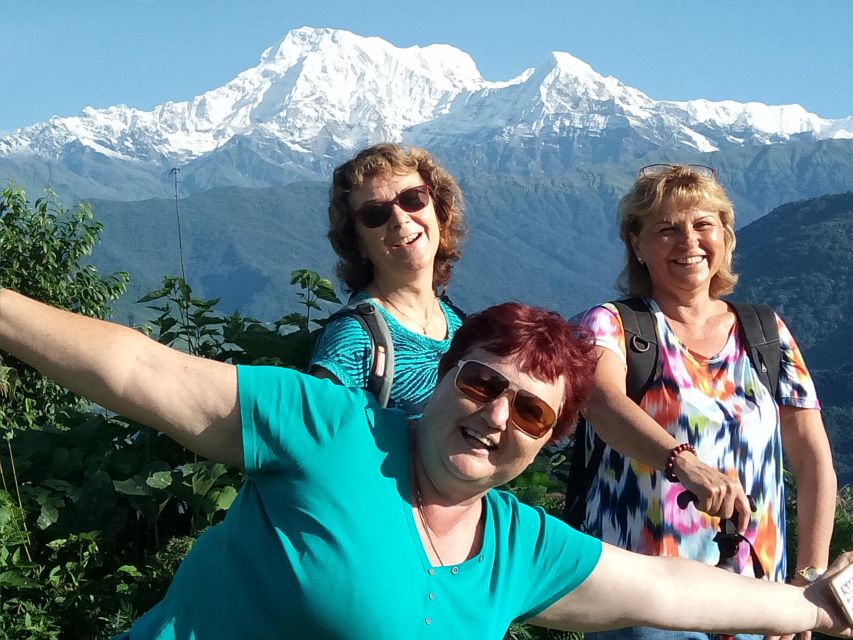
The sunrise at Australian camp is one of the strongest reasons to choose this route. You do not need to spend several days reaching a high mountain viewpoint. Instead, you sleep near the ridge and can step outside early for a panoramic view of the Himalayan peaks.
Mountain views depend on weather, of course. The experience can change from a clear wall of snow peaks to clouds and soft light. Still, the location gives you a better chance of seeing the Annapurna range than a city-based sightseeing day.
The forest setting adds another layer. Rhododendron trees surround the teahouses, and the trail has a mixture of woodland and open ridge walking. At different points you may see terraced fields and villages below, with the high peaks farther north.
The lodge is comfortable by trekking standards, not luxurious. Expect a simple room and basic mountain lodging, with the valuable addition of a private bathroom and hot shower. If you want polished hotel service every night, this is not that. If you want a clean base with a good view and fewer comforts sacrificed, it is a sensible choice.
Day two: The ridge walk to Astam Eco Village
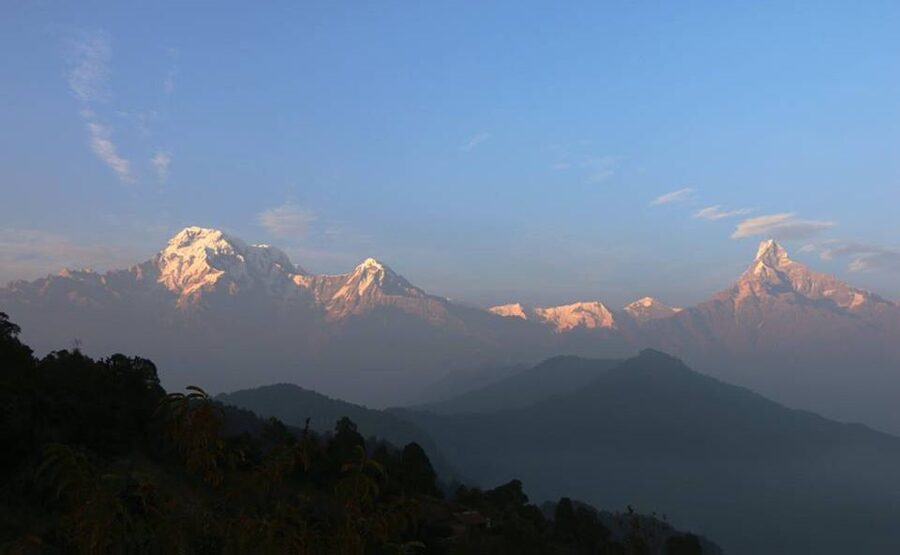
After breakfast, you continue along the ridge toward Astam village. This is the longest walking section, taking about four hours. The route is scenic rather than extreme, with changing views over the valley, hillside farms, villages, and forest.
The ridge format makes the day easier to appreciate. You are not grinding up one endless slope. Instead, the trail follows the high ground, offering repeated views as it moves through different sections of the countryside.
Astam gives the second day a clear purpose. The village is home to Annapurna Eco Village Resort, where you spend the night. The resort uses measures such as water reuse and rainwater collection, and it operates an organic farm. You can learn about those systems while seeing a little of how village life works beyond Pokhara.
I like the way this stop connects comfort with local ideas about conservation. The eco-friendly measures are not presented as a grand attraction separate from the village. They are part of the way the resort and community function.
The rooms are described as simple but comfortable, with attached bathroom and toilet. Past visitors have particularly enjoyed the clean rooms, fresh mountain air, good food, and the setting at the end of the trek. Organic meals are available here, but remember that food is still paid for separately because meals are excluded from the package.
The second night may be the highlight for people who care more about village atmosphere than peak photos. Australian camp is the stronger sunrise stop, while Astam offers a slower look at farming, local life, and practical environmental measures.
A few more trips worth weighing up before you book
- From Pokhara: 3-Day Ghorepani Poon Hill Trek with Guide
★ 4.9 · 68 reviews - Pokhara: 3-Day Ghorephani and Poon Hill Private Trek
★ 5.0 · 58 reviews - 3-Day Poon Hill Trek from Pokhara.
★ 5.0 · 45 reviews - From Kathmandu/Pokhara: Private 3-Day Chitwan Safari Tour
★ 4.7 · 34 reviews
Day three: A short descent and the return to Pokhara
The final morning involves about two hours of downhill walking to the highway. From there, private transport takes you back to Pokhara.
This is a useful design for a short trek. You do not need to retrace the full route, and the final walk is brief enough to leave time for the return journey. It also means the trip finishes before fatigue turns the last day into a test of endurance.
Downhill walking can still be hard on knees, especially after two days on uneven trails. Take it slowly and use shoes with a firm grip. The route is not suitable for people with mobility impairments, and it is not recommended for pregnant women.
What the guide and porter add
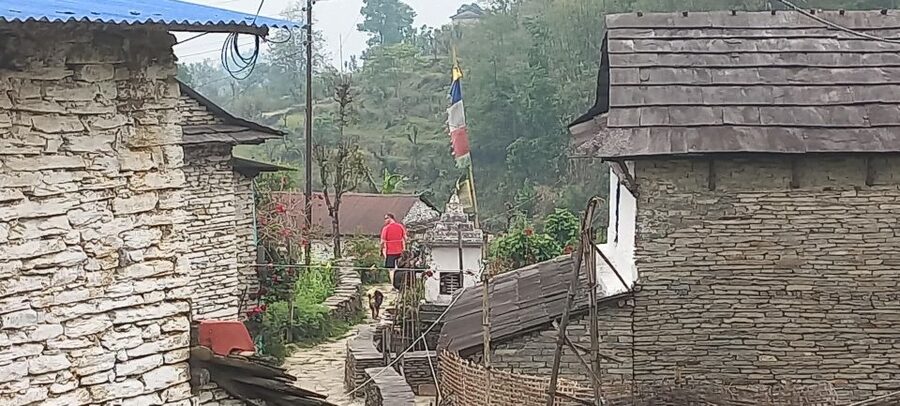
A licensed, experienced English-speaking guide leads the walk. The guide handles the route, helps set a sensible pace, and provides context about the villages, mountains, plants, and local customs.
The human side of the trip has been a major strength. Guides named Prabin, Probin, Jit, Dansay, and Basanta have been praised for being kind, attentive, safety-conscious, and good company. Your assigned guide may be different, so these names are not a promise of who will lead your departure. Still, they give you a useful picture of the service standard to expect.
One guide, Prabin, was especially appreciated for explanations about Nepal, the mountains, plants, and wildlife. Jit was praised for helping a solo walker feel safe and well looked after. Basanta was described as funny, helpful, and careful about comfort. These details matter on a private trek because the guide is not just a person walking in front. For three days, that person shapes the pace and mood of the experience.
Porters carry luggage to each night’s destination. That leaves you with a lighter day pack and lets you pay more attention to the trail. Porters may also share stories and observations about Nepalese life, so the service can be more personal than simple baggage handling.
At the briefing, ask exactly what luggage the porter will carry and what you should keep with you. The operator meets you at your hotel one day before departure to discuss the trek and arrange the departure time. The guide then arrives by car the next morning.
Lodges, food, and the comfort question
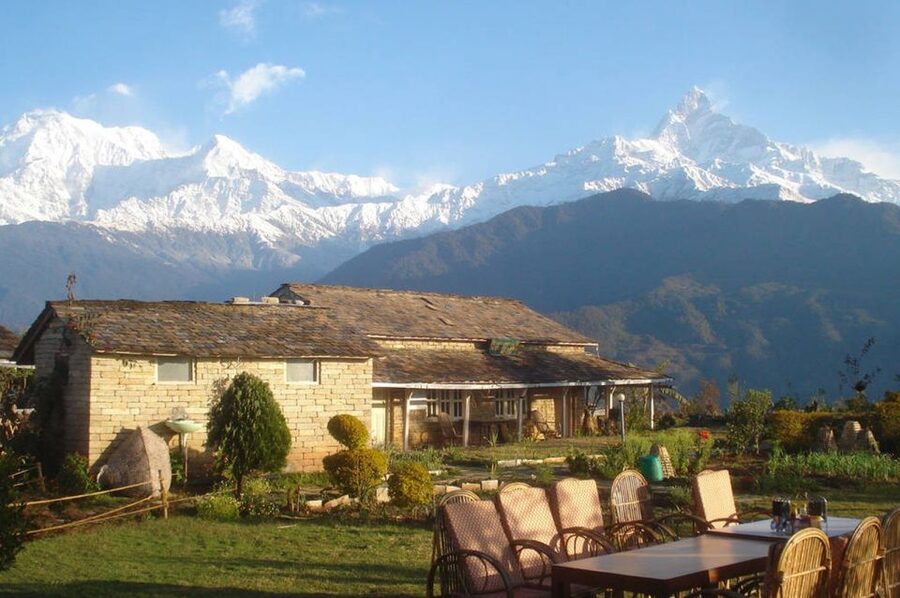
This is a lodge-based trek, not a camping trip. Both overnight stops provide attached bathroom and toilet facilities, and hot showers are available. That makes the route especially appealing if you want to try Himalayan trekking without giving up basic privacy.
Meals are not included. You can order breakfast, lunch, and dinner at the teahouses, then pay directly. The food is described as simple but tasty, with international choices available. At Annapurna Eco Village Resort, you may also find organic food connected to the farm.
The separate meal arrangement is both a plus and a minus. You can choose what you want and avoid paying for meals you do not eat. On the other hand, the advertised price does not cover your full daily spending, so bring enough Nepalese rupees or confirm the payment options before setting out.
Pack light layers, comfortable shoes, sunglasses, sunscreen, and mosquito spray. One person specifically advised bringing sunscreen and mosquito repellent, a useful reminder because the route includes forest and jungle-like sections. You should also carry any personal medication and a small amount of water for the walking day, though the supplied information does not specify water stations or refill arrangements.
Is $250 a fair price?
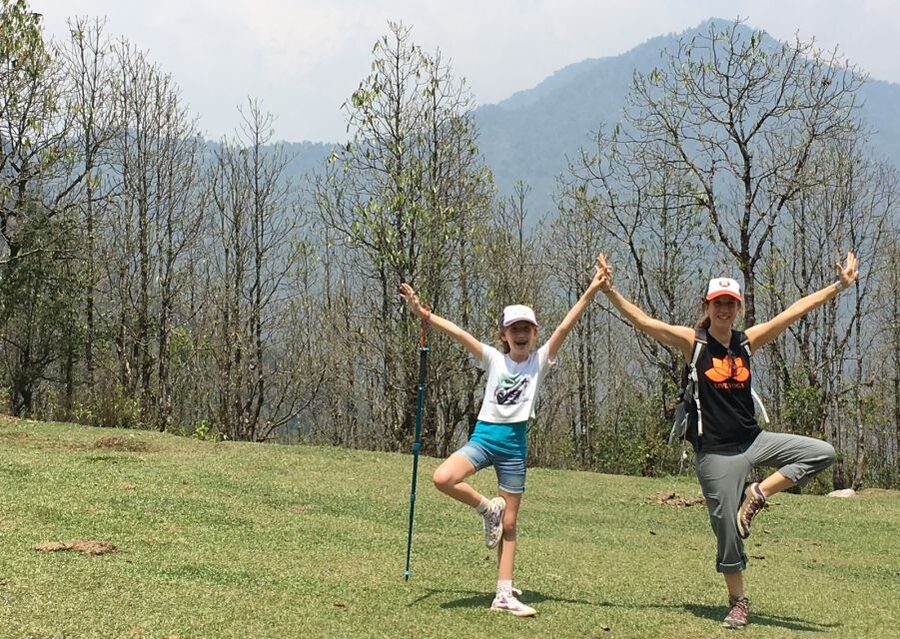
At $250 per person, the price is reasonable for a private three-day trek with transport, two nights of lodge accommodation, a guide, and a porter. The private format is the key value. You are not tied to a large group’s pace, and the route can be adjusted around your walking interests.
The package also includes private transport to and from the trailhead. That avoids arranging separate taxis for Naudanda and the final highway pickup. For a first trek in Nepal, having the operator coordinate those moving parts has real value.
The price is less attractive if you are counting every dollar and do not need a guide or porter. You must also add meals and insurance. Pickup is included only from hotels in the Lakeside area of Pokhara, with an extra charge for hotels farther from Phewa Lake.
Before booking, ask for the exact meal expectations, the likely departure time, and the planned walking distance for your group. One past booking had a delay because the operator had not properly remembered the scheduled trip, and there was also confusion about included food. That appears to be an exception among otherwise very positive experiences, but confirming the details in advance is smart.
Who should choose this trek?
I would recommend it to you if you want:
- A first taste of Himalayan trekking
- A private guide and porter
- Short walking days rather than a major expedition
- Mountain sunrises and sunsets without high-altitude camping
- Comfortable lodges with private bathrooms
- A mix of villages, forest, farms, and mountain views
- A route that can be shortened by driving farther
It suits solo visitors particularly well because the guide can set the walking rhythm around one person. It also works for couples, friends, and families with good walking ability.
I would not choose it if your main goal is a long, remote trek or a high-altitude pass. This route stays near Pokhara and uses established villages and roads. You get a genuine foothill experience, but not the isolation of a multiweek Annapurna circuit.
Fitness needs are modest, though the route still includes uphill and downhill sections. A previous visitor described it as accessible and not especially tiring, while another called it neither too hard nor too easy. That is a fair description, but easy depends on your comfort with uneven trails and several hours of walking.
Booking details worth knowing
Hotel pickup is included from the Lakeside area of Pokhara. If your hotel is away from Phewa Lakeside, expect an additional pickup charge.
The operator meets you at your hotel one day before the trek for a briefing. Use that meeting to confirm the departure time, food arrangements, luggage plan, and any possible route changes.
The activity is offered in English, and cancellation is free up to 24 hours before departure for a full refund. You can also reserve now and pay later, which helps if your Pokhara schedule is still changing.
Should you book the Pokhara 3-Day Trek?
I would book this trek if you want the scenery and feeling of the Himalayas, but not the strain of a long expedition. The combination of Australian camp’s sunrise, the ridge walk to Astam, private guiding, porters, and hot showers makes the $250 price defensible.
Go in with clear expectations. You will pay extra for meals, the route is not completely remote, and mountain weather can hide the peaks. Confirm the booking and food details before departure, pack sunscreen and mosquito spray, and ask for a route adjustment if the full walking plan feels too ambitious.
For a short, well-supported introduction to rural Nepal near Pokhara, this is a strong choice.
FAQ
How long is the Pokhara trek?
The experience lasts three days. Walking includes about four hours on day one, four hours on day two, and two hours downhill on day three, not counting the vehicle transfers.
Where does the trek start?
Private transport takes you from Pokhara to Naudanda, about a 30-minute drive from the city. The walking route begins there.
Where do I sleep during the trek?
You spend the first night at Australian camp and the second night at Annapurna Eco Village Resort in Astam village. Both provide rooms with attached bathrooms and toilets, and hot showers are available.
Are meals included?
No. You can order meals at the teahouses and pay directly. The lodges serve simple international food, and Annapurna Eco Village Resort offers organic meals.
Is transportation included?
Yes. Private transportation to and from the trekking trailhead is included. Pickup is included from hotels in Pokhara’s Lakeside area, while hotels farther from Phewa Lakeside may require an additional charge.
Does a guide accompany the trek?
Yes. A licensed and experienced English-speaking trekking guide leads the walking. A porter is also provided to carry luggage.
Can the walking route be shortened?
Yes. There are several options to drive to a higher point, and the route can be adjusted to suit your walking interests.
What should I bring?
Bring comfortable shoes and sunglasses. Sunscreen and mosquito spray are also sensible additions based on the forest and jungle sections of the route.
Just added around Pokhara
- Double Dare: Tandem Bungee Adventure★ 4.3 · 3 reviews
- Exhilarating Pokhara-Kathmandu Bus Journey Experience★ 3.5 · 3 reviews
- 3 Day Australian Camp Dhampus Ghandruk Easy Trek in Pokhara★ 3.5 · 3 reviews
- Paragliding in Pokhara★ 5.0 · 3 reviews
- Seti George and Thrilling Suspension Bridge Tour at Pokhara★ 4.5 · 3 reviews
- Overnight Dhampus Australian Camp Easy Hiking from Pokhara★ 5.0 · 3 reviews
- Full Day Entire Pokhara Tour by Car with Guide★ 4.5 · 3 reviews
- 5 Days Mardi Himal Trek.★ 5.0 · 3 reviews
Hiking & Trekking, compared.


Nagarkot Sunrise View and Day Hiking from Kathmandu
Read our review →



Browse the lists this tour appears in