
Reviewed · EVEREST BASE CAMP TREKS
Everest Base Camp Trek -14 Days
The Himalayas demand patience and sturdy legs. This 14-day Everest Base Camp trek gives you the classic route to 17,598 feet, with return flights to Lukla, licensed guide support, lodging, meals, permits, and a small group capped at 12 people. I like the practical all-in-one setup, and I also like the built-in acclimatization days at Namche Bazaar and Dingboche, which make the high-altitude schedule more sensible.
The main consideration is that this is a serious trek, not a sightseeing tour with a few walks added. You will spend many days on foot, pay separately for water, drinks, Wi-Fi, hot showers, tips, and a porter, and sleep in basic trekking lodges. The advertised price is $1,420 per person, though the supplied details describe the trip as approximately 13 days in places and 14 days elsewhere, so confirm the exact schedule before paying.
In This Review
- Key points to know before booking
- What the $1,420 price really buys you
- Day 1: A soft landing in Kathmandu
- Day 2: Flying to Lukla and entering Sherpa country
- Day 3: Pine forest, the Dudh Kosi, and first Everest views
- Day 4: Acclimatization among the great peaks
- Day 5: The famous route toward Tengboche
- Day 6: Tengboche monastery and the route north
- Day 7: Dingboche and another acclimatization pause
- Day 8: Memorials above Duglha
- Day 9: Reaching Everest Base Camp
- Day 10: Kala Patthar at sunrise
- Days 11 and 12: The long return through Sherpa villages
- Day 13: Lukla to Kathmandu
- Lodges, meals, and daily comfort
- Guide support and the small group format
- Who should book this Everest Base Camp trek?
- Should you book it?
- FAQ
- How high is Everest Base Camp on this trek?
- How long does the trek last?
- Where does the trek start?
- Are flights between Kathmandu and Lukla included?
- Are meals included during the trek?
- Is accommodation included?
- Is a guide included?
- Is a porter included?
- What is the group size?
Key points to know before booking
- Reach Everest Base Camp at 17,598 feet: The trek’s main goal is the Khumbu Glacier area below Everest, with Kala Patthar providing the major sunrise viewpoint.
- Two useful acclimatization stops: Namche Bazaar and Dingboche break up the climb and give your body time to adjust.
- Small groups make a difference: With no more than 12 people, you can get to know the group and receive more personal guide attention.
- The package covers the costly essentials: Return Kathmandu to Lukla flights, trekking documents, national park and TIMS fees, meals, lodges, and a licensed guide are included.
- Porters and drinks cost extra: You can hire a local porter if needed, but that service is not part of the listed price.
- Guide care is a major strength: Guides named in past bookings include Dil, Sujal, Nir, Laxman, Ram, Saugat, and Subash, with particular praise for patience, organization, and personal support.
What the $1,420 price really buys you
At $1,420, this trek offers solid value for someone who wants the classic Everest Base Camp route without arranging each part alone. The price includes the return flight between Kathmandu and Lukla, which is a key expense, plus the national park and TIMS paperwork, government and local taxes, a guide, lodging, and full-board meals during the trek.
You also get a basic first aid box, Diamox for altitude sickness, and an emergency rescue operation funded through your travel insurance. That last point matters, but it does not replace insurance. The package specifically places rescue funding under your travel insurance, so you should not treat the listed support as a substitute for a proper policy.
The meals included are breakfast, lunch, and dinner during the trekking portion. The details list 12 breakfasts, 11 lunches, and 11 dinners, so the meal count does not perfectly match every description of the schedule. I would ask the operator to clarify which meals fall outside the included trek days.
You pay for international flights, Nepal’s entry visa, food and lodging before and after the trek, bottled water, hot and cold drinks, snacks, Wi-Fi, hot showers, and tips. A porter is also extra. These costs can add up in the mountains, so I would budget beyond the headline price rather than treating $1,420 as your total Nepal spending.
The package also includes a Kathmandu hotel night and dinner after the trek. The hotel is described as one of the best available or a top Kathmandu hotel, but no property name is supplied. Ask for the exact hotel if comfort after the trek matters to you.
More Everest Base Camp Treks:
- Everest Base Camp Trek – 14 Days
★ 5.0 · 1,499 reviews - Everest Base Camp Trekking
★ 5.0 · 485 reviews - Everest Base Camp Trekking – 13 Day
★ 5.0 · 365 reviews
Day 1: A soft landing in Kathmandu
Your arrival at Tribhuvan International Airport is met by Alpine Ramble staff, followed by a transfer to your hotel. This is a simple first day, but it is useful after an international flight and gives you time to get oriented in Kathmandu.
The starting point is in Thamel, Kathmandu 44600. Thamel is a practical base for an Everest trek, with access to transport and the services most trekkers need. Your first night is at the hotel, while the included trekking lodging begins later.
Do not expect a sightseeing day here. The value is in having staff meet you and arrange the first transfer, which removes one layer of airport confusion before a demanding trip.
Day 2: Flying to Lukla and entering Sherpa country
The early morning flight to Lukla takes about 35 minutes. It is described as a scenic flight, and Lukla marks the beginning of the walking route and the point where you meet the Sherpa crew carrying luggage for the trek.
The first trek begins in Lukla with about two hours set aside for acclimatization. This is not a major hiking day. It is a sensible way to start because Kathmandu is at a much lower elevation than the trail ahead.
From this point, the trip changes character. Roads and city routines give way to footpaths, suspension bridges, mountain villages, and lodges. The return flight to Kathmandu is included, as are departure taxes.
Day 3: Pine forest, the Dudh Kosi, and first Everest views
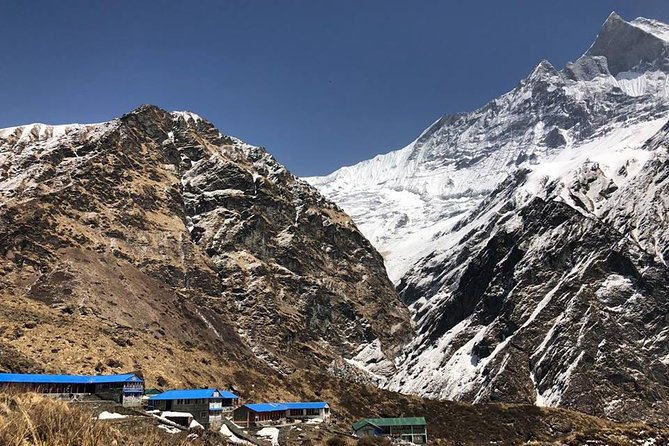
After breakfast and hot drinks, you walk through pine forest and cross the Dudh Kosi River. This section introduces the classic rhythm of the route: steady walking, river crossings, forest, and mountain views.
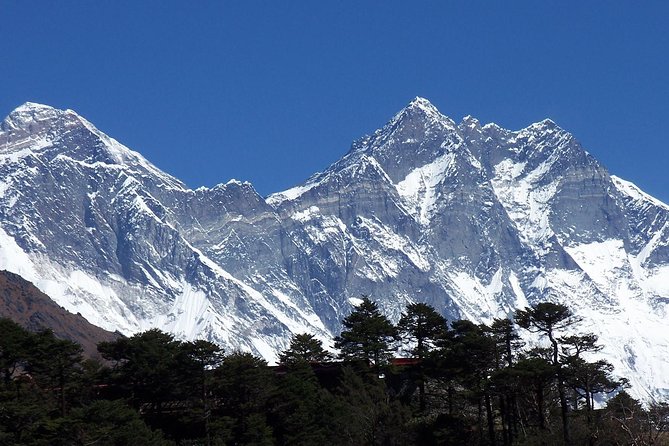
You may see first views of Mount Everest, along with Kusum and other peaks named in the route description. The appeal here is not just a single dramatic viewpoint. The path gradually changes from forested lower valleys to more open mountain country, giving you a sense of the altitude gaining above you.
The walking is still early in the trek, but you should already be settling into a pace that you can maintain for hours. Small groups help here because people can find a comfortable rhythm without being swallowed by a large procession.
More Treks and Hikes:
- Nagarkot Sunrise View and Day Hiking from Kathmandu
★ 5.0 · 471 reviews - Annapurna Circuit Trek with Tilicho Lake
★ 5.0 · 368 reviews - Annapurna base camp trek 5 Days
★ 5.0 · 252 reviews - Everest Base Camp Trekking – 2025/2026
★ 5.0 · 199 reviews
Day 4: Acclimatization among the great peaks
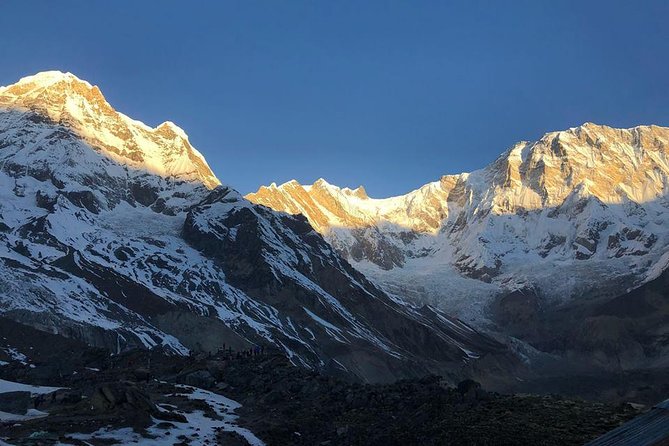
Day 4 is a rest and acclimatization day. The route takes you to a lookout with views toward Everest, Lhotse, Cholatse, Thamserku, Kwangde, Khangtega, and Ama Dablam, as well as the surrounding valleys.
This is one of the most important days in the plan. You may feel tempted to keep walking every day, but altitude rewards a slower schedule. A rest day also gives you a chance to judge how your body is responding before the trail climbs much higher.
Ama Dablam is a particular visual highlight, and the mountain views give this day real purpose. Still, rest day does not mean lying in bed all day. You should expect an acclimatization outing rather than complete inactivity.
Day 5: The famous route toward Tengboche
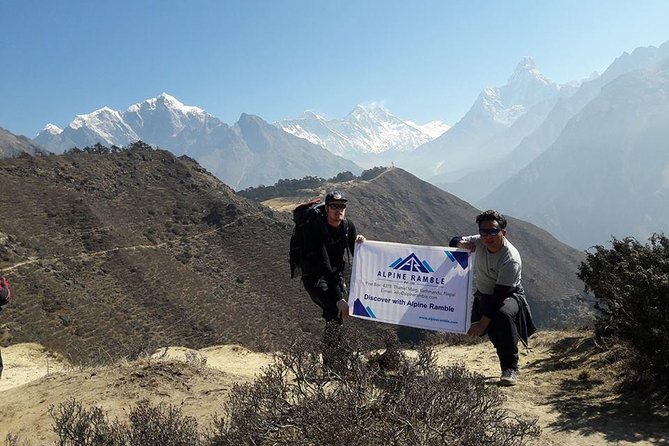
The fifth day follows what the schedule calls the high way of Everest. You descend toward the Dudh Kosi River and then climb through rhododendron forest. This combination of downhill and uphill walking can be tiring, even though the route is not yet at its highest point.
The trail is famous partly because it was developed to help trekkers and local communities. You get a sense of the route as both a mountain path and a working connection between villages.
The rhododendron forest provides a welcome change from exposed high-altitude sections later in the trek. At the same time, the repeated descents and climbs are a reminder that distance alone does not tell you how hard a day will feel.
Day 6: Tengboche monastery and the route north
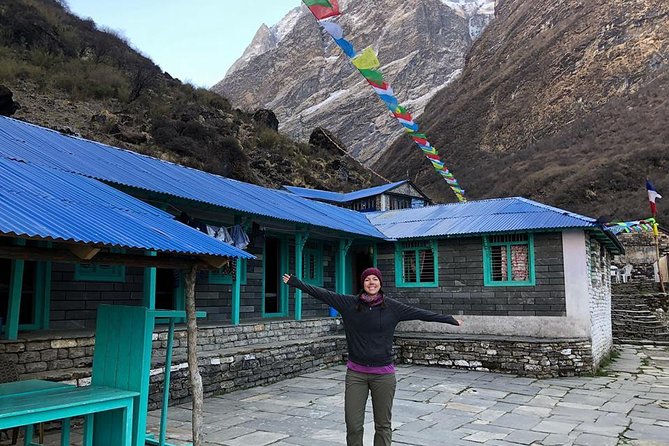
Early morning at Tengboche is timed for the monastery and mountain views. The setting is described as especially striking in the morning light, with the surrounding peaks appearing beyond the forest.
After breakfast, the trail goes through forest and continues north. Tengboche is one of the route’s cultural high points because the monastery gives the walk more meaning than a simple march toward a famous camp. You are passing through an important Sherpa region, not just checking off a mountain destination.
The path continues toward higher villages, and the air and vegetation begin to change. Lodges become an increasingly important part of the day because they provide meals, beds, and a place to recover from the walking.
Day 7: Dingboche and another acclimatization pause
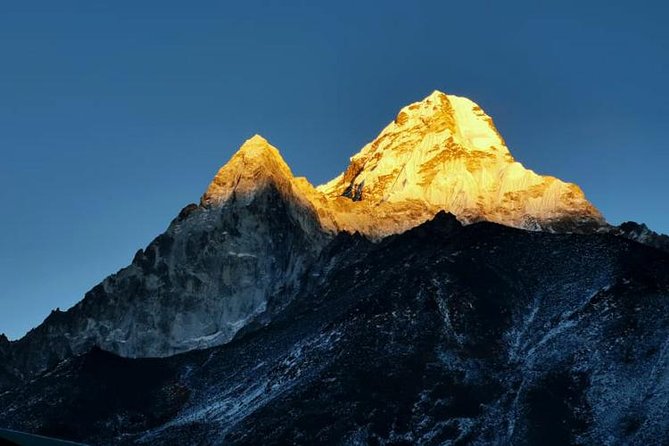
Dingboche is a popular stop for people heading toward Everest, Ama Dablam, and Imja Tse. The village is surrounded by fields enclosed by stone walls, built to protect barley and potatoes from the mountain conditions.
This is the second major rest and acclimatization day. It breaks up the ascent before the route reaches the most demanding altitude, and it gives you time to prepare for the thinner air ahead.
The village setting also helps you see how people live at this elevation. The stone-walled fields are not decorative scenery. They show the practical work required to grow food in a high mountain valley.
For many people, Dingboche is where the trek begins to feel genuinely high. You should take headaches, unusual fatigue, or other symptoms seriously and tell your guide. The included first aid supplies and Diamox provide some support, but your guide cannot make altitude risk disappear.
Day 8: Memorials above Duglha
The route begins with a gradual climb to Duglha, followed by a steep ascent to the ridge at Chukpo Lari. Here you pass a line of memorials honoring climbers who died on Mount Everest.
This can be an emotional section. It gives the trek a sober edge and reminds you that the mountains ahead are beautiful but not harmless. The memorials are not a photo stop to rush through. Allow yourself time to absorb the place.
The climb to the ridge is one of the more demanding parts of the route so far. A steady pace is more useful than speed, especially as the elevation continues to rise.
Day 9: Reaching Everest Base Camp
This is the central day of the trek. Leaving Lobuche, you first cross a relatively flat meadow, then follow the Khumbu Glacier north with a short climb before reaching the lateral moraine.
Everest Base Camp is at 17,598 feet, or 5,364 meters. The setting is defined by the glacier and moraine, not by a simple open platform with an uninterrupted view of Everest. Your guide support is especially useful here because the route becomes more demanding and the altitude is severe.
The achievement is reaching the camp on foot from Lukla, step by step, over many days. The camp itself is the goal, but the route’s forests, monasteries, villages, suspension bridges, and acclimatization pauses are what make the achievement meaningful.
The schedule allows the Base Camp visit before the Kala Patthar sunrise climb. That order gives you two different highlights: reaching the famous camp and then finding the strongest broad view of Everest from above.
Day 10: Kala Patthar at sunrise
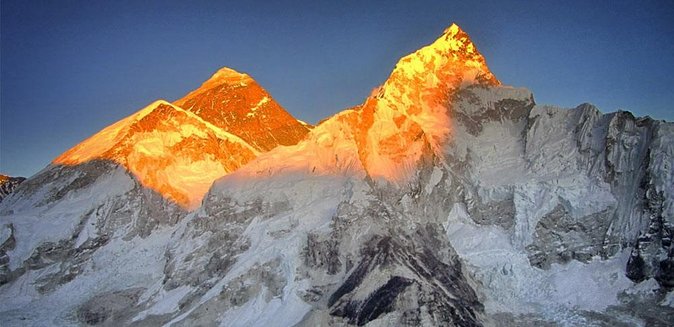
You wake early for about two hours of climbing to Kala Patthar, located below Mount Pumori. From the summit, you get a 360-degree view of the Himalayan peaks, including Everest, Nuptse, Lhotse, and other mountains.
This is likely the visual high point of the trip. If you want a clear, memorable view of Everest, Kala Patthar is often more rewarding than Base Camp itself because of the broad mountain panorama.
The early start is part of the deal. You will climb in the cold and at high altitude, and the effort may feel heavy after reaching Base Camp the day before. Still, the sunrise timing gives the view a strong sense of occasion.
Days 11 and 12: The long return through Sherpa villages
Day 11 begins the descent through Sherpa villages toward the Dudh Kosi River. After crossing the river, the trail goes through the Dingboche area and climbs back toward Tengboche before descending farther.
Descending is usually easier on the lungs, but it can be demanding on knees and legs. The route repeats familiar sections, though the views can feel different when you are walking downhill with the major goal already achieved.
Day 12 continues steeply downward through Jorsalle, Manjo, Benkar, Phakding, and other small villages. You cross several suspension bridges over the Dudh Kosi, giving the return walk its own visual highlights.
This is not a throwaway travel day. The route back to Lukla is still a full trek, and your legs may be tired. The benefit is that you can walk with less pressure, notice details you missed on the way up, and enjoy being back among greener surroundings.
Day 13: Lukla to Kathmandu
The final scheduled transfer is the flight from Lukla back to Kathmandu, followed by leisure time in the city. The package includes the return flight, which is helpful because arranging mountain air transport alone can be stressful.
The schedule is described as approximately 13 days in the summary and as a 14-day trek in the title and detailed plan. There may be a hotel or arrival day counted differently, but I would confirm the exact number of nights and the return date before booking flights home.
The post-trek Kathmandu night and dinner provide a useful finish. After the lodges and long walking days, a proper hotel room and meal can feel well earned.
Lodges, meals, and daily comfort
The trek uses the best available trekking lodges rather than luxury mountain hotels. Expect practical accommodation, simple meals, and extra charges for comforts such as hot showers, Wi-Fi, drinks, and water.
The included food is local and full board, which keeps the daily budget more predictable. One important caution is menu repetition. The route’s food can be simple, and the meal choices may feel similar across the 11 or 12 trekking days.
Lodge quality can also vary. Some nights may be more comfortable than others, and the supplied comments specifically point to a poor lodging experience in Lukla. I would not book this trek expecting identical standards every night.
A porter is available at your own cost. If you do not want to carry your main luggage over steep paths and suspension bridges, ask about porter rates, baggage limits, and tipping before departure.
Guide support and the small group format
The package provides a government-licensed guide, and the strongest praise attached to this company concerns guide care and organization. Guides associated with past trips include Sujal, Nir, Laxman, Ram, Saugat, and Subash. Dil, the owner, is also described as responsive and involved in arranging the trip.
That personal support matters on a trek where fatigue and altitude can change your plans. Laxman received special praise for making the route manageable for two teenagers, while Ram supported a solo trekker who traveled without a porter. Those details suggest the team can work with different group types, though your exact guide will depend on availability.
A maximum of 12 people is a sensible middle ground. You get the social side of a group without the scale of a large departure. If you want complete privacy, this is not a private trek, but if you like meeting people while still receiving guide attention, the format works well.
Who should book this Everest Base Camp trek?
This trek suits you if you want the classic Everest Base Camp route and prefer an agency to handle permits, flights, guides, lodges, and meals. It is also a good fit if you value a small group and want acclimatization built into the schedule.
You should have a moderate level of physical fitness. The route includes long days, steep climbs, high altitude, and a tiring return walk. No amount of scenic flight planning changes the fact that you must walk from Lukla to Base Camp and back.
I would be cautious if you need high-comfort lodging, a wide range of food, or an all-inclusive budget. Water, drinks, Wi-Fi, showers, porter service, visas, tips, and international flights are not included.
The operator offers free cancellation if you cancel at least 24 hours before the local start time. Changes or cancellations within 24 hours are not refunded, so keep that rule in mind when arranging your wider Nepal plans.
Should you book it?
I would book this trek if you want dependable structure, a licensed guide, small-group company, and the major costs grouped into one price. The most valuable parts are the included Lukla flights, acclimatization days, guide support, and trekking paperwork.
I would not book it without first confirming the 13-day versus 14-day count, the exact Kathmandu hotel, the meal totals, and the likely extra costs. If you are comfortable with basic lodges and a demanding high-altitude walk, this is a strong-value way to reach Everest Base Camp and Kala Patthar without arranging every detail yourself.
FAQ
How high is Everest Base Camp on this trek?
Everest Base Camp is listed at 17,598 feet, or 5,364 meters, above sea level.
How long does the trek last?
The experience is marketed as a 14-day trek and described as approximately 13 days in the tour summary. Confirm the exact schedule and number of nights before booking.
Where does the trek start?
The meeting point is in Thamel, Kathmandu 44600, Nepal.
Are flights between Kathmandu and Lukla included?
Yes. The package includes the round-trip flight between Kathmandu and Lukla, including departure taxes.
Are meals included during the trek?
Yes. Breakfast, lunch, and dinner are included during the trekking portion. The supplied details list 12 breakfasts, 11 lunches, and 11 dinners.
Is accommodation included?
Yes. Accommodation at trekking lodges is included during the trek, along with a Kathmandu hotel night and dinner after the trek.
Is a guide included?
Yes. The package includes a professional, experienced, friendly, government-licensed guide.
Is a porter included?
No. A local porter can be hired if you need one, but porter service is an additional cost.
What is the group size?
The group has a maximum of 12 people.
Just added around Kathmandu
- Private Shopping Tour in Kathmandu★ 5.0 · 3 reviews
- Nagarkot Sunrise With 7 UNESCO World Heritage Private Tour★ 5.0 · 3 reviews
- Kathmandu: Nightlife and Pub Crawl Tour★ 5.0 · 3 reviews
- Mount Everest Scenic Flight 50 Minutes★ 5.0 · 3 reviews
- Momo Cooking Class -The Art Of Making MoMo with Home Chef★ 5.0 · 3 reviews
- Kathmandu: Nagarkot, Bhaktapur, Doleswor & Sanga Statue Tour★ 5.0 · 3 reviews
- Makalu Base Camp Trek★ 5.0 · 3 reviews
- Everest Experience Trek 6 Day Hiking Adventure★ 5.0 · 3 reviews
Everest Base Camp Treks, compared.






Everest Base Camp Trek with Helicopter Return from Gorakshep to Lukla
Read our review →Browse the lists this tour appears in