
Reviewed · EVEREST BASE CAMP TREKS
Everest Base Camp Trekking – 2025/2026
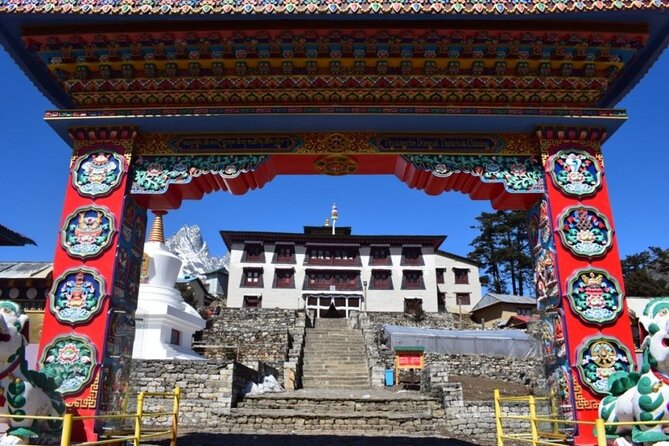
The mountains begin where the road ends. I like that this private guided trek includes the Lukla flights, permits, lodge stays, and most meals, so you can focus on walking rather than arranging every detail. I also love the human side of the route: Sherpa villages, Buddhist monasteries, and guides who help explain daily life in the high Himalayas.
The main caution is altitude. This is not a technical climb, but it reaches rugged, cold country at very high elevation. You need decent stamina, patience, and a willingness to accept simple rooms, shared bathrooms, flight delays, and a schedule that may change with mountain weather.
In This Review
- Key points to know before you book
- What $1,339.20 buys you in the Everest region
- Kathmandu arrival and the practical start
- Day 2: The Lukla flight and first walk to Phakding
- Day 3: Phakding to Namche Bazaar
- Day 4: Namche to Pangboche
- Day 5: Pangboche to Lobuche
- Day 6: Lobuche, Gorak Shep, and Everest Base Camp
- The return through Pangboche, Namche, and Lukla
- The Lukla flight back to Kathmandu
- Food, water, and the daily lodge routine
- Fitness, altitude, and what to pack
- Who should choose this trek?
- Should you book Alpine Ramble Treks for Everest Base Camp?
- FAQ
- How long does the Everest Base Camp trek take?
- Are flights to and from Lukla included?
- Is accommodation included during the trek?
- Are private bathrooms available?
- Are meals included?
- Is a guide included?
- Is a porter included?
- Do I need climbing experience?
- What level of fitness is required?
- What is not included in the price?
- Can I cancel for a full refund?
- What happens if bad weather cancels the trek?
Key points to know before you book
- Lukla flights are included: The domestic flights from Kathmandu or Manthali to Lukla and back are part of the package.
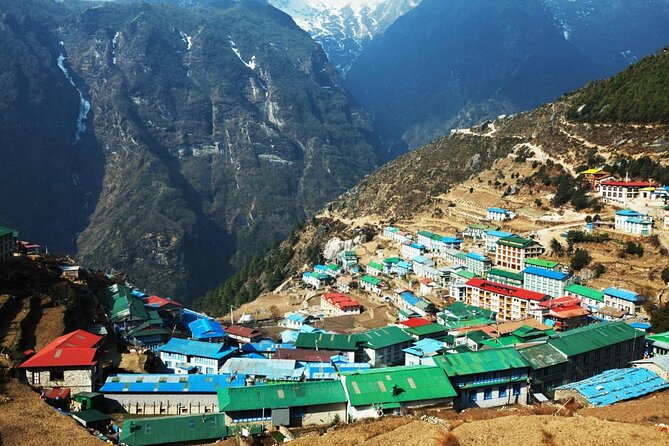
- The trek reaches Everest Base Camp: You walk through Phakding, Namche Bazaar, Pangboche, Lobuche, and Gorak Shep before returning by the same general route.
- It is private, not a fixed group outing: Your own party participates, with an English-speaking, government-licensed local guide.
- Lodging is basic but practical: Expect trekking lodges with beds, blankets, pillows, and mattresses, with attached bathrooms available only in some places.
- Food is included on a full-board basis: Breakfast, lunch, dinner, and main-course meals are covered during the trekking portion.
- The price is strong for what is covered: At $1,339.20 per person, flights, permits, guide costs, accommodation, meals, and water-purification tablets are included, but extras add up.
What $1,339.20 buys you in the Everest region
At $1,339.20 per person, this 14-day Everest Base Camp package offers a useful bundle of costly essentials. The biggest value comes from the domestic flights, which are included in both directions, along with Sagarmatha National Park fees and the TIMS card.
You also receive private transportation, an English-speaking local guide, trekking-lodge accommodation, and full-board meals during the trek. Water-purification tablets are supplied, which gives you a practical way to avoid buying bottled water throughout the route.
The price does not cover international flights, Nepal entry visa costs, insurance, Kathmandu accommodation and meals before or after the trek, drinks, showers, Wi-Fi, snacks, alcohol, or hot and cold water. Those exclusions matter. A trek at this altitude often creates a steady stream of small purchases, especially for drinks, charging, showers, and extra snacks.
I see this as a good value for someone who wants support without paying for a luxury Himalayan package. You are paying for logistics and local assistance, not polished hotels in the mountains. If you expect four or five-star comfort, you can request higher-standard Kathmandu hotels for an extra fee, but the lodges along the trail remain simple.
The private format is another plus. You do not need to match the pace of a large group, and the guide can respond to your walking speed and general condition. The phrase go at your own pace does not mean you can set an entirely free schedule, since flights, altitude, meal times, and lodge availability still shape the day.
More Everest Base Camp Treks:
- Everest Base Camp Trek – 14 Days
★ 5.0 · 1,499 reviews - Everest Base Camp Trekking
★ 5.0 · 485 reviews - Everest Base Camp Trekking – 13 Day
★ 5.0 · 365 reviews
Kathmandu arrival and the practical start
Your first day begins with airport reception and a transfer to a Kathmandu hotel. An airport representative welcomes you, and you are introduced to the trek arrangements in the evening.
The listed start time is 7:15 am. Confirm the exact pickup point and flight plan before departure, especially if you are arriving independently or staying somewhere other than the expected hotel.
Kathmandu is more than a staging point. It is where you handle visa matters, organize last-minute gear, and adjust to Nepal before heading into the mountains. The package does not include extra accommodation or meals before and after the trek, so check how many Kathmandu nights your booking actually covers.
The information describes the experience as lasting about 14 days, but the day-by-day outline is not fully consistent. It jumps from Day 7 to Day 9 and lists the return to Kathmandu on Day 9, while the general description also refers to a 12-day trek. Ask Alpine Ramble Treks for the final operating schedule, including acclimatization days, before you pay.
Day 2: The Lukla flight and first walk to Phakding
The route begins with a domestic flight from Kathmandu or Manthali to Lukla. Lukla is the trailhead for the Everest region, and the flight is a major part of the day rather than a minor transfer.
From Lukla, you walk to Phakding at about 2,652 meters. The listed walking time is around three hours, although the stop description also gives four hours, so treat the timing as an estimate.
This first walk introduces the rhythm of the trek without immediately pushing you into the highest elevations. You move through mountain settlements and begin following the route used by trekkers, porters, and local residents. You should still take the opening day seriously. The point is to settle into a steady pace, not to prove anything.
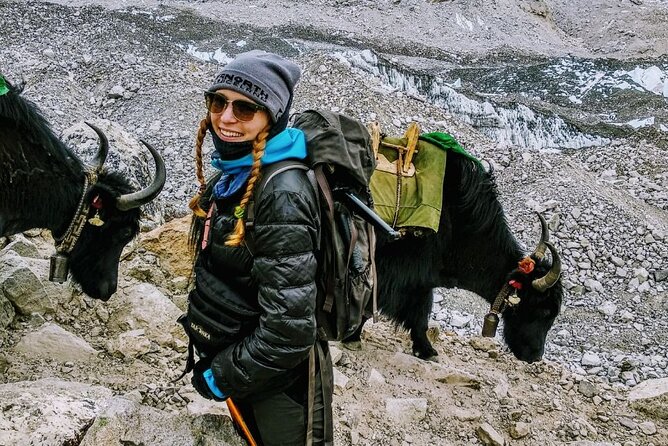
The package includes the guide and porters. One porter is generally assigned for every two trekkers, with a usual luggage limit of 18 kilograms. If you need a porter for your own bag, that may be possible by request. Pack with respect for the people carrying your gear, and bring a daypack for water, layers, documents, snacks, and personal items.
Day 3: Phakding to Namche Bazaar
The walk from Phakding to Namche Bazaar covers about 10 to 12 kilometers and takes around five hours. Namche sits at roughly 11,283 feet, so this is a meaningful gain in altitude.
Namche is one of the most important settlements on the route. It is a place to rest, meet the mountain communities, and get a stronger sense of how life operates in the Everest region. The surrounding views begin to feel much bigger here, but the altitude also becomes harder to ignore.
Your guide should help you hold a controlled pace. The daily routine suggests walking for 45 minutes to an hour, then taking short rests of three or four minutes. That steady pattern is more useful than rushing and stopping for long stretches.
The route is rugged rather than technical. You do not need climbing skills, ropes, oxygen cylinders, or crampons for the standard trek. You do need firm boots, layers, sun protection, and enough stamina to walk for several hours on repeated days.
More Treks and Hikes:
- Nagarkot Sunrise View and Day Hiking from Kathmandu
★ 5.0 · 471 reviews - Annapurna Circuit Trek with Tilicho Lake
★ 5.0 · 368 reviews - Everest Base Camp Trek -14 Days
★ 5.0 · 321 reviews - Annapurna base camp trek 5 Days
★ 5.0 · 252 reviews
Day 4: Namche to Pangboche
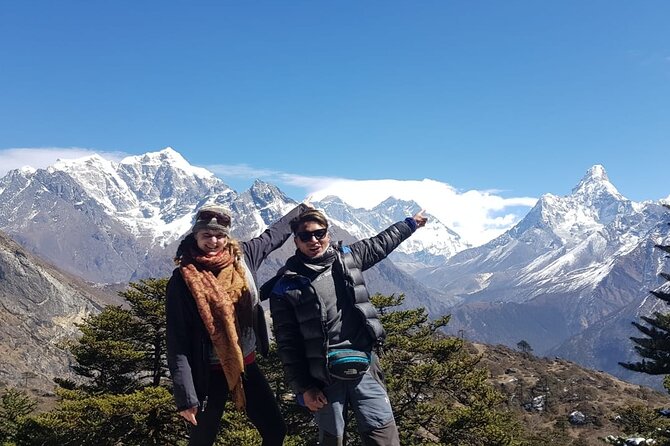
The next section leads from Namche to Pangboche, with about five hours of walking listed. Pangboche brings you deeper into the high mountain settlements and closer to the upper Everest route.
The cultural side of this part of the trek is worth your attention. Guides are encouraged to help you visit local Sherpa communities and learn about life in the Himalayas. Buddhist monasteries and village customs add meaning to the route, so do not treat each settlement as just a lunch stop or photo backdrop.
Ask before photographing people, homes, or religious places. The responsible-tourism guidance specifically asks you to respect local laws, customs, and beliefs, and to seek permission before doing things within the community.
At this point, your simple lodge routine becomes familiar. Wake-up tea arrives at about 6 am, breakfast is normally served around 7 am, and walking begins after a short stretch. You usually walk two or three hours before lunch, then another two or three hours to the lodge.
Day 5: Pangboche to Lobuche
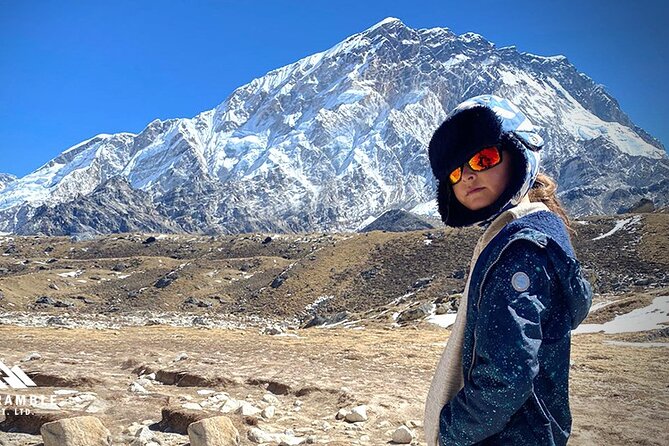
The route from Pangboche to Lobuche takes about five hours according to the supplied schedule. Lobuche is a high-altitude stop, and conditions become more demanding as the air gets thinner and nights grow colder.
The accommodation remains basic. You can expect a clean room with blankets, pillows, and a mattress, but mountain facilities do not match Kathmandu standards. Attached bathrooms may be arranged in some places, yet you may need to share in the higher sections because private bathrooms are not available in every lodge.
Meals are taken at the lodge or at a selected place along the route. The menu can include dal bhat, soup, potatoes, eggs, noodles, rice, pasta, pizza, handmade bread, Sherpa stew, and apple pie. For drinks, expect tea, coffee, hot chocolate, ginger tea, lemon tea, and similar choices, usually at extra cost.
I would choose fresh vegetable dishes, dal bhat, potatoes, and soup over meat at altitude. The operating information itself advises caution with meat, since storage and hygiene can be less reliable in the Everest region.
Day 6: Lobuche, Gorak Shep, and Everest Base Camp
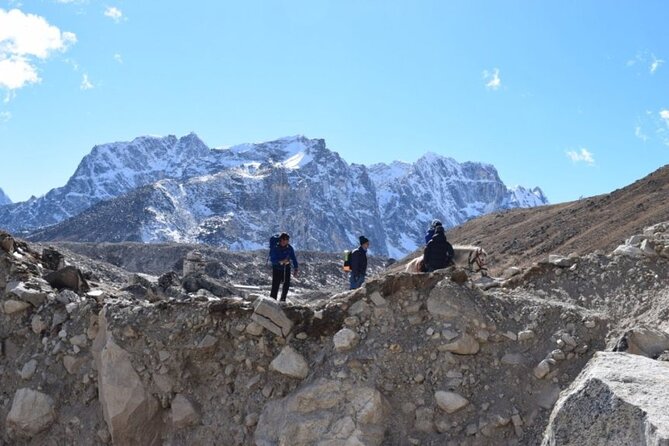
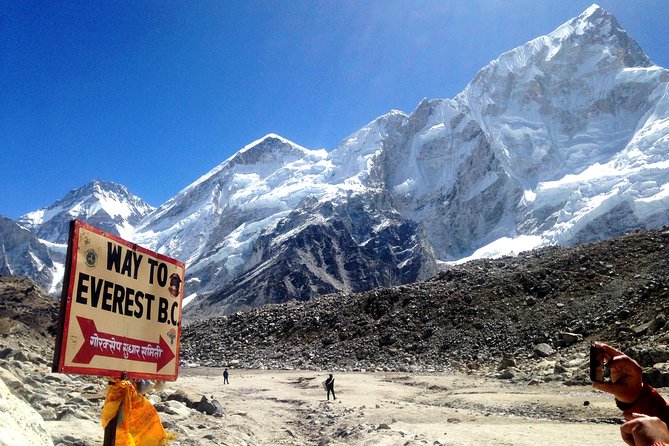
This is the emotional high point of the route. You walk from Lobuche to Gorak Shep, continue to Everest Base Camp, and return to Gorak Shep, with about five hours listed for the day.
The order and timing can vary with conditions, but this is the section where altitude, cold, and rough ground demand the most from you. The achievement is not technical climbing. It is keeping a patient rhythm in thin air while moving toward one of the world’s best-known mountain destinations.
You will see dramatic Himalayan peaks and the high-country terrain around the Everest route. The trip description promises views of Everest and other major mountains, along with photo opportunities throughout the trek.
Do not assume that reaching Base Camp means every part of the day feels easy. You may be tired before you arrive, and the return to Gorak Shep still requires effort. Eat, drink, and follow the guide’s advice. Carry only what you need during the day, since your porter handles the larger load.
A warm sleeping bag and down jacket are especially useful here. The company says these can be provided on a rental basis if you do not have your own, but confirm the arrangement and any cost before departure.
The return through Pangboche, Namche, and Lukla
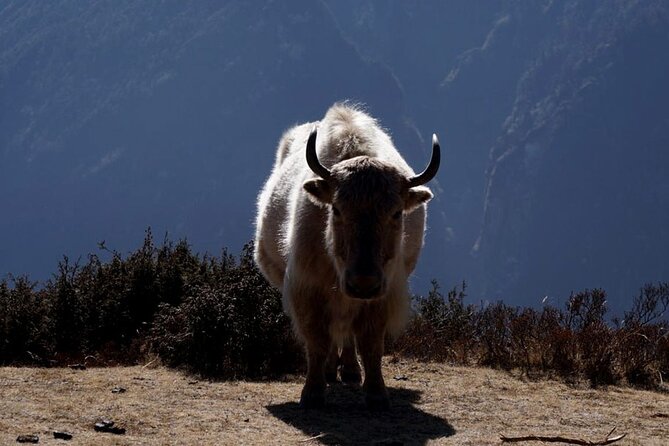
After Base Camp, the schedule turns back toward Pangboche, then Namche Bazaar, and finally Lukla. The listed return from Pangboche to Namche takes about four hours, while Namche to Lukla is listed at about five hours.
Walking the return route is not simply a repeat. Your legs are carrying the memory of the higher sections, and downhill terrain can be tiring in a different way. A guide who pays attention to pace and comfort is valuable here.
The strongest praise connected with Alpine Ramble Treks focuses on the human service. Guides named in past trips include Sujal, Samir, Krishna, Hairy, and Prabin Tamang, while Sherpa Manish is singled out alongside Samir for care and support. The company owner, Dil, is also described as quick to answer questions and closely involved in planning.
That pattern matters more than fancy wording in a trek like this. A good guide helps with route finding, meals, lodge arrangements, cultural context, and decisions when someone feels unwell. The guide also gives a briefing after dinner about the next day, which helps you know what lies ahead.
The Lukla flight back to Kathmandu
The return flight is listed as taking about 35 minutes, followed by a transfer to your Kathmandu hotel. The flight is included, but weather can affect operations in the mountains.
The cancellation terms allow a full refund if you cancel at least 24 hours before the start time. If bad weather causes the experience to be canceled, you are offered another date or a full refund. Ask about the plan for a delayed flight, since a late Lukla departure can affect your final Kathmandu night and international connection.
Do not schedule an international flight immediately after the planned return unless you are comfortable with very little flexibility. The information specifically warns about possible flight delays in Kathmandu and Lukla. A spare night gives you breathing room.
Food, water, and the daily lodge routine
The full-board arrangement covers breakfast, lunch, and dinner during the trek, with main-course meals included. Breakfast and dinner are usually served at the lodge where you sleep, while lunch is selected along the route.
A typical day starts with wake-up tea around 6 am. You pack, eat around 7 am, stretch, and walk for two or three hours before lunch, which normally takes about 40 minutes around noon or 1 pm. After another two or three hours, you reach the lodge and have time to rest before dinner.
You pay separately for bottled water, hot water, cold water, tea, coffee, snacks, and other drinks. Tap water may be free, but purification tablets are required. Bring a proper bottle that can handle hot water, since cold water is not always comfortable or practical at high altitude.
Wi-Fi, showers, and charging may also cost extra. The package excludes hot showers and Wi-Fi, so carry cash and keep your expectations modest.
Fitness, altitude, and what to pack
The trek is described as moderate and suitable for someone able to hike three to five hours a day. It does not require technical climbing experience, but two weeks of repeated walking in cold, high country is still a serious physical task.
A useful preparation plan includes walking, stairs, jogging, cycling, swimming, or gym work. Focus on consistent effort and stamina rather than one heroic workout. You should also be ready to walk in rain, cold, and changing conditions.
Essential gear includes proper trekking boots, warm and lightweight layers, a fleece, down jacket, rain protection, gloves, warm hat, sun hat, sunglasses, sunscreen, headlamp, sleeping bag, water bottle, daypack of at least 30 liters, and a pack cover. Trekking poles are optional.
The suggested medical kit includes basic first aid supplies, blister care, oral rehydration salts, paracetamol, pain relief, antiseptic cream, lozenges, and medication for stomach problems. Diamox is also listed, but medication decisions should be discussed with a medical professional before the trek. Travel insurance is not included and is particularly important for a high-altitude trip.
Who should choose this trek?
I would choose this trip if you want Everest Base Camp with a private guide, local support, included flights, and a manageable package price. It suits someone who values a local cultural experience and can accept simple mountain accommodation.
It is less suitable if you need private bathrooms, dependable Wi-Fi, luxury meals, or a fixed schedule with no weather risk. It also is not a casual sightseeing holiday. You should be comfortable walking several hours a day and preparing for altitude.
The excellent overall rating and strong praise for individual guides point to a company that places real weight on personal service. Still, ask clear questions about the missing itinerary day, acclimatization plan, porter arrangements, Kathmandu nights, flight delays, and rental gear.
Should you book Alpine Ramble Treks for Everest Base Camp?
I would book this trek if the final itinerary confirms sensible acclimatization time and you are happy with lodge-level comfort. The included Lukla flights, permits, meals, guide, porter support, and private format make $1,339.20 a competitive price.
Choose it for practical support and local connection, not luxury. If you pack sensibly, train beforehand, protect your schedule from flight delays, and respect the pace required by altitude, this can be a strong route to Everest Base Camp without trying to organize every piece yourself.
The free-cancellation policy gives you a full refund when you cancel at least 24 hours before the start time. Inside that window, no refund is offered, so read the final booking terms carefully before your plans become fixed.
FAQ
How long does the Everest Base Camp trek take?
The experience is advertised as approximately 14 days, while parts of the supplied schedule refer to a 12-day trek. Confirm the final day-by-day plan with Alpine Ramble Treks before booking.
Are flights to and from Lukla included?
Yes. Domestic flights from Kathmandu or Manthali to Lukla and the return flight are included.
Is accommodation included during the trek?
Yes. Trekking-lodge accommodation is included, generally on a twin-sharing basis.
Are private bathrooms available?
Attached bathrooms may be arranged in some locations, but you may need to share bathrooms at higher elevations.
Are meals included?
Yes. Breakfast, lunch, and dinner are included during the trekking portion on a full-board basis.
Is a guide included?
Yes. The package includes an experienced, government-licensed, English-speaking local guide.
Is a porter included?
The package generally provides one porter for every two trekkers, with luggage normally limited to 18 kilograms. Individual porter arrangements may be possible by request.
Do I need climbing experience?
No. The trek is described as non-technical and does not require climbing skills, ropes, oxygen cylinders, or technical equipment.
What level of fitness is required?
You should have moderate fitness and be able to hike about three to five hours per day across rugged terrain and high altitude.
What is not included in the price?
International flights, Nepal visa costs, travel insurance, extra Kathmandu accommodation and meals, drinks, snacks, hot showers, Wi-Fi, alcohol, and hot or cold water are not included.
Can I cancel for a full refund?
Yes, if you cancel at least 24 hours before the local start time. Cancellations within 24 hours are not refunded.
What happens if bad weather cancels the trek?
You are offered a different date or a full refund if poor weather causes the experience to be canceled.
Just added around Kathmandu
- Private Shopping Tour in Kathmandu★ 5.0 · 3 reviews
- Nagarkot Sunrise With 7 UNESCO World Heritage Private Tour★ 5.0 · 3 reviews
- Mount Everest Scenic Flight 50 Minutes★ 5.0 · 3 reviews
- Kathmandu: Nightlife and Pub Crawl Tour★ 5.0 · 3 reviews
- Kathmandu: Nagarkot, Bhaktapur, Doleswor & Sanga Statue Tour★ 5.0 · 3 reviews
- Momo Cooking Class -The Art Of Making MoMo with Home Chef★ 5.0 · 3 reviews
- Makalu Base Camp Trek★ 5.0 · 3 reviews
- Everest Experience Trek 6 Day Hiking Adventure★ 5.0 · 3 reviews
Everest Base Camp Treks, compared.





Everest Base Camp Trek with Helicopter Return from Gorakshep to Lukla
Read our review →Browse the lists this tour appears in